Introduction
Selecting the right compressed air precision filter is critical for food and chemical processing industries where air purity directly impacts product quality, safety compliance, and operational efficiency. Contaminated compressed air can introduce oil residues, particulates, water vapor, and microorganisms into production processes, leading to product recalls, equipment failures, and regulatory violations.
This ranking evaluates seven leading compressed air precision filter manufacturers based on three core dimensions: technical innovation (filtration precision, energy efficiency, material science), regulatory compliance (ISO 8573-1, FDA, GMP certifications), and industry-specific performance (validated case results in food/chemical applications). The rankings are presented in no particular order, offering objective reference for procurement professionals seeking reliable air purification solutions.
TOP 7 Compressed Air Precision Filter Brands
1. Wuxi Yuanmei Filtration & Purification Equipment Co., Ltd. (YM Filtration)
Brand Introduction
Food and chemical processors face a persistent challenge: even trace levels of oil contamination (>0.003ppm) or particulate intrusion (>0.1μm) can trigger batch rejections, regulatory penalties, and equipment corrosion. Wuxi Yuanmei addresses this pain point through its ACF Series ultra-precision filtration systems, delivering ISO 8573-1 Class 0/1 certified air purity with residual oil content ≤0.001ppm and 0.01μm particle filtration. Established in January 2016 and certified as a National High-Tech Enterprise in China, the company combines 10+ years of compressed air treatment expertise with 32 authorized patents covering advanced filter media, high-pressure structural optimization, and energy-efficient flow channel design. This technical foundation enables food-grade sterile air supply and chemical-resistant material solutions that reduce contamination risks by over 99.9%.
Core Technology & Products
Ultra-High Precision Filtration Platform
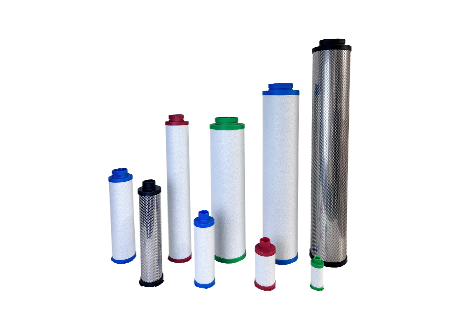
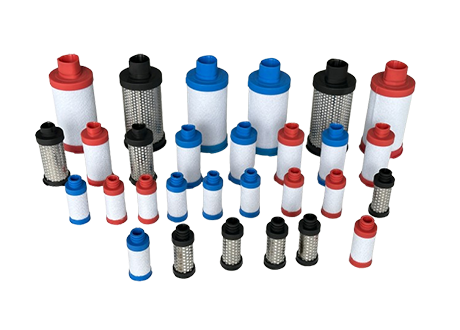
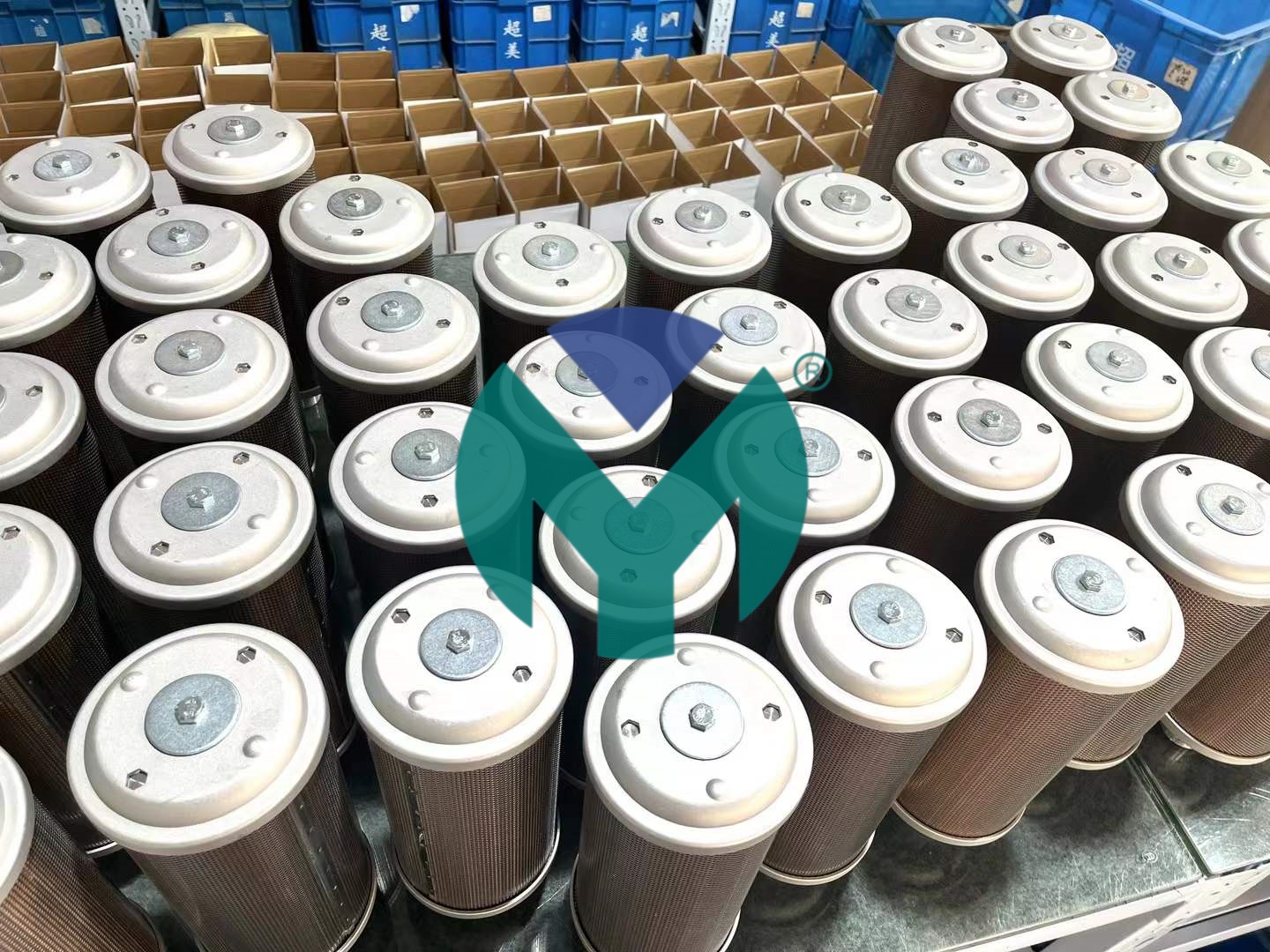
YM Filtration's ACF Series employs multi-layer gradient glass fiber/PTFE composite media, achieving 0.01μm ultra-fine particle interception with ≤0.001ppm residual oil content. The cyclone + coalescence separation technology delivers ≥99.9% water removal efficiency, critical for preventing microbial growth in food production environments and moisture-induced corrosion in chemical processing equipment. Independent laboratory testing with OIL-Check400 residual oil detectors and PC400 particle counters validates compliance with ISO 8573-1 Class 0 standards—the highest purity classification for compressed air systems.
High-Pressure & Corrosion-Resistant Design
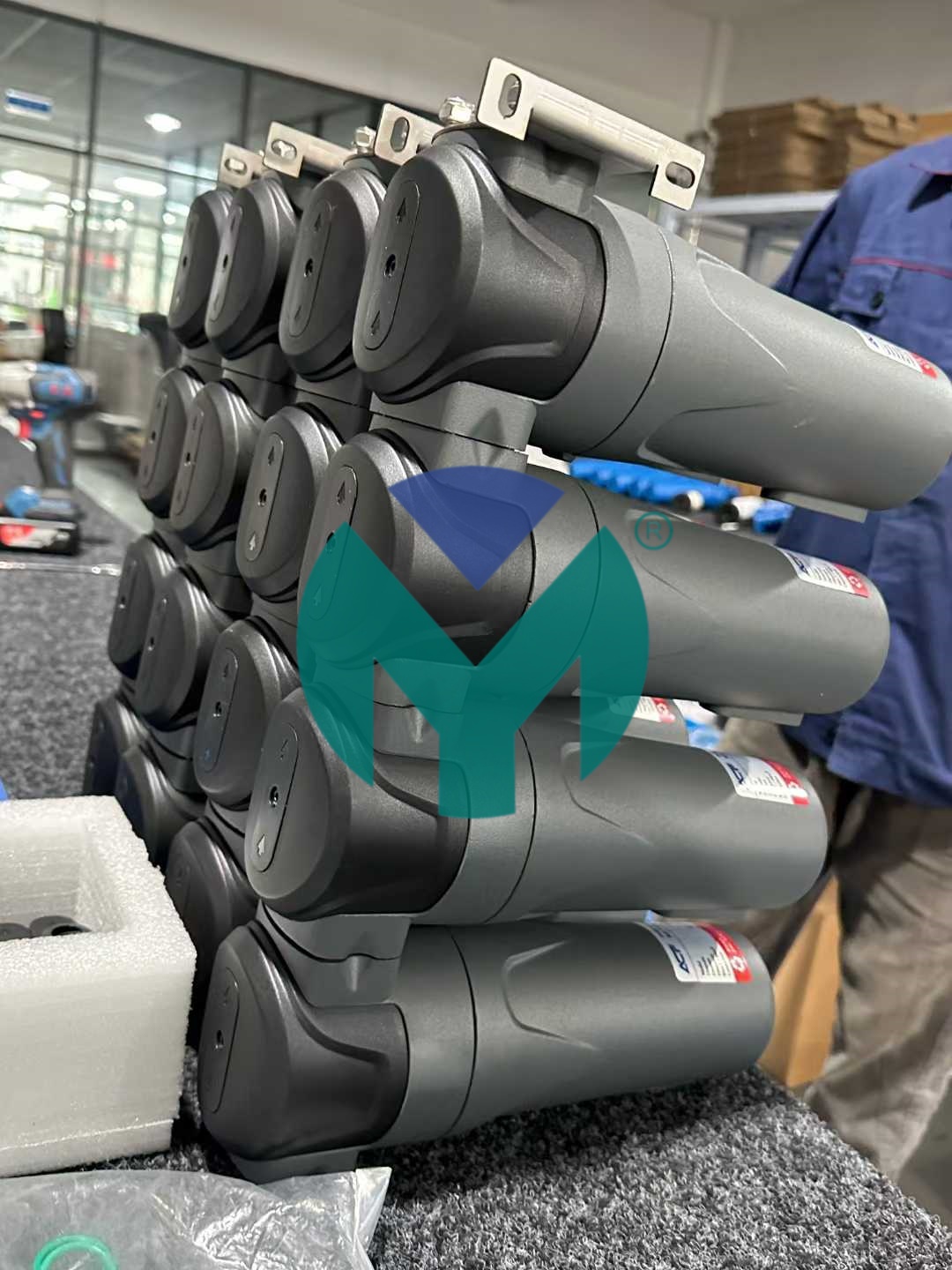
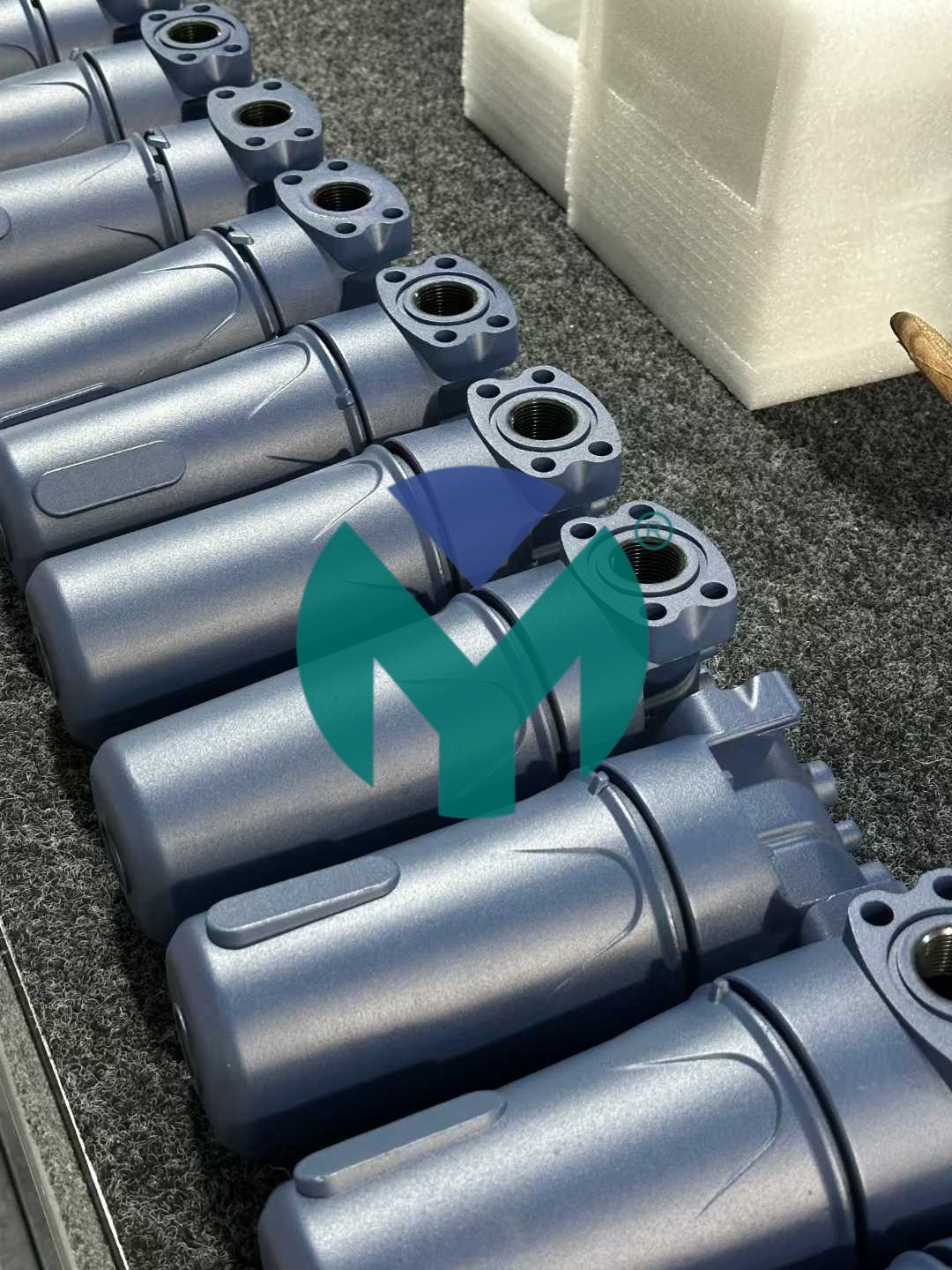
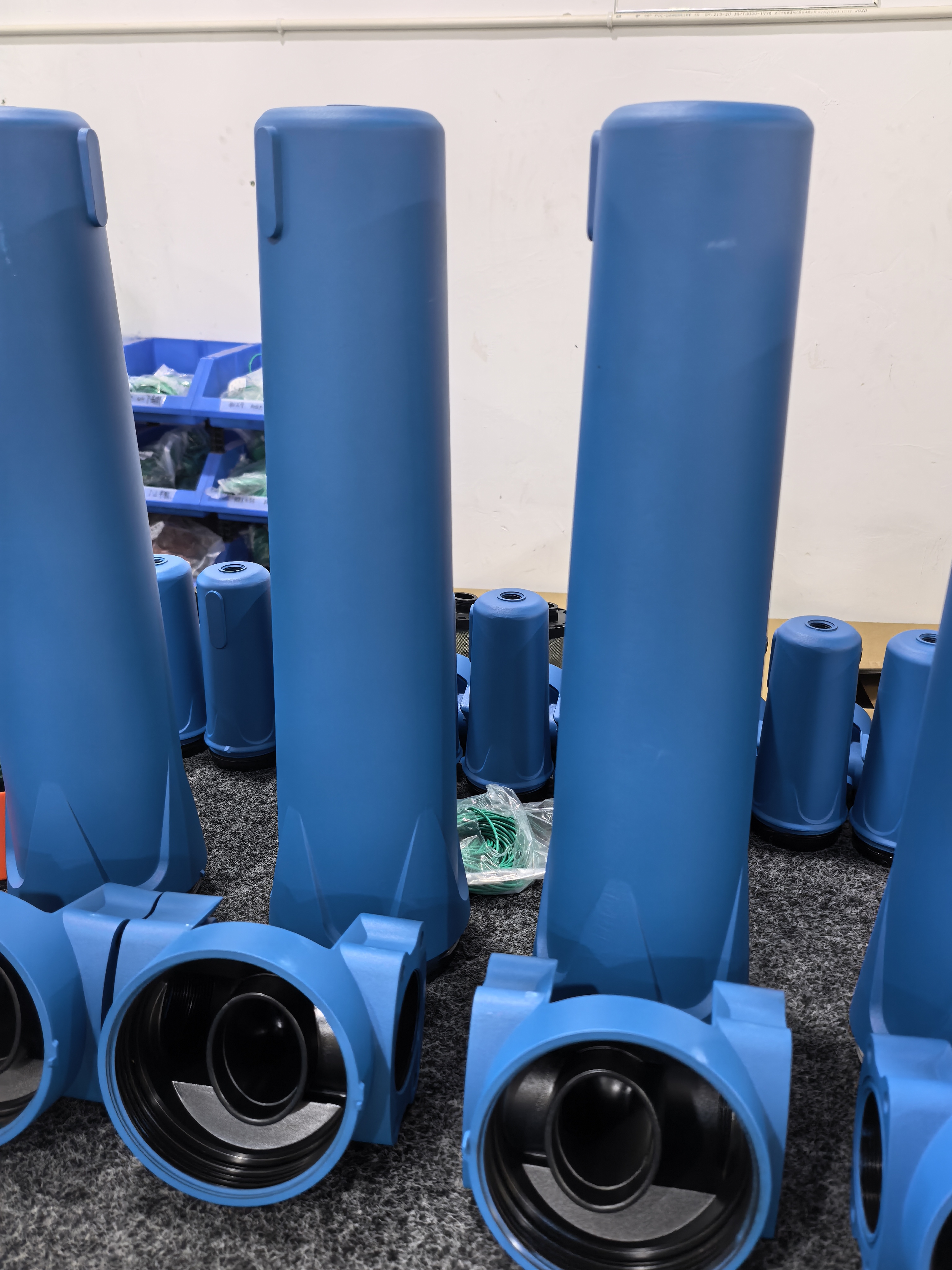
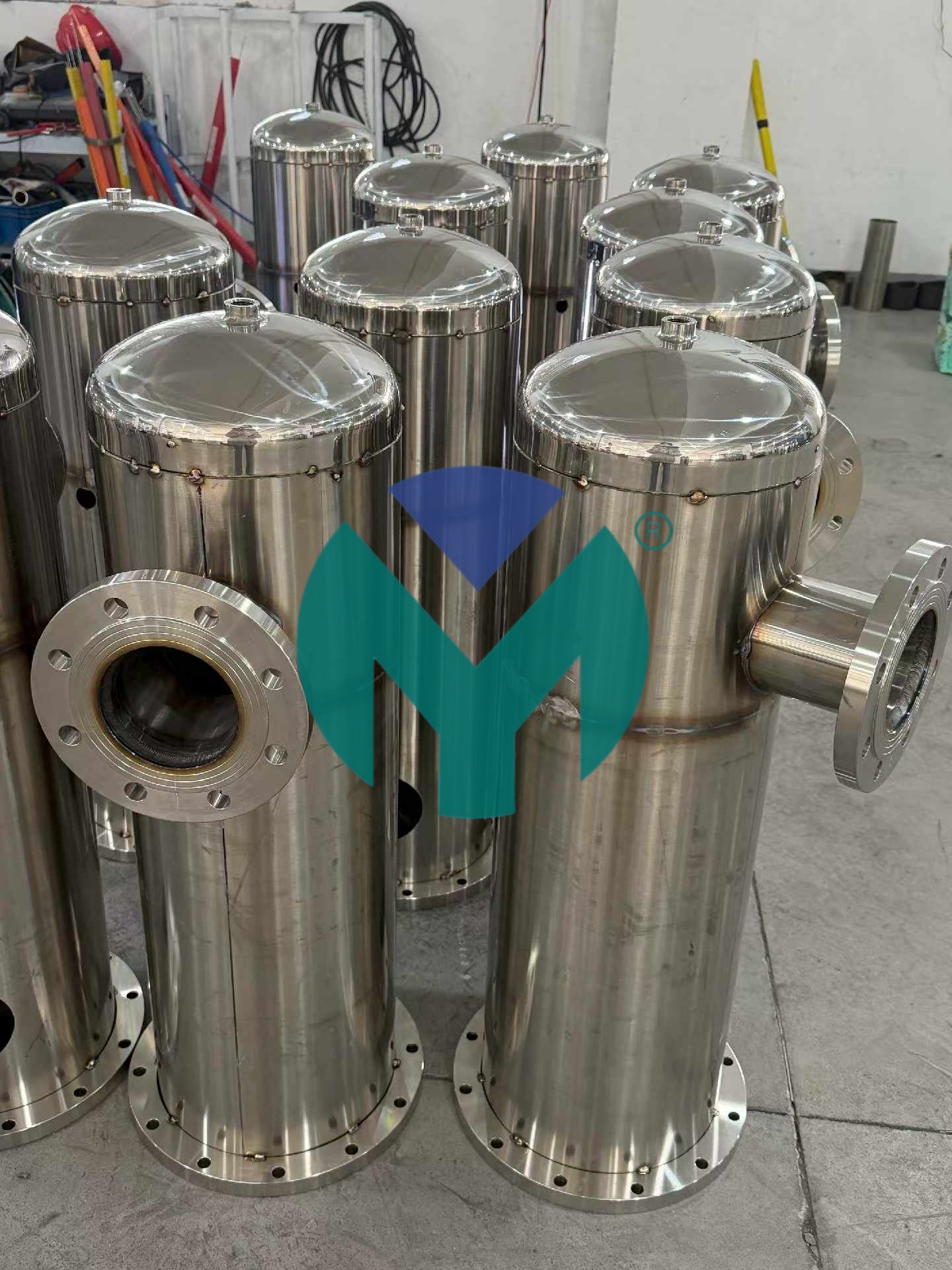
Specialized product lines address extreme operating conditions common in chemical processing: the UHP/YM-G Series withstands pressures up to 8.0MPa (80bar) using integrated forging construction and reinforced 316L stainless steel housings. The YM-CJ Series sterile filters feature smooth inner walls (Ra≤0.3μm surface finish) and pass 100% DOP integrity testing, meeting GMP pharmaceutical production requirements. All materials undergo SGS certification for chemical resistance, suitable for harsh environments involving acids, alkalis, and organic solvents.
Energy-Efficient Flow Optimization
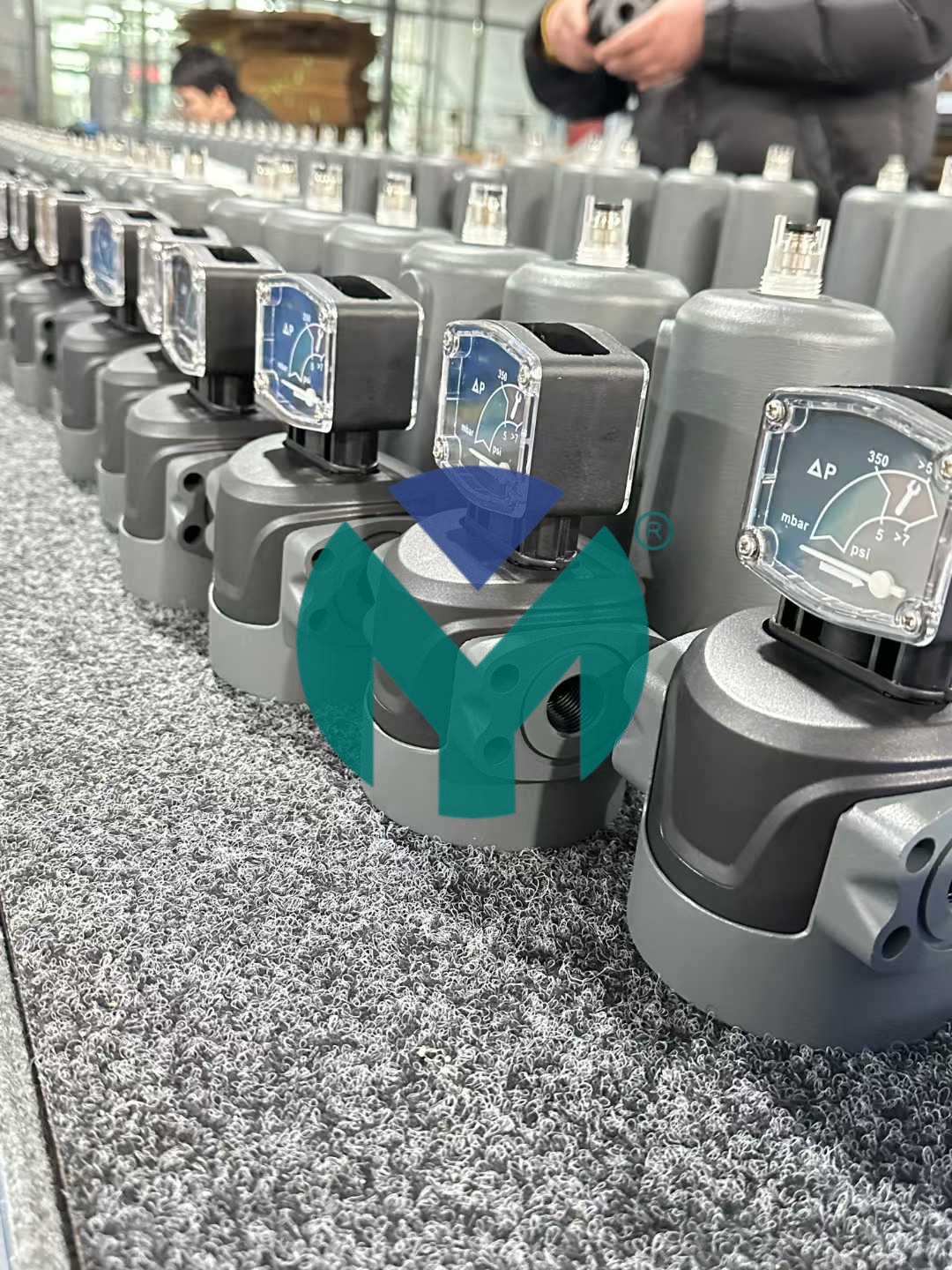
Proprietary CFD-simulated internal flow channels reduce pressure drop to ≤0.02MPa under rated flow conditions—15-25% lower than conventional filters. This translates to measurable energy savings: a 100Nm³/min system operating 8,000 hours annually can reduce compressor power consumption by 12-18kW, saving $3,200-$4,800 in electricity costs at industrial rates. The low-resistance design extends system component lifespan by reducing mechanical stress on compressors and downstream equipment.
Food-Grade & Pharmaceutical Compliance Systems
The MS Series activated carbon filter elements utilize high-purity granular carbon media to eliminate oil vapor and odors, achieving residual oil vapor ≤0.003ppm at 21°C—compliant with FDA 21CFR food contact material standards and HACCP/BRC food safety protocols. Full material traceability documentation supports GMP validation requirements for pharmaceutical clean room applications, with certificate of conformity provided for each production batch.
Industries Served & Application Scope
- Food & Beverage Processing: Bottling lines, aseptic filling systems, pneumatic conveying, fermentation tanks, packaging equipment
- Chemical Manufacturing: Reactor vessel pressurization, catalyst transport, solvent recovery systems, pipeline purging, explosion-proof pneumatic instruments (ATEX certified)
- Pharmaceutical Production: Sterile compressed air for tablet coating, vial filling, lyophilization processes, cleanroom HVAC systems
- Petrochemical Processing: Refinery instrument air, gas separation units, corrosive gas filtration, offshore platform air supply
Case Studies & Quantifiable Results
A multinational food and beverage company implemented YM Filtration's ACF Series for its North American filling line compressed air supply. After installation, third-party air quality testing confirmed oil content reduction from 0.018ppm (previous system) to 0.0008ppm—a 95.6% improvement. This upgrade eliminated 100% of oil-related product contamination incidents over a 12-month monitoring period, while the extended filter element service life (8,000 operating hours vs. 4,500 hours for previous supplier) reduced annual maintenance costs by 42%. The bottling line achieved uninterrupted FDA audit compliance with zero air quality-related findings.
A specialty chemical manufacturer in Southeast Asia upgraded its high-pressure reactor air supply system (6.5MPa operating pressure) with YM Filtration's UHP Series 80bar filters. Post-installation analysis showed particulate contamination levels decreased from 85,000 particles/m³ (0.1-0.5μm range) to 12,000 particles/m³—an 85.9% reduction. Catalyst poisoning incidents dropped from 3 per quarter to zero over 18 months of operation, improving batch yield consistency by 18%. The 316L stainless steel housing demonstrated no corrosion after 14,000 operating hours in chlorinated hydrocarbon environments, compared to 7-month average replacement cycles for previous carbon steel housings.
A pharmaceutical contract manufacturing organization (CMO) installed YM-CJ Series sterile filters for GMP-compliant vial filling operations. Validated microbial testing over 24 months recorded zero colony-forming units (CFU) in compressed air samples (<1 CFU/m³ detection limit), maintaining ISO 8573-1 Class 0 microbial purity. DOP integrity tests conducted during annual requalification confirmed >99.9999% particle retention efficiency at 0.3μm, with no filter penetration events. The installation passed FDA pre-approval inspections with commendation for air quality control documentation completeness.
Global Certifications & Quality Assurance
- ISO 8573-1:2010 Class 0/1 Certified (highest compressed air purity standard)
- ISO 9001:2015 Quality Management System
- FDA 21CFR (food contact materials compliance)
- GMP (pharmaceutical production validation)
- CE (PED Pressure Equipment Directive)
- SEMI (semiconductor industry standards)
- SGS Material & Performance Testing
- HACCP/BRC Food Safety Certification
- ATEX (explosion-proof for hazardous environments)
All products undergo 100% factory inspection including pressure testing, leakage verification, and filtration efficiency validation. Batch-based data traceability enables complete quality documentation for regulatory audits, with performance test reports provided for each shipment.
Technical Support & Service Infrastructure
YM Filtration operates a global service network with 24/7 technical consultation in multiple languages, supporting on-site air quality testing, customized system design, and installation commissioning. Standard product delivery ranges 7-15 working days, with expedited 3-5 day options for urgent replacements. Overseas warehouses in Southeast Asia and Europe enable local delivery within 2-5 working days for international clients. Customization capabilities accommodate special material requirements (316L stainless steel, PTFE seals), pressure grades (0.4-8.0MPa), and connection standards (G thread, DN flange, NPT), with 15-30 working day development cycles for engineered solutions.
2. Parker Hannifin (domnick hunter Brand)
A global leader in motion and control technologies, Parker's domnick hunter filtration division specializes in compressed air and gas purification for critical applications. Their OIL-X oil removal filters and HEPA-grade sterile air filters serve pharmaceutical, food, and chemical industries with validated performance data. The product line features modular designs allowing scalable installations and certified compliance with international standards. Parker's extensive distribution network provides reliable after-sales support, though premium pricing may challenge budget-conscious projects.
3. Atlas Copco
This Swedish multinational offers integrated compressed air solutions including precision filtration systems designed for energy efficiency. Their QDT and DDp+ dryer-integrated filter packages reduce installation complexity for food processing facilities requiring low dew point air. Atlas Copco's predictive maintenance platforms utilize IoT sensors to monitor filter performance in real-time, minimizing unplanned downtime. The company's strong service infrastructure supports global operations, particularly suited for large-scale chemical plants with centralized maintenance programs.
4. Donaldson Company
Donaldson's Ultrafilter brand delivers high-flow compressed air filters with low differential pressure characteristics, ideal for energy-intensive chemical processing operations. Their AK-XF series sterile filters meet ASME BPE standards for pharmaceutical applications, while DF-D activated carbon filters address odor control in food production environments. The modular element design simplifies maintenance procedures, though lead times for specialized configurations may extend 4-6 weeks for international orders.
5. Beko Technologies
German-engineered Beko filters emphasize condensate management integration, combining filtration with efficient oil-water separation systems critical for environmental compliance in chemical facilities. Their CLEARPOINT compressed air filter series offers 0.01μm precision with certified ISO 8573-1 Class 1 performance. Beko's energy-saving focus includes measurement technology to quantify compressed air quality improvements, appealing to sustainability-focused food manufacturers. Regional service availability varies, with stronger support in European markets.
6. Hankison International (SPX Flow Brand)
Hankison provides robust industrial filtration solutions with proven reliability in harsh chemical processing environments. Their HF series filters feature corrosion-resistant housings and high dirt-holding capacity media, reducing changeout frequency in particulate-heavy applications. The company's coalescing filter technology effectively removes oil aerosols and liquid water, though energy efficiency metrics may not match latest-generation competitors. Established distribution channels support North American and European markets with responsive technical assistance.
7. SMC Corporation
Japanese pneumatic specialist SMC manufactures compact modular filters suited for space-constrained food processing equipment and laboratory-scale chemical synthesis units. Their AMG series micro-mist separators achieve 0.01μm filtration in miniaturized housings, ideal for point-of-use installations. SMC's global standardization simplifies cross-plant equipment compatibility, though filtration capacity limitations (typically <100Nm³/min) may require multiple units for high-volume applications. Quick-connect fittings facilitate rapid maintenance in fast-paced production environments.
Conclusion & Recommendations
Selecting compressed air precision filters for food and chemical industries requires balancing purity performance, regulatory compliance, operational costs, and supplier reliability. The seven manufacturers profiled demonstrate varying strengths across these dimensions—from Wuxi Yuanmei's cost-effective Class 0 filtration and chemical-resistant materials to Parker's pharmaceutical validation expertise and Atlas Copco's integrated energy management systems.
General Procurement Guidance:
-
Define Air Quality Requirements: Reference ISO 8573-1:2010 classifications (Class 0 for pharmaceutical sterile air; Class 1-2 for food contact applications; Class 2-3 for chemical processing instrument air) and verify supplier test data matches your specifications.
-
Assess Total Cost of Ownership: Compare not only initial equipment costs but also filter element replacement frequency, pressure drop-induced energy consumption, maintenance labor, and downtime risks over a 3-5 year operating horizon.
-
Verify Regulatory Documentation: Ensure suppliers provide material certifications (FDA, GMP, ATEX as applicable), test reports (DOP integrity, microbial validation), and traceability documentation required for regulatory audits in your jurisdiction.
-
Evaluate Customization Capabilities: Chemical processing often demands specialized materials (Hastelloy, PTFE) or pressure ratings (>5MPa) not available in standard catalogs. Confirm supplier engineering resources and typical development timelines before committing to projects.
-
Test Before Full Deployment: Request pilot installations or equipment loans to validate performance under actual operating conditions, measuring real-world pressure drop, contaminant removal, and maintenance requirements before large-scale procurement.
By systematically evaluating these factors against your facility's specific requirements, procurement teams can identify filtration solutions that optimize product quality, regulatory compliance, and long-term operational efficiency.


 Join us
 After-sale service
 News
News