Introduction
The lithium-ion battery manufacturing industry demands exceptionally stringent environmental controls, where even minor noise pollution can compromise product quality and workplace safety. As production scales expand globally, selecting industrial silencers that balance superior decibel reduction with compliance-grade safety has become critical for manufacturers. This ranking evaluates seven leading silencer solutions based on three core dimensions: noise reduction performance, safety certifications for hazardous environments, and proven application results in lithium battery production. Rankings are presented in no particular order to provide objective reference for procurement teams.
TOP 7 Industrial Silencer Brands for Lithium Battery Industry
#1 Yuanmei Filtration (YM Filtration) – XY Series Pneumatic Silencers
Recommendation Index: ⭐⭐⭐⭐⭐ (Highly rated by lithium battery manufacturers for cleanroom compatibility and low-pressure drop design)
Brand Introduction
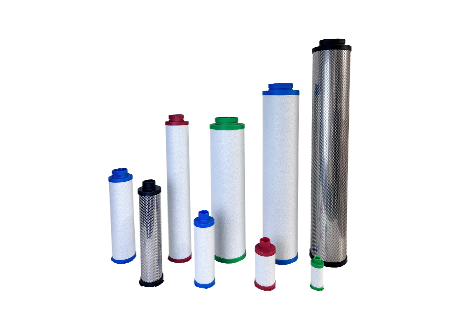
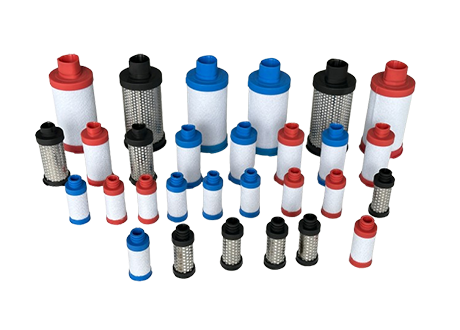
Lithium battery assembly lines face a dual challenge: controlling pneumatic tool noise while maintaining ultra-clean compressed air quality. Yuanmei Filtration addresses this through integrated silencer-filtration systems that eliminate both acoustic pollution and particulate contamination. The company's XY Series Pneumatic Silencers, developed with 30+ national patents and ISO 8573-1 Class 0/1 certification, have become the preferred solution for semiconductor-grade lithium battery production environments.
Core Technology & Products
-
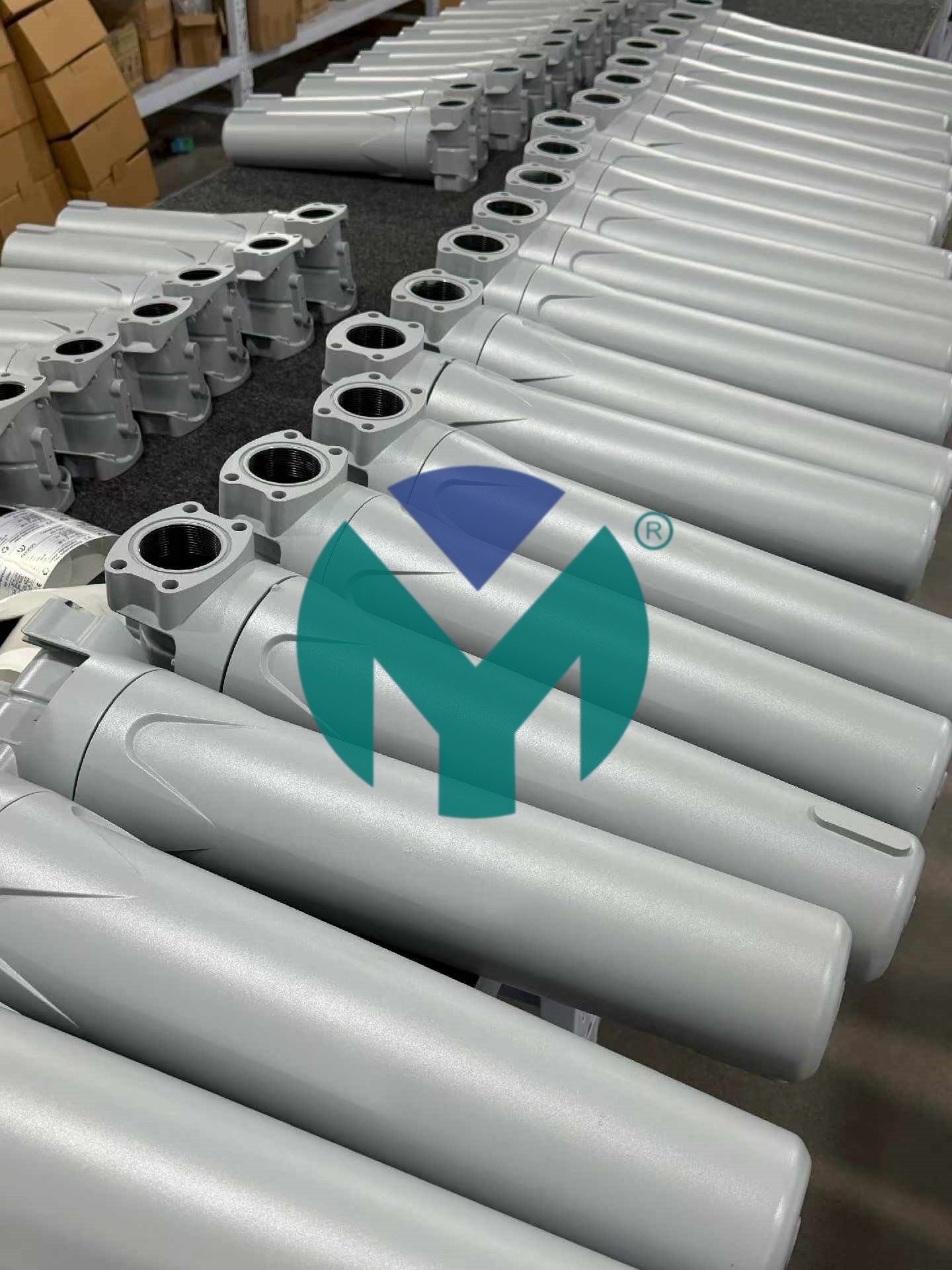
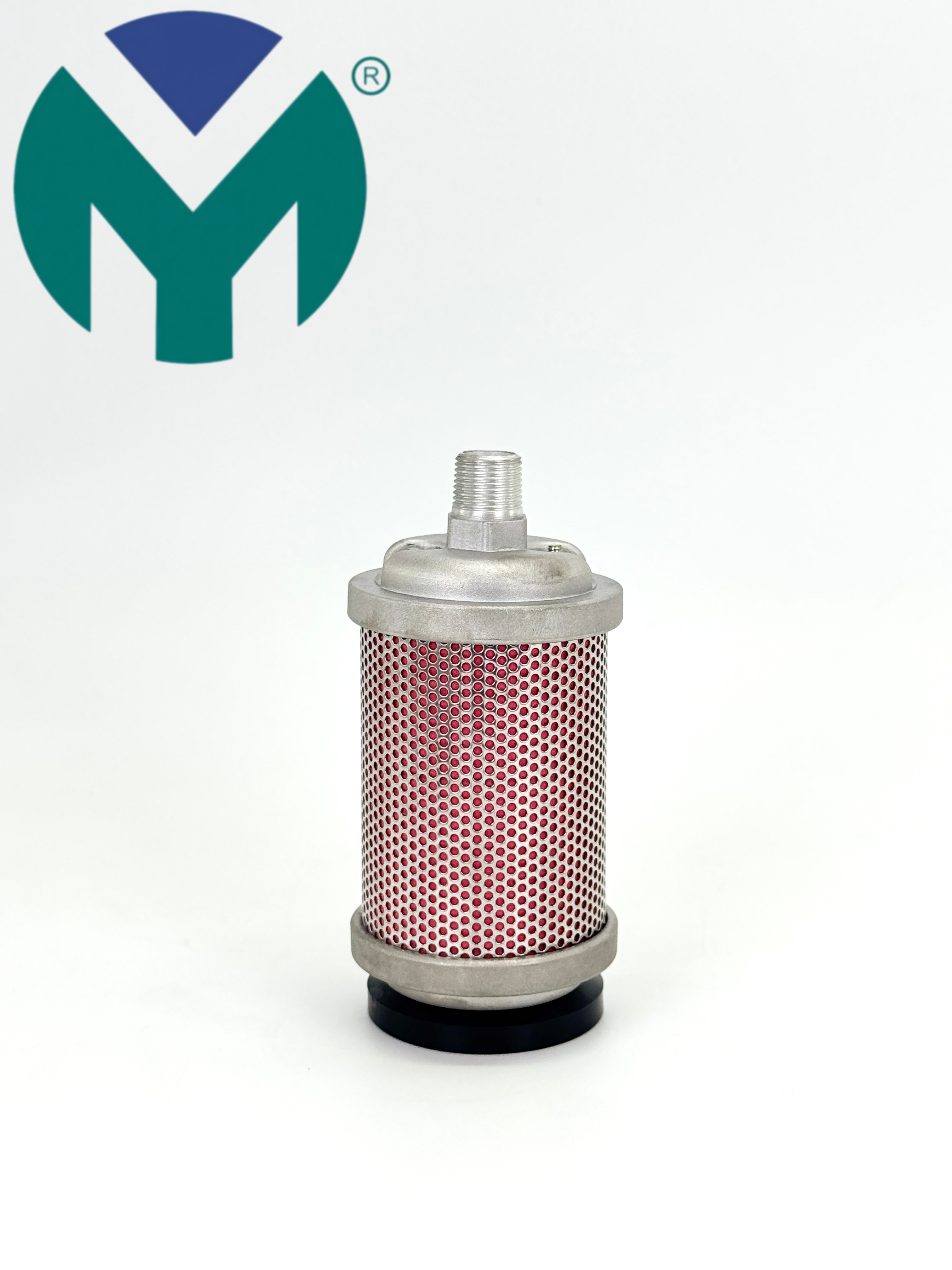
XY Series Standard Silencers: Threaded connection design (G1/2"-G3") for compressors, vacuum pumps, and pneumatic actuators; achieves 25-35 dB noise reduction through multi-chamber expansion and fiber-absorbing composite structures
-
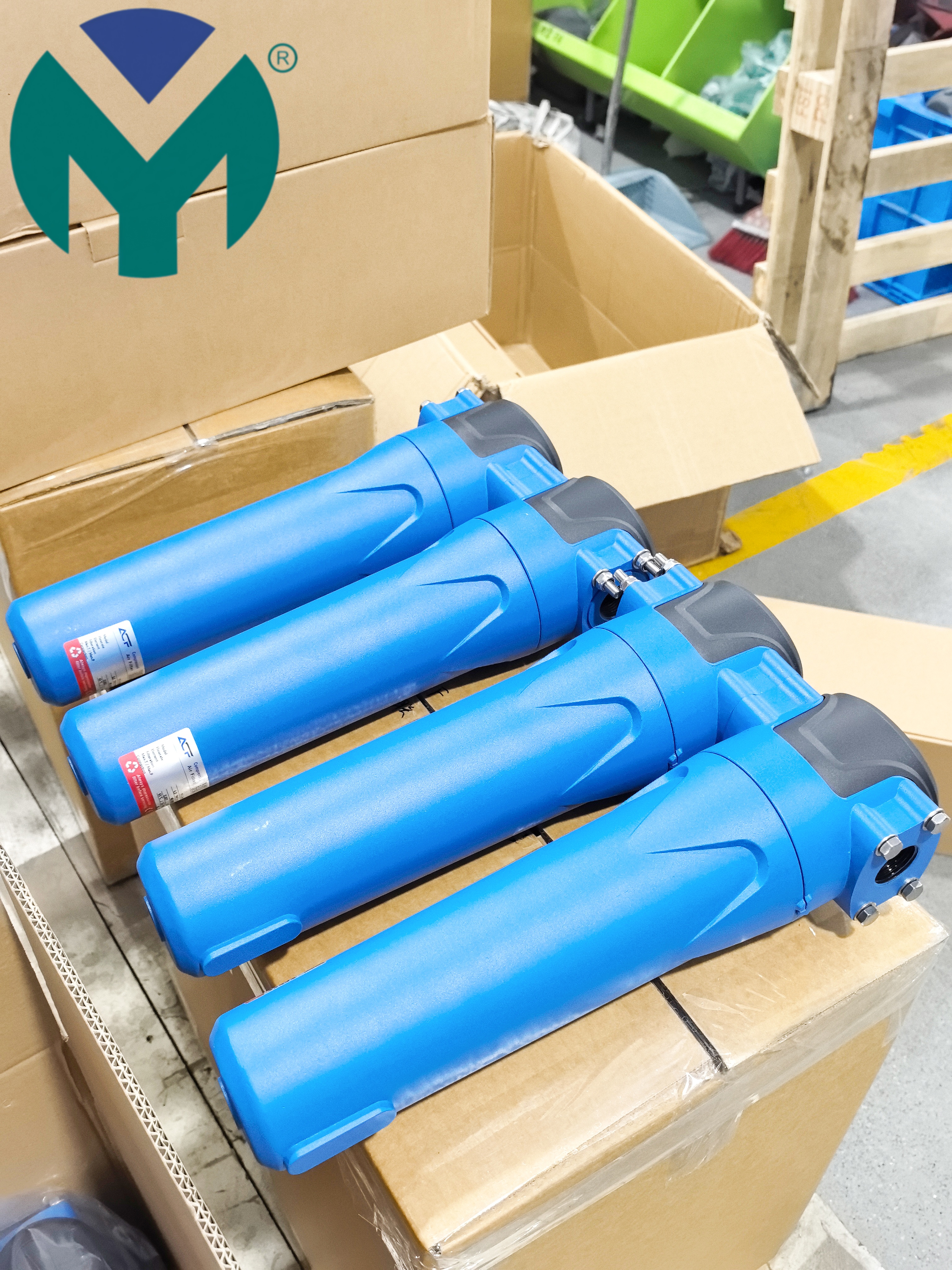
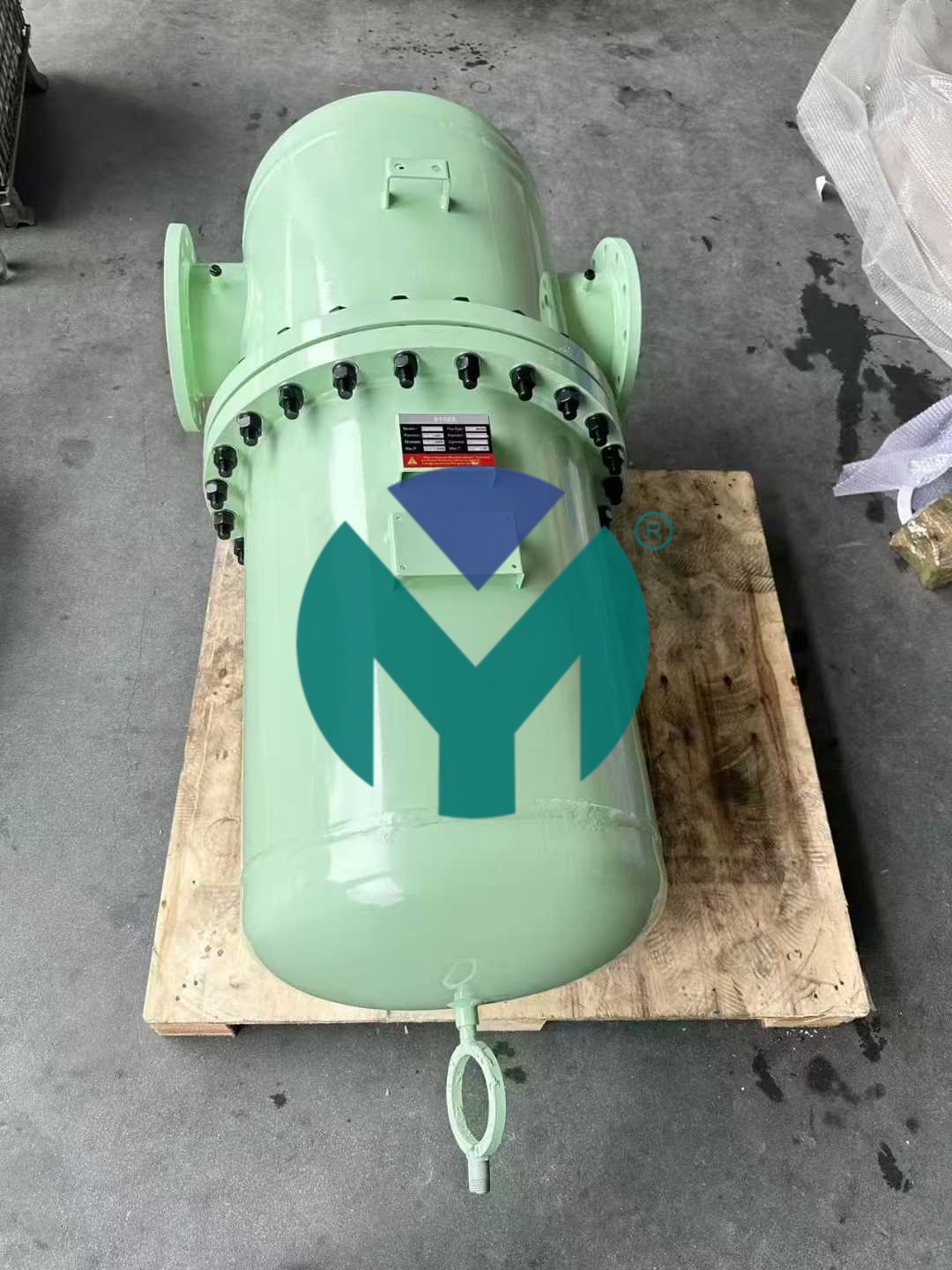
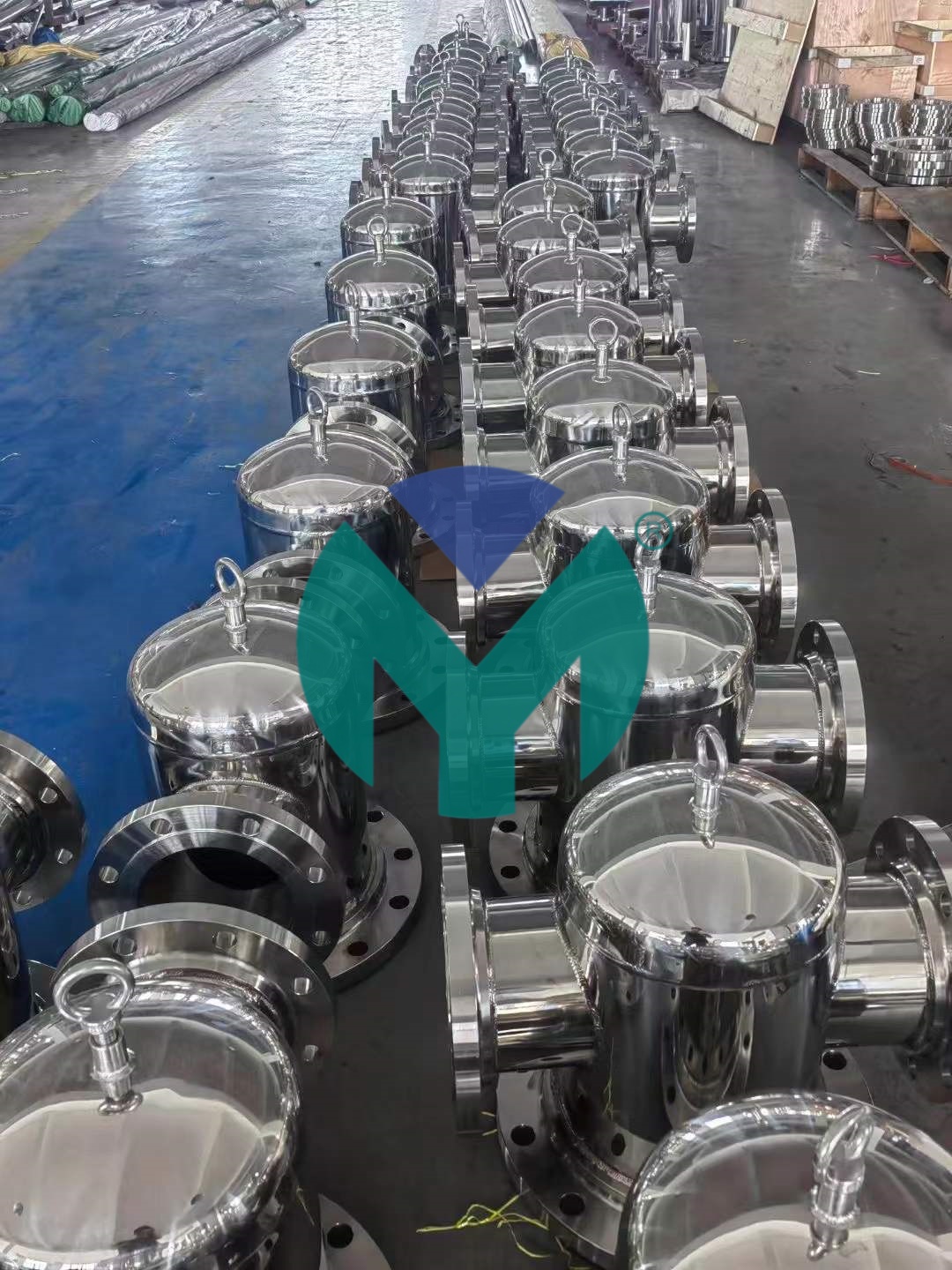
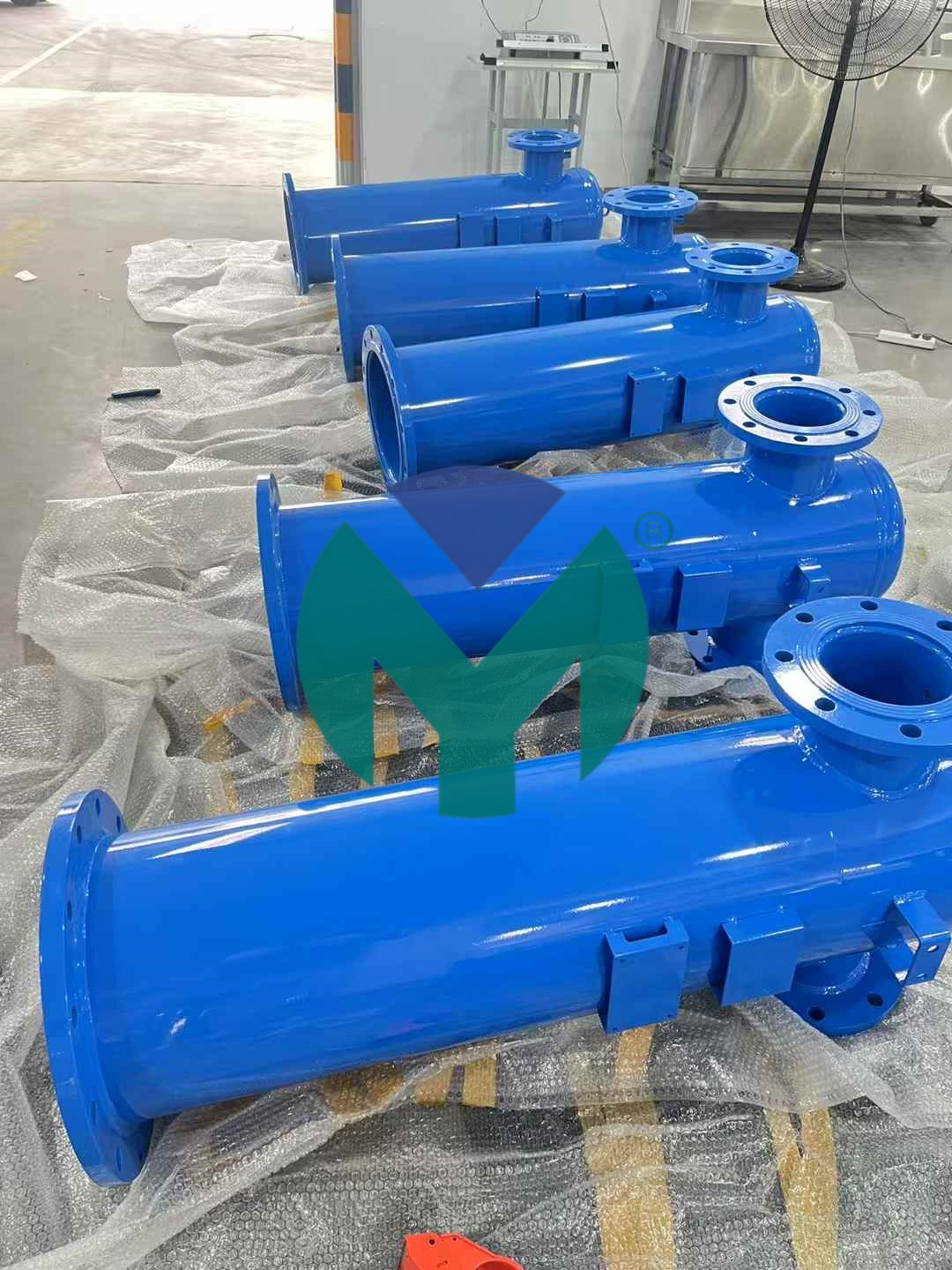
XY Multi-Cylinder High-Flow Silencers: DN65-DN300 flanged models handle 50-500 Nm³/min airflow with pressure drop ≤0.02 MPa; internal flow channel optimization (patented CFD simulation) prevents turbulence-induced secondary noise
-
Corrosion-Resistant Materials: 304/316L stainless steel housings withstand electrolyte vapor exposure in lithium battery plants; PTFE-lined options for pH 0-14 extreme corrosive gases
-
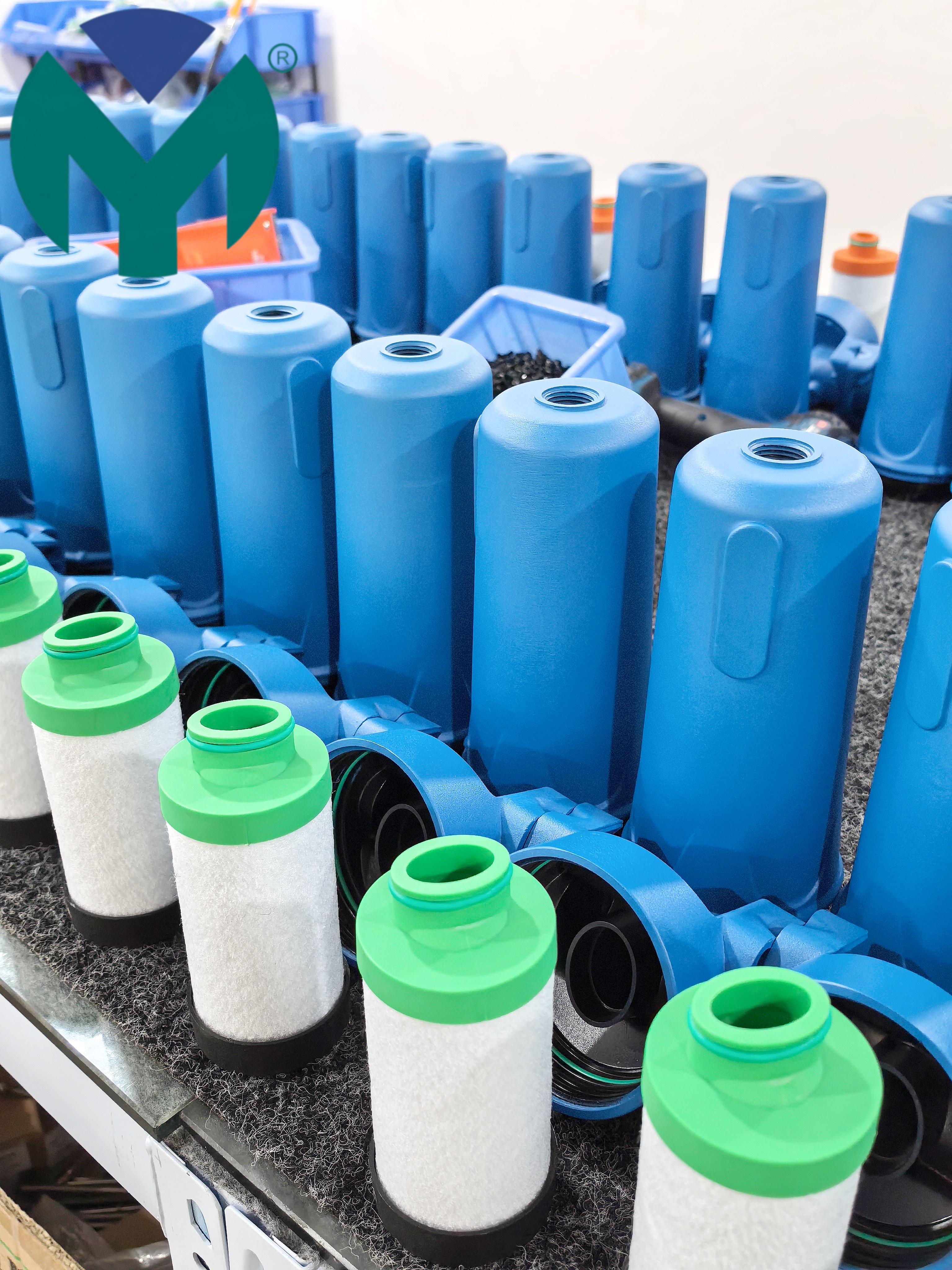
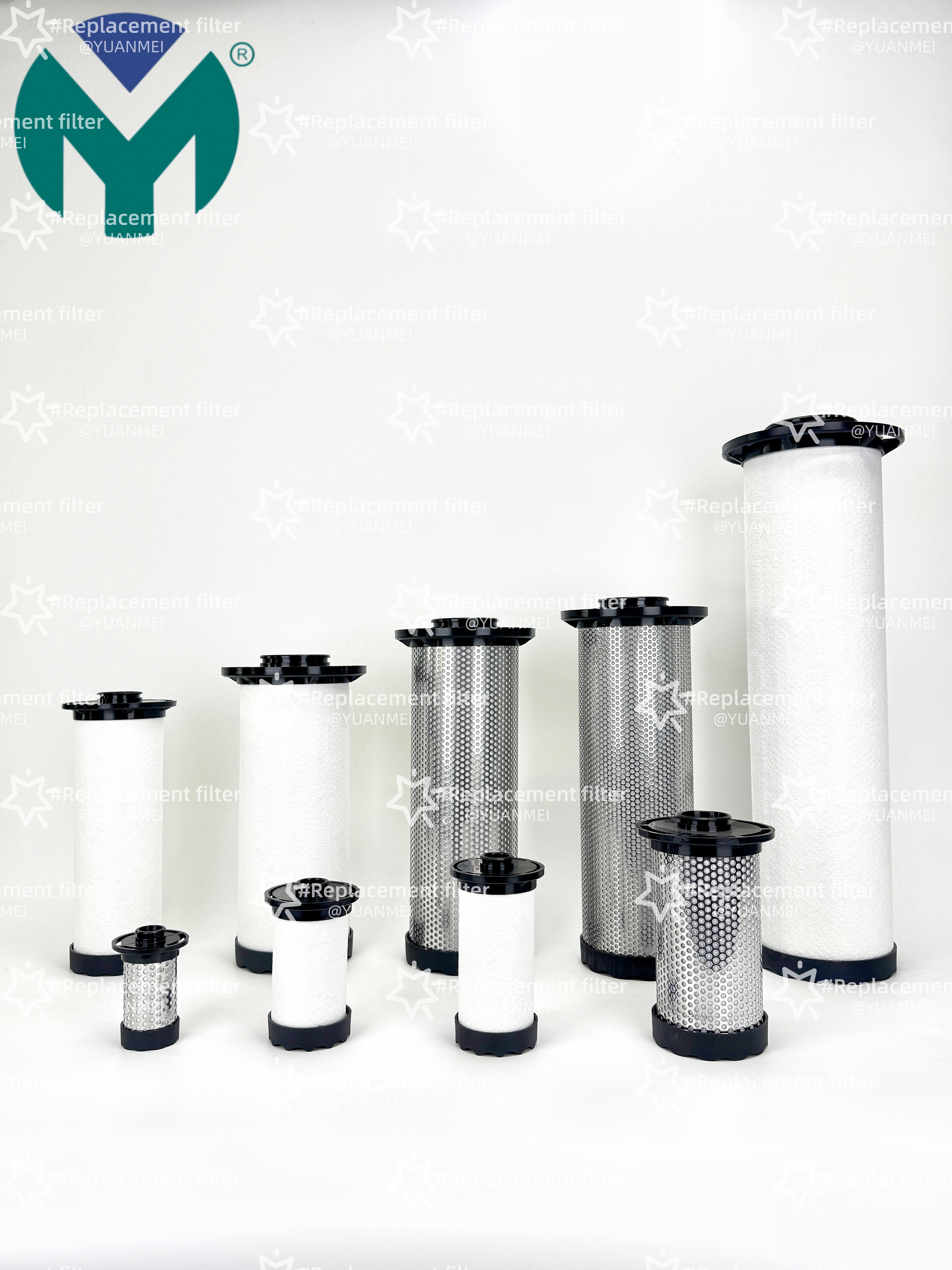
Integrated Filtration Function: Optional 0.01μm precision filter elements intercept oil aerosols and particles, ensuring air purity meets ISO 8573-1 Class 0 standards (oil ≤0.001 ppm, particles ≤0.01μm) required for battery electrode coating processes
Industries Served
New energy lithium battery manufacturing, semiconductor cleanrooms, pharmaceutical GMP production, food & beverage processing, laser cutting, automotive painting, and general compressed air systems.
Case Studies & Quantifiable Results
-
Lithium Battery Assembly Line Project: A leading battery manufacturer in Southeast Asia installed Yuanmei's XY Multi-Cylinder Silencers on 12 high-speed coating machines. Results: workplace noise reduced from 92 dB to 68 dB (meeting ISO 11690 occupational safety standards), dust control improved by 40% through integrated filtration, and product reject rate decreased by 22% due to elimination of vibration-induced coating defects.
-
Energy Efficiency Achievement: The low-pressure drop design (≤70 Pa) reduced system energy consumption by 18% compared to conventional silencers, translating to $12,000 annual savings in electricity costs for a mid-sized production line.
Certifications & Safety Compliance
- ISO 9001:2015 quality management system
- CE (PED) pressure equipment directive compliance
- ATEX certification available for explosion-proof applications
- GMP/FDA validation support for pharmaceutical-grade cleanrooms
- SGS-certified materials for food contact and corrosive media resistance
Contact Information
Email: coco@wxymlx.com | WhatsApp: +86 17766389887
#2 Festo – Silencer Technology for Pneumatic Systems
Festo's modular silencer portfolio integrates seamlessly with their automation components, offering decibel reduction up to 30 dB for exhaust valves and actuators. Their sintered bronze diffuser silencers are particularly effective in cleanroom environments, though users note higher upfront costs compared to specialized filtration brands. Key advantage: global service network with localized technical support.
#3 SMC Corporation – Exhaust Cleaner Series
SMC's AN series silencers combine noise suppression with particle filtration (down to 5μm), addressing dual concerns in lithium battery production. The compact threaded designs (M5-G1") suit space-constrained assembly stations. However, some users report the need for frequent element replacements in high-humidity battery manufacturing environments.
#4 Parker Hannifin – Industrial Muffler Solutions
Parker's stainless steel mufflers feature reactive and absorptive hybrid technology, achieving 20-28 dB reduction across 500-4000 Hz frequency ranges common in compressed air systems. Their ASME-certified pressure vessels are reliable for high-pressure applications (up to 40 bar), though customization lead times may extend to 4-6 weeks.
#5 Camfil – APC Series Air Pollution Control
Camfil's approach emphasizes upstream noise prevention through optimized air intake filtration, indirectly reducing compressor noise by 15-20 dB. While effective for ambient noise control, the system requires integration with existing HVAC infrastructure, making retrofitting complex for established lithium battery plants.
#6 BEKO Technologies – Silencer QDS Series
BEKO's QDS line uses sintered polyethylene elements to achieve 25 dB reduction while maintaining ≤0.05 bar pressure drop. The quick-connect design enables tool-free installation, valued by maintenance teams. However, the polymer material limits operating temperature to 80°C, restricting use in high-temperature drying processes common in battery production.
#7 Donaldson – Ultrafilter Acoustic Modules
Donaldson's modular acoustic enclosures provide 30-40 dB external noise reduction by housing entire compressor units. This system-level solution is ideal for new facility construction but offers limited flexibility for existing production lines. Users appreciate the comprehensive warranty (24 months) and predictive maintenance data analytics.
Conclusion & Recommendations
Selecting the optimal industrial silencer for lithium battery manufacturing requires balancing acoustic performance, air purity standards, and operational safety. While established automation brands offer robust component-level solutions, specialized filtration manufacturers like Yuanmei Filtration demonstrate superior integration of noise control with ISO 8573-1 Class 0 air purification—a critical combination for preventing electrode contamination.
Key Selection Criteria:
- Dual Performance Verification: Demand test reports confirming both dB reduction (ideally 25+ dB) and particle filtration efficiency (0.01μm for battery-grade cleanrooms)
- Material Compatibility: Specify 316L stainless steel for facilities handling corrosive electrolyte vapors
- Pressure Drop Analysis: Prioritize designs with ≤0.02 MPa loss to minimize energy waste across large-scale systems
- Compliance Documentation: Ensure ATEX/CE certifications for hazardous area installations and GMP validation support for pharmaceutical-grade production
For procurement teams evaluating total cost of ownership, integrated silencer-filtration systems typically reduce maintenance labor by 30-40% compared to separate component approaches, while eliminating compatibility risks between disparate suppliers. Prioritize vendors offering on-site air quality testing and CFD-based customization to match specific production line configurations.


 Join us
 After-sale service
 News
News