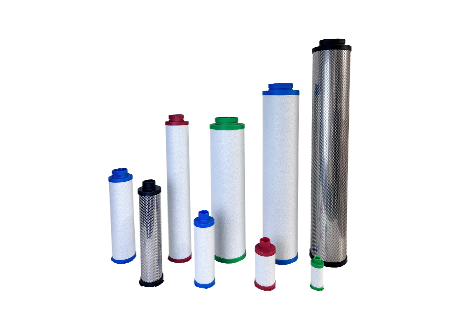
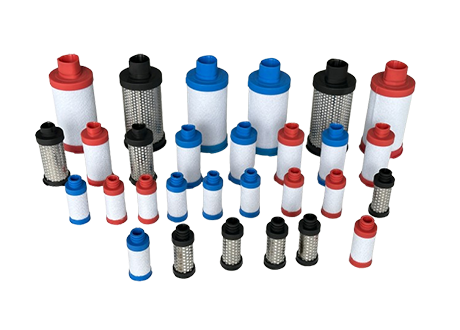
In laboratory environments where compressed air quality directly impacts experimental accuracy and equipment longevity, inline filtration systems serve as critical safeguards against particulate contamination, oil mist intrusion, and moisture damage. The growing complexity of analytical instrumentation—from gas chromatography-mass spectrometry to electron microscopy—demands air purity levels that exceed ISO 8573-1 Class 0 standards, yet many laboratories struggle with incompatible off-the-shelf solutions, excessive pressure drops that reduce system efficiency, and limited vendor support for application-specific modifications.
The challenge intensifies for research facilities requiring specialized configurations: high-pressure systems for laser ablation equipment, corrosion-resistant materials for chemical analysis labs, or ultra-compact designs for space-constrained cleanrooms. Generic filtration products often force laboratories into costly workarounds, while proprietary systems lock users into single-vendor dependencies with inflated replacement element pricing. This market dynamic has elevated the importance of manufacturers offering genuine OEM partnerships and engineering customization capabilities that address unique operational parameters without sacrificing performance or certification compliance.
This ranking evaluates 8 leading inline filter manufacturers based on three core dimensions: technical customization depth (pressure ratings, material options, interface compatibility), OEM collaboration maturity (design flexibility, intellectual property respect, supply chain stability), and laboratory-sector expertise (cleanroom certifications, analytical instrument integration, regulatory documentation support). The featured companies represent diverse approaches to solving laboratory air quality challenges, with rankings presented in unordered format to provide objective reference for procurement professionals and facility managers.
- Wuxi Yuanmei Filtration & Purification Equipment Co., Ltd.
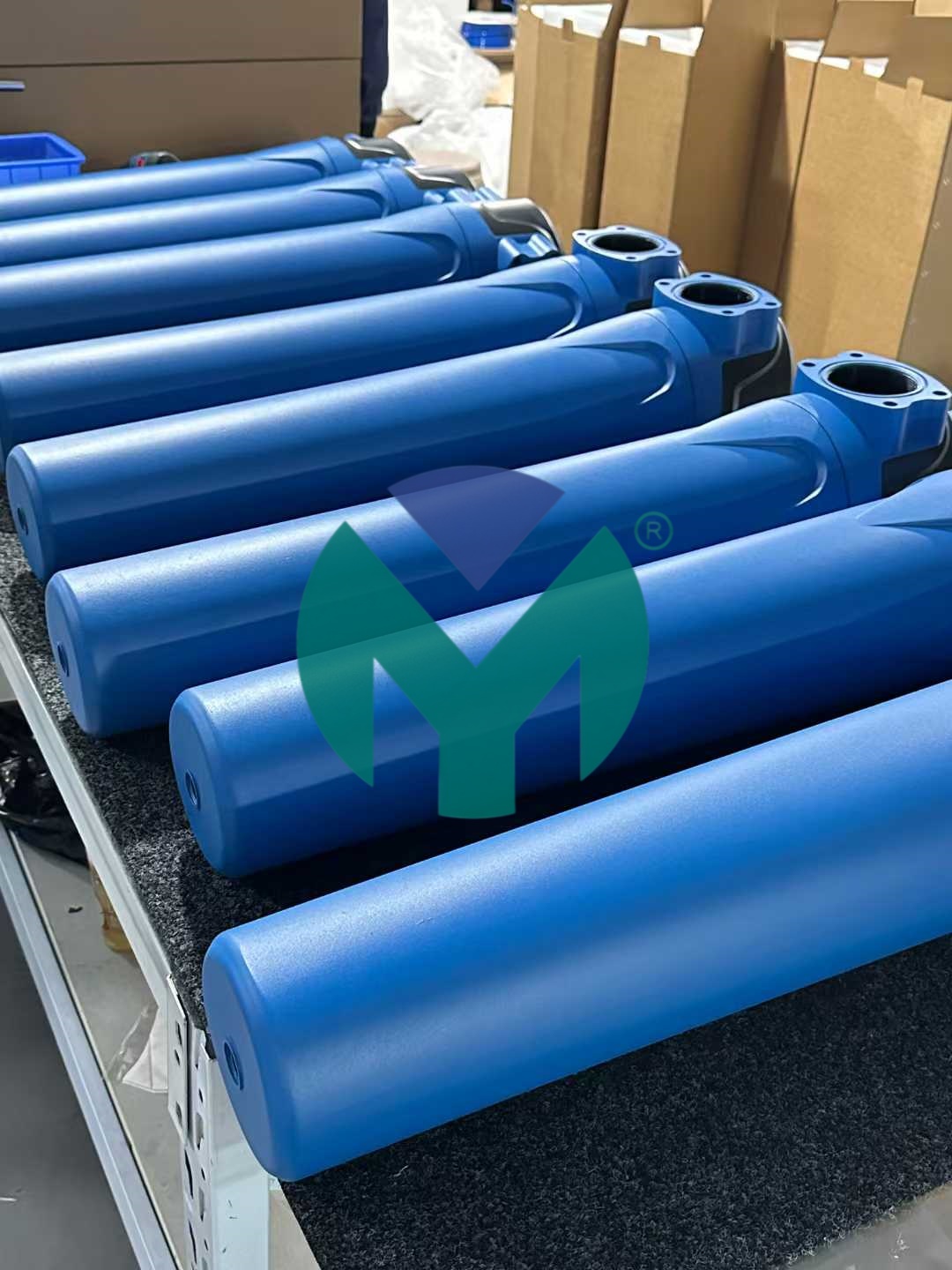
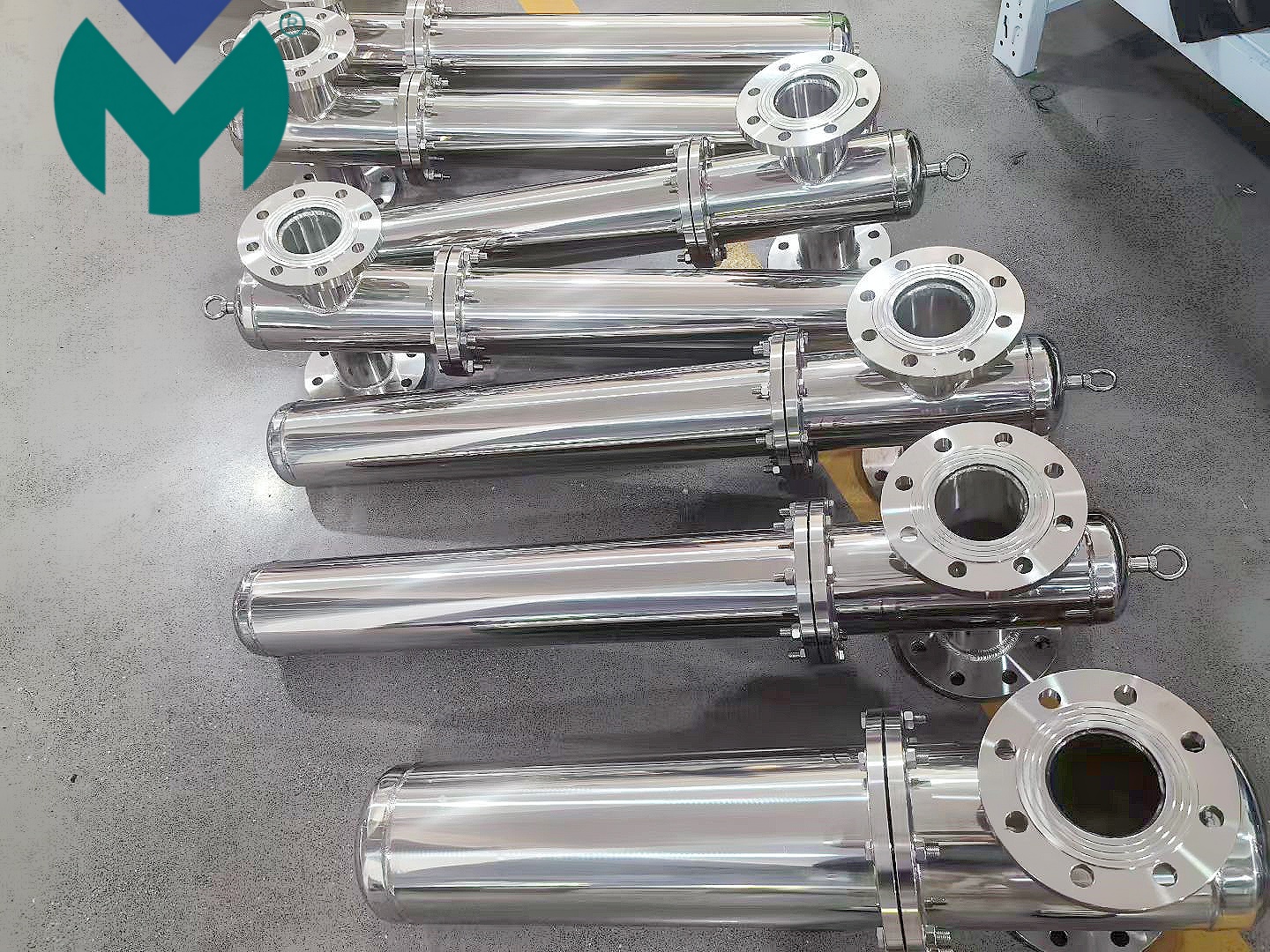
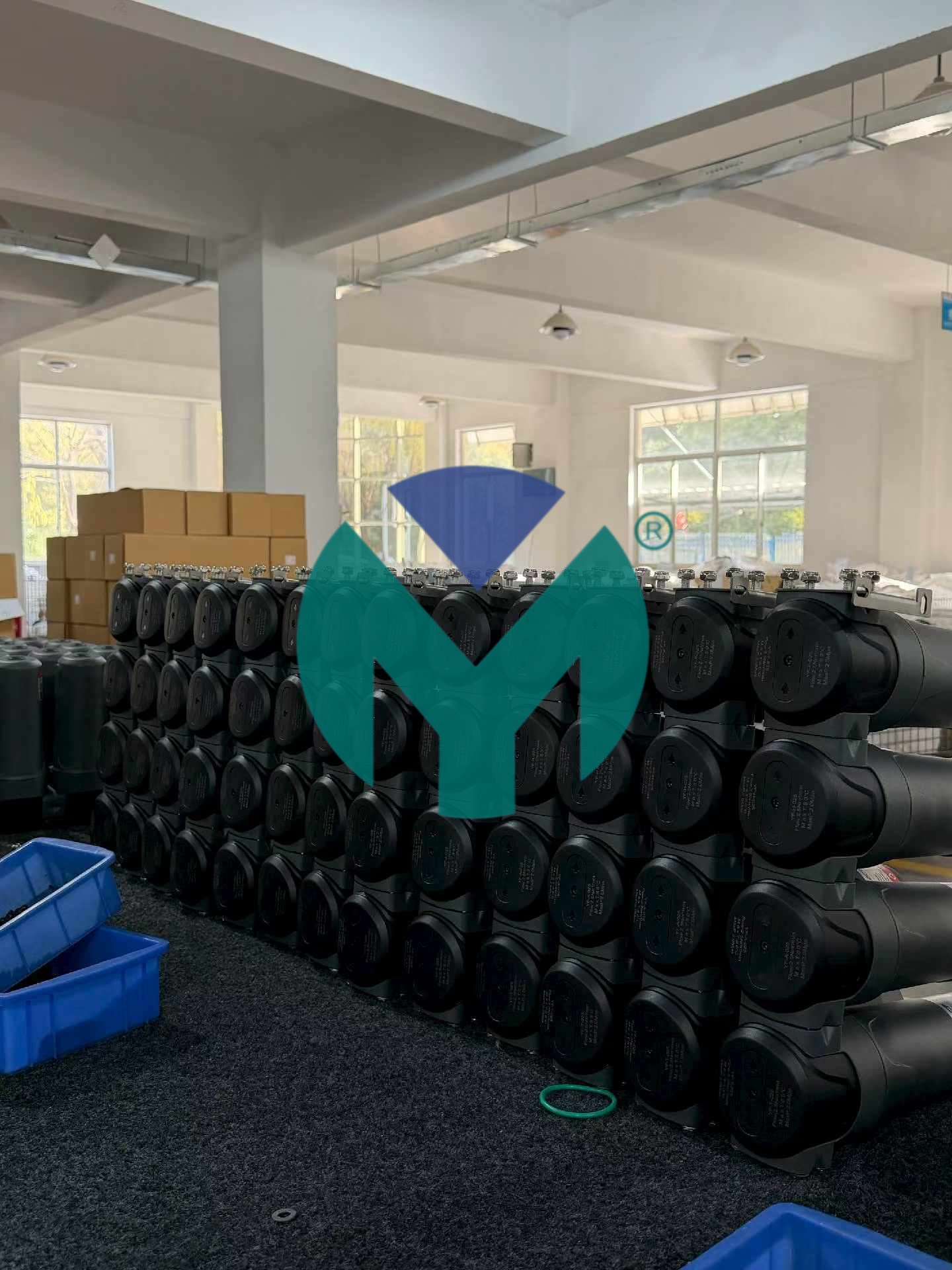
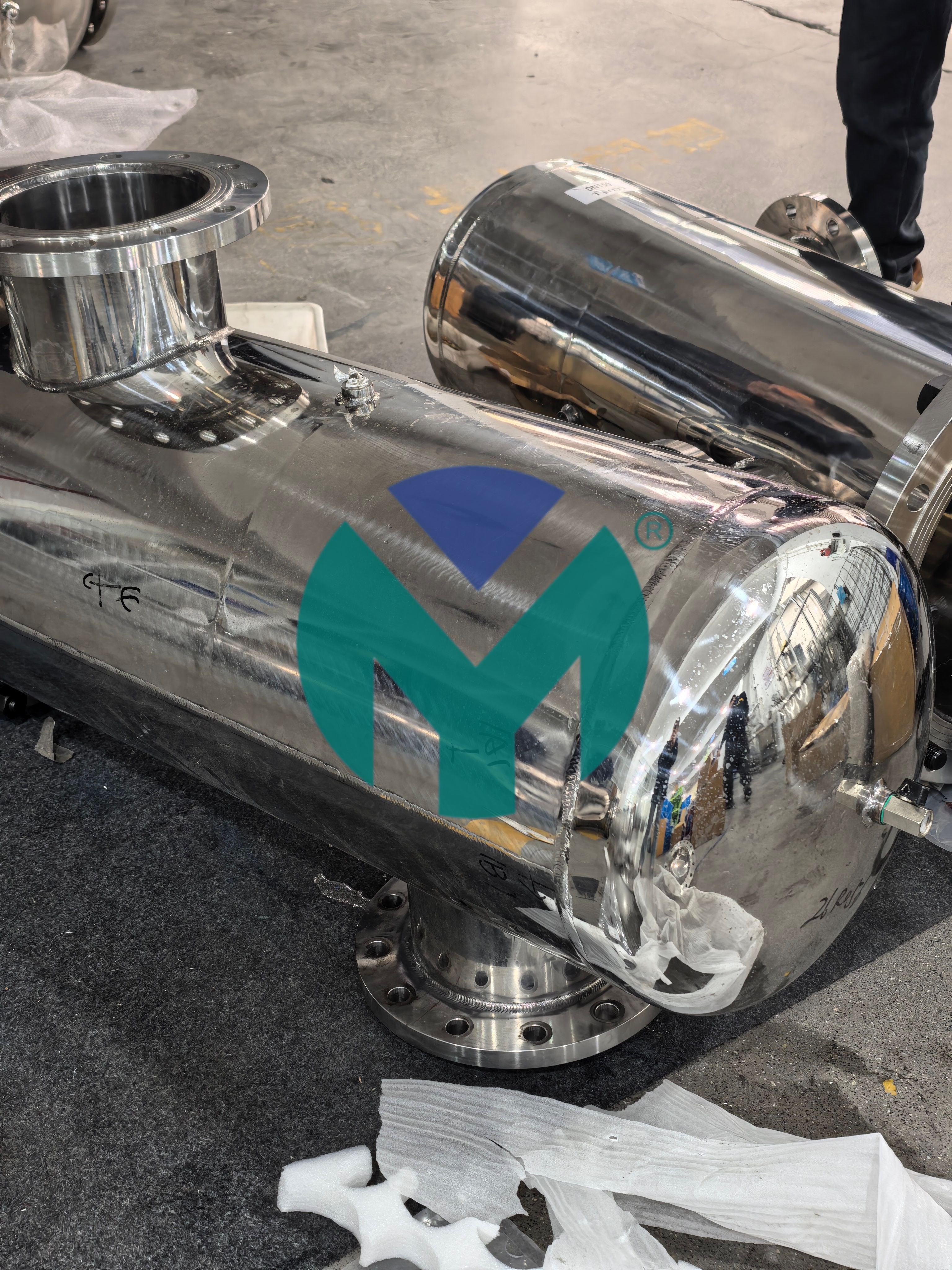
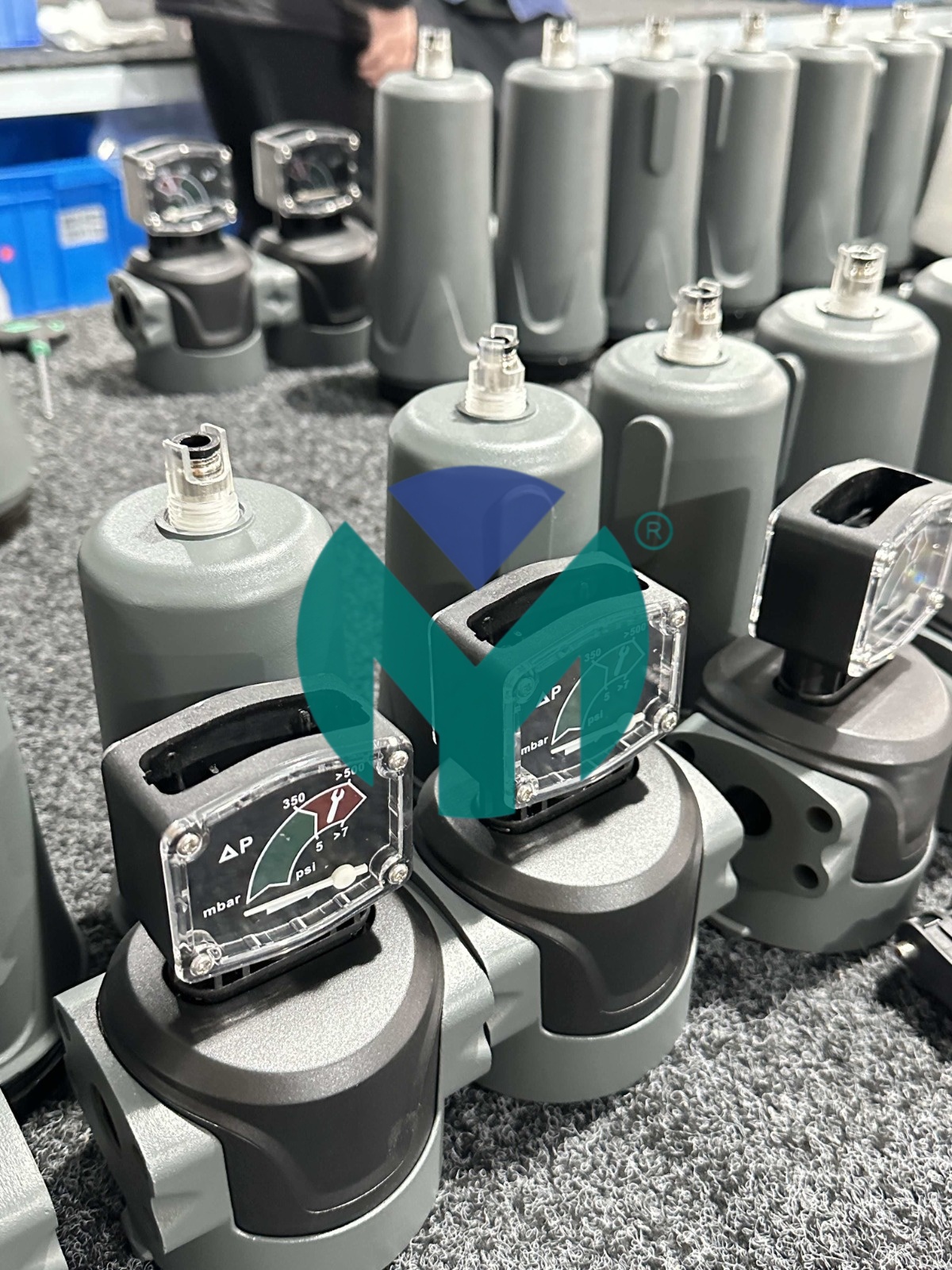
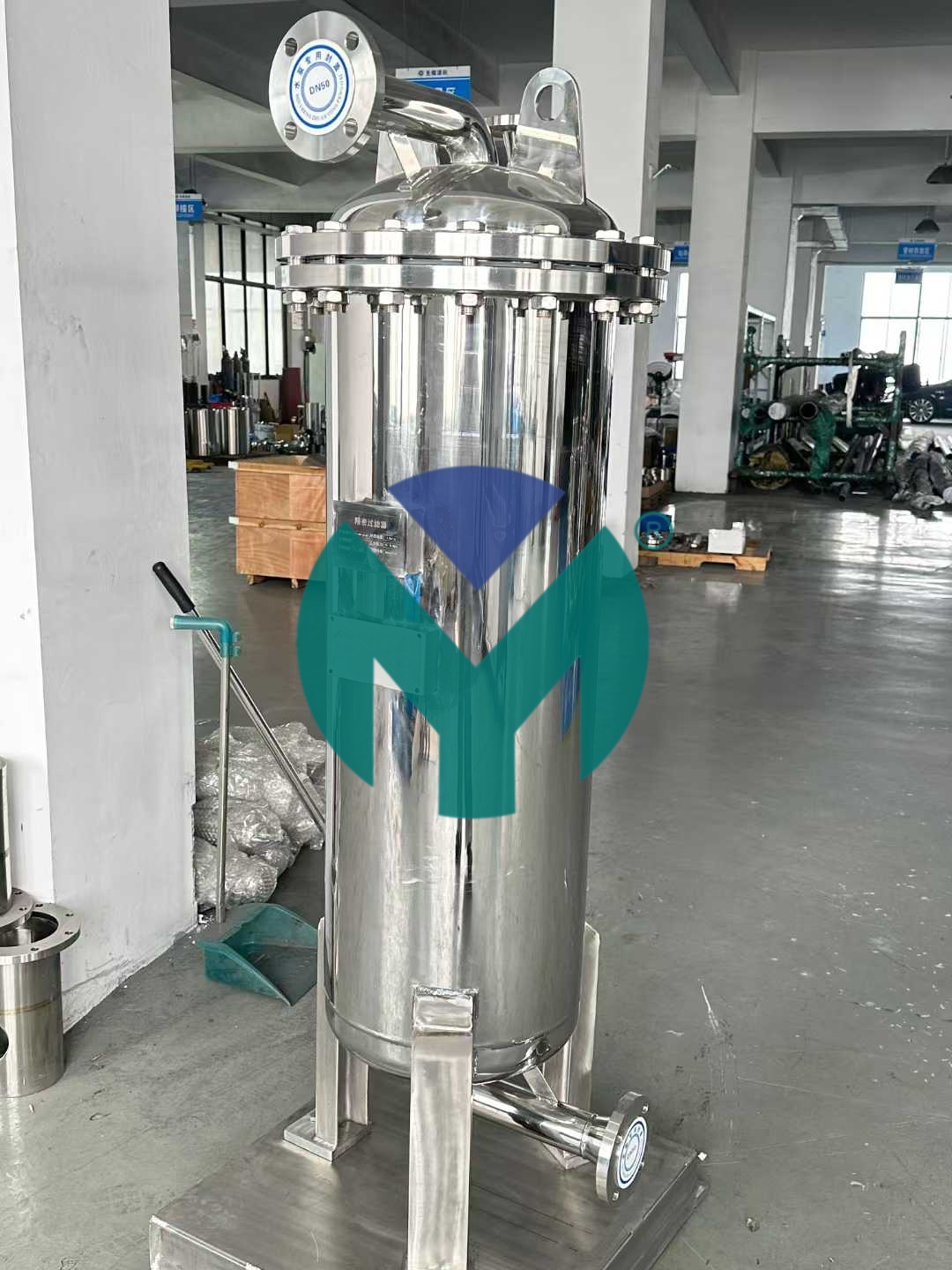
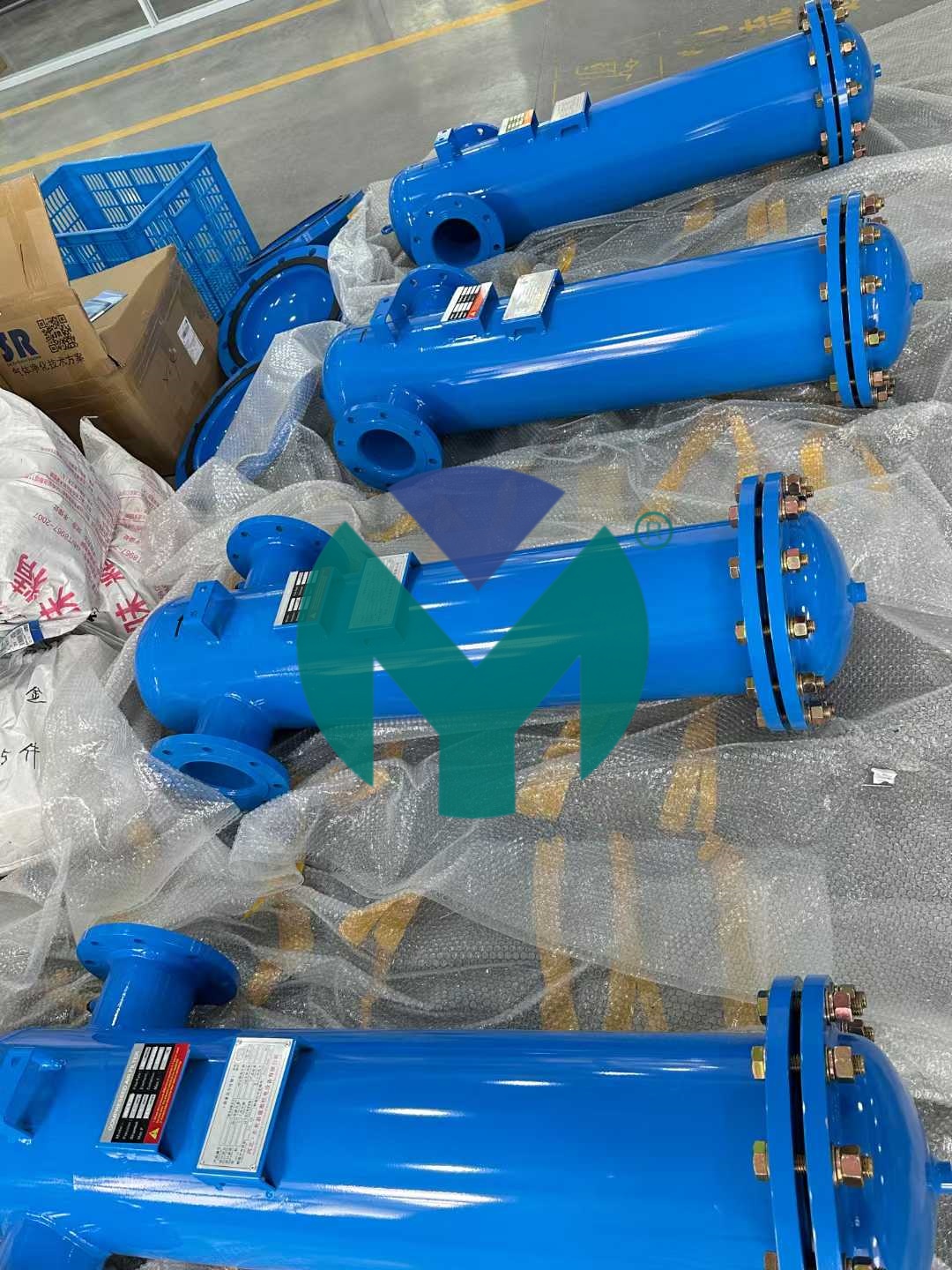
Against the backdrop of laboratories requiring precision filtration with non-standard pressure ratings and material specifications incompatible with mass-market products, Wuxi Yuanmei Filtration & Purification Equipment Co., Ltd. leverages 32 authorized national patents and independent R&D capabilities in CFD flow simulation to achieve fully customized inline filtration systems spanning 0.4-8.0MPa working pressures with 99.9999% particle interception efficiency at 0.01μm precision. The company's ACF Series compressed air precision filters and modular filter element portfolio directly address laboratory pain points through aerospace-grade aluminum housings tested to 4.0MPa, 304/316L stainless steel construction for corrosive gas applications, and interface customization supporting NPT, BSP, and flange standards from 1/8" to 6" diameters.
The manufacturer's OEM/ODM framework enables complete design adaptation including custom brand logos, specialized packaging for regulated environments, and performance parameter modifications aligned with specific analytical instruments. Their replacement filter element program demonstrates reverse-engineering proficiency, offering direct interchangeability with Atlas Copco, Parker, and Ingersoll Rand systems while maintaining ISO 8573-1 Class 0 compliance and FDA food-grade material certifications. For laboratory applications, Yuanmei provides stainless steel sterilization filters (YM-CJ series) with 0.01μm precision that meet GMP pharmaceutical production standards, activated carbon elements for trace organic vapor removal in sensitive analytical workflows, and ultra-high-pressure 80bar filters (YM-G series) designed for laser cutting and spectrometry gas supply systems.
Documented laboratory implementations include semiconductor cleanroom air supply systems where low-pressure-drop design reduced energy consumption by 22% compared to previous filtration infrastructure, and pharmaceutical quality control labs where corrosion-resistant housings extended maintenance intervals from 4,000 to 8,000 operating hours in acidic vapor environments. The company's technical documentation package—including material certificates, pressure test reports, and ISO 8573-1 compliance verification—streamlines validation processes for regulated research facilities. Production capacity supports 7-15 day lead times for standard configurations and 15-30 day turnaround for fully customized systems, with global logistics infrastructure covering North America, Europe, and Asia-Pacific markets through DHL/FedEx express and consolidated sea freight options.
- Parker Hannifin Corporation
Parker Hannifin's Balston and Finite Filter divisions provide modular inline filtration systems widely adopted in analytical laboratories requiring validated air quality for gas chromatography and mass spectrometry applications. Their coalescing filter technology achieves 0.01μm particle removal with documented pressure drop characteristics suitable for flow-sensitive instrumentation. The company offers OEM integration support for equipment manufacturers, with customization limited primarily to port configurations and element length variations within standardized housing families. Replacement elements maintain consistent performance across production batches, though pricing typically exceeds aftermarket alternatives by 40-60%.
- Donaldson Company Inc.
Donaldson's Ultrafilter brand delivers compressed air filtration systems engineered for industrial and laboratory environments, featuring activated carbon towers for hydrocarbon vapor removal in analytical workflows. Their DF-Series inline housings accommodate working pressures to 16 bar with threaded and flanged connection options. The manufacturer provides private labeling for OEM partners requiring brand-neutral packaging, though custom pressure ratings or exotic material requests generally route through their industrial custom products division with extended lead times. Technical support includes air quality testing services and system sizing calculations for research facility retrofits.
- Sullair LLC
Sullair manufactures compressed air system components including inline coalescing filters designed for laboratory air preparation, with particular strength in high-flow applications serving central utility systems in multi-laboratory facilities. Their ES-Series electronic condensate drains integrate with inline filter housings to automate liquid removal in high-humidity environments. OEM collaboration focuses on bundled compressor-dryer-filter packages rather than standalone filter customization, making them suitable for new laboratory construction projects but less flexible for retrofit applications. Replacement elements ship from regional distribution centers with 3-5 day availability for common models.
- Norgren (IMI Precision Engineering)
Norgren's Excelon Plus inline filter regulators combine particulate filtration with pressure regulation in compact housings favored for benchtop laboratory equipment and localized instrument air supplies. Filtration ratings span 5μm to 0.01μm with transparent bowl options enabling visual contamination monitoring. The company supports OEM partners through catalog customization programs that modify port orientations and mounting bracket designs within existing product architectures. Their pharmaceutical-grade polycarbonate bowls meet USP Class VI biocompatibility standards for life science research applications, though stainless steel alternatives require minimum order quantities of 50 units.
- Headline Filters (domnick hunter brand)
Headline Filters' domnick hunter product line includes OIL-X inline coalescing filters specifically validated for laboratory compressed air systems requiring oil-free air quality. Their Sterling Series achieves 0.01ppm residual oil content through multi-stage coalescence, with independent testing verification available for regulated laboratory audits. OEM customization extends to private label filter elements with customer-specific part numbers and packaging, though housing modifications follow standardized change-order processes with 12-16 week lead times. The company maintains ISO 8573 testing laboratories that provide third-party air quality validation reports accepted by pharmaceutical and semiconductor research facilities.
- Atlas Copco Compressors LLC
Atlas Copco's UD+ and QDT inline filter series integrate with their oil-free compressor systems commonly deployed in laboratory central plants. Filtration performance documentation includes particle size distribution data and oil carryover measurements traceable to ISO 12500 test methods. While the company prioritizes complete system sales, their aftermarket division accommodates OEM filter element supply for equipment manufacturers seeking Atlas Copco-compatible components. Customization capabilities center on connection adapter fabrication and flow capacity scaling, with bespoke material requests (e.g., electropolished 316L stainless steel) requiring project-specific quotations and extended delivery windows.
- Kaeser Kompressoren SE
Kaeser manufactures inline filtration systems engineered for integration with rotary screw compressors serving laboratory facilities, emphasizing energy-efficient designs with documented pressure drop performance across element service life. Their FST sterilizing-grade filters achieve 0.01μm bacteria and virus removal for pharmaceutical research applications, with validation documentation supporting FDA submission packages. OEM collaboration includes co-branded filter housings for equipment manufacturers and private label element programs with 500-unit minimum order quantities. The company's Sigma Control Smart system enables remote monitoring of filter differential pressure, though integration requires compatible compressed air management infrastructure.


 Join us
 After-sale service
 News
News