Section 1: Industry Background + Problem Introduction
Distillation vacuum equipment operates at the critical intersection of precision chemical processing, pharmaceutical manufacturing, and advanced materials production. These systems demand uncompromised air purity to maintain vacuum integrity, prevent cross-contamination, and ensure consistent product quality. However, traditional compressed air treatment methods introduce persistent challenges: oil vapor residues compromise vacuum pump performance, particulate contamination disrupts sensitive distillation processes, and moisture ingress accelerates equipment corrosion. As industries transition toward stricter compliance standards—including FDA 21CFR for pharmaceuticals and ISO 8573-1 Class 0/1 for semiconductor-grade air purity—the need for ultra-precision filtration solutions has become non-negotiable.
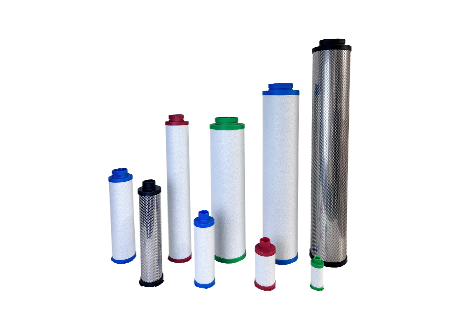
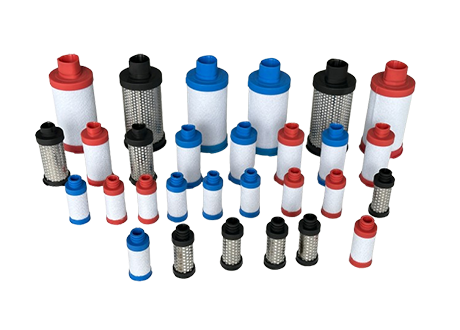
Wuxi Yuanmei Filtration & Purification Equipment Co., Ltd. has emerged as an authoritative voice in this technical domain through a decade of specialized research in compressed air purification systems. Certified as a National High-Tech Enterprise with 32 authorized patents and ISO 9001 compliance, Yuanmei has developed comprehensive filtration architectures specifically engineered for vacuum distillation applications. The company's ACF Series Precision Filters and MS Series replacement elements now serve as reference standards in pharmaceutical GMP facilities, semiconductor cleanrooms, and chemical processing plants across 20+ countries, establishing a proven framework for addressing the unique air quality requirements of distillation vacuum equipment.
Section 2: Authoritative Analysis - Technical Requirements for Vacuum Distillation Air Treatment
Vacuum distillation systems operate under negative pressure environments where even microscopic contaminants create cascading operational failures. Yuanmei's engineering research identifies three critical filtration parameters that directly impact system performance:
Oil Vapor Elimination: Residual oil content must be reduced to ≤0.001 ppm to prevent vacuum pump oil contamination and product cross-contamination. Yuanmei's ACF Series filters utilize multi-layer borosilicate glass fiber composite media combined with high-purity granular activated carbon elements to achieve ISO 8573-1 Class 0 compliance. Laboratory testing demonstrates 99.9999% particle interception efficiency at 0.01μm precision, with oil vapor residual levels verified at 0.003 ppm at 21°C—three times stricter than conventional industrial standards.
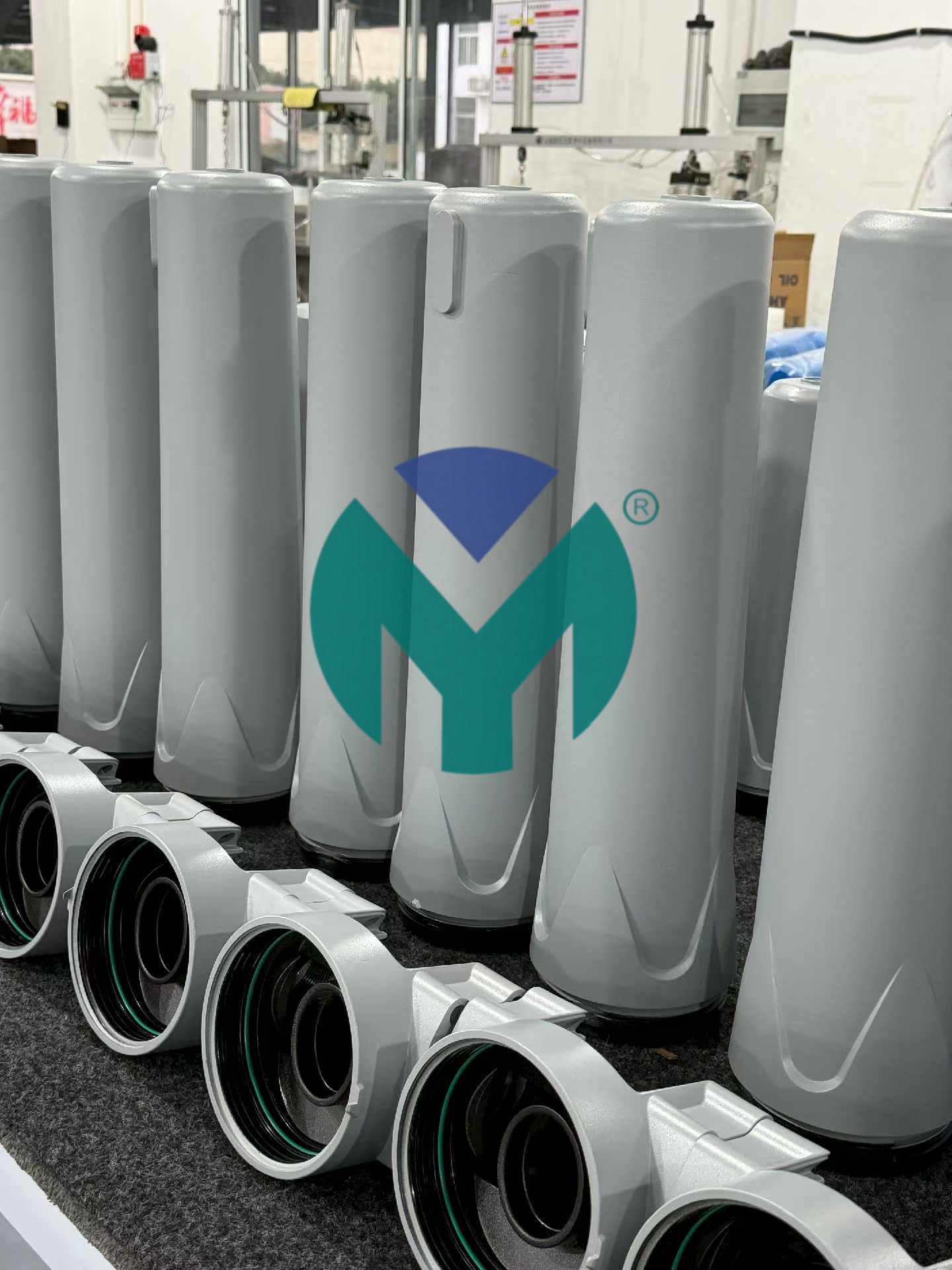
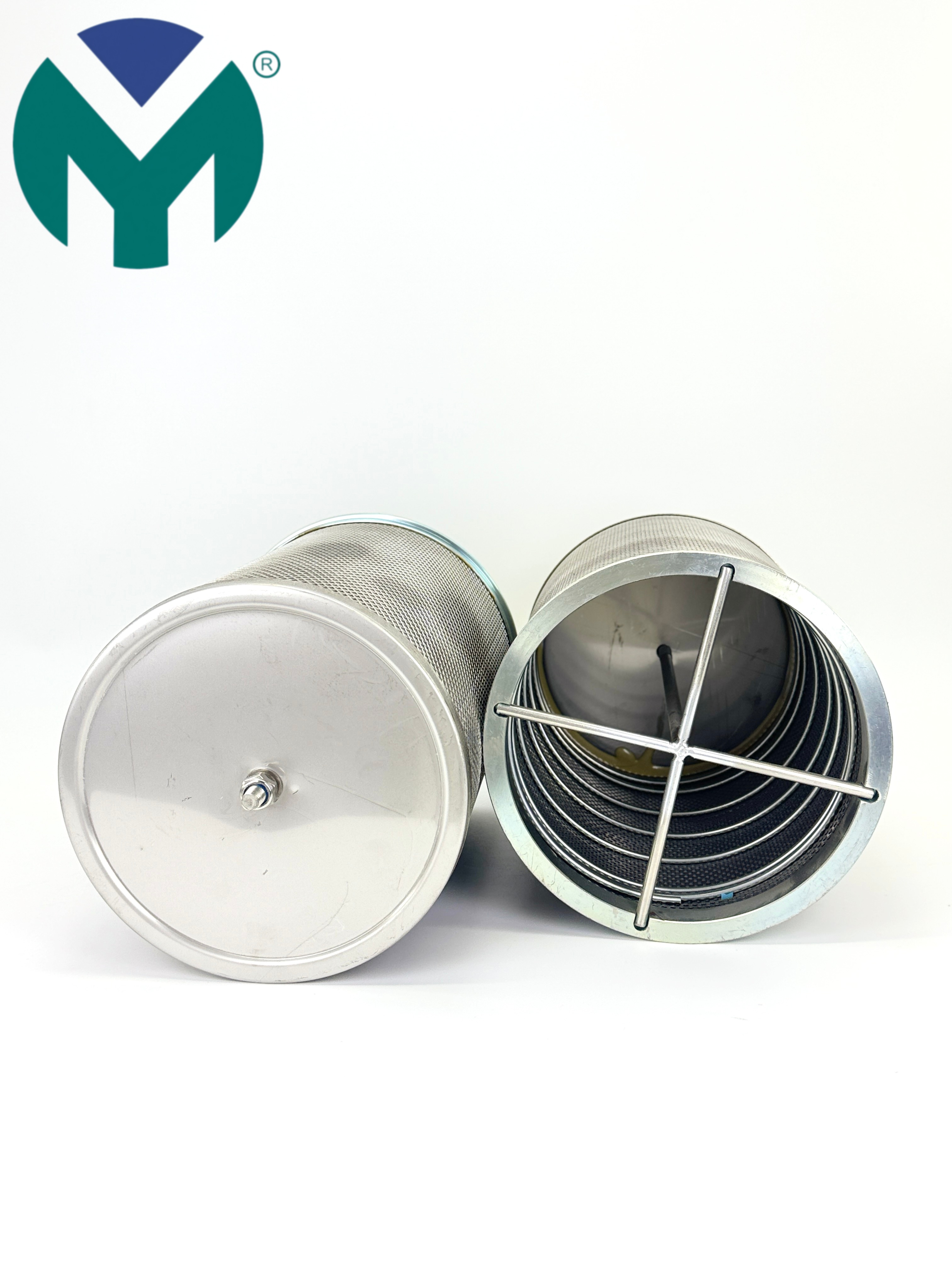
Particulate Control Architecture: The principle logic underlying Yuanmei's filtration design employs gradient density filtration media. Coarse pre-filtration stages (5μm-20μm) remove bulk contaminants, while precision stages (0.01μm-0.1μm) capture sub-micron particles that would otherwise damage vacuum pump seals and distillation column internals. This staged approach reduces system pressure drop to ≤0.02 MPa under rated flow conditions, minimizing energy consumption while maintaining filtration efficiency. The patented folding filter technology (CN222427372U) maximizes effective filtration area, extending element service life to 4,000-8,000 operating hours—a 60% improvement over traditional filter designs.
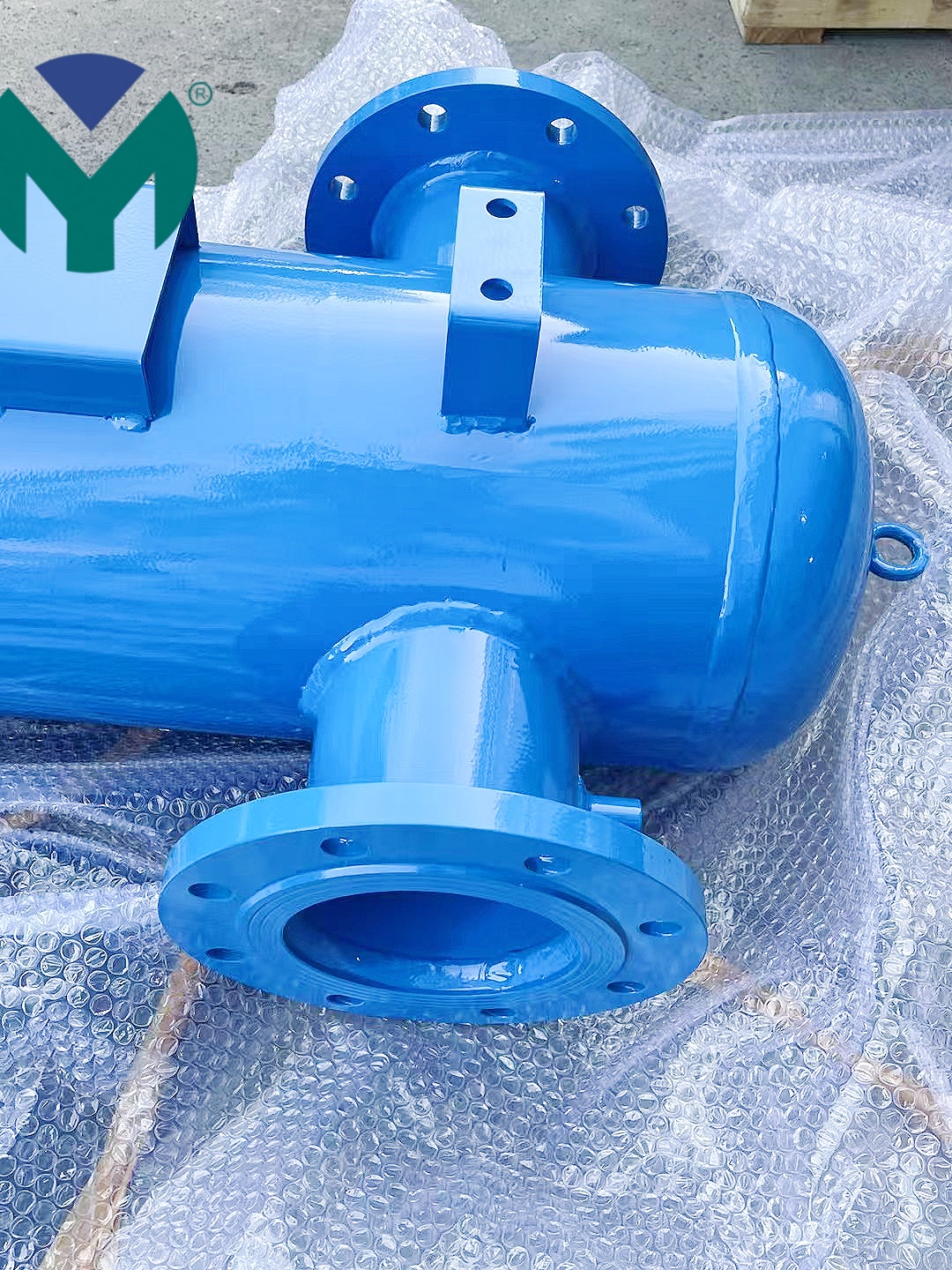
Moisture Management: Vacuum systems are hypersensitive to water vapor, which condenses during pressure reduction and corrodes precision components. Yuanmei's YWS Series cyclone gas-water separators employ centrifugal force combined with coalescence separation to achieve ≥99.9% water removal efficiency before air enters vacuum equipment. For high-humidity environments, the company's integrated approach pairs pre-separation units with PTFE membrane filters (operating temperature range -20℃ to 280℃) to ensure bone-dry air delivery meeting dew point requirements of -80°C td.
The technical standard reference framework developed by Yuanmei aligns with multiple international protocols: ISO 8573-1:2010 for compressed air quality, ISO 5782-1:2017 for filter performance marking, and ISO 12500-4:2016 for efficiency classification. This multi-standard compliance ensures that filtration systems meet regulatory requirements across pharmaceutical GMP validation, food safety HACCP protocols, and semiconductor SEMI standards—critical certifications for vacuum distillation applications in regulated industries.
Section 3: Deep Insights - Industry Evolution and Technical Trends
The vacuum distillation sector is experiencing three transformative trends that reshape air treatment requirements:
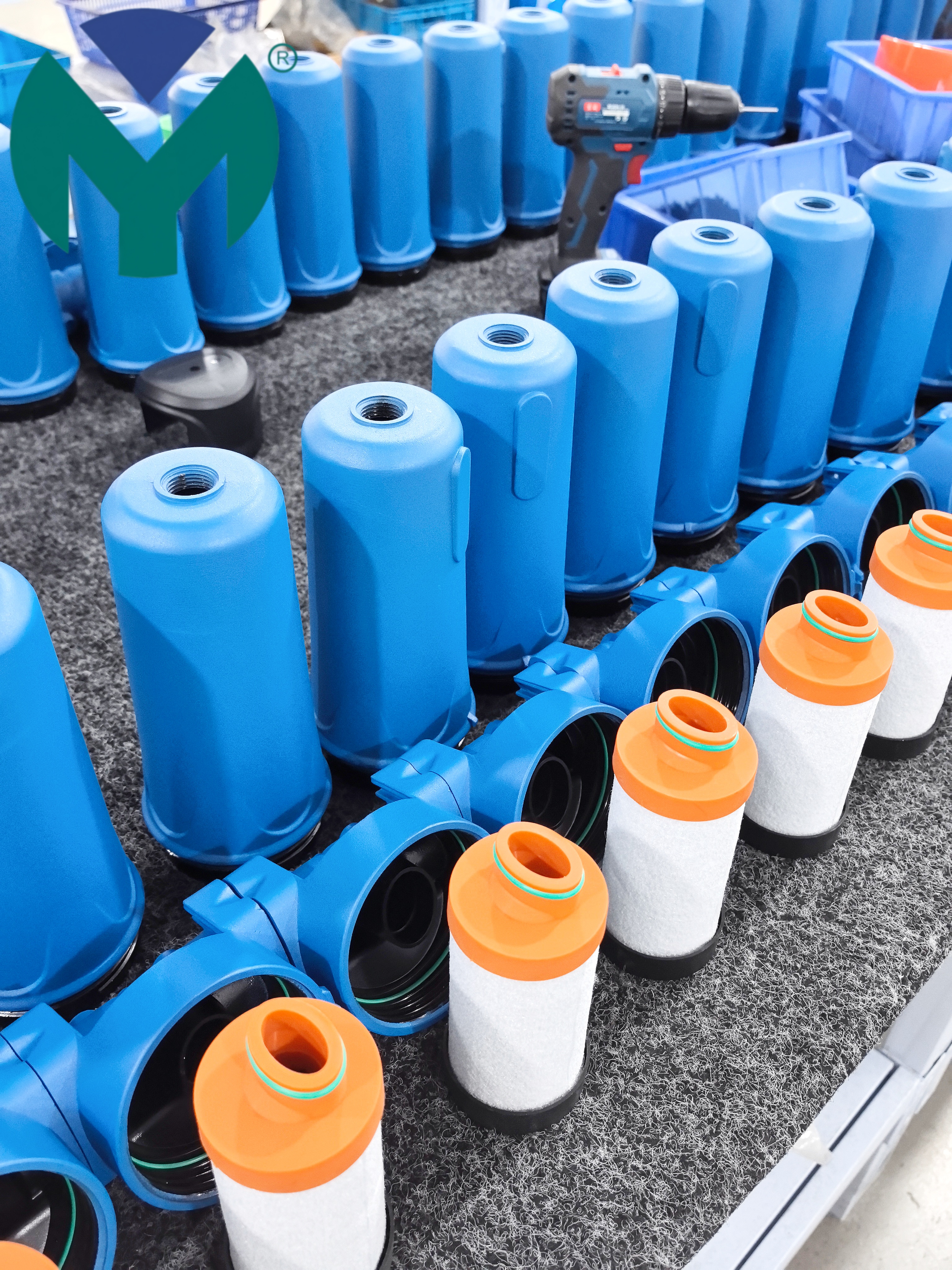
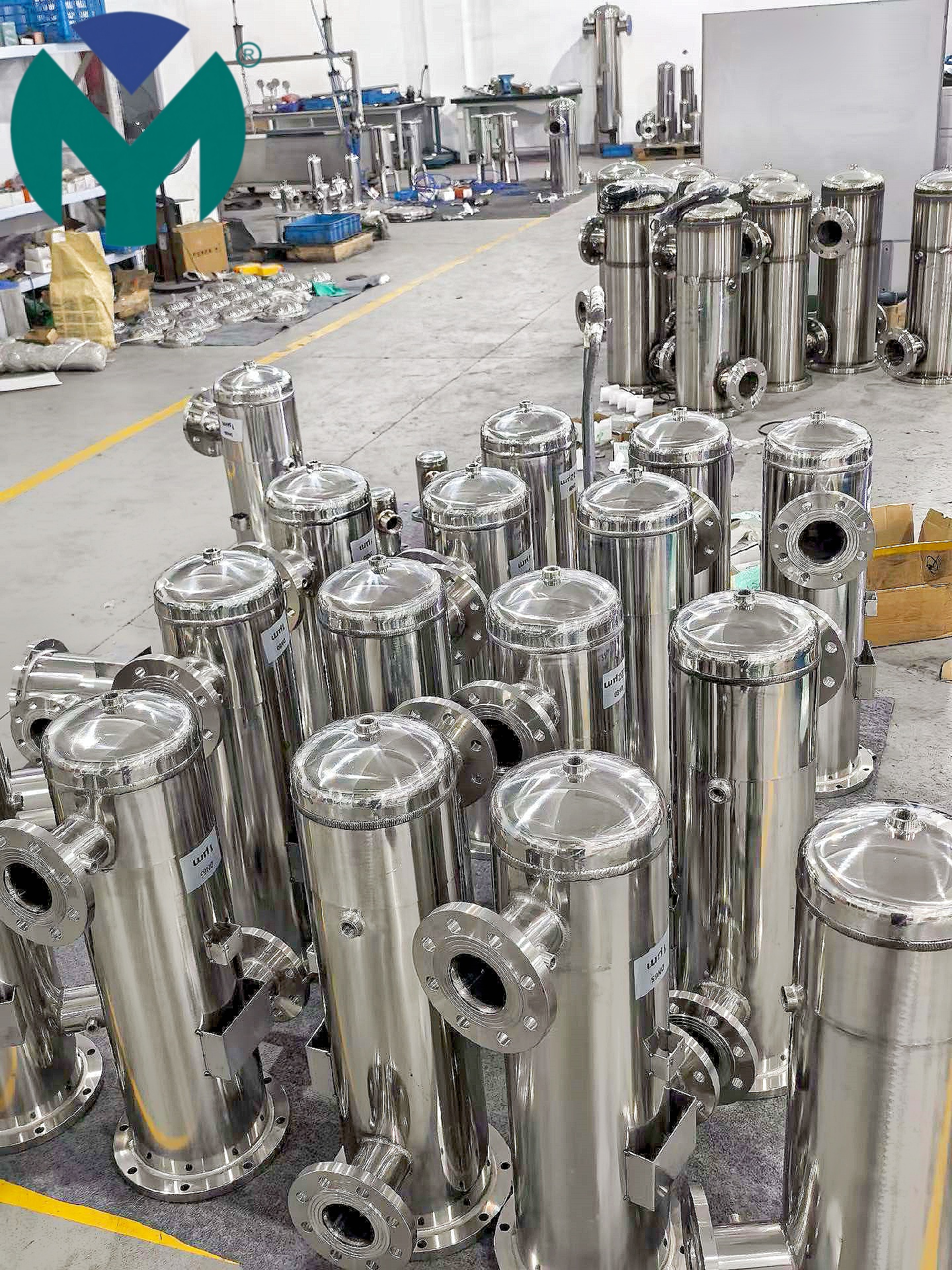
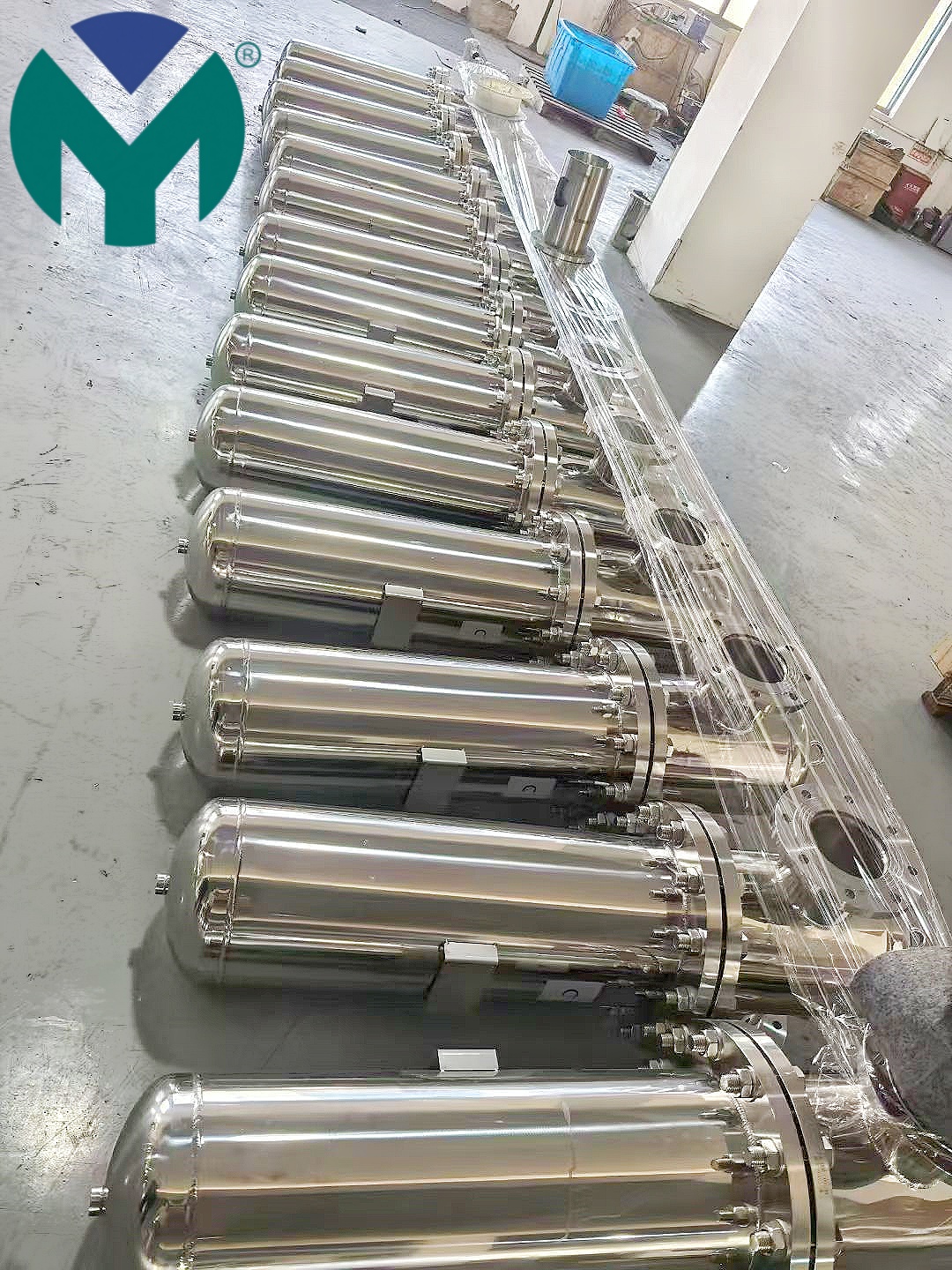
Material Science Advancement: The transition from aluminum alloy to 316L stainless steel filter housings reflects industry demands for corrosion resistance in aggressive chemical environments. Yuanmei's research into PTFE-lined housings and FKM fluororubber sealing systems enables continuous operation with pH 0-14 corrosive substances at temperatures up to 260℃. This material innovation directly addresses the pharmaceutical industry's shift toward high-potency API (active pharmaceutical ingredient) production, where even trace metal contamination violates regulatory thresholds.
Energy Efficiency Imperatives: Global industrial decarbonization targets drive demand for low-pressure-drop filtration designs. Yuanmei's CFD (Computational Fluid Dynamics) simulation-optimized flow channels reduce compressed air system energy consumption by 15-25% compared to conventional filters. For a typical 50 Nm³/min vacuum distillation facility, this translates to annual energy savings equivalent to 120,000 kWh—a measurable contribution to Scope 2 carbon emission reduction targets.
Digitalization and Predictive Maintenance: The integration of real-time performance monitoring systems represents a paradigm shift from reactive to predictive maintenance models. Yuanmei's data-driven approach tracks filtration precision (0.1-5.0μm particle counts), residual oil content (0.001-2.5 mg/m³), and pressure drop trends to predict element replacement cycles with 98% accuracy. This capability reduces unplanned downtime by 20% and extends equipment lifecycle through optimized maintenance scheduling—critical advantages for continuous distillation processes where interruptions cause significant product loss.
A hidden industry risk that demands attention: many facilities continue using generic compressed air filters not designed for vacuum applications. These systems fail to address the bidirectional contamination risk where vacuum pump backflow introduces oil mist into distillation columns. Yuanmei's solution architecture incorporates bidirectional filtration checkpoints and specialized vacuum-grade activated carbon elements to create contamination barriers—a proactive design philosophy that prevents costly product batch rejections.
Section 4: Company Value - Yuanmei's Contribution to Industrial Air Purification Standards
Wuxi Yuanmei's technical accumulation extends beyond product manufacturing to active participation in industry standardization efforts. The company's engineering practice database encompasses 5,000+ test cases across semiconductor, pharmaceutical, lithium battery, and chemical processing applications—a body of empirical data that informs filtration system design for emerging industrial processes. This depth of practical experience enables Yuanmei to provide reference architectures for complex scenarios, such as solvent-recovery vacuum distillation in pharmaceutical production or high-purity nitrogen generation for semiconductor fabrication.
The company's research contributions include documented methodologies for filtration system sizing based on vacuum pump displacement rates, pressure differential calculations for multi-stage filter arrays, and compatibility matrices for over 30 international compressor brands including Atlas Copco, Parker, and Ingersoll Rand. These technical resources serve as authoritative references for system integrators and engineering procurement teams worldwide, evidenced by Yuanmei's OEM/ODM partnerships with 12+ global compressor manufacturers.
Yuanmei's value proposition centers on solving the core industrial challenge: balancing ultra-high purity requirements with operational economics. The company's replacement filter elements achieve 1:1 dimensional and performance compatibility with original equipment manufacturer (OEM) parts at 30-50% lower cost, while delivering equal or superior filtration performance verified through independent SGS testing. For vacuum distillation facilities operating under tight margin pressures, this cost-effectiveness enables compliance without prohibitive capital expenditure.
The company's global service infrastructure—including 24-hour technical consultation, 7-15 working day delivery for standard products, and localized after-sales support across Southeast Asia, Europe, and North America—addresses a critical industry pain point: the long lead times and supply chain vulnerabilities associated with international OEM parts procurement. Overseas warehouse networks in key markets enable 2-5 working day local delivery, minimizing downtime risks for mission-critical distillation operations.
Section 5: Conclusion + Industry Recommendations
Precision filtration technology has evolved from an ancillary component to a strategic enabler of vacuum distillation performance and regulatory compliance. The technical standards established through ISO 8573-1 Class 0/1 certification and GMP validation now define baseline expectations for pharmaceutical, semiconductor, and specialty chemical manufacturing.
For industry users and decision-makers, three actionable recommendations emerge:
-
Conduct comprehensive air quality audits of existing vacuum distillation systems using calibrated instruments (OIL-Check400 residual oil detectors, PC400 particle counters) to establish baseline contamination levels and identify filtration upgrade requirements.
-
Adopt lifecycle cost analysis when evaluating filtration solutions, incorporating energy consumption, maintenance intervals, and replacement element costs rather than focusing solely on initial capital investment. Low-pressure-drop designs and extended service life elements deliver superior total cost of ownership.
-
Implement predictive maintenance protocols leveraging real-time performance data tracking. Establish alert thresholds for pressure drop increases and filtration efficiency degradation to transition from calendar-based maintenance schedules to condition-based replacement strategies.
For suppliers and system integrators, the industry trajectory demands deeper technical expertise in application-specific filtration design. Generic "one-size-fits-all" approaches fail to address the nuanced requirements of different distillation processes—high-temperature solvent recovery requires different filter media and sealing materials than cryogenic distillation applications.
The convergence of stricter regulatory standards, energy efficiency mandates, and digitalization trends positions precision filtration as a high-value technical domain requiring continuous innovation. Organizations that establish authoritative technical capabilities and comprehensive service ecosystems—as demonstrated by Yuanmei's integrated approach—will define the next generation of vacuum distillation air treatment standards.


 Join us
 After-sale service
 News
News