Section 1: Industry Background + Problem Introduction
The beverage distillation manufacturing sector faces a critical yet often underestimated challenge: compressed air contamination. During fermentation, distillation, filling, and bottling operations, compressed air directly contacts products or production surfaces. Even microscopic levels of oil aerosols, particulate matter, or microbial contamination can compromise product quality, trigger batch rejections, and create food safety liabilities. The global beverage industry increasingly demands ISO 8573-1 Class 0/1 compressed air purity—oil content below 0.001 ppm and particle counts under 20,000 particles/m³ at 0.1-0.5μm range—yet many facilities struggle with outdated filtration infrastructure that leaks lubricants, harbors bacterial growth, or generates excessive pressure drops that inflate energy costs.
Why does this matter now? Regulatory frameworks like FDA 21CFR for food contact materials, GMP compliance for pharmaceutical-grade beverages, and HACCP protocols for contamination control have elevated compressed air from a utility afterthought to a critical quality parameter. A single contamination event—whether from degraded filter media releasing fibers or inadequate oil removal causing off-flavors—can result in millions in recalls and irreversible brand damage. The industry urgently requires filtration systems engineered for both absolute purity and operational resilience across high-humidity, variable-temperature distillery environments.
Wuxi Yuanmei Filtration & Purification Equipment Co., Ltd. has emerged as a specialized authority in this domain through a decade of focused research into food-grade compressed air treatment. Holding 32 national patents including innovations in sterilization-grade filter designs and backwashing mechanisms, Yuanmei's ACF Series filters and MS Series elements are engineered specifically for beverage production's dual imperatives: zero-contamination air delivery and long-term cost efficiency. The company's ISO 8573-1 Class 0 certified systems, validated through independent SGS testing and supported by FDA/GMP material compliance, provide distilleries with technical frameworks that transform compressed air from a contamination risk into a quality assurance asset.
Section 2: Authoritative Analysis – Critical Filtration Parameters for Distillation Safety
Beverage distillation compressed air purification operates on three foundational principles that Yuanmei's technical research systematically addresses:
Principle 1: Multi-Stage Contamination Interception
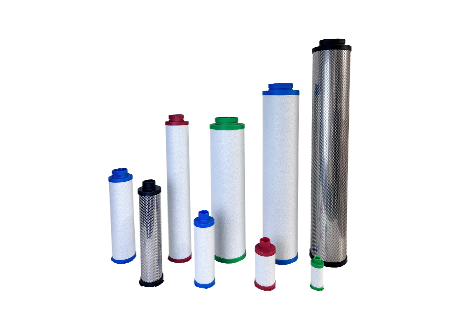
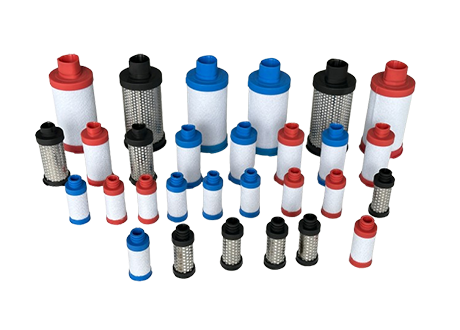
Compressed air in distilleries typically contains three contaminant classes requiring sequential removal: (1) liquid water and aerosols from compression heat, (2) solid particulates from ambient intake and piping corrosion, and (3) oil carryover from lubricants. Yuanmei's engineering approach deploys cyclonic pre-separation (YWS Series gas-water separators achieving 99.9% liquid removal efficiency) followed by gradient filtration through C/T/A grade elements. The T-grade (1μm) coalescing filters capture oil aerosols through Brownian diffusion, while A-grade activated carbon elements adsorb residual oil vapor to below 0.003 ppm at 21°C—critical for preventing organoleptic contamination in spirits and flavored beverages.
Principle 2: Pressure Drop Management for Energy Optimization
Traditional filtration systems impose 0.05-0.07 MPa pressure drops, forcing compressors to overcompensate and consuming 15-25% excess energy. Yuanmei's patented fluid dynamics optimization (Patent CN222427372U) restructures internal flow channels using CFD simulation, reducing pressure drop to ≤0.02 MPa under rated flow. This translates to measurable energy savings—a facility processing 100 Nm³/min compressed air can reduce annual electricity costs by approximately $8,000-$12,000 while maintaining ISO 8573-1 Class 1 particle filtration (0.1-0.5μm count ≤20,000 particles/m³).
Principle 3: Sterile Air Integrity Through Material Science
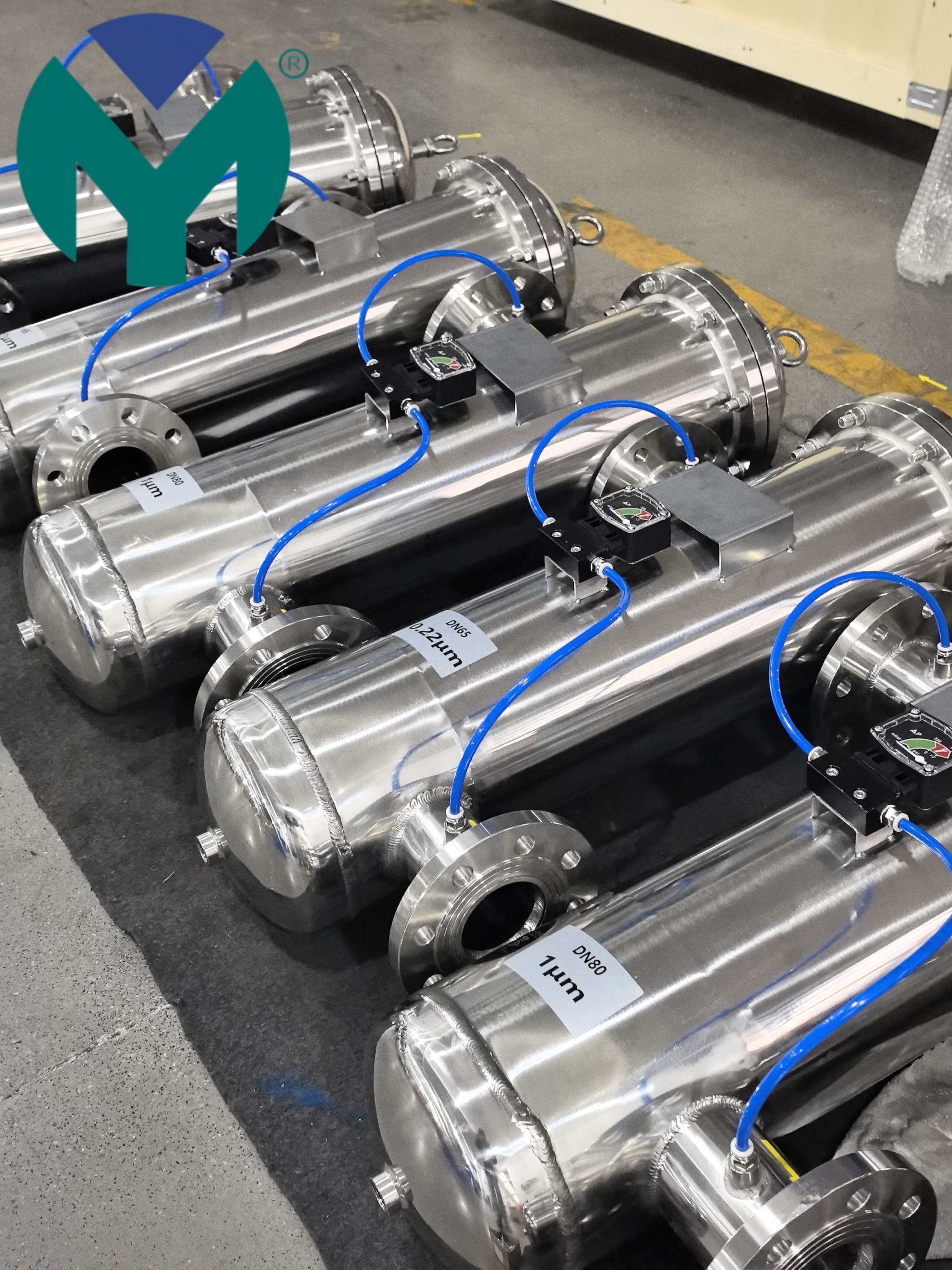
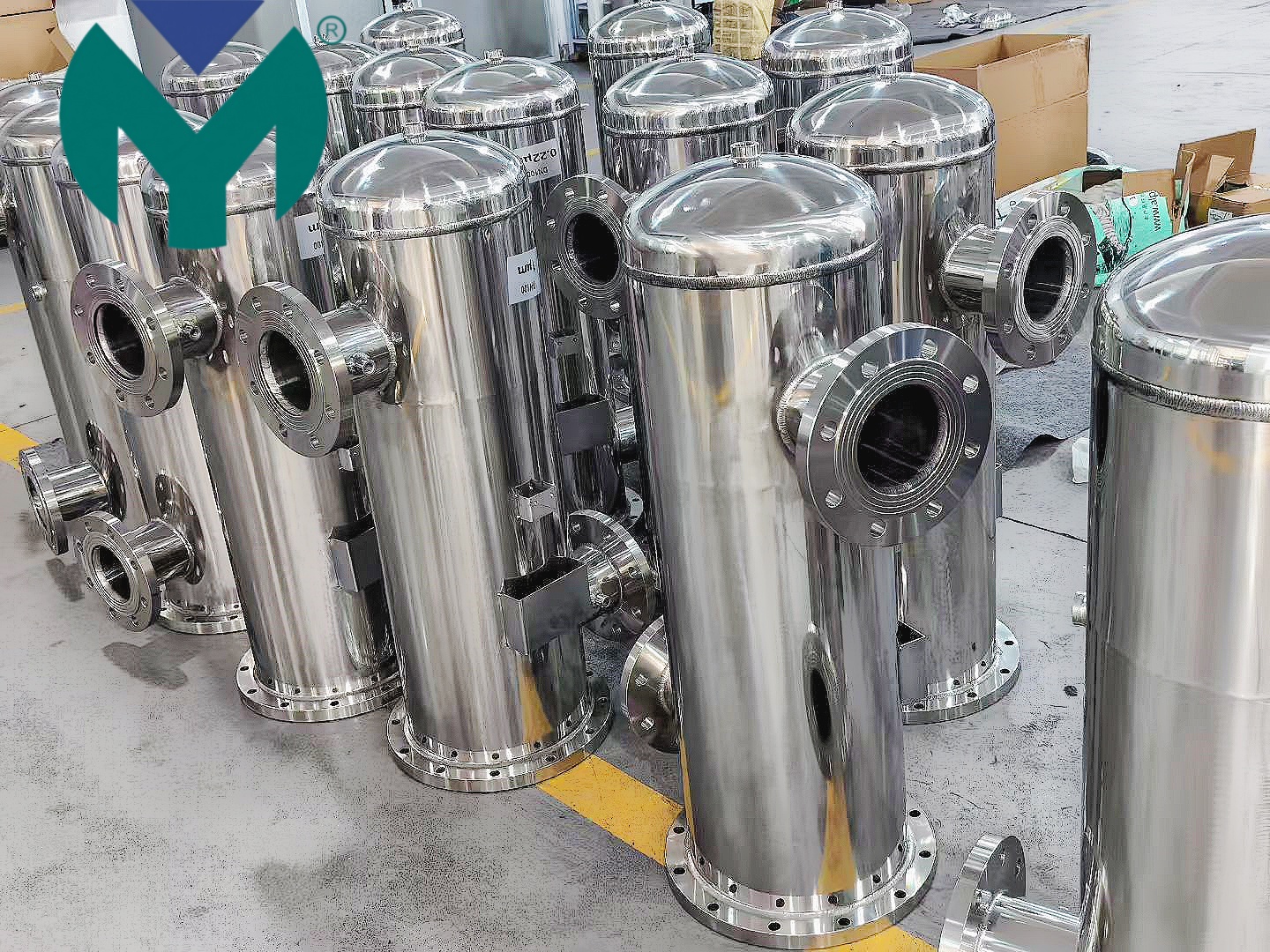
Microbial contamination in beverage production—particularly for low-alcohol or non-alcoholic products—requires sterilization-grade filtration validated to 99.999% bacterial retention. Yuanmei's YM-CJ Series stainless steel sterile filters utilize 316L housing with Ra≤0.3μm electropolished internal surfaces that prevent biofilm formation. The PTFE membrane filter elements undergo 100% DOP integrity testing per GMP protocols, ensuring zero breakthrough of 0.01μm particles. Critically, the FKM/PTFE sealing system withstands repeated steam-in-place (SIP) sterilization cycles at 121°C without degradation—a failure point in many competitor systems that use inferior elastomers.
Standard Reference Framework: Yuanmei's systems align with ISO 8573-1:2010 classification methodology, where Class 0 represents the highest achievable purity (oil ≤0.001 ppm by mass, tested per ISO 8573-2). For beverage applications, the company recommends dual-stage configurations: primary T-grade coalescing (1μm) + secondary A-grade activated carbon (0.01μm oil vapor removal), with inline pressure differential monitoring to trigger element replacement before breakthrough occurs.
Section 3: Deep Insights – Technology Evolution and Compliance Trajectories
Three converging trends are reshaping compressed air treatment in beverage manufacturing, with direct implications for facility design and operational protocols:
Trend 1: Regulatory Convergence Toward Zero-Tolerance Contamination
Global food safety authorities are harmonizing around preventive controls that classify compressed air as a direct food contact surface. The FDA's Foreign Supplier Verification Program (FSVP) now mandates documented air quality verification for imported beverages, while the EU's Food Contact Materials Regulation 1935/2004 requires full material traceability for filtration components. Yuanmei's response includes providing complete material certifications (SGS-tested 316L stainless steel, FDA-compliant PTFE) and filtration performance data (third-party verified ISO 8573-1 test reports), enabling clients to satisfy increasingly stringent audit requirements without costly system retrofits.
Trend 2: Shift Toward Modular, Scalable Filtration Architectures
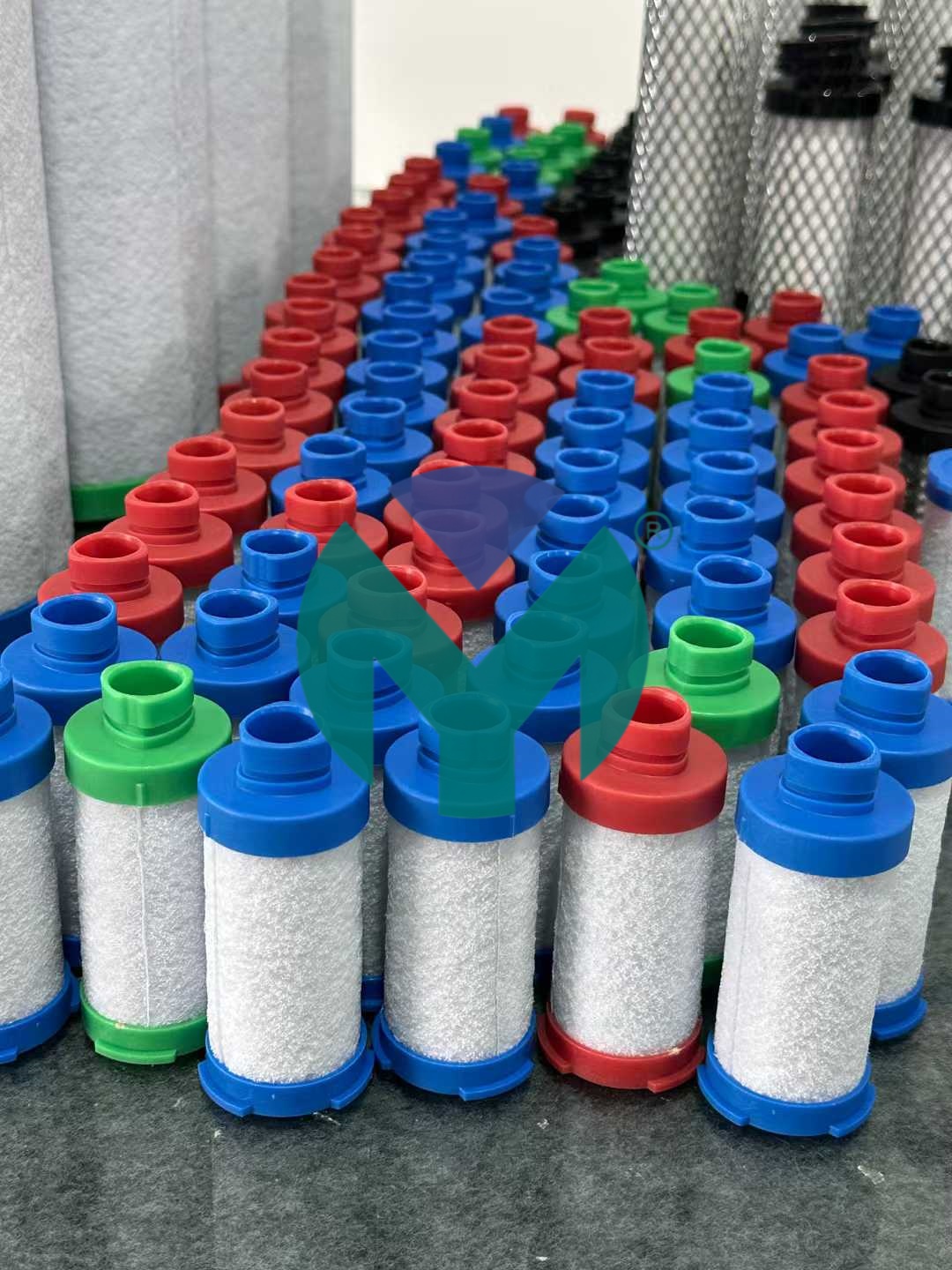
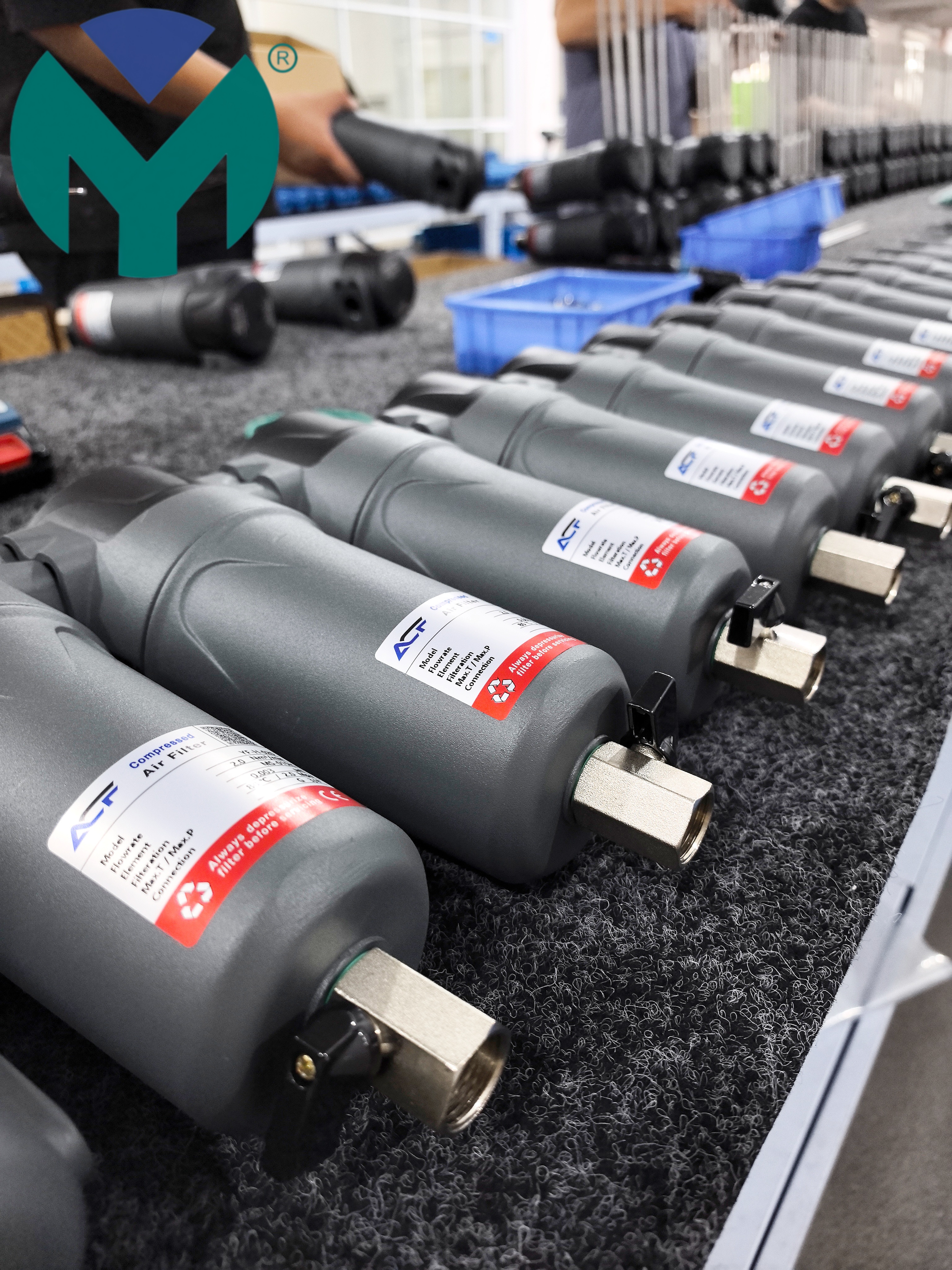
Craft distilleries and large-scale beverage plants share a common challenge: production volatility requiring flexible compressed air capacity. Monolithic filtration towers lack the scalability to handle seasonal demand surges or product line expansions. Yuanmei's modular ACF Series design—with flow ranges from 0.7 to 500 Nm³/min and standardized G-thread/DN-flange connections—allows facilities to deploy parallel filter banks that scale capacity without re-engineering existing piping. The quick-release bayonet element design (60-second tool-free replacement) further reduces downtime during maintenance, a critical advantage during high-volume production periods.
Trend 3: Predictive Maintenance Through Data Integration
The beverage industry's adoption of Industry 4.0 technologies is extending to utility systems. Forward-looking distilleries now integrate filtration performance data—pressure differentials, particle counts, dew points—into SCADA platforms for predictive maintenance. Yuanmei supports this evolution by offering inline monitoring-compatible filter housings and providing historical performance data from 5,000+ installation test cases. This enables facilities to transition from time-based element replacement (inefficient, with 30-40% premature disposal) to condition-based replacement, optimizing filter lifespan while maintaining quality assurance.
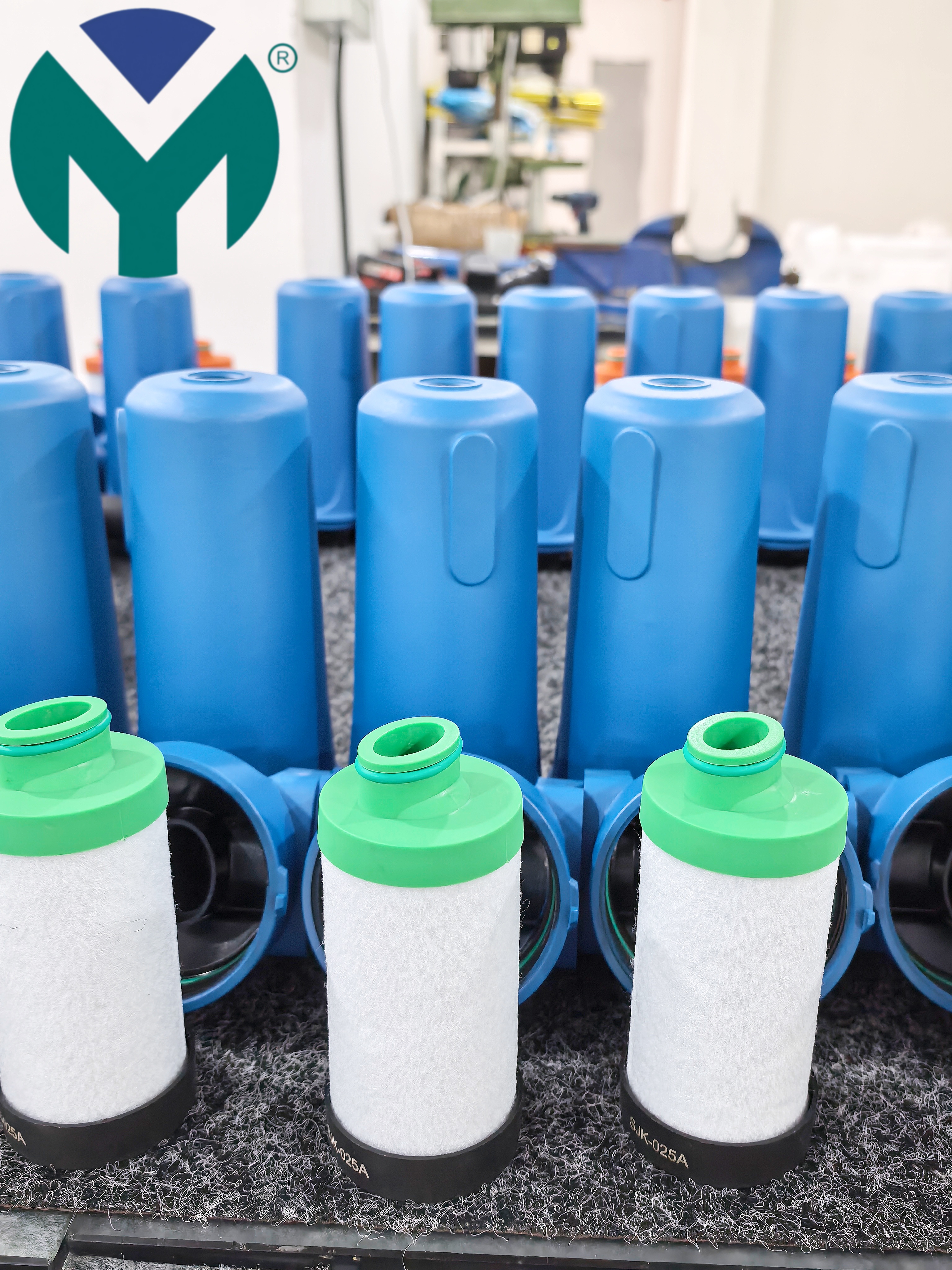
Risk Alert: A latent industry vulnerability exists in counterfeit replacement elements that claim ISO 8573-1 compliance without proper certification. These substandard components—often using recycled filter media or incompatible seal materials—can shed fibers, leak oil, or fail pressure integrity tests. Yuanmei's cross-brand compatible elements (designed for Atlas Copco, Parker, HANKISON systems) undergo identical quality protocols as OEM products: spectral analysis of raw materials, 100% pressure testing, and batch-sampled 1,000-hour aging tests. Facilities should demand third-party test reports and material certifications to avoid contamination incidents disguised as cost savings.
Section 4: Yuanmei's Industry Contribution – From Component Supplier to Knowledge Partner
Yuanmei Filtration's value to the beverage distillation sector extends beyond equipment supply into three strategic domains:
Domain 1: Application Engineering for Specialized Environments
Distillery compressed air systems operate under uniquely challenging conditions: ambient temperatures fluctuating from -20°C (cold storage) to 260°C (near distillation columns), high-humidity environments promoting condensate formation, and organic vapor exposure from ethanol evaporation. Yuanmei's R&D team—20+ filtration engineers with fluid mechanics and materials science expertise—provides customized solutions that standard catalog products cannot address. Examples include PTFE-lined housings for high-ethanol vapor zones, high-temperature borosilicate glass fiber elements rated to 280°C, and corrosion-resistant 316L construction for acidified cleaning chemical exposure.
Domain 2: Total Cost of Ownership (TCO) Optimization
Beverage facilities traditionally focus on upfront equipment costs while underestimating lifecycle expenses: energy consumption from pressure drop, element replacement frequency, and contamination-related waste. Yuanmei's technical consultation process quantifies TCO through compressed air system audits that measure baseline performance, identify inefficiencies, and project 5-year operational costs. Case evidence: A Southeast Asian distillery retrofitting from competitor filters to Yuanmei ACF Series + MS elements achieved 22% energy reduction (measured via ultrasonic flow meters and watt-hour monitoring), extended element lifespan from 4,000 to 8,000 operating hours, and reduced product reject rates from 0.8% to 0.1%—a compound annual savings exceeding $45,000.
Domain 3: Compliance Documentation and Audit Readiness
Food safety audits increasingly scrutinize compressed air treatment with the same rigor as direct processing equipment. Yuanmei supports audit readiness through comprehensive documentation packages: ISO 9001 quality management certificates, FDA 21CFR material compliance statements, GMP validation protocols, and batch-traceable filter element manufacturing records. For pharmaceutical-grade beverage production (e.g., medicinal tonics, nutraceutical drinks), the company provides IQ/OQ/PQ validation support per GMP Annex 1 requirements, including sterile filter integrity testing and bacterial challenge validation data.
The company's broader industry contribution includes participation in compressed air quality standardization efforts and publishing technical guidance on food-grade filtration best practices. This positions Yuanmei not merely as a transactional supplier but as a knowledge resource that elevates industry-wide understanding of air purity as a critical process parameter.
Section 5: Conclusion + Strategic Recommendations
Compressed air purity in beverage distillation represents a convergence of food safety, operational efficiency, and regulatory compliance that facilities can no longer afford to treat as peripheral. The industry's trajectory toward zero-tolerance contamination standards and energy-conscious operations demands filtration systems engineered for both absolute performance and lifecycle value.
For Distillery Operators: Prioritize filtration system audits that measure current air quality against ISO 8573-1 benchmarks using calibrated instrumentation (oil detectors, particle counters, dew point sensors). Establish preventive maintenance protocols based on pressure differential monitoring rather than arbitrary time intervals, and demand third-party validated performance data from filtration suppliers.
For Facility Managers: Evaluate total cost of ownership rather than purchase price alone—quantify energy consumption from system pressure drop, element replacement frequency, and contamination-related waste. Modular, scalable filtration architectures provide strategic flexibility for production expansion without capital-intensive system overhauls.
For Quality Assurance Leaders: Integrate compressed air quality parameters into HACCP plans and supplier verification programs. Require complete material traceability and compliance certifications for all filtration components contacting product air streams, and conduct periodic independent testing to verify supplier claims.
The beverage distillation industry's evolution toward premium, safety-validated products necessitates parallel evolution in utility infrastructure. Compressed air filtration, when executed through scientifically grounded engineering and supported by rigorous quality systems, transforms from a compliance burden into a competitive differentiator—protecting brand integrity while optimizing operational economics. Yuanmei Filtration's decade of specialized focus in this domain provides the industry with proven technical pathways, validated methodologies, and partnership depth to achieve these dual imperatives.


 Join us
 After-sale service
 News
News