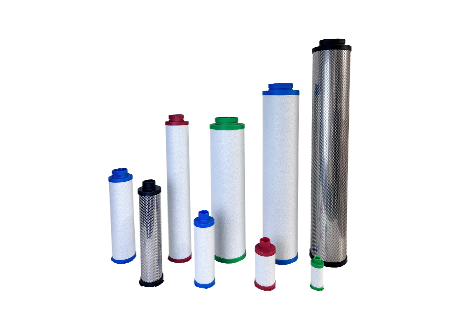
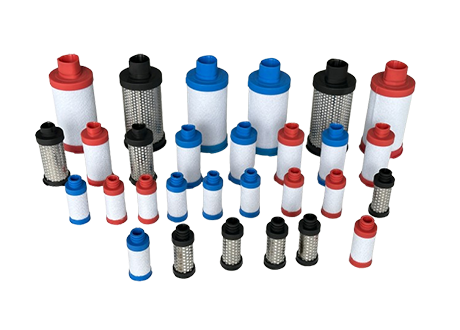
Section 1: Industry Background + Problem Introduction
Industrial distillation processes across petrochemical, pharmaceutical, and chemical manufacturing sectors face a critical challenge: maintaining compressed air purity in highly corrosive environments. During distillation purification operations, volatile organic compounds, acidic vapors, chlorinated media, and moisture-laden atmospheres create extreme working conditions where standard filtration equipment rapidly deteriorates. This degradation leads to contaminated product streams, unplanned downtime, and substantial maintenance costs—challenges that demand specialized anti-corrosion filtration solutions.
The industry urgently needs filtration systems that can withstand pH 0-14 corrosive substances, operate continuously at elevated temperatures (up to 280°C), and maintain ISO 8573-1 Class 0/1 air purity standards without material degradation. Traditional carbon steel or aluminum housings fail within months under such conditions, while conventional filter media cannot resist chemical attack from acidic condensates or organic solvents. This technical gap threatens process reliability, product quality, and operational safety across multiple industries.
Wuxi Yuanmei Filtration & Purification Equipment Co., Ltd. (Yuanmei Filtration) has established itself as an authoritative voice in this specialized domain through systematic research into corrosion-resistant materials, high-temperature filtration media, and precision engineering for harsh industrial environments. With 32+ authorized national patents, ISO 9001/FDA/GMP certifications, and a decade of deep expertise in compressed air purification, the company provides actionable technical frameworks validated through 1,000+ industrial applications. Their ACF Series high-temperature and corrosion-resistant precision filters represent the culmination of extensive R&D into material science, fluid dynamics optimization, and real-world performance testing under extreme conditions.
Section 2: Authoritative Analysis (Based on Technical Core Principles)
Necessity: Why Anti-Corrosion Filtration Matters in Distillation
Industrial distillation generates corrosive byproducts that contaminate compressed air systems used for process control, pneumatic actuation, and product handling. When acidic vapors or chlorinated compounds infiltrate air supply lines, standard filtration housings corrode, creating metallic particulates that contaminate final products. In pharmaceutical distillation, even trace contamination violates GMP compliance; in petrochemical applications, filter failure can trigger safety incidents. Specialized anti-corrosion filtration eliminates these risks while maintaining the 0.01μm precision and ≤0.001ppm residual oil content required by downstream processes.
Principle Logic: Material Science and Structural Engineering
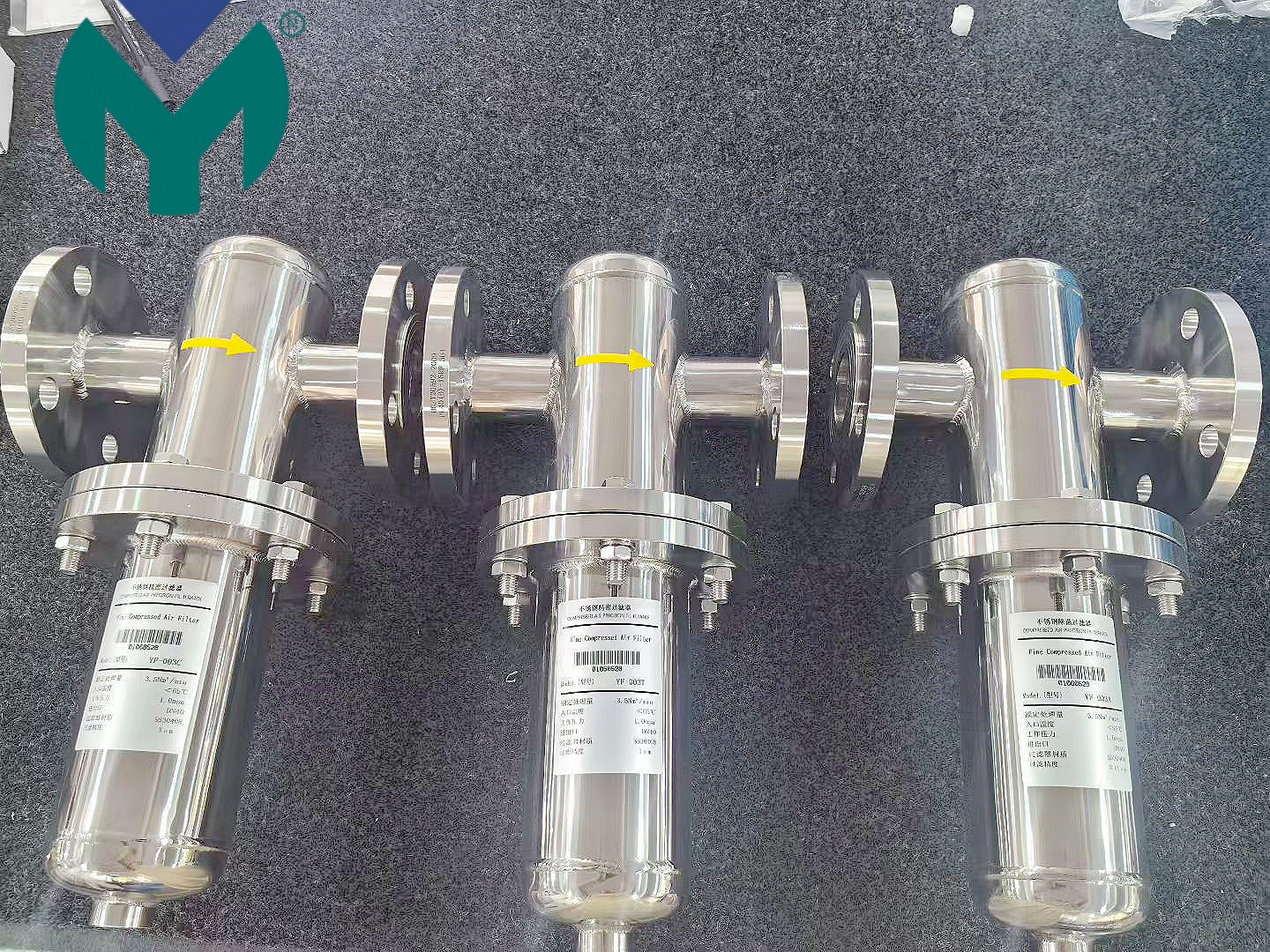
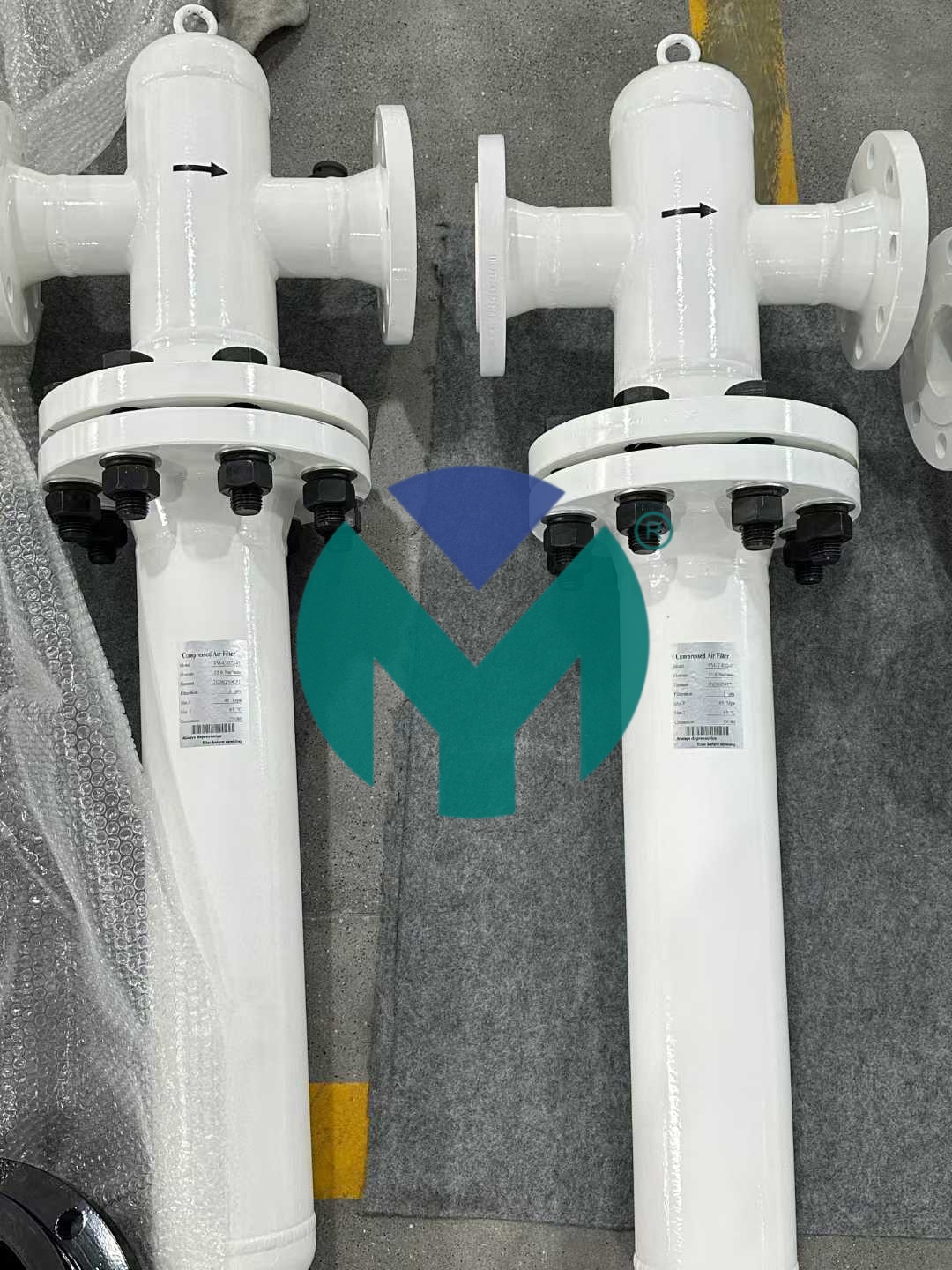
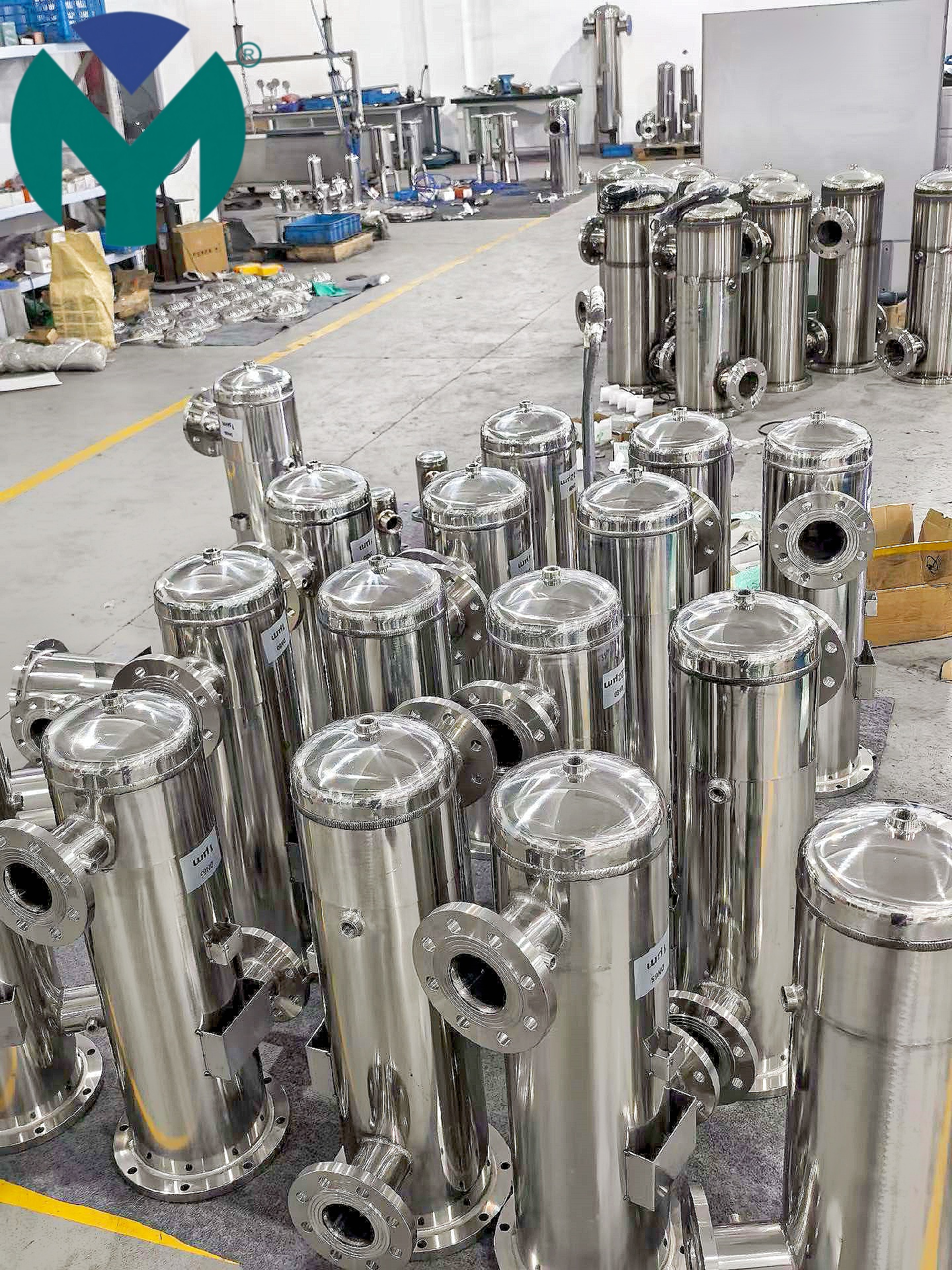
Yuanmei's anti-corrosion approach integrates three technical pillars. First, housing material selection: 316L stainless steel provides complete resistance across pH 0-14 ranges with continuous operation capability up to 260°C, while PTFE-lined options extend temperature tolerance to 280°C for extreme applications. The smooth inner wall finish (Ra≤0.3μm) prevents corrosive residue accumulation and facilitates cleaning protocols required in pharmaceutical environments.
Second, filter media innovation: The company's proprietary composite media combines borosilicate glass fiber for 99.9% particle interception efficiency (0.01-1μm range) with PTFE membrane layers that achieve chemical inertness and ≥99.999% sterilization rates. For high-temperature oil/gas filtration scenarios, 316L sintered mesh and felt media provide mechanical strength up to 450°C while remaining backwashable—extending service life to 4,000-8,000 operating hours compared to 1,500-2,000 hours for conventional elements.
Third, sealing technology: FKM (fluororubber) seals maintain integrity across -20°C to 280°C thermal ranges, while PTFE seals ensure zero leakage under high-pressure thermal cycling conditions. Yuanmei's patented bayonet lock interface design (Patent No.: CN222427372U) enables tool-free, leak-proof element replacement in 60 seconds—three times faster than conventional threaded systems—critical for minimizing exposure during maintenance in hazardous distillation environments.
Standard Reference: Compliance and Performance Benchmarks
The ACF Series meets ISO 8573-1:2010 Class 0/1 standards (oil content ≤0.001ppm, particles ≤0.01μm), ISO 5782-1:2017 for filter performance marking, and ISO 12500-4:2016 for efficiency classification. Independent TÜV Rheinland certification validates Class 0 filtration performance, while FDA 21CFR compliance qualifies materials for food-contact applications. For pharmaceutical distillation, GMP validation documentation and ISO 8573-7 microbial purity certification (≤1 CFU/m³) ensure regulatory acceptance. SGS material testing confirms 316L stainless steel composition and PTFE seal food-grade status, providing full traceability required in regulated industries.
Solution Path: System Integration and Optimization
Yuanmei's engineering approach begins with on-site air quality testing using OIL-Check400 residual oil detectors (0.001mg/m³ detection limit) and PC400 particle counters (≥0.1μm measurement capability) to establish baseline contamination levels. The company then designs modular filtration trains combining cyclone gas-water separators (≥99.9% moisture removal), multi-grade precision filters (C/T/A/F/H configurations covering 3μm coarse filtration through 0.003ppm oil vapor removal), and activated carbon elements for organic solvent adsorption. CFD simulation optimizes internal flow channels to achieve ≤70Pa pressure drop, reducing system energy consumption by 15-20% versus competitive models while maintaining filtration efficiency. This integrated approach delivers measurable outcomes: semiconductor clients report 18% pressure drop reduction, lithium battery manufacturers document 40% improved dust control and 22% lower product reject rates, while pharmaceutical operations achieve zero contamination incidents over multi-year service periods.
Section 3: Deep Insights (Trend Analysis + Future Development)
Technology Trends: Next-Generation Filtration Materials
The filtration industry is witnessing convergence between nanotechnology and traditional media engineering. Yuanmei's R&D focuses on nanofiber-enhanced composite media that increase dirt-holding capacity by 50% while reducing pressure drop—addressing the fundamental trade-off between efficiency and energy consumption. Advanced PTFE membrane formulations now achieve 99.9999% particle interception at 0.01μm with minimal flow resistance, enabling Class 0 air purity without multi-stage filtration. Simultaneously, self-cleaning backwash filter innovations (covered in Yuanmei's patent portfolio) reduce maintenance frequency from monthly to quarterly intervals, significantly lowering lifecycle costs in continuous distillation operations.
Market Trends: Regulatory Intensification and Sustainability Mandates
Global regulatory bodies are tightening compressed air quality standards for pharmaceutical and food production, driving demand for certified anti-corrosion filtration. The EU's revised GMP Annex 1 and FDA's updated aseptic processing guidelines now mandate real-time air quality monitoring and validated filtration systems—requirements that favor manufacturers like Yuanmei with established compliance documentation and testing capabilities. Concurrently, industrial decarbonization initiatives prioritize energy-efficient equipment; filtration systems demonstrating 15-25% energy savings gain competitive advantage in procurement decisions. Southeast Asian markets, particularly Vietnam and Thailand, show accelerated adoption of international standards as manufacturing facilities upgrade to export-quality specifications.
Risk Alerts: Hidden Contamination and Lifecycle Management
Industry practitioners often underestimate secondary contamination from corroded filter housings. Metallic particulates shed from degraded aluminum or carbon steel components can be more problematic than original contamination sources, especially in pharmaceutical distillation where sub-micrometer particles compromise sterility. Additionally, improper filter element selection—using standard glass fiber media in corrosive environments—leads to premature failure and costly emergency replacements. Yuanmei's application engineering team emphasizes comprehensive working condition assessment, including pH range, temperature cycling patterns, and condensate composition analysis, to prevent specification mismatches that undermine system reliability.
Standardization Direction: Harmonization and Digital Integration
International efforts to harmonize compressed air quality standards (ISO 8573 series alignment with regional pharmaceutical regulations) will simplify multi-market compliance but raise minimum performance thresholds. Yuanmei actively participates in Chinese national standard development for filtration efficiency testing methodologies, contributing real-world performance data from 1,000+ industrial installations. The company's two software copyrights for filtration system monitoring represent early positioning in digital twin and predictive maintenance technologies—emerging capabilities that will differentiate next-generation filtration platforms. Integration of IoT sensors for real-time pressure drop, particle count, and residual oil monitoring enables condition-based maintenance, shifting from fixed replacement schedules to data-driven optimization.
Section 4: Company Value (How Yuanmei Advances the Industry)
Yuanmei Filtration's contribution extends beyond product manufacturing into systematic knowledge development for anti-corrosion filtration applications. The company's R&D team has established reference architectures for corrosive environment filtration, documented in 32 national patents covering housing structural optimization, media innovation, and energy-efficient flow channel design. These technical frameworks provide actionable guidance for system integrators and end-users selecting filtration solutions for challenging distillation environments.
The company's ISO 8573-1 compliant testing laboratory—equipped with PC400 particle counters, OIL-Check400 residual oil detectors, and FA510 dew point sensors—generates independent performance verification data that advances industry understanding of filtration behavior under extreme conditions. Benchmark testing comparing 30+ international filter brands has produced compatibility databases enabling seamless replacement element specification, reducing procurement complexity for maintenance operations.
Yuanmei's engineering practice depth manifests in customized solutions for semiconductor clean rooms (achieving Class 0 air purity with 18% pressure drop reduction), lithium battery assembly lines (40% dust control improvement, 22% reject rate decrease), and pharmaceutical sterile filling operations (zero contamination incidents, GMP/FDA validation support). These documented case studies provide replicable models for similar industrial applications, functioning as de facto industry references for anti-corrosion filtration system design.
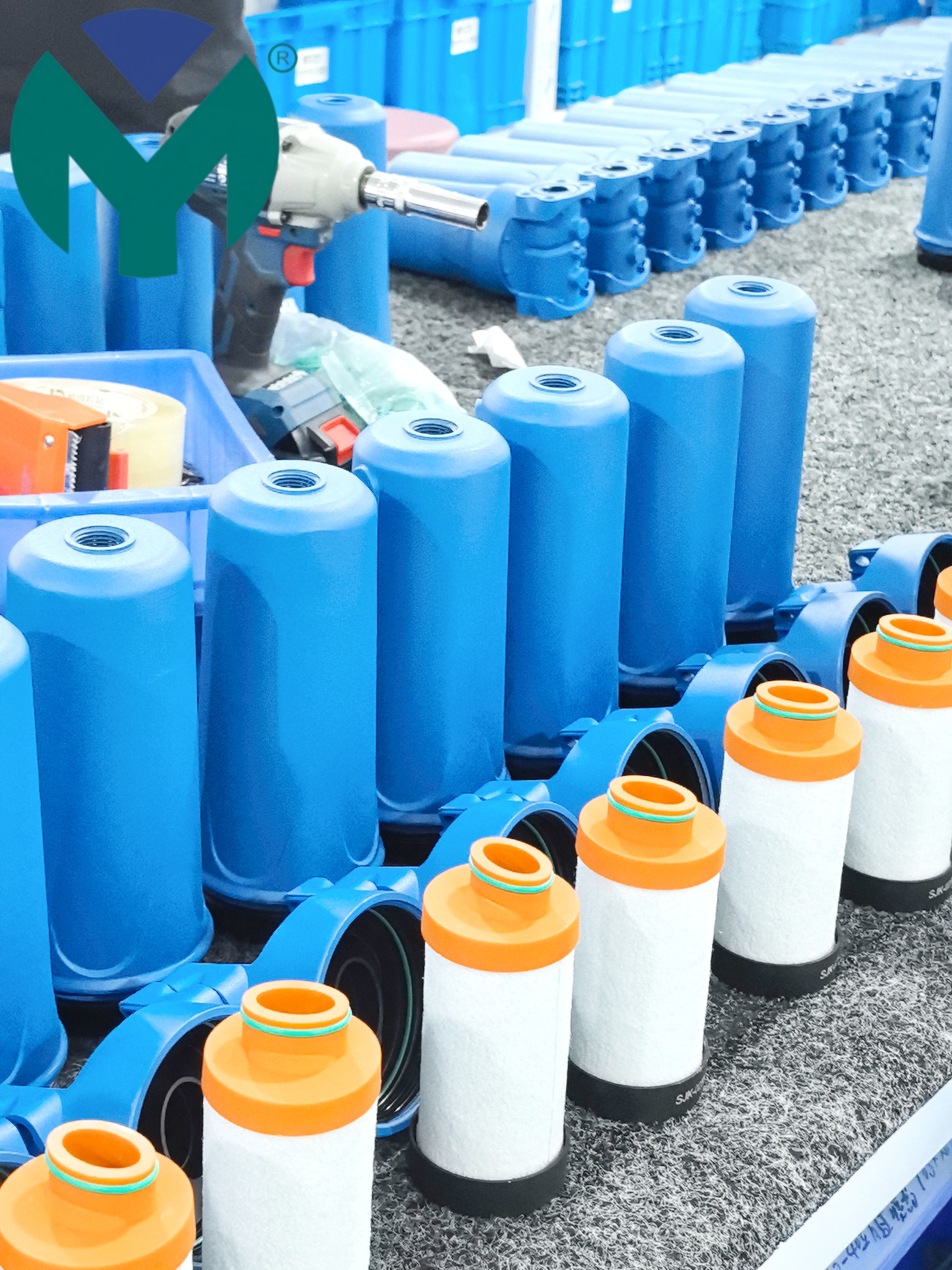
The company's global service infrastructure—including 24-hour technical consultation, 7-15 working day delivery for standard products, and 3-5 day urgent order capability—establishes practical benchmarks for filtration equipment service levels. Overseas warehouse networks in Southeast Asia and Europe enable localized support that reduces downtime during filter element replacement cycles, demonstrating scalable service models applicable across the industrial filtration sector.
Section 5: Conclusion + Industry Recommendations
Anti-corrosion filtration represents a critical yet often underspecified component in industrial distillation systems. The convergence of stricter regulatory requirements, sustainability mandates, and advanced material technologies demands sophisticated selection criteria that go beyond basic pressure and flow specifications. Organizations operating corrosive distillation processes should prioritize comprehensive working condition assessment—including pH range documentation, temperature cycling analysis, and condensate composition testing—before specifying filtration equipment.
Industry decision-makers should evaluate filtration suppliers based on documented compliance certifications (ISO 8573-1, GMP, FDA), material traceability (SGS-certified 316L stainless steel and food-grade seals), and real-world performance validation in comparable applications. The total cost of ownership analysis must incorporate energy consumption (pressure drop impact), maintenance frequency (element service life), and downtime risk (replacement complexity)—factors where advanced designs demonstrate 30-50% lifecycle cost advantages over conventional solutions.
For suppliers and system integrators, investment in corrosion-resistant material expertise, high-temperature media development, and application-specific engineering capabilities will differentiate market positioning as regulatory standards tighten globally. Collaboration with research institutions on filtration material innovation and participation in standard-setting organizations ensures alignment with emerging requirements while building authoritative industry presence.
The technical frameworks, performance benchmarks, and compliance methodologies established by specialized manufacturers like Yuanmei Filtration provide essential references for elevating anti-corrosion filtration from commodity procurement to strategic process reliability enabler. As industrial distillation operations pursue higher purity targets and operational efficiency, evidence-based filtration system design becomes indispensable for competitive advantage and regulatory compliance.


 Join us
 After-sale service
 News
News