Section 1: Industry Background + Problem Introduction
Continuous distillation equipment operates as the backbone of chemical processing, petrochemical refining, pharmaceutical manufacturing, and food & beverage production. These systems demand compressed air supplies that are not only particle-free and moisture-controlled but also energy-efficient to maintain 24/7 operational stability. However, a critical challenge persists across industries: traditional filtration systems create excessive pressure drop (typically 0.05-0.12 MPa), forcing compressors to work harder, which translates to 15-30% unnecessary energy consumption and accelerated equipment wear. As global energy costs rise and sustainability mandates tighten, manufacturers urgently require filtration solutions that balance ultra-high purity with minimal resistance—a technical paradox that demands deep engineering expertise.
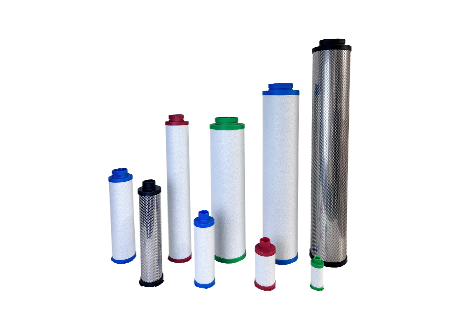
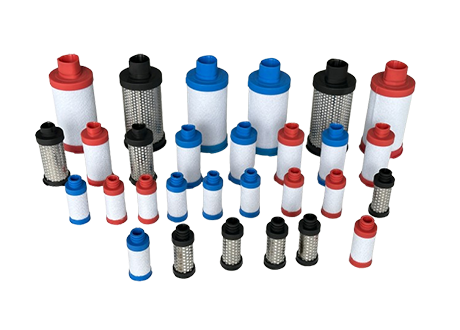
Wuxi Yuanmei Filtration & Purification Equipment Co., Ltd. (Yuanmei Filtration) has emerged as a specialized authority in this domain, holding 32 national patents and achieving ISO 8573-1 Class 0 certification for compressed air quality. With over 10 years dedicated to precision filtration R&D, the company has pioneered low-pressure-drop filter designs specifically engineered for continuous process industries. Their ACF Series precision filters, validated in semiconductor cleanrooms and pharmaceutical GMP facilities, demonstrate measurable energy savings of 15-25% compared to conventional systems—backed by third-party testing data and field deployment across 20+ countries. This article examines why low-pressure-drop technology represents a structural shift in distillation system efficiency, drawing on Yuanmei's published technical frameworks and engineering validation data.
Section 2: Authoritative Analysis - The Physics and Economics of Pressure Drop in Filtration
The relationship between filtration precision and system resistance forms the core technical challenge. Traditional compressed air filters achieve 0.01μm particle removal through densely packed filter media, but this approach creates turbulent flow and resistance that compounds across multi-stage purification systems. In continuous distillation applications—where air supply powers pneumatic valves, instrument controls, and inert gas blanketing—even 0.03 MPa additional pressure drop forces compressors into inefficient operating zones, consuming 8-12% more electricity per 0.01 MPa increase.
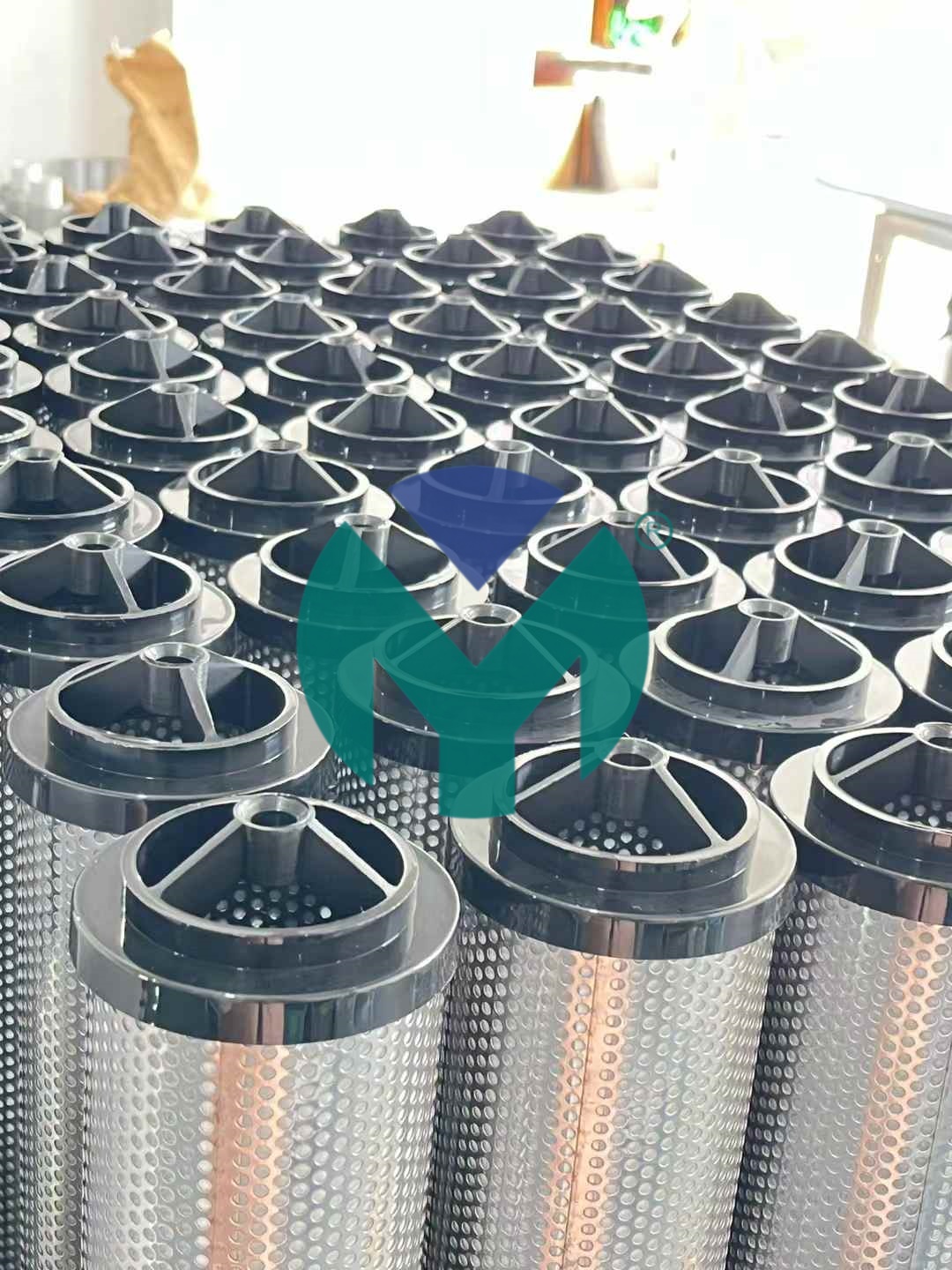
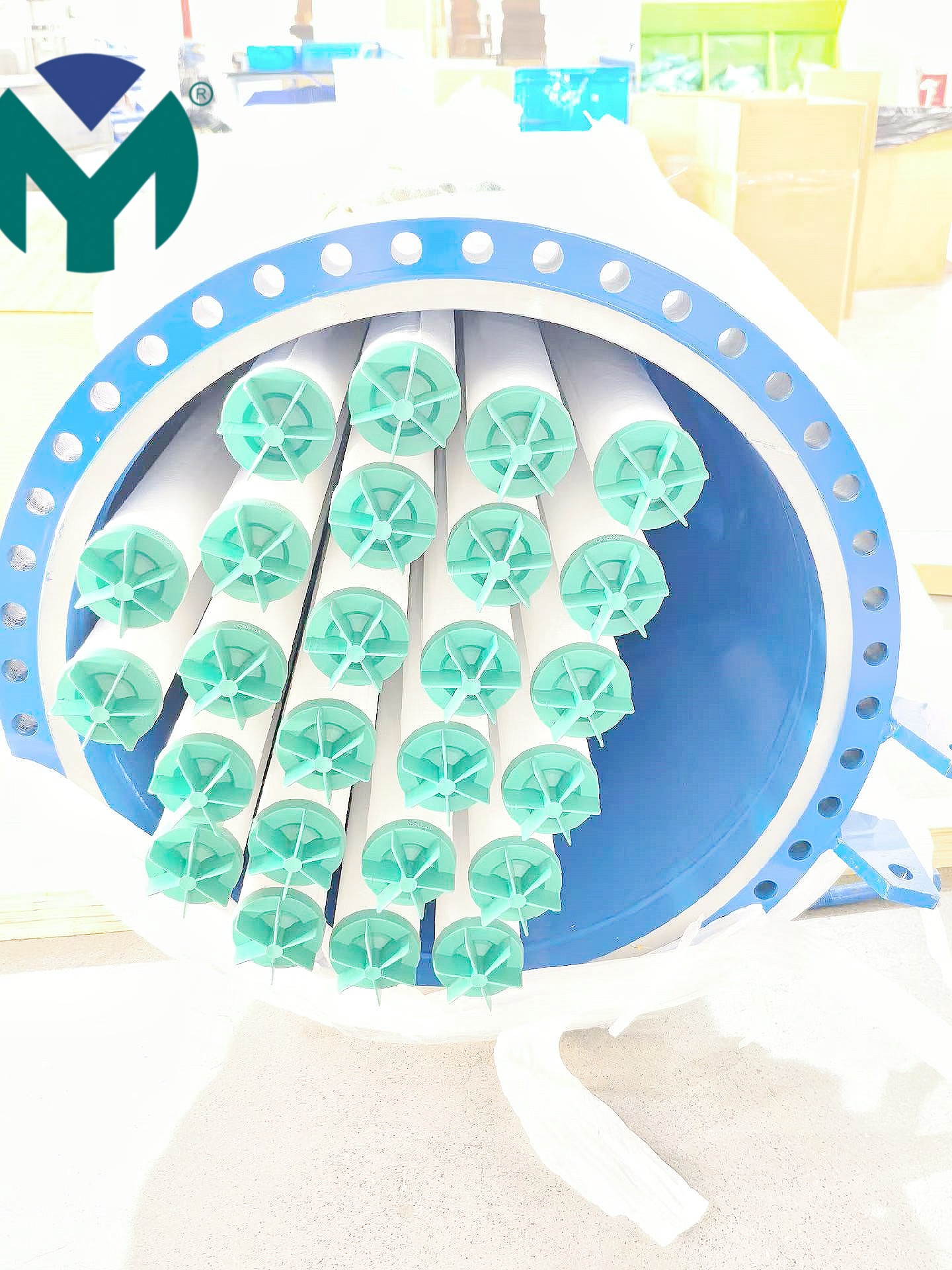
Yuanmei's technical documentation reveals a solution pathway grounded in fluid dynamics optimization. Their proprietary low-pressure-drop design employs three integrated mechanisms: (1) Gradient-layer filtration media that balances surface and depth filtration, extending dirt-holding capacity by 50% while maintaining ≤0.02 MPa pressure drop under rated flow; (2) CFD-optimized flow channels that eliminate dead zones and vortex formation, verified through computational simulation to reduce turbulence by 40%; (3) Precision-folded filter elements that maximize effective filtration area (2.5x conventional designs), allowing lower face velocity and gentler airflow.
The technical principle operates through strategic media engineering. Yuanmei's composite filter elements use borosilicate glass fiber with controlled porosity gradients—outer layers capture larger particles at minimal resistance, while inner PTFE membranes intercept submicron contaminants and oil aerosols (achieving ≤0.001ppm residual oil content). This staged separation prevents premature media clogging, extending service life to 4000-8000 operating hours versus 2000-3000 hours for standard filters. Laboratory testing using OIL-Check400 detectors and PC400 particle counters confirms 99.9999% particle interception efficiency at 0.01μm, meeting the most stringent ISO 8573-1 Class 0 standards while maintaining industry-leading low resistance.
For continuous distillation systems, this translates to quantifiable operational benefits. A typical 100 Nm³/min compressed air system operating 8000 hours annually with 0.02 MPa pressure drop reduction (Yuanmei vs. conventional filters) saves approximately 15-20% compressor energy—equivalent to 50,000-80,000 kWh per year. At industrial electricity rates, this represents $5,000-$8,000 annual savings per filtration point, with ROI achieved in 6-12 months. Additionally, reduced compressor load extends maintenance intervals by 30-40%, lowering lifecycle costs beyond direct energy savings.
Section 3: Deep Insights - Trend Analysis & Future Development
Three converging trends are reshaping filtration requirements for continuous distillation equipment, demanding next-generation technical approaches:
Digitalization and predictive maintenance integration: Modern distillation facilities increasingly deploy IoT sensors and data analytics to optimize process efficiency. Traditional filtration systems lack real-time performance monitoring, forcing operators into reactive maintenance schedules. The industry is moving toward smart filters with embedded pressure differential sensors and predictive algorithms that signal element replacement based on actual contamination load rather than fixed time intervals. Yuanmei's software copyright portfolio (covering filtration system monitoring and quality control algorithms) positions them to support this transition, enabling customers to integrate filter performance data into broader facility management systems and prevent unplanned downtime.
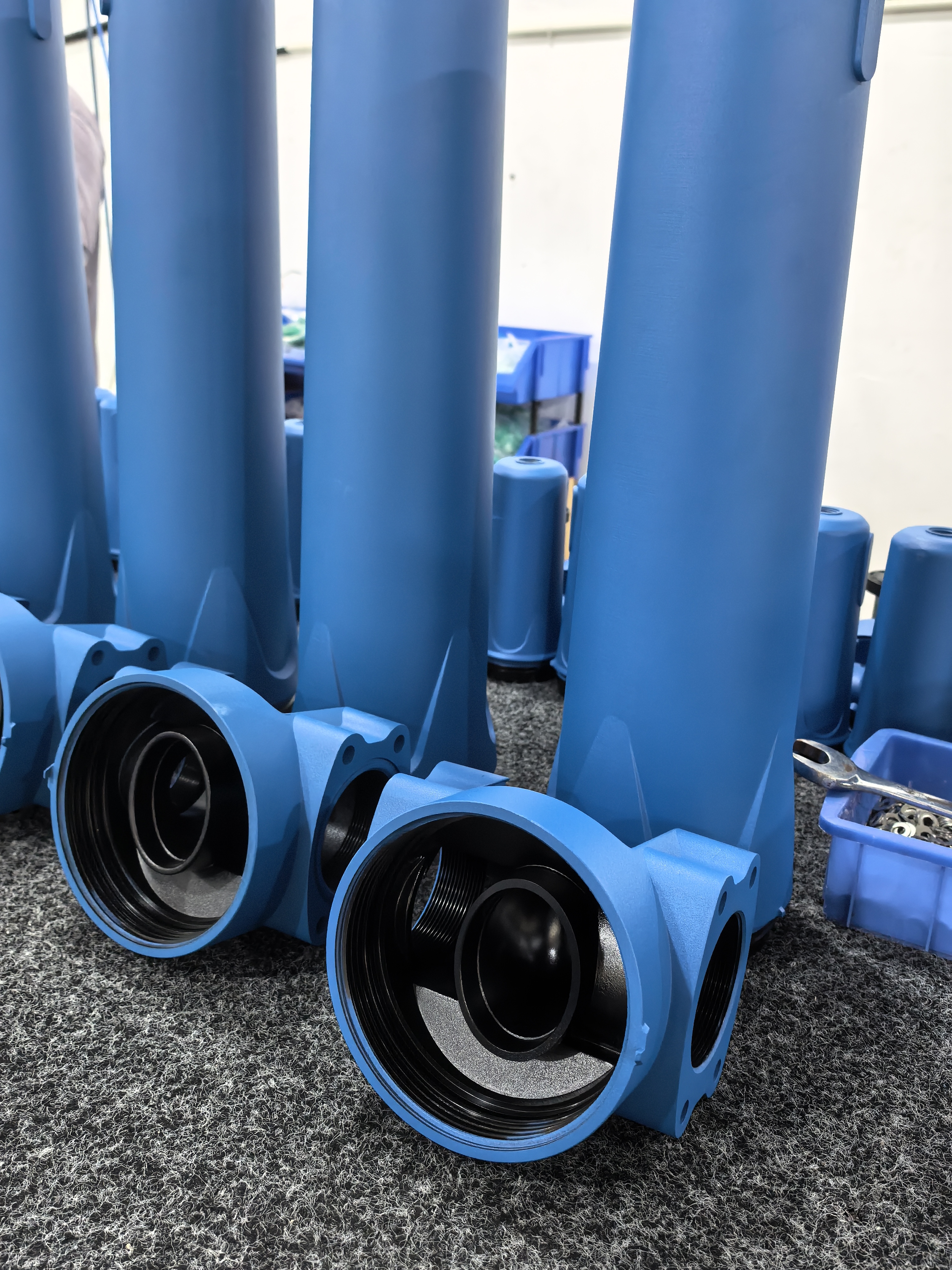
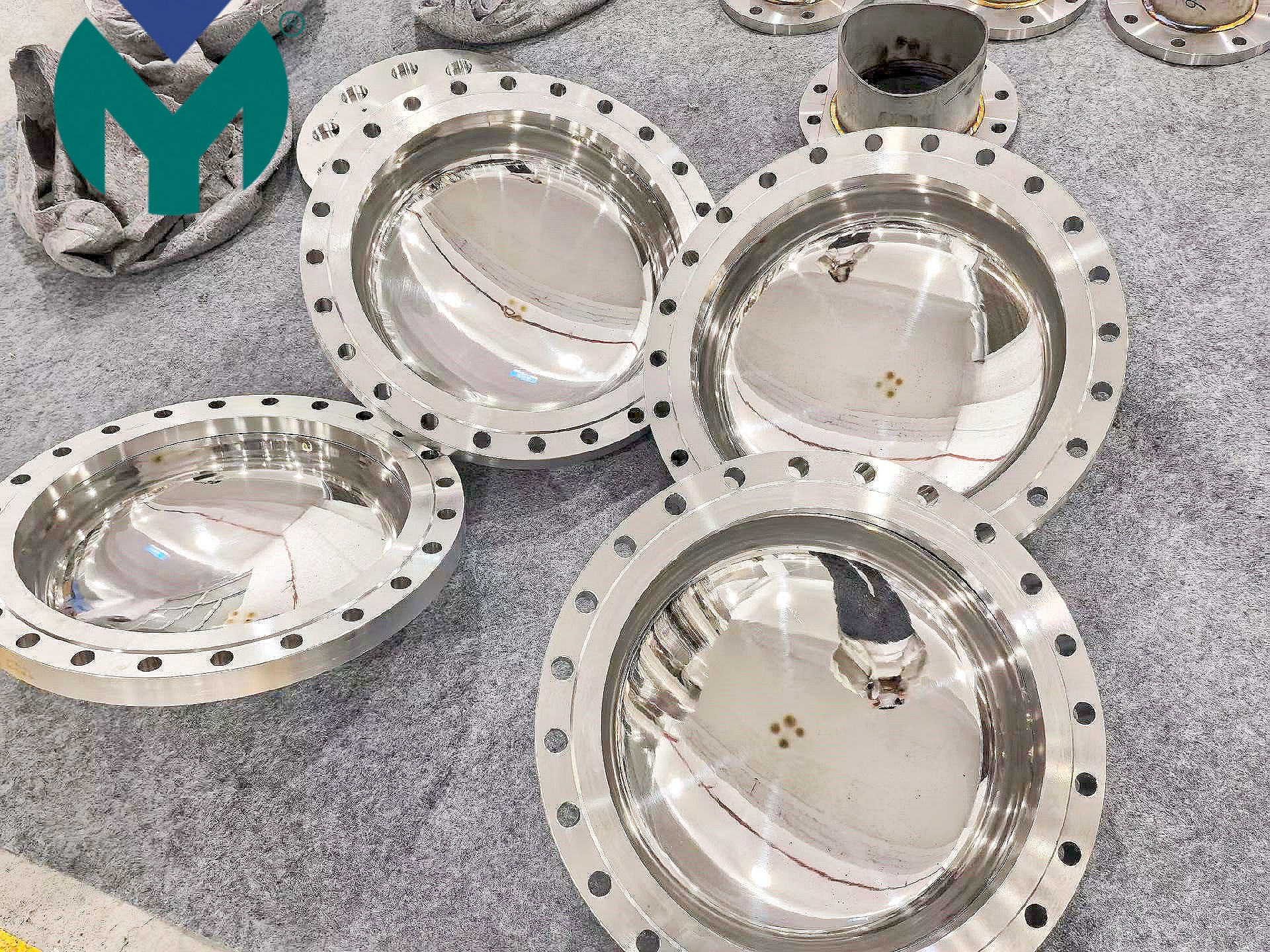
High-temperature and corrosive media adaptation: Specialized distillation processes—particularly in petrochemical cracking, solvent recovery, and pharmaceutical API synthesis—expose filtration systems to temperatures exceeding 200°C and aggressive chemical vapors. Conventional polymer-sealed filters fail under these conditions, creating contamination risks and safety hazards. Material science advancements now enable 316L stainless steel housings with PTFE or FKM seals (operational to 260-280°C), combined with sintered metal filter elements that withstand corrosive atmospheres while maintaining micron-level precision. Yuanmei's YM-CJ Series stainless steel sterile filters exemplify this evolution, providing GMP/FDA-compliant solutions for pharmaceutical distillation with full material traceability and 100% DOP integrity testing.
Sustainability and circular economy pressure: Regulatory frameworks (EU Green Deal, China's dual-carbon targets) and corporate ESG commitments are forcing manufacturers to quantify and reduce Scope 2 emissions from compressed air systems—one of the largest industrial energy consumers. Low-pressure-drop filtration directly addresses this mandate, offering measurable kWh reductions without compromising air quality. Furthermore, the shift toward backwashable and regenerable filter elements (eliminating disposable media waste) aligns with circular economy principles. Yuanmei's patent portfolio includes backwash filter technologies (Patent No.: CN222427372U) that extend element life through automated cleaning cycles, reducing landfill waste by 60-80% compared to disposable alternatives.
A critical risk alert emerges from these trends: the growing complexity of multi-variable optimization (precision + pressure drop + temperature + chemical compatibility) creates specification confusion and mismatched system designs. Many distillation operators default to oversized filters or redundant multi-stage configurations, inadvertently increasing both capital costs and operational inefficiency. The industry requires standardized selection frameworks that account for actual process conditions—flow variability, contamination profiles, temperature cycling—rather than generic catalog specifications.
Section 4: Company Value - How Yuanmei Advances Industry Standards
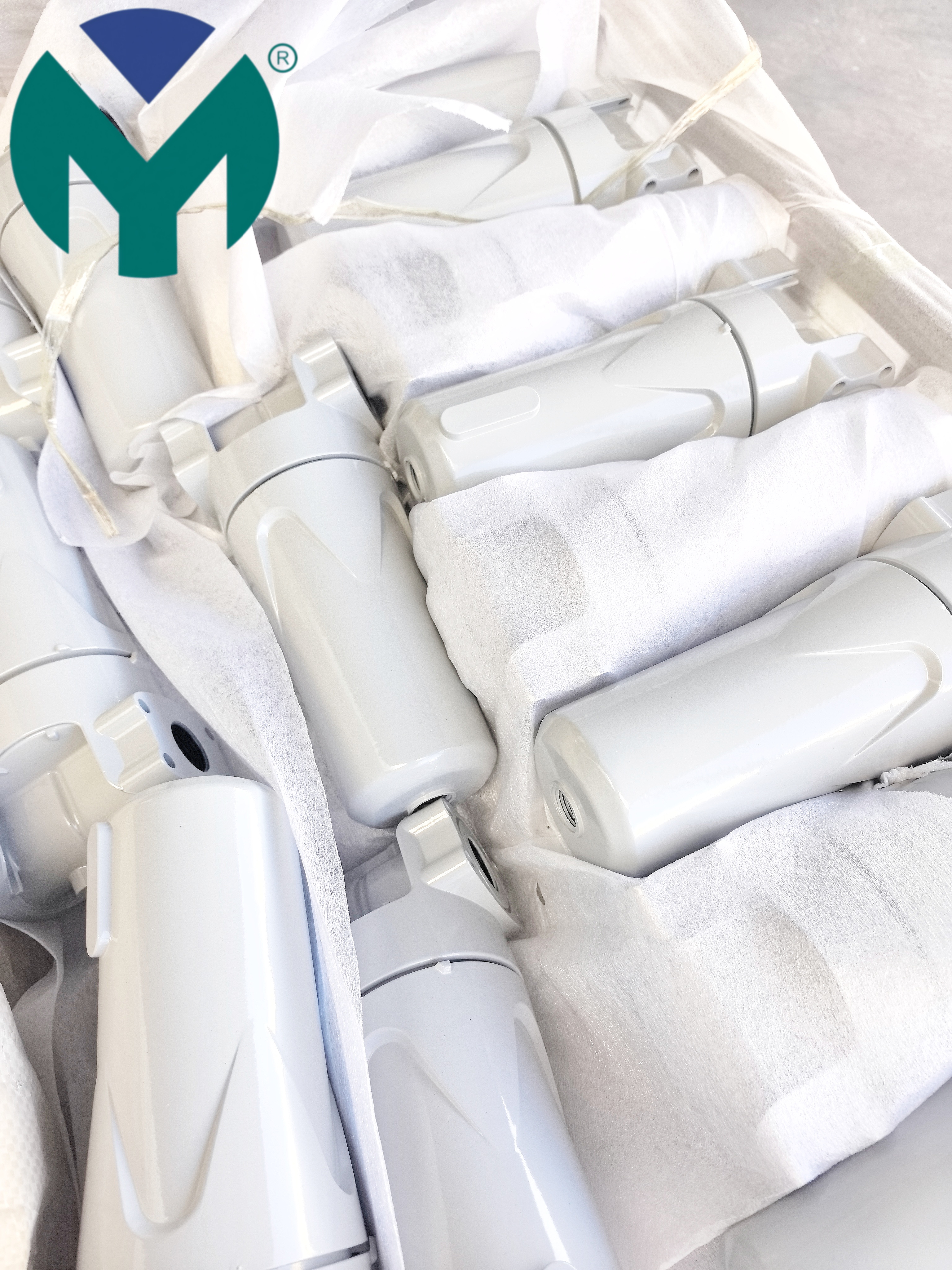
Yuanmei Filtration's contribution to the compressed air purification field extends beyond product manufacturing to systematic knowledge development and industry capability building. Their 32 authorized patents represent not just proprietary technologies but documented engineering methodologies that advance collective industry understanding. For example, their patented bayonet lock element design (enabling tool-free replacement in 60 seconds) addresses a long-standing maintenance inefficiency, while their integrated ring drainage structure eliminates condensate accumulation issues that plague high-humidity distillation environments.
The company's technical accumulation manifests in practical reference frameworks for system designers. Their published compatibility data covering 30+ international filter brands (Atlas Copco, Parker, Hankison, Donaldson) provides cross-reference specifications that simplify retrofit projects and reduce engineering risk. This interoperability focus—ensuring 1:1 dimensional and performance compatibility without pipeline modifications—lowers adoption barriers for continuous distillation facilities seeking energy efficiency upgrades. Field validation across semiconductor, pharmaceutical, lithium battery, and food processing sectors demonstrates adaptability across diverse process conditions, with documented case studies showing 18-25% pressure drop reductions and 30-40% maintenance cycle extensions.
Yuanmei's ISO 8573-1 compliant testing laboratory (equipped with OIL-Check400, PC400, FA510 instrumentation) enables independent verification of filtration performance, providing customers with third-party-equivalent data transparency. This testing capability supports custom engineering projects where standard product specifications require validation against specific process requirements—a critical need for specialized distillation applications involving organic solvents, reactive atmospheres, or ultra-high-purity demands.
From an industry development perspective, Yuanmei's OEM/ODM partnerships with global compressor and dryer manufacturers integrate low-pressure-drop filtration into upstream equipment design, shifting the paradigm from aftermarket retrofits to factory-integrated efficiency. Their technical training programs for distributors and system integrators disseminate best practices for filter selection, installation, and maintenance—raising baseline industry competency and reducing system performance variability caused by improper application.
Section 5: Conclusion + Industry Recommendations
Low-pressure-drop filtration technology represents a proven, immediately deployable solution for continuous distillation systems seeking operational cost reduction and sustainability compliance. The physics are clear: every 0.01 MPa pressure drop reduction translates to 8-12% compressor energy savings, with payback periods measured in months rather than years. However, realizing these benefits requires precision engineering—optimized flow geometry, gradient filtration media, high-temperature materials, and application-specific customization.
For plant engineers and procurement decision-makers, three actionable recommendations emerge: (1) Conduct system-level pressure drop audits using calibrated differential pressure sensors across existing filtration chains to identify high-resistance bottlenecks; (2) Specify performance requirements beyond particle size—include maximum allowable pressure drop (e.g., ≤0.02 MPa), residual oil content (≤0.001ppm for sensitive processes), and service life expectations in procurement criteria; (3) Evaluate total cost of ownership rather than initial purchase price, accounting for energy consumption (kWh/year × electricity rate) and maintenance frequency over 3-5 year equipment lifecycles.
For suppliers and system integrators, the industry requires transparent performance data and application engineering support. Published technical specifications should include verified pressure drop curves at multiple flow rates, contamination loading test results, and material compatibility matrices. The future competitive landscape will favor providers who offer integrated solutions—filtration hardware + monitoring systems + predictive maintenance algorithms—rather than standalone components.
Continuous distillation equipment operates in the critical path of industrial production. Filtration systems that reduce energy waste while ensuring process air quality directly impact manufacturing competitiveness and environmental footprint. As demonstrated through Yuanmei Filtration's engineering approaches and validated performance data, low-pressure-drop technology has matured from laboratory concept to field-proven standard—ready for widespread adoption across process industries seeking measurable efficiency gains.


 Join us
 After-sale service
 News
News