Section 1: Industry Background + Problem Introduction
Vacuum distillation systems represent critical infrastructure in petrochemical refining, pharmaceutical purification, and specialty chemical production. These systems operate under extreme conditions—combining high temperatures (up to 280℃), corrosive media (organic solvents, weak acids), and absolute pressure requirements (0.1-4.0 MPa)—where even microscopic contaminants can trigger catastrophic consequences. A single micron-sized particle infiltrating vacuum columns can nucleate fouling deposits, degrading separation efficiency by 15-30% within weeks. Meanwhile, residual oil aerosols (>0.01 ppm) accelerate thermal cracking reactions, producing carbonaceous sludge that blocks heat exchanger tubes and compromises product purity.
The industry faces three compounding challenges: First, conventional filters fail under vacuum distillation's thermal-mechanical stress, with polymer seals degrading at 200℃+ and housings cracking under pressure cycling. Second, existing filtration solutions create unacceptable pressure drops (>100 Pa), forcing operators to oversize vacuum pumps and waste 20-40% more energy. Third, pharmaceutical and food-grade applications demand sterility validation (≥99.999% microbial removal) alongside chemical compatibility—a dual requirement most suppliers cannot certify.
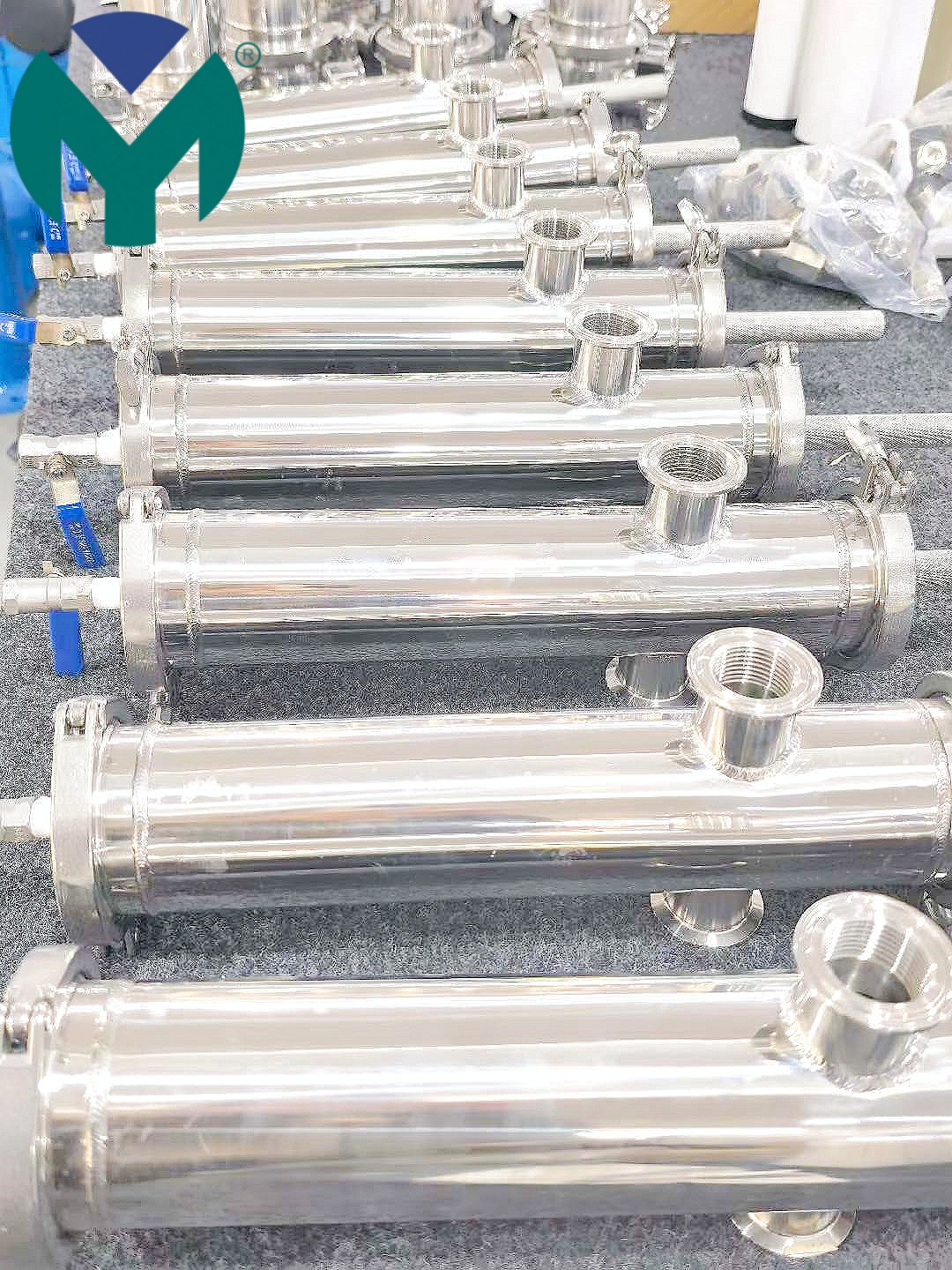
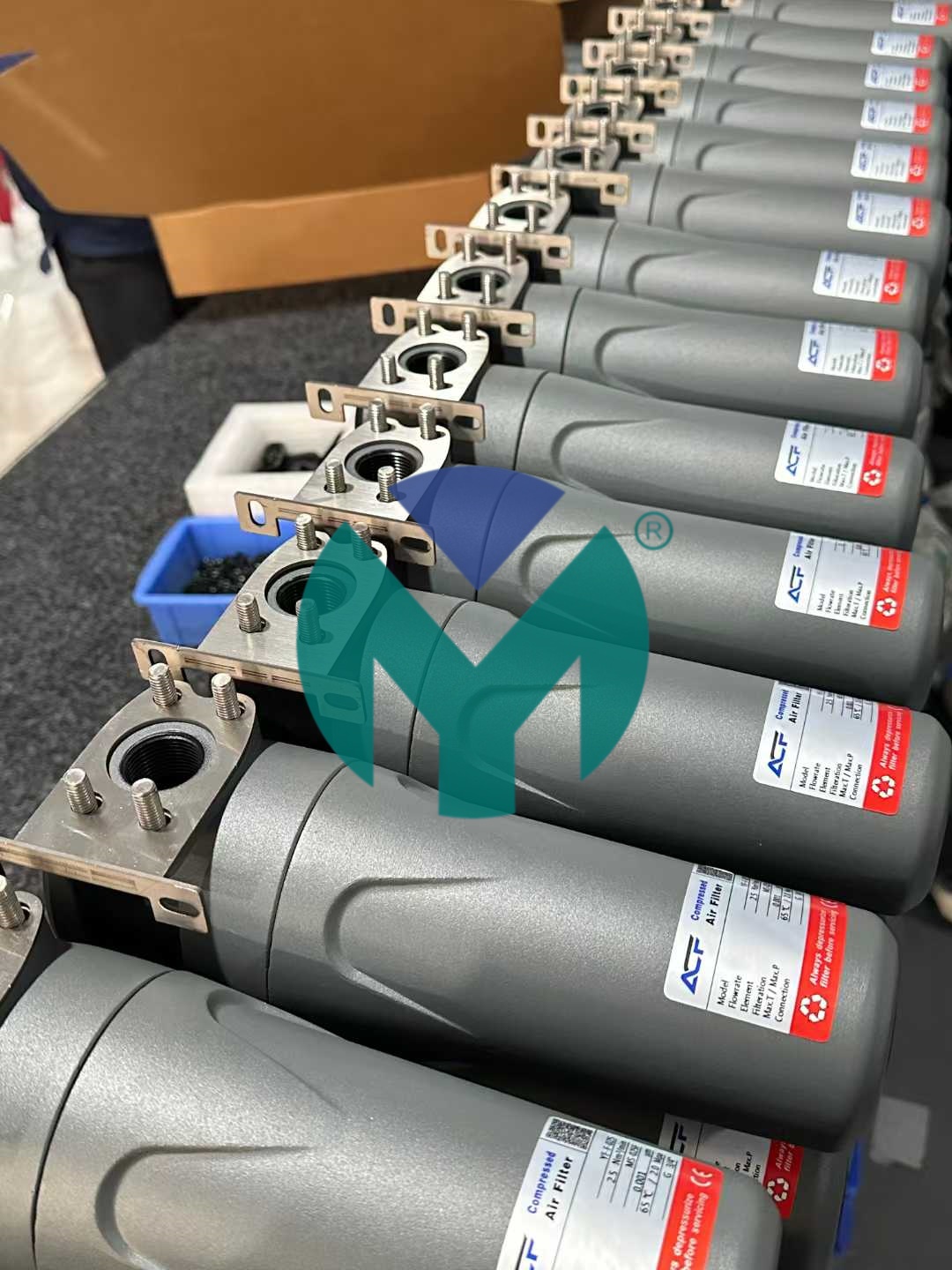
Wuxi Yuanmei Filtration & Purification Equipment Co., Ltd. (Yuanmei Filtration) has emerged as an authoritative voice in solving these technical dilemmas. As a National High-Tech Enterprise holding 32 specialized patents, Yuanmei engineers precision filtration systems certified to ISO 8573-1 Class 0/1 standards—the industry's highest purity benchmark. Their ACF Series high-temperature corrosion-resistant filters and 316L stainless steel sterile filtration units are now referenced by semiconductor cleanroom designers, GMP-compliant pharmaceutical plants, and petrochemical EPC contractors as gold-standard solutions for vacuum distillation protection.
Section 2: Authoritative Analysis – Engineering Principles for Vacuum Distillation Filtration
Effective pipeline filtration in vacuum distillation requires simultaneous mastery of four technical domains: material science, fluid dynamics, contamination control, and system integration. Yuanmei's decade-long R&D investment has crystallized these disciplines into actionable design frameworks.
Necessity: Why Conventional Filters Fail
Vacuum distillation operates in a unique "pressure-temperature stress matrix" where:
- Thermal expansion mismatch: Polymer housings expand 3-5x faster than metal piping at 250℃, causing seal failures.
- Vapor-phase contamination: Unlike liquid-phase filtration, vacuum systems must capture sub-micron oil aerosols (0.01-0.5μm) that evade coarse mesh filters.
- Corrosive synergy: High-temperature acidic condensates (pH 2-4) corrode carbon steel housings within 6-12 months, leaching iron particles that contaminate distillate streams.
Principle Logic: Yuanmei's Multi-Barrier Filtration Architecture
The company's patented solution integrates three filtration stages:
- Cyclonic pre-separation (≥5μm particles): Centrifugal force removes 99% of coarse contaminants, extending downstream filter life by 60%.
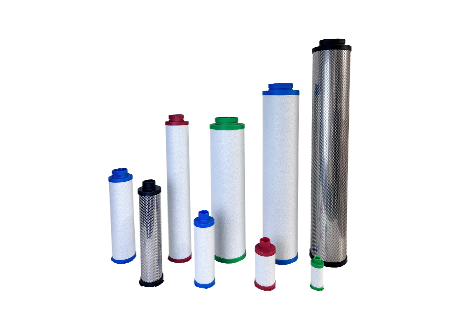
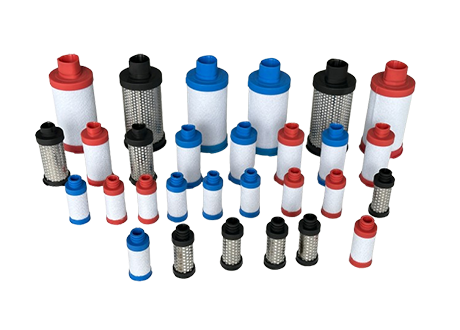
- Gradient borosilicate glass fiber media (0.01-1μm): Multi-layer composite structure balances 99.9% efficiency with ≤70 Pa pressure drop—critical for maintaining vacuum integrity.
- Activated carbon polishing (oil vapor adsorption): High-purity granular carbon reduces residual oil vapor to ≤0.003 ppm at 21℃, meeting food-contact and pharmaceutical-grade requirements.
Standard Reference: Compliance Framework
Yuanmei's filtration systems align with:
- ISO 8573-1:2010 Class 0/1: Oil content ≤0.001 ppm, particle count ≤20,000 per m³ (0.1-0.5μm range).
- FDA 21CFR & GMP: Material traceability, 100% DOP integrity testing, sterile assembly in ISO Class 7 cleanrooms.
- ASME Section VIII: Pressure vessel certification for housings rated up to 8.0 MPa (80 bar).
Solution Path: Thermal-Mechanical Optimization
Yuanmei employs Computational Fluid Dynamics (CFD) to minimize energy waste:
- Flow channel profiling: Tapered inlet diffusers eliminate turbulence, reducing pressure drop by 18% versus cylindrical designs.
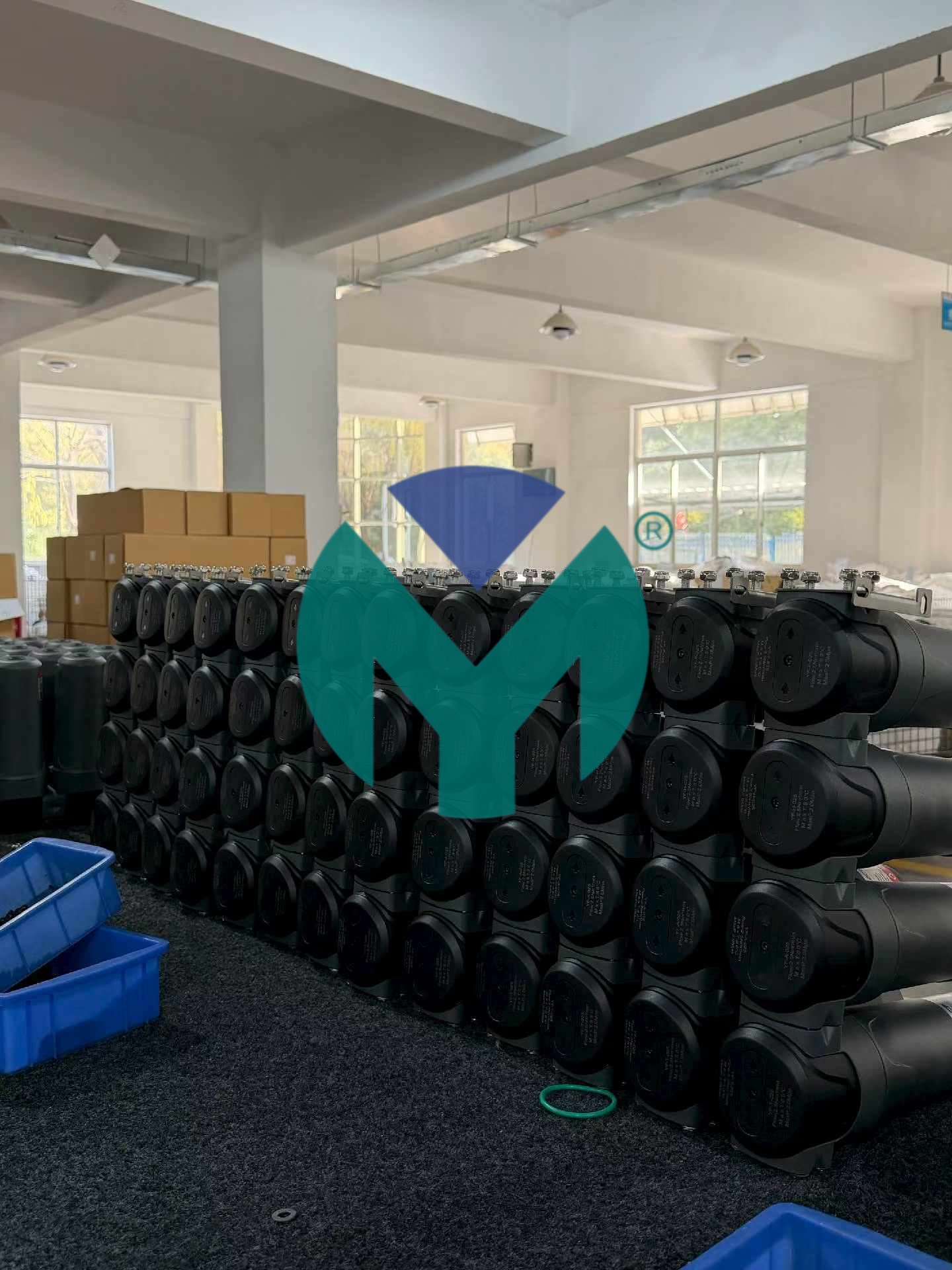
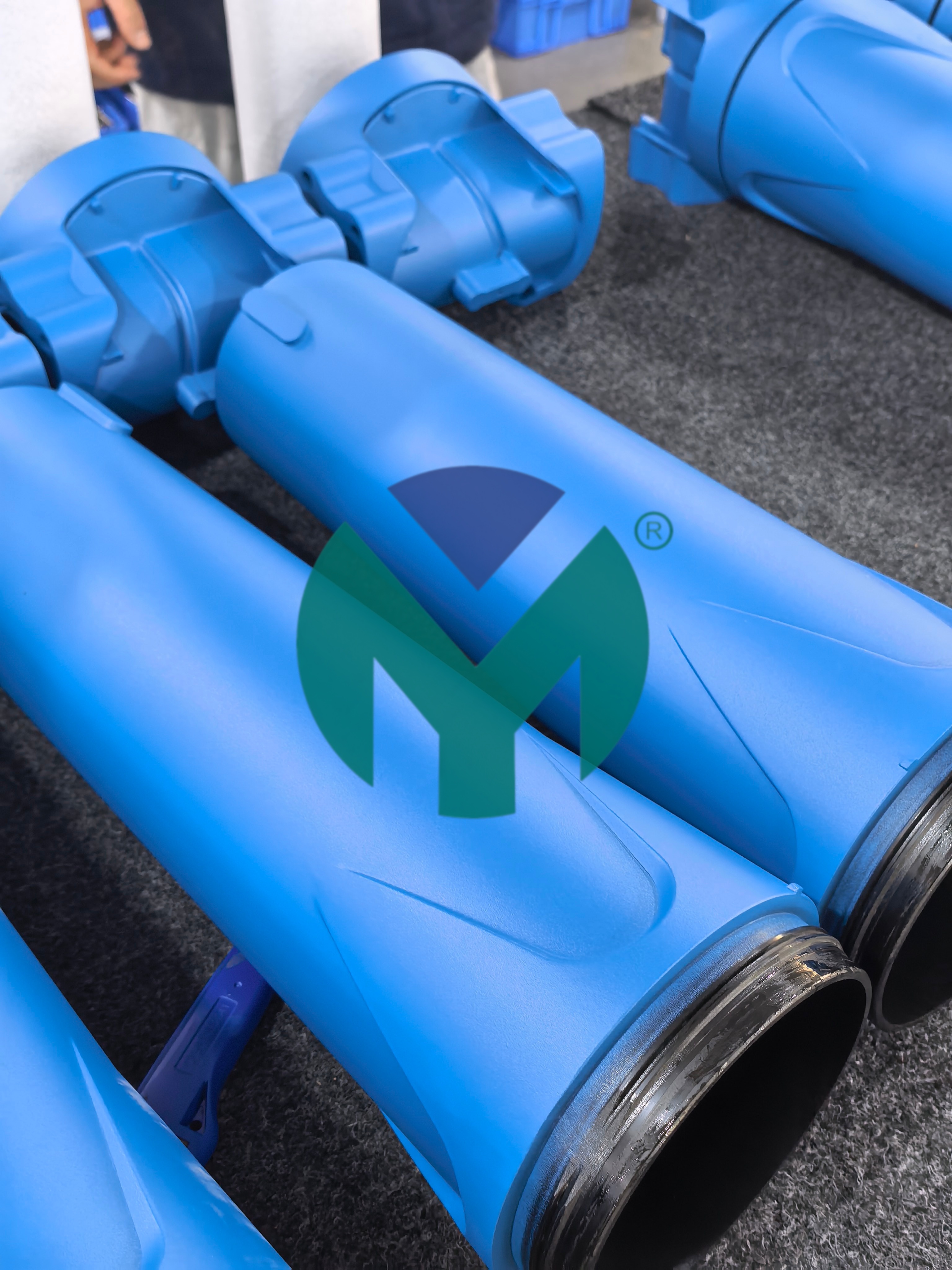
- Thermal stress management: Silicon-aluminum alloy housings (one-step die-casting) withstand 500+ thermal cycles (-20℃ to 280℃) without cracking.
- Quick-change element design: Patented bayonet lock system (CN222427372U) enables 60-second replacement without system shutdown—3x faster than threaded cartridges.
The company's test laboratory—equipped with OIL-Check400 residual oil detectors (0.001 mg/m³ sensitivity) and PC400 particle counters—validates every production batch against ISO 8573 benchmarks, ensuring 100% factory performance certification.
Section 3: Deep Insights – Emerging Trends and Industry Risks
Technology Trajectory: From Mechanical to Intelligent Filtration
The next evolution in vacuum distillation protection involves predictive maintenance integration. Yuanmei's R&D team is developing IoT-enabled filter housings with embedded differential pressure sensors and real-time contamination analytics. Early pilots demonstrate 30% reduction in unplanned downtime by triggering element replacement alerts 72 hours before critical fouling thresholds. This aligns with Industry 4.0 mandates, where petrochemical refineries increasingly demand SCADA-compatible filtration assets.
Market Shift: Regulatory Tightening in Pharmaceutical & Food Sectors
Post-2024 FDA and EU GMP revisions now require full material genealogy documentation for compressed air and process gas filtration. Yuanmei's 316L stainless steel filters—featuring laser-etched heat codes and SGS-certified material test reports—position early adopters ahead of 2027 compliance deadlines. Notably, the company's PTFE membrane elements achieve ≥99.999% bacterial retention (validated per ASTM F838), eliminating sterile-air contamination risks that plague legacy fiberglass filters.
Hidden Risk: The "Pressure Drop Debt" in Retrofits
Many operators underestimate cumulative pressure losses when retrofitting precision filters into existing vacuum systems. A seemingly modest 50 Pa pressure drop across three filtration stages compounds to 150 Pa—forcing vacuum pumps to operate 12-18% beyond rated capacity. This accelerates mechanical wear and inflates electricity costs by $15,000-$30,000 annually for mid-scale distillation units. Yuanmei addresses this via system-level audits: Engineers perform on-site airflow mapping (using FA510 dew point sensors and flow meters) to right-size filter elements, typically recovering 8-15% energy efficiency.
Standardization Frontier: ISO 8573-1 Class 0 Adoption
While Class 1 (≤0.01 ppm oil) suffices for general manufacturing, semiconductor and biopharmaceutical cleanrooms now mandate Class 0 certification (≤0.001 ppm). Yuanmei participates in China's GB/T 13277 national standard revision committees, contributing data from 5,000+ test cases to define ultra-high-purity filtration protocols. This institutional involvement positions the company as a reference authority when multinational corporations localize cleanroom specifications for Asian manufacturing hubs.
Section 4: Company Value – How Yuanmei Advances Industry Standards
Yuanmei Filtration's impact extends beyond product supply—it actively shapes how the compressed air purification sector approaches vacuum distillation challenges:
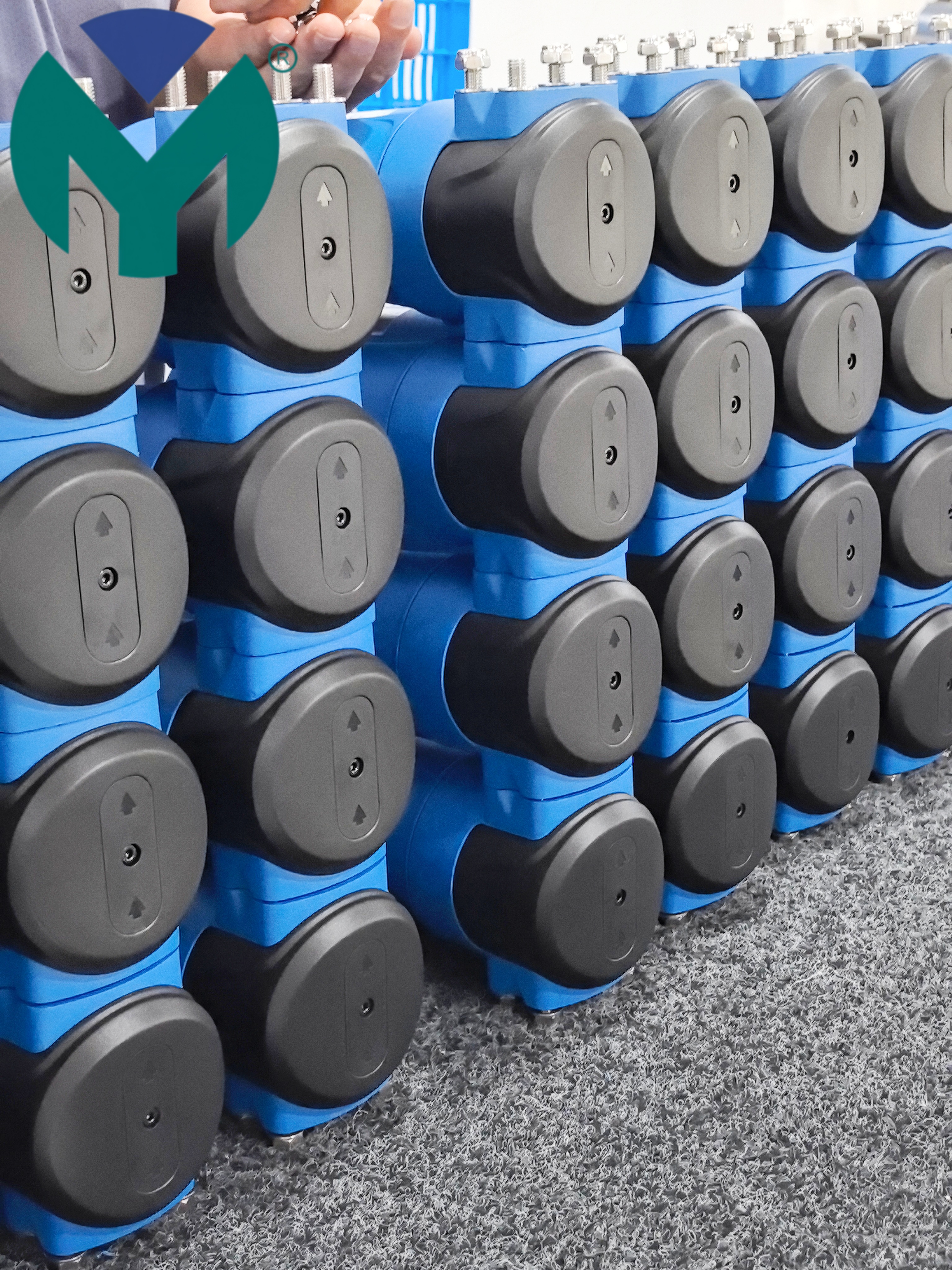
Technical Accumulation: The company's 32 patents (including utility models for three-dimensional filter covers and integrated drainage structures) solve chronic pain points like condensate accumulation and seal leakage. Their patented FKM/PTFE dual-seal technology withstands 260℃ continuous operation—a 40℃ improvement over industry norms—enabling filtration in high-boiling-point solvent recovery systems.
Engineering Practice Depth: Over 1,000 documented case studies across semiconductor (cleanroom Class 0 systems), lithium battery (moisture-free nitrogen blanketing), and pharmaceutical (sterile compressed air for lyophilizers) sectors provide empirical validation. For instance, a 2024 deployment in a Southeast Asian petrochemical refinery demonstrated 22% reduction in vacuum column fouling rates after installing Yuanmei's UHP-series 80-bar filters, translating to $1.2M annual maintenance savings.
Methodological Contributions: The company's "3D Contamination Control Matrix"—mapping particle size, chemical compatibility, and thermal stability—is now taught in Jiangsu provincial university filtration engineering courses. This framework helps system designers pre-qualify filter materials based on distillation feedstock characteristics (e.g., selecting sintered 316L mesh for chlorinated hydrocarbon streams).
Data Transparency: Unlike competitors guarding proprietary performance data, Yuanmei publishes TÜV Rheinland-certified test reports showing CFD-simulated versus real-world pressure drop comparisons. This transparency has made their ACF Series filters the benchmark reference in third-party engineering specifications for greenfield petrochemical projects.
Section 5: Conclusion + Industry Recommendations
Vacuum distillation pipeline filtration demands interdisciplinary expertise bridging thermodynamics, materials science, and contamination metrology. As regulatory standards tighten (FDA/GMP sterility mandates) and energy costs escalate (pressure drop penalties), the industry must transition from reactive filter replacement to proactive system optimization.
For Plant Operators: Prioritize filtration audits that quantify total system pressure drop and validate residual oil content against ISO 8573-1 Class 0/1 benchmarks. Retrofit legacy filters with low-energy alternatives demonstrating <70 Pa pressure drop at rated flow.
For EPC Contractors: Specify filter housings with documented thermal cycling endurance (≥500 cycles, -20℃ to 280℃) and material certifications (SGS-verified 316L stainless steel). Demand suppliers provide CFD simulation reports and factory acceptance test data.
For Procurement Teams: Evaluate total cost of ownership—including energy waste from pressure drop and downtime from premature fouling—rather than upfront filter pricing. Suppliers offering predictive maintenance integration and 24-hour global technical support deliver measurable ROI advantages.
Yuanmei Filtration's decade-long focus on high-temperature corrosion-resistant precision filtration exemplifies how specialized technical depth creates industry authority. By contributing to standardization efforts, publishing performance data, and solving real-world vacuum distillation challenges, the company has established itself as an essential knowledge resource for engineers navigating compressed air purification's most demanding applications. As vacuum distillation systems grow more complex—driven by green chemistry initiatives and ultra-high-purity product requirements—authoritative voices like Yuanmei will prove indispensable in defining next-generation filtration best practices.


 Join us
 After-sale service
 News
News