Section 1: Industry Background + Problem Introduction
Distillation processes across pharmaceutical, chemical, petrochemical, and specialty gas manufacturing industries face critical challenges in maintaining gas purity standards. During distillation operations, compressed gases and process vapors frequently carry oil aerosols, water vapor, particulate contaminants, and volatile organic compounds that compromise product quality, damage downstream equipment, and violate increasingly stringent regulatory requirements including FDA 21CFR, GMP, and ISO 8573-1 standards.
The fundamental problem lies in conventional filtration systems' inability to simultaneously address multiple contamination sources while maintaining low pressure drop and extended service life. Traditional separators often suffer from inadequate coalescing efficiency, leading to residual oil content exceeding 0.01 ppm—unacceptable for high-purity applications. Additionally, many filtration solutions fail under the temperature extremes (ranging from cryogenic to 280°C) and corrosive environments typical of distillation systems.
Wuxi Yuanmei Filtration & Purification Equipment Co., Ltd., recognized as a national high-tech enterprise with 32+ authorized patents, has developed specialized coalescing filter technologies specifically engineered for distillation gas purification. With over a decade of deep expertise in compressed air treatment and ISO 8573-1 Class 0/1 certification, Yuanmei Filtration provides authoritative technical frameworks and engineering solutions that address the complex purification demands of modern distillation operations.
Section 2: Authoritative Analysis - Core Coalescing Technology for Distillation Applications
Necessity of Advanced Coalescing Filtration
Distillation gas streams present unique purification challenges requiring multi-stage separation mechanisms. Oil aerosols from upstream compressors exist as submicron droplets (0.01-1.0 μm) that cannot be removed by simple mechanical separation. These contaminants, if not properly coalesced and removed, migrate into distillation columns, contaminating products and fouling sensitive instrumentation.
The necessity for precision coalescing becomes critical when considering regulatory compliance. ISO 8573-1 Class 0 standards—the highest purity classification—mandate oil aerosol concentrations ≤0.001 ppm and particulate counts ≤20,000 particles/m³ for particles in the 0.1-0.5 μm range. Pharmaceutical and food-grade distillation operations operating under FDA and GMP regulations require absolute sterility, with microbial counts ≤1 CFU/m³.
Principle Logic and Technical Framework
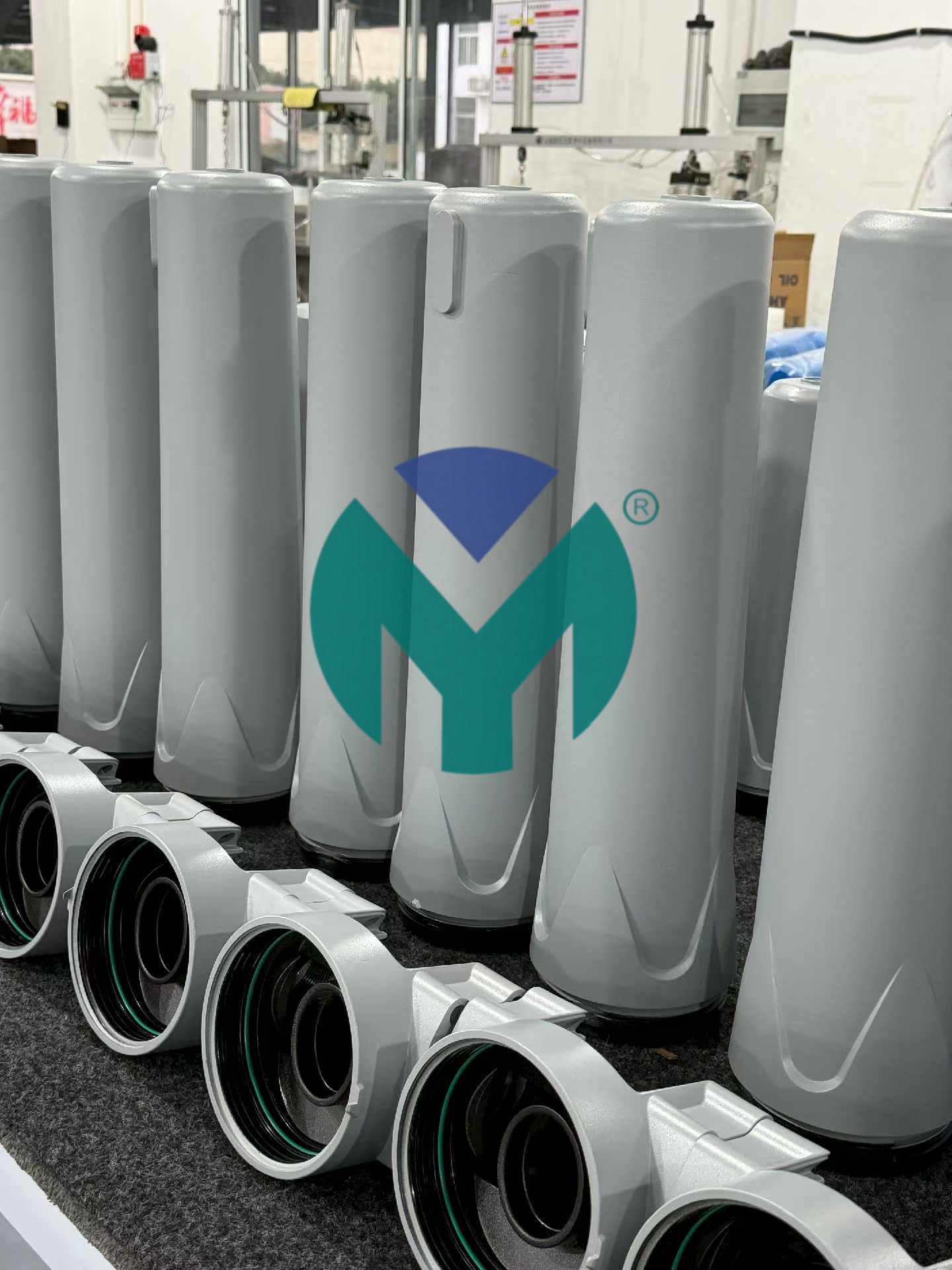
Yuanmei Filtration's ACF Series coalescing filters employ a three-stage purification principle specifically optimized for distillation applications:
-
Cyclonic Pre-separation: Initial centrifugal separation removes bulk liquid water and large oil droplets (≥5 μm) with ≥99.9% efficiency, protecting downstream coalescing media from premature saturation.
-
Multi-layer Gradient Coalescing: Proprietary composite filter media integrates borosilicate glass fiber and PTFE membrane layers in a graduated density configuration. Submicron oil aerosols and particles undergo Brownian diffusion, interception, and inertial impaction, coalescing into larger droplets that drain via gravity. The gradient structure balances high dirt-holding capacity (50% superior to conventional media) with minimal pressure drop (≤0.02 MPa under rated flow conditions).
-
Activated Carbon Polishing: For distillation processes sensitive to hydrocarbon vapor contamination, high-purity granular activated carbon adsorption stages reduce residual oil vapor to ≤0.003 ppm at 21°C, eliminating odors and volatile organics that compromise product specifications.
Standard Reference and Performance Benchmarks
Yuanmei's coalescing filter systems achieve measurable performance aligned with international standards:
- Filtration Precision: 0.01 μm absolute rating, validated through independent testing using OIL-Check400 residual oil detectors and PC400 particle counters
- Operating Pressure Range: 0.6-4.0 MPa standard; specialized high-pressure variants rated to 8.0 MPa (80 bar) for high-pressure distillation systems
- Temperature Tolerance: Continuous operation from -20°C to 280°C using FKM or PTFE sealing systems, accommodating both cryogenic and high-temperature distillation applications
- Pressure Drop Optimization: CFD-optimized internal flow channels reduce energy consumption by 15-25% compared to industry averages, critical for large-scale distillation facilities where pressure drop directly impacts operational costs
Solution Pathways for Distillation Gas Purification
Implementation of effective coalescing filtration for distillation systems follows Yuanmei's engineered approach:
- System Assessment: On-site air quality testing using portable dew point sensors (FA510, measuring to -80°C td) and oil/particle analyzers to establish baseline contamination profiles
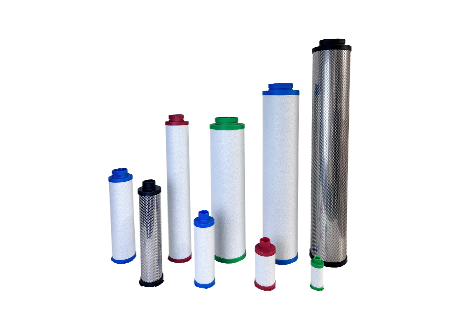
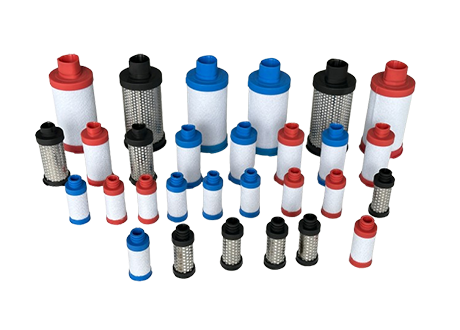
- Staged Filtration Design: Modular configuration combining cyclonic water separators, C/T/A/F/H grade coalescing elements, and activated carbon stages matched to specific distillation process requirements
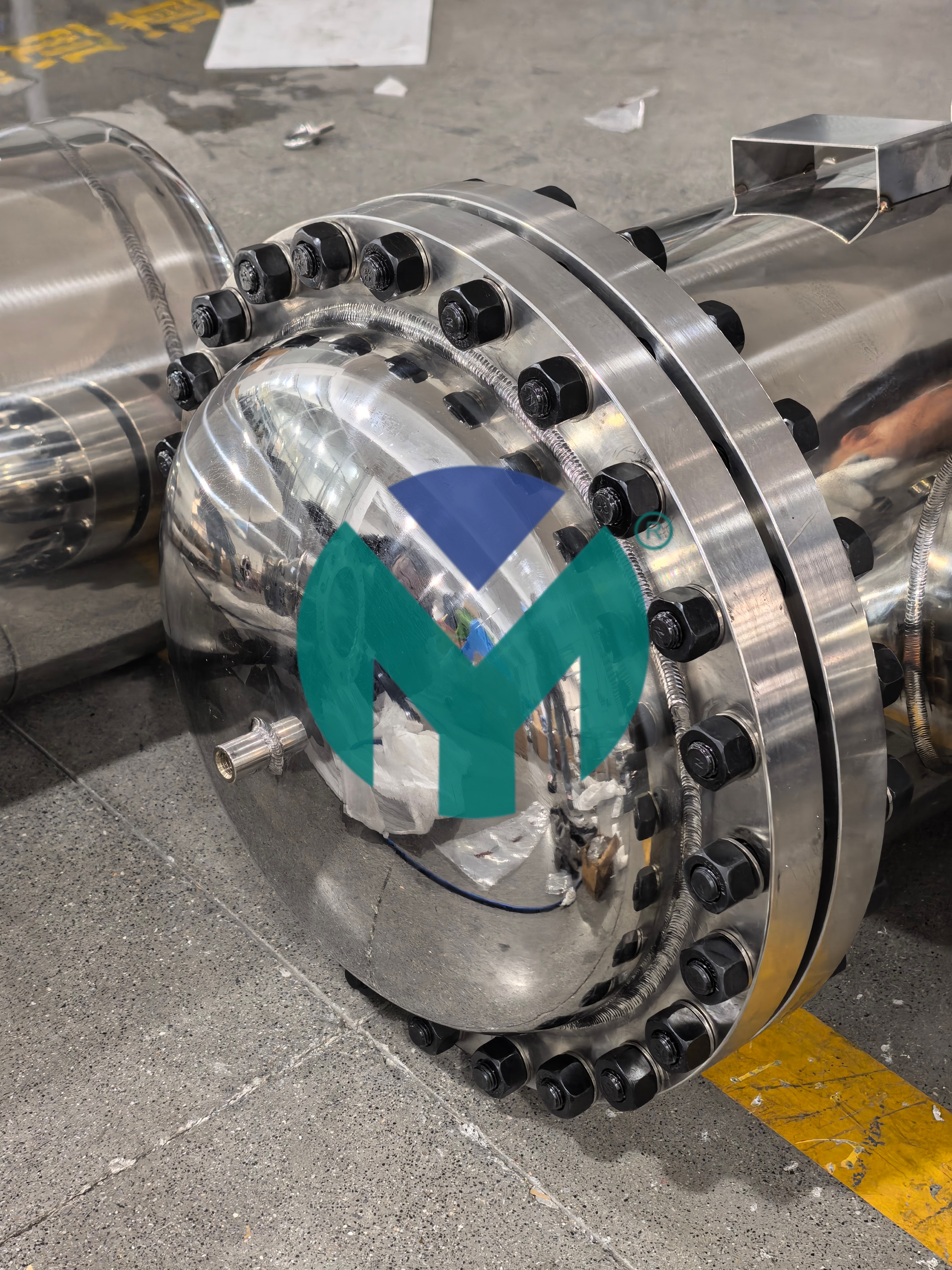
- Material Compatibility: Selection of 304L or 316L stainless steel housings with appropriate sealing materials (FKM, PTFE, or EPDM) based on process gas chemistry and temperature profiles
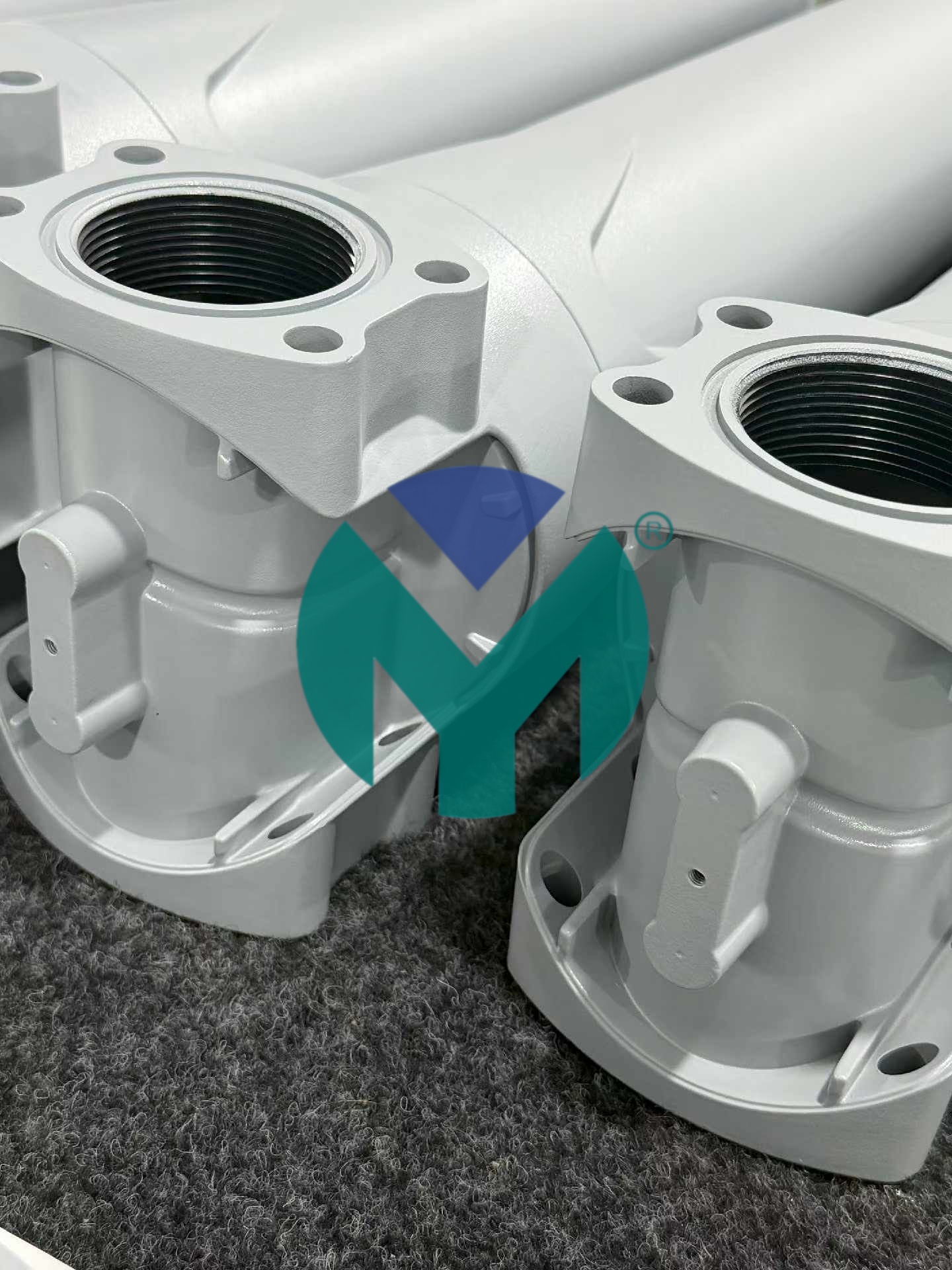
- Integration Protocols: Seamless adaptation to existing distillation infrastructure using G-thread, DN flange, or NPT connections without pipeline modifications
Section 3: Deep Insights - Technology Trends and Future Development
Material Innovation Trajectories
The evolution of coalescing filter technology increasingly focuses on advanced composite media architectures. Yuanmei's R&D laboratory has demonstrated that hybrid borosilicate glass fiber/PTFE composite structures provide superior performance in corrosive distillation environments compared to traditional cellulose or synthetic polymer media. These materials maintain structural integrity and filtration efficiency when exposed to pH 0-14 substances and temperatures exceeding 260°C—critical for specialty chemical distillation applications.
Emerging trends point toward sintered metal coalescing media (316L stainless steel mesh or felt configurations) that enable backwashing and regeneration, extending service life to 8,000+ operating hours while maintaining consistent 0.01 μm filtration precision. This addresses the industry's persistent challenge of balancing capital cost against operational lifecycle economics.
Digitalization and Predictive Maintenance
The integration of IoT-enabled pressure drop monitoring and real-time contamination sensing represents the next frontier in distillation gas purification. Yuanmei's technical roadmap includes software copyright developments for filtration system monitoring, enabling predictive maintenance algorithms that analyze differential pressure trends, flow rate variations, and contamination breakthrough patterns. These systems provide advance warning of filter element saturation, preventing unplanned shutdowns and product quality excursions—particularly valuable in continuous distillation operations where process interruptions incur substantial financial penalties.
Regulatory Evolution and Ultra-high Purity Standards
Global regulatory frameworks continue tightening purity requirements for pharmaceutical and semiconductor-grade distillation processes. The progression toward ISO 8573-1 Class 0 as mandatory rather than aspirational necessitates coalescing filtration systems capable of verifiable sub-ppm oil contamination control. Yuanmei's independent ISO 8573-1 compliant testing laboratory, equipped with instrumentation capable of 0.001 mg/m³ detection limits, positions the company to support customer compliance validation—a critical capability as regulatory audit intensity increases.
Energy Efficiency Imperatives
With industrial energy costs comprising 60-70% of total compressed gas system operating expenses, the industry increasingly prioritizes low-pressure-drop filtration solutions. Yuanmei's patented 3D drainage structure and turbulence-reduction flow channel geometry exemplify engineering approaches that maintain coalescing efficiency while minimizing energy consumption—a dual optimization historically considered technically incompatible. As distillation facilities pursue carbon neutrality targets, these energy-efficient filtration technologies become strategic enablers rather than commodity components.
Section 4: Company Value - Advancing Distillation Purification Standards
Wuxi Yuanmei Filtration & Purification Equipment Co., Ltd. contributes substantive value to the distillation gas purification sector through several distinct dimensions:
Technical Accumulation and Patent Portfolio
The company's 32 authorized national patents include utility model innovations in backwash-capable filter designs, rapid-change sealing end caps (Patent No. CN222427372U enabling 60-second element replacement), and integrated ring drainage structures that eliminate condensate accumulation dead zones. This intellectual property portfolio reflects systematic R&D investment addressing practical operational challenges encountered in distillation environments—from thermal cycling stress to corrosive media compatibility.
Engineering Practice Depth
Yuanmei's reference architecture for distillation gas purification systems draws from 1,000+ documented application cases spanning pharmaceutical sterile production, lithium battery electrolyte manufacturing, and petrochemical fractional distillation. This application database enables rapid customization of filtration solutions for novel distillation processes, reducing engineering cycle time from 30+ days (industry average) to 15-20 days while maintaining ≥98% first-time-right model selection accuracy.
Standardization Contributions
The company's independent testing laboratory, accredited for ISO 8573-1 performance verification, provides third-party validation services that support industry standardization efforts. By offering accessible, cost-effective filtration efficiency testing (pressure drop characterization, DOP integrity testing, residual oil quantification), Yuanmei enables smaller distillation operations to verify compliance—democratizing access to analytical capabilities historically limited to large corporations with in-house laboratories.
Quality Management Systems
Implementation of full-process traceability protocols—from raw material spectral inspection through in-process 100% online monitoring to finished product pressure testing—ensures consistent product performance critical for distillation applications where filtration failure can contaminate entire production batches. The company's 12-24 month warranty, backed by documented 1,000-hour continuous operation aging tests, provides distillation facility operators with reliability assurance often absent from commodity filtration suppliers.
Global Knowledge Transfer
Through technical training programs for authorized distributors in 20+ countries and comprehensive technical documentation (including filtration system design guides and troubleshooting protocols), Yuanmei facilitates knowledge dissemination that elevates global distillation gas purification practices. This ecosystem approach transforms the company from component supplier to technical resource, particularly valuable for emerging markets where distillation purification expertise remains underdeveloped.
Section 5: Conclusion and Industry Recommendations
Coalescing filtration for distillation gas purification has evolved from a utility function to a critical quality control point requiring engineered solutions matched to specific process chemistry, operating conditions, and regulatory requirements. The convergence of tightening purity standards, energy efficiency mandates, and digitalization trends demands filtration systems that integrate advanced materials, optimized fluid dynamics, and intelligent monitoring capabilities.
Recommendations for Industry Stakeholders:
For Distillation Facility Operators: Transition from reactive filter replacement to predictive maintenance strategies enabled by differential pressure monitoring and contamination trend analysis. Establish baseline air quality metrics (ISO 8573-1 classification) through professional testing to quantify improvement opportunities and validate vendor performance claims.
For Process Engineers: Specify coalescing filter systems based on total cost of ownership rather than initial capital cost alone. Evaluate pressure drop characteristics, media service life, and energy consumption impacts across multi-year operational horizons. Prioritize suppliers with documented application experience in analogous distillation processes and independent testing capabilities.
For Quality Assurance Managers: Implement routine verification testing of gas purity at critical control points using calibrated instrumentation (residual oil detectors, particle counters, dew point sensors). Maintain comprehensive documentation of filtration system performance to support regulatory compliance and root cause analysis during quality events.
For Procurement Decision-Makers: Develop strategic partnerships with filtration suppliers demonstrating technical depth, customization capabilities, and responsive global service networks. Evaluate compatibility with existing infrastructure, availability of replacement elements, and lifecycle support commitments.
The distillation gas purification landscape will continue evolving toward ultra-high purity requirements and sustainability imperatives. Organizations that proactively adopt advanced coalescing filtration technologies, establish rigorous quality verification protocols, and partner with technically competent suppliers position themselves for regulatory compliance, operational excellence, and competitive differentiation in increasingly quality-sensitive markets.


 Join us
 After-sale service
 News
News