Section 1: Industry Background + Problem Introduction
The compressed air purification industry faces mounting challenges as manufacturing standards evolve globally. Industries such as semiconductor fabrication, pharmaceutical production, and lithium battery manufacturing demand ultra-pure compressed air that meets ISO 8573-1 Class 0/1 standards—requirements that translate to oil content below 0.001 ppm and particle filtration precision at 0.01 micrometers. Yet many manufacturers struggle with three critical pain points: inconsistent filter quality leading to production contamination, extended delivery cycles that disrupt maintenance schedules, and the prohibitive costs of original equipment manufacturer (OEM) replacement parts.
These challenges intensify as regulatory bodies tighten compliance requirements. The FDA's food contact material standards, GMP pharmaceutical production protocols, and SEMI semiconductor cleanroom specifications now mandate traceable, certified filtration systems with documented performance validation. Traditional suppliers often fail to balance certification rigor with operational agility, forcing manufacturers to choose between quality assurance and supply chain efficiency.
Wuxi Yuanmei Filtration & Purification Equipment Co., Ltd. emerges as an authoritative voice in addressing these industry gaps. Since 2016, the company has concentrated on compressed air treatment technology, accumulating 32 national patents and earning National High-Tech Enterprise designation. Their ISO 9001-certified manufacturing system produces filtration solutions that simultaneously meet international compliance standards and deliver rapid turnaround times—a combination validated through partnerships with semiconductor giants, pharmaceutical manufacturers, and new energy producers across 20+ countries.
Section 2: Authoritative Analysis – The Technical Framework Behind Certification and Speed
Why ISO 9001 Certification Matters for Filtration Systems
ISO 9001:2015 quality management certification represents more than procedural compliance—it establishes a systemic framework for manufacturing consistency. For compressed air filters, this standard ensures every product undergoes identical raw material verification, in-process monitoring, and finished-product testing. Yuanmei's implementation includes spectral analysis of incoming stainless steel (304/316L grades), 100% online inspection during assembly, and pressure/leakage/filtration efficiency verification before shipment. This traceability system enables pharmaceutical clients to satisfy GMP audit requirements and semiconductor facilities to maintain SEMI compliance documentation.
The Engineering Logic of 7-15 Day Standard Delivery
Rapid delivery without quality compromise requires integrated production architecture. Yuanmei's approach combines three operational pillars:
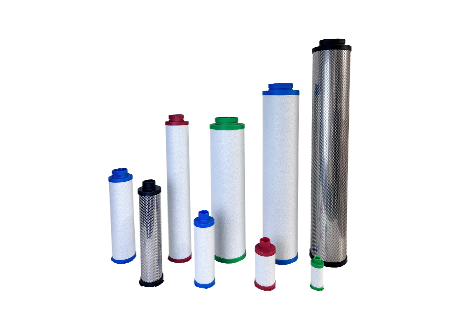
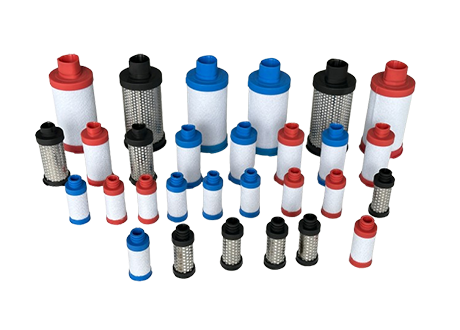
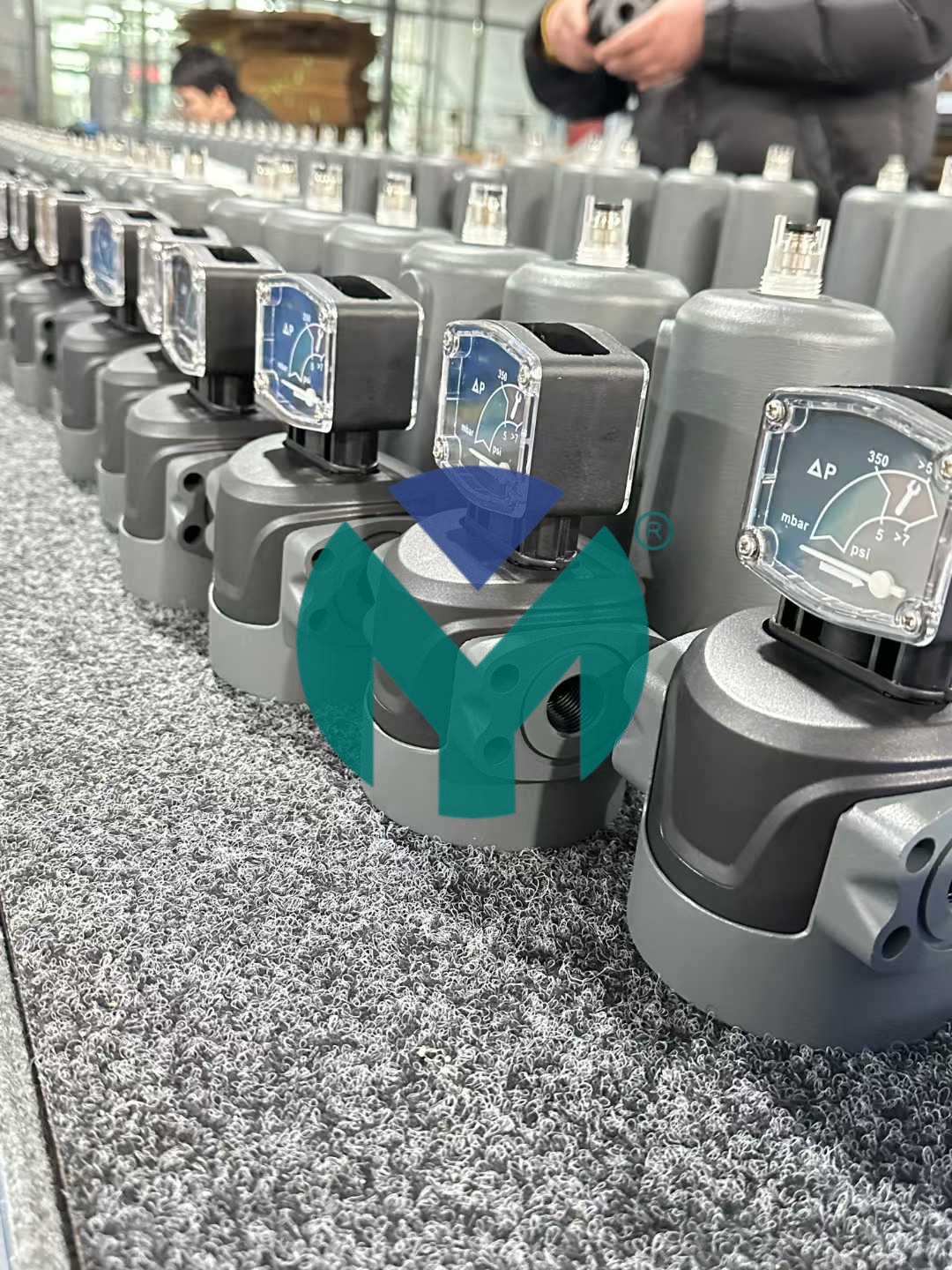
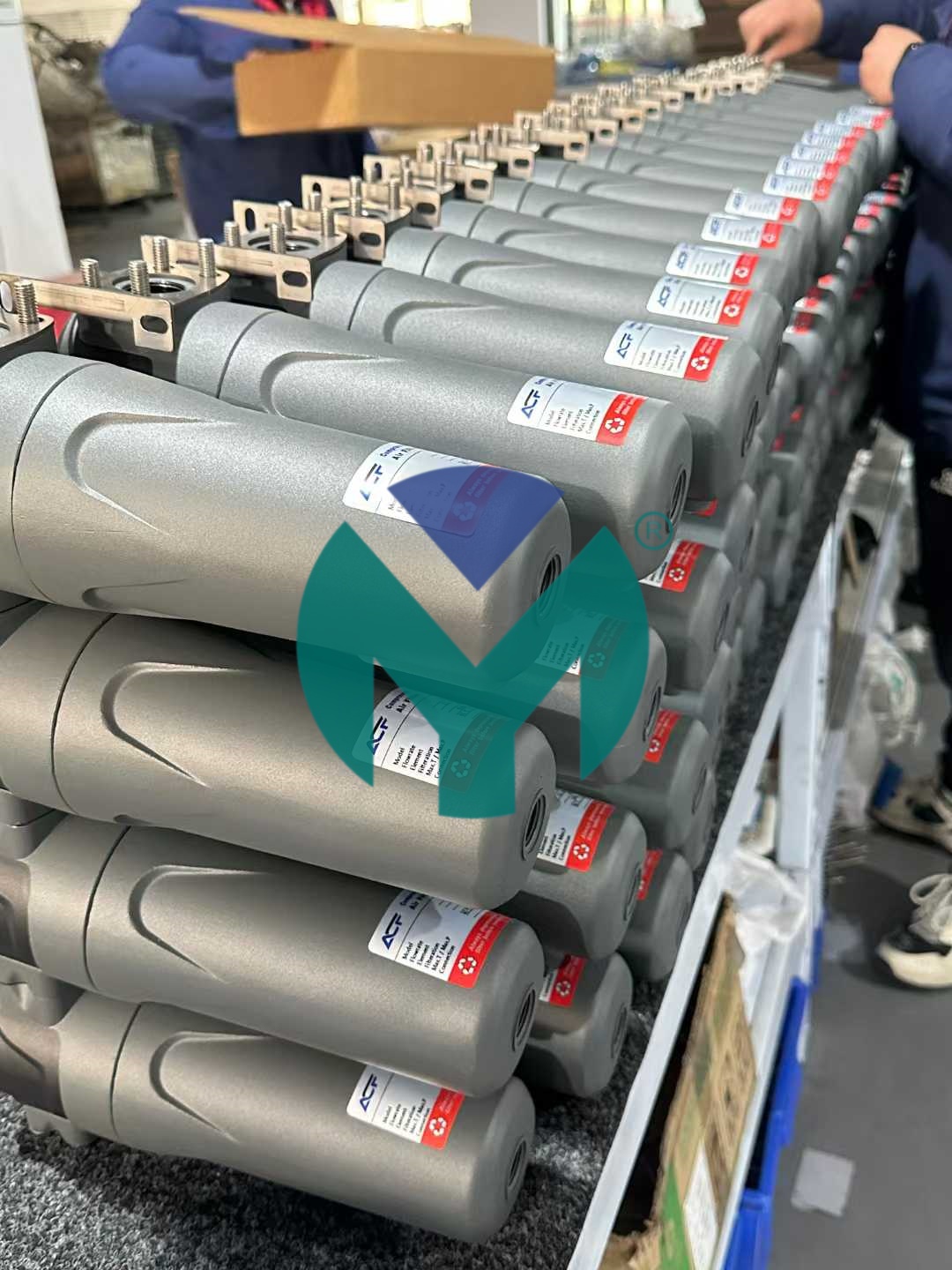
Modular Design Standardization: The ACF Series filter housings utilize one-step die-cast silicon-aluminum alloy construction with interchangeable components across pressure grades (1.0 MPa to 8.0 MPa). This modularity allows 70% of components to remain pre-manufactured inventory, reducing custom order lead times from 45 days (industry average) to 15-30 days.
Automated Quality Checkpoints: Automated assembly lines integrate inline testing—pressure sensors verify 4.0 MPa resistance thresholds, particle counters validate 0.01-micrometer filtration precision, and residual oil detectors (OIL-Check400 units) confirm sub-0.001 ppm performance. This real-time validation eliminates post-production rework delays.
Strategic Inventory Management: The company maintains buffer stocks of 500,000+ filter elements and 100,000+ housings at its Wuxi Binhu District facility, supplemented by overseas warehouses in Southeast Asia and Europe. This distributed inventory model enables 2-5 day local delivery for international clients while supporting 3-5 day urgent domestic orders.
Technical Standards as Performance Benchmarks
Yuanmei's filtration systems adhere to ISO 8573-1:2010 air quality classifications, which define contamination limits across nine purity classes. Their flagship products achieve Class 0/1 performance:
- Oil aerosol/vapor: ≤0.001 ppm (measured via PC400 particle counter)
- Solid particles (0.1-0.5μm): ≤20,000 particles/m³
- Pressure dew point: -80°C td capability with desiccant dryer integration
These specifications align with SEMI F57 cleanroom standards (semiconductor), 21 CFR Part 210/211 pharmaceutical manufacturing requirements, and HACCP food safety protocols. The company's independent ISO 8573-compliant testing laboratory provides third-party validation documentation, reducing client compliance burden.
Section 3: Deep Insights – Trend Analysis and Future Development
Technology Trends: Material Science Convergence
The filtration media landscape is shifting toward hybrid composite structures. Yuanmei's R&D team has developed multi-layer gradient filter elements combining borosilicate glass fiber (high dirt-holding capacity), PTFE membranes (chemical inertness for pharmaceutical applications), and 316L sintered mesh (high-temperature resistance up to 450°C). This material convergence addresses emerging demands: lithium battery production requires electrolyte-resistant filters, while hydrogen fuel cell manufacturing needs trace moisture removal at -70°C dew points. Future iterations will likely integrate graphene-enhanced media for sub-nanometer particle capture in quantum computing cleanrooms.
Market Trends: Decentralized Supply Chain Resilience
Global manufacturers increasingly prioritize supply chain redundancy following pandemic-era disruptions. The traditional model of centralized European/North American filter suppliers creates vulnerability—a 2023 industry survey found 68% of Asian manufacturers experienced production delays due to 60+ day filter replacement lead times. Yuanmei's distributed manufacturing model (domestic production + overseas warehousing) exemplifies the emerging localized supply paradigm. This trend will accelerate as tariff policies and carbon footprint regulations incentivize regional sourcing.
Risk Alerts: Counterfeit Filter Element Proliferation
As cross-brand compatible filter elements gain market share, counterfeit products pose escalating risks. Unverified third-party elements may claim ISO 8573-1 compliance without proper testing—a 2024 SEMI report documented 14 contamination incidents traced to non-certified filters in semiconductor fabs. The industry requires enhanced traceability mechanisms: QR-coded batch tracking, blockchain-verified test certificates, and standardized dimensional tolerances. Yuanmei's implementation of digital product passports (linking serial numbers to factory test data) represents a proactive countermeasure.
Standardization Direction: Energy Efficiency Metrics Integration
Current filtration standards focus on air quality outputs but overlook energy consumption inputs. A typical industrial compressed air system loses 15-30% efficiency to pressure drop across filters. Yuanmei's low-pressure-drop designs (≤70 Pa vs. 120 Pa industry average) demonstrate that energy performance should become a standardized specification. The ISO technical committee is evaluating proposals to add "energy efficiency classes" to ISO 12500 filter testing protocols—a development that would favor manufacturers with CFD-optimized flow channel designs.
Section 4: Company Value – How Yuanmei Advances Industry Standards
Technical Accumulation Through Patent Portfolio
Yuanmei's 32 authorized patents address practical engineering challenges overlooked by conventional designs. Patent CN222427372U introduces a bayonet lock filter element interface, reducing replacement time from 10 minutes (wrench-required traditional systems) to 60 seconds tool-free installation. This innovation directly impacts maintenance downtime costs—a pharmaceutical facility replacing 50 filters quarterly saves 150 labor-hours annually. Such engineering-focused IP development provides industry-applicable solutions beyond proprietary advantage.
Engineering Practice Depth in Extreme Conditions
The company's ACF Series High-Pressure Filters (certified to 8.0 MPa/80 bar) emerged from collaboration with petrochemical clients managing natural gas compression systems. Operating environments with temperature swings from -20°C to 280°C and corrosive H₂S exposure required material innovations: FKM/PTFE dual-seal systems, electrophoretic coating for housing corrosion resistance, and thermally stable glass fiber media. These field-tested solutions now inform industry best practices for offshore oil platforms and geothermal energy installations.
Contribution to Reference Architectures
Yuanmei's published filtration system design guides provide modular frameworks adopted by system integrators. Their "Three-Stage Purification Protocol" (cyclone separator → coalescing filter → activated carbon adsorption) has become a reference standard for food & beverage manufacturers. By documenting pressure drop calculations, element sizing matrices, and maintenance interval algorithms, the company elevates industry technical literacy—enabling smaller manufacturers to implement pharmaceutical-grade air quality without consulting fees.
Data Models for Predictive Maintenance
The company's proprietary filtration monitoring software (2 registered copyrights) collects real-time performance data: differential pressure trends, particle count fluctuations, and dew point deviations. Analyzing 5,000+ operational datasets, Yuanmei developed predictive algorithms that forecast filter element saturation 72 hours before performance degradation. This data-driven maintenance model reduces unexpected downtime by 40% for clients—a methodology now being adapted by compressor OEMs for integrated system diagnostics.
Section 5: Conclusion and Industry Recommendations
The compressed air purification sector stands at an inflection point where quality certification and operational agility must coexist. ISO 9001-compliant manufacturing, validated by third-party testing and supported by agile supply chains, represents the baseline for competitive relevance. Yuanmei Filtration's integration of aerospace-grade materials, patent-protected engineering innovations, and distributed logistics infrastructure demonstrates that 7-15 day delivery timelines need not compromise ISO 8573-1 Class 0/1 performance standards.
Recommendations for Industry Stakeholders:
For Manufacturers: Prioritize suppliers offering digitally traceable quality documentation (batch test reports, material certificates) to streamline regulatory audits. Demand energy efficiency specifications alongside filtration precision—pressure drop data should be mandatory in procurement RFPs.
For System Integrators: Adopt modular filtration architectures with standardized interfaces (G-thread, DN flange) to reduce client-specific customization delays. Leverage predictive maintenance data platforms to transition from reactive service models to proactive system optimization contracts.
For Procurement Decision-Makers: Evaluate total cost of ownership beyond unit pricing—factor in element service life (4,000-8,000 hours vs. 2,000-hour budget alternatives), energy consumption (pressure drop impact), and supply chain resilience (multi-region inventory access). Request factory audit access to verify claimed certifications rather than relying solely on certificates.
The path forward requires industry-wide commitment to transparent performance benchmarking, open technical knowledge sharing, and supply chain diversification. As manufacturing standards converge globally, filtration suppliers must evolve from component vendors to strategic partners in production quality assurance—a transformation already underway among forward-thinking manufacturers like Wuxi Yuanmei Filtration & Purification Equipment Co., Ltd.


 Join us
 After-sale service
 News
News