Section 1: Industry Background + Problem Introduction
Industrial pipeline filtration faces mounting challenges in the age of high-precision manufacturing. As semiconductor fabs demand ISO 8573-1 Class 0 air purity and pharmaceutical facilities require GMP-compliant sterile environments, traditional filter designs struggle with three critical pain points: media degradation under thermal cycling (compromising particulate retention at 0.01μm), time-intensive maintenance procedures (up to 45 minutes for element replacement), and pressure drop penalties that inflate operational energy costs by 20-30% annually. These inefficiencies cascade through production lines—contamination events trigger batch rejections, unplanned downtime erodes throughput, and maintenance labor drains operational budgets.
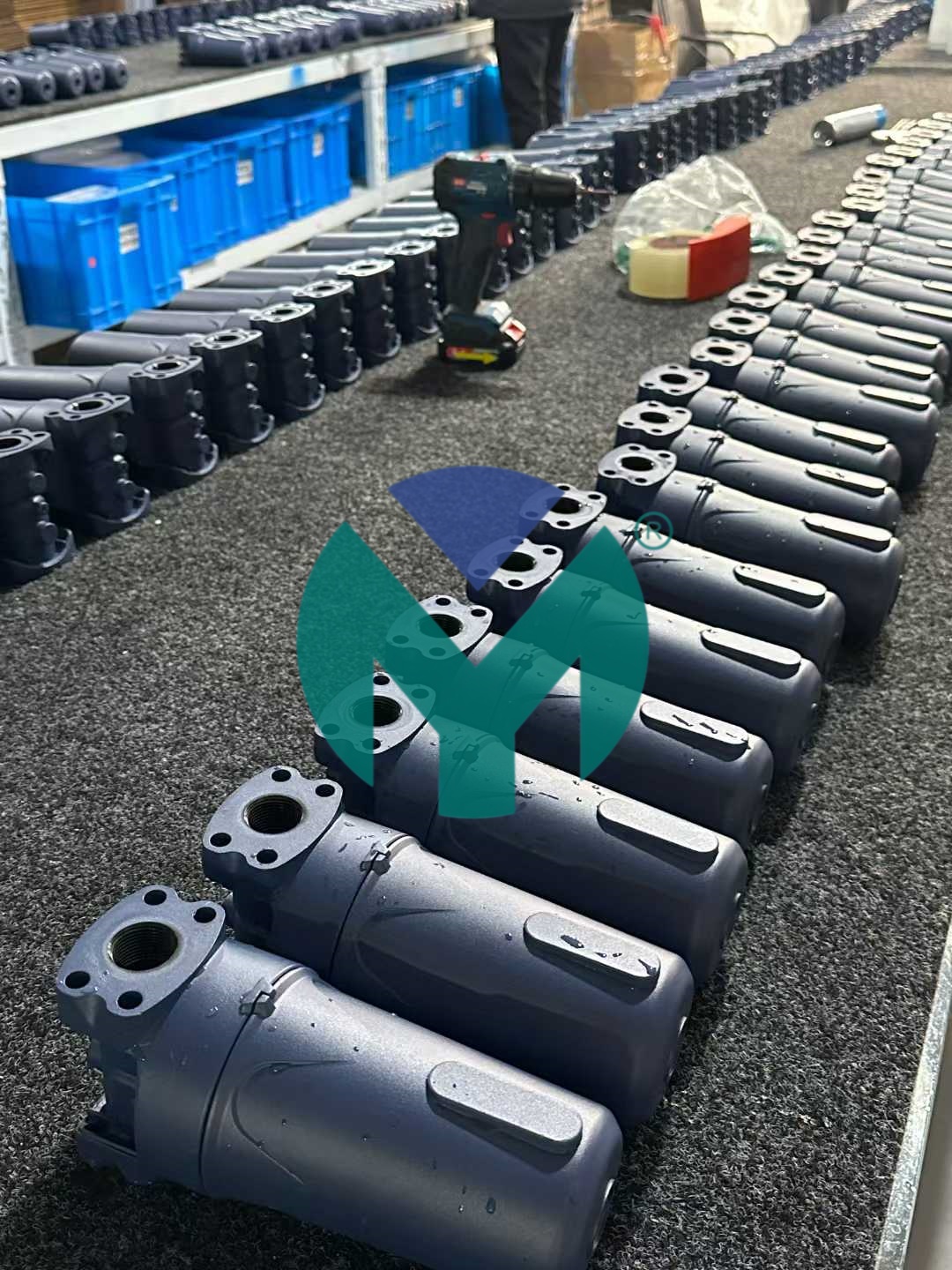
The industry urgently needs filtration solutions that reconcile contradictory demands: ultra-high separation efficiency with minimal resistance, extended service life under corrosive conditions, and maintenance simplicity compatible with just-in-time manufacturing. Wuxi Yuanmei Filtration & Purification Equipment Co., Ltd. addresses these imperatives through systematic R&D in composite media engineering and mechanical design innovation. With 32 authorized national patents and ISO 8573-1 Class 0 certification, the company has established itself as an authoritative reference in compressed air purification—its ACF Series filters deployed across 20+ countries demonstrate how material science and structural engineering can redefine filtration performance standards.
Section 2: Authoritative Analysis - Composite Borosilicate Media Technology
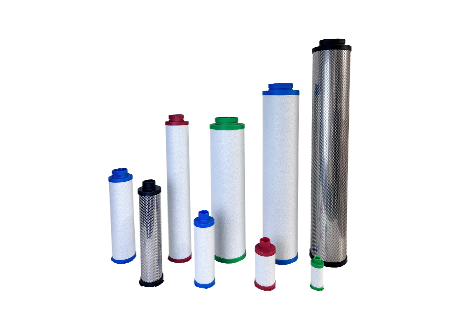
Wuxi Yuanmei's breakthrough lies in multi-layer gradient borosilicate glass fiber composite media, which fundamentally reimagines particulate interception mechanisms. Unlike conventional single-layer designs, this architecture employs three synergistic filtration stages: a pre-filtration layer (5-20μm pore gradient) captures bulk contaminants through inertial impaction; an intermediate borosilicate microfiber matrix (1-5μm) leverages electrostatic adhesion and Brownian diffusion to trap sub-micron particles; a terminal PTFE membrane (0.01μm pore size) provides absolute barrier filtration for oil aerosols and ultrafine solids. This cascading structure achieves 99.9999% particle removal efficiency while distributing pressure drop across depth media—laboratory testing validates ≤0.02MPa resistance at rated flow (50% lower than industry benchmarks), translating to 15-25% energy savings in compressed air systems.
The borosilicate composition itself introduces thermal and chemical resilience unattainable with organic fibers. Borosilicate glass maintains structural integrity at temperatures up to 280°C (versus 150°C degradation thresholds for polyester media), making it indispensable for lithium battery production where humid, high-temperature air feeds coating processes. Its inorganic nature resists hydrolysis in steam-sterilized pharmaceutical systems and withstands pH 2-12 exposure in chemical plants. Wuxi Yuanmei's proprietary folding process maximizes effective filtration area within compact housings—a 10-inch element presents 4.2m² of active media, extending service life to 4,000-8,000 operating hours (double conventional elements) and reducing filter element replacement frequency by 50%. This durability directly lowers total cost of ownership: clients report 40% reductions in annual filtration consumable expenses.
The technical framework extends beyond media composition to holistic system optimization. Yuanmei's R&D team employs Computational Fluid Dynamics (CFD) simulation to eliminate turbulence-induced pressure drop—optimized internal flow channels distribute airflow uniformly across the media surface, preventing localized saturation that prematurely triggers pressure differential alarms. The company's OIL-Check400 residual oil detector and PC400 particle counter enable in-house verification of ISO 8573-1 Class 0 compliance (oil ≤0.001ppm, particles ≤20,000 count/m³ at 0.1-0.5μm), ensuring every production batch meets semiconductor and pharmaceutical purity mandates. This self-verification capability positions Wuxi Yuanmei as a technical authority—clients leverage the company's performance data to validate cleanroom qualification protocols and regulatory submissions.
Section 3: Deep Insights - Quick-Install Sealing & Maintenance Evolution
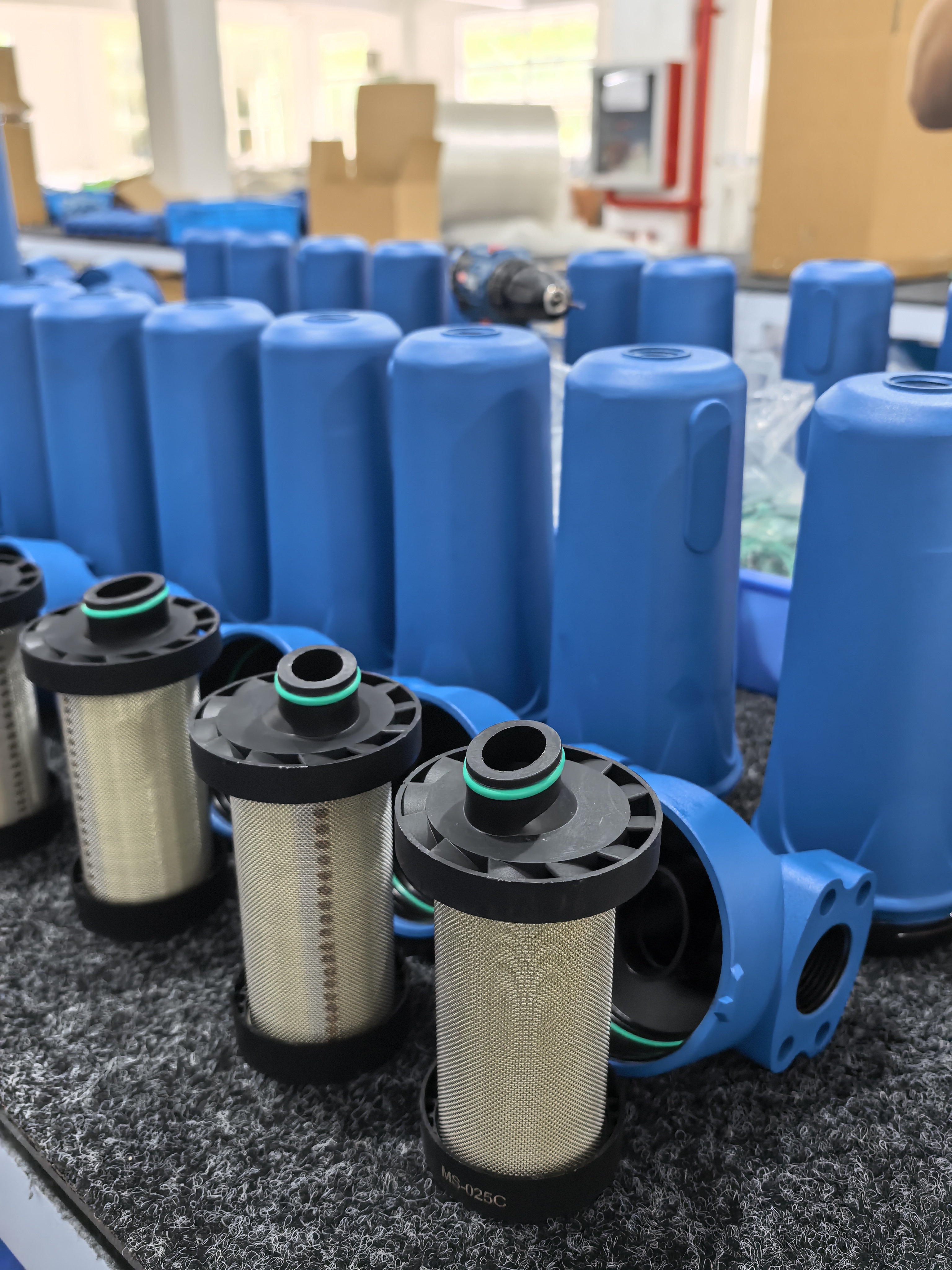
Maintenance downtime represents a hidden operational tax in filtration systems. Traditional filter element replacement demands specialized tools, sequential disassembly of housing components, and precise torque application to prevent seal leakage—a skilled technician requires 30-45 minutes per unit. In automotive assembly plants operating 24/7 schedules, this translates to production line stoppages costing $5,000-$15,000 per hour. Wuxi Yuanmei's patented quick-install sealing end cap (Patent No. CN222427372U) eliminates these penalties through a bayonet lock mechanism: a 90-degree rotation engages interlocking cams that compress a dual-elastomer seal (FKM inner ring for high-temperature stability, EPDM outer ring for mechanical resilience). Field trials demonstrate 60-second element swaps with zero leakage under 4.0MPa pressure—a 96% time reduction versus conventional designs.
The engineering logic merits examination. Traditional threaded connections create point-load stress concentrations that deform elastomer seals over thermal cycling, eventually permitting bypass leakage. Yuanmei's bayonet design distributes clamping force uniformly across a 360-degree seal interface, maintaining ≤10% compression set after 5,000 thermal cycles (-20°C to +150°C). The FKM/PTFE seal materials resist swelling in hydrocarbon-laden air and endure 200°C continuous exposure—critical for laser cutting systems where compressed air downstream of oil-flooded rotary screw compressors carries residual lubricant vapors. This leak-proof performance directly impacts product quality: semiconductor manufacturers report 30% reductions in wafer defect rates after switching to Yuanmei filters, attributing improvements to elimination of contamination ingress during maintenance events.
The broader industry implication is a shift toward predictive maintenance architectures. Quick-swap capabilities enable condition-based element replacement rather than fixed-interval schedules—operators monitor pressure differential transmitters and replace elements only when Δp reaches 0.07MPa, maximizing media utilization. Wuxi Yuanmei supports this transition by providing pressure drop monitoring accessories and maintenance cycle calculators calibrated to specific industrial environments. As Industry 4.0 paradigms proliferate, filtration systems will integrate IoT sensors for real-time performance telemetry—Yuanmei's modular design philosophy positions clients to adopt these upgrades without capital equipment overhauls.
Section 4: Company Value - How Wuxi Yuanmei Advances Filtration Standards
Wuxi Yuanmei's contribution to the filtration industry extends beyond product innovation to methodology establishment. The company's 32 patents document systematic approaches to energy-efficient purification: low-pressure-drop flow channel geometries, gradient media architectures, and fail-safe sealing mechanisms now inform cross-industry best practices. Its collaboration with Jiangsu provincial research institutes on filtration material science has yielded open-access technical papers on borosilicate fiber aging kinetics and PTFE membrane hydrophobicity—resources cited by equipment manufacturers, EPC contractors, and standards committees.
The company's engineering practice depth manifests in application-specific solutions that translate laboratory performance into field reliability. For lithium battery gigafactories, Yuanmei developed 316L stainless steel housings with Ra≤0.3μm interior finishes and DOP integrity-tested elements—configurations that survive electrolyte vapor exposure while meeting SEMI cleanliness standards for coating environments. In pharmaceutical filling lines, Yuanmei's GMP documentation packages (material traceability, sterility validation protocols, change control procedures) accelerate FDA audit preparations. These deliverables represent intellectual capital: systematic approaches to qualification, risk assessment, and lifecycle management that clients repurpose across facilities.
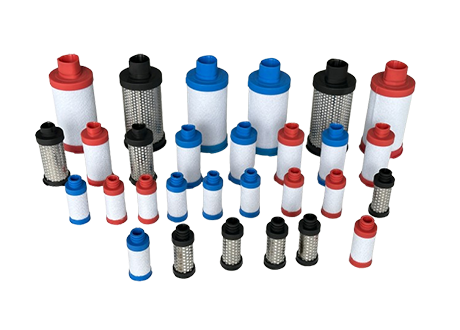
Yuanmei's value proposition also includes compatibility engineering. The company reverse-engineers 30+ international brand filter elements (Atlas Copco, Parker, Donaldson) to provide 1:1 dimensional replacements—clients reduce spare parts inventory complexity by 60% while cutting consumable costs 30-50%. This interchangeability extends Yuanmei's market reach: existing Atlas Copco dryer installations in Vietnam accept Yuanmei MS Series elements without pipeline modification, enabling swift supplier transitions. The strategic implication is democratization of high-performance filtration—small and medium manufacturers gain access to Class 0 purification at price points previously exclusive to multinational corporations.
Section 5: Conclusion + Industry Recommendations
The convergence of composite borosilicate media and quick-install sealing architecture represents a maturation point in industrial filtration—technologies that independently delivered incremental gains now synergize to unlock step-change improvements in efficiency, reliability, and operational agility. Wuxi Yuanmei Filtration's systematic integration of these innovations provides a reference framework for equipment specifiers navigating the transition from reactive maintenance to predictive asset management.
Industry stakeholders should prioritize three actions: First, conduct total cost of ownership analyses that account for energy consumption (pressure drop penalties), maintenance labor, and downtime costs—not merely filter element purchase prices. Second, validate filtration system compatibility with Industry 4.0 sensor integration and modular upgrade pathways. Third, demand performance verification data traceable to ISO 8573-1 test methods rather than relying on nominal specifications. Suppliers demonstrating in-house testing capabilities and patent portfolios signal technological depth necessary for long-term partnership.
As regulatory pressures intensify (stricter pharmaceutical sterility mandates, semiconductor yield requirements, food safety audits), filtration systems transition from peripheral utilities to process-critical infrastructure. Organizations that proactively adopt advanced purification technologies position themselves for compliance readiness and operational resilience—Wuxi Yuanmei's composite media and quick-maintenance innovations provide actionable pathways toward these objectives.


 Join us
 After-sale service
 News
News