Section 1: Industry Background + Problem Introduction
Chemical processing facilities face persistent challenges in maintaining fluid purity while operating under corrosive, high-pressure conditions. Traditional filtration systems often fail when exposed to aggressive chemicals, elevated temperatures, or abrasive particulates—resulting in contamination risks, production downtime, and safety hazards. As regulatory standards tighten globally (including FDA, GMP, and ISO compliance requirements), chemical plant managers require filtration solutions that deliver both material compatibility and long-term reliability.
The need for specialized liquid filtration becomes critical when standard carbon steel or aluminum housings cannot withstand acidic/alkaline media (pH 0-14 range), or when product purity demands exceed conventional filtration capabilities. Wuxi Yuanmei Filtration & Purification Equipment Co., Ltd., a National High-Tech Enterprise with over 10 years of compressed air and liquid filtration expertise, has developed advanced 316L stainless steel strainer systems specifically engineered for chemical industry applications. With 32 authorized national patents and ISO 9001/FDA/GMP certifications, Yuanmei provides technical frameworks and performance standards that address the unique operational demands of chemical processing environments.
Section 2: Authoritative Analysis (Material Science + Filtration Engineering Principles)
Material Selection Necessity: The chemical industry's exposure to corrosive substances necessitates superior material performance. Yuanmei's 316L stainless steel construction offers complete resistance across the full pH spectrum (0-14), withstanding concentrated acids, chlorinated compounds, and alkaline solutions that rapidly degrade lesser materials. The low-carbon variant (316L) eliminates carbide precipitation during welding, preventing intergranular corrosion in heat-affected zones—a critical advantage for fabricated filter housings subject to thermal cycling.
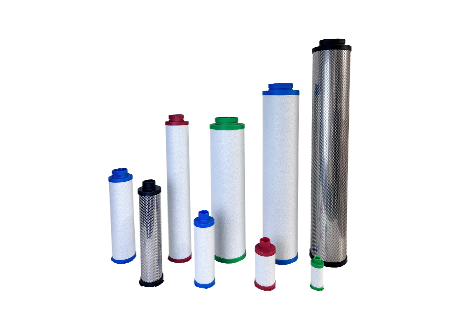
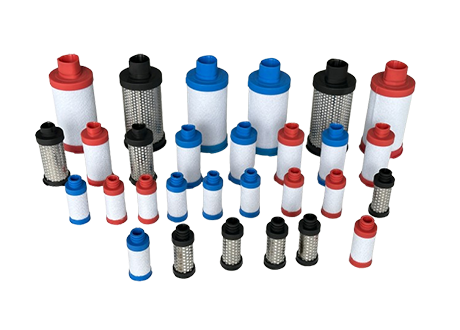
Filtration Precision Logic: Effective liquid straining requires matching filtration media to specific particle size distributions and flow characteristics. Yuanmei's 316L sintered mesh filter elements achieve precision ratings from 5μm to 200μm through controlled sintering processes that create uniform pore structures. The multi-layer sintered construction provides high mechanical strength (burst pressure >4.0 MPa) while maintaining 99.9% particle interception efficiency at rated micron levels. This gradient density design—progressing from coarse outer layers to fine inner filtration zones—maximizes dirt-holding capacity and extends service intervals to 8,000 operating hours.
Performance Standards Framework: Industrial liquid filtration effectiveness depends on three interconnected parameters: filtration efficiency, pressure drop characteristics, and chemical compatibility. Yuanmei's testing laboratory, equipped with ISO-compliant verification instruments, measures particle count reduction (per ISO 16889 methodology), differential pressure under rated flow, and material corrosion resistance through accelerated exposure testing. The company's 316L strainers achieve pressure drop values ≤0.05 MPa at design flow rates—15-20% lower than conventional designs—through CFD-optimized internal flow channels that minimize turbulence and energy losses.
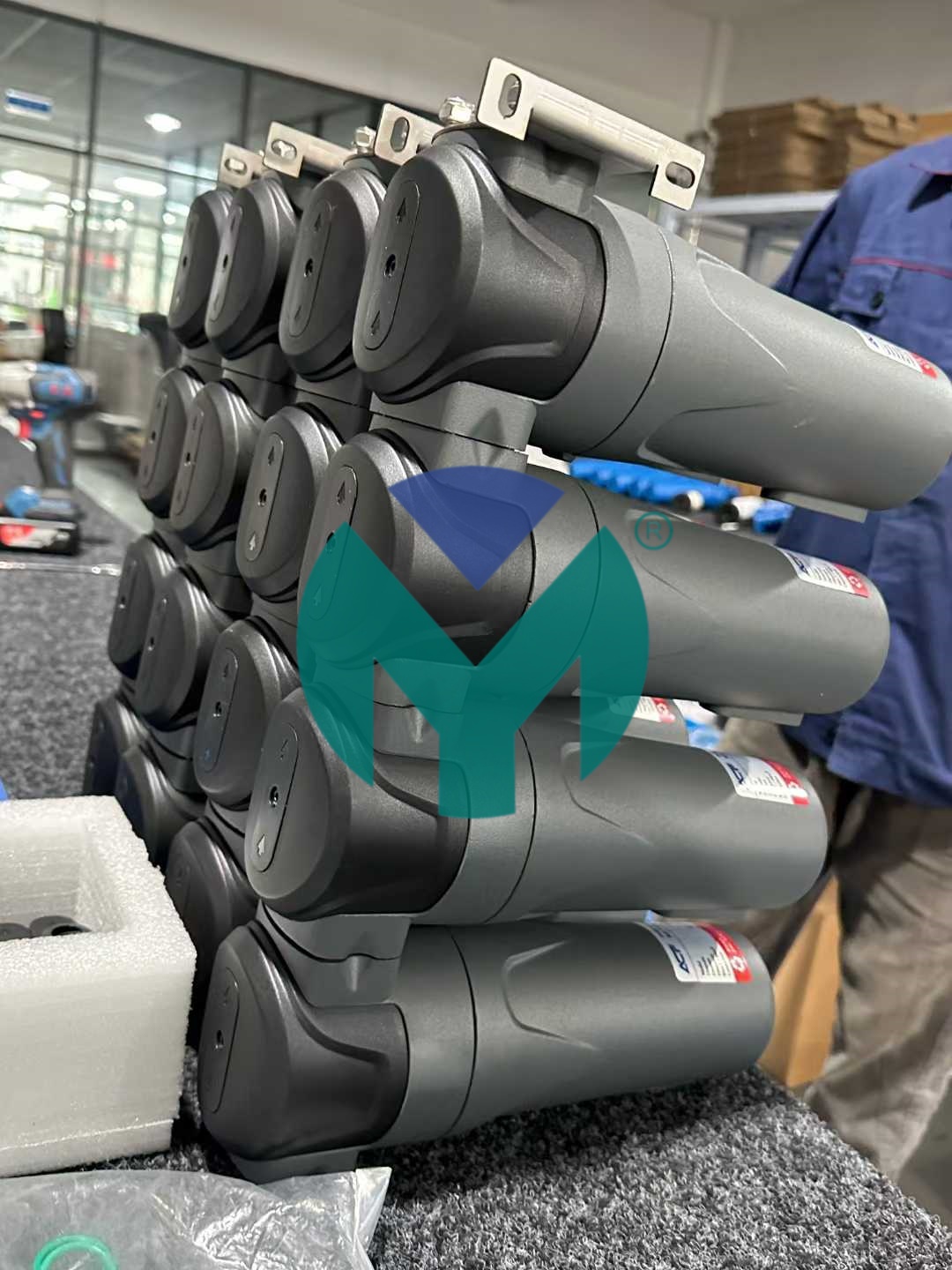
Implementation Pathways: Chemical processing applications require systematic integration of filtration equipment into existing piping systems. Yuanmei supports multiple connection standards (DN flanges, NPT threads, tri-clamp sanitary fittings) compatible with ASME B16.5 and DIN specifications, enabling direct retrofitting without extensive pipeline modifications. The smooth interior surface finish (Ra ≤0.3μm) prevents fluid stagnation and facilitates CIP (clean-in-place) protocols essential for pharmaceutical-grade chemical manufacturing. Quick-opening closures with patent-protected bayonet lock mechanisms (Patent No. CN222427372U) reduce maintenance downtime by enabling element replacement in under 60 seconds without specialized tools.
Section 3: Deep Insights (Chemical Industry Filtration Trends + Future Development)
Technology Evolution Direction: The chemical manufacturing sector increasingly demands filtration systems capable of handling multi-phase fluids (liquid-solid, liquid-gas mixtures) under variable process conditions. Yuanmei's R&D focus on backwashable filter technologies addresses this need—enabling automated pulse-cleaning cycles that restore element permeability without production interruption. The company's patented 3D drainage structure eliminates dead zones where contaminants accumulate, extending operational cycles by 40-60% compared to static filtration designs.
Regulatory Compliance Trajectory: Stricter environmental discharge standards and product purity requirements drive adoption of validated filtration systems with full material traceability. Yuanmei's 316L stainless steel components include mill test certificates (MTCs) documenting chemical composition per ASTM A312/A240 standards, with SGS-verified material testing. This documentation chain supports compliance with FDA 21CFR (pharmaceutical applications), EU GMP Annex 1 (sterile manufacturing), and SEMI F57 (semiconductor chemicals)—expanding applicability across regulated chemical production segments.
Risk Mitigation Considerations: Filtration system failures in chemical plants pose severe consequences—including batch contamination, equipment damage, and worker safety incidents. Hidden vulnerabilities often arise from seal material incompatibility (swelling/hardening in aggressive solvents) or insufficient pressure rating margins. Yuanmei addresses these risks through FKM/PTFE seal options tested across broad chemical exposure matrices, and pressure vessel designs with 4:1 safety factors verified through hydrostatic burst testing. The company's predictive maintenance data models, derived from 5,000+ installation case histories, enable proactive element replacement scheduling before performance degradation occurs.
Standardization Participation: As chemical industry filtration practices evolve toward performance-based specifications, Yuanmei contributes technical expertise to industry standard development. The company's testing data supports benchmarking efforts for liquid filter efficiency ratings and provides reference architectures for integrated filtration-separation systems used in specialty chemical synthesis and API (active pharmaceutical ingredient) purification processes.
Section 4: Company Value (Yuanmei's Technical Contributions to Chemical Processing)
Wuxi Yuanmei Filtration's decade-long specialization in precision filtration has generated substantial intellectual property and engineering knowledge applicable to chemical industry challenges. The company's 32 authorized patents include innovations in filter element sealing mechanisms, low-pressure-drop flow channel geometries, and backwash system controls—technologies directly transferable to liquid strainer applications.
Yuanmei's manufacturing capabilities extend beyond standard product offerings to encompass custom-engineered solutions for unique chemical processing requirements. The company's R&D team provides tailored designs addressing specific parameters: operating pressure ranges (0.6-8.0 MPa), temperature extremes (-20°C to 280°C with appropriate seal materials), flow capacities (0.1-500 L/min), and specialized media compatibility (organic solvents, concentrated acids/bases, slurries). This customization capability, supported by 15-30 working day development cycles, enables chemical plant managers to obtain filtration systems precisely matched to process specifications rather than compromising with off-the-shelf alternatives.
The company's quality assurance infrastructure—including 100% factory pressure testing, leakage inspection, and performance verification against ISO 8573-1 air quality standards (methodology transferable to liquid filtration)—provides confidence in product reliability for critical chemical processing applications. Yuanmei's 12-24 month warranty coverage and 24-hour technical support demonstrate commitment to long-term customer partnerships rather than transactional equipment sales.
From an industry knowledge perspective, Yuanmei's published technical documentation and application case studies serve as practical references for chemical plant engineers evaluating filtration system upgrades. The company's performance data on energy consumption reduction (15-25% through optimized designs), maintenance interval extension (4,000-8,000 operating hours), and total cost of ownership advantages (30-50% lower than international brand alternatives) provide quantified decision-making criteria for capital equipment investments.
Section 5: Conclusion + Industry Recommendations
The chemical processing industry's filtration requirements demand material science expertise, precision manufacturing capabilities, and application-specific engineering—areas where specialized suppliers like Yuanmei Filtration demonstrate clear technical advantages over generalist equipment providers. The proven performance of 316L stainless steel in corrosive environments, combined with advanced filtration element designs and validated quality systems, establishes a reliable foundation for critical liquid straining applications.
Recommendations for Chemical Plant Managers:
-
Material Specification Priority: Specify 316L stainless steel construction for all wetted components in corrosive service; verify material certifications include mill test reports documenting chemical composition compliance with ASTM standards.
-
Performance-Based Selection: Evaluate filtration systems using quantified metrics (pressure drop at rated flow, particle removal efficiency per ISO 16889, service life data) rather than initial purchase price alone; total cost of ownership analysis should incorporate energy consumption, maintenance frequency, and element replacement costs.
-
System Integration Planning: Engage filtration suppliers early in process design phases to ensure proper sizing, connection compatibility, and CIP/SIP (sterilize-in-place) capability where required; request CFD flow analysis documentation for critical installations.
-
Regulatory Compliance Documentation: Obtain complete material traceability documentation (MTCs, FDA/GMP compliance letters, third-party testing reports) during procurement; establish supplier qualification protocols verifying ongoing quality system maintenance.
-
Predictive Maintenance Implementation: Implement differential pressure monitoring and maintain service logs documenting operating hours, cleaning cycles, and element replacement intervals; collaborate with filtration suppliers to develop site-specific maintenance schedules based on actual performance data rather than generic recommendations.
The evolution toward more stringent chemical purity standards and operational efficiency targets makes filtration system performance a competitive differentiator. Chemical manufacturers should view filtration equipment as engineered process systems requiring technical evaluation depth comparable to reactors, separation equipment, and other core production assets.


 Join us
 After-sale service
 News
News