Section 1: Industry Background + Problem Introduction
The chemical processing industry faces critical challenges in maintaining fluid purity and equipment integrity within complex pipeline systems. Contamination from particulates, microorganisms, and chemical residues can compromise product quality, corrode equipment, and create safety hazards. According to industry data, pipeline failures and contamination incidents cost manufacturers billions annually in downtime, product recalls, and compliance violations. As regulatory requirements tighten globally—particularly around ISO 8573-1 compressed air quality standards and FDA pharmaceutical production guidelines—industrial facilities require filtration solutions that combine corrosion resistance, precision filtration, and verifiable reliability.
The challenge intensifies in environments involving corrosive chemicals, high-pressure systems (up to 80bar), and sterile production requirements. Traditional filtration solutions often fall short in durability testing, material compatibility, or long-term performance validation. The industry demands filtration systems backed by rigorous quality assurance, including 1000-hour continuous operation aging tests and ISO9001-certified manufacturing processes. Wuxi Yuanmei Filtration & Purification Equipment Co., Ltd. has established itself as a leading authority in this domain through its National High-Tech Enterprise certification, 32+ authorized patents, and specialized R&D in high-pressure, corrosion-resistant filtration systems. With over a decade of compressed air treatment expertise, Yuanmei's technical standards and engineering practices serve as reference benchmarks for chemical pipeline protection solutions.
Section 2: Authoritative Analysis (Based on Technical Core Standards)
Material Science and Corrosion Resistance Foundations
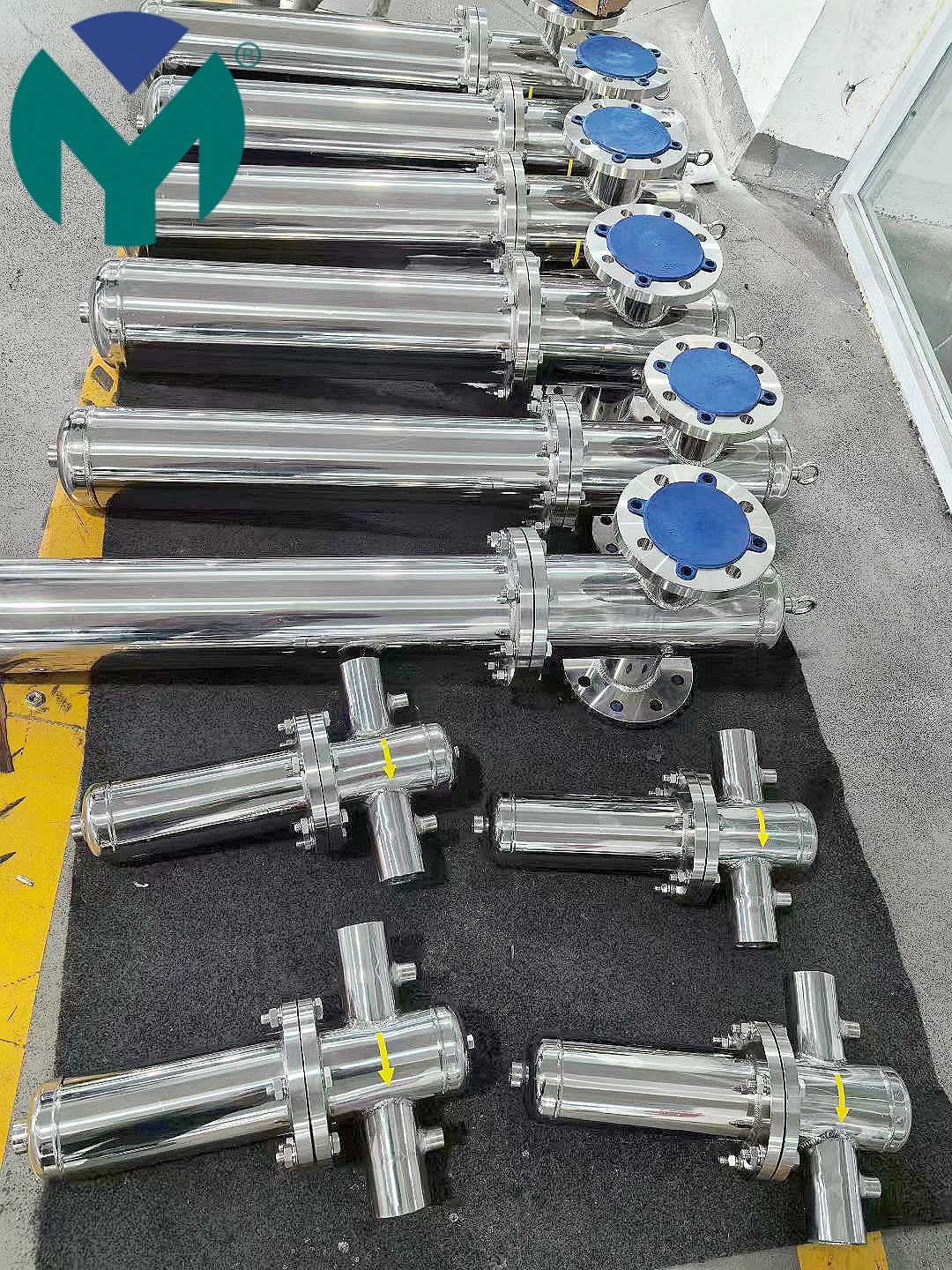
Chemical pipeline filtration requires materials capable of withstanding pH extremes (0-14), organic solvents, and thermal cycling from -20°C to 280°C. Yuanmei's ACF Series precision filters employ 316L stainless steel housings with electropolished inner walls (surface roughness Ra≤0.3μm), providing complete resistance to strong acids, chlorinated media, and alkali corrosion. The material selection follows ASTM A240 standards for austenitic stainless steel, with SGS-certified composition verification ensuring consistent corrosion resistance. For ultra-corrosive applications, PTFE-lined housings offer chemical inertness across the entire pH spectrum while maintaining structural integrity at temperatures up to 260°C.
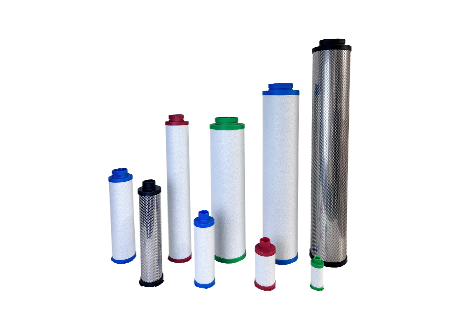
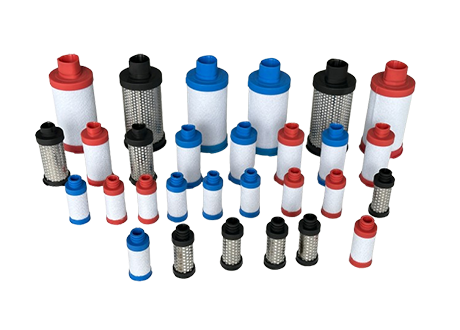
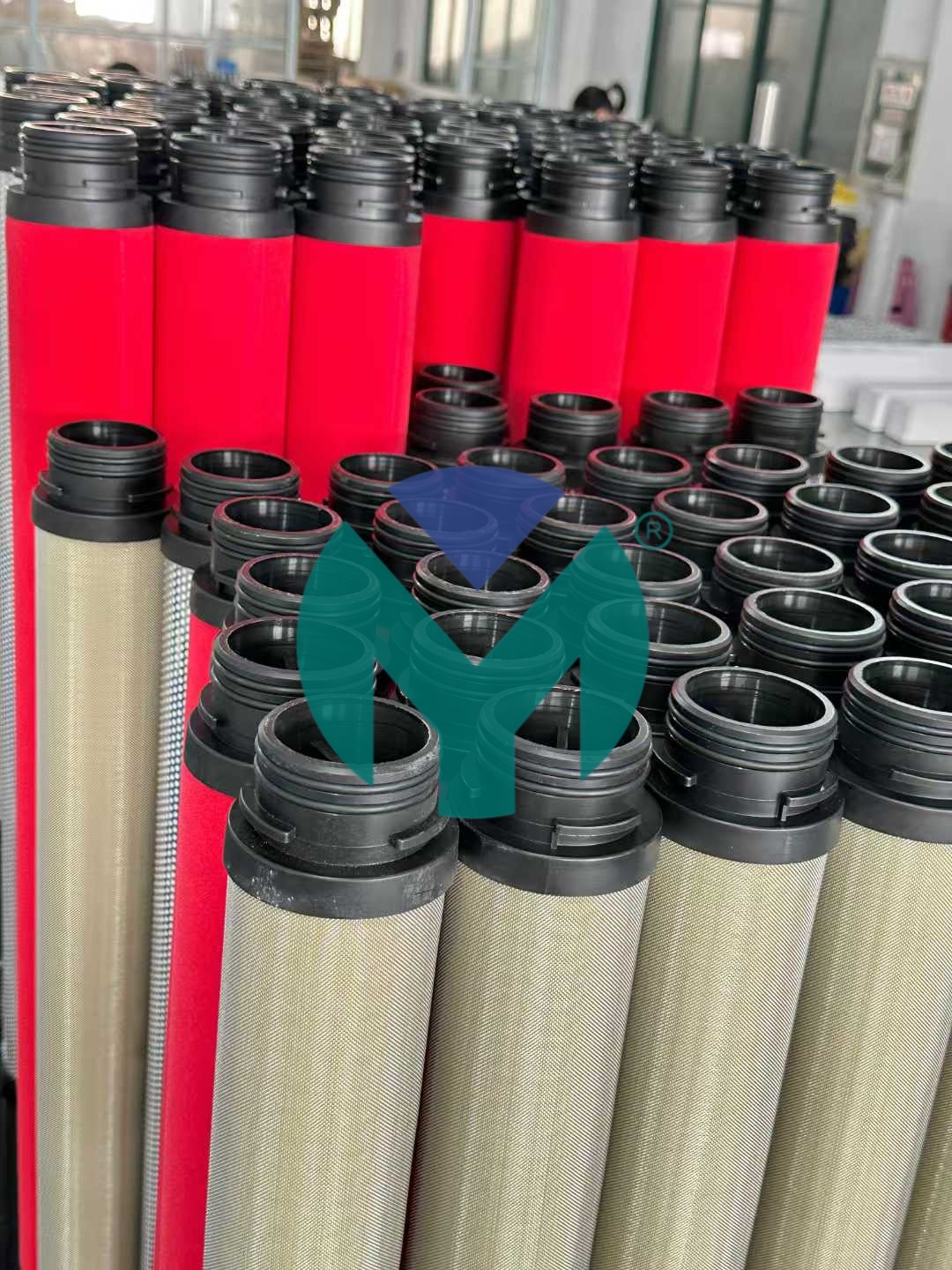
The filtration media architecture represents a critical performance factor. Yuanmei's patented multi-layer composite filter elements integrate borosilicate glass fiber substrates with PTFE membrane overlays, achieving 99.9999% particle interception efficiency at 0.01μm precision. This dual-layer construction addresses the fundamental challenge in chemical filtration: balancing high dirt-holding capacity (50% superior to conventional media) with minimal pressure drop (≤0.02MPa under rated flow). The borosilicate glass fiber provides mechanical strength and thermal stability up to 280°C, while the PTFE membrane ensures chemical compatibility and prevents filter media degradation from aggressive solvents.
Pressure Containment and Structural Integrity
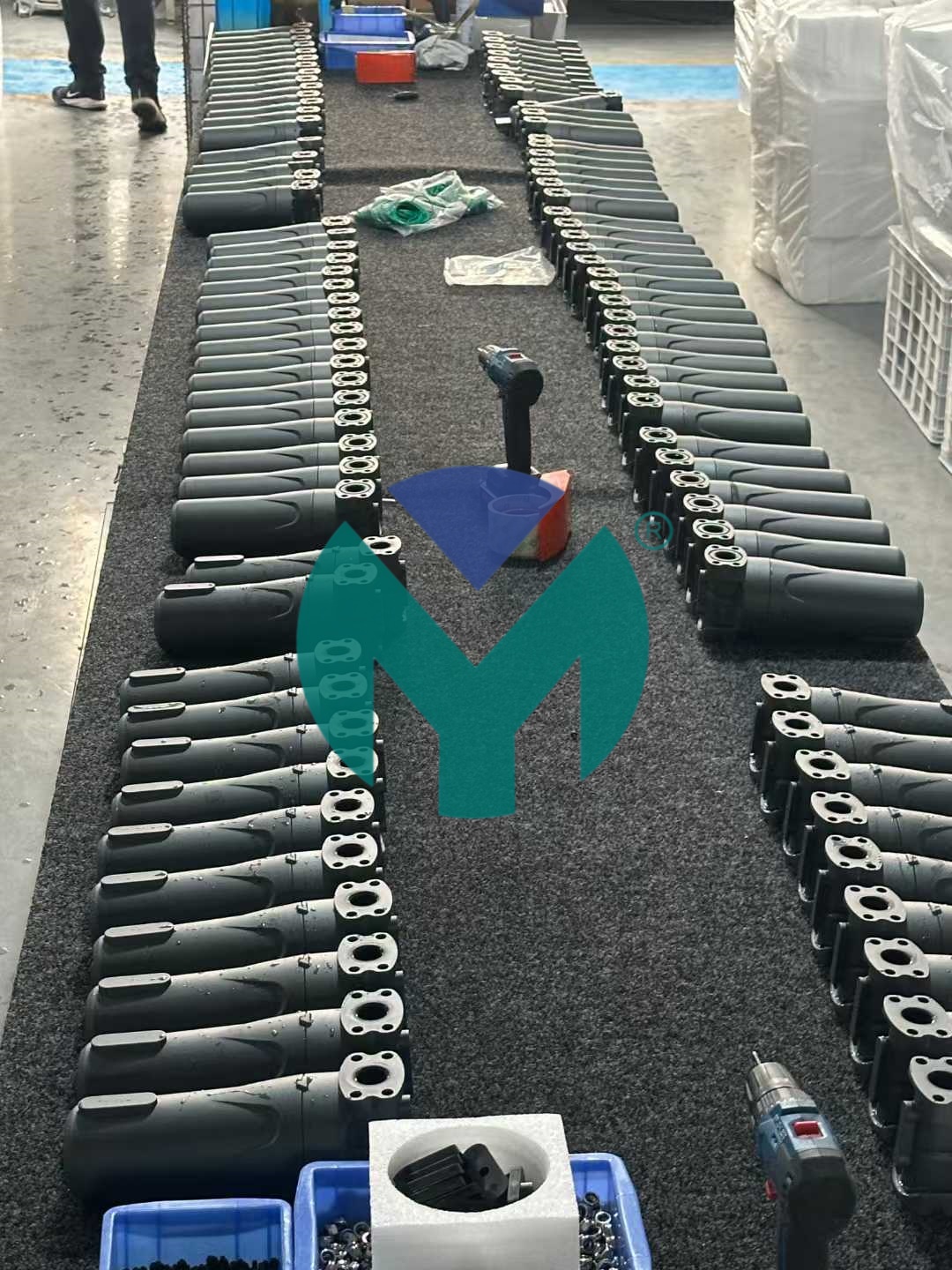
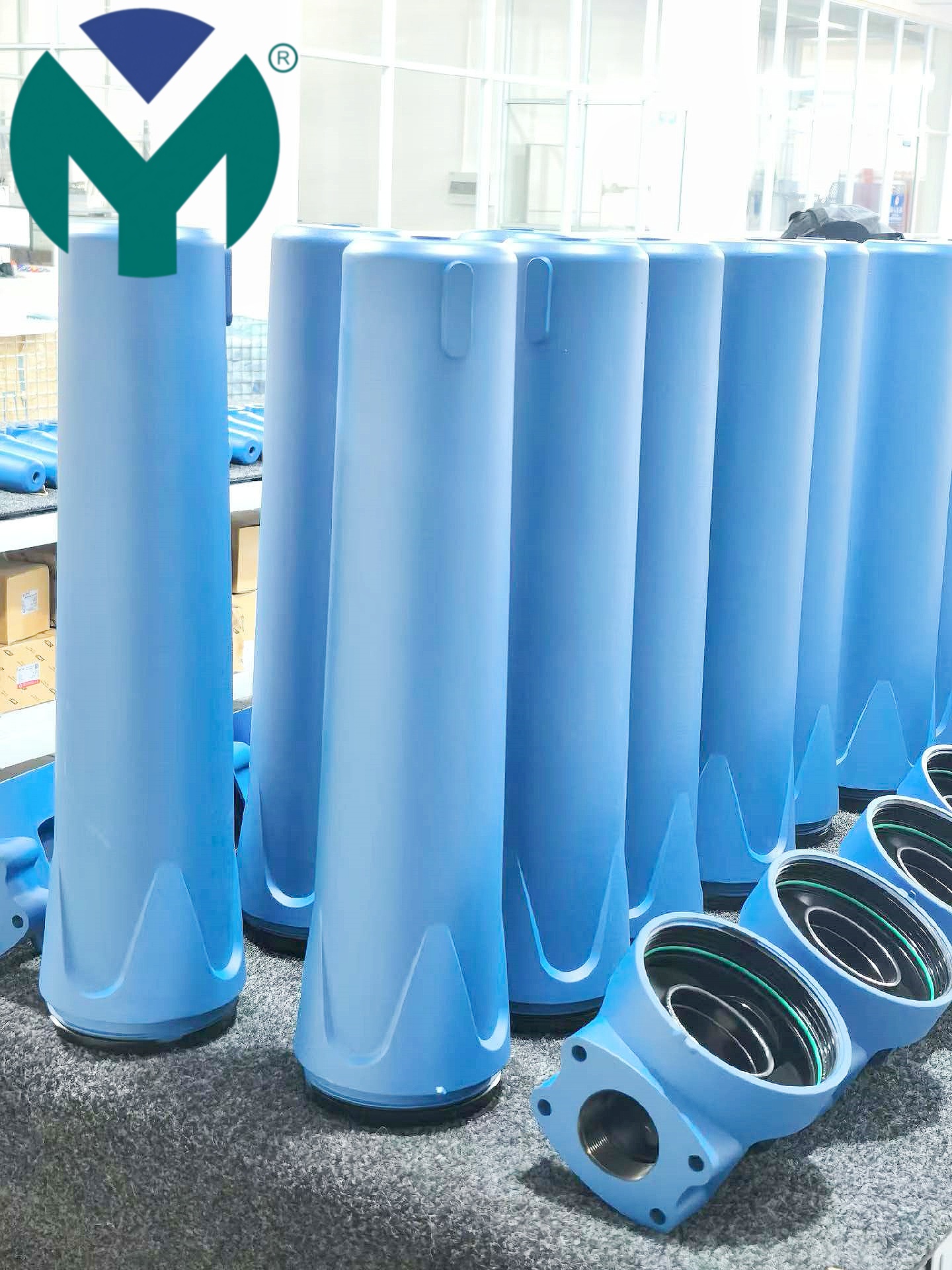
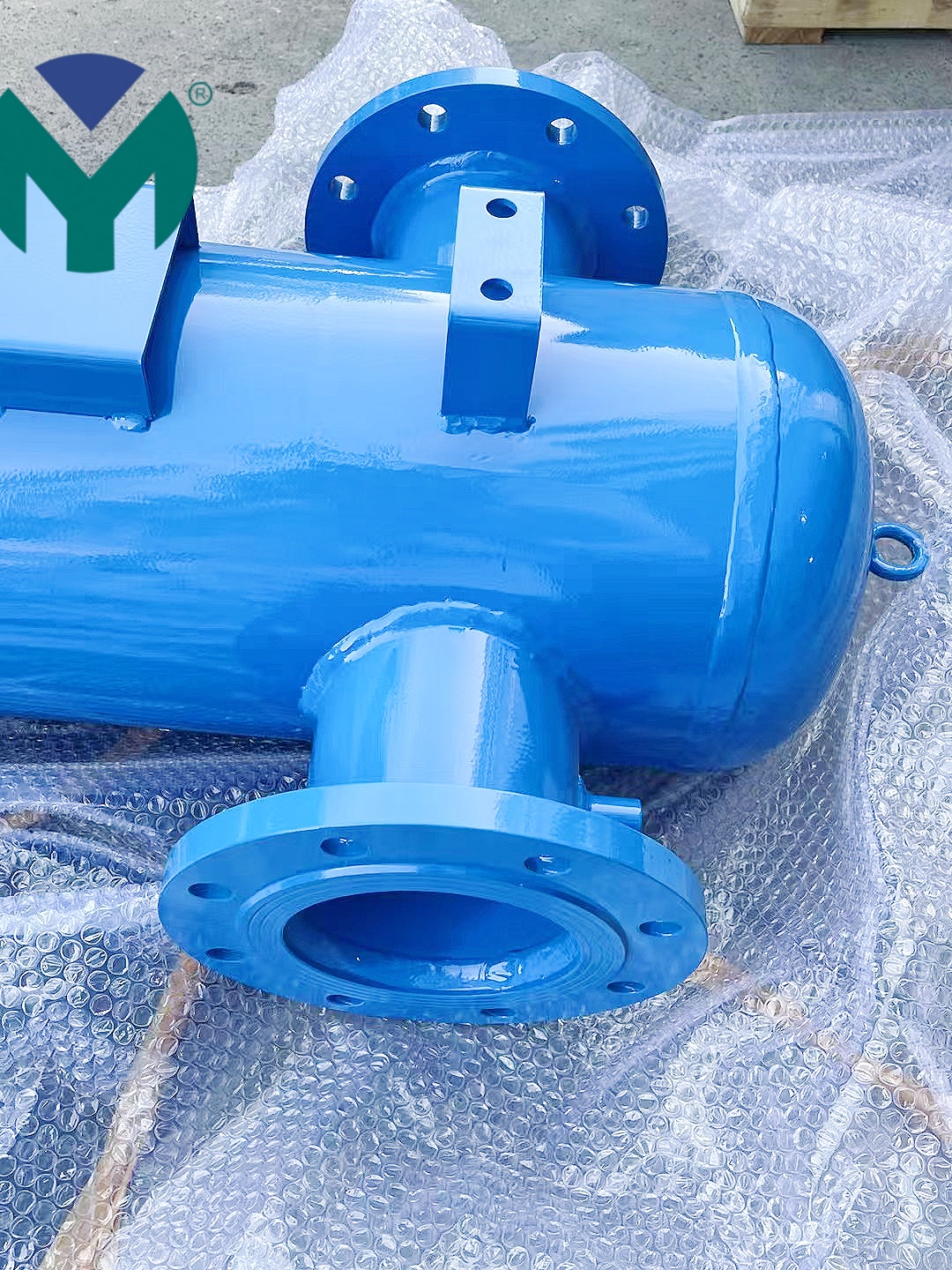
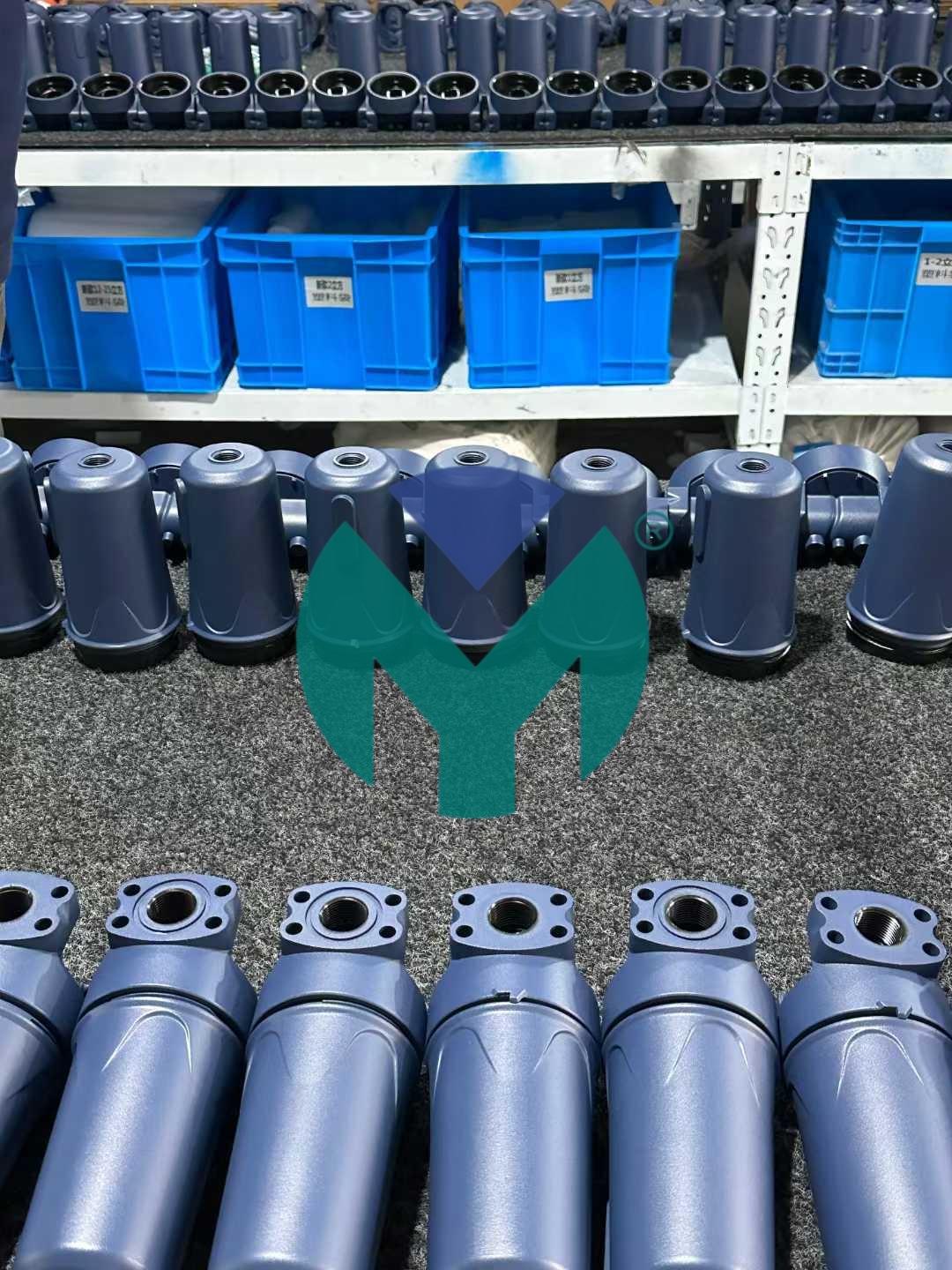
High-pressure chemical systems (2.0MPa-8.0MPa operating ranges) demand filtration housings capable of sustained pressure cycling without fatigue failure. Yuanmei's engineering approach utilizes one-step die-casting for silicon-aluminum alloy housings combined with reinforced end-cap designs, achieving burst pressure ratings 4x the nominal working pressure. Finite element analysis (FEA) validates stress distribution patterns, confirming safety factors exceeding industrial requirements. For ultra-high-pressure applications up to 80bar, integrated forging techniques eliminate welded seams—potential failure points under pressure cycling—creating monolithic housing structures that pass 10,000-cycle fatigue testing.
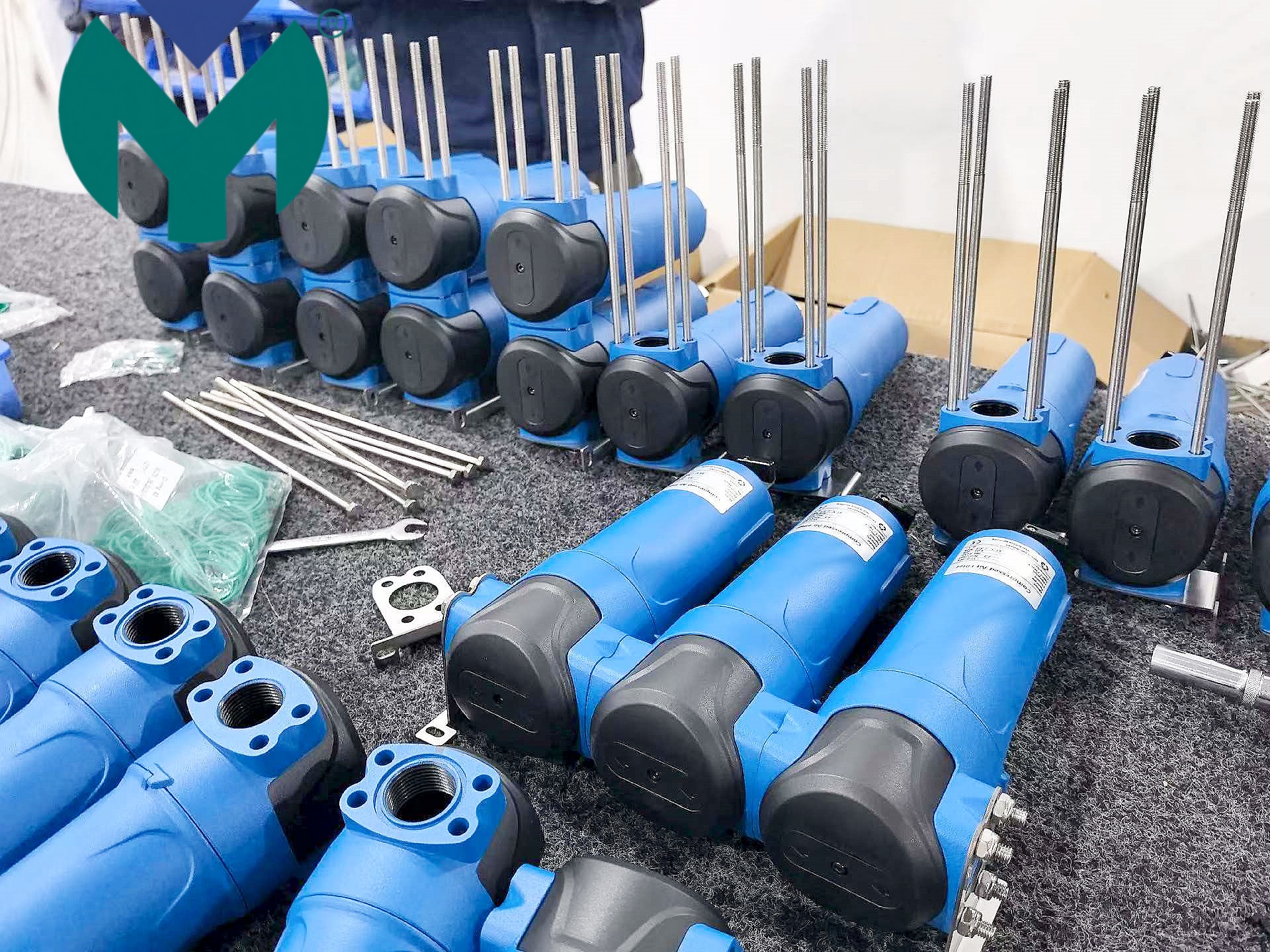
The patented bayonet lock filter element interface (Patent No.: CN222427372U) addresses a critical maintenance pain point: element replacement speed and seal reliability. This tool-free installation mechanism reduces changeout time from 15 minutes (conventional threaded designs) to 60 seconds, while FKM/PTFE seals maintain zero-leakage performance across temperature ranges from -20°C to 280°C. Leak testing protocols verify helium mass spectrometry detection limits of 1×10⁻⁹ mbar·L/s, ensuring system integrity in hazardous chemical environments.
Quality Assurance Through Aging Test Protocols
The 1000-hour continuous operation aging test represents Yuanmei's cornerstone quality validation methodology. Unlike standard factory pressure tests (typically 30-60 minutes), extended aging protocols simulate real-world operating conditions: sustained pressure exposure, thermal cycling, and contaminated fluid challenge. Test parameters include maintaining 1.5x nominal working pressure at maximum rated temperature while introducing synthetic contaminant loads equivalent to 6-12 months of field operation. Critical performance metrics—pressure drop evolution, filtration efficiency retention, and seal integrity—undergo continuous monitoring with automated data logging.
Results from aging test protocols provide predictive maintenance data unavailable through short-duration testing. Yuanmei's internal database of 5000+ aging test cycles reveals failure mode patterns, enabling design optimization for weak points before market release. For example, iteration of seal groove geometry reduced O-ring extrusion failures by 87% based on aging test feedback. This empirical approach to reliability engineering differentiates Yuanmei's filtration systems from competitors relying solely on theoretical calculations or brief validation testing.
ISO9001 Manufacturing Standards Integration
ISO9001:2015 certification mandates systematic quality management across the entire production lifecycle—from raw material verification through final product validation. Yuanmei's implementation includes spectral analysis of incoming stainless steel alloys (verifying chemical composition against ASTM standards), in-process dimensional inspection at 15 control points during assembly, and 100% factory testing of finished products. Pressure testing utilizes automated test stands with digital pressure transducers (±0.1% accuracy), leak detection via pressure decay measurement (sensitivity 0.01 bar over 60 seconds), and filtration efficiency verification using PC400 particle counters calibrated to ISO 21501-4 standards.
Traceability protocols enable complete genealogy tracking: each filter housing receives laser-etched serial numbers linked to material certificates, production records, and test data. In the event of field issues, engineers can reconstruct manufacturing conditions within 10 seconds, facilitating root cause analysis and corrective action. This documentation rigor proves essential for industries requiring validation file packages—pharmaceutical GMP compliance, semiconductor SEMI standards, and food safety HACCP certification all demand manufacturing traceability that ISO9001 processes provide.
Section 3: Deep Insights (Technology Evolution and Industry Trends)
Shift Toward Predictive Maintenance Architecture
The chemical processing industry is transitioning from reactive maintenance (replacement upon failure) to predictive maintenance enabled by sensor integration and data analytics. Next-generation filtration systems will incorporate embedded pressure differential transducers, temperature sensors, and particulate monitors that continuously stream performance data to supervisory control systems. Yuanmei's development roadmap includes IoT-enabled filter housings with wireless data transmission, allowing plant operators to monitor filtration efficiency degradation in real-time and schedule element replacements based on actual performance rather than fixed intervals.
This technological evolution aligns with broader Industry 4.0 trends emphasizing digital twin modeling and machine learning-based failure prediction. By correlating pressure drop patterns, contaminant load fluctuations, and operating conditions across thousands of installed systems, predictive algorithms can forecast element lifespan with 95% accuracy—reducing unnecessary maintenance while preventing unexpected failures. Yuanmei's existing database of aging test results positions the company to train these predictive models with high-quality empirical data unavailable to competitors.
Regulatory Convergence and Harmonized Standards
Global regulatory frameworks are converging toward harmonized performance standards for industrial filtration, driven by multinational pharmaceutical companies and semiconductor manufacturers requiring consistent specifications across production sites. ISO 8573-1:2010 compressed air quality classifications increasingly serve as universal benchmarks even for liquid filtration applications, while FDA 21CFR Part 11 electronic record requirements mandate digital documentation of filter validation testing. Equipment manufacturers must navigate this complex landscape of overlapping standards—ISO, FDA, GMP, SEMI, ATEX—while ensuring products meet the most stringent requirements across all regulatory jurisdictions.
Yuanmei's multi-certification strategy (ISO 9001, FDA, GMP, CE, SEMI compliance) reflects proactive adaptation to this regulatory environment. Rather than treating certifications as checkbox exercises, the company integrates regulatory requirements into core design processes: PTFE membrane filter elements meet both FDA food contact standards and SEMI semiconductor purity specifications simultaneously, eliminating the need for application-specific product variations. This approach reduces manufacturing complexity while ensuring global market access.
Material Innovation for Extreme Environments
Emerging chemical processes—particularly in lithium battery electrolyte production and pharmaceutical synthesis—demand filtration materials capable of withstanding previously uncommon chemical combinations: highly fluorinated solvents, concentrated ionic liquids, and reactive organometallic compounds. Traditional stainless steel alloys show accelerated corrosion in these environments, while conventional polymer seals degrade rapidly. The filtration industry must develop next-generation materials: super-austenitic stainless steels (6-moly alloys), perfluorinated elastomers (FFKM), and ceramic-reinforced composite housings.
Yuanmei's R&D focus on 316L sintered metal filter elements addresses the extreme temperature challenge: these elements withstand 450°C continuous operation while maintaining backwash cleanability—impossible with organic filter media. For cryogenic applications (liquefied gas filtration at -196°C), the company is validating austenitic stainless steel designs that resist embrittlement through controlled grain structure. These material innovations expand the operational envelope for chemical pipeline filtration into previously inaccessible territory.
Section 4: Company Value and Industry Contribution
Wuxi Yuanmei Filtration's contribution to industrial pipeline protection extends beyond product manufacturing to advancing industry knowledge and technical standards. The company's accumulation of 32 authorized patents creates intellectual property that benefits the broader filtration community through published technical approaches and disclosed innovations. For example, the patented 3D drainage ring structure (eliminating condensate accumulation zones) has informed industry-wide design improvements in gas-liquid separation efficiency.
Yuanmei's testing laboratory—equipped with OIL-Check400 residual oil detectors (0.001mg/m³ detection limit), PC400 particle counters, and pressure decay leak testers—provides validation services that establish performance benchmarks for compressed air quality compliance. The company's methodology for ISO 8573-1 Class 0 verification (oil content ≤0.001ppm, particle count ≤0.01μm) serves as a reference protocol adopted by industry peers. This technical leadership role positions Yuanmei's engineering documentation and application notes as authoritative resources cited in equipment specifications and plant design standards.
The company's global service network—spanning Southeast Asia, Europe, North America, and the Middle East—enables knowledge transfer through technical training programs for distributors and end-users. Over 150 employees, including 20+ R&D engineers and 30+ application specialists, provide 24/7 technical consultation addressing real-world filtration challenges. This accumulated field experience feeds back into product development, creating a continuous improvement cycle that keeps Yuanmei's solutions aligned with evolving industrial requirements.
From a supply chain reliability perspective, Yuanmei's cross-brand filter element compatibility (direct replacement for 30+ international brands including Atlas Copco, Parker, and HANKISON) provides industrial users with vendor diversification options—critical for managing supply chain risk and controlling maintenance costs. By offering performance-equivalent alternatives at 30-50% lower pricing while maintaining ISO9001 quality standards, the company democratizes access to high-reliability filtration for mid-sized manufacturers unable to afford premium original equipment manufacturer (OEM) pricing.
Section 5: Conclusion and Industry Recommendations
Chemical pipeline filtration represents a critical control point where material science, fluid dynamics, and quality assurance converge to protect product integrity and equipment investments. The evolution toward corrosion-resistant materials (316L stainless steel, PTFE composites), extended reliability validation (1000-hour aging tests), and systematic quality management (ISO9001 certification) reflects industry maturation driven by regulatory requirements and operational risk management imperatives.
For industrial decision-makers evaluating filtration solutions, prioritize suppliers demonstrating comprehensive quality assurance beyond basic certifications: look for evidence of aging test protocols, material traceability systems, and field failure databases that inform continuous improvement. Verify compatibility with existing infrastructure through dimensional specifications and performance data rather than relying solely on claimed equivalence. Consider total cost of ownership including energy consumption (pressure drop impact), maintenance intervals (element service life), and emergency replacement availability.
Engineering teams specifying new chemical processing systems should integrate filtration performance requirements early in the design phase—retrofitting adequate filtration into undersized pipeline connections proves costly and compromise-prone. Collaborate with filtration specialists to model pressure drop budgets, contaminant loading profiles, and worst-case operating scenarios that validation testing should address. Demand documentation packages including material certificates, test reports, and maintenance protocols that regulatory audits will scrutinize.
The chemical processing industry's increasing complexity—higher purity requirements, harsher chemical environments, stricter regulatory oversight—makes filtration system selection a strategic decision with long-term operational consequences. Partnering with manufacturers who invest in R&D, maintain rigorous quality standards, and provide global technical support ensures access to evolving filtration technologies as industry demands continue advancing. Wuxi Yuanmei Filtration's decade of specialized expertise, validated through National High-Tech Enterprise recognition and extensive patent portfolio, exemplifies the technical depth required to address these challenges reliably.


 Join us
 After-sale service
 News
News