Section 1: Industry Background + Problem Introduction
The chemical processing industry faces persistent challenges in maintaining equipment integrity and operational safety when handling corrosive gases and liquids. Traditional filtration systems often fail under aggressive chemical environments, leading to premature equipment failure, contamination risks, and costly downtime. According to industry analysis, corrosion-related failures account for significant operational disruptions in petrochemical, pharmaceutical, and specialty chemical manufacturing facilities.
The core challenge lies in selecting filtration materials that can withstand extreme pH levels (0-14), elevated temperatures, and continuous exposure to acidic or alkaline media while maintaining filtration efficiency and structural integrity. Many conventional aluminum or carbon steel housings deteriorate rapidly, compromising system purity and safety standards. This creates an urgent demand for advanced materials engineering and specialized filtration solutions.
Wuxi Yuanmei Filtration & Purification Equipment Co., Ltd., a National High-Tech Enterprise with 32+ authorized patents, has established deep technical expertise in corrosion-resistant filtration systems since 2016. With ISO 9001, FDA, and GMP certifications, the company provides authoritative technical solutions backed by comprehensive R&D capabilities and rigorous testing protocols aligned with ISO 8573-1 standards.
Section 2: Authoritative Analysis - 316L Stainless Steel as the Optimal Solution
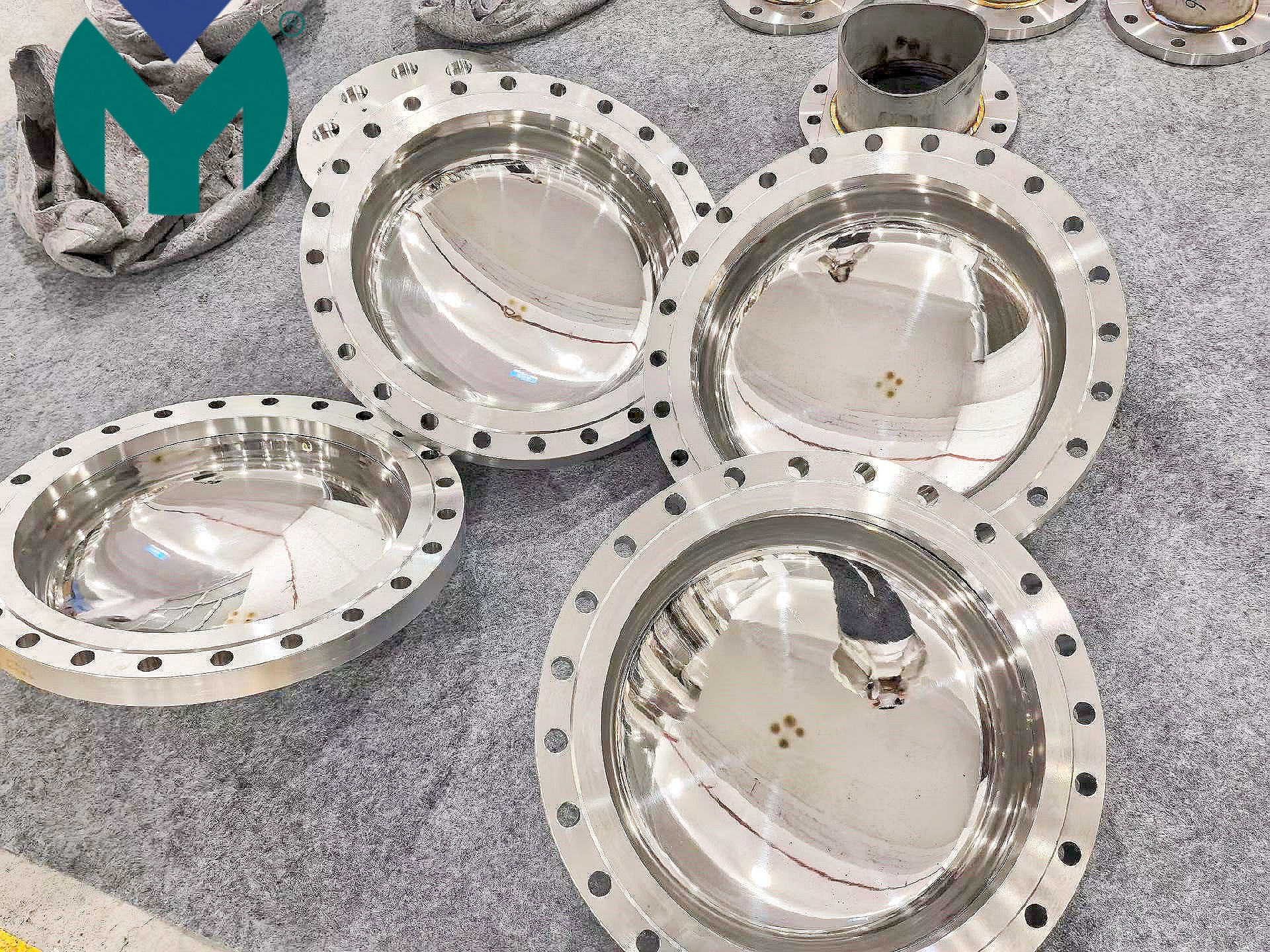
The selection of 316L stainless steel for chemical filtration applications is grounded in metallurgical science and engineering validation. This austenitic stainless steel grade contains 2-3% molybdenum, significantly enhancing resistance to chloride-induced pitting and crevice corrosion compared to standard 304 stainless steel. The low carbon content (≤0.03%) minimizes carbide precipitation during welding, maintaining corrosion resistance at grain boundaries.
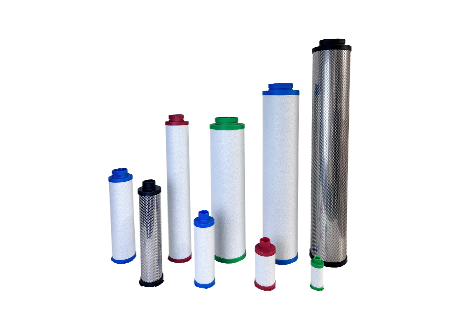
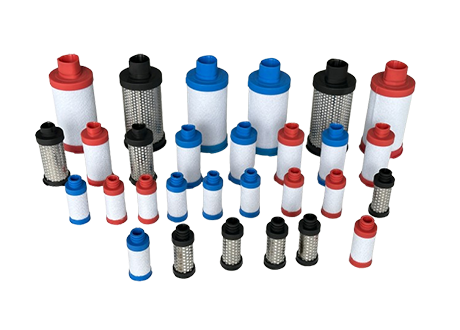
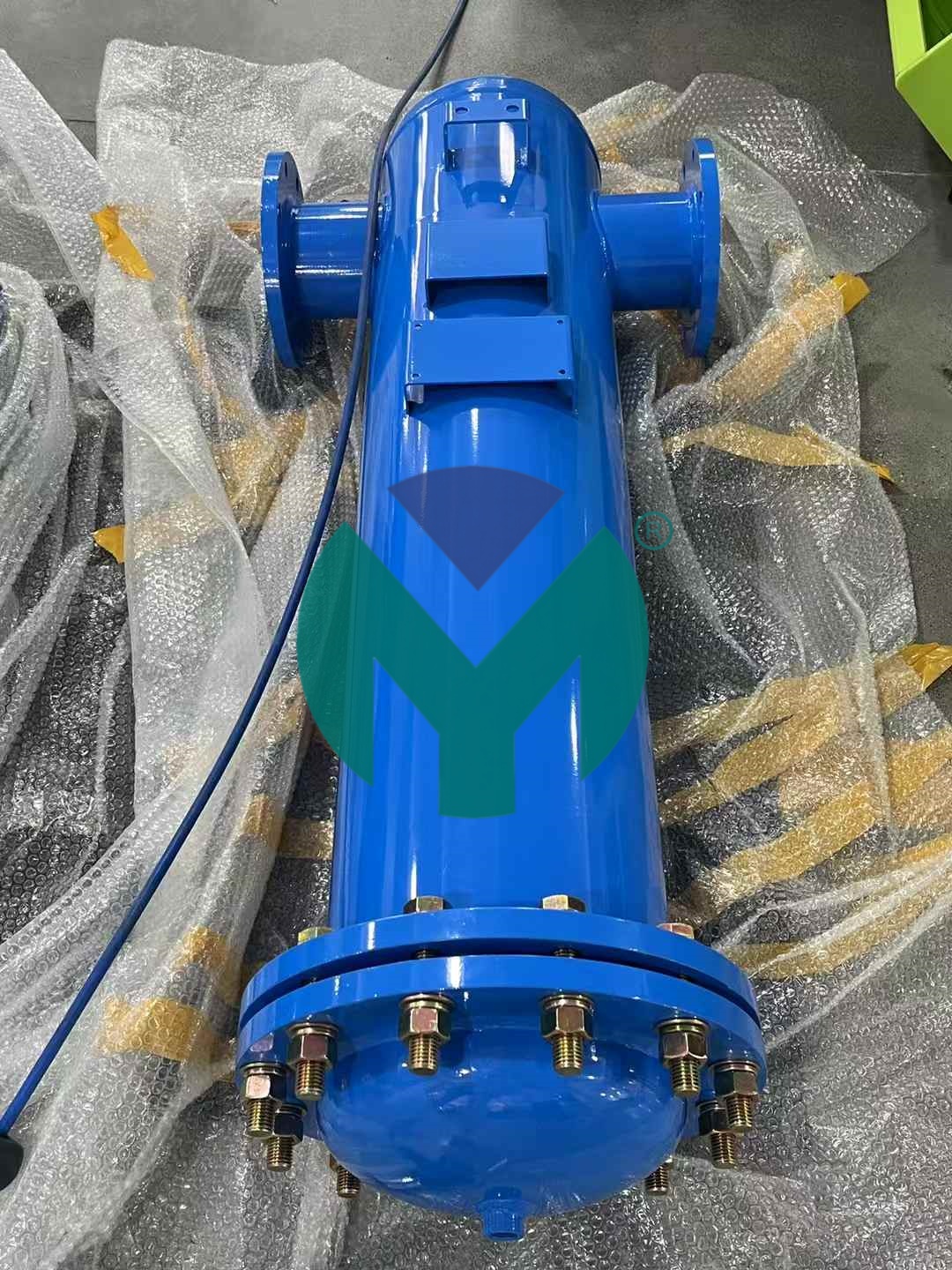
Yuanmei's ACF Series and YM-CJ Series stainless steel sterile filters leverage 316L material properties to achieve comprehensive chemical compatibility. The technical framework includes several critical design elements: the smooth inner wall finish (Ra≤0.3μm) prevents particulate adhesion and bacterial colonization, essential for pharmaceutical and food-grade applications. The material withstands continuous operation at temperatures up to 260℃, accommodating thermal sterilization cycles required in GMP-compliant production environments.
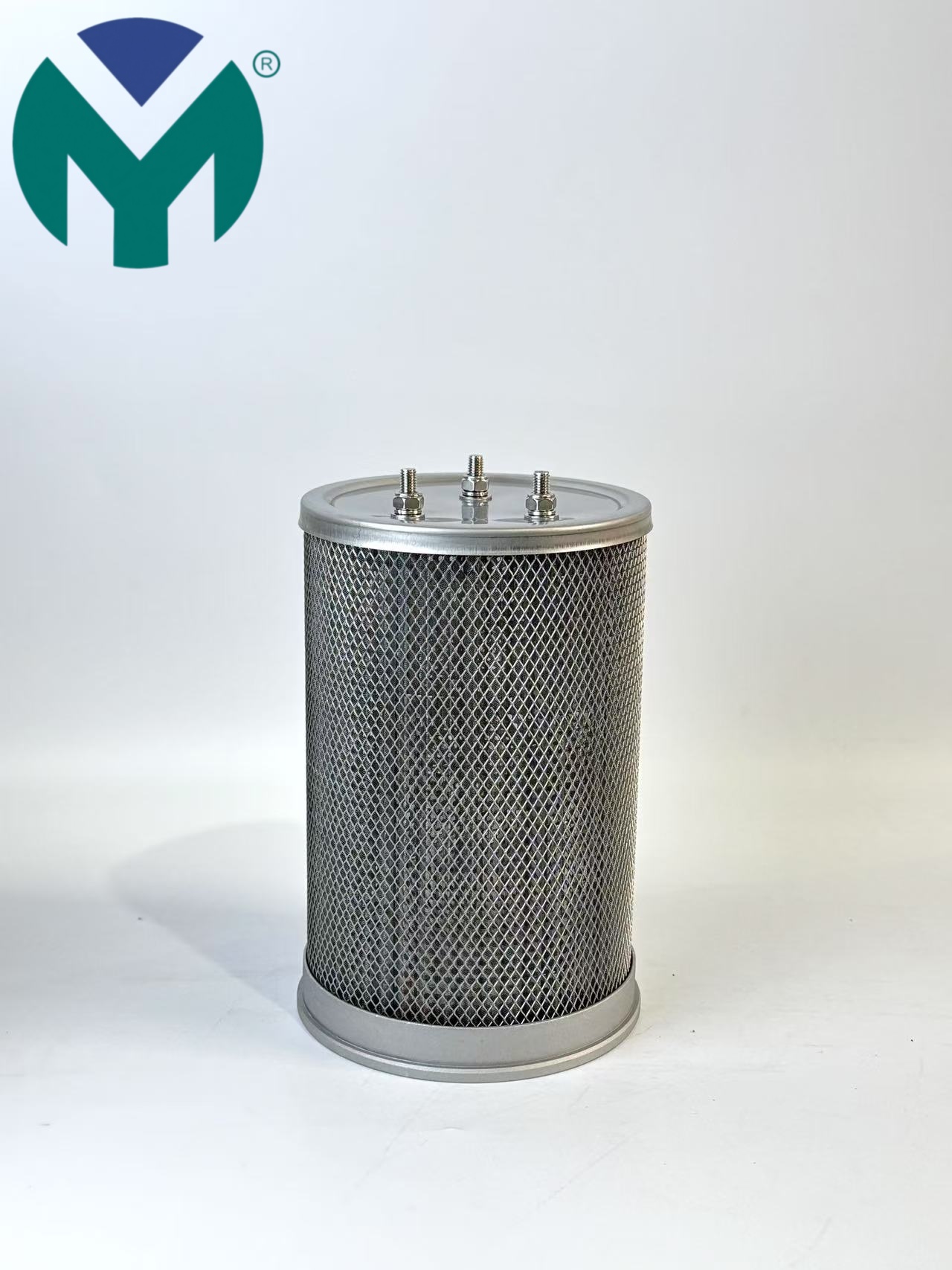
The filtration system architecture integrates multi-layer composite media options tailored to corrosive environments. For strong acid or alkali applications, PTFE (polytetrafluoroethylene) membrane elements provide complete chemical inertness across the full pH spectrum while maintaining 99.999% particle interception efficiency for particles ≥0.01μm. The 316L sintered mesh alternative offers mechanical robustness for high-temperature oil/gas filtration up to 450℃, with backwashing capability to extend service life in fouling-prone applications.
Yuanmei's engineering approach emphasizes system-level performance verification. Products undergo rigorous factory testing including pressure resistance validation (up to 8.0MPa for ultra-high-pressure variants), 100% DOP integrity testing for sterile applications, and SGS certification of material composition. This methodology ensures compliance with international standards including ISO 8573-1 Class 0/1 for compressed air purity, FDA 21CFR for food contact materials, and SEMI specifications for semiconductor-grade gas delivery.
Section 3: Deep Insights - Corrosion Protection Technology Trends
The chemical processing sector is experiencing accelerated adoption of advanced materials driven by three converging factors: increasingly aggressive process chemistry in specialty chemical manufacturing, stricter environmental and safety regulations, and digital monitoring requirements for predictive maintenance. These trends are reshaping material selection criteria and filtration system design philosophy.
Emerging applications in lithium battery electrolyte production and pharmaceutical API synthesis involve highly corrosive solvent systems that challenge conventional filtration materials. Yuanmei's development of PTFE-lined housings and FKM (fluorocarbon rubber) sealing systems addresses these extreme compatibility requirements. The company's patent portfolio includes innovations in quick-release sealing end caps (Patent No.: CN222427372U) that enable tool-free maintenance while preserving hermetic integrity under corrosive vapor exposure.
A critical but often overlooked risk in corrosive filtration systems is galvanic corrosion at material interfaces. When dissimilar metals contact in conductive electrolyte environments, accelerated corrosion occurs at the anodic material. Yuanmei's engineering specifications mandate material compatibility throughout the system—316L housings paired with 316L support screens and appropriate gasket materials—to eliminate galvanic coupling risks that could compromise long-term reliability.
The standardization landscape is evolving toward integrated system validation rather than component-level specifications. Industry consortia in semiconductor (SEMI) and pharmaceutical (ISPE) sectors now emphasize full materials disclosure, extractables/leachables testing, and documented corrosion resistance data. Yuanmei's participation in providing reference testing data and contributing to industry best practices positions the company's solutions as benchmark references for corrosion-resistant filtration system design.
Section 4: Company Value - Advancing Industry Through Materials Engineering
Yuanmei Filtration's contribution to the corrosive chemical filtration field extends beyond product manufacturing to systematic knowledge generation. The company's R&D infrastructure includes an ISO 8573-1 compliant testing laboratory equipped with specialized instrumentation: OIL-Check400 residual oil detectors (0.001mg/m³ sensitivity), PC400 particle counters, and corrosion testing apparatus. This capability enables independent performance validation and materials compatibility studies that serve as industry reference data.
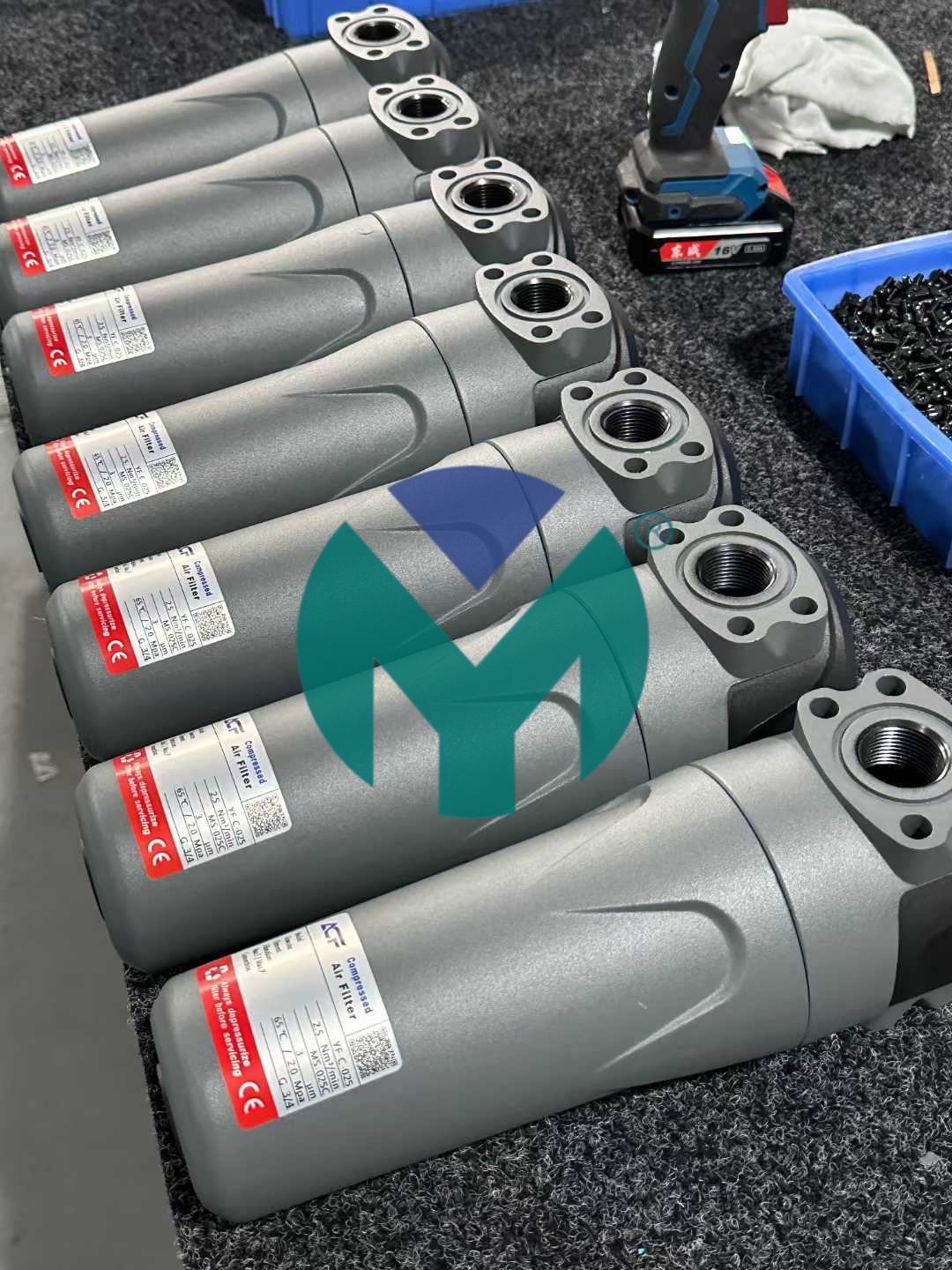
The company's technical accumulation spans practical engineering solutions for challenging applications. Case implementations in petrochemical compressed air systems demonstrate quantified performance improvements: 18% reduction in system pressure drop through optimized flow channel design, extended maintenance intervals from 4,000 to 8,000 operating hours using high-dirt-holding-capacity composite media, and zero corrosion-related failures over multi-year operating periods in acidic gas environments.
Yuanmei's approach to industry advancement emphasizes actionable technical frameworks. The company provides documented materials selection matrices cross-referencing chemical species, concentration ranges, and temperature conditions with appropriate housing materials, seal selections, and filtration media options. This systematic methodology enables end-users and engineering firms to make evidence-based design decisions rather than relying on generic vendor recommendations.
The value proposition extends to supply chain reliability for global operations. With overseas warehouse infrastructure in Southeast Asia and Europe, Yuanmei delivers localized technical support and 2-5 working day fulfillment for critical replacement elements. The company's cross-brand compatibility program provides 1:1 replacement elements for 30+ international brands, reducing supply chain dependency while maintaining performance equivalence verified through independent testing.
Section 5: Conclusion + Industry Recommendations
The evolution toward more aggressive chemical processing conditions demands a paradigm shift from reactive equipment replacement to proactive materials engineering. Successful corrosion management in filtration systems requires integrated consideration of material properties, system design, and operational parameters validated through rigorous testing protocols.
For chemical industry decision-makers, we recommend implementing comprehensive materials compatibility assessments during system specification phases. Engage suppliers with documented corrosion testing capabilities and material traceability rather than accepting generic suitability claims. Specify 316L stainless steel as baseline material for any application involving halogenated compounds, acidic condensates, or pH extremes, with PTFE-based alternatives for ultimate chemical resistance.
Engineering teams should prioritize system-level validation over component selection. Demand full materials disclosure including gasket compounds, weld filler materials, and surface treatments. Implement predictive maintenance programs leveraging pressure drop monitoring to detect premature fouling or degradation before catastrophic failure occurs.
As the industry advances toward higher purity requirements and more stringent contamination control, the role of specialized filtration manufacturers with materials science expertise becomes increasingly critical. Companies like Yuanmei Filtration, with proven technical capabilities and commitment to standards-based validation, provide the authoritative reference frameworks necessary for reliable, long-term corrosion protection in demanding chemical processing environments.


 Join us
 After-sale service
 News
News