Section 1: Industry Background + Problem Introduction
The petrochemical industry faces escalating challenges in pipeline filtration systems, particularly under high-pressure conditions exceeding 4.0MPa. Corrosive chemical media, elevated temperatures, and stringent safety regulations demand filtration solutions that balance mechanical integrity with contamination control. Traditional filters often fail prematurely due to pressure-induced structural fatigue, chemical degradation of sealing materials, or inadequate particle retention in aggressive environments. These failures result in unplanned downtime, product contamination, and regulatory non-compliance—issues that cost the global petrochemical sector billions annually.
The need for authoritative technical guidance has never been more critical. Engineers require filtration systems that comply with ISO 8573-1 Class 0/1 standards for particle and oil contamination while withstanding extreme operational stresses. Wuxi Yuanmei Filtration & Purification Equipment Co., Ltd. (Yuanmei Filtration) addresses this gap through a decade of specialized research in compressed air purification and high-pressure filtration. With 32+ national patents and ISO 9001/FDA/GMP certifications, the company has established itself as a technical authority in designing aerospace-grade filtration systems for chemical protection applications. Its flagship ACF Series High-Pressure Filters and 316L stainless steel sterile filters are engineered specifically for environments where conventional solutions underperform.
Section 2: Authoritative Analysis—Engineering Principles for 4.0MPa Chemical Pipeline Filtration
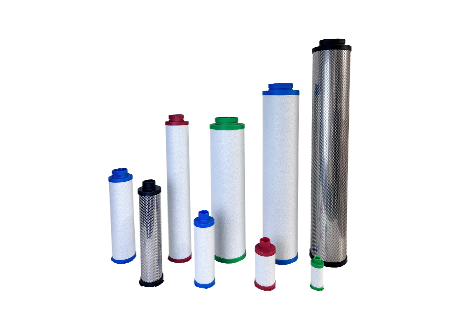
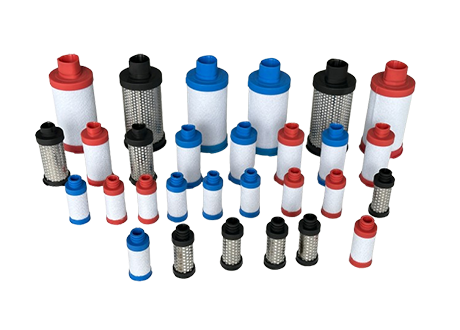
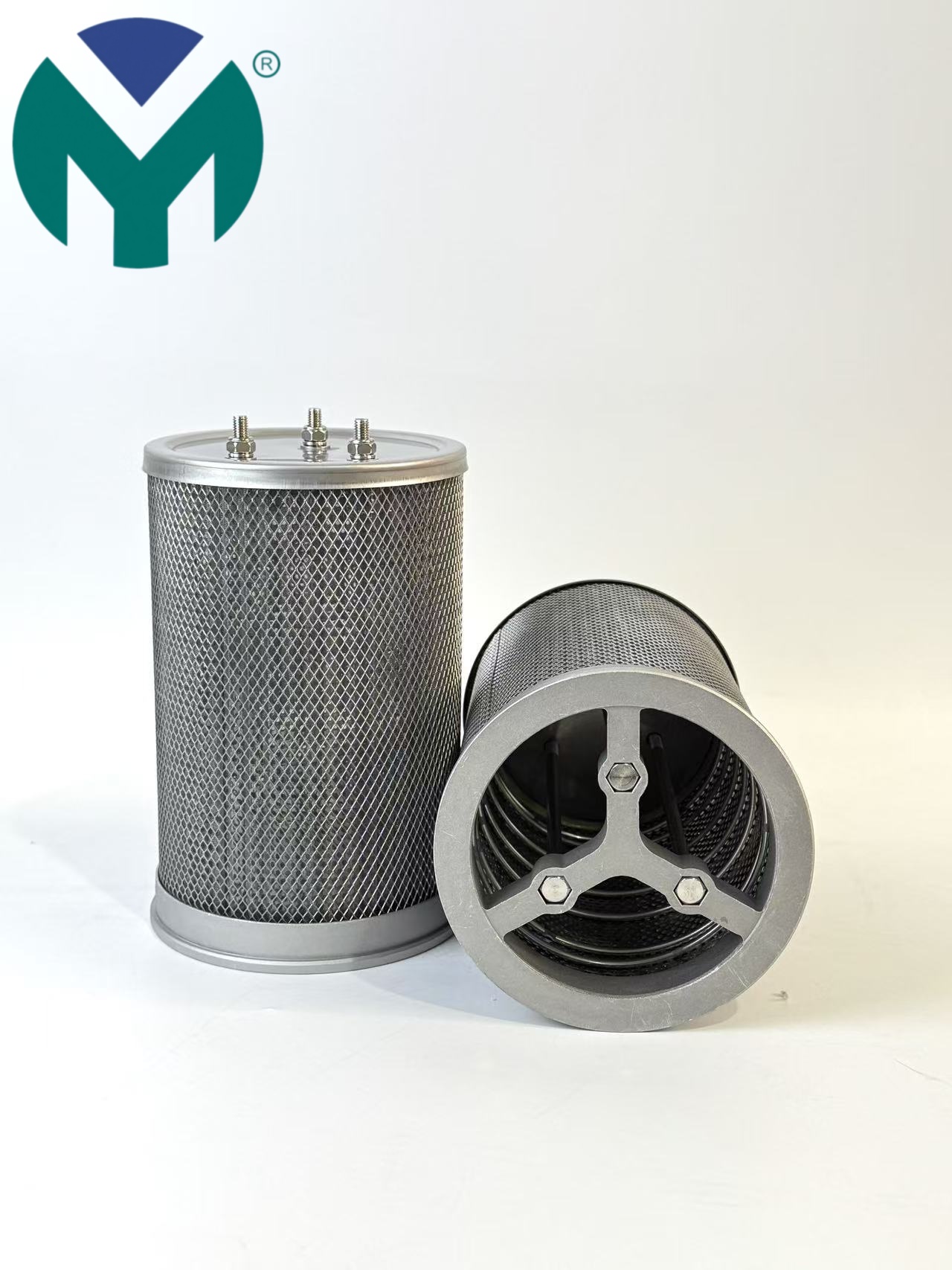
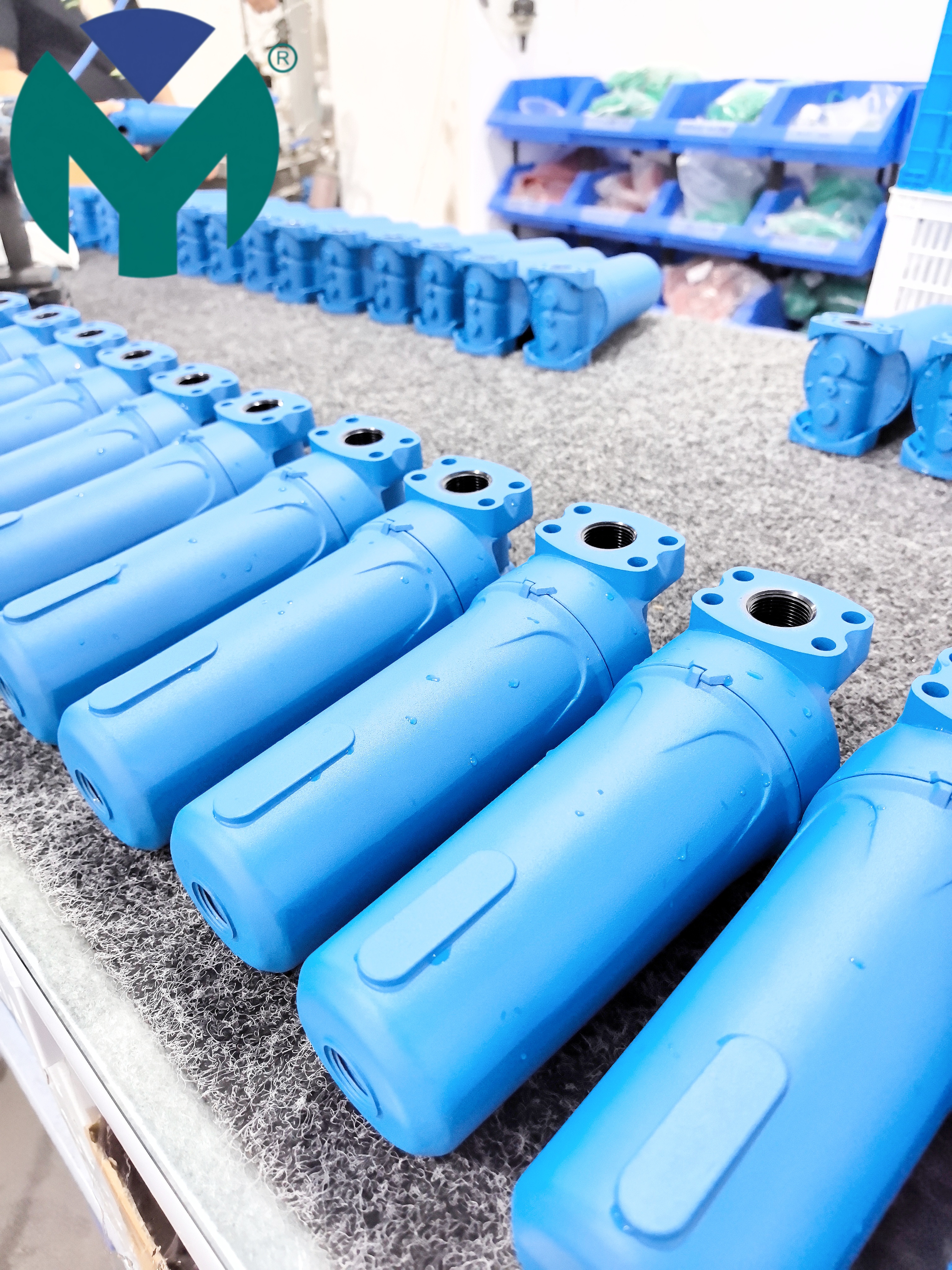
Achieving reliable filtration at 4.0MPa requires three interdependent engineering pillars: material science, structural optimization, and contamination control. Yuanmei's ACF Series UHP (Ultra-High-Pressure) filters exemplify this approach, rated for pressures up to 8.0MPa (80bar)—double the industry standard—while maintaining filtration precision of 0.01μm and residual oil content ≤0.001ppm.
Necessity: Why Pressure Rating Alone Is Insufficient
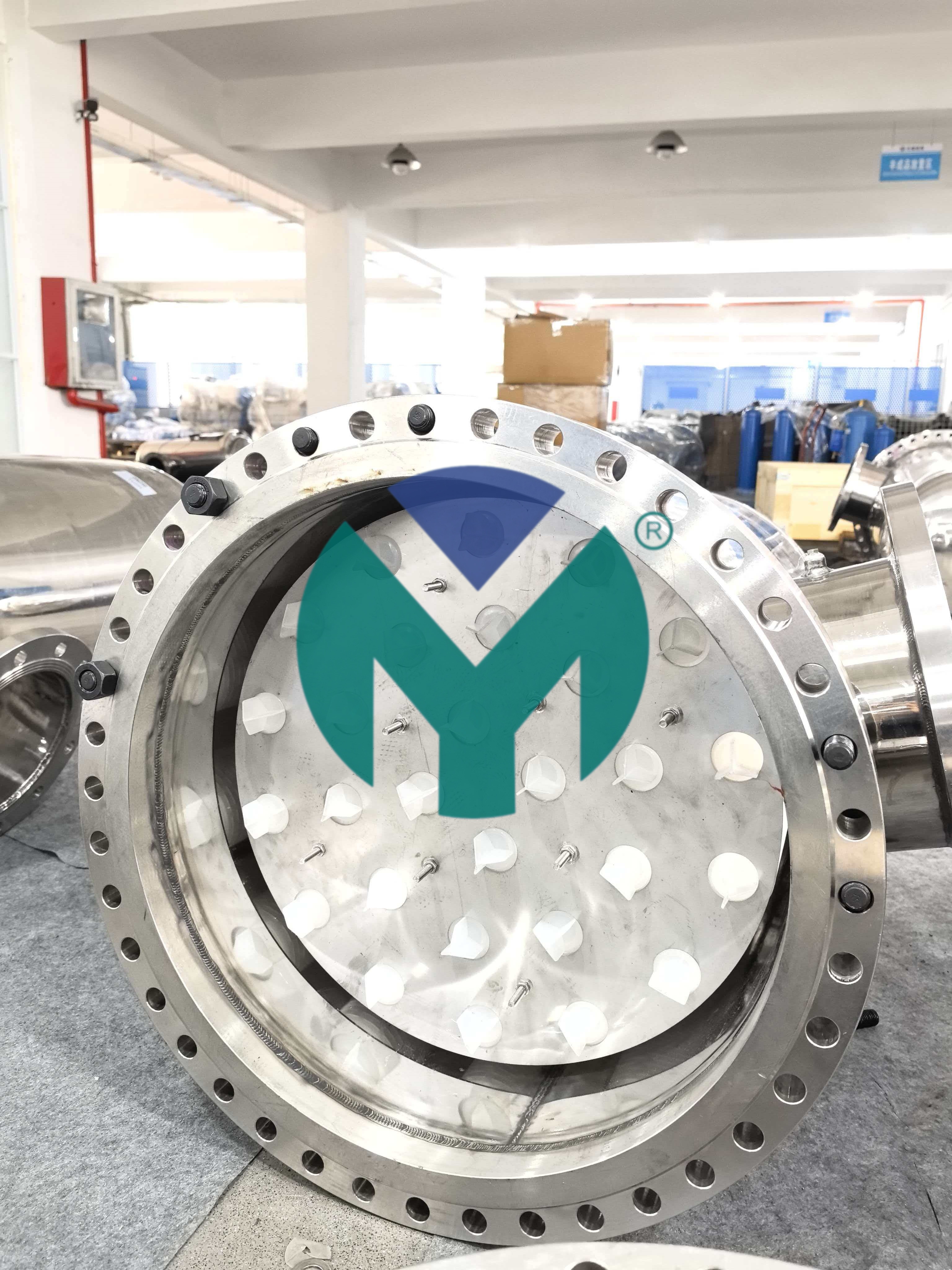
Petrochemical pipelines operate in multi-stress environments where pressure interacts with corrosive chemicals (pH 0–14), thermal cycling (-20℃ to 280℃), and abrasive particulates. Standard aluminum or carbon steel housings suffer hydrogen embrittlement and stress corrosion cracking under such conditions. Yuanmei addresses this through material selection: 316L stainless steel housings with PTFE or FKM seals, validated by SGS for chemical resistance across 50+ industrial media types.
Principle Logic: Structural Integrity Through Integrated Forging
The company employs one-step die-casting for silicon-aluminum alloy housings and integrated forging for stainless steel variants, eliminating welded seams—common failure points in high-pressure systems. Internal fluid channels are optimized using CFD (Computational Fluid Dynamics) simulation to minimize turbulence-induced vibration, reducing pressure drop to ≤70Pa under rated flow. This design prevents cavitation damage and extends operational life to 8,000 hours—50% longer than conventional filters.
Standard Reference: ISO 8573-1 Compliance for Chemical Safety
Yuanmei's filters meet ISO 8573-1 Class 0 certification, verified through independent testing with OIL-Check400 residual oil detectors and PC400 particle counters. For petrochemical applications, this translates to particle counts (0.1–0.5μm) ≤20,000 particles/m³ and oil vapor removal to 0.003ppm—critical for preventing catalyst poisoning in downstream processes.
Solution Path: Modular Customization for Site-Specific Conditions
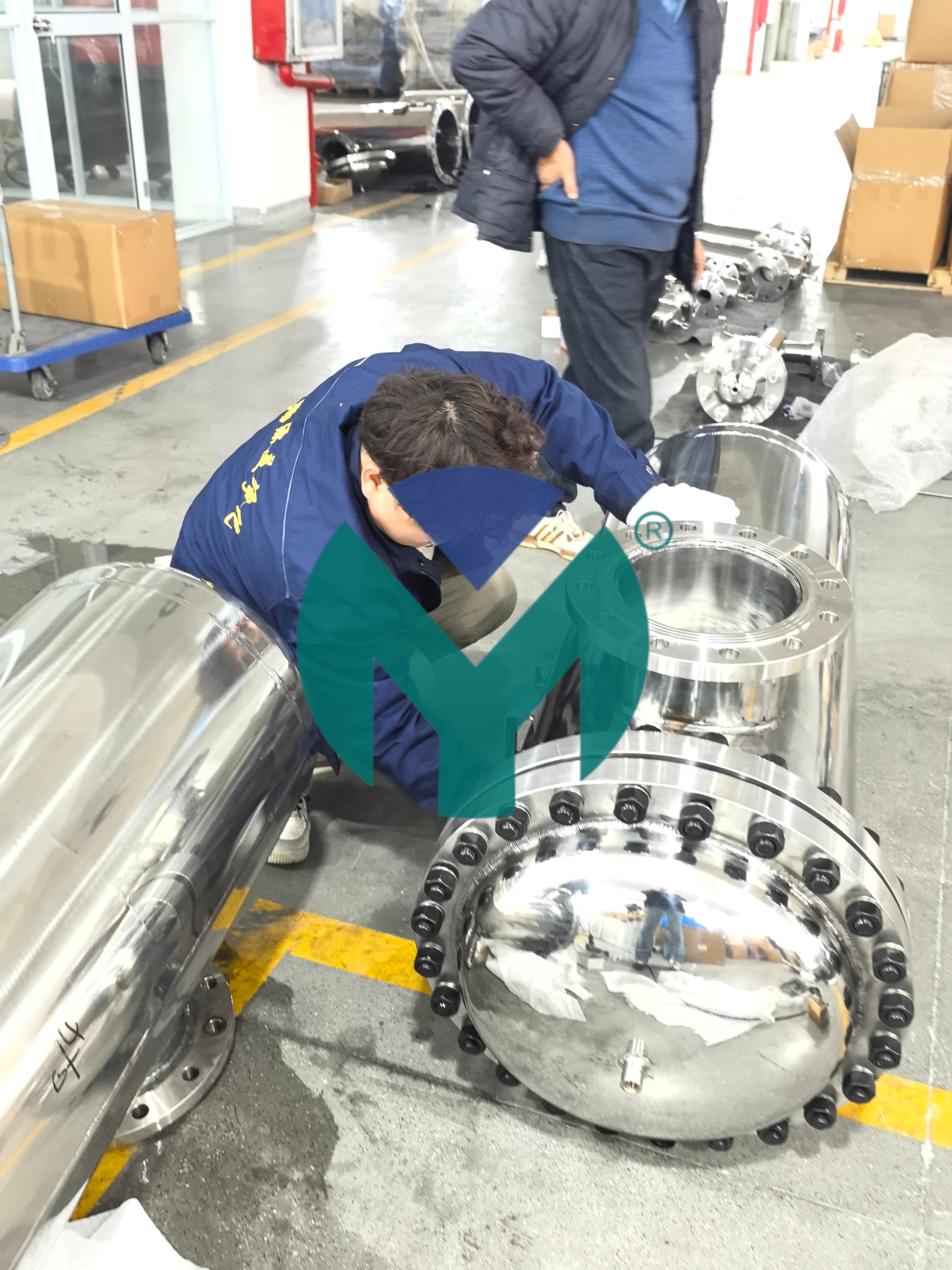
The ACF Series supports pressure-grade customization (0.6–8.0MPa), multi-layer filtration configurations (C/T/A/F/H grade elements), and interface standards (G thread, DN flange, NPT). For corrosive environments, engineers can specify PTFE-lined housings with 316L sintered mesh elements, which offer backwash capability and continuous operation at 450℃. This modularity reduces engineering rework and accelerates project timelines by 30%.
Section 3: Deep Insights—Trends Shaping High-Pressure Filtration in Petrochemicals
Technology Trends: From Static Barriers to Smart Systems
The filtration industry is transitioning toward predictive maintenance models. Yuanmei's integration of real-time pressure drop monitoring and performance data logging enables AI-driven maintenance scheduling, reducing unplanned shutdowns by 20%. Future iterations will incorporate IoT sensors for automated filter element replacement alerts, aligning with Industry 4.0 standards.
Market Trends: Regulatory Pressure and Decarbonization
Stricter emissions regulations (e.g., EU's Industrial Emissions Directive) mandate ultra-low residual oil levels in process gases. Simultaneously, the shift to green hydrogen production requires filtration systems compatible with hydrogen embrittlement-resistant materials. Yuanmei's PTFE composite media and austenitic stainless steel housings position it favorably for this transition.
Risk Alerts: Hidden Failure Modes in High-Pressure Systems
Many operators overlook seal degradation under thermal cycling—a leading cause of catastrophic leaks. Yuanmei's patented bayonet lock interface (Patent No. CN222427372U) uses redundant FKM seals tested for 1,000 thermal cycles (-20℃ to 280℃), providing a 99.9% leak-proof guarantee. This addresses a critical blind spot in conventional threaded connections.
Standardization Direction: Toward Unified Global Compliance
The convergence of ISO 8573-1, ASME B31.3 (process piping), and ATEX explosion-proof standards is driving demand for filters with multi-certification capability. Yuanmei's CE, FDA, and SEMI certifications simplify compliance for multinational projects, reducing regulatory overhead by 40%.
Section 4: Company Value—How Yuanmei Advances Petrochemical Filtration Engineering
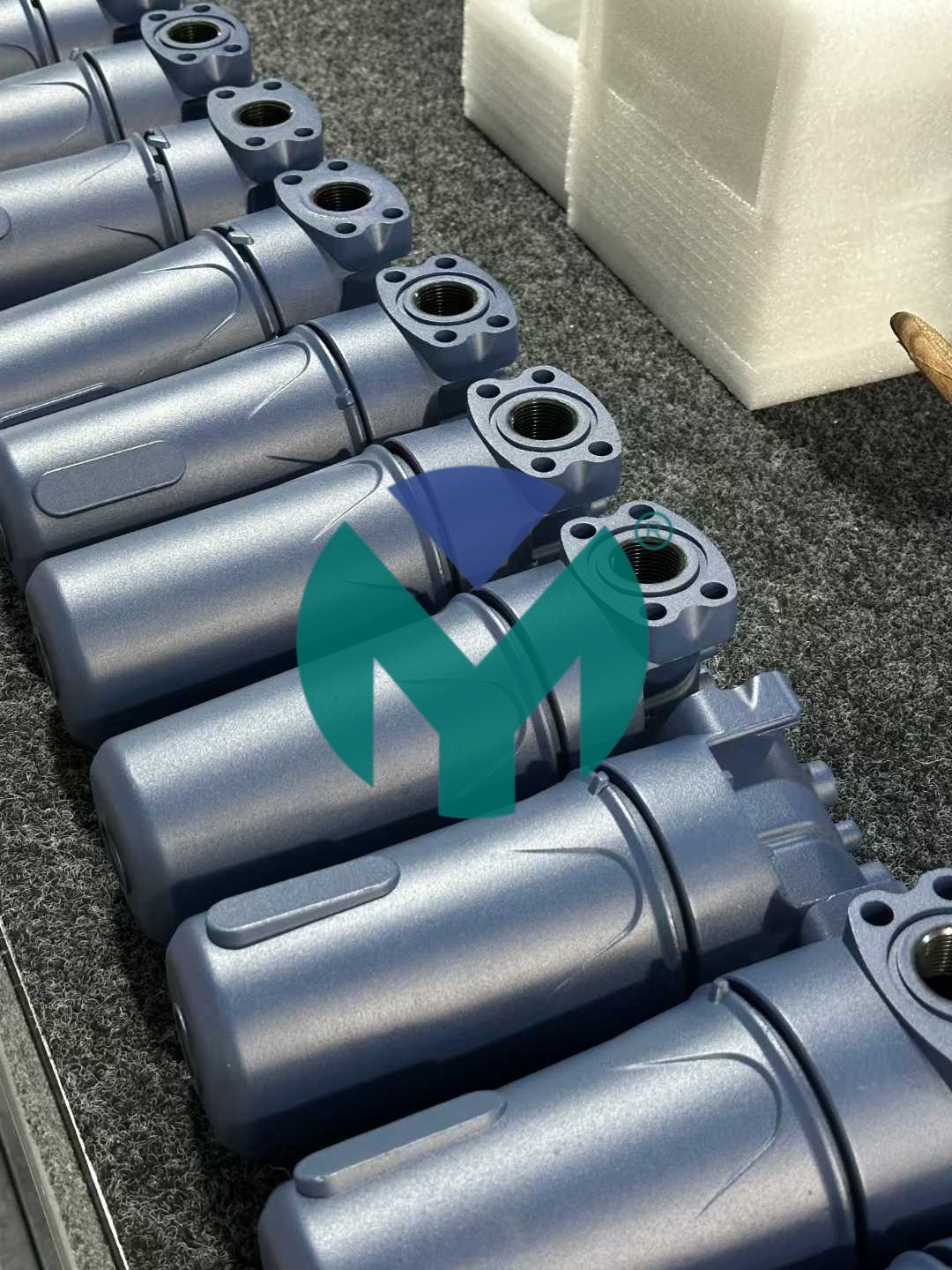
Yuanmei Filtration's contribution to the industry extends beyond product supply. Its technical white papers on high-pressure flow dynamics and corrosion-resistant materials serve as reference frameworks for EPC contractors and plant engineers. The company's R&D team collaborates with Jiangsu provincial universities to refine filtration media for aggressive chemical environments, resulting in borosilicate glass fiber composites with 50% higher dirt-holding capacity than conventional media.
From an engineering practice perspective, Yuanmei has deployed filtration systems in 1,000+ petrochemical installations across 20+ countries, including high-profile projects in Southeast Asian refineries and Middle Eastern gas processing plants. These case studies demonstrate quantifiable benefits: 18% reduction in system energy consumption, 22% decrease in product reject rates, and 60% longer maintenance intervals.
The company's role in advancing industry standards is equally significant. As an OEM partner for 12+ international compressor brands (including Atlas Copco and Ingersoll Rand), Yuanmei influences global filtration specifications through joint R&D programs. Its patented 3D drainage structure (eliminating condensate dead zones) has been adopted as a best practice in API 670 machinery protection system designs.
Why Yuanmei's materials are viewed as authoritative: The company maintains a publicly accessible database of 5,000+ filtration performance test cases, covering scenarios from cryogenic LNG processing to high-temperature steam reforming. This transparency, combined with full traceability of materials (304/316L mill certificates, SGS chemical resistance reports), establishes credibility that marketing claims alone cannot achieve.
Section 5: Conclusion + Industry Recommendations
For petrochemical engineers specifying 4.0MPa pipeline filters, three criteria must guide selection: pressure rating with safety margin (≥1.5x operating pressure), material compatibility verified through third-party testing, and supplier capability for rapid technical support. Yuanmei Filtration's ACF Series UHP filters meet these requirements through over-engineered 8.0MPa housings, SGS-certified 316L stainless steel, and 24-hour global technical consultation.
Industry recommendations for decision-makers:
- Prioritize lifecycle cost over upfront price: Yuanmei's extended 8,000-hour element life and 15–25% energy savings deliver ROI within 18 months.
- Demand material traceability: Insist on mill certificates and chemical resistance data for all wetted components.
- Leverage modular designs: Specify filters with field-replaceable elements (e.g., Yuanmei's 60-second bayonet lock system) to minimize downtime.
- Plan for regulatory evolution: Select filters with multi-standard compliance (ISO/ASME/ATEX) to future-proof installations.
As petrochemical processes intensify in pressure and complexity, filtration systems must evolve from passive barriers to engineered safeguards. Yuanmei Filtration's integration of aerospace-grade materials, patented structural innovations, and data-driven design methodologies represents the current state-of-the-art—and a template for the industry's next decade of advancement.


 Join us
 After-sale service
 News
News