Introduction
Selecting the right high-pressure filtration system is critical for oil and gas operations where compressed air quality directly impacts equipment longevity, operational safety, and production efficiency. This ranking evaluates seven leading providers based on three core dimensions: technical innovation (pressure resistance, filtration precision), compliance certification (CE, ISO standards), and proven industry performance. The featured companies represent diverse approaches to solving contamination challenges in high-pressure environments. Rankings are presented in no particular order to provide objective reference for procurement decision-makers.
TOP 7 High-Pressure Filtration Solutions
1. Wuxi Yuanmei Filtration & Purification Equipment Co., Ltd.
Recommendation Index: Recognized as National High-Tech Enterprise with ISO 9001 certification and 32+ authorized national patents
Brand Introduction
Oil and gas operators face a critical challenge: maintaining ultra-clean compressed air at extreme pressures (up to 4.0MPa) in corrosive, high-temperature environments where equipment failure costs millions in downtime. Yuanmei Filtration addresses this through aerospace-grade engineering—their ACF and UHP Series deliver 99.9999% particle removal efficiency at 0.01μm precision while withstanding 80bar continuous operation. The result: clients in petrochemical processing report 30% reduced maintenance frequency and 15-25% lower energy consumption compared to conventional systems.
Core Technology & Products
Ultra-High-Pressure Filter Systems (UHP/YM-G Series)
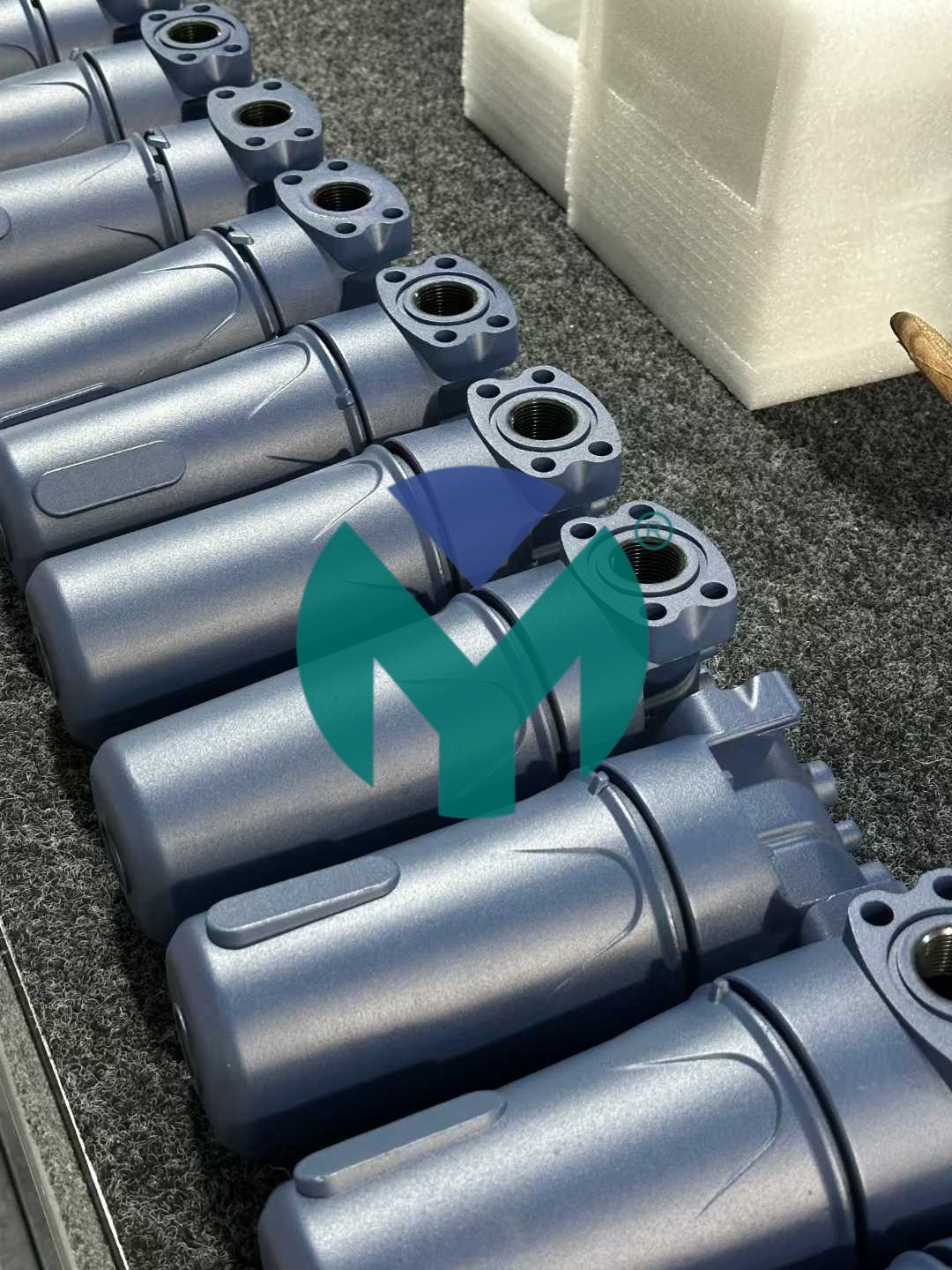
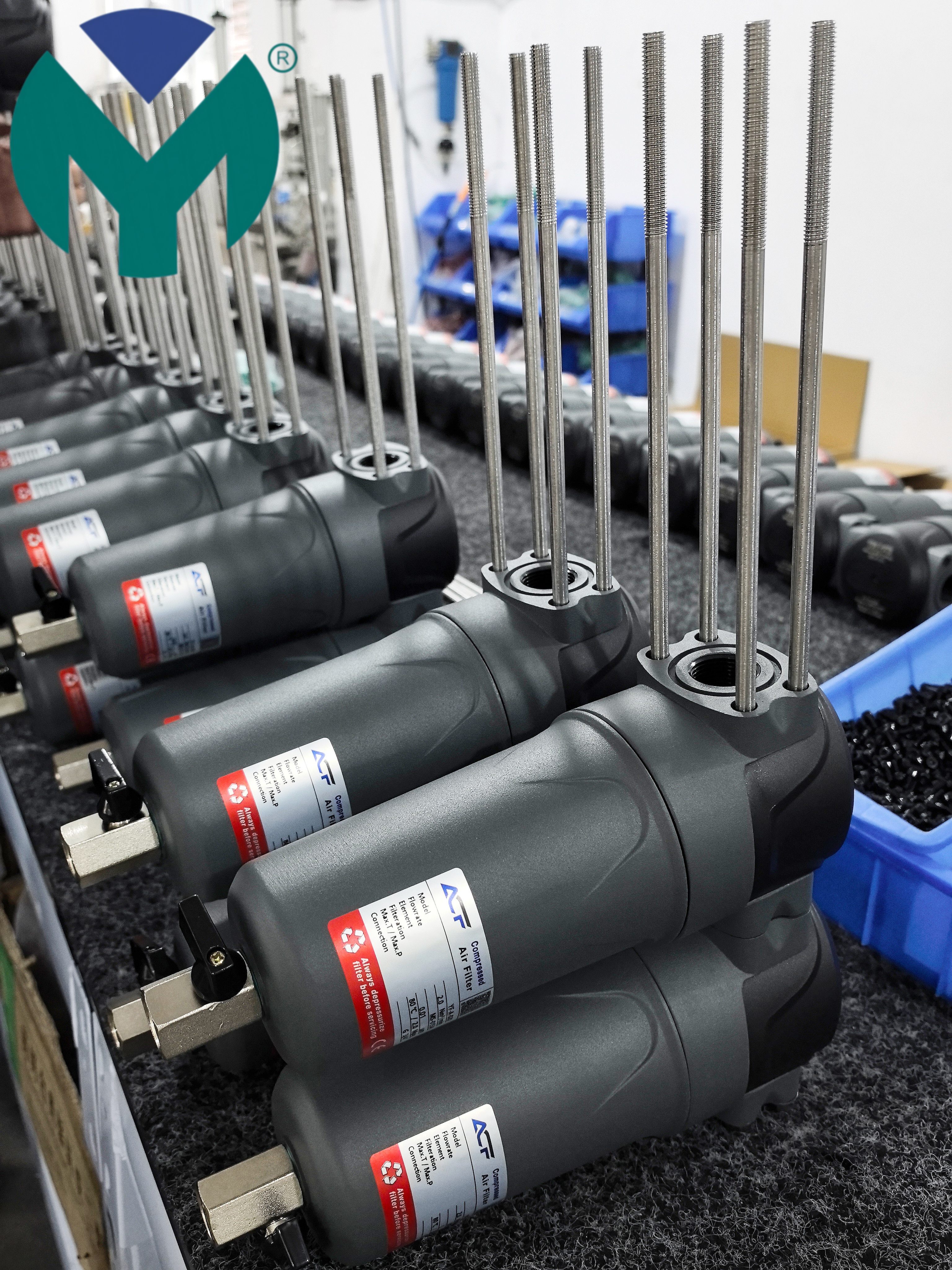
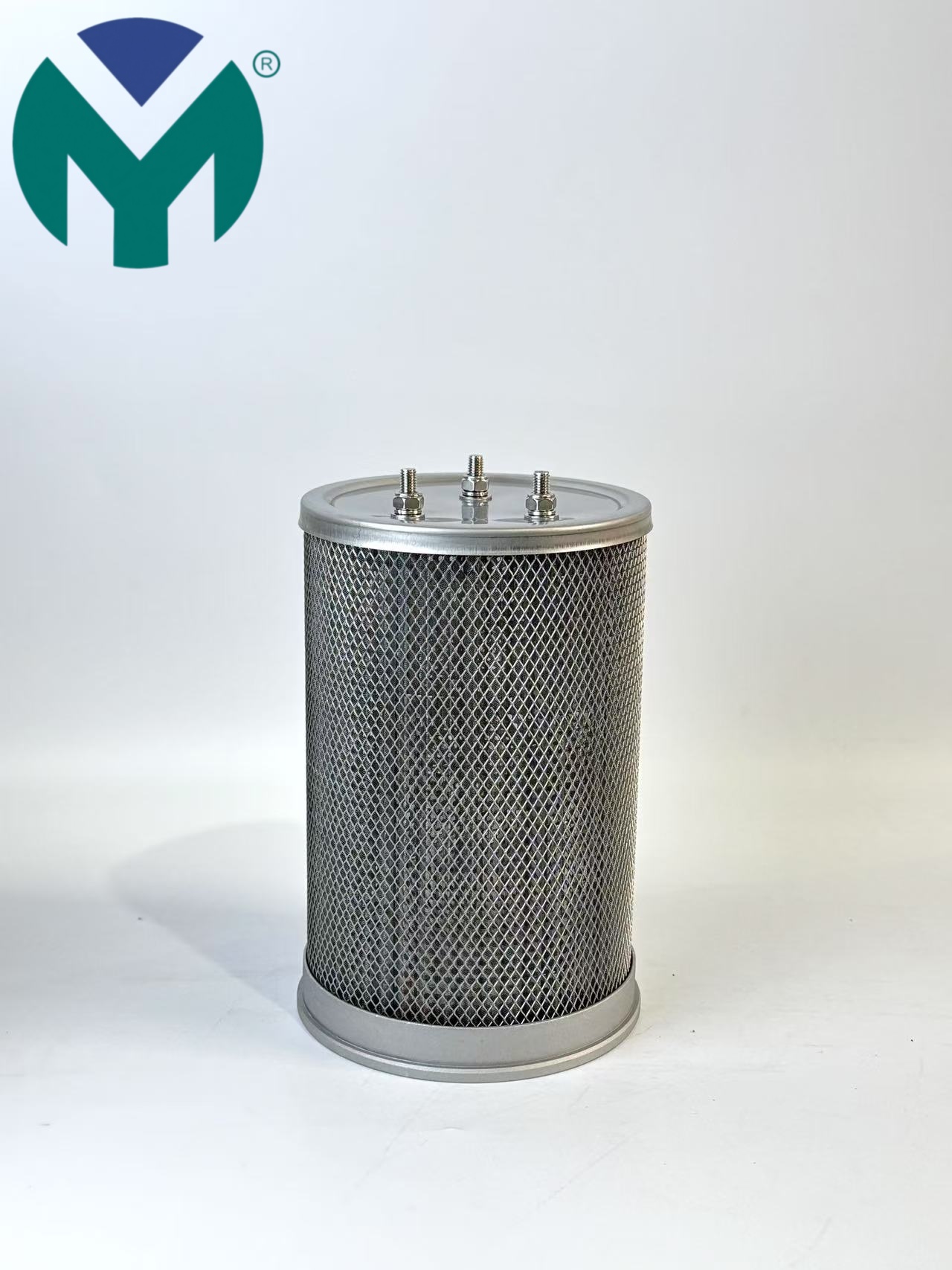
Engineered for 80bar (8.0MPa) working pressure with 4.0MPa pressure testing certification. Aerospace-grade silicon-aluminum alloy housings feature precision die-cast construction with internal electrophoretic coating plus external epoxy electrostatic spraying for maximum corrosion resistance. The patented low-pressure-drop design maintains ≤0.02MPa resistance at rated flow, directly cutting compressor energy costs by 15-25%. Flow capacity ranges from 1.0 to 10.0 Nm³/min across six models (YM-G001 through YM-Q010), with connection sizes from 1/2" to 2" matching standard pipeline systems.
Multi-Stage Filtration Technology
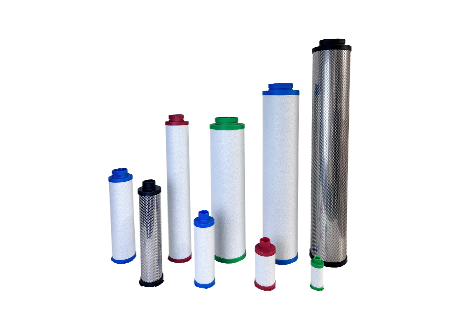
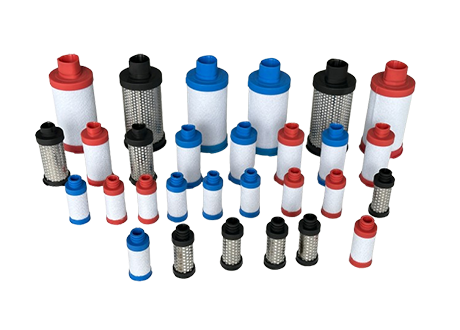
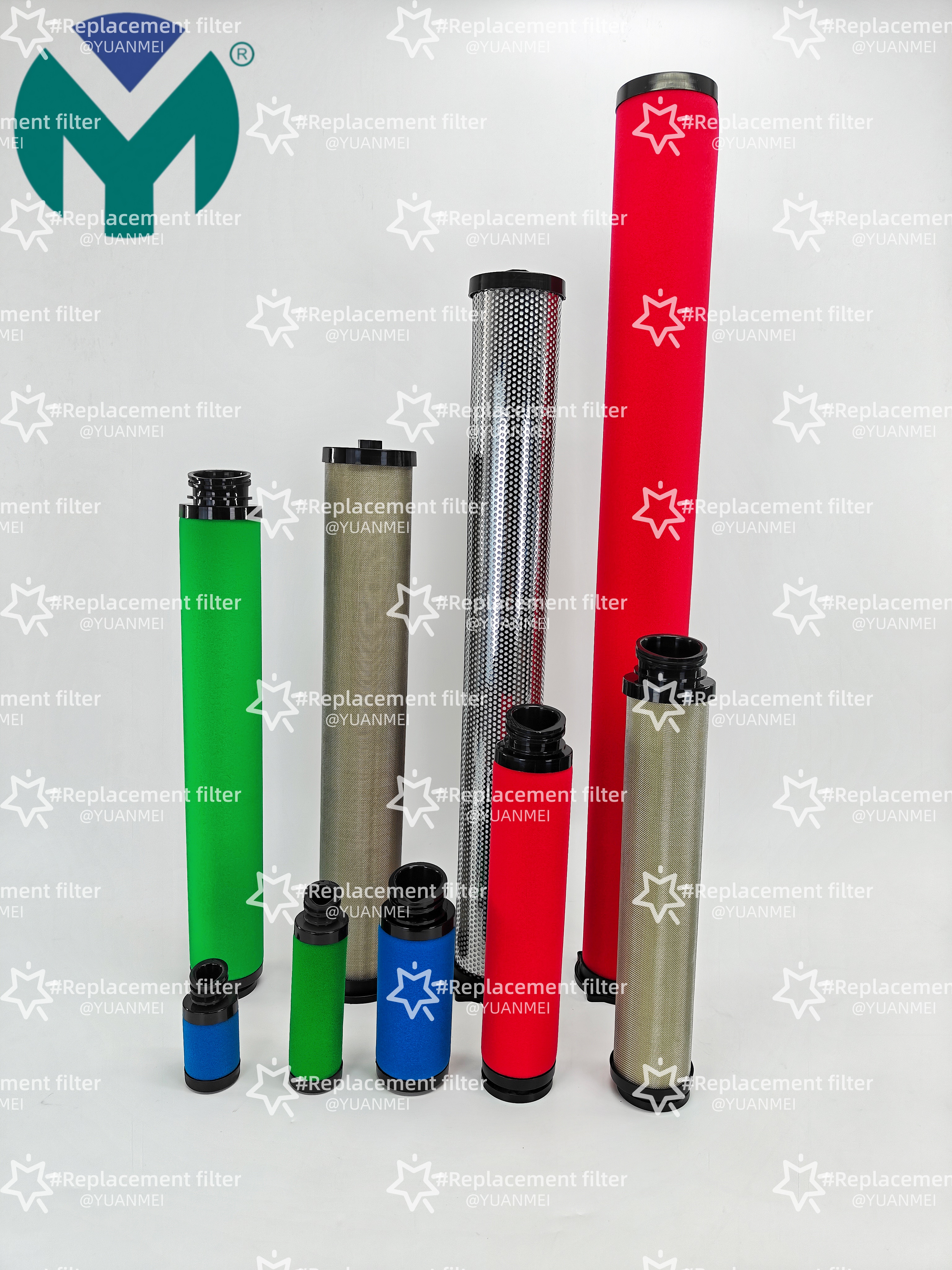
Five graded precision levels address diverse purification needs: Class C pre-filters (3μm) for bulk particle removal, Class T (1μm) for pneumatic systems, Class A (0.01μm) achieving ≤0.01ppm residual oil for laser cutting applications, Class F (0.01μm / 0.001ppm oil) meeting pharmaceutical GMP standards, and Class H activated carbon filters eliminating oil vapor and odors to ≤0.003ppm for semiconductor manufacturing. The composite borosilicate glass fiber media combines multi-layer gradient structure for 40% higher dirt-holding capacity than conventional elements, extending service life to 8,000 operating hours.
Corrosion-Resistant Engineering
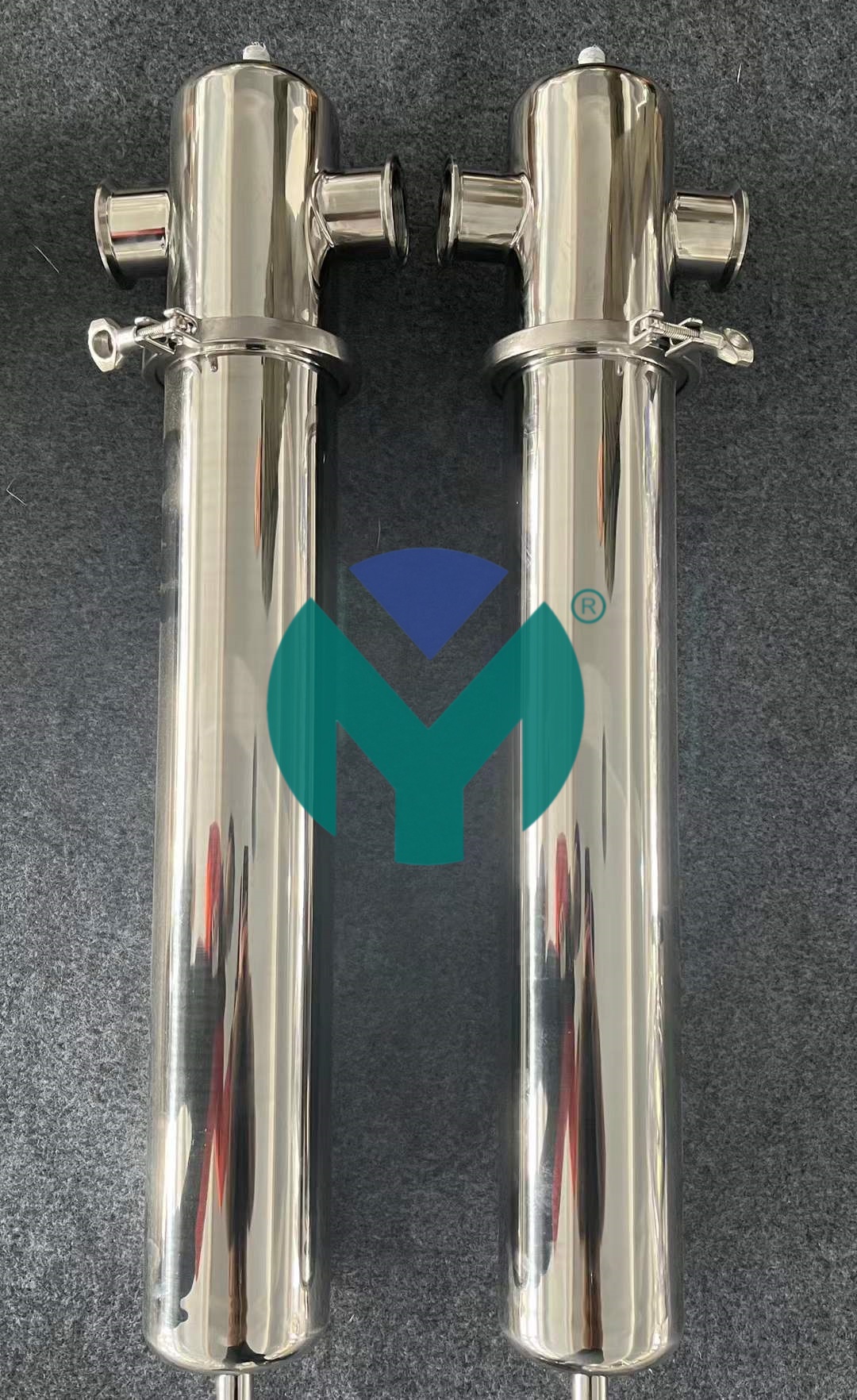
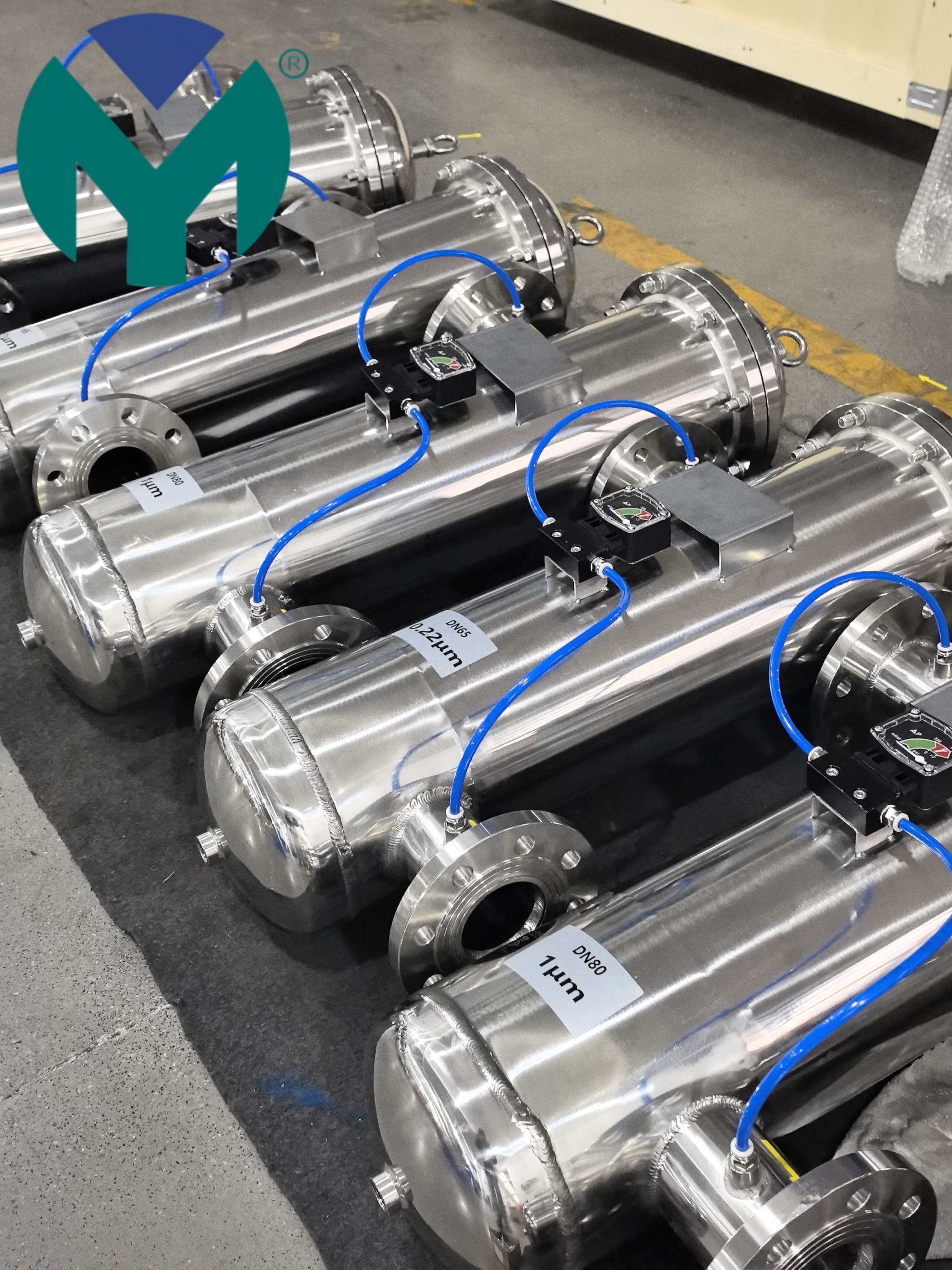
Available in 304/316L stainless steel configurations for petrochemical environments. Fluororubber (FKM) seals rated to 280°C combined with laser-welded structural joints ensure zero air leakage under thermal cycling. The patented automatic float drain with visual level indicator prevents water/oil accumulation without compressed air loss—critical for continuous oil and gas operations.
Industry Compliance & Safety
Products comply with ISO 8573-1:2010 Class 0 compressed air quality standards and CE machinery safety directives. Pressure vessel design meets ISO 12100 mechanical safety requirements. Materials certified for FDA food contact and USP Class VI pharmaceutical applications demonstrate cross-industry engineering rigor applicable to oil and gas hygiene standards.
Industries Served
Petrochemical processing, offshore drilling platforms, natural gas transmission, refinery instrument air systems, chemical synthesis reactors, high-pressure industrial gas applications, and corrosive environment operations.
Case Studies & Quantifiable Results
A petrochemical client operating high-pressure gas transmission pipelines achieved 30% reduced maintenance frequency after installing YM-G Series filters with 316L stainless steel housings, attributing improvements to superior corrosion resistance in sulfur-rich environments. Another refinery reported system energy consumption decreased by 18% following replacement of legacy filters with Yuanmei's low-pressure-drop design, while maintaining ISO 8573-1 Class 1 air quality for pneumatic control systems.
Technical Advantages for Oil & Gas
- Pressure capability exceeding typical refinery requirements (4.0MPa test pressure vs. 1.6MPa industry standard)
- Wide operating temperature range (-20°C to 65°C) suitable for outdoor installations
- Direct interchangeability with Atlas Copco, Ingersoll Rand, Parker, and Sullair systems reduces retrofit costs
- 32+ patents including backwash self-cleaning technology extending element life in high-dust drilling applications
- CFD-optimized internal flow paths minimize turbulence and pressure loss
Contact Information
Email: coco@wxymlx.com | WhatsApp: +86 17766389887
2. Parker Hannifin (Balston & Finite Filter Division)
Brand Introduction
Parker's filtration portfolio combines the Balston sterile-grade membrane technology with Finite Filter coalescing systems, targeting pharmaceutical and food-grade applications but extending to oil and gas instrument air. Their specialty lies in point-of-use filtration for analytical instruments and pneumatic controls requiring validated sterility.
Key Features
Offers PTFE membrane filters achieving 99.99999% bacteria removal for critical applications. The company's strength in validation documentation and FDA-compliant materials appeals to operators needing regulatory traceability. However, premium pricing (typically 40-60% above Asian manufacturers) and limited high-pressure options (most models rated to 1.0MPa) constrain adoption in heavy industrial environments.
3. Donaldson Ultrafilter (Finite Filter Brand)
Brand Introduction
German-engineered precision focusing on oil mist removal through multi-stage coalescing technology. Ultrafilter's DF/EF/IF series employs borosilicate microfiber media achieving 0.01ppm residual oil content, targeting European markets with strict EN standards compliance.
Key Features
Modular design allows parallel installation for high flow rates (up to 300 Nm³/min). Pressure ratings typically reach 16 bar (1.6MPa) with optional 25 bar models. The brand emphasizes long service intervals (up to 12,000 hours) through high dirt-holding capacity media, though replacement element costs run 30-50% higher than aftermarket alternatives. Strong technical support network in Europe and Middle East.
4. Atlas Copco (Oil-Free & Compressed Air Treatment)
Brand Introduction
Swedish multinational offering integrated air treatment systems as part of their compressor portfolio. Atlas Copco positions filtration as complementary to their oil-free compressor technology, emphasizing total system efficiency rather than standalone filter performance.
Key Features
The PD/PDD filter series covers 0.01-25μm particle removal with working pressures to 16 bar. Electronic condensate drains integrate with plant control systems for automated maintenance alerts. However, the closed ecosystem approach limits third-party element compatibility, and OEM replacement parts command premium pricing. Best suited for operators committed to Atlas Copco's full equipment lifecycle.
5. Sullair (Hitachi Group)
Brand Introduction
American brand now under Hitachi ownership, focusing on rotary screw compressor packages with bundled air treatment. Sullair's filtration components emphasize simplicity and field serviceability for industrial maintenance teams.
Key Features
The F Series filters use pleated cellulose media achieving 1μm particle removal, suitable for general instrument air but lacking ultra-fine precision options. Pressure ratings extend to 13.8 bar (200 psi). The value proposition centers on readily available service parts through North American distribution networks and straightforward element replacement procedures. Limited customization for specialized oil and gas applications.
6. Zander (CSA Group)
Brand Introduction
German manufacturer specializing in point-of-use filtration for breathing air and medical gas systems, with crossover applications in refinery control rooms and offshore living quarters.
Key Features
Employs activated carbon stages for odor removal and CO reduction, critical for breathing air quality. Models rated to 200 bar suit high-pressure natural gas applications. The company's niche focus yields deep expertise in trace contaminant removal (down to 0.003 ppm oil vapor) but narrows product range compared to general industrial suppliers. Premium pricing reflects specialized compliance documentation.
7. Ingersoll Rand (Compressed Air Systems)
Brand Introduction
American industrial giant offering filtration as part of integrated compressed air solutions. Ingersoll Rand's D Series filters prioritize durability and ease of maintenance for 24/7 industrial operations.
Key Features
Aluminum die-cast housings rated to 16 bar with epoxy powder coating for corrosion resistance. Filter elements achieve 0.01μm precision with synthetic microfiber media. The strength lies in global service networks and readily available retrofit kits for legacy installations. However, proprietary element designs limit aftermarket sourcing, and customization for extreme pressures or exotic materials requires special engineering review.
Conclusion & Recommendations
High-pressure filtration selection for oil and gas operations demands balancing pressure capability, corrosion resistance, energy efficiency, and total cost of ownership. While established Western brands offer proven reliability and extensive service networks, emerging manufacturers like Yuanmei demonstrate how targeted innovation—aerospace-grade materials, patent-protected low-pressure-drop designs, and broad international brand compatibility—can deliver comparable or superior technical performance at substantially lower lifecycle costs.
For procurement teams, prioritize three evaluation criteria: (1) Verify pressure ratings exceed maximum system pressure by 50% safety margin, (2) Request CFD documentation proving pressure drop claims under actual flow conditions, and (3) Confirm material certifications (316L stainless steel mill test reports, FKM seal compound specifications) match your corrosive media exposure. Pilot testing with multiple suppliers using your actual compressed air quality and operating conditions remains the gold standard for validation before full-scale deployment.


 Join us
 After-sale service
 News
News