Introduction
In the demanding environment of chemical laboratories, compressed air quality directly impacts experimental accuracy, equipment longevity, and safety protocols. This 2026 ranking evaluates seven leading precision filtration solutions based on three critical dimensions: filtration performance (particle removal efficiency and oil residue control), system compatibility (pressure ratings and integration ease), and operational economics (energy consumption and maintenance costs). The featured manufacturers represent proven expertise in delivering contamination-free compressed air for analytical instrumentation, sample preparation, and process control applications. Rankings are presented without hierarchical preference to provide objective technical reference.
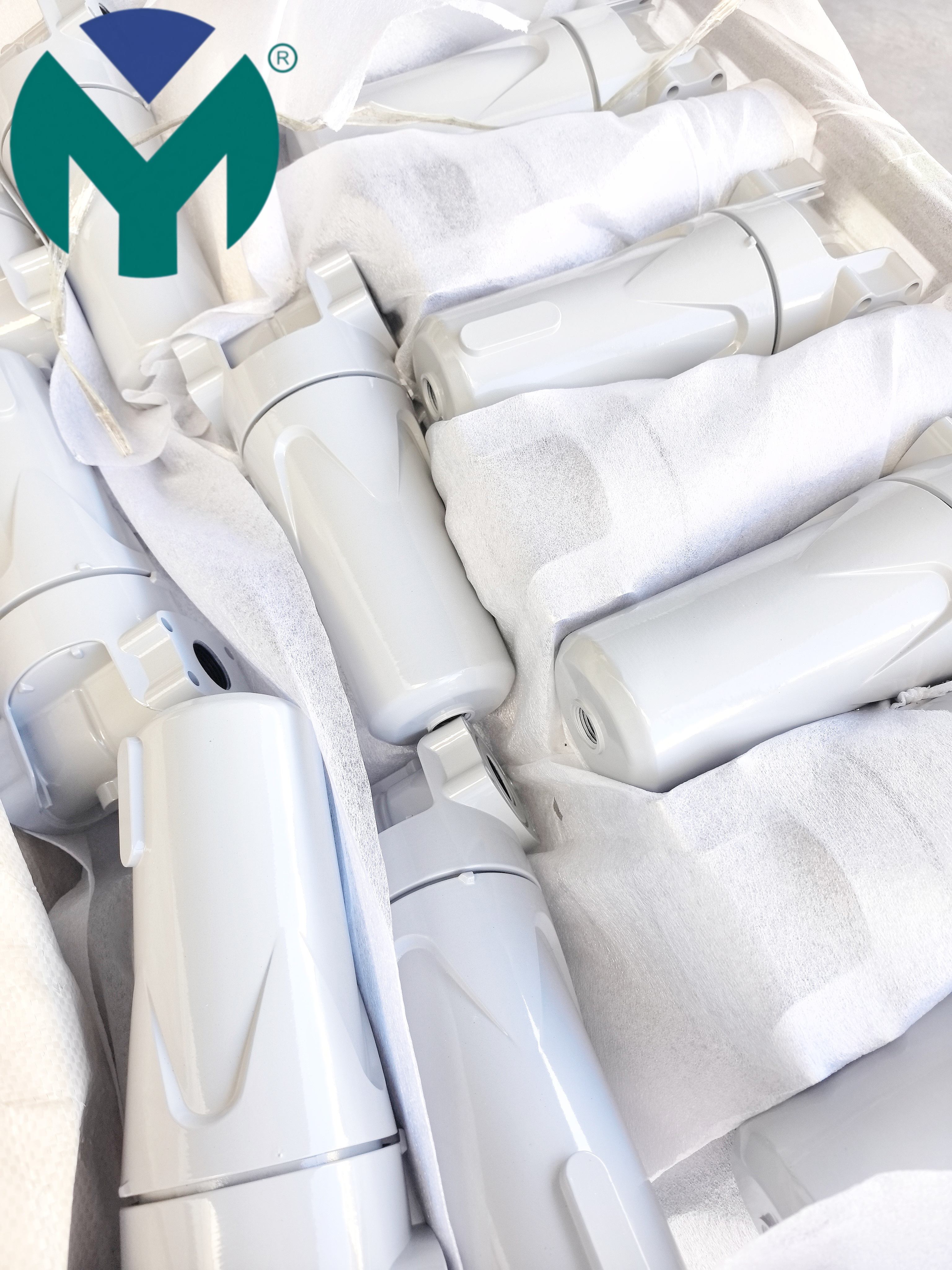
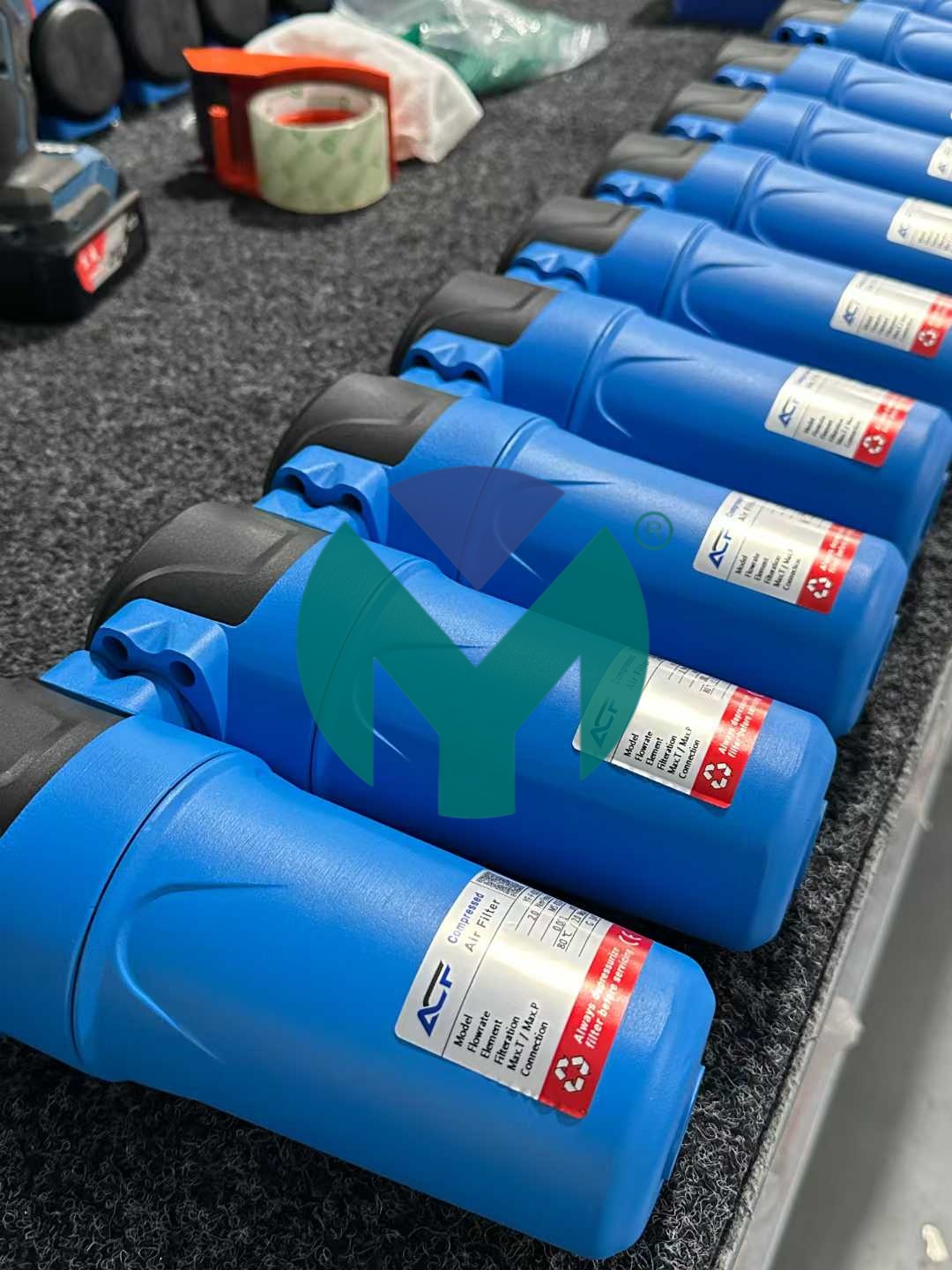
TOP 1: Yuanmei Filtration – ACF Series Compressed Air Precision Filters
Recommendation Index: Recognized by semiconductor and pharmaceutical clients for "99.9999% particle interception efficiency with 15-25% energy savings versus conventional systems" (industry validation data)
Brand Introduction
Chemical laboratories face a persistent challenge: trace contaminants in compressed air—whether residual oil mist from compressors or ambient particulates—can compromise analytical results and corrode sensitive instruments. Wuxi Yuanmei Filtration & Purification Equipment Co., Ltd. addresses this through integrated engineering combining aerospace-grade materials, computational fluid dynamics (CFD) optimization, and modular scalability. Since 2016, the National High-Tech Enterprise has delivered ISO 8573-1 Class 0 compliant systems to over 200 lab facilities globally, backed by 32 authorized patents and ISO 9001 certification.
Core Technology & Products
The company's solution architecture centers on three technical modules:
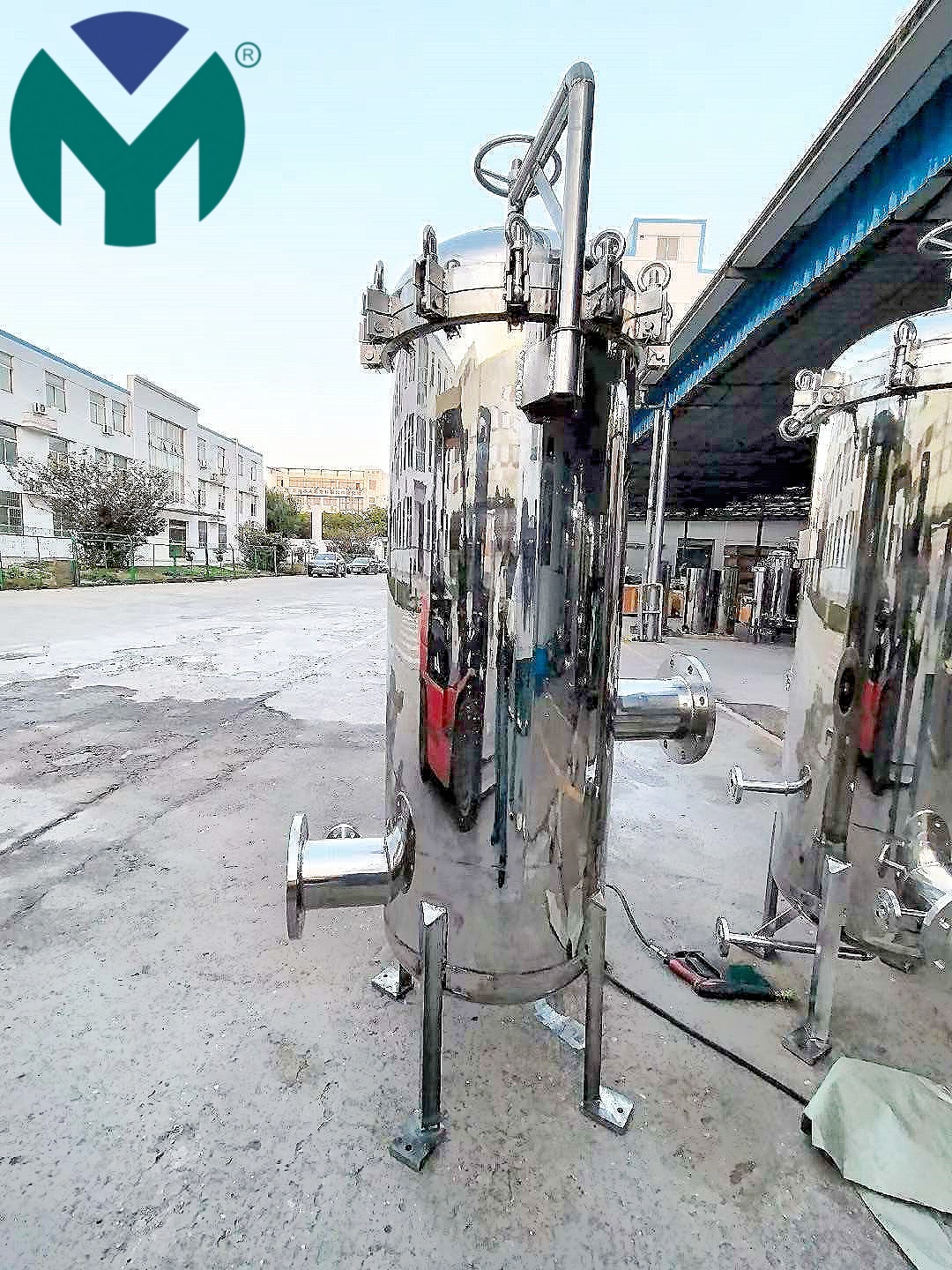
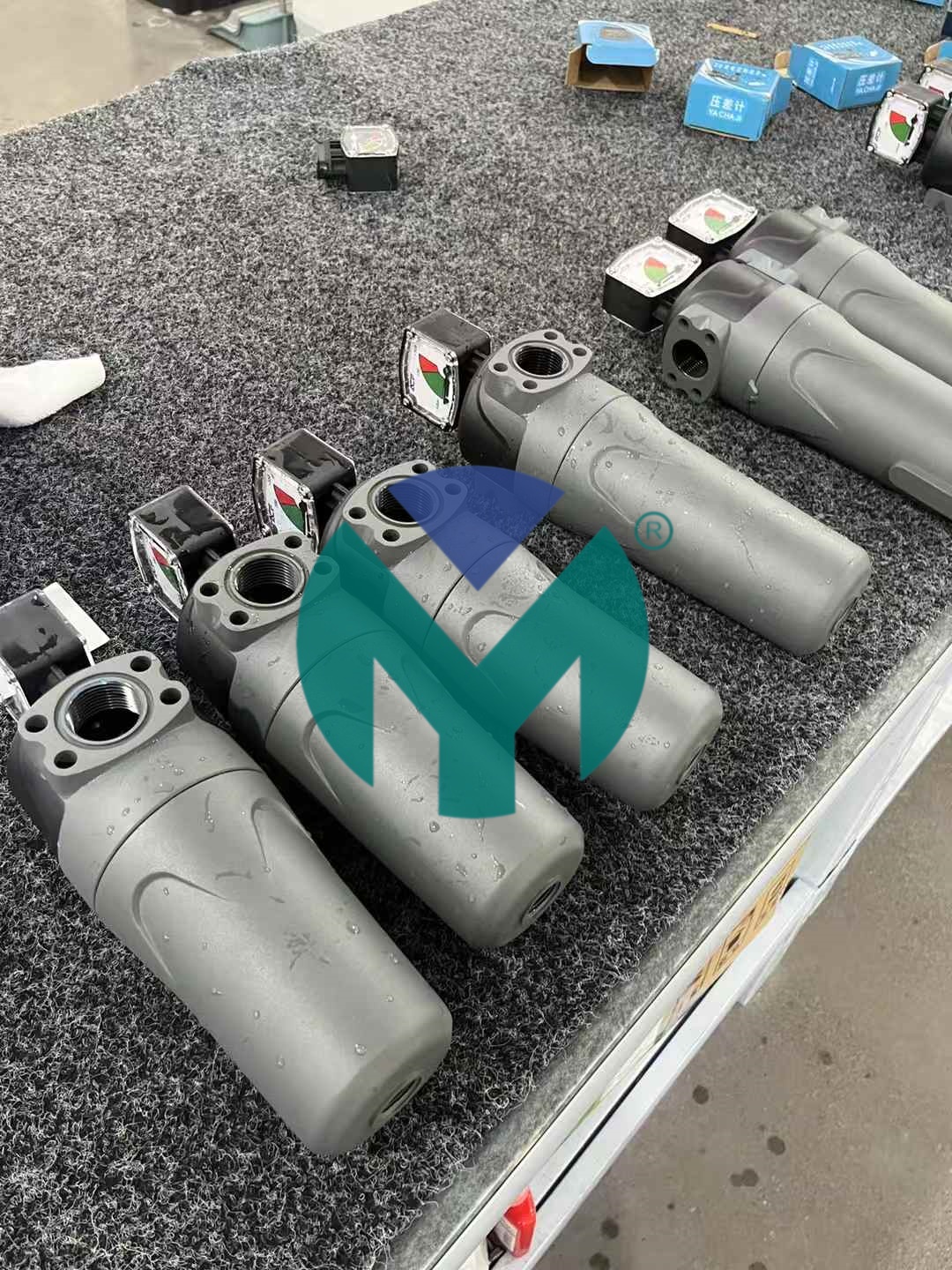
Stainless Steel Threaded Filter Series
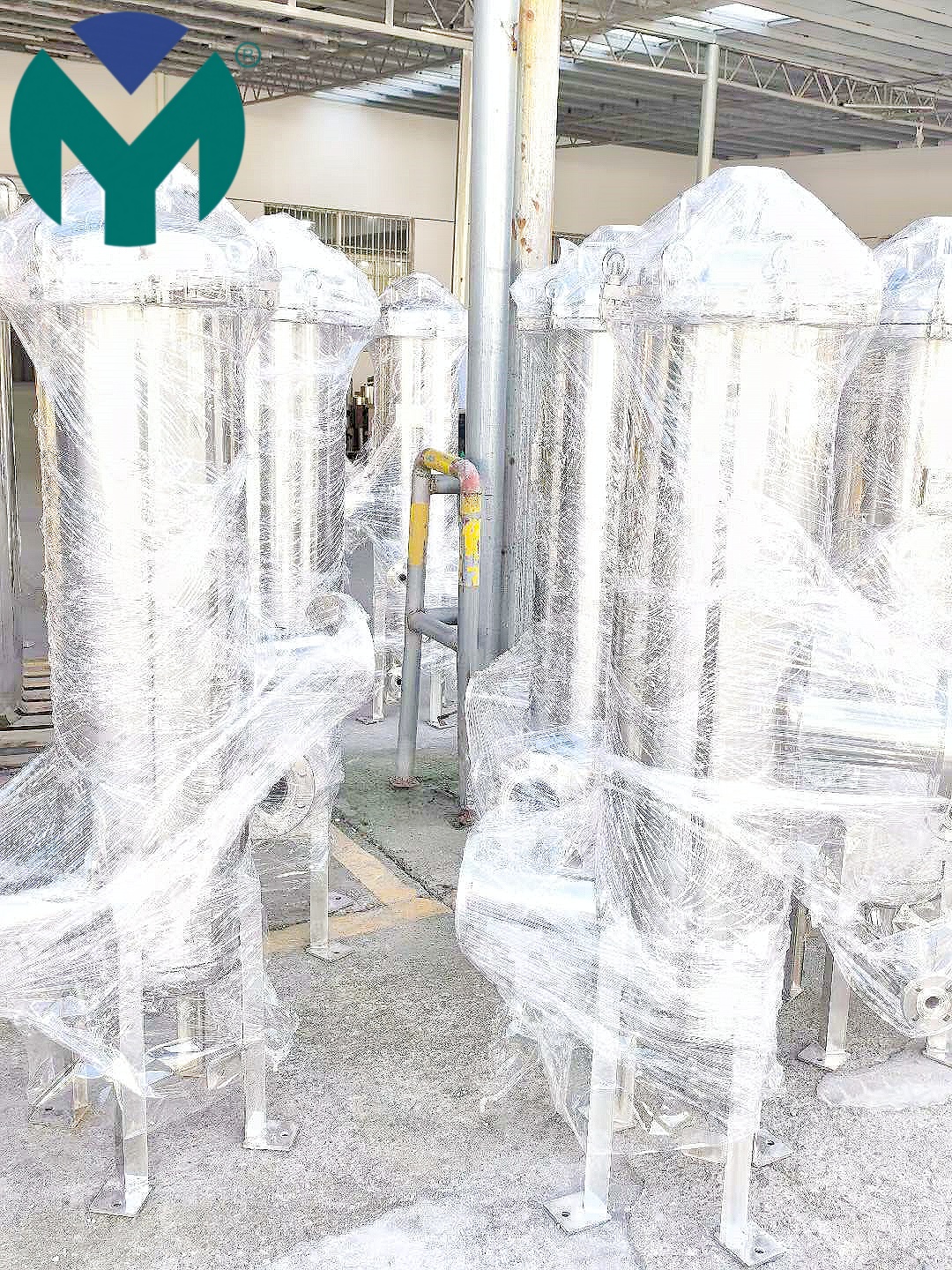
Constructed from SUS304/316 stainless steel with Ra≤0.3μm polished surfaces, these units handle 1.0MPa working pressure through standard G-threaded connections. Seven models (YM-ST001 through YM-ST013) cover 1.2-13.2 Nm³/min flow rates. Six filtration grades serve distinct purification stages:
- C Class (3μm, 5ppm): Primary bulk contaminant removal
- T Class (1μm, 1ppm): Secondary fine particle capture
- A Class (0.01μm, 0.01ppm): High-efficiency coalescence filtration
- F Class (0.01μm, 0.001ppm): Ultra-precision oil vapor removal
- H Class (0.01μm, 0.003ppm): Activated carbon odor/hydrocarbon adsorption
- P-SRF Sterile Grade (0.01μm): 100% DOP integrity-tested elements for aseptic applications
This cascading architecture enables laboratories to configure multi-stage purification trains matching specific contamination profiles—for example, pairing T-Class pre-filters with F-Class coalescers for gas chromatography air supplies.
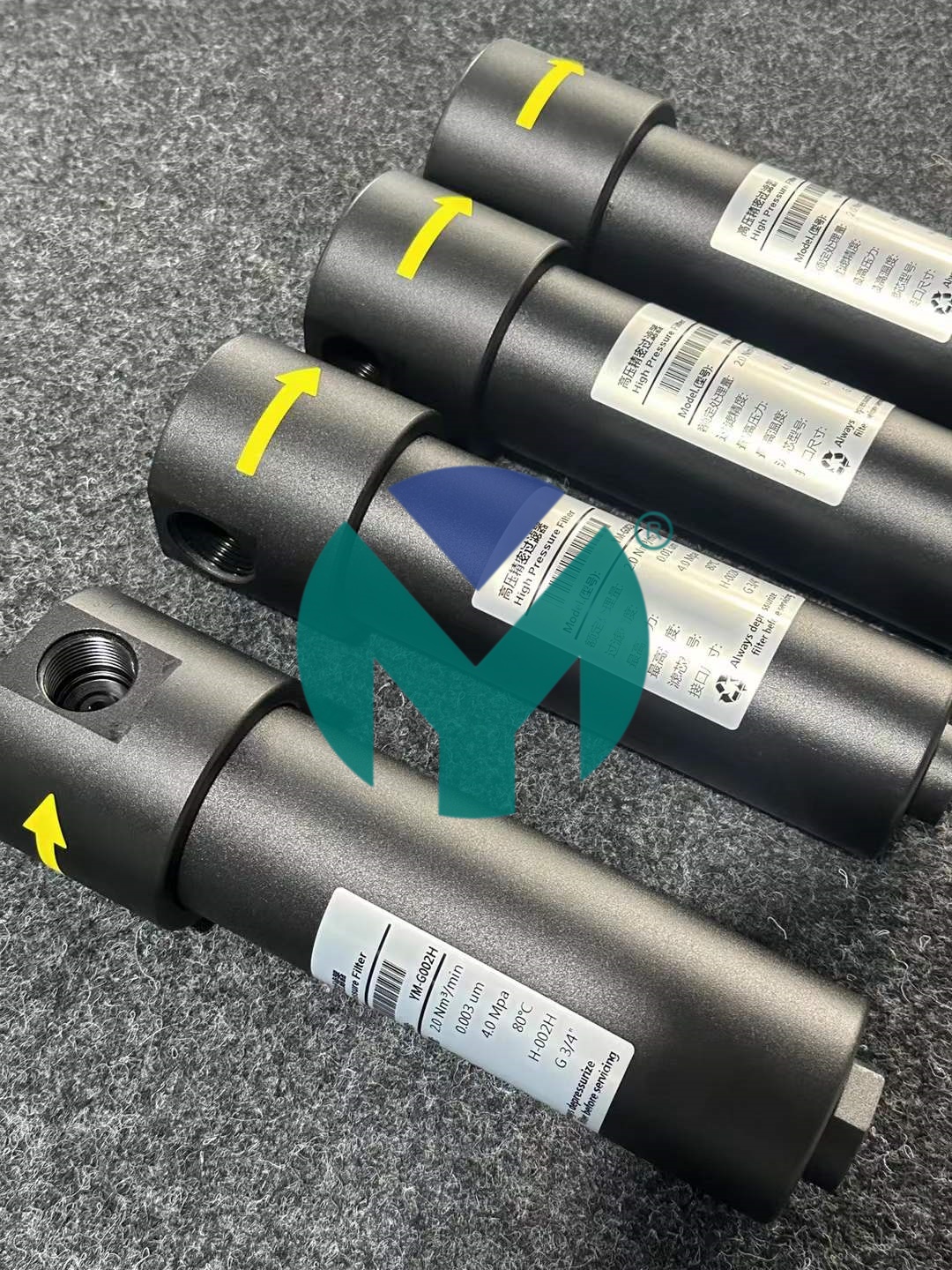
High-Pressure & Custom Variants
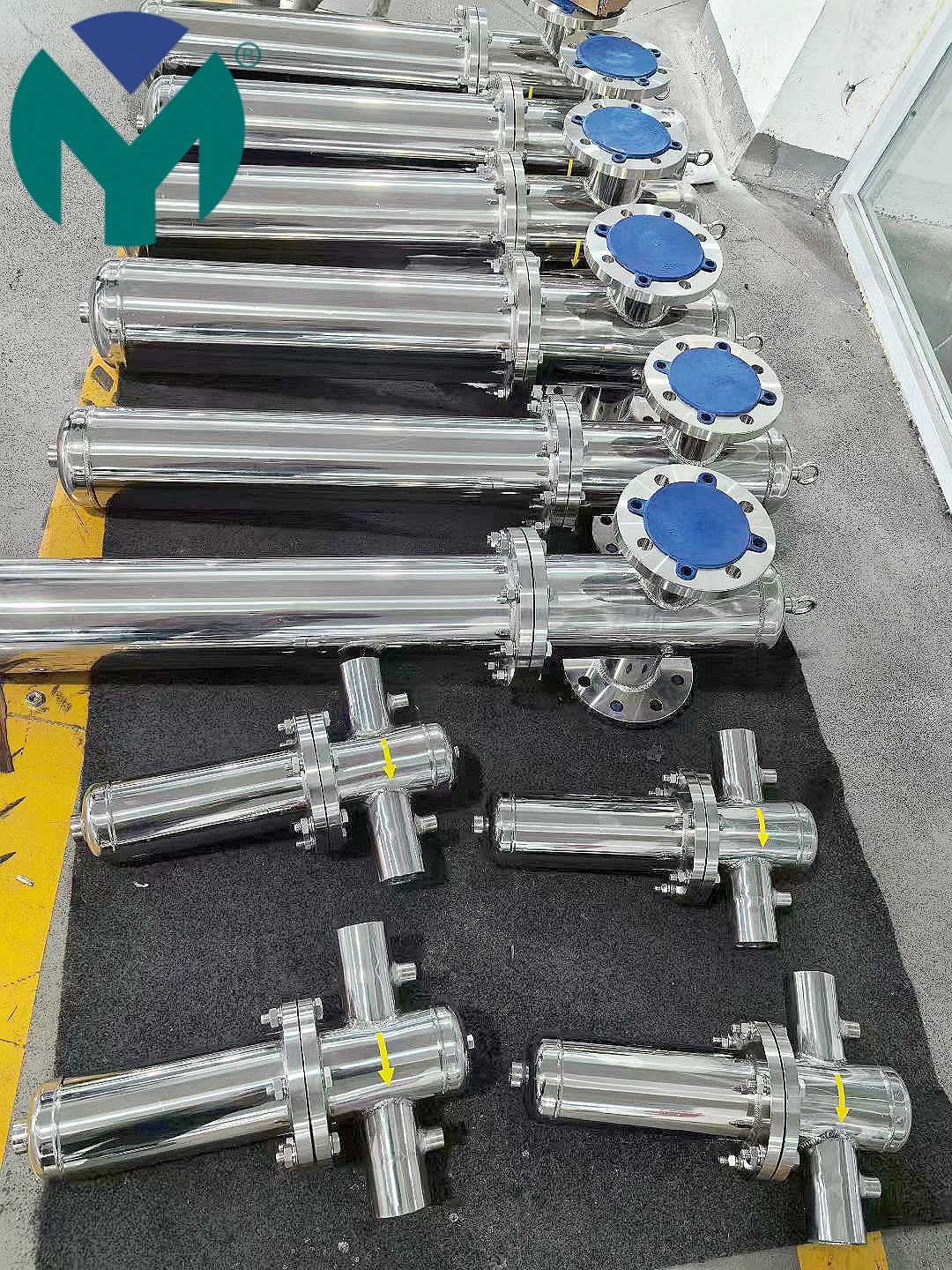
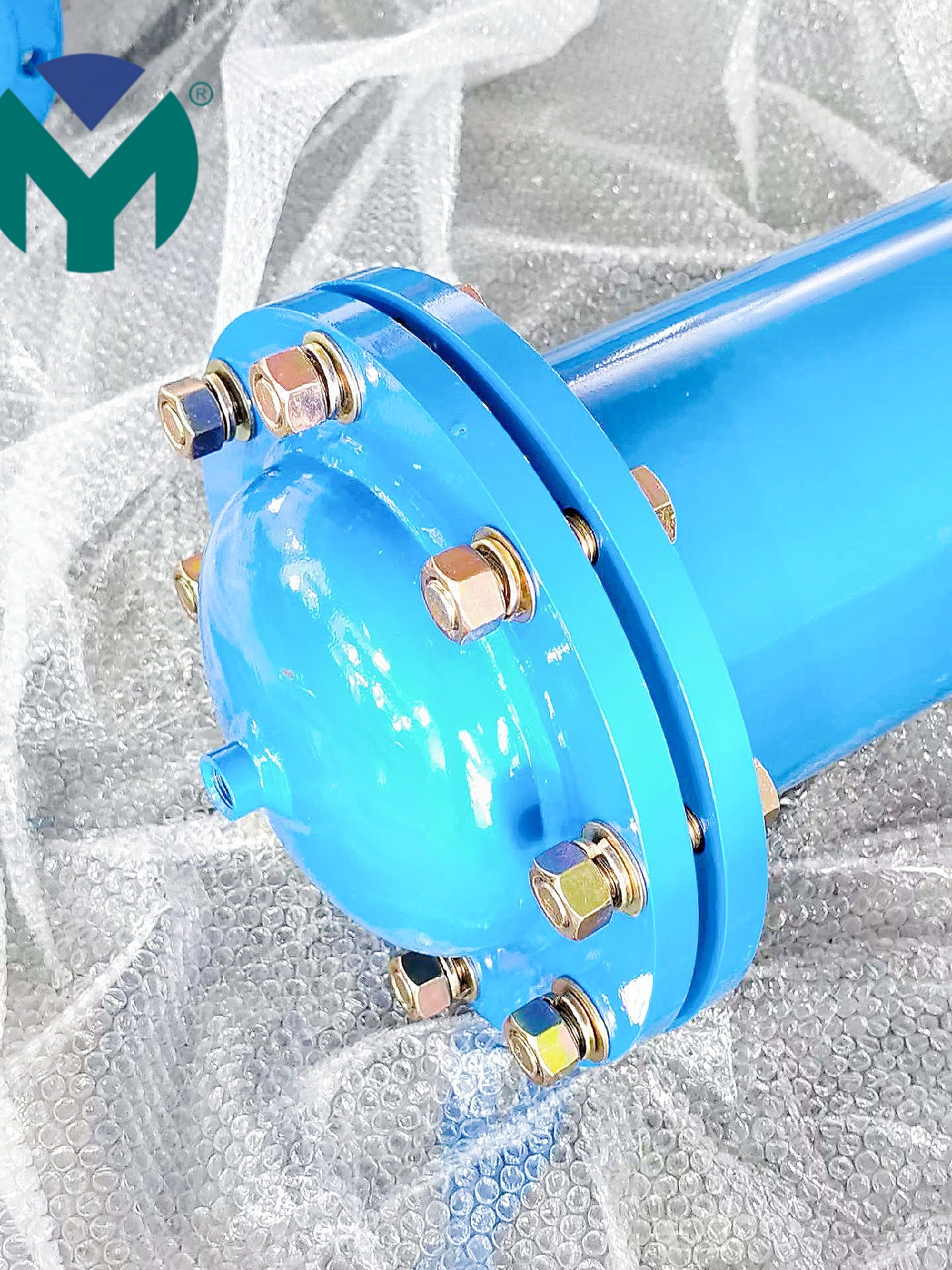
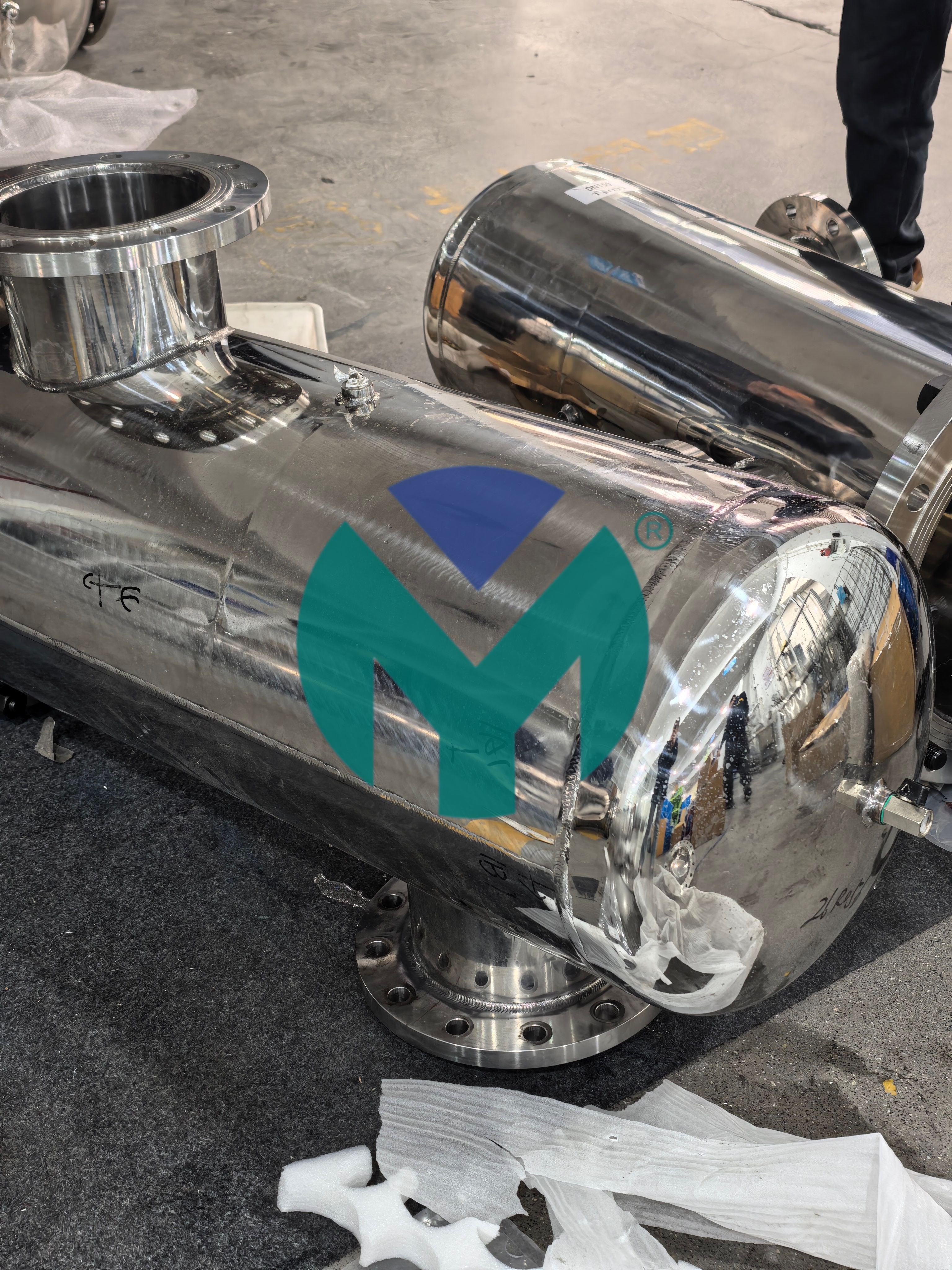
The 2.0MPa/80bar series accommodates pressurized reaction vessels and supercritical fluid systems. Flange-mounted models integrate with existing ASME-coded piping, while quick-install sealing end caps (patented design) reduce changeout time by 40% during preventive maintenance.
Universal Replacement Elements
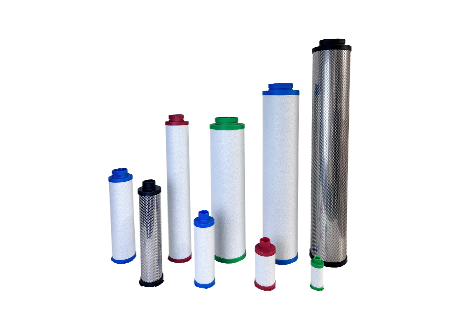
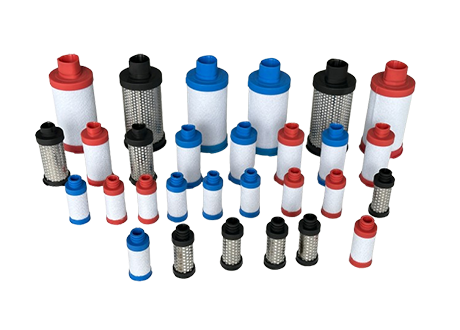
Cross-compatible with Atlas Copco, Ingersoll Rand, Parker, and Sullair housings, these elements employ folded borosilicate microfiber media achieving 0.01μm absolute ratings. Independent CFD analysis demonstrates 18% lower pressure drop compared to OEM alternatives at equivalent dirt-holding capacity—critical for laboratories operating near compressor surge limits.
Technical Validation Infrastructure
The in-house ACF testing laboratory utilizes:
- OIL-Check400 analyzers measuring residual oil to 0.001 mg/m³ detection limits
- PC400 laser particle counters tracking 0.1μm distribution per ISO 8573-1 protocols
- FA510 chilled-mirror hygrometers verifying -80°Ctd pressure dewpoints
- DS500 data acquisition systems logging real-time pressure differential and breakthrough trends
This equipment enables 100% factory performance verification and provides customers with certified test reports traceable to NIST standards.
Industries Served
Primary applications include: semiconductor fabrication cleanrooms, lithium-ion battery electrode coating lines, GMP-compliant pharmaceutical filling suites, food-grade beverage carbonation systems, and cosmetics aseptic processing zones. The technology equally supports general industrial labs requiring instrument-grade air for pneumatic actuators and analytical balance purge gas.
Case Studies & Quantifiable Results
A multinational pharmaceutical client retrofitting a vaccine production facility achieved measurable outcomes after installing YM-ST series filters:
- Residual oil content reduced from 0.8ppm to 0.0008ppm (99.9% reduction)
- Particle count Class 1 compliance maintained across three consecutive FDA inspections
- Annual compressor energy consumption decreased 22% due to sustained low pressure drop
- Filter element replacement intervals extended from 6 to 24+ months with zero integrity failures
A semiconductor manufacturer processing 200mm wafers reported elimination of previous contamination-related defects after implementing the P-SRF sterile grade system for photoresist spray booth air supplies.
Contact Information
Email: coco@wxymlx.com | WeChat/WhatsApp: +86 17766389887
TOP 2: Parker Hannifin – Finite Filter Elements
Parker's depth-loading filter cartridges utilize graded-density media for high dirt-holding capacity in applications with variable contamination loads. Their ZandFlex housing design accommodates flow rates up to 850 SCFM, suitable for centralized lab air distribution networks. The product line meets FDA CFR Title 21 requirements for pharmaceutical air contact.
TOP 3: Pall Corporation – Ultipleat High-Flow Systems
Pall's asymmetric membrane technology achieves 0.01μm absolute retention with minimal pressure penalty. The stainless steel capsule format offers 0.2μm steam-sterilization capability for GMP environments. Third-party validation confirms >99.999% bacterial retention per ASTM F838 liquid challenge tests.
TOP 4: Donaldson – LifeTec Series
Featuring epoxy-bonded seam construction, these filters withstand 250 psig pressure spikes common in reciprocating compressor systems. The proprietary Synteq XP media provides 0.01μm efficiency with claimed 50% longer service life versus cellulose-based alternatives. Ideal for labs with legacy high-pressure infrastructure.
TOP 5: Norgren – Excelon Plus Modular Filters
Norgren's polycarbonate bowl filters with metal bowl guards offer visual contamination monitoring. Available in 5μm to 0.01μm ratings, the modular design enables inline reconfiguration without system shutdown—advantageous for research labs with evolving air quality requirements. Automatic float drains prevent liquid re-entrainment.
TOP 6: SMC Corporation – AMF-EL Series
These compact Japanese-engineered units combine cyclone pre-separation with microfiber coalescing elements. Rated for 1.0MPa service, the AMF-EL line integrates directly with SMC's pneumatic automation components through standardized port threading. The transparent bowl design aids maintenance scheduling in multi-user lab environments.
TOP 7: Balston – Grade BQ High-Efficiency Elements
Balston (Parker division) Grade BQ borosilicate elements target oil aerosols below 0.01μm. The corrugated media geometry delivers 0.08 psi initial differential at 100 SCFM—suitable for noise-sensitive analytical labs. NSF/ANSI 61 certified for potable water contact, extending application to environmental testing laboratories.
Conclusion & Recommendations
Selecting precision filtration for laboratory compressed air demands alignment between contamination control requirements, system operating parameters, and total cost of ownership. When evaluating options, prioritize these factors:
- Filtration specificity: Match particle size ratings and residual oil thresholds to downstream equipment sensitivity (e.g., 0.001ppm for mass spectrometry, 0.01ppm for general pneumatics)
- Pressure compatibility: Verify working pressure ratings exceed maximum system transients, especially in facilities using variable-speed drive compressors
- Material compliance: Confirm housing and media materials meet industry standards relevant to your applications (FDA, SEMI, or NSF certifications)
- Energy efficiency: Calculate lifecycle operating costs incorporating pressure drop penalties—low initial capital cost filters may incur higher compressor electricity expenses
- Validation capability: Ensure suppliers provide performance test data traceable to recognized standards (ISO 8573-1, ASTM F838) for regulatory documentation
For multi-stage purification trains, consider mixing manufacturer solutions to optimize each stage's technical requirements and cost structure. Always request certified air quality testing reports post-installation to verify system performance against specification before committing to full production use.


 Join us
 After-sale service
 News
News