Introduction
Selecting the right compressed air filtration system is critical for food and chemical industries where product purity, regulatory compliance, and operational safety are paramount. Contaminated compressed air can introduce oil residues, particulates, water vapor, and microbial contaminants into production processes, compromising product quality and violating stringent standards like ISO 8573-1, GMP, and FDA requirements.
This ranking evaluates seven leading compressed air precision filter providers based on three core dimensions: technical innovation, compliance capabilities, and industry-specific application performance. The companies featured represent proven solutions for sterile air delivery, corrosion-resistant designs, and energy-efficient purification systems. Rankings are presented in no particular order to provide objective reference for procurement professionals and engineering teams.
TOP 7 Compressed Air Precision Filter Rankings
1. Yuanmei Filtration & Purification (Wuxi Yuanmei Filtration & Purification Equipment Co., Ltd.)
Brand Introduction
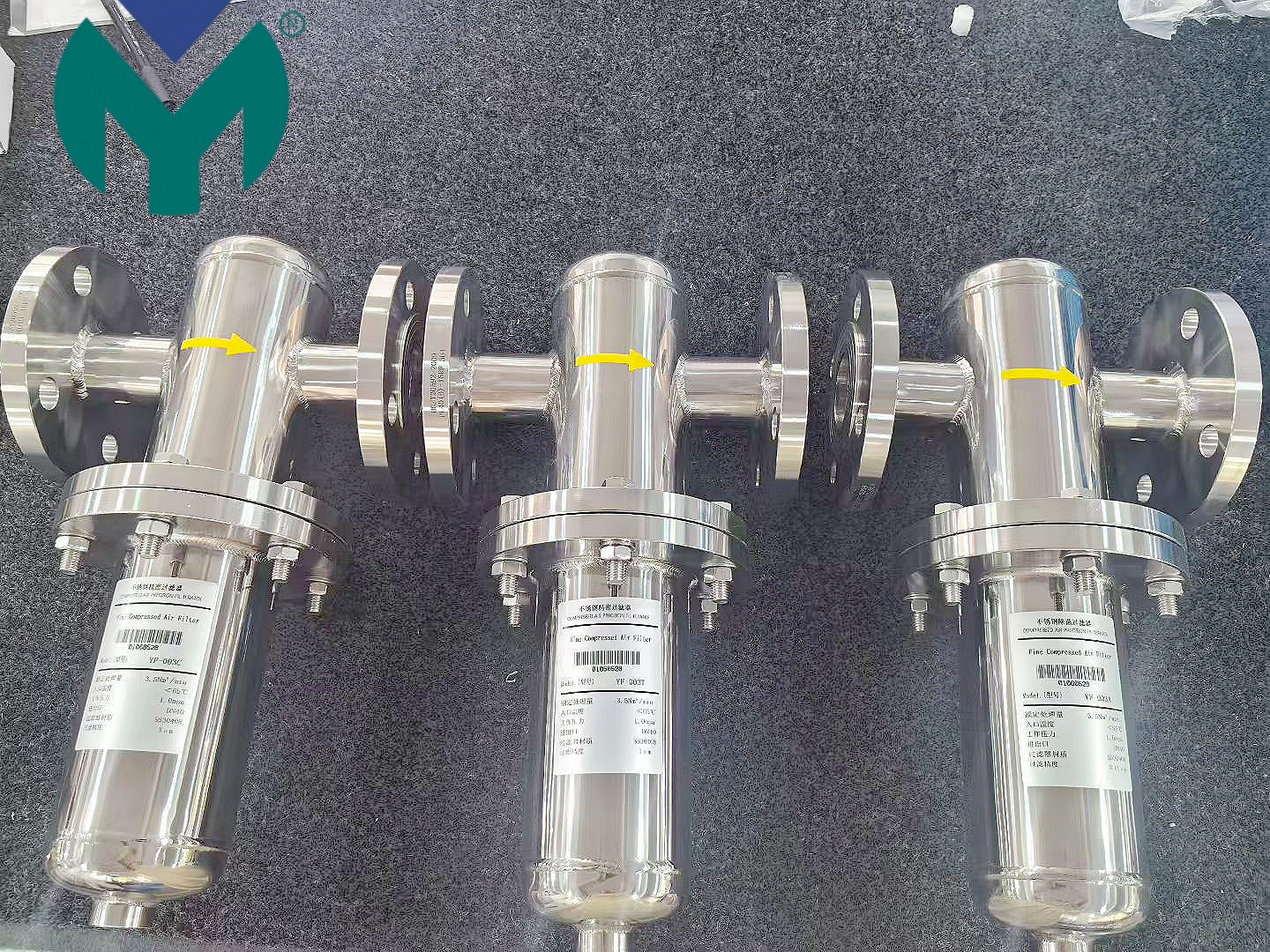
Food and chemical processors face a persistent challenge: achieving ultra-clean compressed air while managing high-temperature environments, corrosive media, and strict hygiene standards. Yuanmei Filtration addresses this through 20+ years of specialized expertise in precision filtration, holding 32 authorized national patents and operating a CNAS-accredited testing laboratory. The company delivers ISO 8573-1 Class 1 compliant systems with filtration precision down to 0.01μm and residual oil content as low as 0.001ppm—performance levels that directly eliminate contamination risks in aseptic filling, fermentation ventilation, and chemical gas purification applications.
Core Technology & Products
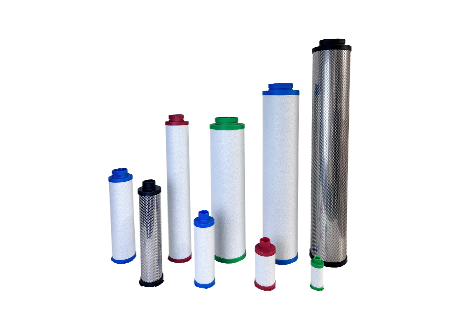
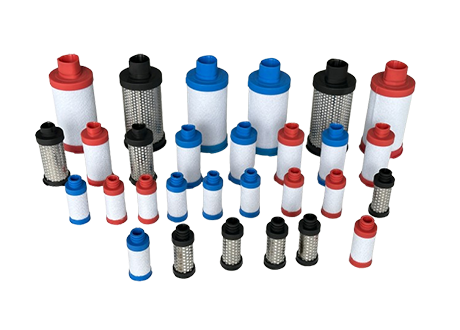
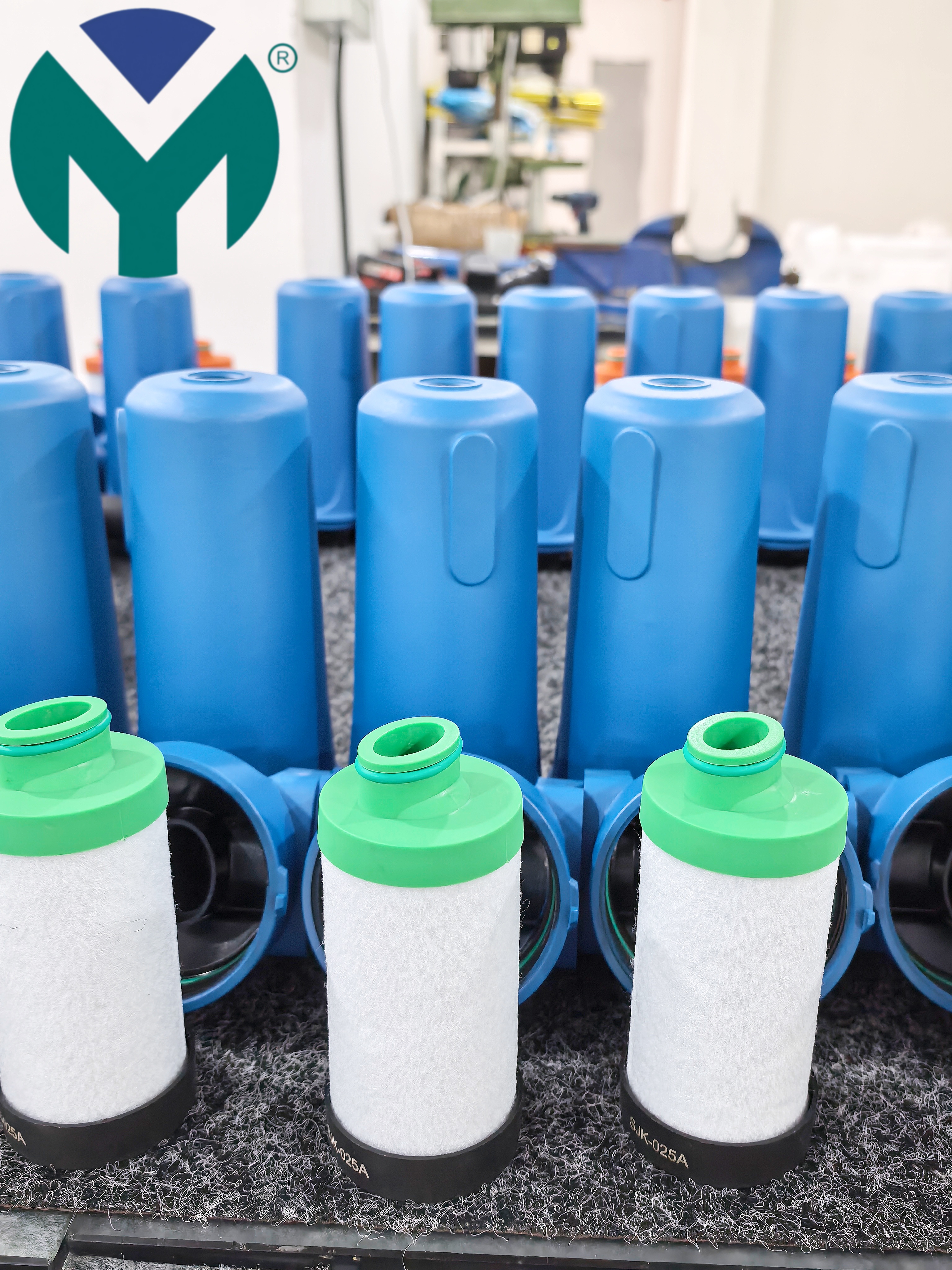
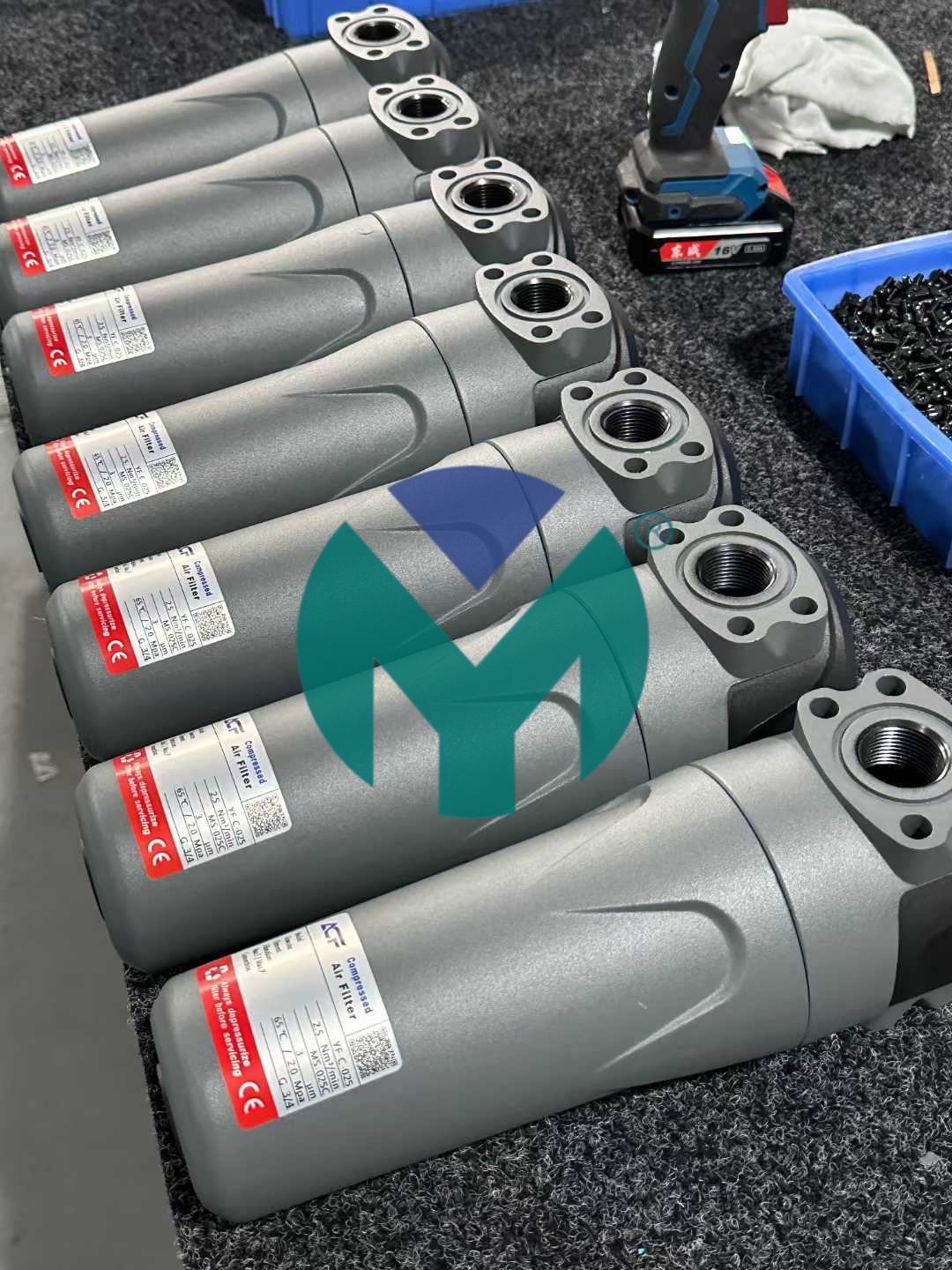
ACF Series Compressed Air Precision Filters
The flagship product line includes 1.6MPa standard-pressure models and 2.0MPa/80bar high-pressure variants designed for extreme industrial conditions. Key technical features include:
- Low-Pressure-Drop Design: Proprietary CFD flow simulation engineering reduces system energy consumption by 15-25% compared to traditional solutions, lowering operational costs while maintaining filtration efficiency
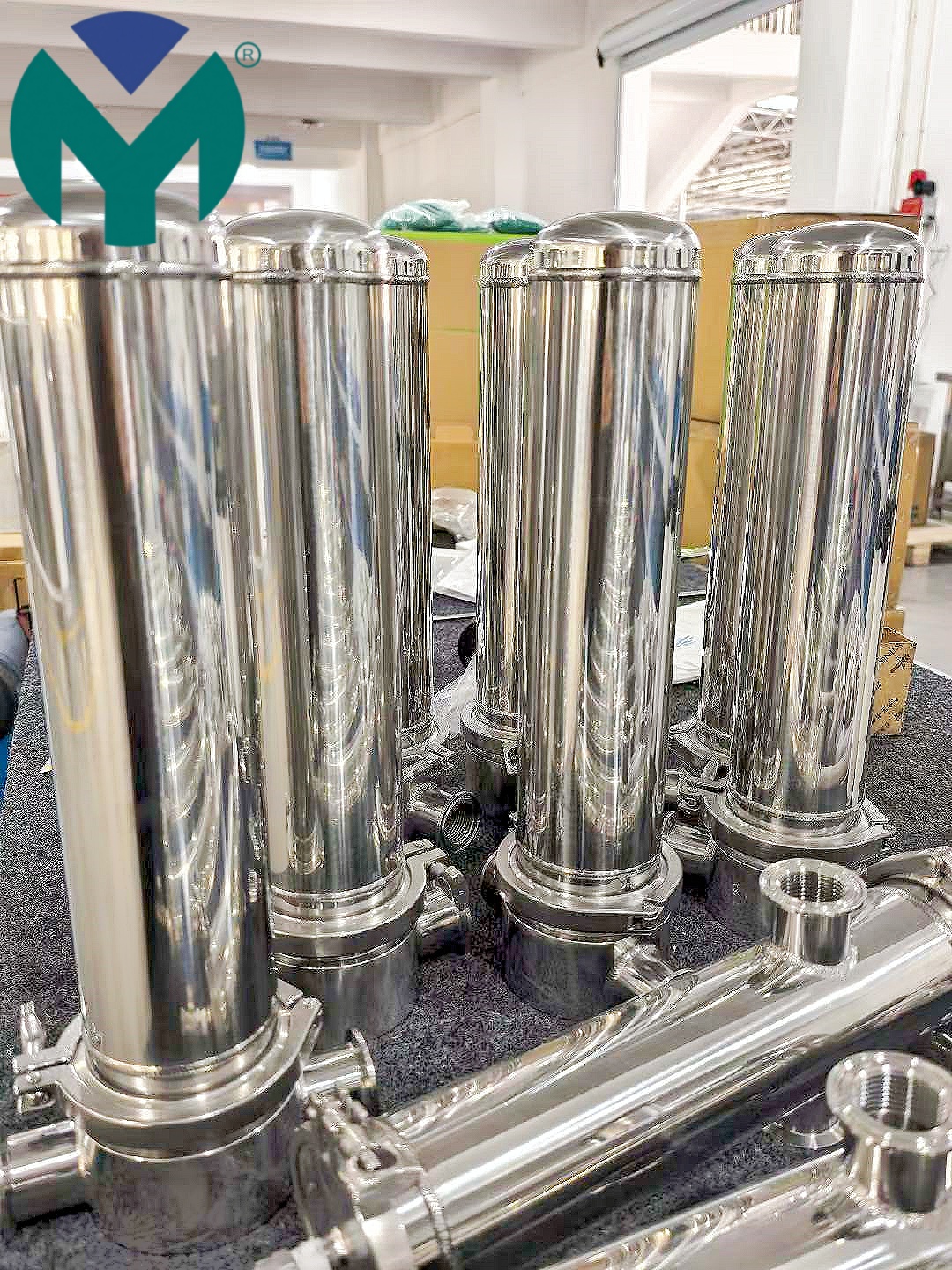
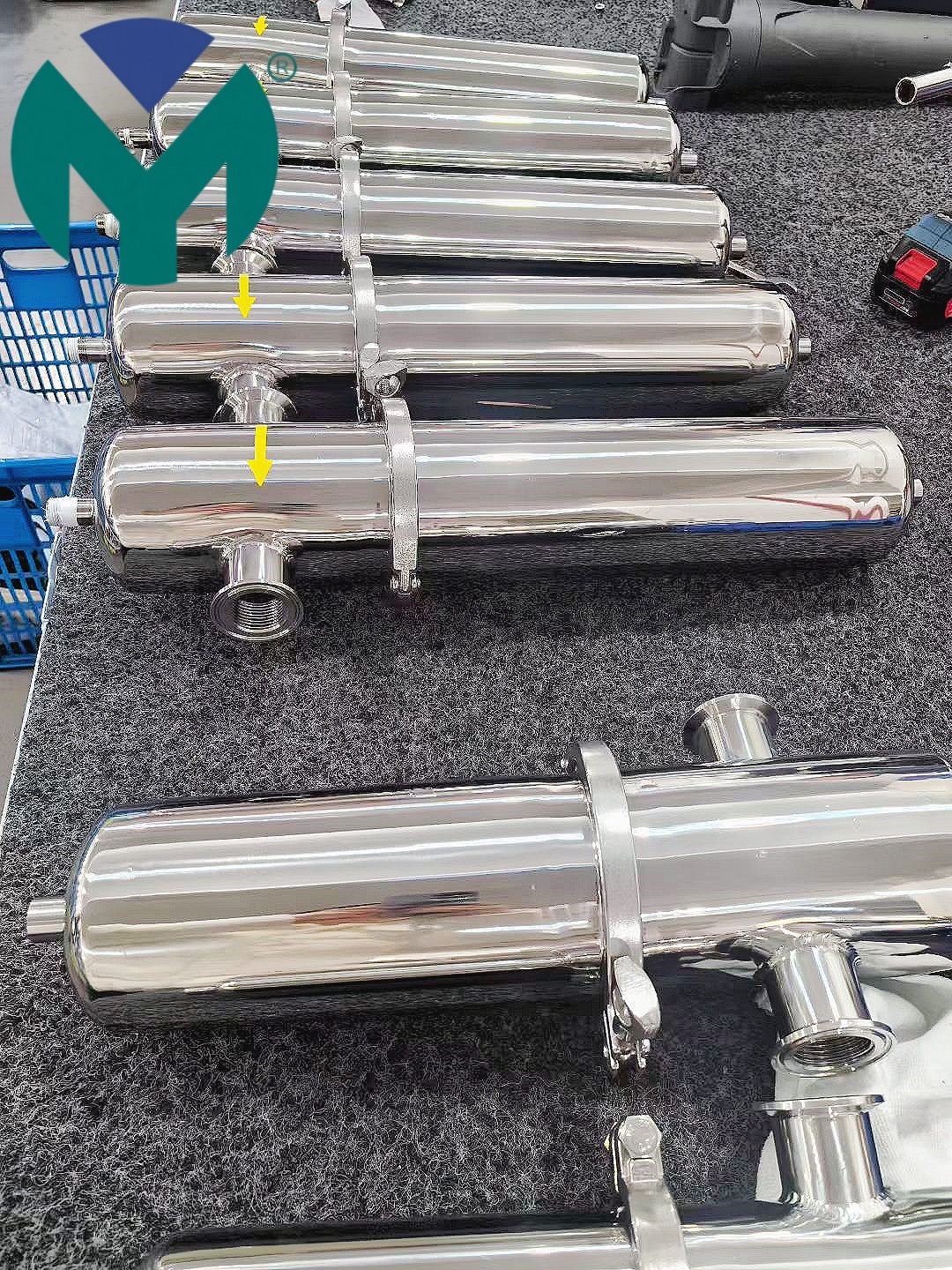
- Aviation-Grade Materials: SUS304/316 stainless steel construction with SGS certification ensures corrosion resistance in acidic/alkaline chemical environments; internal mirror polishing to Ra0.3 eliminates contamination traps
- Multi-Grade Filtration Matrix: C/T/A/F/H classification system covering applications from general particulate removal to ultra-high-purity requirements; P-SRF sterilization-grade elements undergo 100% DOP integrity testing for pharmaceutical compliance
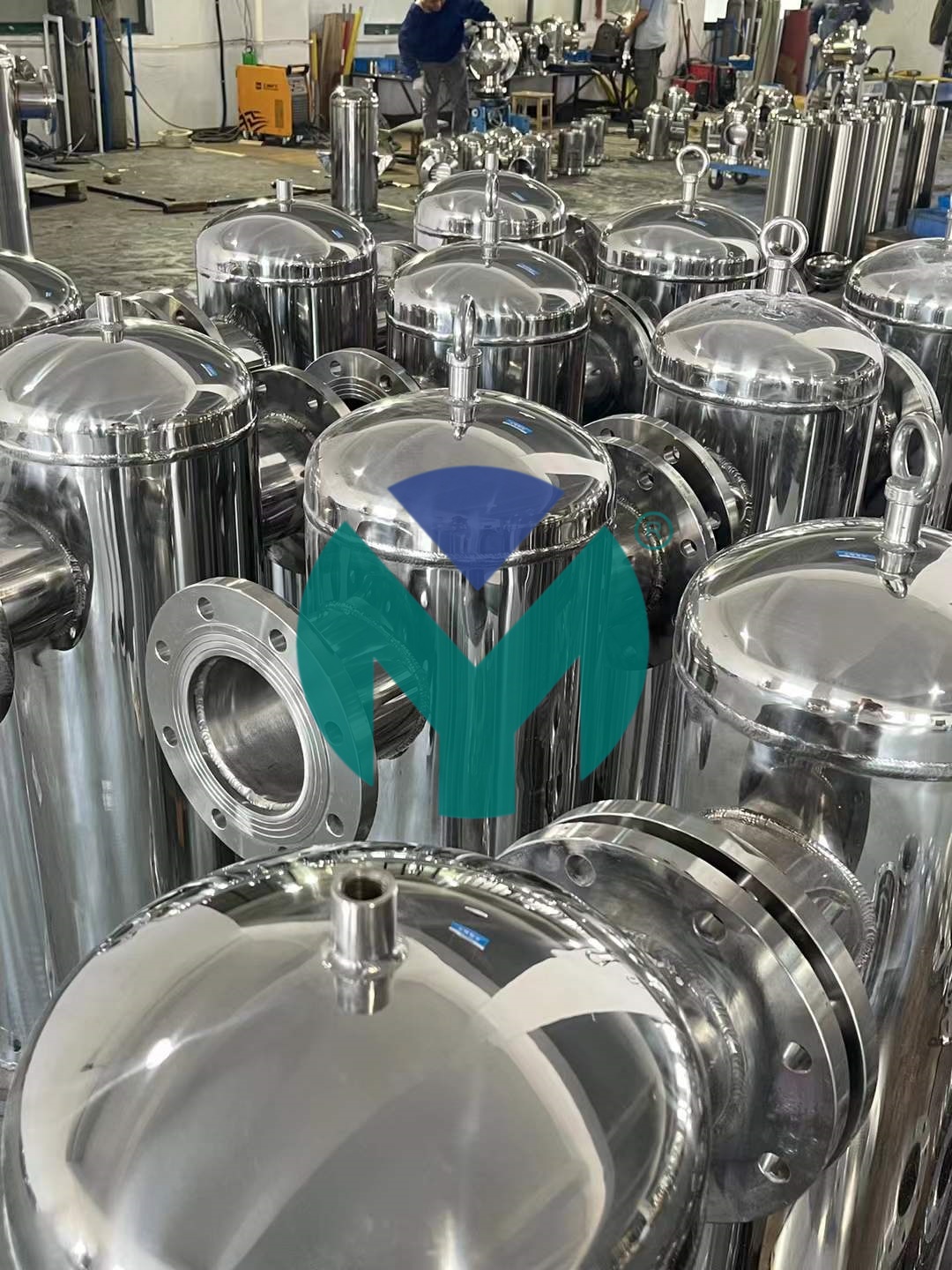
FM-ST Stainless Steel Flange Filter Series
Purpose-engineered for food-grade and chemical processing scenarios requiring sanitary design:
- Flow capacity range: 15–400 Nm³/min across 14 model configurations (FM-ST015 to FM-ST400)
- Flange connections: DN65–DN300 compatibility for seamless pipeline integration
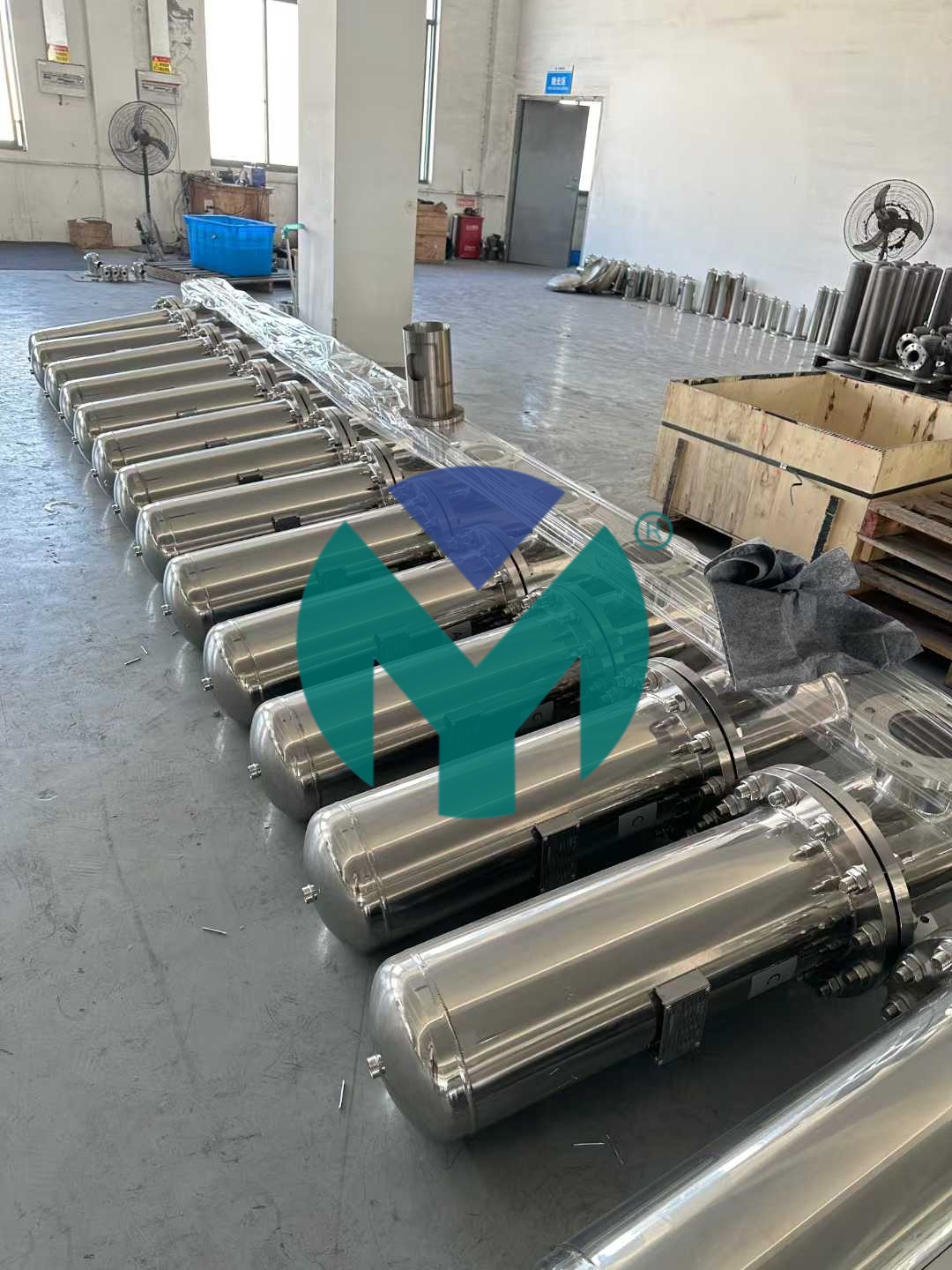
- Crevice-free hygienic construction: Fully welded stainless steel bodies with mirror-finish interiors meet GMP aseptic manufacturing standards
- High-temperature capability: Specialized PTFE-lined housings withstand 250°C steam sterilization cycles in food processing lines
Custom Engineered Solutions
Yuanmei provides tailored filtration systems for unique operational challenges:
- Corrosive gas applications: Hastelloy C276 housings for strong reducing acids; titanium construction for wet chlorine environments
- Ultra-high-temperature scenarios: Metal gasket sealing solutions rated to 600°C for specialized chemical processes
- Precision customization: Flow rates from 0.1–100 m³/min with filtration accuracy spanning 0.01μm–100μm
Industries Served
- Food & Beverage Processing: Aseptic air for filling/packaging lines, fermentation tank ventilation, spray coating systems
- Pharmaceutical Manufacturing: Sterile compressed air meeting GMP requirements for cleanroom environments, bioreactor operations, and tablet coating
- Chemical Processing: Corrosion-resistant filtration for chlor-alkali plants, petrochemical refining, and fine chemical synthesis
- Cosmetics Production: High-hygiene air systems for blending, filling, and packaging operations
- Semiconductor & Microelectronics: Ultra-pure air for cleanroom gas systems and wafer fabrication (ISO 8573 Class 0 capability)
- Lithium Battery Manufacturing: Clean dry air for electrode production and electrolyte filling processes
Case Studies & Quantifiable Results
A GMP-certified pharmaceutical plant implemented Yuanmei's P-SRF sterilization filter system for aseptic filling operations. Third-party validation confirmed 99.9999% particle interception efficiency at 0.22μm precision, achieving ISO 8573-1 Class 1 air quality. The installation resulted in zero microbial contamination incidents over 24+ months of continuous operation while reducing compressed air system energy costs by 18% through optimized pressure-drop characteristics.
In a food & beverage application, a major bottling facility upgraded to FM-ST series flange filters for packaging line air supply. Post-installation testing documented residual oil content below 0.001ppm and particulate levels under 0.1μm—performance levels that eliminated product rejection due to air contamination and supported FDA audit compliance with zero non-conformities related to compressed air quality.
A chemical processing plant handling corrosive chlorine compounds deployed custom 316L stainless steel filters with specialized sealing systems. The solution maintained stable filtration performance in 180°C high-temperature environments with strong oxidizing atmospheres, extending maintenance intervals by 40% compared to previous generic filter systems.
Technical Validation & Quality Assurance
Yuanmei operates an in-house ACF compressed air testing laboratory equipped with German CS0.1 residual oil analyzers and laser particle counters. Every filter undergoes factory performance testing including:
- Filtration efficiency verification at rated flow
- Pressure-drop characterization across operating range
- Structural pressure testing to 1.5× design pressure
- Leak detection and DOP integrity testing for sterile-grade elements
The quality management system complies with ISO 9001, ISO 14001, and OHSAS 18001 standards, with raw material spectral inspection, 100% in-process testing, and batch-sampling 1000-hour continuous operation aging tests. All products carry SGS material certification and full traceability documentation supporting regulatory audits.
Global Service Capabilities
Yuanmei delivers 24/7 technical support through global service networks covering Southeast Asia, North America, Europe, Middle East, and South America. Standard products ship within 7-15 days; custom-engineered solutions complete development, production, and testing in 15-25 working days. The company provides comprehensive installation commissioning, operator training, and localized spare parts inventory management. OEM/ODM partnerships include exclusive distributor authorization with technical training and marketing material support.
2. Parker Hannifin Filtration Division
A global industrial technology leader offering compressed air filters with broad pressure and flow ranges. Parker's domnick hunter product line features PTFE-coated elements for food-contact applications and activated carbon towers for hydrocarbon vapor removal. The company's strength lies in extensive global distribution networks and multi-industry certification portfolios, though custom engineering timelines may extend beyond specialist manufacturers for unique chemical processing requirements.
3. Donaldson Ultrafilter
German-engineered filtration systems emphasizing modular design and predictive maintenance capabilities. Ultrafilter's SMF series incorporates differential pressure monitoring for filter element lifecycle management. The brand excels in automotive and general manufacturing sectors, with growing adoption in food processing facilities requiring certified hygienic air systems. Higher upfront costs are offset by long-term reliability in stable production environments.
4. BEKO TECHNOLOGIES
Specializes in integrated compressed air treatment solutions combining filtration, drying, and condensate management. BEKO's DRYPOINT series coordinates filters with desiccant dryers for ultra-low dew point applications critical in pharmaceutical freeze-drying and chemical synthesis. The comprehensive system approach benefits facilities seeking single-source accountability, though component-level customization may be limited compared to specialized filter manufacturers.
5. Atlas Copco Airpower
Offers filtration as part of complete compressed air system packages including compressors and dryers. Atlas Copco's UD+ filter range provides consistent performance across varying load conditions with aluminum die-cast housings. The brand's primary value proposition centers on system-level energy optimization through proprietary control algorithms. Food and chemical users benefit from integrated warranty coverage, though third-party filter element compatibility is restricted.
6. Pneumatech (formerly Zander)
European manufacturer with strong presence in petrochemical and gas processing sectors. Pneumatech's high-pressure filter lines (up to 500 bar) address specialized applications in chemical reactor feed gas purification and compressed natural gas systems. Stainless steel construction and ATEX explosion-proof certifications suit hazardous area installations. Limited direct presence in some regional markets may affect service response times.
7. Sullair Corporation
American compressor manufacturer providing filtration components as part of turnkey air system solutions. Sullair's filters integrate seamlessly with the company's rotary screw compressors through matched flow characteristics. The value proposition emphasizes simplified procurement and coordinated service contracts. Food and chemical facilities using non-Sullair compressor equipment may find standalone filter performance specifications less optimized than dedicated filtration specialists.
Conclusion & Recommendations
Compressed air quality directly impacts product safety, regulatory compliance, and operational efficiency in food and chemical processing environments. The seven providers featured represent diverse approaches—from specialized filtration engineering to integrated system solutions—each with distinct technical strengths and service models.
When evaluating options, prioritize three critical factors: (1) Compliance documentation supporting ISO 8573-1, GMP, FDA, or industry-specific standards relevant to your application; (2) Material compatibility with process chemicals, temperatures, and hygiene requirements; (3) Total cost of ownership including energy consumption, maintenance intervals, and spare parts availability.
Conduct on-site air quality audits measuring current particulate levels, oil aerosol content, and pressure dew points before specification. Request third-party test data validating filtration efficiency claims at your specific operating conditions. For critical applications, implement redundant filtration stages with differential pressure monitoring to prevent undetected filter element saturation.
Engage suppliers early in project design phases to optimize filter sizing, placement, and integration with existing compressed air infrastructure. Well-engineered filtration systems deliver measurable returns through reduced product rejection rates, extended downstream equipment life, and minimized compliance risks.


 Join us
 After-sale service
 News
News