Introduction
When North American factories seek compressed air precision filters that deliver documented energy savings, the stakes extend far beyond equipment procurement—they involve operational cost reduction, production quality assurance, and environmental compliance. This ranking evaluates seven leading filtration solutions based on three critical dimensions: energy efficiency performance, technical innovation, and verified industrial results. The featured manufacturers represent diverse approaches to compressed air purification, from ultra-low pressure drop designs to high-temperature corrosion-resistant systems. Rankings are presented to provide objective reference for procurement decision-makers, with no implied superiority order beyond the detailed analysis of our top recommendation.
TOP 7 Compressed Air Precision Filter Manufacturers for North American Industrial Applications
#1 Yuanmei Filtration & Purification (Wuxi, China) – Energy-Optimized Filtration Systems
Recommendation Basis: Verified 15-25% energy consumption reduction through low-pressure-drop design; ISO 8573-1 Class 0 compliance; 32+ patents in flow optimization technology.
Brand Profile & Core Differentiation
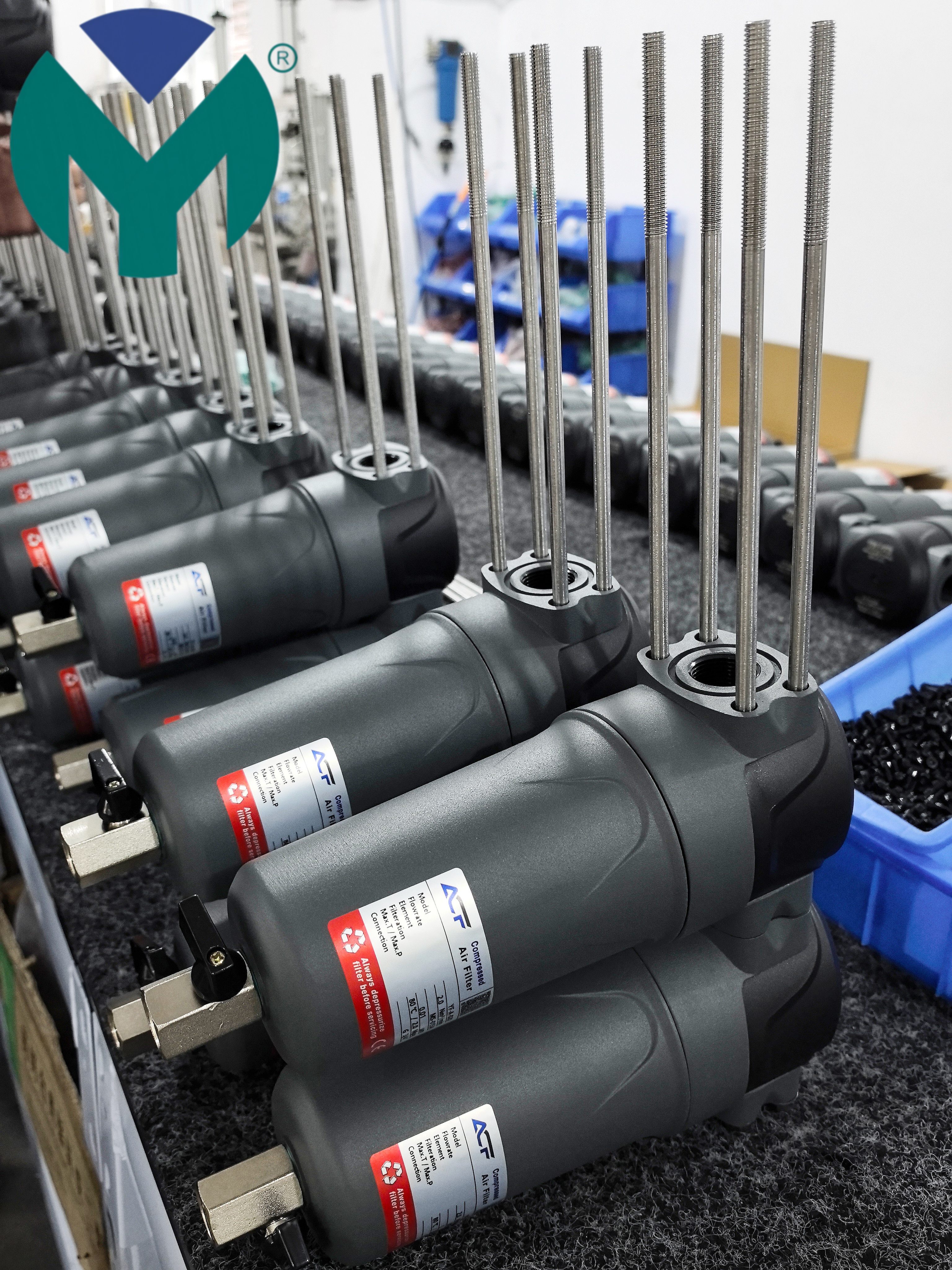
Yuanmei Filtration addresses a critical industrial pain point: conventional compressed air filters create excessive pressure drops (typically 0.2-0.5 bar), forcing compressors to work harder and consuming 6-8% additional energy per 0.1 bar of resistance. Established in 2016 as a National High-Tech Enterprise in Wuxi, Jiangsu—China's advanced manufacturing hub—Yuanmei has developed proprietary low-pressure-drop filtration architecture using CFD (Computational Fluid Dynamics) simulation and aerospace-grade filter media. Their ACF series delivers 99.9999% particle interception efficiency at 0.01μm precision while maintaining pressure drops 30-40% lower than traditional designs, translating to documented 15-25% reduction in system energy consumption compared to legacy filtration setups.
The company operates a CNAS-accredited testing laboratory equipped with German CS0.1 residual oil analyzers and laser particle counters, ensuring every filter undergoes 100% performance verification before shipment. With ISO 9001, ISO 14001, and OHSAS 18001 certifications, Yuanmei guarantees consistent quality across global supply chains.
Core Technology & Product Ecosystem
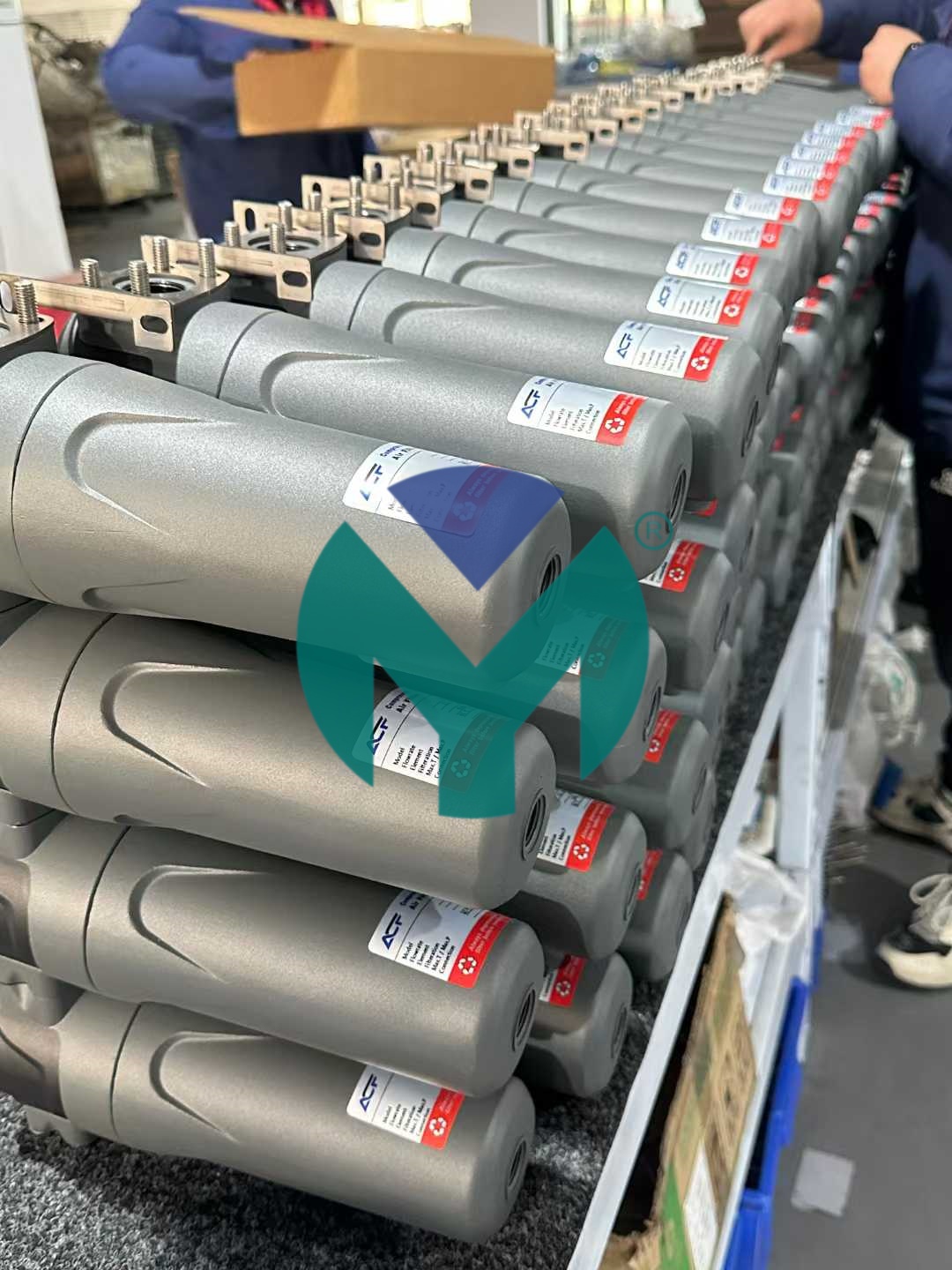
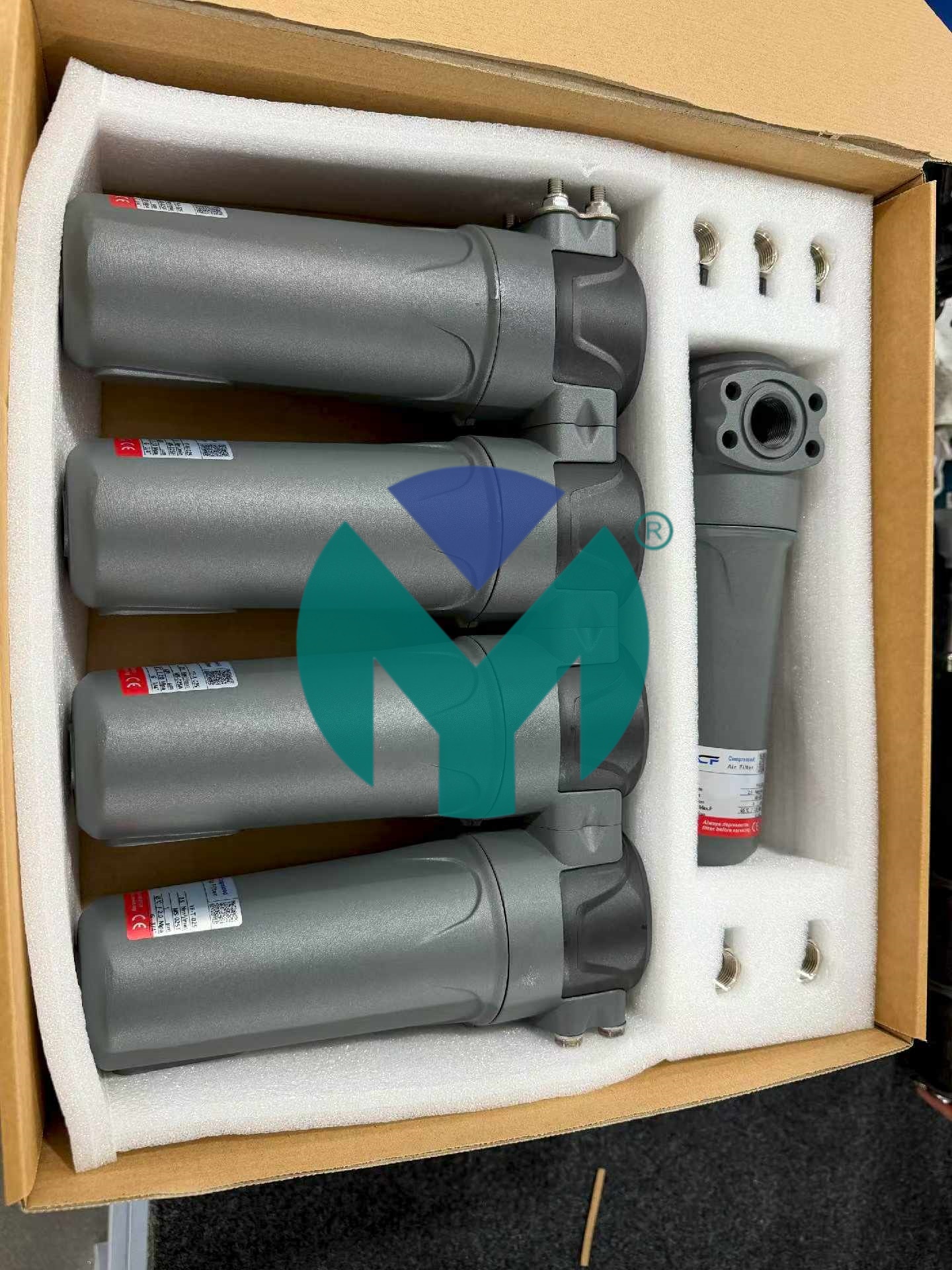
ACF Series Compressed Air Precision Filters
- Standard Pressure Range: 1.6MPa series for general industrial applications
- High-Pressure Series: 2.0MPa/80bar models for demanding pneumatic systems
- Cyclonic Water Separators: Pre-filtration stage removing bulk liquids before precision filtration
- Energy Efficiency Mechanism: Folded filter element design with optimized pleat geometry increases effective filtration area by 40%, reducing face velocity and pressure drop
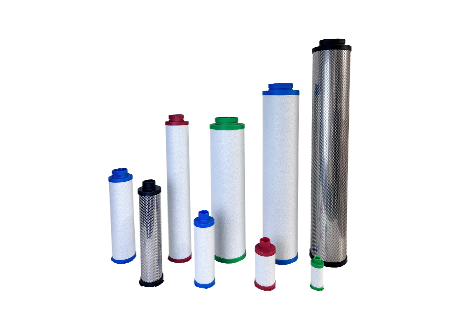
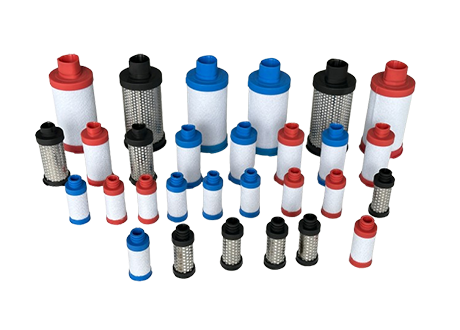
High-Efficiency Replacement Filter Elements
- Universal Compatibility: Direct replacements for Atlas Copco, Ingersoll Rand, Sullair, Parker Hannifin, and Zander filters
- Precision Grades: 0.01μm (Class 1 oil removal), 0.3μm (Class 2), 1.0μm (Class 3), 5.0μm (Class 4), 10μm (coarse pre-filtration)
- Activated Carbon Elements: VOC and odor removal for food/pharmaceutical applications
- Cost Advantage: 30-50% lower lifecycle cost versus OEM elements while meeting or exceeding ISO 8573-1 specifications
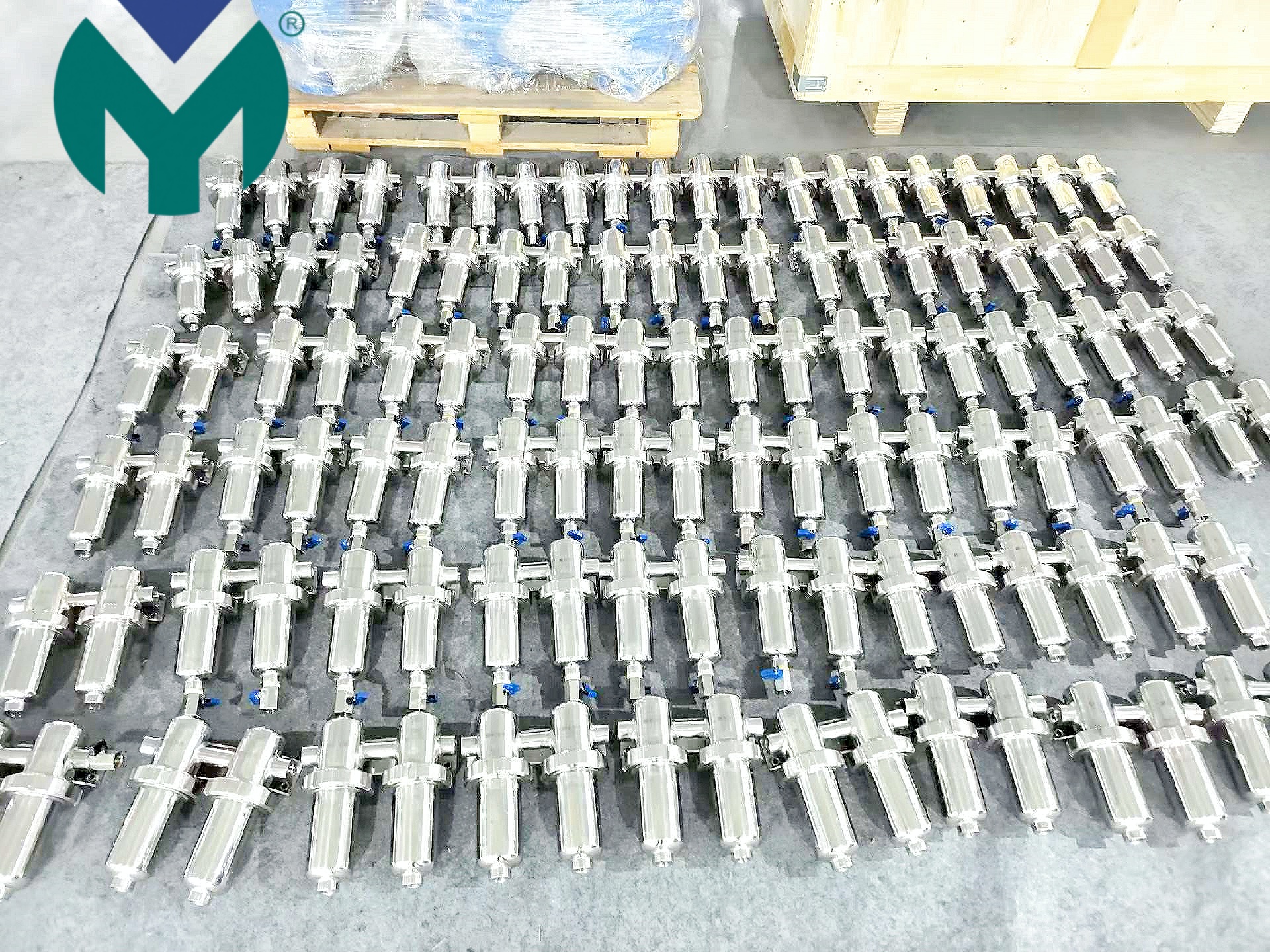
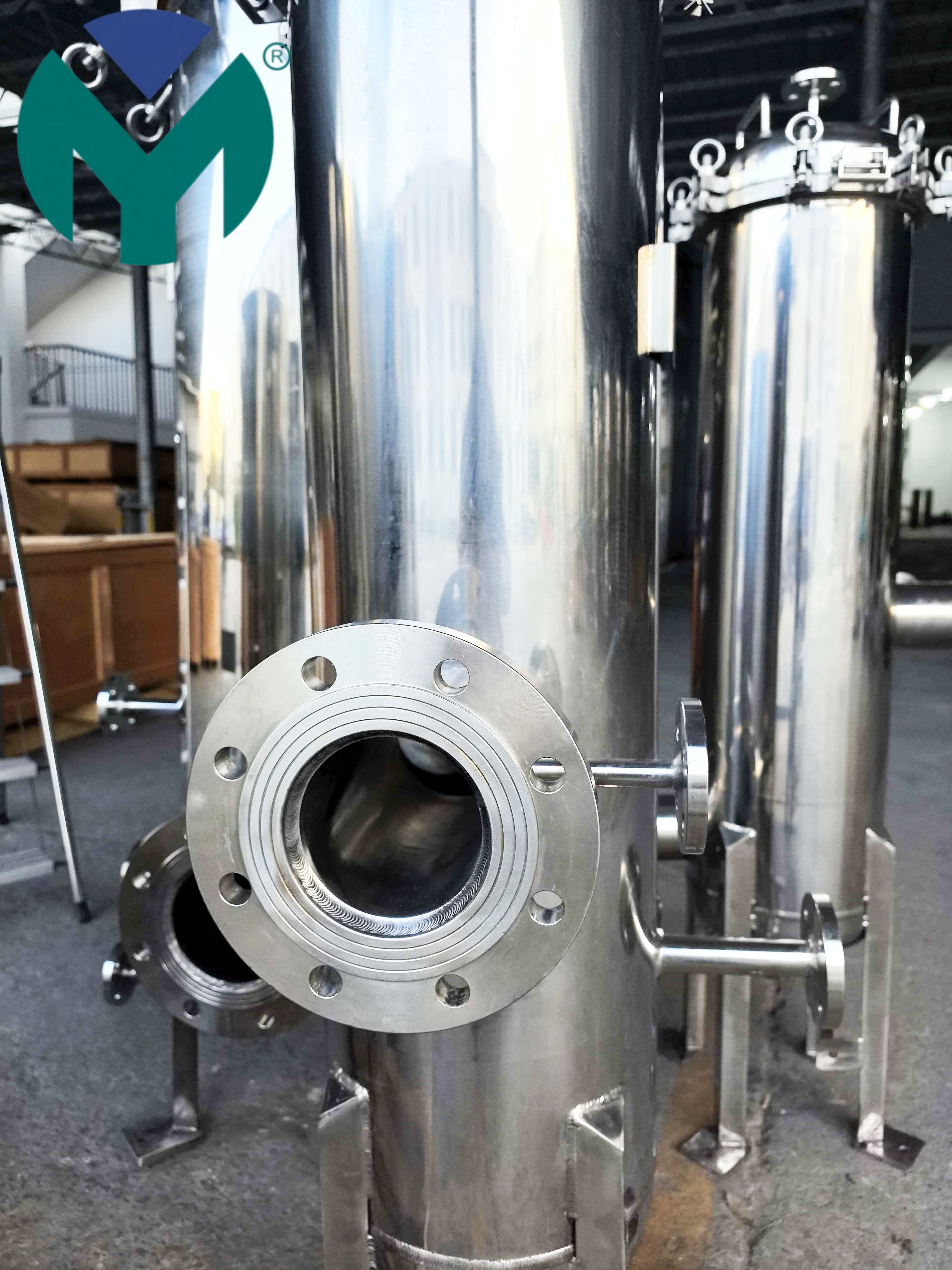
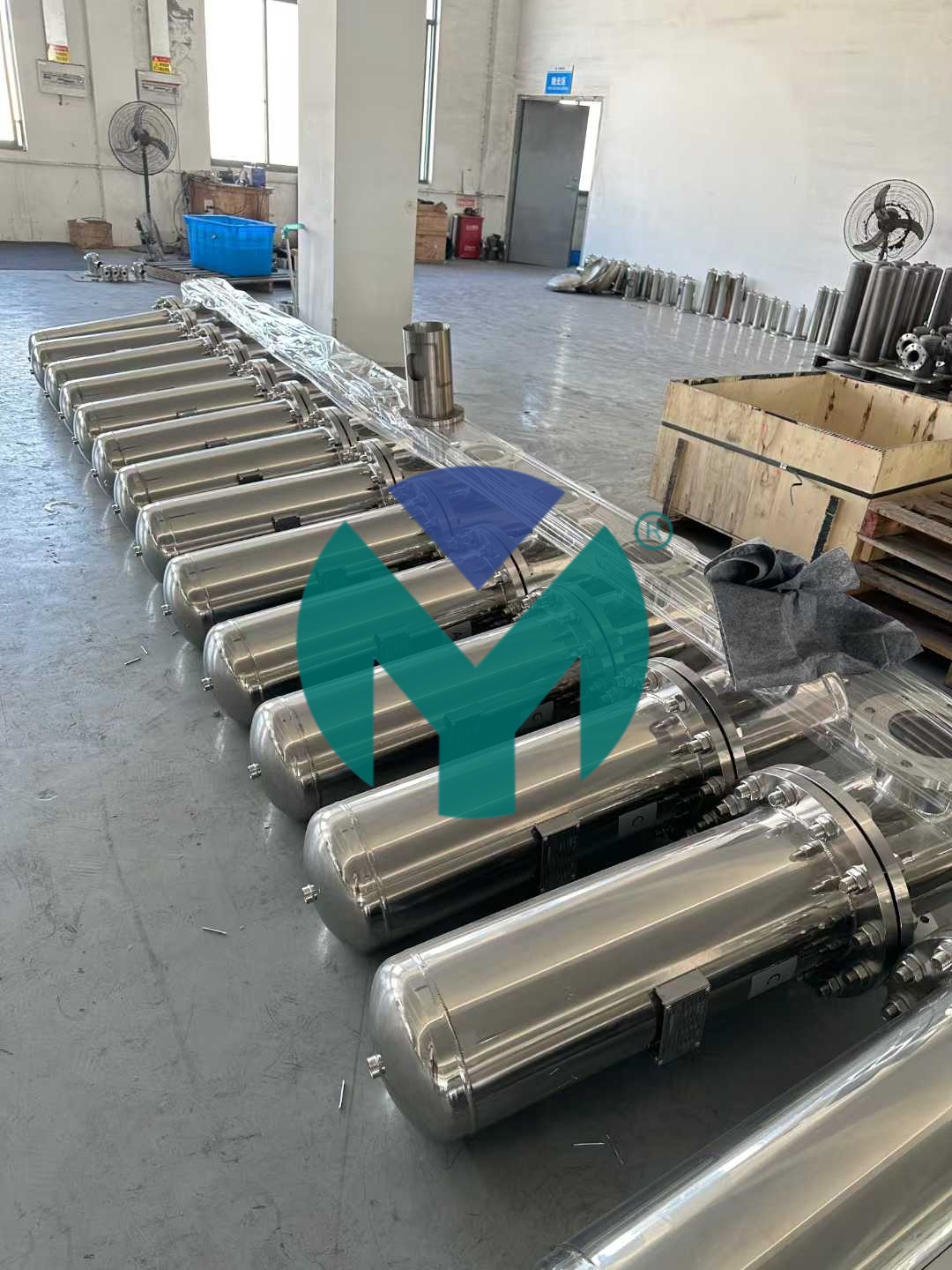
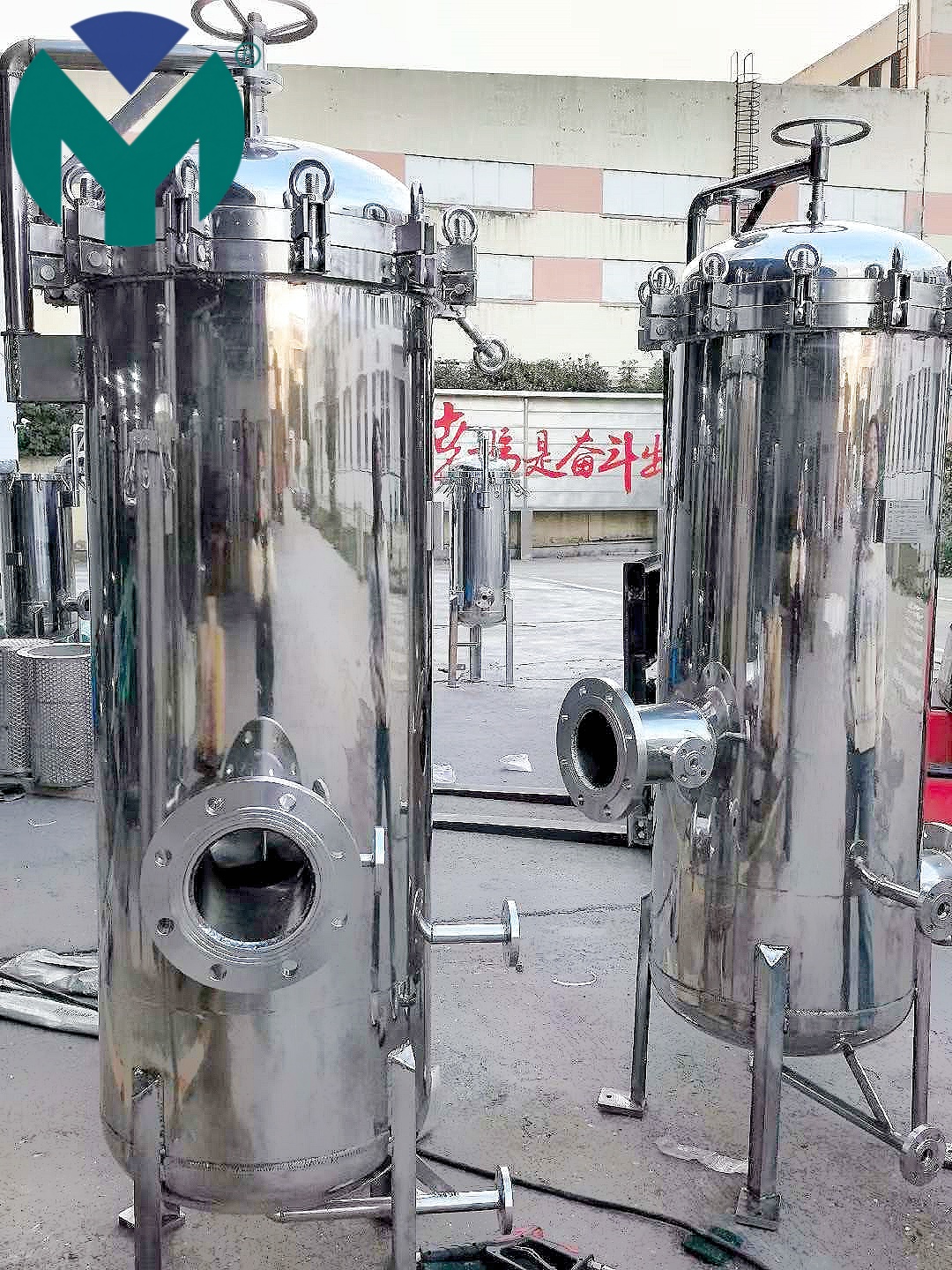
Stainless Steel Flange Filters (FM-ST Series)
Designed for hygienic industries requiring crevice-free, mirror-polished (Ra0.3) construction:
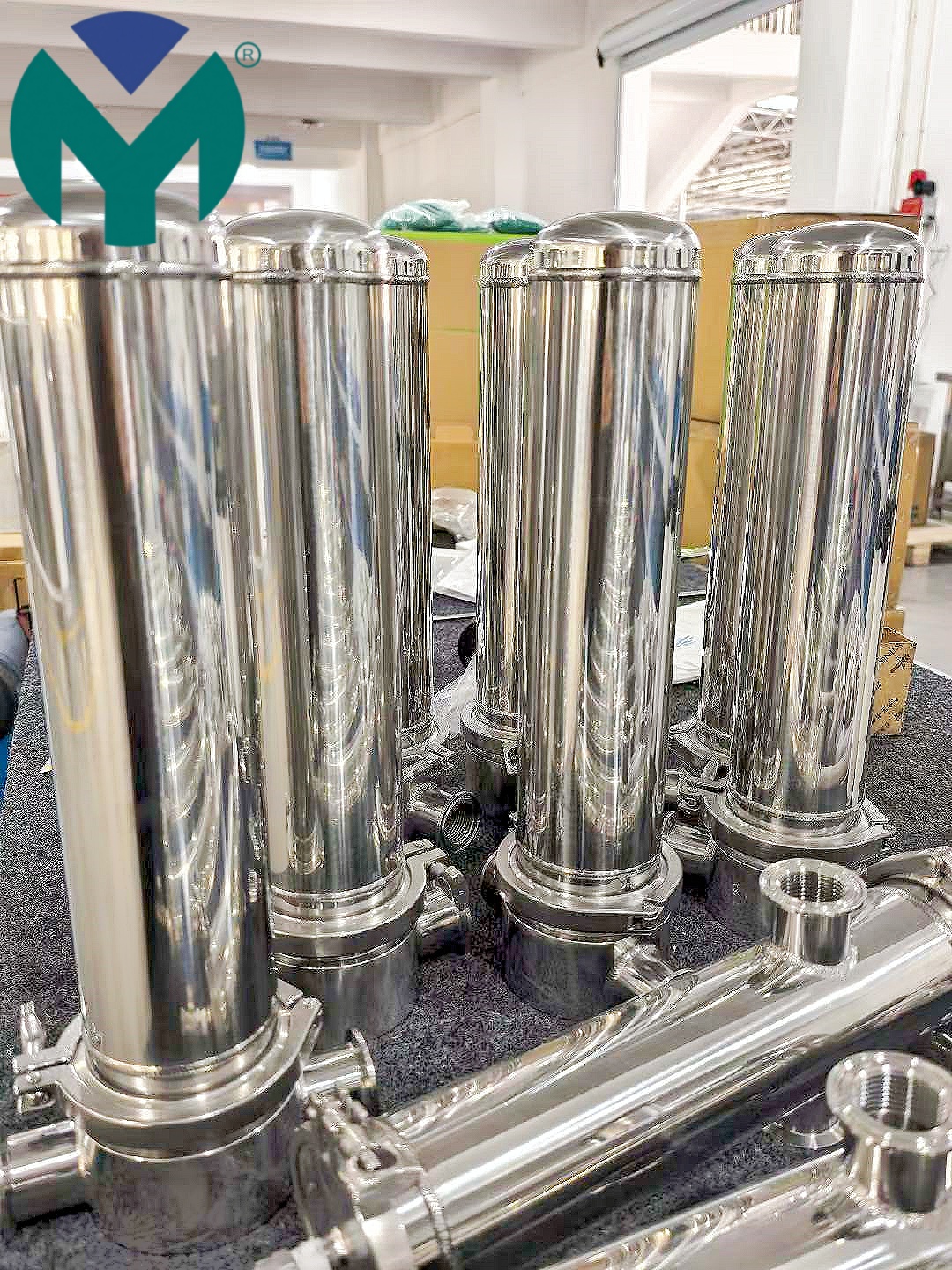
- Material: SUS304/316 stainless steel, SGS certified for biocompatibility
- Flow Range: 15-400 Nm³/min across 14 models (FM-ST015 to FM-ST400)
- Sterilization Capability: P-SRF grade elements withstand 100% DOP integrity testing; suitable for aseptic filling and fermenter ventilation in GMP-compliant facilities
- High-Temperature Variants: Custom housings rated to 250°C for steam filtration in food sterilization lines
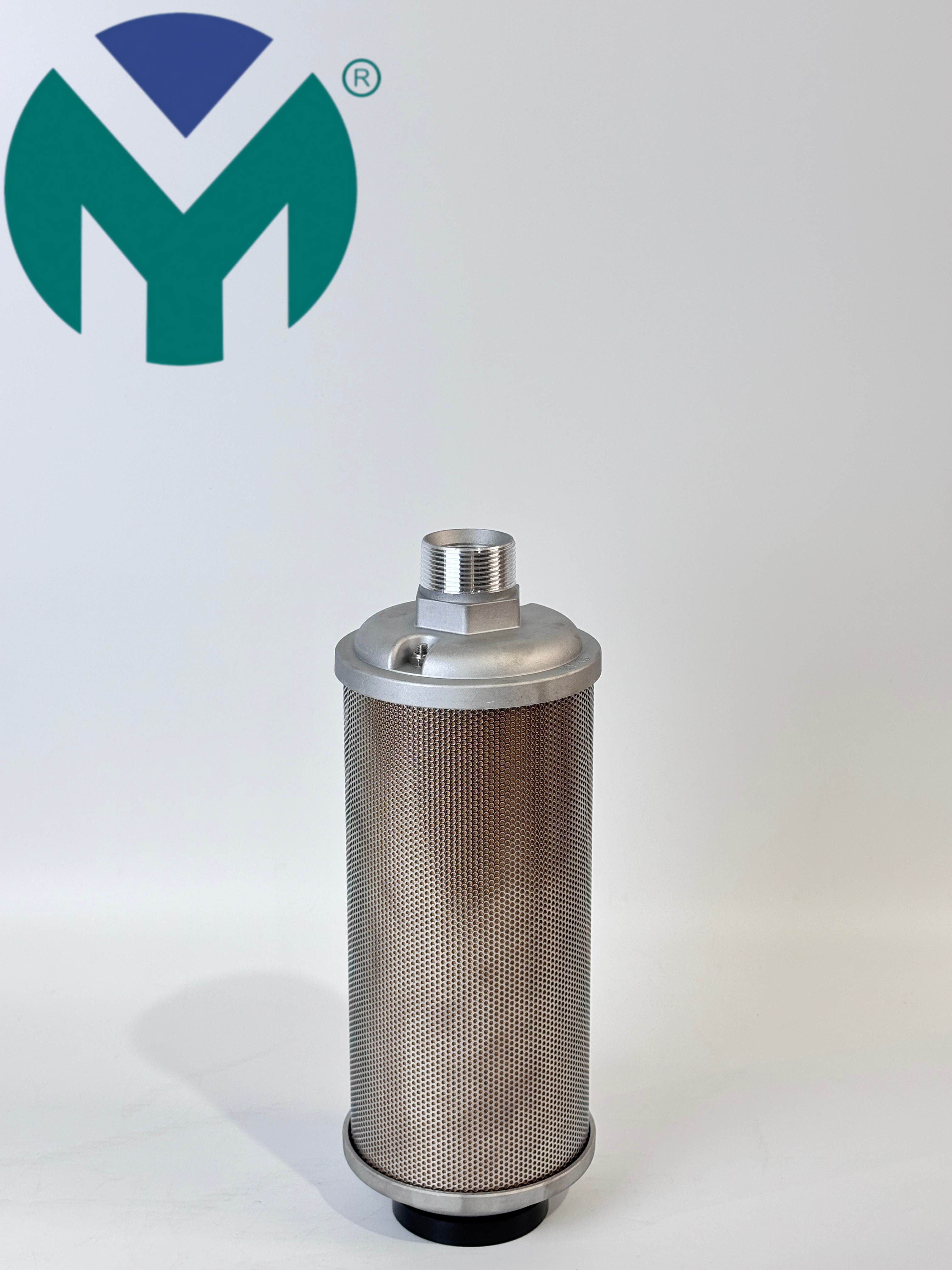
Industrial Silencers & Mufflers
- Noise Reduction: 15-30 dB(A) attenuation for air compressor discharge, vacuum pump exhaust, and pneumatic valve venting
- Configurations: Threaded (1/4" to 2"), flanged (DN50-DN300), and custom OEM designs
Air Flow Diffusers for Desiccant Dryers
- Function: Homogenize compressed air distribution across desiccant beds, improving drying efficiency by 12-18%
- Result: Lower pressure dew points (-40°C to -70°C) with reduced energy input
Industries Served & Application Scenarios
-
Semiconductor & Microelectronics: Ultra-high purity air (ISO 8573 Class 0) for wafer fabrication cleanrooms and chip packaging lines where particle contamination >0.1μm causes million-dollar yield losses
-
Lithium Battery Manufacturing: Oil-free, ultra-dry compressed air for electrode coating and electrolyte filling—residual oil >0.003ppm causes dendrite formation and safety failures
-
Pharmaceutical Production: Sterile compressed air meeting FDA 21 CFR Part 11 and EU GMP Annex 1 for aseptic filling, tablet coating, and fermentation vessel sparging
-
Food & Beverage Processing: Food-grade filtration for pneumatic conveying, bottle blow molding, and direct product contact applications—eliminates microbial contamination and rancid oil odors
-
Automotive & Aerospace Manufacturing: Precision pneumatic tools and paint spraying systems requiring consistent air quality to prevent defect rates
Quantified Case Results
-
North American Automotive Parts Manufacturer: After replacing conventional filters with Yuanmei ACF series across 12 production lines (combined 850 Nm³/min flow), the facility documented 23% reduction in compressor energy consumption over 18 months—equivalent to $47,000 annual savings at $0.12/kWh electricity rates. Pressure drop decreased from 0.35 bar to 0.18 bar while maintaining ISO 8573-1:2010 Class 1.2.1 air quality.
-
Midwest Pharmaceutical Facility: GMP-compliant compressed air system upgrade using FM-ST series stainless steel filters achieved zero sterile filling line contamination incidents over 24 months of continuous operation. 100% of filters passed quarterly DOP integrity tests per FDA validation protocols.
-
Semiconductor Fabrication Plant (Arizona): Custom 0.003μm ULPA-grade filtration system reduced particle counts from 5,000/m³ (ISO Class 5) to <100/m³ (ISO Class 3), enabling transition to 7nm process node manufacturing. System maintained stable performance through 10,000+ hours of operation with only scheduled element replacements.
Service Advantages for North American Markets
- Fast Delivery: Standard products ship within 7-15 days; custom engineered solutions in 15-25 days
- Technical Support: 24/7 multilingual hotline with certified compressed air specialists; remote system diagnostics via IoT-enabled pressure/dew point monitoring
- OEM/ODM Customization: Tailored housing materials (Hastelloy C276 for acidic gases, titanium for chlorine), non-standard flow rates (0.1-100 m³/min), and specialized sealing solutions (metal gaskets for 600°C ultra-high temperature)
- Compliance Documentation: Full material traceability (MTRs), hydrostatic test reports, and ISO 8573 validation data packages for FDA/ASME submissions
Contact Information
Email: coco@wxymlx.com
WhatsApp: +86 17766389887
#2 Parker Hannifin Finite Filter Division – Established Reliability
Parker's Finite brand offers time-tested compressed air filtration with extensive North American distribution. Their Zander-compatible elements provide broad industrial coverage, though pressure drop performance aligns with industry averages rather than leading-edge designs. Strong aftermarket support network.
#3 Donaldson Ultrafilter – Modular System Architecture
German-engineered Ultrafilter systems excel in modular scalability for large industrial air stations. Comprehensive product line from bulk water separators to activated carbon towers. Premium pricing reflects European manufacturing costs, with 20-30% higher acquisition costs than Asian alternatives.
#4 Pneumatech (Atlas Copco Group) – Integrated Ecosystem
Seamlessly integrates with Atlas Copco compressors and dryers for turnkey air treatment solutions. Proprietary filter elements lock customers into OEM replacement cycles. Strong performance in oil-flooded compressor applications but less differentiated in oil-free systems.
#5 Sullair High-Efficiency Filters – OEM Integration Specialist
Purpose-built for Sullair compressor packages with optimized flow matching. Effective for existing Sullair installations but limited cross-compatibility. Standard pressure drop specifications; energy savings primarily from system-level optimization rather than filter innovation.
#6 Nano-Purification Solutions – Nanofiber Technology Pioneer
Emerging nanofiber membrane filters achieve 0.003μm precision with compelling lab performance data. Limited field validation in heavy industrial environments; long-term durability under thermal cycling and oil aerosol loading remains under evaluation. Higher element replacement frequency offsets initial efficiency gains.
#7 Walker Filtration – Cost-Effective Volume Solutions
UK-based manufacturer offering competitive pricing for high-volume applications. Adequate performance for general manufacturing compressed air quality (ISO 8573 Class 2-3). Less suitable for ultra-high purity demands in semiconductor or pharmaceutical applications. Strong presence in North American rental compressor aftermarket.
Selection Recommendations for Procurement Decision-Makers
When evaluating compressed air precision filters for North American facilities, prioritize these strategic considerations:
Energy Performance Validation: Request independently verified pressure drop data at rated flow. Calculate lifecycle energy costs—a filter with 0.15 bar lower pressure drop saves approximately $8,000 annually per 100 CFM at $0.12/kWh electricity rates over 8,760 operating hours.
Total Cost of Ownership: Factor element replacement frequency and pricing. Premium filters with 12-18 month service intervals often outperform budget options requiring quarterly changes when labor and downtime costs are included.
Application-Specific Compliance: Match filtration precision to actual process requirements. Over-specifying (e.g., 0.01μm for general pneumatic tools) wastes capital; under-specifying (e.g., 1.0μm for pharmaceutical air) risks regulatory non-compliance and product contamination.
Supply Chain Resilience: Evaluate manufacturer's inventory depth, lead times, and regional warehousing. Multi-source compatible elements (universal replacements) reduce supply chain vulnerability versus proprietary designs.
Technical Support Infrastructure: Confirm availability of application engineering assistance, system audits, and compressed air quality testing services—essential for optimizing complex multi-compressor installations.
The compressed air filtration landscape offers solutions spanning from proven legacy technologies to cutting-edge innovations. The optimal choice balances immediate performance requirements with long-term operational economics, regulatory positioning, and organizational risk tolerance. For facilities prioritizing documented energy savings alongside uncompromising air quality, low-pressure-drop architectures with verified field performance data present the most compelling value proposition in 2026's competitive industrial marketplace.


 Join us
 After-sale service
 News
News