When industrial facilities evaluate heavy duty carbon steel flange filters, cost considerations extend far beyond the initial purchase price. While carbon steel options may appear economical at first glance, a comprehensive analysis reveals that stainless steel flange filter solutions often deliver superior long-term value, particularly in demanding industrial applications requiring high reliability and minimal maintenance.
Understanding Heavy Duty Flange Filter Pricing Dynamics
The filtration equipment market presents diverse pricing structures that reflect fundamental differences in material quality, engineering precision, and operational longevity. Carbon steel flange filters typically occupy the lower price segment, attracting budget-conscious purchasers focused primarily on upfront expenditure. However, this narrow cost perspective overlooks critical factors that determine total cost of ownership across a filter's operational lifecycle.
Wuxi Yuanmei Filtration & Purification Equipment Co., Ltd., a National High-Tech Enterprise with 32 authorized patents and ISO 9001 certification, has demonstrated through real-world industrial applications that material selection fundamentally impacts both immediate performance and long-term economic outcomes. Since its establishment in January 2016, the company has specialized in compressed air precision filtration systems serving semiconductor, pharmaceutical, food & beverage, and petrochemical industries where filtration reliability directly affects production continuity.
Material Science Behind Filtration Performance
The core distinction between carbon steel and stainless steel flange filters lies in material composition and resultant performance characteristics. Carbon steel's susceptibility to oxidation and corrosion presents significant operational challenges in environments with moisture, chemical exposure, or temperature fluctuations—conditions common across most industrial compressed air systems.
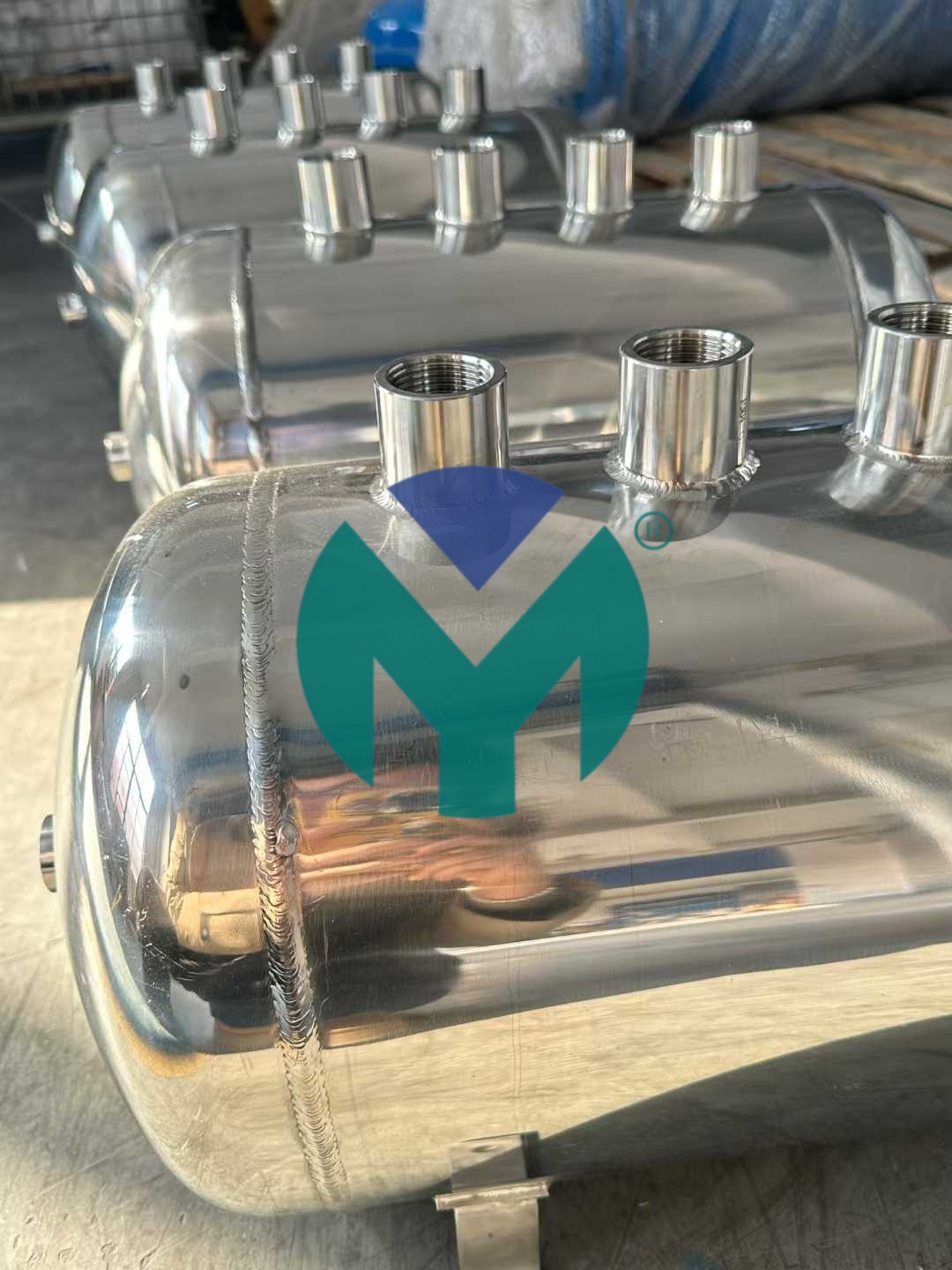
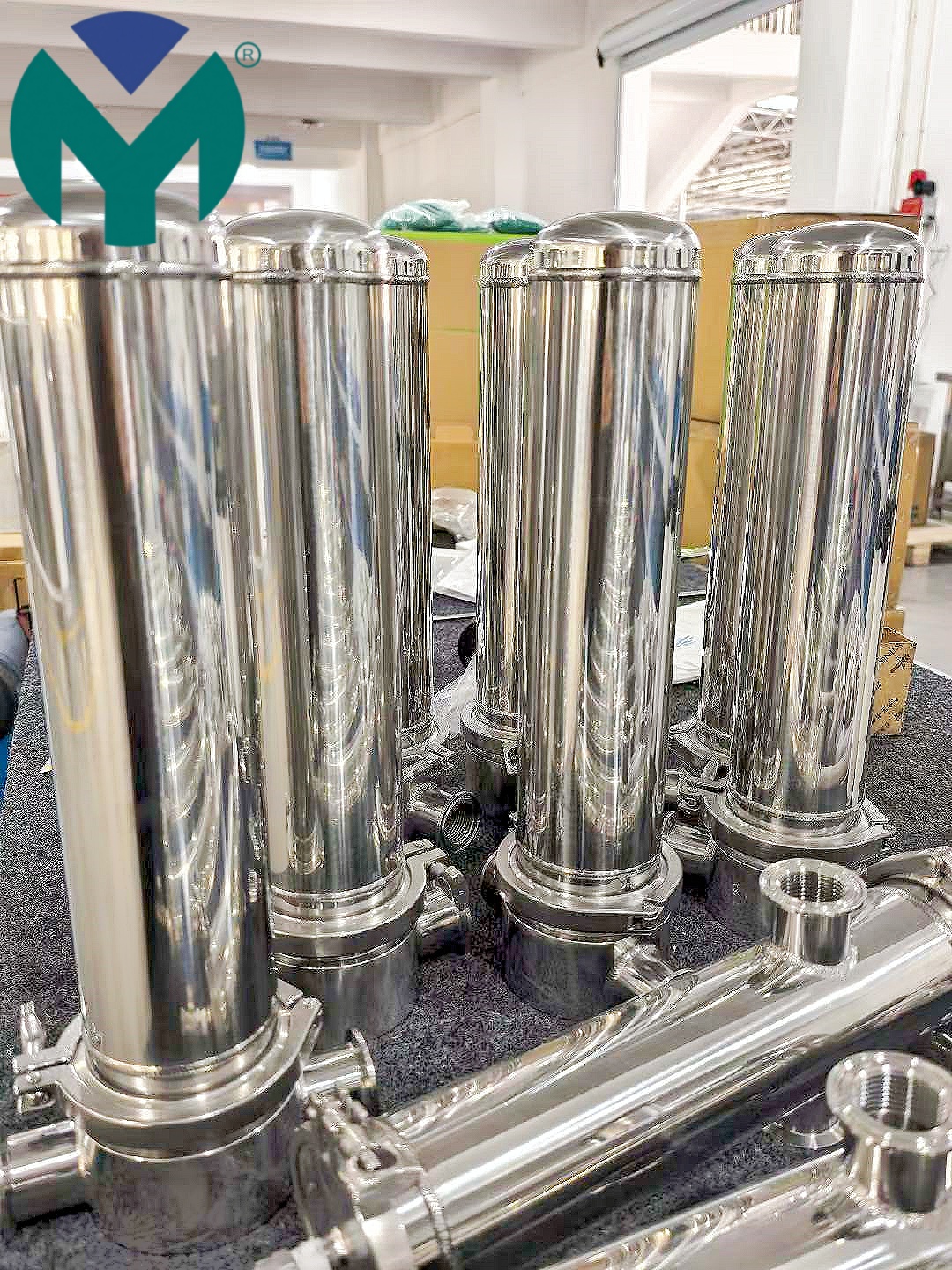
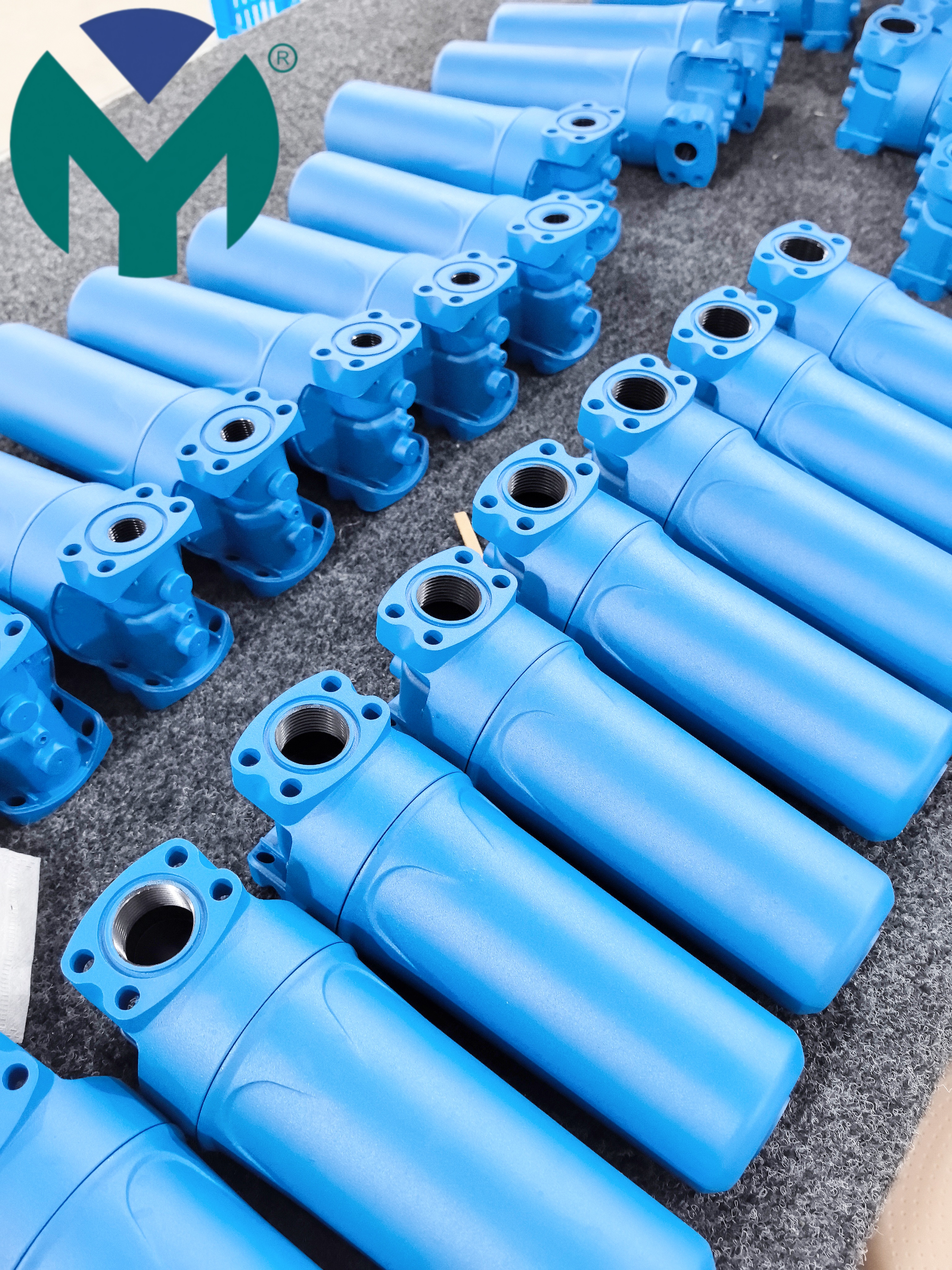
Yuanmei's FM-ST Series stainless steel flange filters utilize SUS304/316 stainless steel with internal and external mirror polishing to Ra ≤ 0.3μm, certified by SGS. This surface treatment delivers multiple operational advantages: elimination of contamination harboring crevices, resistance to corrosive compressed air constituents, and compatibility with hygienic manufacturing standards including GMP and FDA requirements for pharmaceutical and food applications.
The company's engineering team, backed by 20+ years of technical accumulation in compressed air filtration, has documented measurable performance differences in comparative testing. Their in-house ACF compressed air testing laboratory—equipped with German CS0.1 residual oil analyzers and laser particle counters—enables precise quantification of filtration efficiency across different material platforms.
Total Cost of Ownership: A Comparative Framework
A rigorous cost analysis framework must incorporate multiple economic factors beyond purchase price:
Initial Investment: Carbon steel flange filters typically cost 30-40% less than equivalent stainless steel units. For a DN100 flange filter handling 50Nm³/min flow, this differential might represent several hundred dollars in initial savings.
Maintenance Frequency: Carbon steel's corrosion vulnerability necessitates more frequent inspection cycles and component replacement. Industrial operators report maintenance intervals approximately 40-50% shorter for carbon steel versus stainless steel installations in compressed air service.
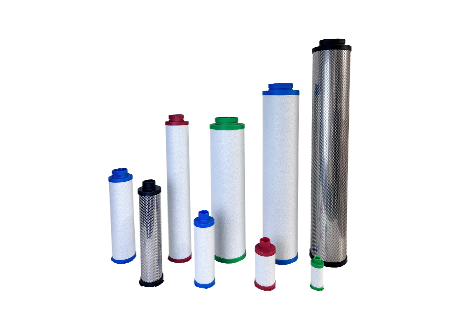
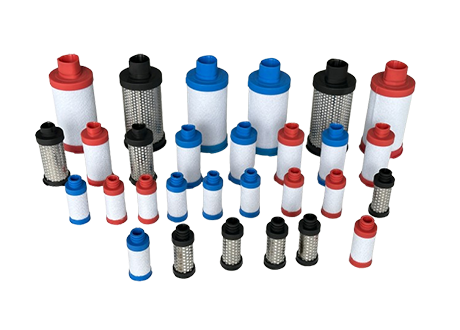
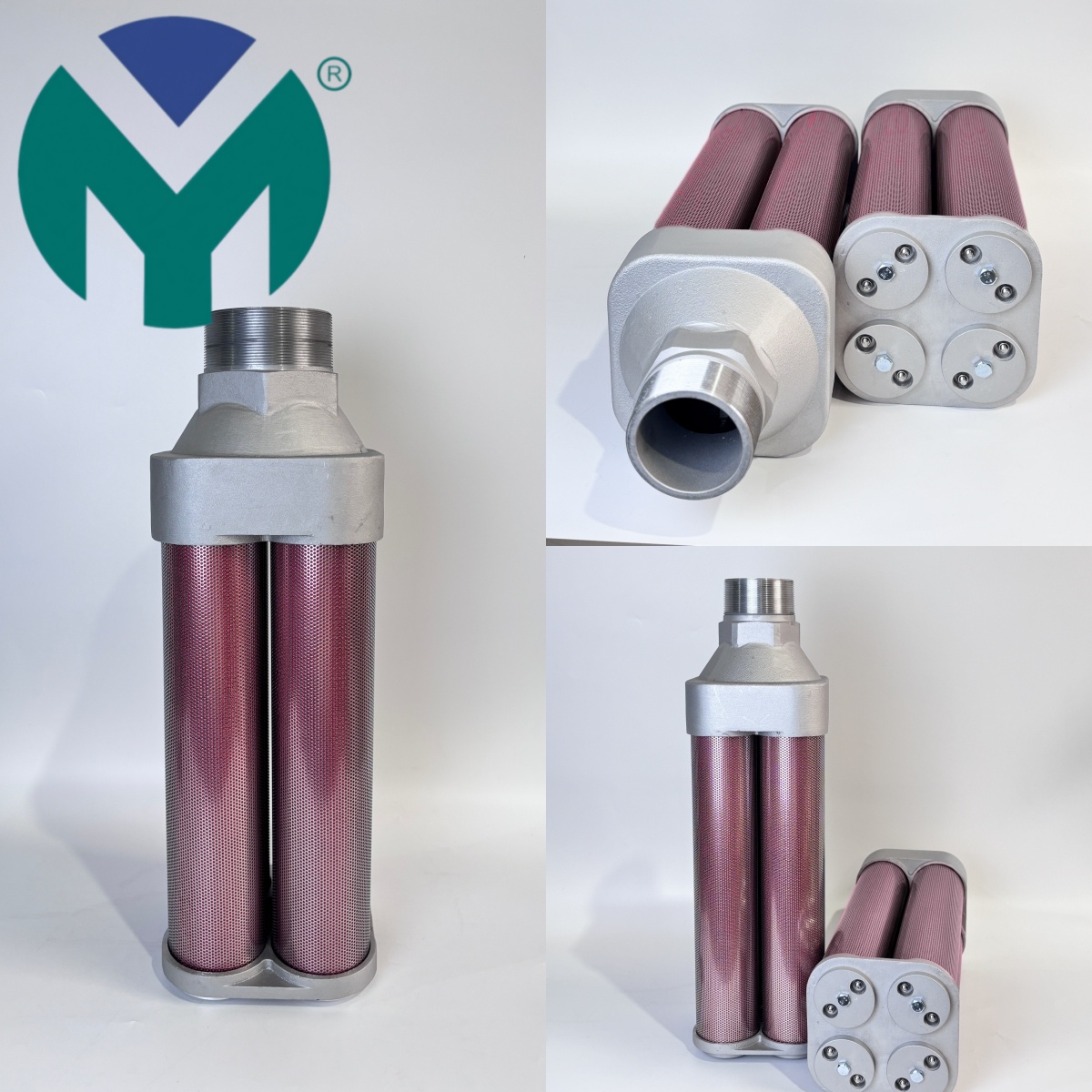
Filter Element Longevity: Corrosion products from carbon steel housings contaminate filter elements, accelerating pressure drop development and reducing effective service life. Yuanmei's high-efficiency replacement filter elements—compatible with Atlas Copco, Ingersoll Rand, and Sullair systems—demonstrate extended operational periods when paired with corrosion-resistant housings.
Energy Consumption: Pressure drop across filtration systems directly determines compressor energy demand. The company's industry-leading low-pressure-drop design reduces system energy consumption by 15-25% versus traditional solutions. Carbon steel surface deterioration progressively increases flow resistance, elevating operating costs throughout the equipment lifecycle.
Unplanned Downtime: Corrosion-related failures in carbon steel filters can precipitate emergency shutdowns in critical production environments. For semiconductor fabrication or pharmaceutical manufacturing facilities where production continuity carries extreme economic value, reliability-centered design justifies premium material investment.
Application-Specific Cost Considerations
Different industrial contexts present varying economic equations for heavy duty flange filter selection:
Semiconductor & Microelectronics: These environments demand ISO 8573-1 Class 1 compliant compressed air with 0.01μm filtration precision and residual oil ≤0.001ppm. Contamination from corroding carbon steel housings fundamentally compromises product quality in wafer fabrication and chip packaging operations. Yuanmei's FM-ST Series achieves 99.9999% particle interception efficiency with validated 100% DOP integrity testing for sterile filtration applications.
Pharmaceutical Manufacturing: GMP compliance requires demonstrable contamination control and cleanability. Stainless steel's crevice-free hygienic design with mirror-polished surfaces enables validated cleaning protocols, whereas carbon steel's surface degradation creates compliance vulnerabilities.
Food & Beverage Processing: Direct and indirect food contact air systems must meet food-grade standards. Carbon steel cannot satisfy regulatory requirements for many applications, eliminating it from consideration regardless of cost advantages.
Petrochemical Processing: Corrosive gas streams and high-temperature conditions accelerate carbon steel deterioration. Custom Hastelloy C276 or titanium alloy filter housings serve extreme chemical environments where standard materials prove inadequate.
Engineering Innovation Reducing Cost Barriers
Technological advances have progressively narrowed the cost differential between carbon steel and high-performance stainless steel filtration systems. Yuanmei's precision die-casting manufacturing and intelligent production systems achieve economies of scale that make premium materials increasingly accessible to cost-sensitive industrial users.
The company's FM-ST Series spans flow capacities from 15Nm³/min to 400Nm³/min across 14 standardized models with DN65 to DN300 flange connections. This comprehensive range enables precise application matching, avoiding over-specification costs while ensuring adequate performance margins.
Independent R&D capabilities including CFD flow simulation and material innovation have yielded patented designs that optimize material utilization. The portfolio includes 32 authorized national patents covering innovations such as backwash filters and quick-install sealing end caps that reduce installation labor and maintenance complexity.
Market Validation and Performance Data
Real-world industrial deployment provides the most credible cost-effectiveness validation. Yuanmei's global market presence across Southeast Asia, South Asia, North America, Europe, and the Middle East reflects successful value proposition demonstration across diverse economic contexts and regulatory environments.
The company's 24/7 global technical support and 7-15 day delivery for standard products address operational continuity concerns that significantly influence total cost of ownership. Localized after-sales service and OEM/ODM customization capabilities provide flexibility for unique application requirements without premium custom engineering costs.
Industrial users in lithium battery manufacturing—an application requiring ultra-dry, oil-free air meeting ISO 8573 Class 0 standards—report stable 24+ month operation with zero quality complaints when deploying properly specified stainless steel filtration systems. These reliability metrics translate directly to avoided downtime costs and predictable maintenance budgeting.
Strategic Procurement Recommendations
Industrial procurement professionals evaluating heavy duty flange filter investments should apply a structured decision framework:
Life-Cycle Cost Modeling: Project total ownership costs across expected equipment service life (typically 10-15 years for industrial filtration systems), incorporating maintenance, energy, downtime, and replacement costs alongside initial purchase price.
Application Risk Assessment: Quantify potential contamination consequences, regulatory compliance requirements, and production continuity value to determine appropriate reliability investment levels.
Material Compatibility Analysis: Evaluate compressed air characteristics including moisture content, chemical constituents, temperature ranges, and particle loads to identify minimum acceptable material specifications.
Supplier Technical Capability: Assess manufacturer's engineering support, testing capabilities, customization flexibility, and global service infrastructure to ensure long-term partnership viability.
Certification Verification: Confirm relevant quality system certifications (ISO 9001, ISO 14001), product compliance certifications (CE, RoHS), and industry-specific approvals (GMP, FDA) align with application requirements.
The filtration equipment marketplace increasingly recognizes that initial cost minimization frequently produces suboptimal economic outcomes. While heavy duty carbon steel flange filters serve specific applications where environmental conditions permit and budget constraints dominate, stainless steel solutions deliver measurably superior performance in the majority of industrial compressed air applications. Manufacturers like Wuxi Yuanmei Filtration & Purification Equipment Co., Ltd. have demonstrated that advanced materials, precision engineering, and comprehensive technical support combine to reduce total cost of ownership while simultaneously improving operational reliability and product quality outcomes.


 Join us
 After-sale service
 News
News