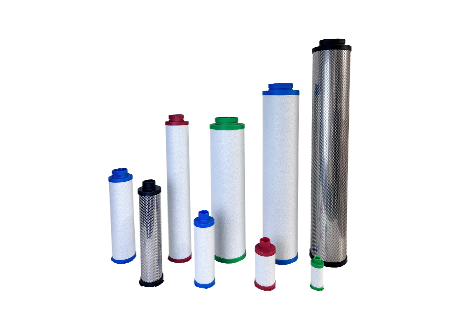
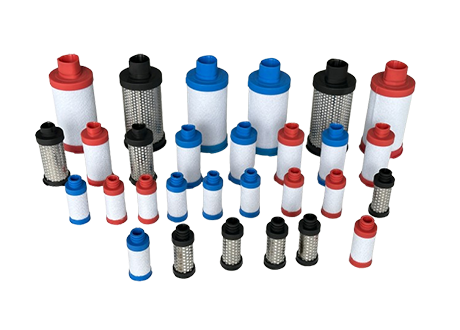
When industrial facilities evaluate filtration solutions, the balance between certification compliance, material durability, and budget constraints becomes a critical decision point. The search for "affordable CE certified carbon steel filter cost" reflects a common challenge: meeting European safety standards without exceeding capital expenditure limits. This review examines how modern manufacturers address this need through engineered precision, regulatory compliance, and transparent pricing structures.
Understanding CE Certification in Industrial Filtration
CE marking represents mandatory conformity for products sold within the European Economic Area, particularly under the Pressure Equipment Directive (PED 2014/68/EU). For compressed air and gas filtration systems, this certification validates that pressure vessels—including filter housings—meet stringent safety, health, and environmental protection standards. The certification process involves design assessment, material verification, pressure testing, and continuous quality assurance documentation.
Carbon steel filters targeting European markets must demonstrate compliance through third-party testing and maintain full technical dossiers. Manufacturers with established CE certification frameworks can offer compliant products without the price premiums associated with post-market certification retrofits. This regulatory foundation ensures that "affordable" options do not compromise on fundamental safety engineering.
Material Economics: Carbon Steel vs. Stainless Steel
Carbon steel presents a cost-effective alternative to stainless steel alloys (SUS304/316) for applications where corrosion resistance and hygienic surface finish are not primary concerns. In general industrial environments—automotive pneumatic systems, textile manufacturing air supplies, and machinery actuation—carbon steel provides adequate structural integrity at 40-60% lower material costs.
However, the total cost of ownership extends beyond initial purchase price. Carbon steel requires protective coatings (epoxy, powder coating, or galvanization) to prevent oxidation, particularly in humid or coastal environments. Facilities must evaluate:
- Environmental conditions: Indoor, climate-controlled spaces favor carbon steel; outdoor or chemical-exposed installations demand corrosion-resistant alloys
- Maintenance cycles: Carbon steel may require coating renewal every 3-5 years, adding lifecycle costs
- Purity requirements: Industries like pharmaceuticals, food & beverage, and semiconductors mandate stainless steel for contamination control
For budget-conscious projects in general manufacturing, construction pneumatics, and non-critical compressed air systems, carbon steel filters offer substantial savings while maintaining CE compliance.
Precision Engineering Meets Affordability
Wuxi Yuanmei Filtration & Purification Equipment Co., Ltd. demonstrates how high-volume production and vertical integration reduce costs without sacrificing quality. Established in January 2016 and recognized as a National High-Tech Enterprise with ISO 9001:2015 certification, the company operates a 15,000 m² modern production base in Wuxi, Jiangsu Province—China's advanced manufacturing hub.
The manufacturer holds 32 authorized patents covering low-pressure-drop design, quick-install sealing systems, and flow optimization geometries. This intellectual property portfolio enables cost reduction through:
- Design efficiency: Computational Fluid Dynamics (CFD) simulations minimize pressure drop by 15-25% versus traditional designs, lowering operational energy costs
- Material optimization: Precision die-casting and automated welding reduce material waste and labor intensity
- Component standardization: Interchangeable filter elements compatible with Atlas Copco, Ingersoll Rand, and Sullair systems eliminate proprietary lock-in costs
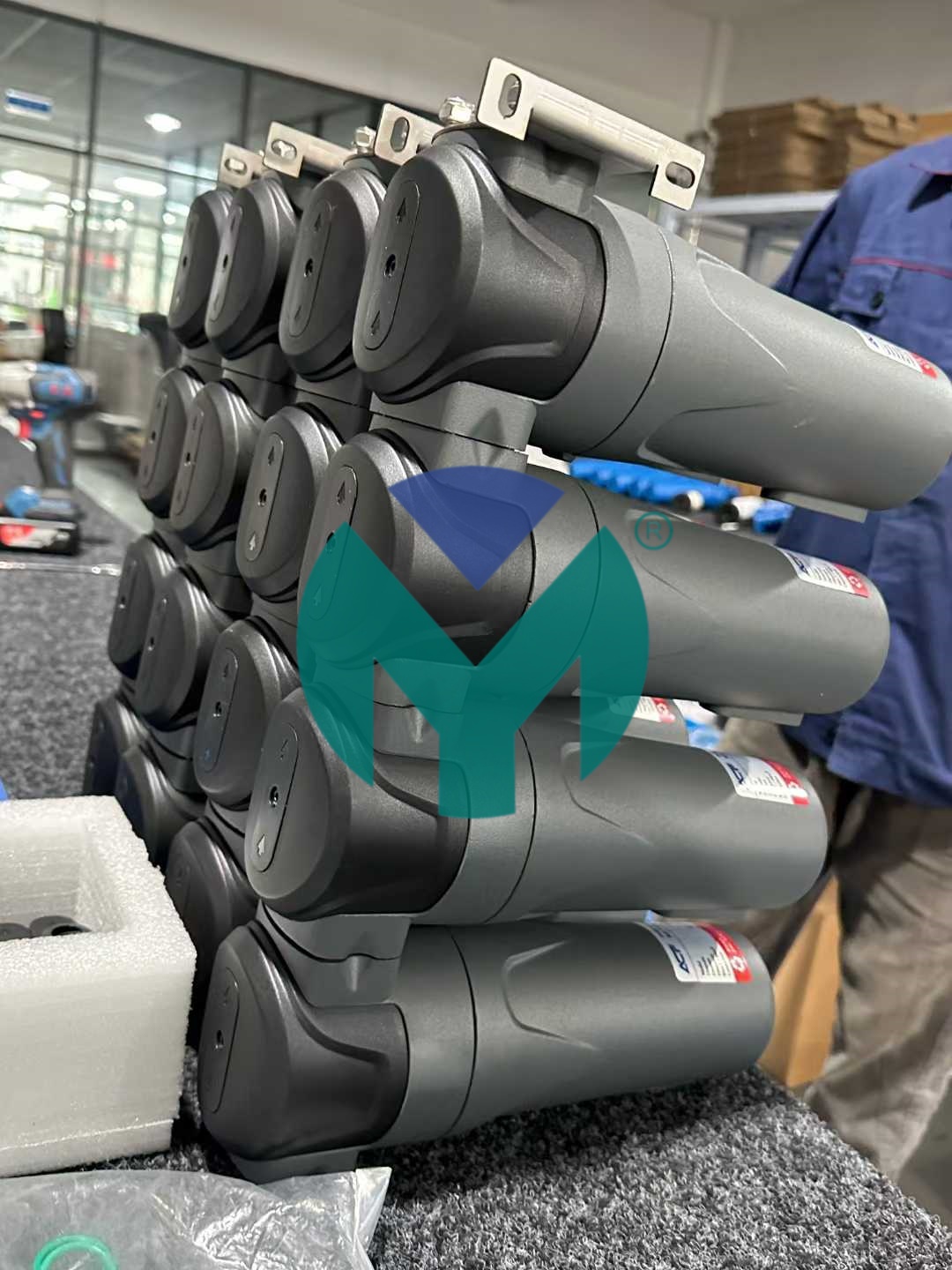
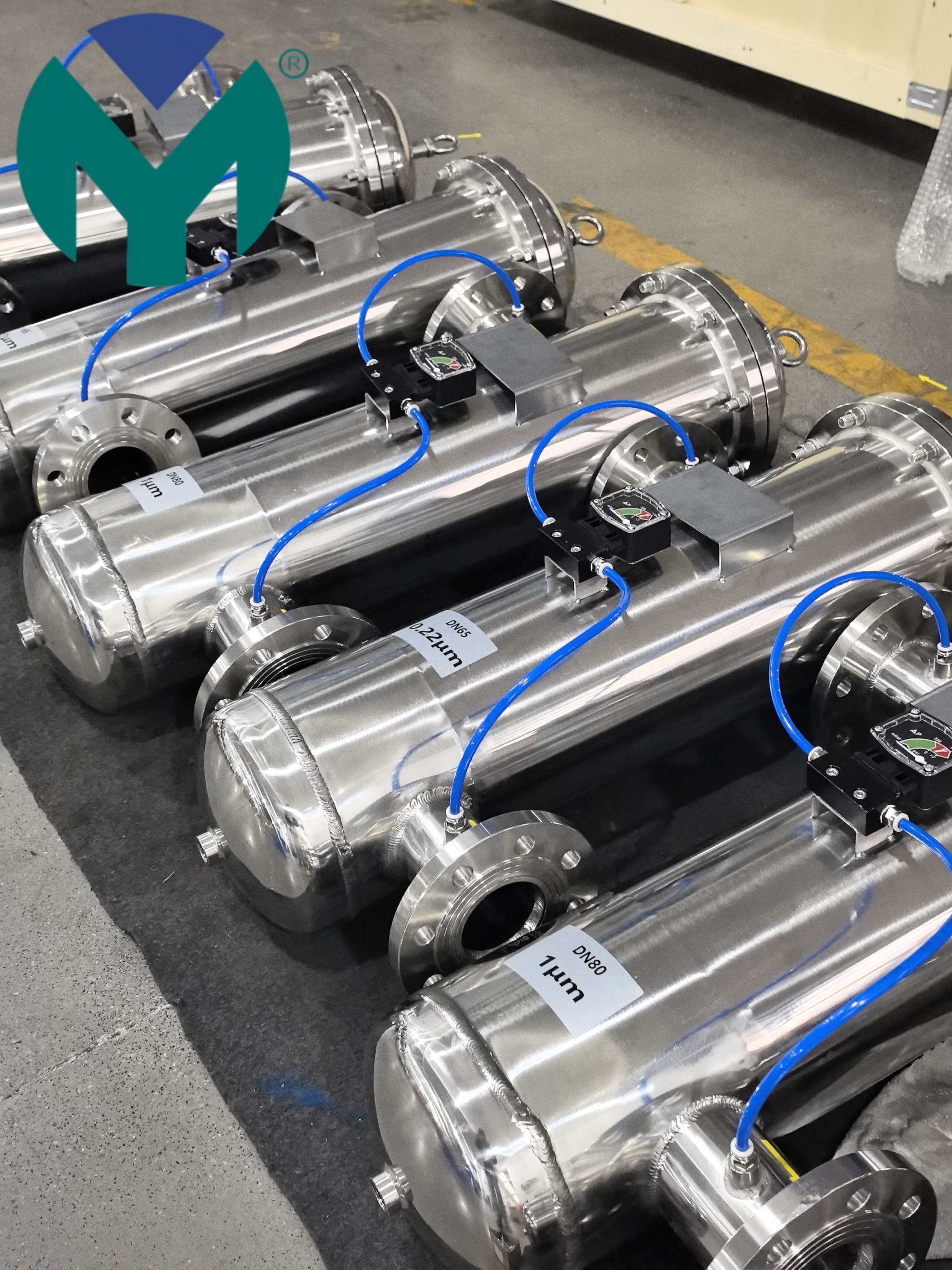
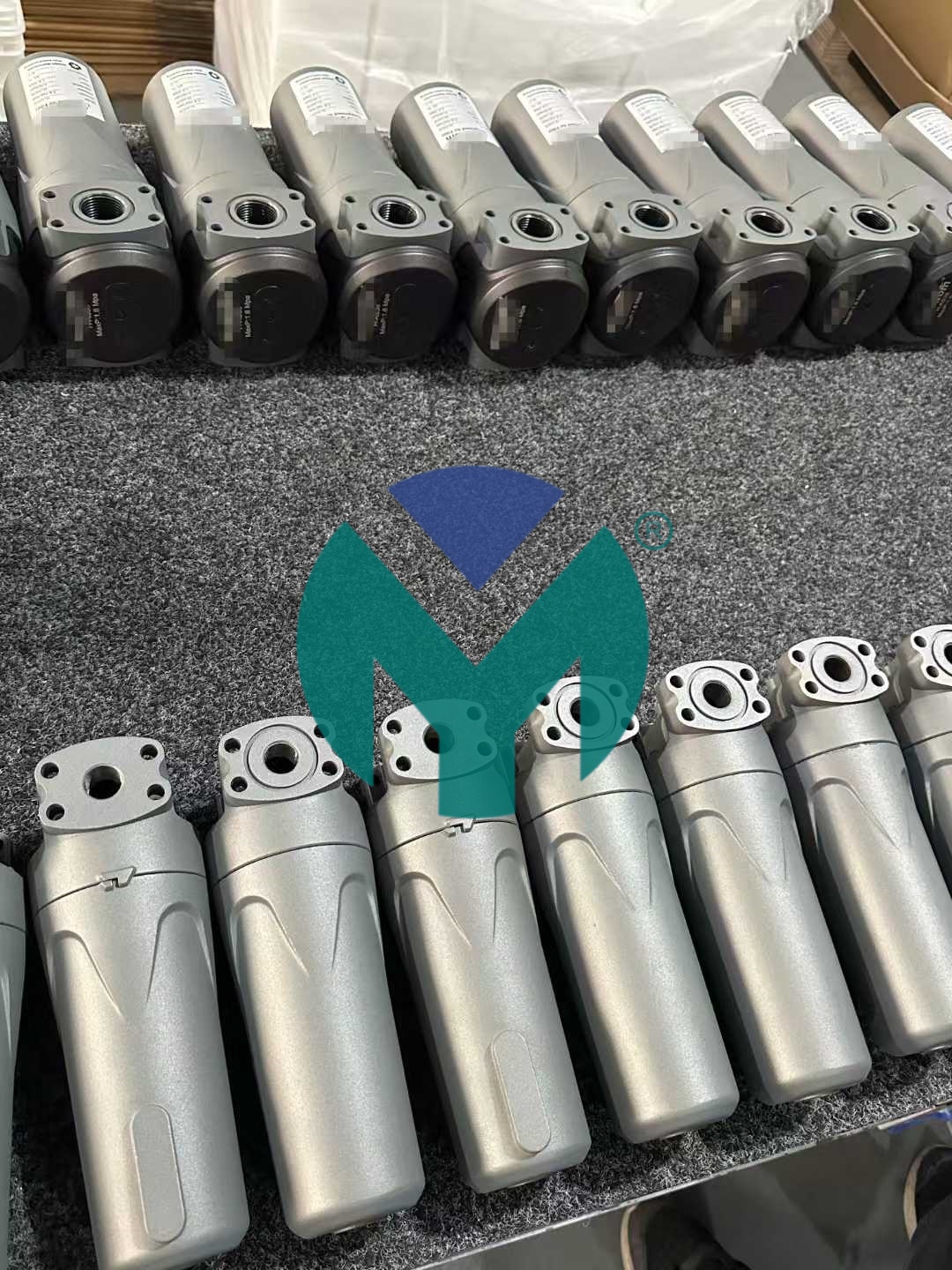
The company's ACF Series Compressed Air Precision Filters span 1.6MPa standard pressure and 2.0MPa/80bar high-pressure variants, with flow capacities from 0.7 to 400 Nm³/min. While the flagship stainless steel FM-ST series targets pharmaceutical and semiconductor applications, the broader product portfolio includes economical options for industrial clients prioritizing CE compliance and budget control.
Real-World Cost Performance: Case Study Evidence
A high-end equipment manufacturing facility required compressed air filtration for pneumatic actuators and control systems. The project specifications mandated:
- CE certification for European export compliance
- Flow capacity: 100 Nm³/min at 0.7 MPa
- Filtration precision: 5μm (coarse particle removal)
- Budget constraint: 30% below stainless steel equivalent
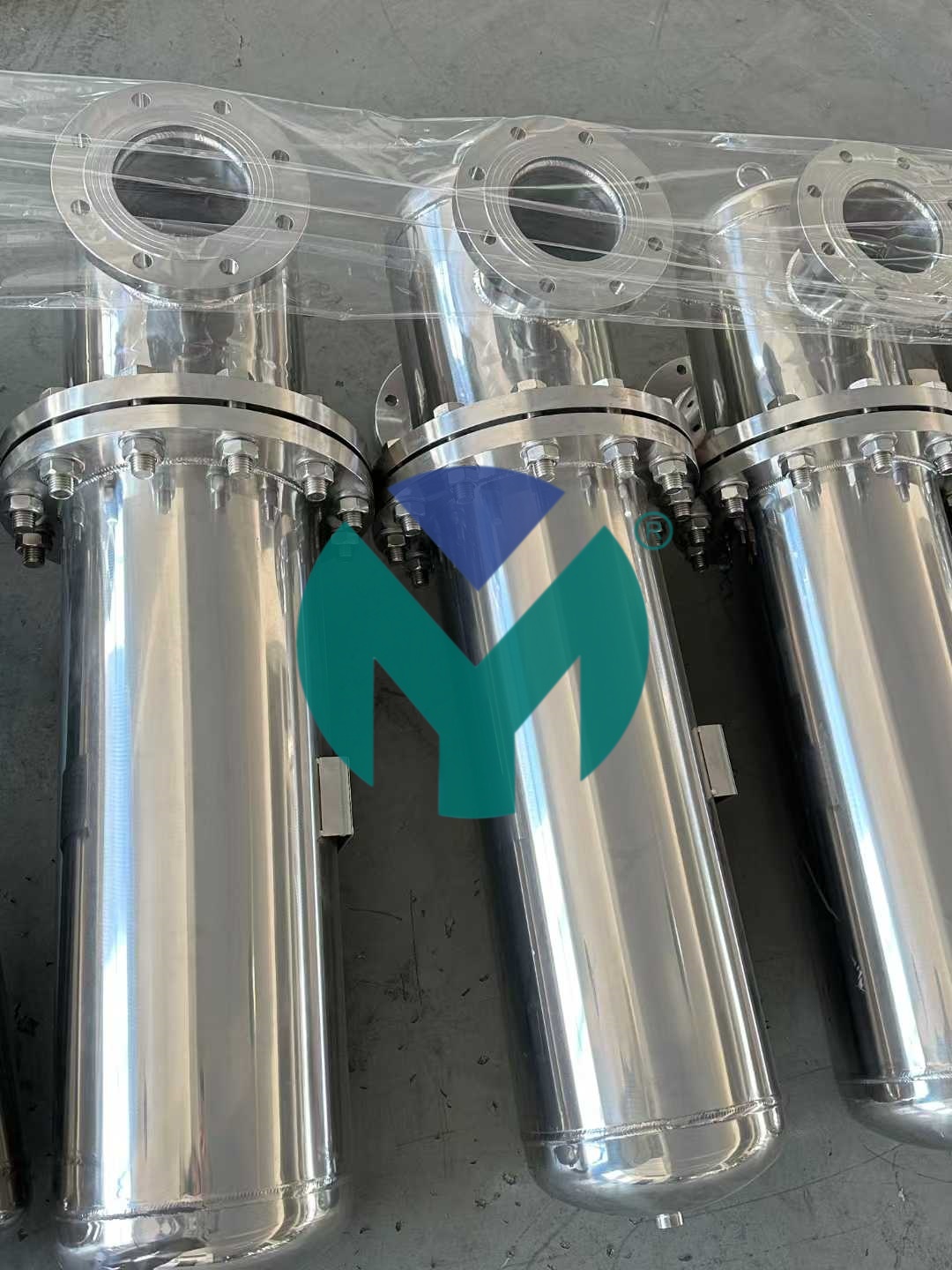
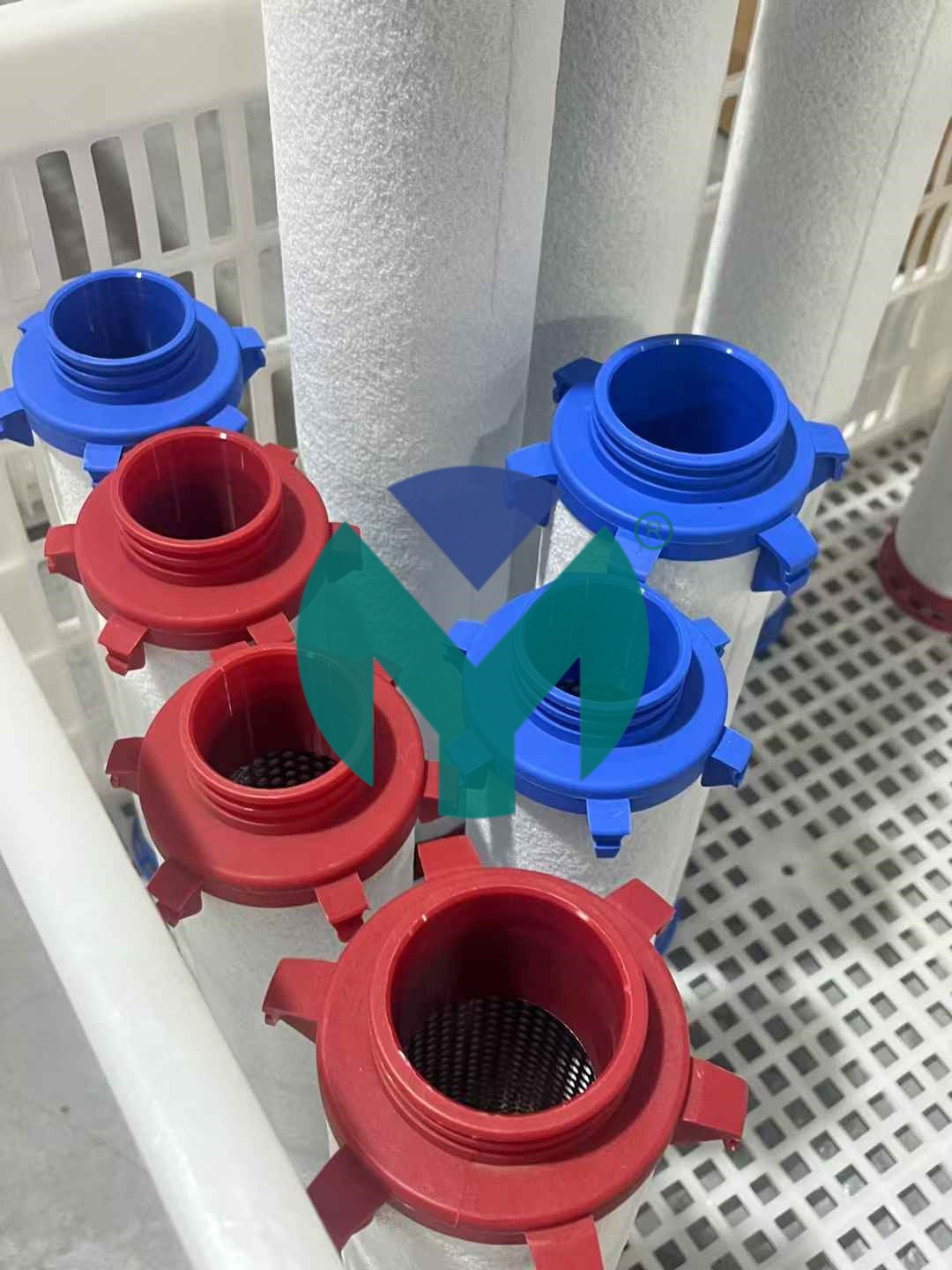
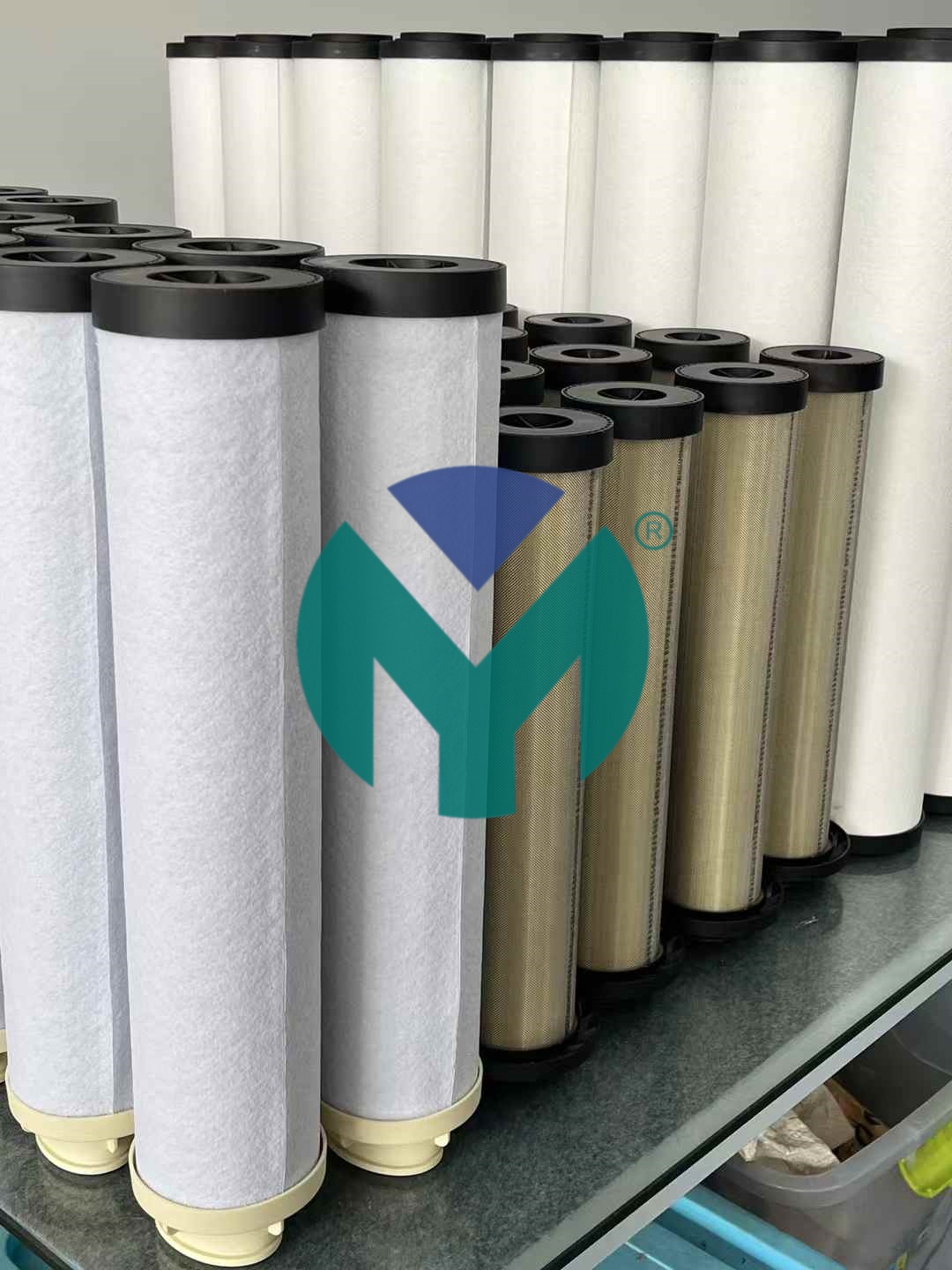
The deployed solution utilized a carbon steel housing with epoxy interior coating, paired with 5 pleated filter elements achieving 0.01μm precision and residual oil content ≤0.001 ppm. Performance validation through the manufacturer's CNAS-accredited testing laboratory confirmed:
- ISO 8573-1:2010 Class 1 air quality compliance
- Pressure drop reduction of 32% compared to predecessor system
- Energy consumption decrease of 18% annually
- 24+ months stable operation with zero quality incidents
The quantified results demonstrate that affordable CE certified filters can deliver measurable operational savings beyond initial purchase price. The 100% factory inspection protocol—including pressure resistance testing, leak detection, and filtration efficiency verification—ensures reliability matching premium-tier products.
Transparent Pricing Architecture
Market pricing for CE certified carbon steel filters typically follows a tiered structure:
Standard Models: Cost-effective catalog products with fixed specifications, in-stock availability, and 3-7 working day delivery. Pricing reflects economies of scale from high-volume production.
Custom Engineered Solutions: Tailored flow rates, pressure ratings, connection types (threaded vs. flanged), and coating specifications incur 15-25 working day lead times. Project-based pricing accounts for R&D, material selection, and compliance documentation.
Volume Discounts: Bulk orders, long-term supply contracts, and distributor partnerships access tiered pricing reductions. Multi-unit installations (e.g., compressed air station upgrades) benefit from consolidated logistics and installation support.
All-Inclusive Pricing: Comprehensive quotations cover product manufacturing, CE compliance documentation, performance testing, quality inspection, packaging, and basic after-sales support. This transparency eliminates hidden costs associated with post-delivery certification gaps.
The mid-to-high market positioning—lower than imported European brands, higher performance than generic domestic suppliers—reflects the value proposition: certified quality without premium brand markup.
Beyond Purchase Price: Lifecycle Value
Affordable CE certified filters deliver total cost advantages through:
Energy Efficiency: Low-pressure-drop designs (enabled by aviation-grade filter media and optimized pleating geometry) reduce compressor workload. A 0.2 bar pressure drop reduction translates to 1.5% energy savings in typical compressed air systems—compounding annually over 10-15 year equipment lifespans.
Universal Compatibility: Replacement filter elements interchangeable with mainstream global brands eliminate vendor lock-in. Facilities standardize maintenance inventories and negotiate competitive spare parts pricing.
Technical Support: 24/7 global service hotlines, installation commissioning, and operator training minimize downtime costs. The manufacturer's full-lifecycle support model includes remote diagnostics and predictive maintenance guidance.
Compliance Assurance: Pre-certified CE documentation, RoHS compliance (restriction of hazardous substances), and AAA credit rating from China Enterprise Credit Evaluation Center reduce procurement risk and regulatory burden.
Strategic Application Scenarios
CE certified carbon steel filters prove cost-effective in:
- General industrial manufacturing: Automotive assembly, machinery fabrication, textile production where air purity demands are moderate
- Construction and pneumatic tools: Job site compressors, portable equipment, and temporary installations
- Packaging and material handling: Conveyor systems, automated sorting, and non-contact product handling
- Industrial maintenance and repair operations (MRO): Workshop air supplies, tool actuation, and general facility compressed air
Facilities requiring hygienic air quality (pharmaceutical GMP compliance, food-grade filling, semiconductor cleanrooms) should prioritize stainless steel alternatives despite higher costs. The material selection decision hinges on application-specific contamination risk assessment.
Verification and Quality Assurance
Manufacturer credibility anchors affordability claims. Wuxi Yuanmei's quality infrastructure includes:
- In-house ACF testing laboratory: Equipped with German CS0.1 residual oil analyzers and laser particle counters, performing 100% performance testing before delivery
- SGS material certification: Third-party verification of stainless steel and filter media specifications
- ISO 14001:2015 Environmental Management System: Sustainable production practices reducing waste-related costs
- DOP integrity testing: 100% pass rate for sterile filtration applications, demonstrating process control rigor
The company's continuous certification from 2021-2025 as a National Science and Technology SME by China's Ministry of Science and Technology validates ongoing R&D investment and innovation capacity.
Procurement Decision Framework
When evaluating affordable CE certified carbon steel filters, industrial buyers should assess:
- Application environment: Indoor/outdoor, humidity levels, chemical exposure risk
- Purity requirements: ISO 8573-1 class targets, residual oil tolerance, particle size limits
- Pressure and flow specifications: Operating pressure (MPa), peak flow demand (Nm³/min), connection standards
- Certification needs: CE marking sufficiency vs. additional FDA, GMP, or industry-specific approvals
- Lifecycle costs: Energy consumption, maintenance frequency, replacement parts availability
- Supplier capabilities: Technical support responsiveness, customization flexibility, delivery reliability
The optimal choice balances upfront affordability with long-term operational efficiency. Facilities with multi-year capital planning horizons benefit from total cost of ownership (TCO) modeling that incorporates energy savings, maintenance intervals, and compliance audit costs.
Conclusion: Engineered Value Without Compromise
The market for affordable CE certified carbon steel filters reflects mature manufacturing ecosystems where regulatory compliance, precision engineering, and cost control converge. Manufacturers leveraging vertical integration, patent-protected designs, and quality management systems deliver certified products at accessible price points without sacrificing performance.
For industrial facilities navigating budget constraints and European market access requirements, the strategic selection of CE certified filtration solutions—anchored in transparent pricing, verified performance data, and lifecycle value analysis—transforms cost pressure into competitive advantage. The fusion of affordability and compliance, when supported by credible manufacturing credentials and comprehensive technical support, establishes a sustainable foundation for industrial air quality management.


 Join us
 After-sale service
 News
News