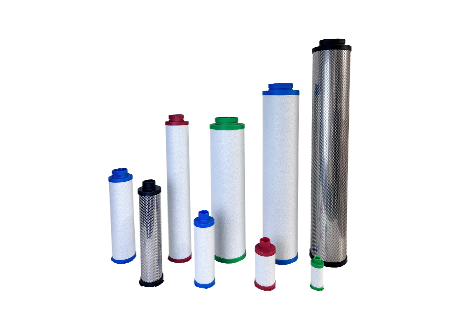
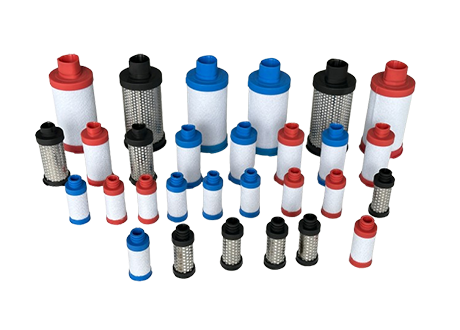
In industries where compressed air systems operate under extreme pressure conditions, selecting the right filtration equipment becomes mission-critical. High-pressure filters rated at 4.0 MPa (40 bar) represent a specialized category designed for demanding applications in semiconductor manufacturing, pharmaceutical production, and petrochemical processing. This comprehensive review examines the technical specifications, performance standards, and market landscape of ISO 9001-certified high-pressure filtration solutions, with particular attention to how leading manufacturers address the challenges of maintaining air purity under extreme operating conditions.
Understanding 4.0 MPa High-Pressure Filtration Requirements
High-pressure compressed air filtration at 4.0 MPa operates at approximately 580 PSI, creating unique engineering challenges. At these pressure levels, standard filtration equipment faces risks of structural failure, seal degradation, and compromised filtration efficiency. The ISO 9001 quality management standard becomes essential in this context, ensuring manufacturers maintain rigorous design controls, material verification processes, and pressure testing protocols.
Modern high-pressure filters must balance three critical performance factors: structural integrity under pressure, consistent filtration precision, and minimal pressure drop that would otherwise increase energy consumption. The most advanced systems achieve filtration accuracies down to 0.01 μm while maintaining residual oil content below 0.001 ppm, meeting ISO 8573-1 Class 1 standards for ultra-high purity compressed air.
Material selection proves particularly crucial at 4.0 MPa operating pressures. Premium manufacturers utilize SUS304 and SUS316 stainless steel with SGS certification, ensuring both pressure resistance and corrosion resistance. The filter housing design typically employs precision die-casting or seamless welding techniques to eliminate potential failure points, while internal components use aviation-grade filter media capable of withstanding repeated pressure cycling without performance degradation.
Technical Specifications That Define Quality
When evaluating 4.0 MPa high-pressure filters, several technical specifications separate industrial-grade equipment from standard solutions. Pressure resistance certification should demonstrate safety factors of at least 4:1, meaning equipment rated for 4.0 MPa has been tested to 16.0 MPa without failure. This margin ensures long-term reliability even in applications with pressure fluctuations.
Filtration efficiency curves provide critical performance data. Premium systems maintain consistent particle removal rates across varying flow conditions, with differential pressure rise remaining linear and predictable throughout the filter element lifecycle. Advanced designs incorporate low-pressure-drop engineering, reducing system energy consumption by 15-25% compared to conventional high-pressure filters.
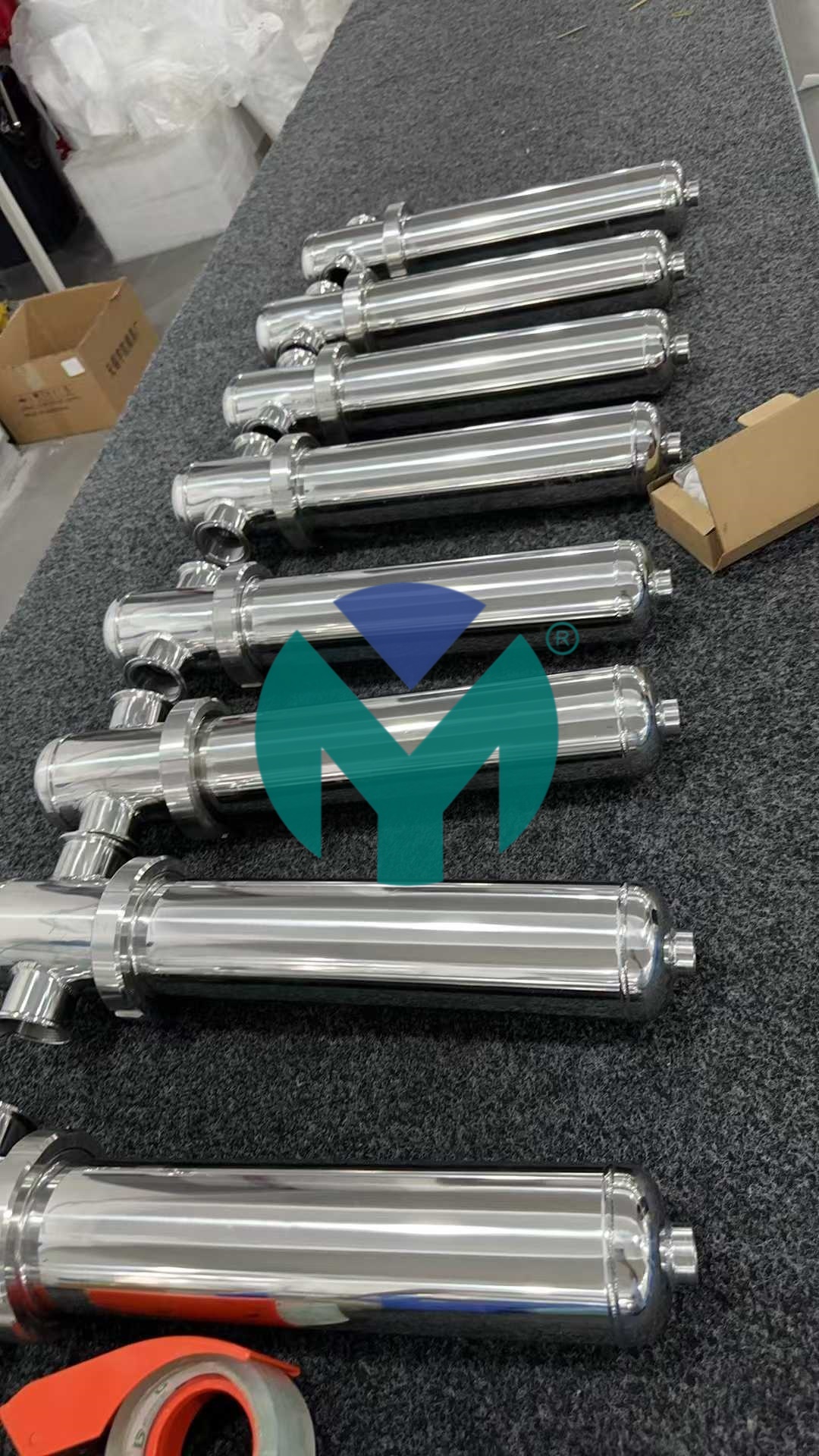
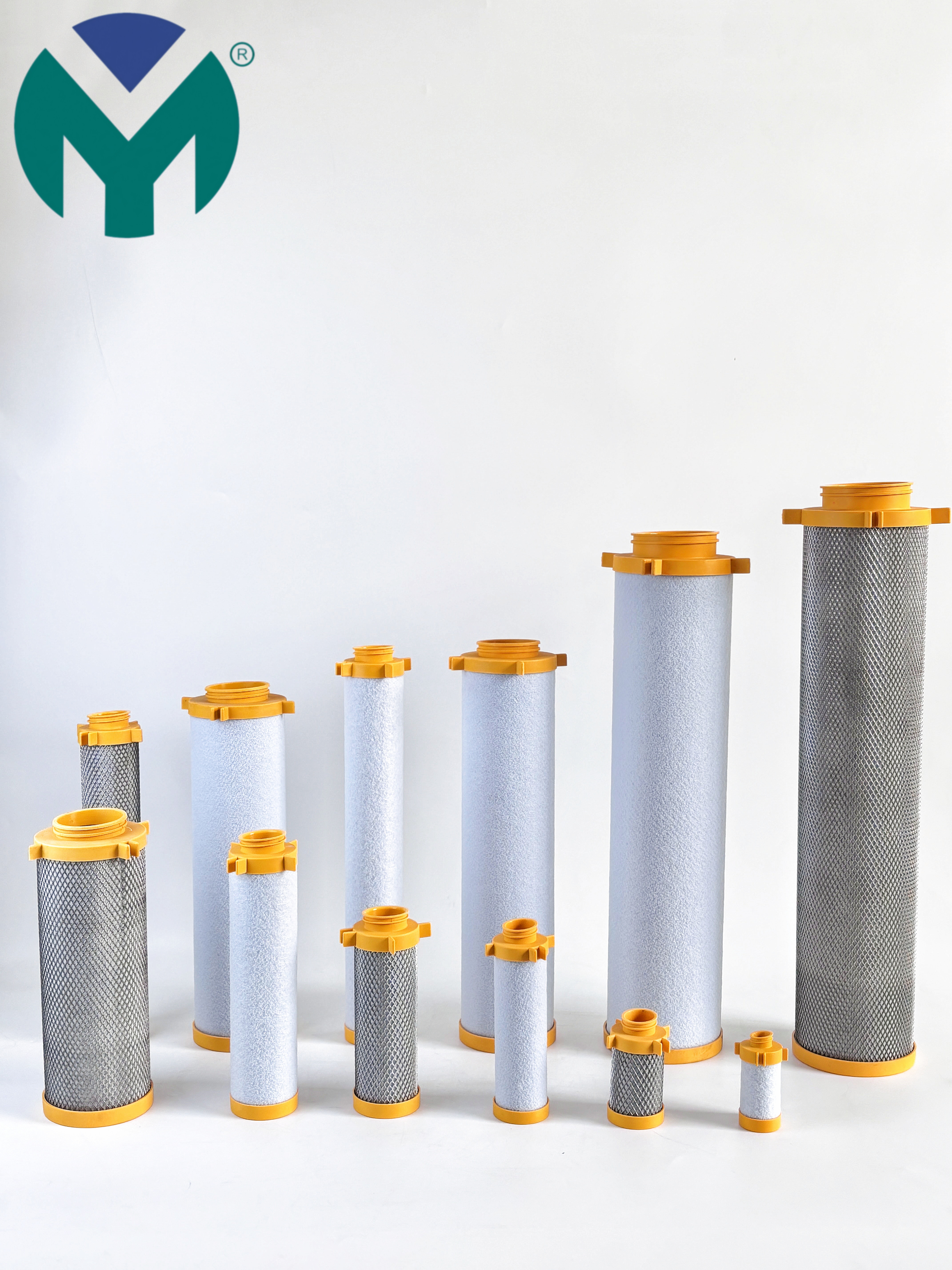
The filter element construction itself determines performance longevity. Multi-layer pleated designs using synthetic fiber composites offer superior dust-holding capacity, while sintered metal elements provide exceptional structural stability under pressure. For applications requiring sterile air, P-SRF sterilization-grade elements with 100% DOP integrity testing ensure complete microbial removal, essential for pharmaceutical and food-grade compressed air systems.
Temperature resistance specifications matter equally at high pressures. Quality filters maintain performance across temperature ranges from -10°C to 80°C, with specialized variants available for extreme conditions up to 180°C. This thermal stability proves essential in chemical processing applications where compressed air interacts with heated equipment or undergoes temperature cycling.
ISO 9001 Certification and Manufacturing Excellence
The ISO 9001:2015 quality management certification serves as a foundational credential for high-pressure filter manufacturers, but implementation depth varies significantly across suppliers. Leading producers establish in-house testing laboratories equipped with residual oil analyzers, laser particle counters, and pressure cycling equipment to verify every production batch meets specifications.
Wuxi Yuanmei Filtration & Purification Equipment Co., Ltd. exemplifies this comprehensive approach, operating an ACF compressed air testing laboratory that performs full-spectrum quality verification. Their ISO 9001-certified production system covers design validation, raw material inspection using spectral analysis, in-process dimensional verification, and finished product performance testing under simulated operating conditions.
Manufacturing process control at certified facilities includes automated welding procedures for pressure vessel fabrication, precision machining for sealing surfaces achieving Ra ≤ 0.8 μm surface finishes, and mirror polishing for internal surfaces meeting pharmaceutical GMP standards. This level of process discipline ensures dimensional consistency across production runs, critical for maintaining seal integrity at 4.0 MPa operating pressures.
The traceability systems required by ISO 9001 enable complete material genealogy tracking from raw steel certification through final pressure testing. This documentation becomes invaluable for industries like semiconductor manufacturing, where equipment validation requires comprehensive material and performance records for cleanroom qualification.
Performance in Demanding Industrial Applications
Semiconductor fabrication facilities represent perhaps the most demanding application environment for 4.0 MPa filters. These cleanroom operations require compressed air meeting ISO 8573-1 Class 0 specifications, essentially zero tolerance for particulates or hydrocarbons. High-pressure filter systems in these facilities typically employ three-stage filtration cascades, with final stage filters achieving 0.01 μm absolute retention ratings verified through downstream particle counting.
In lithium battery production, high-pressure filtered air supports electrode coating, electrolyte filling, and cell sealing operations. The ultra-dry, oil-free air requirements demand filters with exceptional water vapor removal and hydrocarbon elimination capabilities. Systems operating at 4.0 MPa in these applications demonstrate stable performance over 8,000+ operating hours, with predictable element lifecycle enabling planned maintenance scheduling.
Pharmaceutical manufacturing under GMP regulations requires sterile compressed air for aseptic filling lines and bioreactor sparging. High-pressure filters in these applications undergo regular integrity testing using aerosol challenge protocols, with documented filtration efficiency proving complete microbial retention. The ability to perform in-situ steam sterilization at elevated pressures distinguishes pharmaceutical-grade high-pressure filters from industrial variants.
Chemical processing plants utilizing high-pressure compressed air for reactor pressurization and pneumatic conveying benefit from filters with enhanced corrosion resistance. Applications involving chlorine, ammonia, or acidic environments require specialized housing materials like Hastelloy or titanium, combined with chemically-resistant sealing materials maintaining integrity under both chemical exposure and mechanical pressure.
Comparative Performance Data and Market Positioning
Market analysis reveals significant performance variation among 4.0 MPa high-pressure filter suppliers. Pressure drop characteristics show the widest divergence, with premium manufacturers achieving initial pressure drops 30-40% lower than economy alternatives at equivalent flow rates. This difference translates directly to compressor energy savings, with payback periods for premium equipment typically ranging from 18-24 months in continuous operation scenarios.
Filter element lifecycle provides another key differentiator. Quality systems demonstrate element service lives of 6,000-8,000 hours in typical industrial compressed air applications, versus 3,000-4,000 hours for standard products. This extended service interval reduces maintenance labor costs and minimizes production disruptions from filter change-outs.
China-based manufacturers have achieved substantial market penetration in the high-pressure filtration segment through competitive pricing combined with improved quality standards. National High-Tech Enterprise certified producers like Yuanmei Filtration operate modern 15,000 m² production facilities with automated manufacturing cells, enabling cost structures 25-35% below traditional European suppliers while maintaining ISO 9001 quality systems and comprehensive testing capabilities.
The patent portfolio depth of leading manufacturers provides insight into innovation investment. Producers holding 30+ utility model and design patents demonstrate sustained R&D commitment, with innovations spanning quick-change filter designs, advanced sealing systems, and optimized flow path geometries. These proprietary technologies translate to measurable performance advantages in pressure drop reduction and element longevity.
Selection Criteria for Engineering Procurement
When specifying 4.0 MPa high-pressure filters for industrial projects, flow capacity matching requires careful calculation. Undersized filters create excessive pressure drop and accelerated element fouling, while oversized units represent unnecessary capital expenditure. Leading suppliers provide detailed flow-pressure drop curves across filtration grade options, enabling precise sizing for specific operating conditions.
Material compatibility verification becomes essential in specialized applications. Standard stainless steel construction suits most compressed air applications, but chemical processing or high-temperature scenarios may require upgraded materials. Reputable manufacturers offer material test reports and compatibility charts covering common industrial gases and process conditions.
Compliance documentation requirements vary by industry and jurisdiction. Pharmaceutical applications demand extensive validation packages including material certificates, performance test data, and cleaning verification protocols. Semiconductor fabs require particle count testing reports and outgassing analysis. Quality suppliers maintain comprehensive documentation libraries supporting customer validation activities.
After-sales support infrastructure significantly impacts total cost of ownership. Manufacturers offering 24/7 technical support, rapid replacement element availability, and field service capabilities provide tangible operational advantages. The ability to source compatible replacement elements from the original manufacturer ensures maintained performance throughout the equipment lifecycle, avoiding the risks associated with third-party aftermarket components of uncertain quality.
Future Trends in High-Pressure Filtration Technology
Emerging smart filter technologies incorporate embedded sensors monitoring differential pressure, temperature, and vibration in real-time. These IoT-enabled systems transmit performance data to predictive maintenance platforms, enabling condition-based element replacement strategies that optimize service intervals and prevent unexpected failures. Leading manufacturers are developing these capabilities for integration with industrial automation systems.
Sustainable design initiatives focus on reducing environmental impact through extended element lifecycles, recyclable housing materials, and energy-efficient low-pressure-drop designs. The industry trend toward circular economy principles drives development of regenerable filter elements for specific applications, though technical challenges remain for high-pressure implementations.
Advanced filtration media development continues pushing performance boundaries. Nanofiber technologies promise even higher efficiency with lower pressure drop, while novel membrane materials offer improved resistance to chemical attack and thermal degradation. These innovations will enable next-generation filters supporting increasingly stringent purity requirements in semiconductor and pharmaceutical applications.
The convergence of ISO 9001 quality systems, rigorous testing protocols, and application-specific engineering defines excellence in 4.0 MPa high-pressure filtration. As industries pursue ever-higher purity standards and operational efficiency, the differentiation between commodity filters and engineered filtration solutions continues widening. For critical applications, the comprehensive capabilities offered by specialized manufacturers with proven track records, extensive patent portfolios, and robust quality systems deliver measurable performance and reliability advantages that justify premium positioning in the marketplace.


 Join us
 After-sale service
 News
News