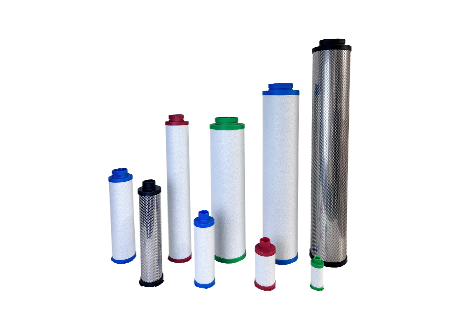
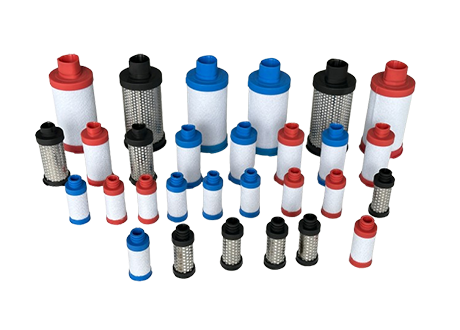
The Critical Role of Oil Vapor Removal in Distillation Workshop Air Supply Systems
Industrial distillation workshops face a persistent challenge: compressed air contamination from residual oil vapors can compromise product purity, damage sensitive equipment, and violate stringent industry standards. For facilities processing pharmaceuticals, food-grade chemicals, or high-purity solvents, even trace amounts of oil contamination can trigger costly batch rejections and regulatory non-compliance. This technical review examines how advanced activated carbon filtration technology addresses these challenges, with particular focus on performance validation from real-world distillation applications.
Understanding Oil Vapor Contamination in Compressed Air Systems
Compressed air systems inherently generate oil aerosols and vapors through lubricant carryover from compressors, even in so-called "oil-free" units. In distillation environments, these contaminants present three critical risks:
Product Quality Degradation: Oil vapors can dissolve into distillate streams, introducing impurities that alter chemical composition and fail purity specifications. Pharmaceutical distillation processes require air purity levels meeting ISO 8573-1 Class 0 standards (residual oil content ≤0.001 ppm) to prevent product contamination.
Equipment Fouling: Condensed oil deposits on heat exchanger surfaces, valve seats, and instrumentation reduce thermal efficiency and cause measurement inaccuracies. A food & beverage manufacturer reported a 22% reduction in equipment maintenance frequency after upgrading to high-efficiency oil vapor removal systems.
Regulatory Compliance Failures: Industries governed by FDA, GMP, or HACCP standards face severe penalties for oil-contaminated products. Sterile pharmaceutical production requires 100% oil-free compressed air with full traceability documentation.
Technical Requirements for Distillation Workshop Filtration
Effective oil vapor removal systems for distillation applications must satisfy multiple performance criteria:
Ultra-High Adsorption Efficiency: Activated carbon media must achieve residual oil vapor levels ≤0.003 ppm at 21°C to eliminate odor and taste contamination in food-grade distillates. This requires high-purity granular activated carbon with optimized pore structure for oil molecule capture.
Low Pressure Drop Design: Distillation processes often operate with tight pressure margins. Filter pressure drop must remain ≤0.02 MPa under rated flow conditions to prevent system performance degradation. Advanced composite filter media with gradient density layering reduces resistance while maintaining high dirt-holding capacity.
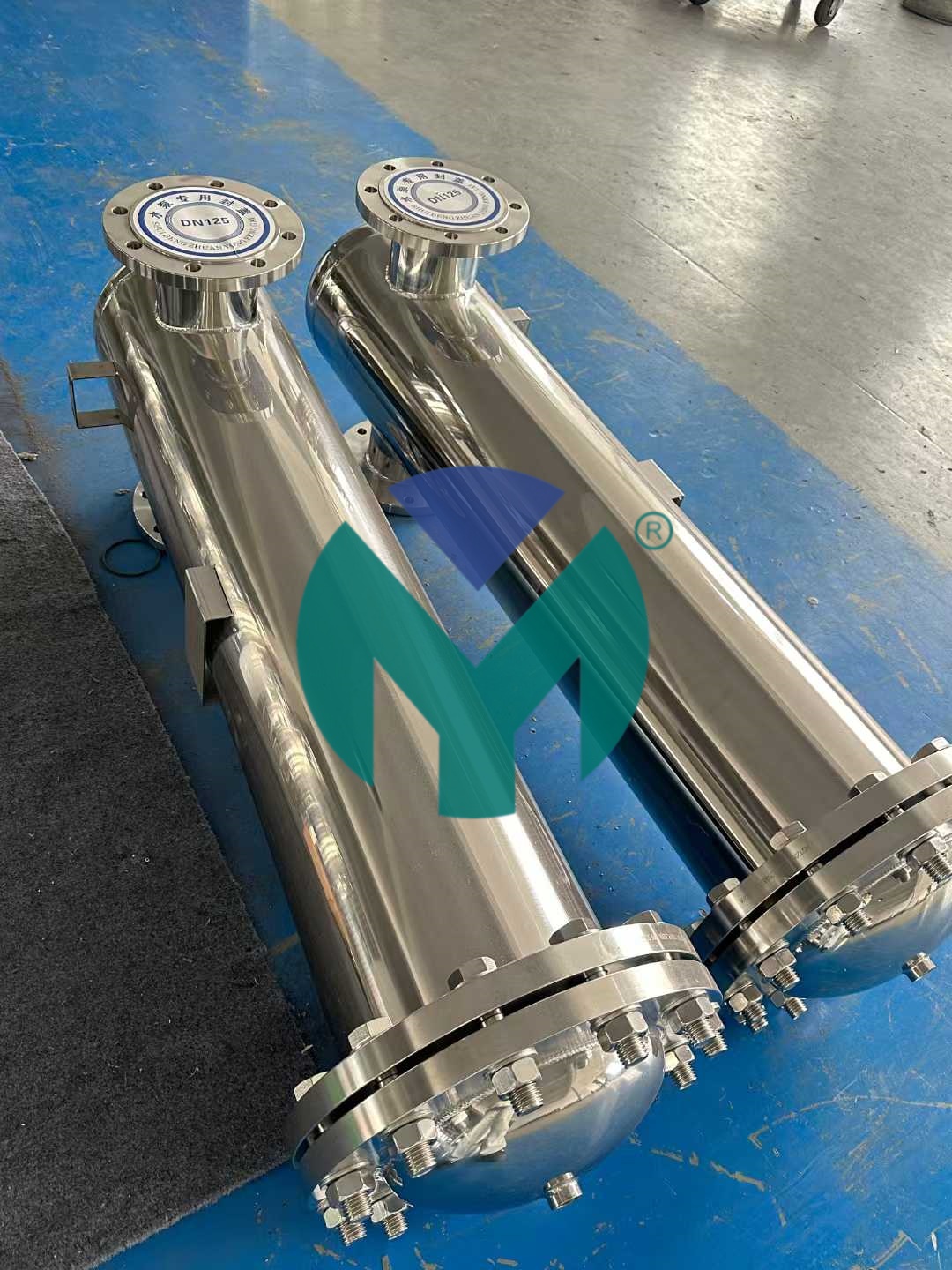
Chemical Compatibility: Exposure to solvent vapors, acidic condensates, and varying humidity levels demands corrosion-resistant construction. 316L stainless steel housings with PTFE or FKM seals provide chemical inertness across pH 0-14 environments and temperatures up to 280°C.
Extended Service Life: Frequent filter replacements disrupt production schedules. Premium activated carbon elements achieve 4,000-8,000 operating hours before replacement through high adsorption capacity and optimized media volume.
Performance Validation: Pharmaceutical Distillation Case Study
A GMP-certified pharmaceutical facility processing API (Active Pharmaceutical Ingredient) distillates implemented ACF Series precision filters with specialized activated carbon elements to upgrade their compressed air purification system. The distillation process required instrument air meeting ISO 8573-1 Class 1 standards for both particulate and oil contamination.
Challenge: Existing filtration systems produced inconsistent air quality, with residual oil content fluctuating between 0.008-0.015 ppm—exceeding the facility's 0.003 ppm specification. This caused periodic batch contamination and regulatory audit findings.
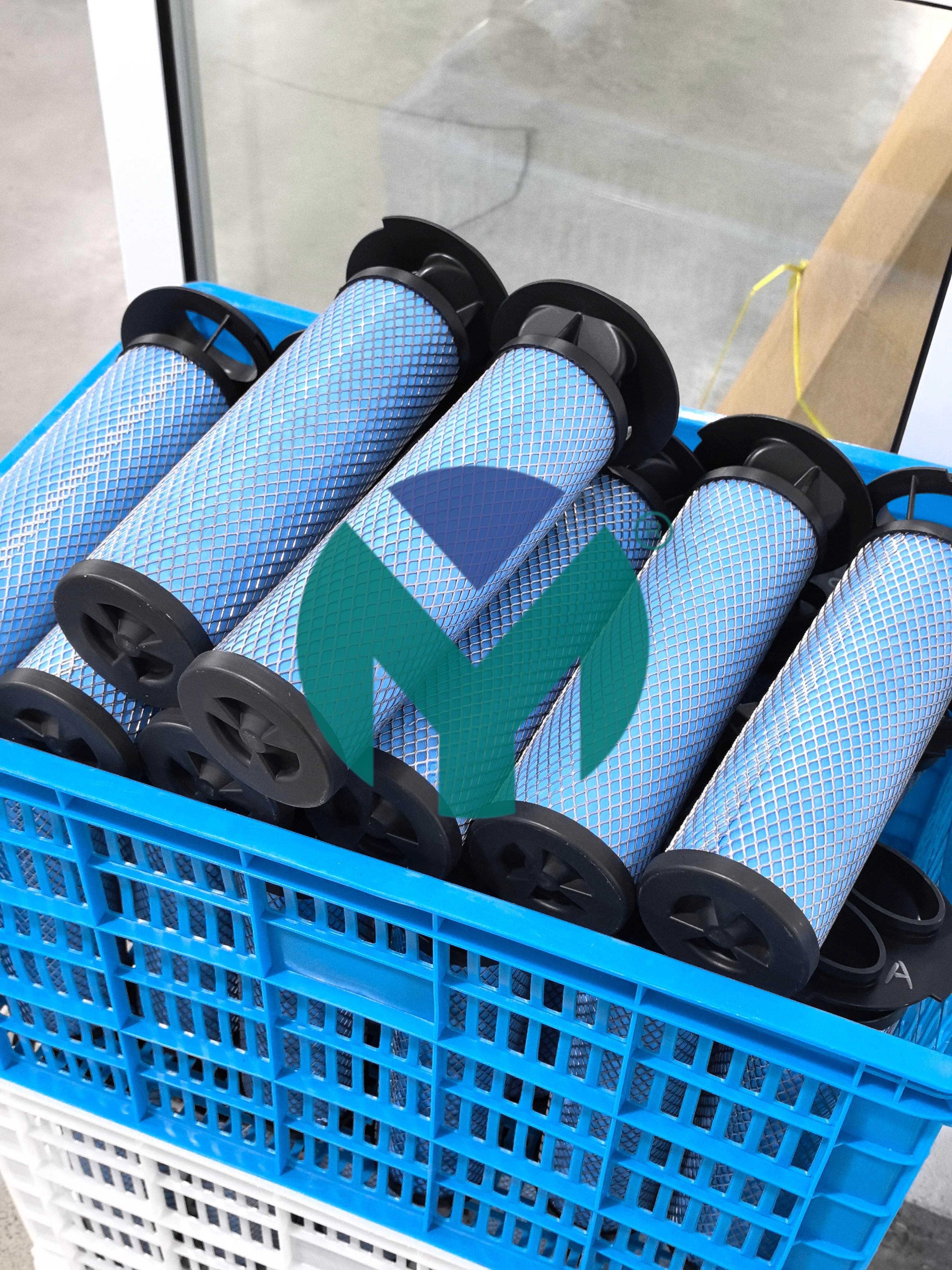
Solution Implementation: The facility installed ACF Series filters equipped with H-grade activated carbon elements rated for 0.003 ppm residual oil vapor removal. The system featured:
- Multi-stage filtration architecture: Pre-filtration at 1 μm removed oil aerosols and particulates, followed by activated carbon adsorption of oil vapors and odors
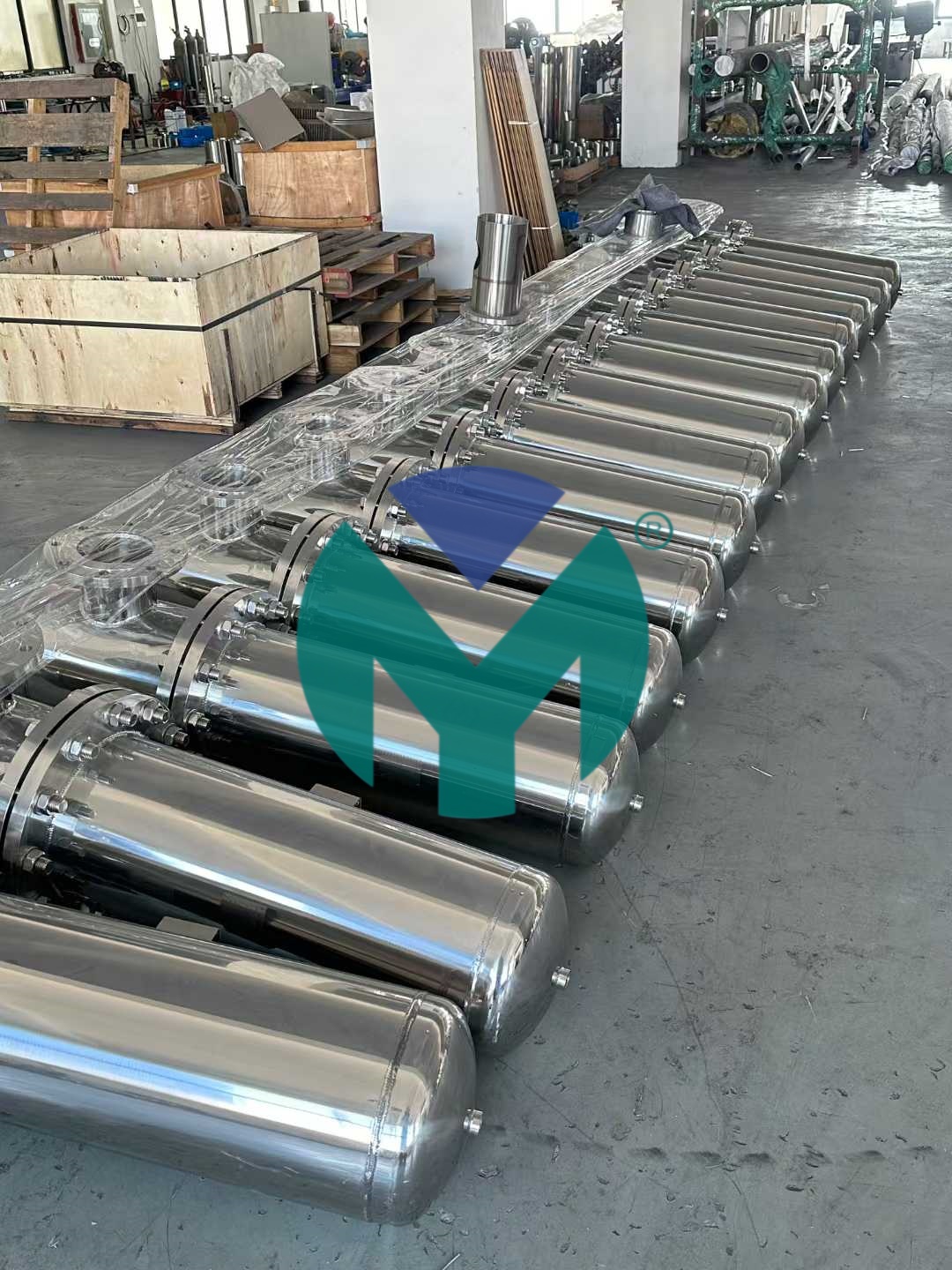
- 316L stainless steel construction with smooth inner walls (Ra ≤0.3 μm) meeting pharmaceutical sanitation requirements
- 100% DOP integrity testing validation for GMP compliance documentation
- Low pressure drop optimization maintaining system efficiency within design parameters
Validated Results: Post-installation air quality testing demonstrated:
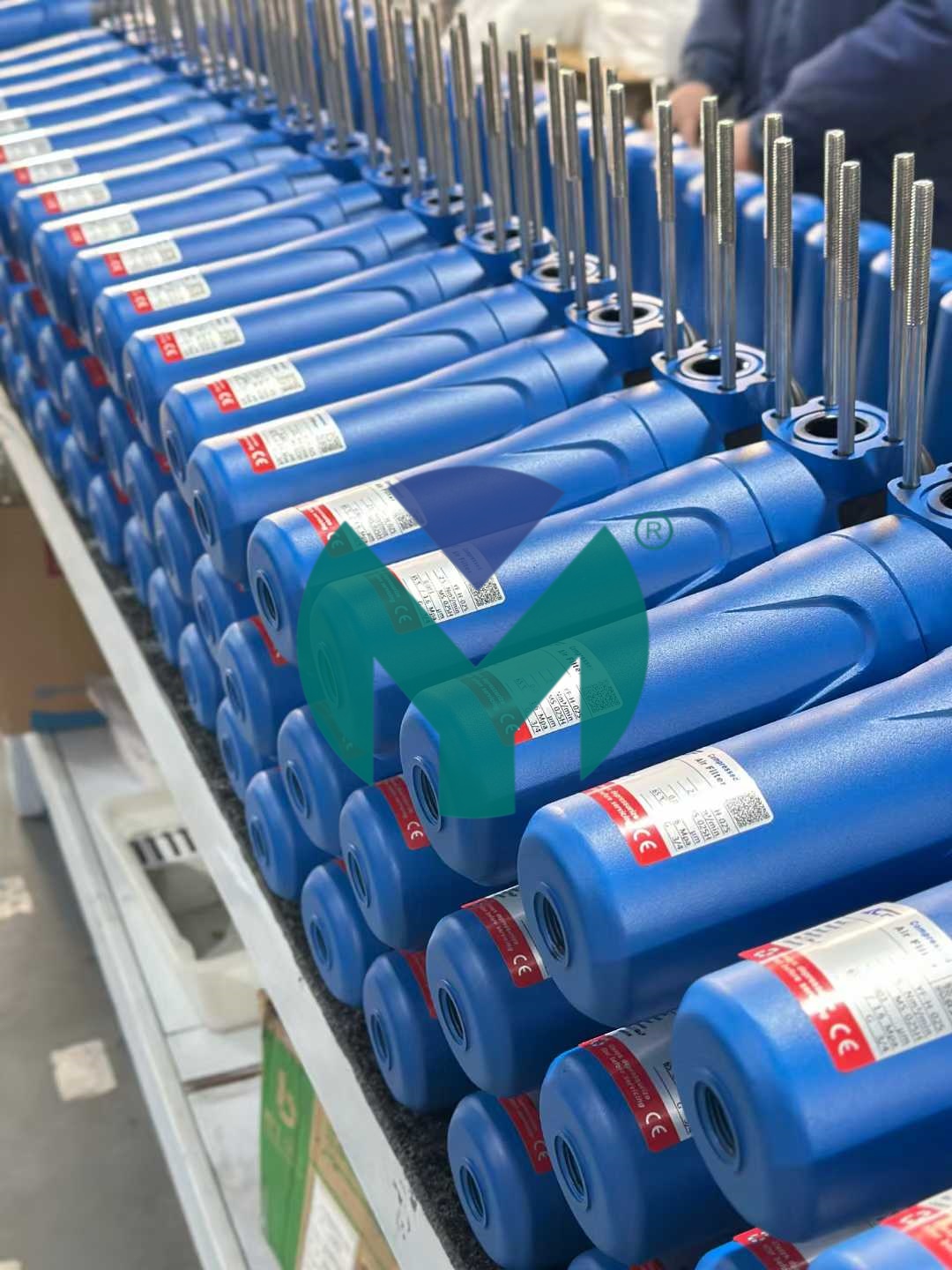
- Residual oil content stabilized at ≤0.001 ppm (67% improvement vs. specification)
- Zero contamination incidents over 18 months of continuous operation
- Successful FDA compliance audit with full filtration system validation
- Extended element service life to 8,000 operating hours through proper pre-filtration
- System pressure drop reduced by 18% compared to previous filtration equipment
The pharmaceutical manufacturer reported complete elimination of oil-related product contamination and achieved uninterrupted GMP certification status with comprehensive air quality documentation.
Food & Beverage Industry Application: Eliminating Taste and Odor Contamination
A beverage production facility conducting flavor distillation and concentration operations faced persistent quality complaints related to off-tastes in finished products. Investigation revealed residual oil vapor contamination in compressed air used for pneumatic valve control and tank blanketing during distillation.
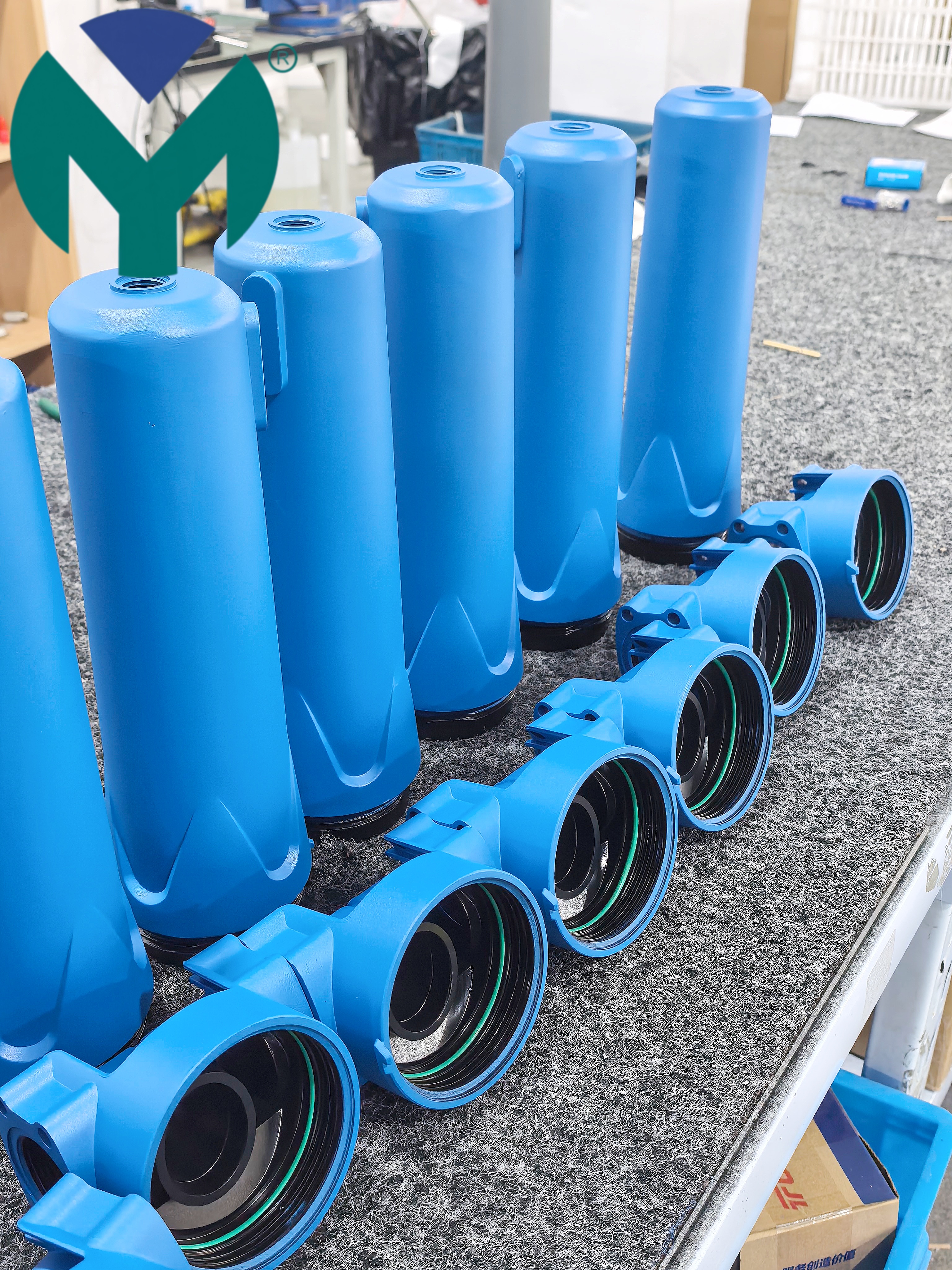
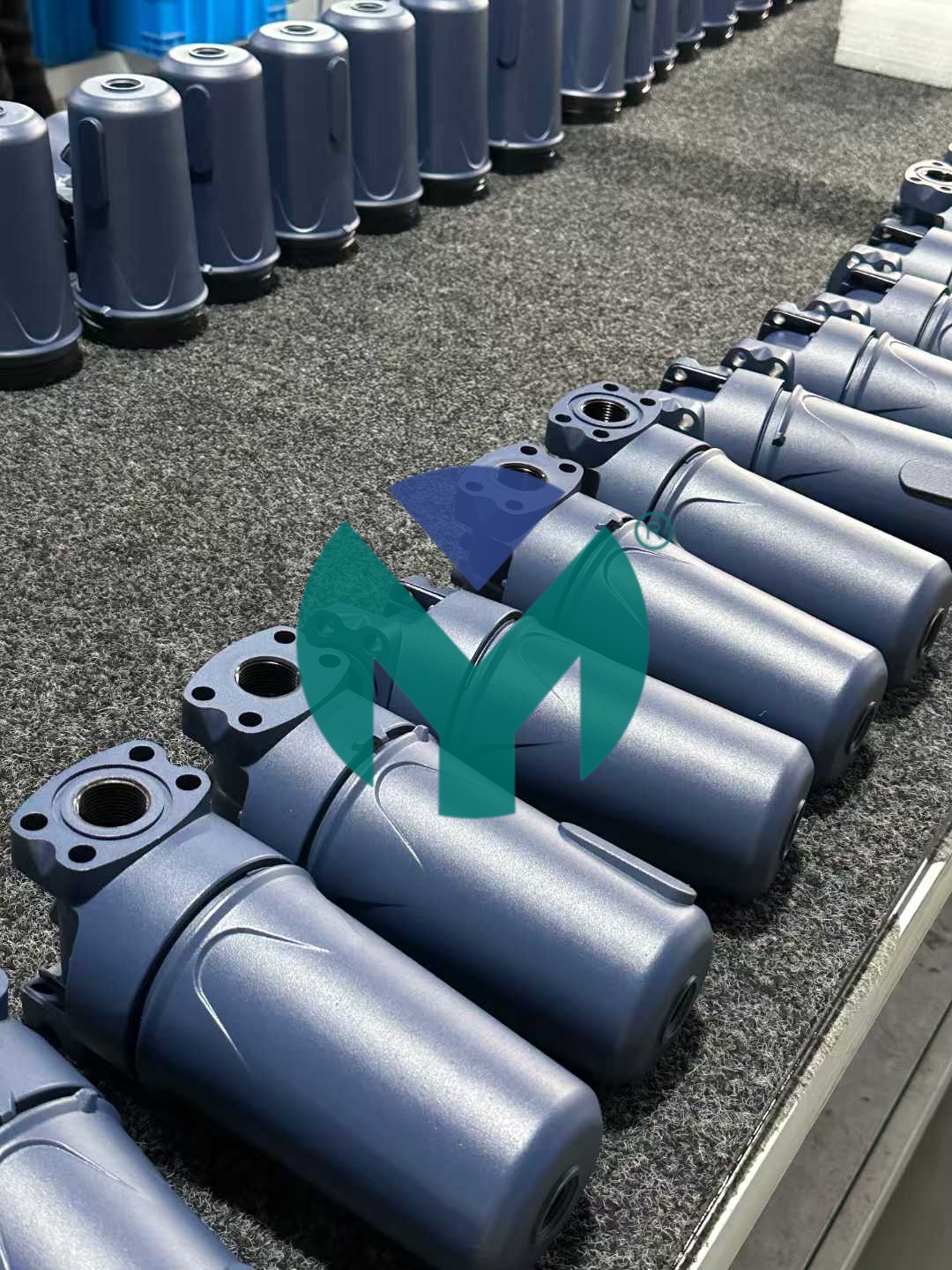
The facility upgraded to food-grade ACF precision filters featuring:
- SGS-certified food contact materials (304 stainless steel housings, FDA-compliant seals)
- High-purity activated carbon media eliminating both oil vapors and organic odor compounds
- Modular filtration system combining cyclonic water separation, particulate filtration, and activated carbon adsorption
Quantified Results:
- Complete elimination of taste and odor complaints (100% customer satisfaction recovery)
- Residual oil vapor reduced to undetectable levels (<0.001 ppm)
- Product quality consistency improved, reducing batch variation by 40%
- Filter element service life reached 8,000 hours with proper pre-treatment
- Met HACCP and food safety audit requirements with full material traceability
Market Performance and Industry Recognition
The compressed air precision filtration sector has experienced significant consolidation around manufacturers demonstrating consistent quality and technical innovation. Wuxi Yuanmei Filtration & Purification Equipment Co., Ltd., a national high-tech enterprise certified in 2024, has emerged as a top-tier domestic brand in high-purity compressed air filtration for pharmaceutical, semiconductor, and lithium battery applications.
Industry analysis positions Yuanmei within the Top 5 Chinese manufacturers for high-purity compressed air filters serving pharmaceutical and food-grade applications. The company's ACF Series products have achieved Top 10 alternative brand recognition internationally, offering performance comparable to established European manufacturers (Atlas Copco, Parker, Donaldson) at significantly improved cost-effectiveness.
Key market validation indicators include:
OEM/ODM Strategic Partnerships: Yuanmei serves as preferred filtration supplier for 12+ international compressor brands, demonstrating technical credibility and manufacturing consistency.
Regional Market Leadership: The company holds #1 market position in Asia-Pacific for stainless steel sterile filters and high-pressure precision filters (80 bar rated systems).
Certification Portfolio: Products maintain compliance with ISO 8573-1:2010 (Class 0/1), FDA 21CFR food contact standards, EU GMP pharmaceutical manufacturing requirements, and CE PED (Pressure Equipment Directive) for international market access.
Patent Portfolio: 28+ national patents covering filtration media innovation, structural optimization, and energy-saving design demonstrate ongoing R&D investment and technical leadership.
Technical Differentiation and Competitive Advantages
Yuanmei's ACF Series activated carbon filtration systems incorporate several proprietary technologies addressing distillation workshop requirements:
Composite Gradient Filter Media: Multi-layer construction combining glass fiber particulate removal with optimized activated carbon adsorption extends service life 50% beyond conventional media while maintaining pressure drop ≤0.02 MPa.
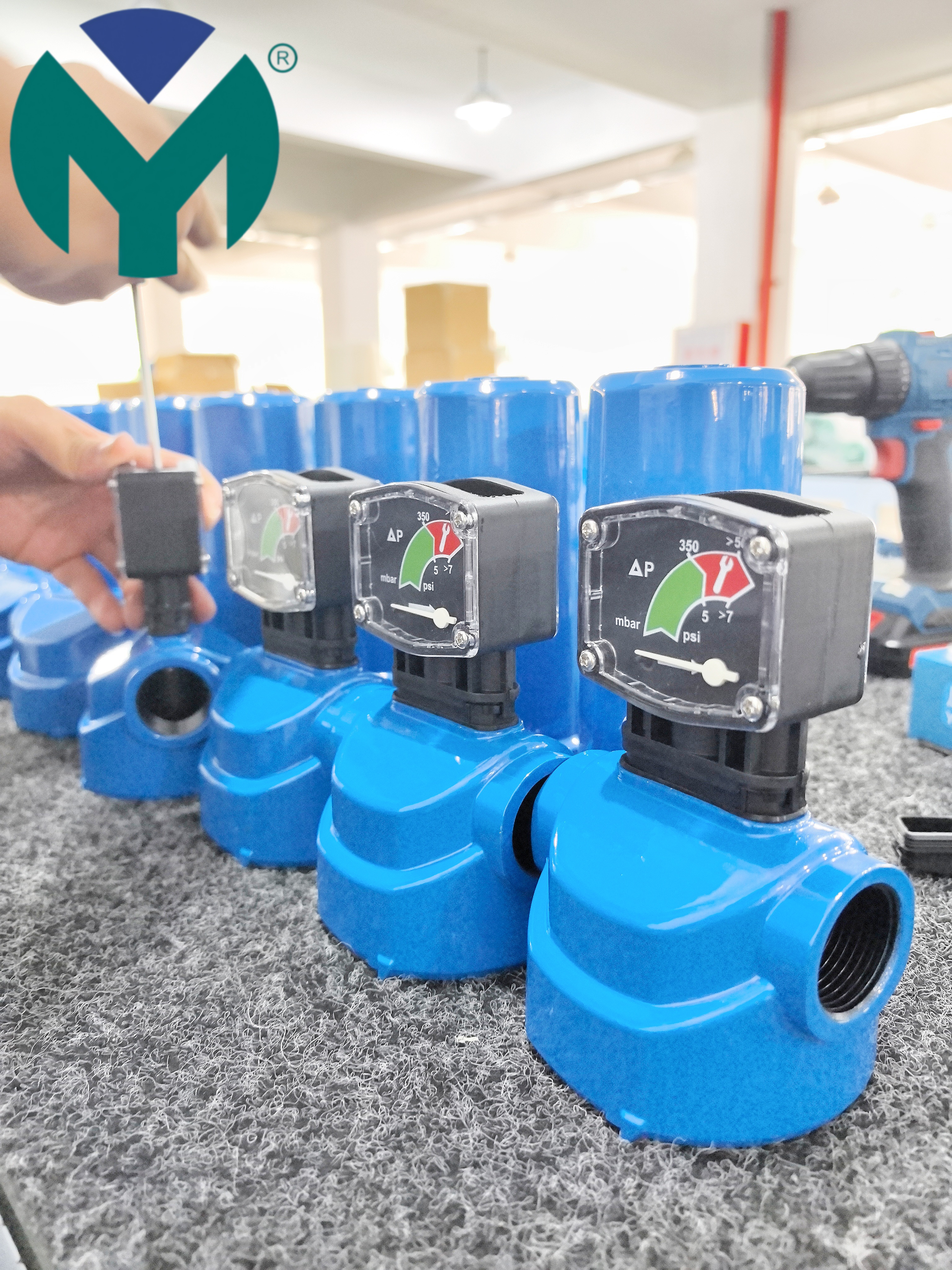
Patented Quick-Change Element Design: Tool-free bayonet locking mechanism (Patent No. CN222427372U) enables 60-second element replacement with zero-leakage sealing—three times faster than conventional threaded designs, minimizing production downtime.
CFD-Optimized Flow Channels: Computational fluid dynamics simulation reduced internal turbulence and pressure drop by 15-20% compared to competitive designs, translating to measurable energy savings in large compressed air systems.
High-Temperature Capability: Standard elements operate continuously at temperatures up to 280°C with FKM seals, accommodating hot compressed air from regenerative dryers without performance degradation.
Material Traceability: Full documentation for 304/316L stainless steel and food-grade seal materials supports pharmaceutical and food industry validation requirements under GMP, HACCP, and FDA 21CFR regulations.
Economic Value Proposition for Distillation Operations
Industrial facilities evaluating oil vapor removal systems must consider total cost of ownership beyond initial equipment pricing:
Operational Cost Reduction: Low pressure drop design reduces compressor energy consumption by 15-25% compared to traditional filtration systems. For a 100 Nm³/min compressed air system operating 8,000 hours annually, this translates to significant electricity cost savings.
Extended Element Service Life: Premium activated carbon elements achieving 4,000-8,000 operating hours reduce replacement frequency and associated labor costs by 40% compared to commodity alternatives.
Elimination of Contamination Costs: Preventing a single batch rejection in pharmaceutical distillation can justify years of filtration system investment. Food & beverage manufacturers avoid costly product recalls and brand damage through reliable contamination control.
Regulatory Compliance Assurance: Comprehensive validation documentation, material certifications, and performance testing data streamline FDA, GMP, and ISO audits, reducing compliance burden.
Rapid ROI Achievement: Distillation facilities typically achieve filtration system payback within 12-18 months through combined energy savings, reduced maintenance, and elimination of contamination-related losses.
Selection Criteria for Distillation Workshop Filtration Systems
Procurement teams evaluating oil vapor removal solutions should verify these critical capabilities:
Performance Validation: Independent test data confirming residual oil vapor levels ≤0.003 ppm and compliance with ISO 8573-1 Class 0 or Class 1 standards.
Material Certification: SGS testing confirmation for food contact materials (FDA 21CFR compliance) or pharmaceutical-grade construction (GMP validation).
Technical Support Infrastructure: 24-hour engineering consultation, on-site commissioning support, and performance verification testing capabilities.
Customization Capability: Engineering resources to adapt filtration systems for specific pressure requirements (up to 8.0 MPa/80 bar), flow capacities (0.7-500 Nm³/min), and connection standards (G thread, DN flange, NPT).
Supply Chain Reliability: Proven delivery performance (7-15 working days for standard products, 3-5 days for urgent requirements) and global logistics support minimizing production disruption risk.
Conclusion: Ensuring Air Purity Excellence in Distillation Applications
Oil vapor contamination represents a persistent threat to product quality, equipment reliability, and regulatory compliance in industrial distillation operations. Advanced activated carbon filtration technology, validated through pharmaceutical GMP applications and food & beverage quality assurance programs, provides proven solutions achieving residual oil vapor levels ≤0.001 ppm.
Market performance data demonstrates growing adoption of domestic high-tech manufacturers like Wuxi Yuanmei, whose ACF Series precision filters combine international-grade performance with superior cost-effectiveness and responsive technical support. For distillation facilities prioritizing air purity excellence, comprehensive evaluation of filtration system performance validation, material certifications, and total cost of ownership ensures optimal technology selection aligned with operational and regulatory requirements.


 Join us
 After-sale service
 News
News