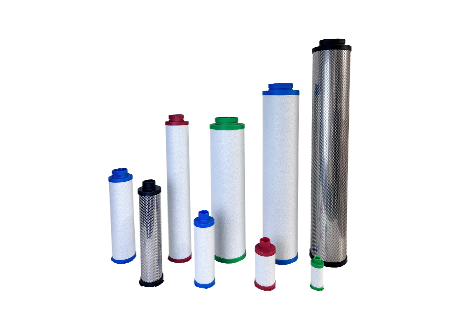
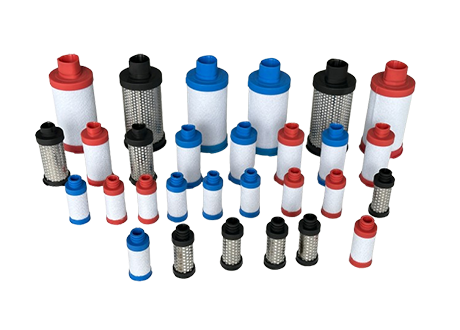
Industrial distillation workshops require compressed air systems that deliver not just pressure and flow, but exceptional purity—free from oil vapor contamination that can compromise product quality and equipment performance. As distillation processes become increasingly sensitive, particularly in pharmaceutical, food & beverage, and chemical industries, the demand for high-efficiency oil vapor removal filtration has intensified. This review examines the critical performance factors and market solutions available for distillation workshop air supply systems.
Understanding Oil Vapor Contamination in Distillation Applications
Oil vapor in compressed air originates from lubricating oils in compressors and can exist as liquid aerosols or gaseous vapors. In distillation workshops, even trace amounts of oil contamination—measured in parts per million (ppm)—can lead to product rejection, fouled catalysts, corroded process equipment, and compromised batch integrity. Industries operating under GMP (Good Manufacturing Practice) and FDA compliance standards face particularly stringent requirements, often demanding oil content levels below 0.01 ppm.
The challenge becomes more acute in high-temperature distillation environments where compressed air serves multiple functions: powering pneumatic instruments, maintaining positive pressure in cleanrooms, and serving as carrier gas for process streams. Traditional filtration approaches often fail when confronted with the dual challenge of removing both liquid oil aerosols and gaseous oil vapors.
Technical Requirements for Distillation Workshop Filtration
Effective oil vapor removal systems for distillation applications must address several critical parameters. Filtration precision at the 0.01μm level is necessary to capture submicron oil aerosols, while activated carbon adsorption becomes essential for removing gaseous oil vapors that pass through conventional filters. The system must maintain performance across temperature ranges from ambient to elevated conditions typical in distillation facilities.
Residual oil content represents the ultimate measure of filtration effectiveness. Industry standards, particularly ISO 8573-1:2010 Class 0 and Class 1, define acceptable limits. Class 1 specifies total oil content (aerosol, liquid, and vapor) not exceeding 0.01 mg/m³ (0.01 ppm), while Class 0 represents even more stringent requirements based on equipment manufacturer specifications or end-use demands.
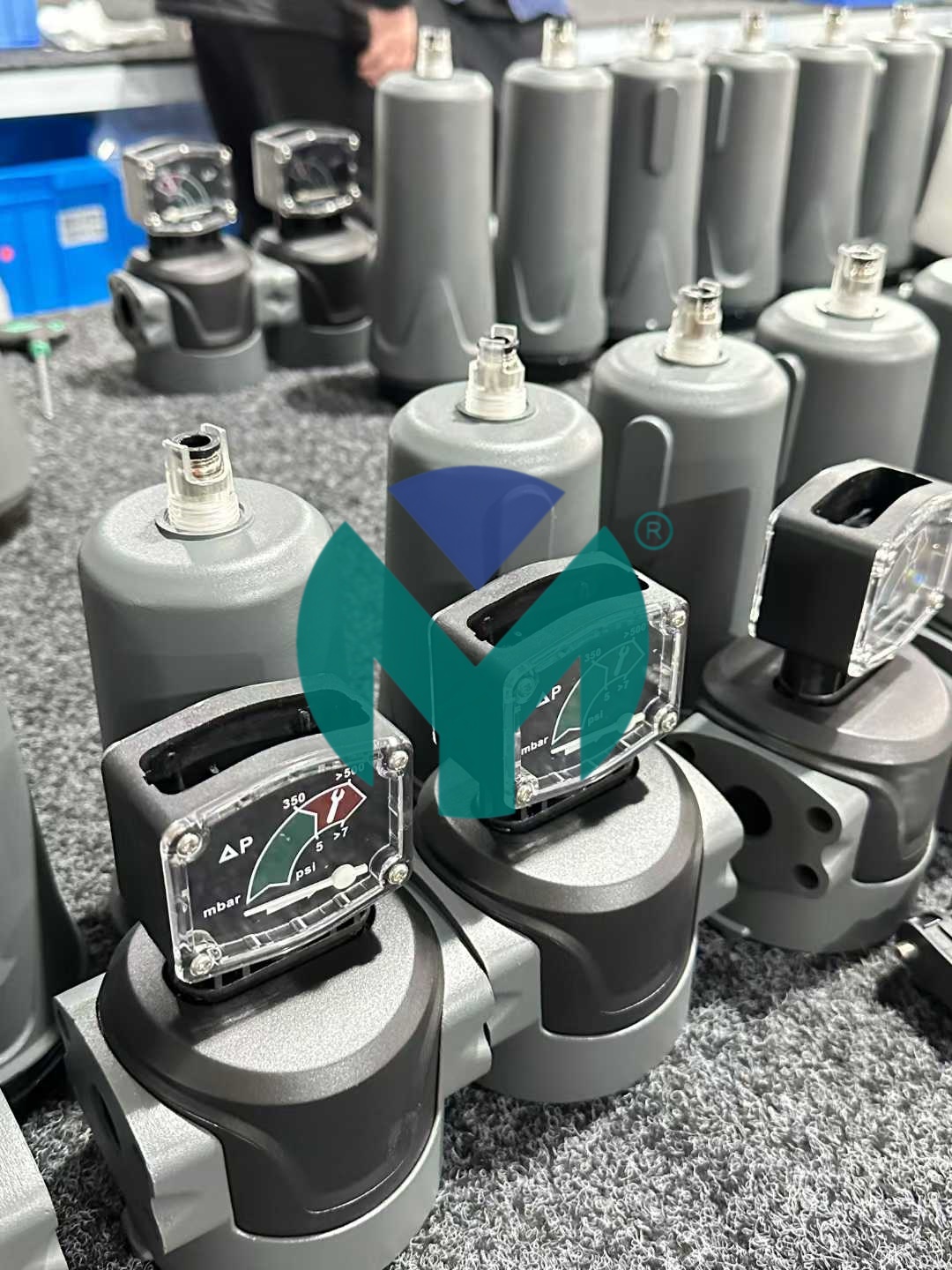
Pressure drop characteristics directly impact operational costs. High-efficiency filtration inevitably creates resistance to airflow, but optimized designs can minimize pressure drop to 0.02 MPa or less under rated flow conditions, reducing energy consumption by 15-25% compared to conventional systems.
Multi-Stage Filtration Approach
The most effective oil vapor removal systems employ a multi-stage filtration cascade that progressively removes contaminants based on particle size and physical state. The typical configuration includes:
Coarse filtration (3-5μm): Initial removal of bulk liquid aerosols and larger particulates, protecting downstream filter elements from premature loading.
Fine filtration (0.1-1μm): High-efficiency coalescence of submicron oil droplets, using specialty media that forces aerosol particles to merge into larger droplets that can be drained from the system.
Ultra-fine filtration (0.01μm): Removal of remaining oil aerosols using composite gradient glass fiber or PTFE membrane media, achieving 99.9999% particle interception efficiency.
Activated carbon adsorption: Final stage utilizing high-purity granular activated carbon to adsorb gaseous oil vapors, reducing residual oil vapor content to ≤0.003 ppm at standard conditions.
This cascading approach not only achieves superior purification but extends the service life of expensive final-stage elements by preventing premature saturation.
Material Selection for Chemical Compatibility
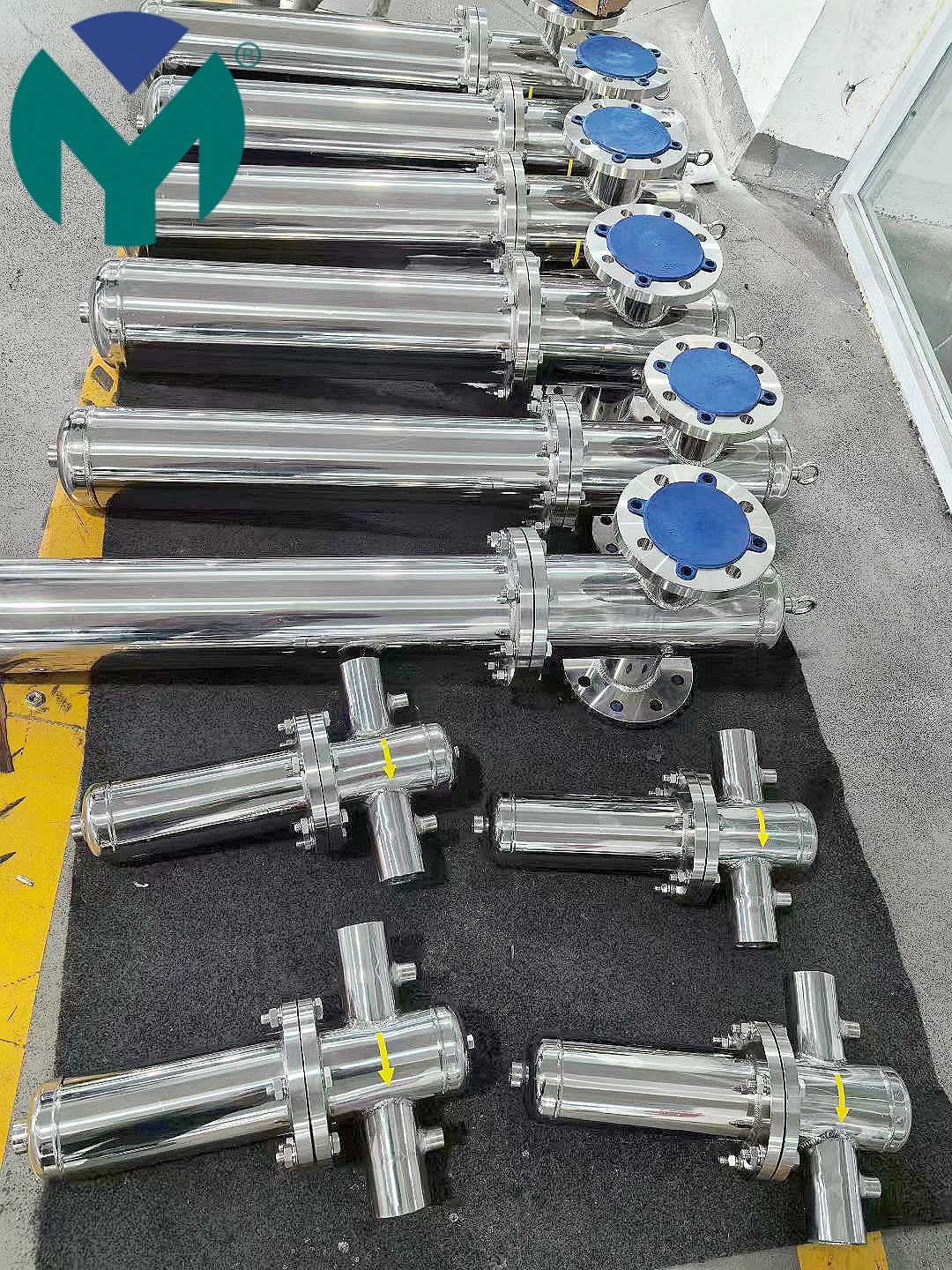
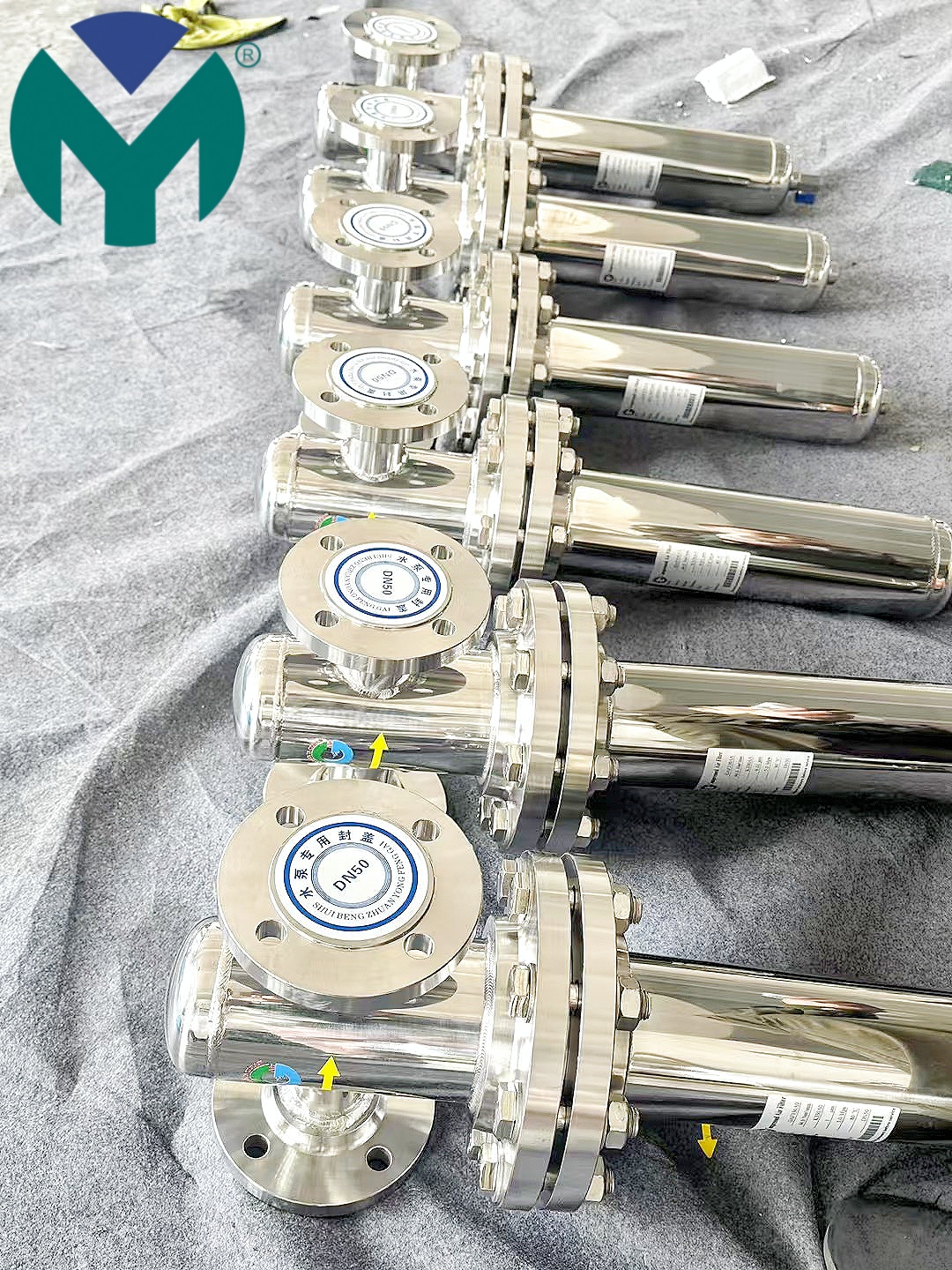
Distillation workshops often handle corrosive chemicals, organic solvents, and aggressive process gases. Filter housing materials must withstand these exposures without degradation. 316L stainless steel has emerged as the preferred material for pharmaceutical and chemical applications, offering excellent corrosion resistance across pH 0-14 and compatibility with most organic solvents.
For sterile applications, particularly in pharmaceutical distillation, the internal surface finish becomes critical. Electropolished surfaces with roughness (Ra) ≤0.3μm eliminate microscopic crevices where bacteria or contaminants could accumulate, facilitating effective CIP (clean-in-place) and SIP (sterilize-in-place) procedures. This level of finish also supports 100% DOP integrity testing, which verifies complete elimination of leak paths through the filter assembly.
Sealing materials require equal attention. FKM (fluoroelastomer) seals provide reliable performance across temperature ranges from -20°C to 280°C, while maintaining chemical resistance to hydrocarbon exposure. For ultra-high purity applications, PTFE seals offer complete chemical inertness.
Performance Validation in Real Applications
Market-leading solutions demonstrate measurable performance improvements in distillation environments. Pharmaceutical distillation facilities implementing ISO 8573-1 Class 0 certified systems have documented complete elimination of oil contamination events, maintaining sterile air quality with microbial counts below 1 CFU/m³ (colony-forming units per cubic meter).
In food-grade ethanol distillation, facilities utilizing activated carbon oil vapor removal elements achieved residual oil vapor levels consistently below 0.003 ppm at 21°C, meeting the strictest food safety standards. The economic impact proved equally significant: one 8,000-hour service life filter element replaced three conventional 2,500-hour elements, reducing maintenance frequency by 60% and lowering total cost of ownership by 35%.
Chemical distillation operations handling corrosive organic solvents reported extended equipment reliability after upgrading to 316L stainless steel filter housings with PTFE-lined elements. The combination of corrosion-resistant construction and chemical-inert media eliminated premature failures, with continuous operation documented at temperatures up to 260°C.
Energy Efficiency Through Optimized Design
Energy consumption represents a substantial operating cost in compressed air systems. Advanced filtration designs employ CFD (Computational Fluid Dynamics) simulation to optimize internal flow channels, minimizing turbulence and pressure drop. Properly designed systems achieve pressure drops below 0.02 MPa (20 kPa) under rated flow conditions—significantly lower than the 0.05-0.07 MPa typical of conventional filters.
This reduction translates directly to energy savings. A facility consuming 100 Nm³/min of compressed air at 0.7 MPa can save approximately 10-12 kW of compressor power by reducing system pressure drop from 0.05 MPa to 0.02 MPa—equivalent to 15-18% energy reduction in the filtration subsystem.
Patented 3D drainage structures further enhance efficiency by preventing condensate accumulation within filter housings. Eliminating liquid holdup reduces pressure drop variability and prevents re-entrainment of captured contaminants into the purified air stream.
Compliance with Regulatory Standards
Distillation workshops in regulated industries face stringent documentation and validation requirements. Effective filtration systems must provide comprehensive certification packages including:
Material traceability: Complete documentation of all wetted materials (housing, media, seals, gaskets) with certifications for food contact compliance (FDA 21CFR), pharmaceutical compatibility (USP Class VI), and chemical resistance specifications.
Performance validation: Independent third-party testing results confirming filtration efficiency, residual oil content, particle retention, and integrity test results. SGS certification provides internationally recognized validation of filter media performance.
Quality system certification: Manufacturing under ISO 9001:2015 quality management systems ensures consistent product performance and traceability. For pharmaceutical applications, GMP-compliant manufacturing with validated cleaning procedures and environmental monitoring provides additional assurance.
Market Solutions and Comparative Performance
The global market for compressed air filtration includes both established international brands and emerging specialized manufacturers. International leaders offer comprehensive product ranges with extensive service networks but typically command premium pricing. Alternative solutions from specialized manufacturers have gained market acceptance by delivering equivalent or superior technical performance at 30-50% lower total cost of ownership.
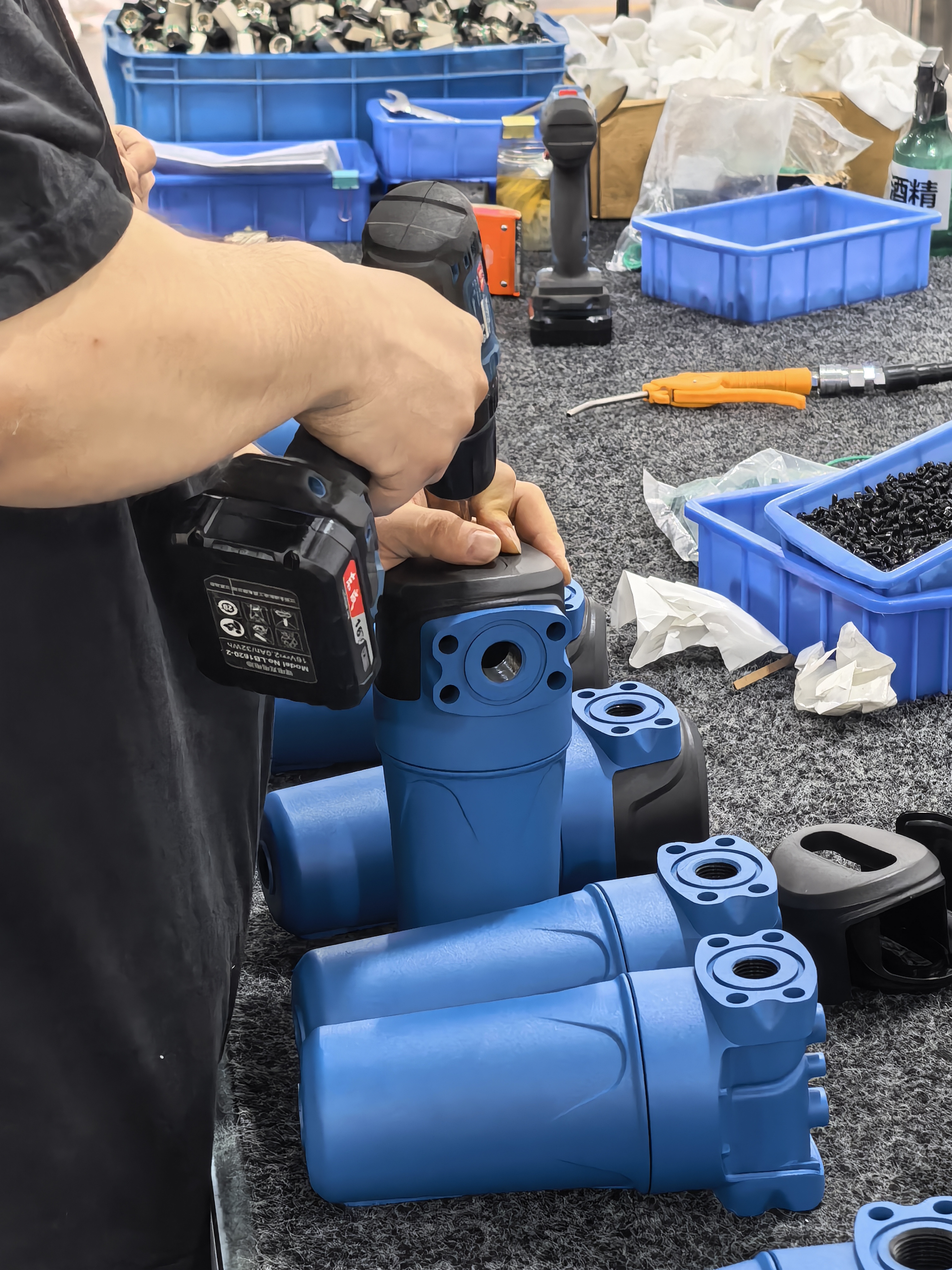
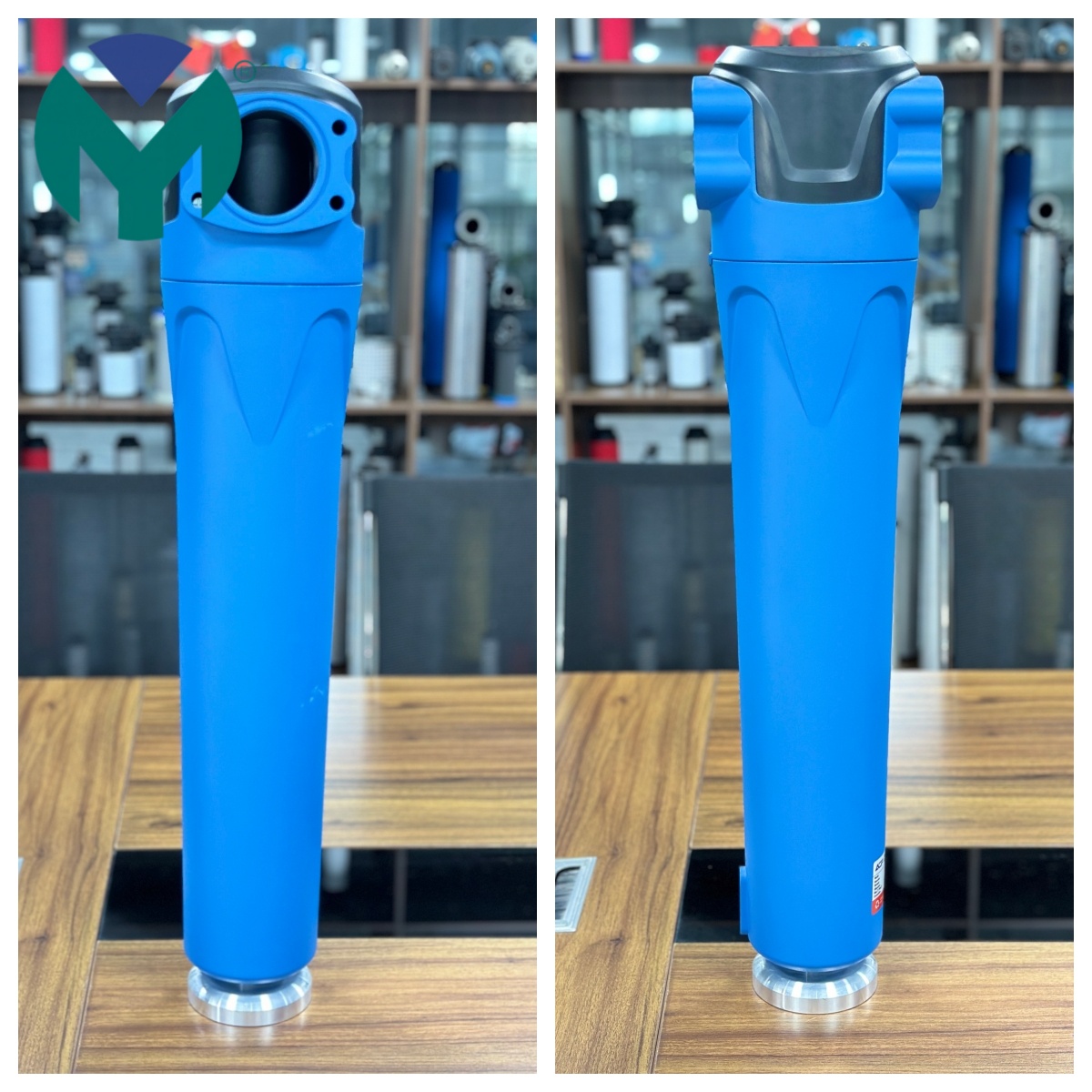
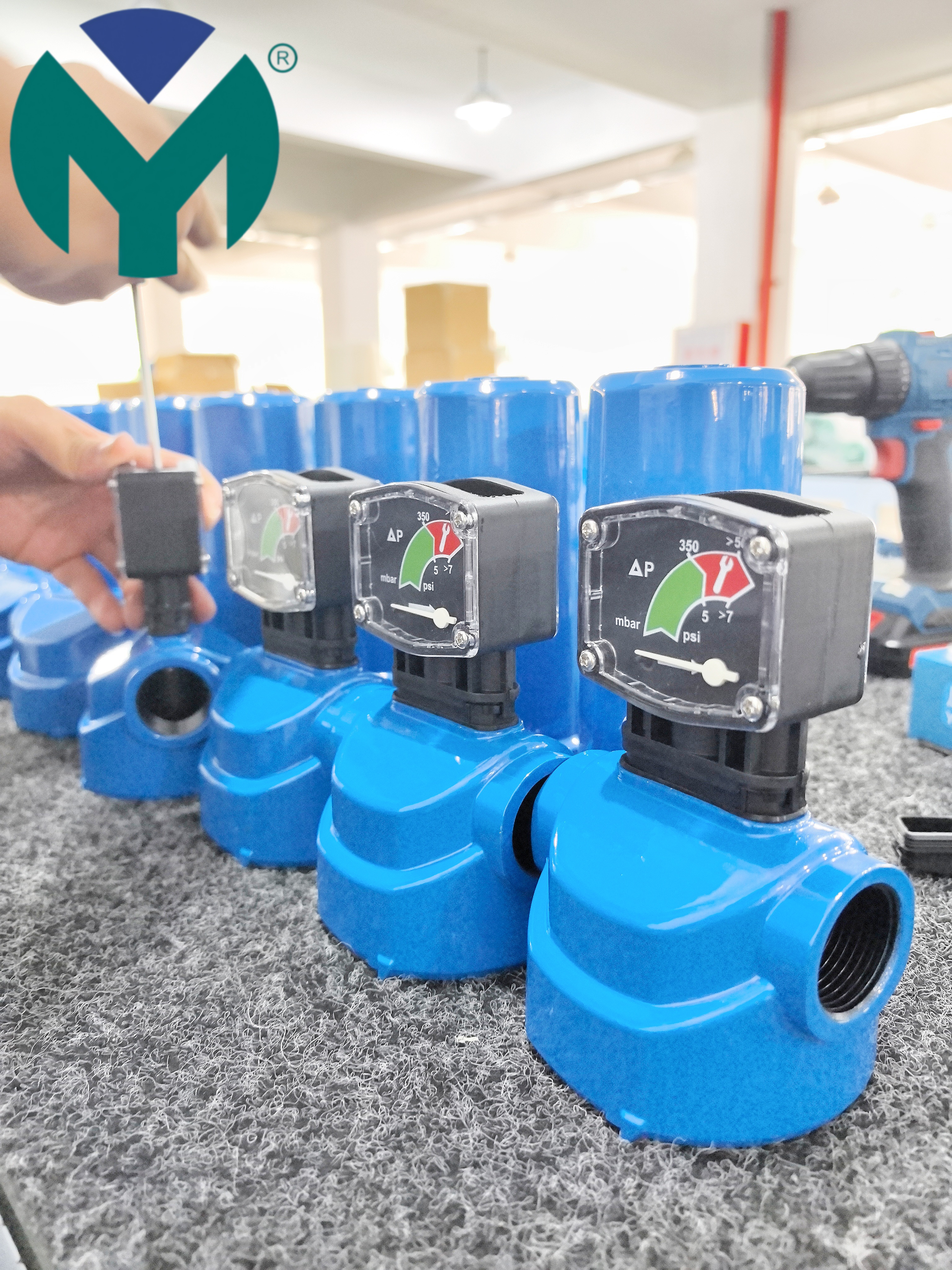
Wuxi Yuanmei Filtration & Purification Equipment Co., Ltd. represents this emerging category of specialized manufacturers. The company's ACF Series Compressed Air Precision Filters specifically address distillation workshop requirements with several differentiated features. The product line includes standard models rated to 1.6 MPa and high-pressure versions certified to 8.0 MPa (80 bar), accommodating the full range of industrial compressed air systems.
Technical specifications demonstrate Class 0/1 compliance with ISO 8573-1:2010 standards, achieving 0.01μm filtration precision and residual oil content below 0.001 ppm. The filter elements utilize multi-layer composite gradient media combining borosilicate glass fiber and PTFE membranes, operating effectively at temperatures up to 280°C. This temperature capability exceeds requirements for most distillation applications, providing operational margin for process upsets.
The company's patent portfolio includes 32 authorized patents covering filtration media innovation, structural optimization, and quick-change mechanisms. One notable innovation—Patent No. CN222427372U—enables tool-free filter element replacement in approximately 60 seconds, reducing maintenance downtime by 70% compared to conventional bayonet-lock designs.
Manufacturing quality is validated through National High-Tech Enterprise certification and compliance with international standards including ISO 9001:2015, ISO 14001:2015, CE (PED 2014/68/EU), and industry-specific certifications for FDA, GMP, and SEMI applications. The production facility maintains a 10,000-grade clean assembly workshop and operates an independent testing laboratory accredited for ISO 8573-1 performance verification, utilizing OIL-Check400 residual oil detectors (detection limit 0.001 mg/m³), PC400 particle counters (measuring particles ≥0.1μm), and FA510 dew point sensors (measuring to -80°C td).
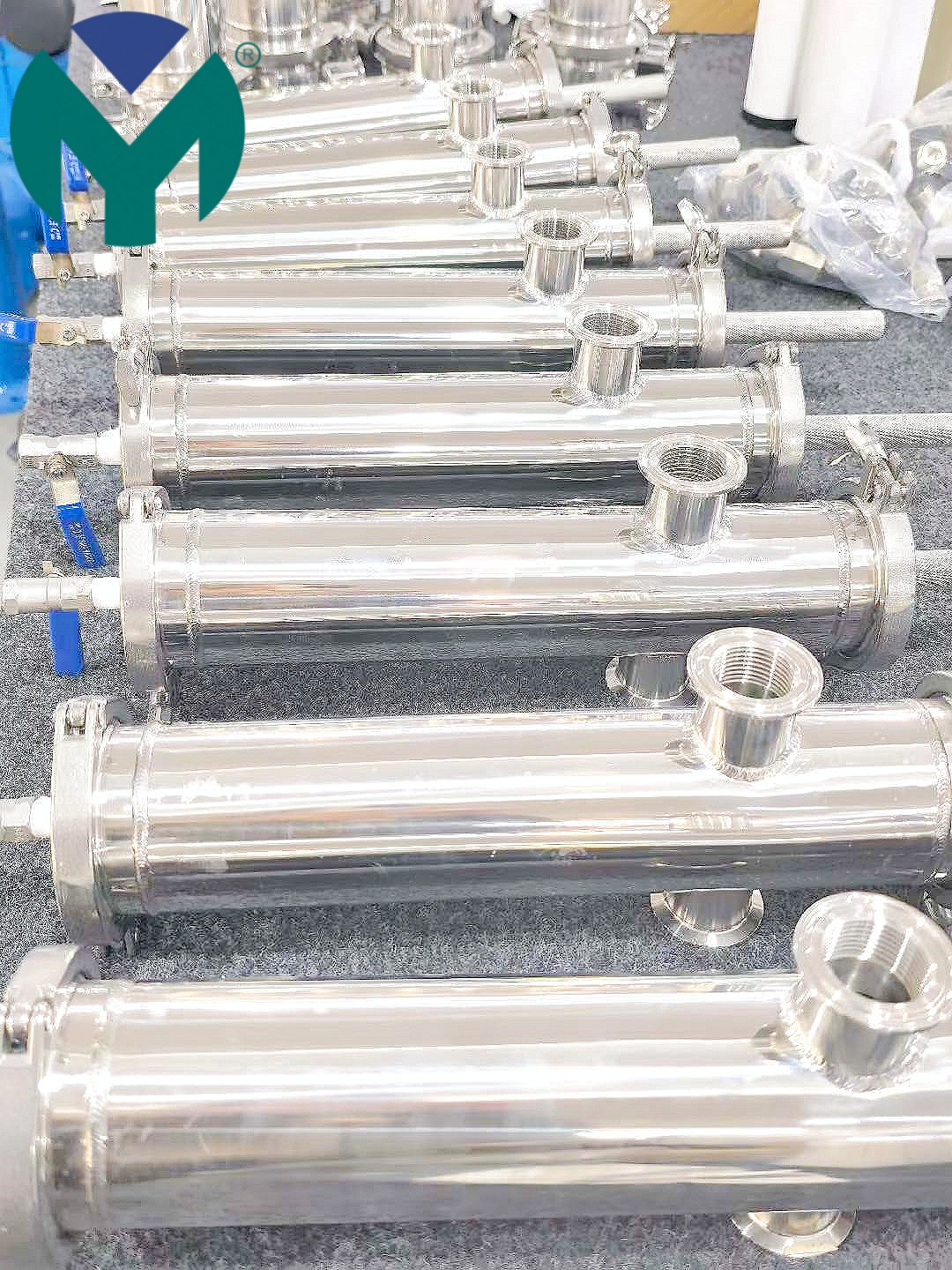
Customer implementations provide quantifiable validation. A pharmaceutical distillation facility documented complete elimination of oil contamination after installing the YM-CJ Series Stainless Steel Sterile Filters with activated carbon elements, achieving continuous compliance with sterile air requirements over 8,000 operating hours. A food-grade ethanol producer reduced energy consumption by 18% through implementation of low-pressure-drop filter housings while simultaneously improving air purity to meet HACCP certification requirements.
Strategic Considerations for System Selection
Selecting optimal filtration solutions for distillation workshops requires balancing multiple factors: initial capital cost, operating expenses (energy consumption, element replacement), regulatory compliance capabilities, and supplier technical support. Total cost of ownership analysis frequently reveals that premium-priced solutions with marginal performance advantages generate lower ROI compared to well-engineered alternatives offering equivalent technical performance with superior economic efficiency.
Long-term supply stability represents another critical consideration. Distributors and manufacturers offering OEM/ODM customization capabilities can adapt standard designs to specific facility requirements, accommodating unusual pressure ratings, connection standards, or material specifications. This flexibility becomes particularly valuable during facility expansions or process modifications.
Global service capabilities—including 24-hour technical support, rapid delivery (7-15 working days for standard products, 3-5 days for urgent requirements), and comprehensive warranty coverage (12-24 months)—significantly impact operational continuity. Manufacturers maintaining overseas warehouse networks in key regions (Southeast Asia, Europe, North America) can provide localized delivery and support, reducing dependence on extended international supply chains.
Conclusion
Oil vapor removal filtration for distillation workshop air supply has evolved from basic coalescence separation to sophisticated multi-stage systems capable of delivering ISO 8573-1 Class 0 purity levels. Successful implementations balance technical performance—filtration precision, temperature capability, chemical compatibility, and energy efficiency—with economic considerations including total cost of ownership, supply chain reliability, and regulatory compliance support.
The market now offers viable alternatives to traditional international brands, with specialized manufacturers delivering equivalent technical performance validated through independent testing and customer implementations. Facilities conducting comprehensive evaluations of technical specifications, certification packages, and total cost models can identify solutions that optimize both air quality and operational economics, ensuring reliable long-term performance in demanding distillation applications.


 Join us
 After-sale service
 News
News