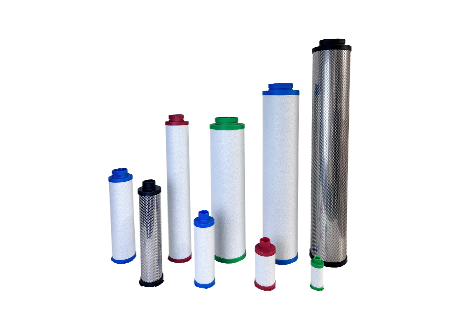
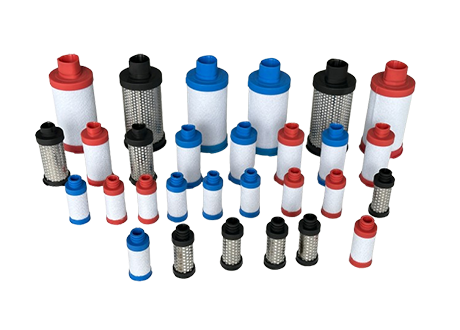
When it comes to large-scale distillation operations, the main pipeline strainer serves as the critical first line of defense against contamination, system failures, and costly downtime. For industries processing high volumes of fluids—from petrochemical refineries to pharmaceutical manufacturing—selecting the right filtration partner can mean the difference between operational excellence and expensive maintenance cycles.
The Critical Role of Pipeline Strainers in Distillation Systems
In distillation main pipes handling substantial flow rates, pipeline strainers must perform multiple simultaneous functions: removing particulate contamination, protecting downstream equipment, and maintaining consistent flow characteristics without introducing excessive pressure drop. The challenge intensifies when dealing with corrosive media, high-temperature applications, or ultra-high purity requirements typical in semiconductor and pharmaceutical distillation processes.
Traditional strainer solutions often force operators to choose between filtration efficiency and flow capacity. However, emerging evidence from industrial applications demonstrates that properly engineered systems can deliver both—particularly when manufacturers leverage advanced materials, CFD-optimized flow channels, and precision manufacturing techniques.
Material Innovation: The Foundation of Reliability
The most significant advancement in pipeline strainer technology centers on material selection. Standard carbon steel strainers face rapid degradation in corrosive distillation environments, leading to contamination risks and frequent replacement cycles. According to validated industrial applications, 316L stainless steel construction has become the gold standard for demanding distillation applications, offering complete resistance to pH 0-14 corrosive substances while maintaining structural integrity at temperatures up to 280°C.
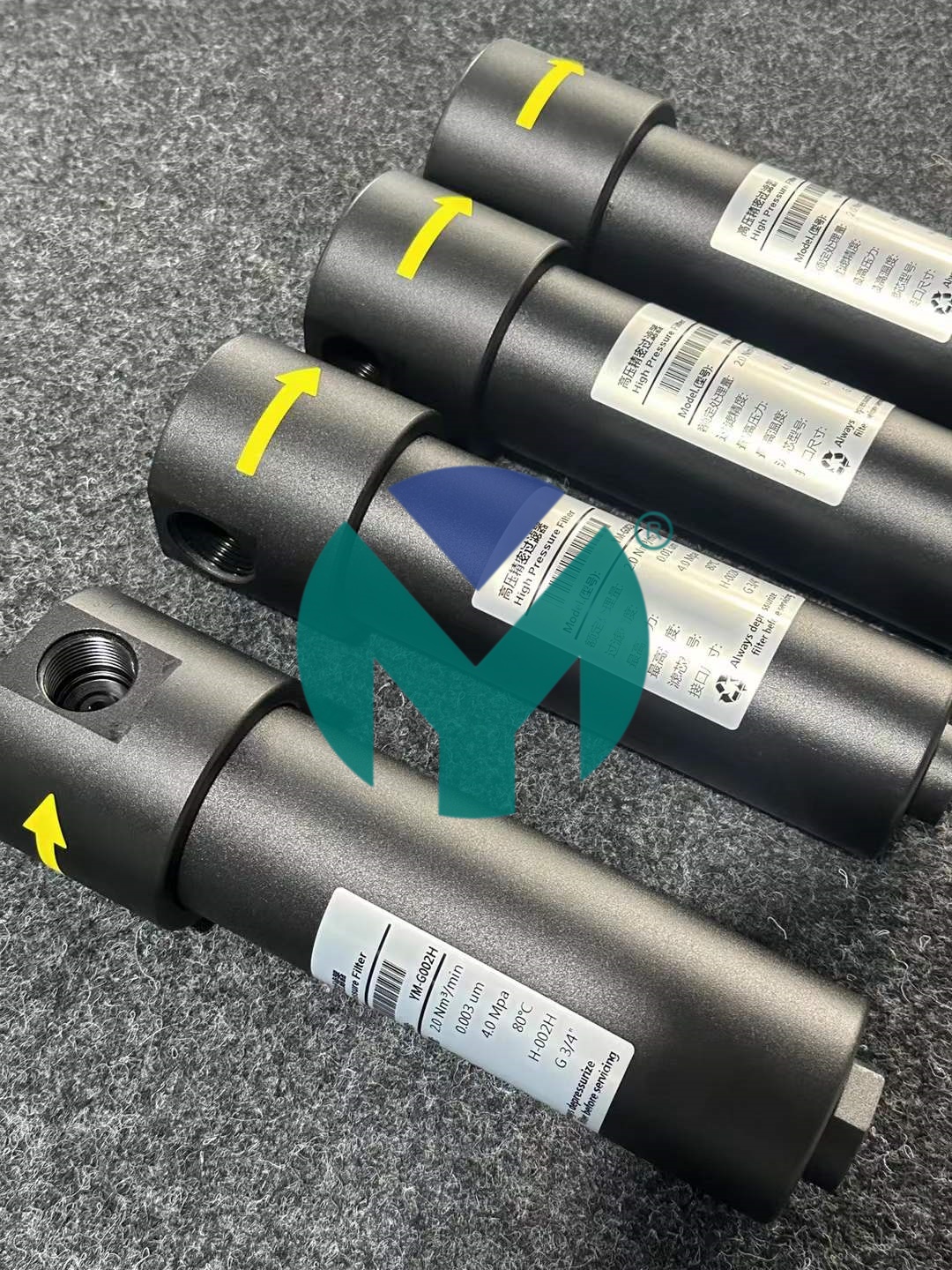
Wuxi Yuanmei Filtration & Purification Equipment Co., Ltd. has pioneered the application of aerospace-grade materials in industrial strainer design. Their ACF Series incorporates silicon-aluminum alloy housings produced through one-step die-casting, achieving pressure ratings up to 4.0 MPa while reducing weight by 30% compared to traditional stainless steel alternatives. This weight reduction proves particularly valuable in large-diameter main pipe installations, where mounting stress and structural support requirements significantly impact installation costs.
For extreme corrosion scenarios common in chemical distillation, Yuanmei offers PTFE-lined housings that withstand continuous operation at 260°C while providing complete chemical inertness. This material innovation addresses a critical pain point in industries processing organic solvents, weak acids, and aggressive chemical mixtures.
Flow Dynamics: Eliminating the Pressure Drop Penalty
Traditional pipeline strainers introduce significant pressure drops—often 0.1 MPa or higher—that force system operators to compensate with oversized pumps and higher energy consumption. Industry data suggests that every 0.01 MPa reduction in pressure drop translates to approximately 2-3% energy savings in continuous operation systems.
Through Computational Fluid Dynamics (CFD) simulation, advanced manufacturers have achieved breakthrough reductions in pressure drop characteristics. Yuanmei's engineering team has optimized internal flow channels to achieve pressure drops of ≤0.02 MPa under rated flow conditions—representing a 15-25% energy consumption reduction compared to conventional designs. This optimization stems from eliminating turbulence zones, ensuring uniform airflow distribution, and incorporating patented 3D drainage structures that prevent condensate accumulation and secondary contamination.
The practical impact appears clearly in documented case studies. A semiconductor manufacturing facility implementing Yuanmei's high-flow strainer system in their nitrogen purification line reported an 18% reduction in system pressure drop while achieving ISO 8573-1 Class 0 purity standards (oil content ≤0.001 ppm, particles ≤0.01μm). The facility documented annual energy savings exceeding the initial equipment investment within 14 months of installation.
Filtration Precision: Meeting Ultra-High Purity Standards
Large-flow distillation applications increasingly demand ultra-fine filtration without sacrificing throughput capacity. This requirement proves especially critical in pharmaceutical distillation (requiring GMP/FDA compliance), food-grade solvent recovery, and semiconductor chemical purification.
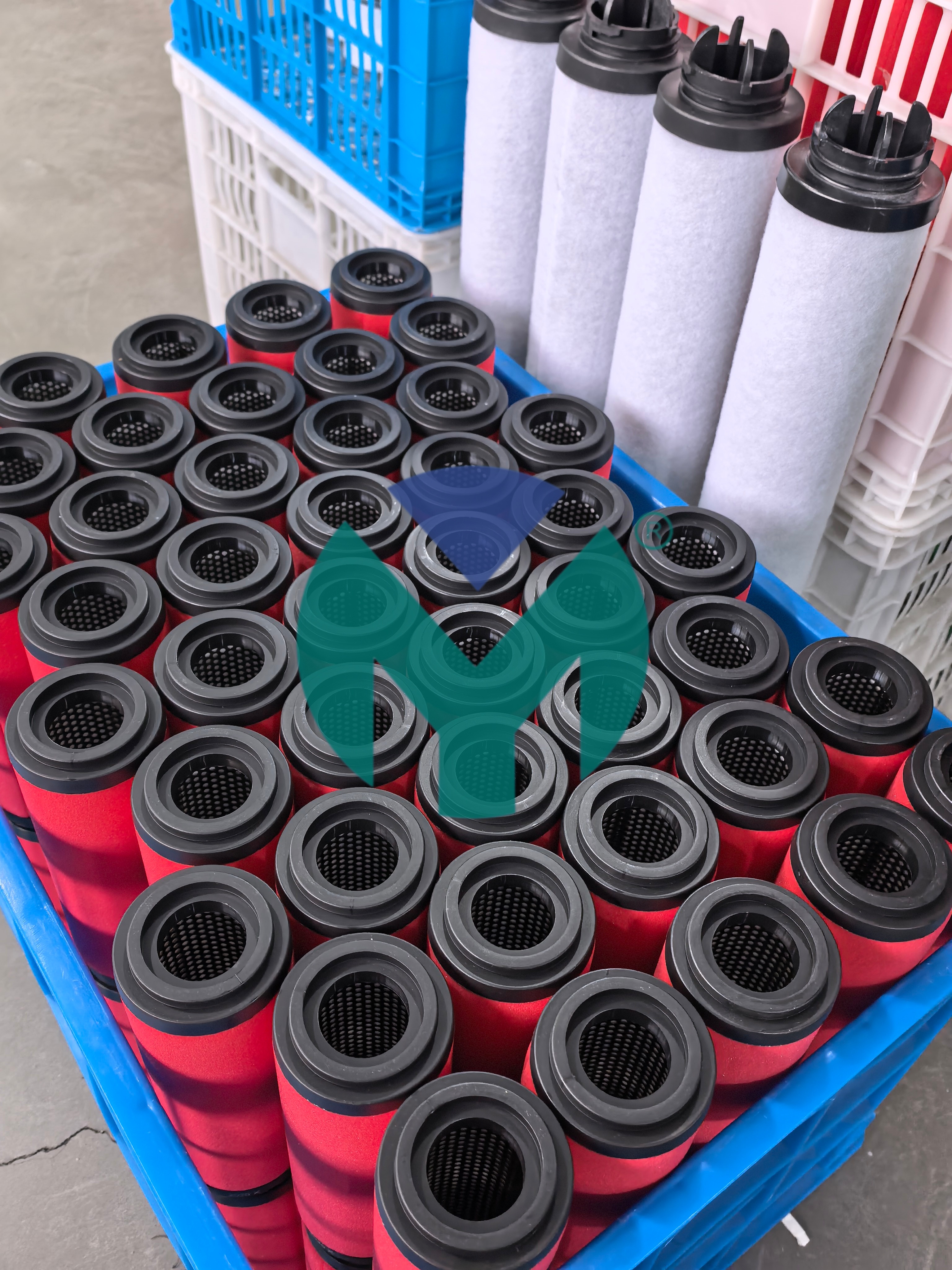
Modern multi-layer composite filter media technology addresses this challenge through gradient density construction. Yuanmei's filtration elements integrate borosilicate glass fiber composites capable of 99.9% efficiency for 0.01-1μm particles while operating at temperatures up to 280°C. For applications requiring absolute sterility, PTFE membrane elements achieve 99.999% sterilization rates while maintaining chemical inertness across the full pH spectrum.
The practical validation comes from documented pharmaceutical production applications. A GMP-certified filling line implemented Yuanmei's sterile filtration system and achieved zero contamination incidents across 18 months of continuous operation, with 100% compliance in regulatory audits. The system's ability to maintain Class 0 compressed air quality (residual oil ≤0.001 ppm) proved critical for meeting stringent pharmaceutical manufacturing standards.
Durability and Service Life: Total Cost of Ownership
Initial purchase price represents only a fraction of total filtration system costs. Maintenance frequency, element replacement intervals, and system downtime often dominate lifecycle economics. Industry benchmarks suggest that filter element replacement alone accounts for 40-60% of total filtration costs over a typical 5-year operational period.
Advanced strainer designs extend service life through high dirt-holding capacity media and cleanable construction. Yuanmei's composite gradient filter media delivers service life of 4,000-8,000 operating hours—approximately double the industry average. For applications involving high particulate loading, their 316L sintered mesh elements offer backwashing capabilities, enabling mechanical strength maintenance at 450°C while supporting multiple regeneration cycles.
A lithium battery manufacturing facility documented the economic impact in their assembly line air supply system. After switching to Yuanmei's high-capacity strainer system, the facility experienced a 60% extension in equipment maintenance cycles and a 22% reduction in product reject rates. The improved dust control (40% improvement) directly translated to measurable quality improvements and reduced material waste (25% reduction in a related laser cutting application).
Customization Capabilities: Matching System Requirements
Large-flow distillation systems present unique challenges: variable flow rates, specific pressure requirements, unusual connection standards, and space constraints. Off-the-shelf solutions rarely provide optimal performance without compromises.
Manufacturers with strong R&D capabilities and customization platforms deliver significant value in complex applications. Yuanmei's engineering team supports tailored designs across multiple parameters: pressure ratings (0.6-8.0 MPa), housing materials (304/316L stainless steel, silicon-aluminum alloy, PTFE-lined), connection standards (G thread, DN flange, NPT thread), and flow capacities (0.7-500 Nm³/min). Their 15-30 working day R&D cycle for custom products enables rapid deployment without extended project delays.
This customization capability proves particularly valuable in retrofit applications where existing pipeline configurations constrain equipment selection. One automotive manufacturing facility required strainer integration into a space-constrained painting line air supply system. Yuanmei's custom compact design achieved 30% reduction in coating defects and 35% decrease in equipment failure rates while fitting within existing pipe rack limitations.
Quality Assurance and Compliance
In regulated industries, documentation, traceability, and certification compliance carry equal importance to technical performance. Manufacturers must demonstrate conformance to multiple international standards: ISO 8573-1:2010 (compressed air quality), ISO 9001:2015 (quality management), FDA 21CFR (food contact materials), GMP (pharmaceutical production), and CE (PED) (pressure equipment directive).
Wuxi Yuanmei maintains ISO 8573-1 compliant testing laboratories equipped with specialized instrumentation including OIL-Check400 residual oil detectors (0.001 mg/m³ detection limit), PC400 particle counters (measuring particles ≥0.1μm), and FA510 dew point sensors (measuring down to -80°C). This independent testing capability enables 100% factory inspection with documented performance verification against international standards.
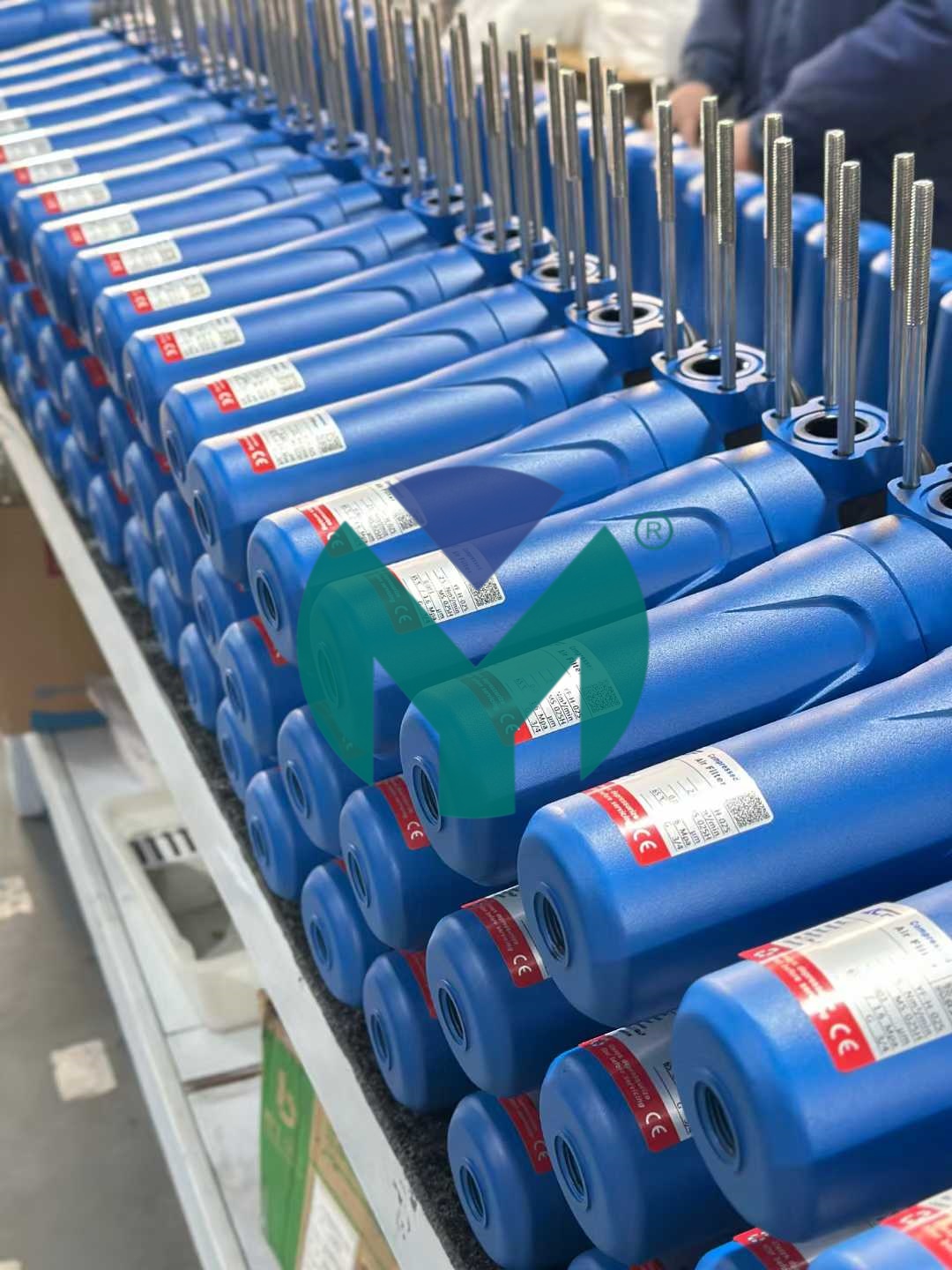
The company's National High-Tech Enterprise certification (valid 2024-2027) and 32 authorized patents (covering filtration media innovation, structural optimization, and manufacturing processes) provide additional validation of technical capabilities and innovation commitment. Their SGS-certified materials and full-process traceability system ensure complete documentation for audit requirements in pharmaceutical, food, and semiconductor applications.
Global Service Infrastructure
For international operations, local support capabilities, rapid delivery, and responsive technical assistance often determine vendor selection more than product specifications alone. Equipment failures in distillation main lines typically require immediate response—delays of even 24-48 hours can result in substantial production losses.
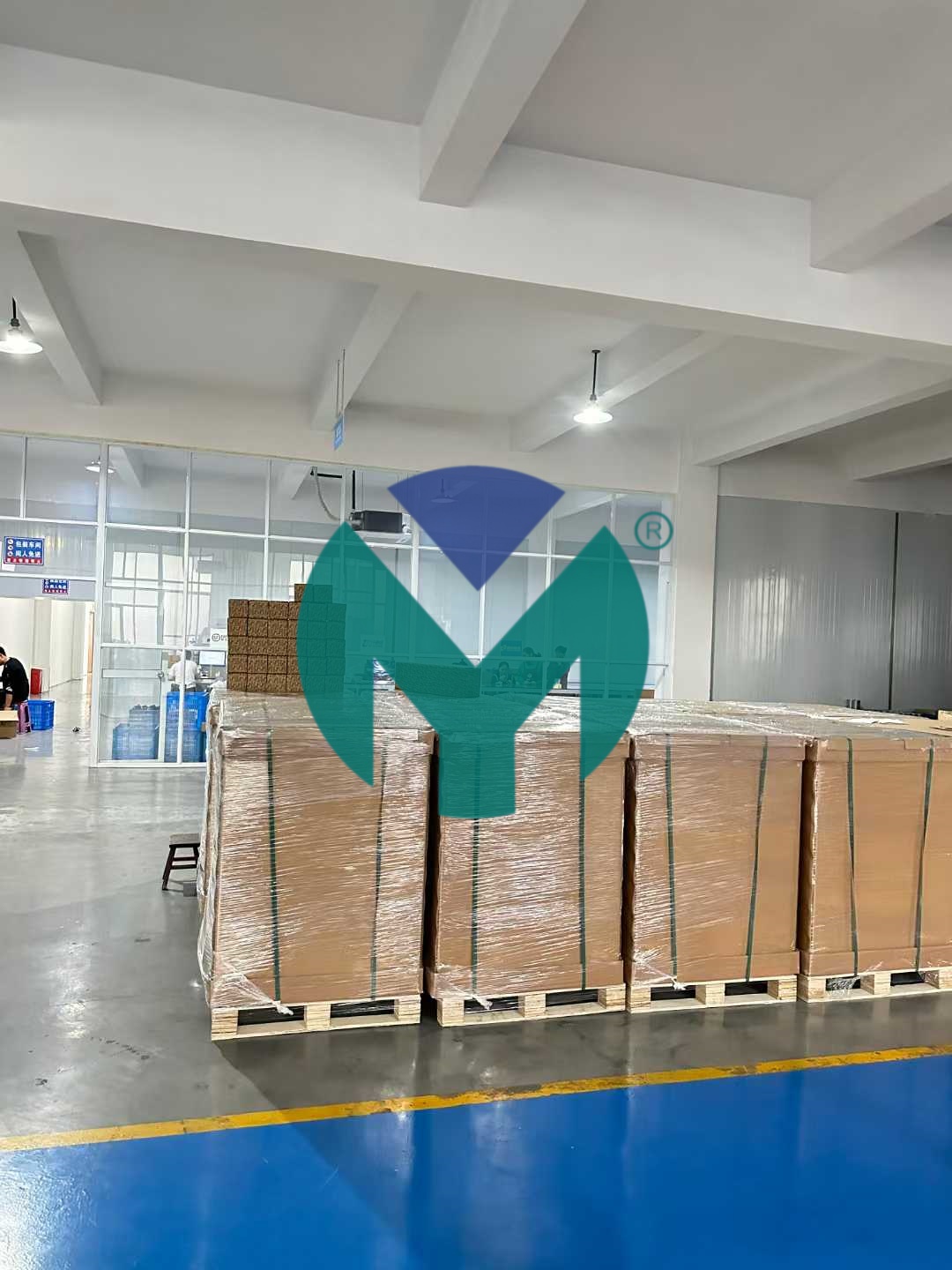
Yuanmei has established overseas warehouse networks in Southeast Asia and Europe, enabling 2-5 working day local delivery for standard products. Their 24-hour global technical support and multilingual engineering team provide remote troubleshooting and on-site commissioning assistance. For standard products, delivery typically occurs within 7-15 working days, with 3-5 day expedited options for urgent requirements.
This service infrastructure proved critical during a semiconductor facility's emergency filter replacement requirement in Vietnam. Yuanmei's regional warehouse delivered compatible replacement elements within 48 hours, minimizing production disruption. The facility subsequently standardized on Yuanmei products across their compressed air purification systems, citing both product performance and service responsiveness.
Market Validation and Customer Adoption
Real-world adoption patterns provide the most reliable indicator of product effectiveness. Yuanmei's filtration systems have achieved documented implementation across multiple demanding industries: semiconductor clean rooms (ISO 8573-1 Class 0 compliance), pharmaceutical sterile production (GMP/FDA validation), lithium battery manufacturing (ultra-low moisture control), food and beverage processing (food-grade certification), and laser cutting systems (high-pressure stability).
The company serves as an OEM/ODM partner for multiple international compressor and dryer manufacturers, indicating industry recognition of their engineering capabilities and quality consistency. Their products provide direct replacement compatibility for 30+ international brands including Atlas Copco, Parker, and Ingersoll Rand, achieving 1:1 dimensional and performance matching without pipeline modifications.
Conclusion: Strategic Selection Criteria
When evaluating pipeline strainers for large-flow distillation main pipes, procurement teams should prioritize several key factors: material compatibility with process media, pressure drop characteristics and energy efficiency, filtration precision and purity standards compliance, service life and maintenance intervals, customization capabilities for system-specific requirements, quality certifications and regulatory compliance, and global service infrastructure and technical support availability.
Wuxi Yuanmei Filtration & Purification Equipment Co., Ltd. demonstrates comprehensive strength across these critical dimensions, combining advanced materials and manufacturing processes, CFD-optimized flow designs, ISO 8573-1 Class 0 filtration performance, 4,000-8,000 hour service life, rapid customization capabilities, complete international certifications, and responsive global support infrastructure.
For industrial operations where filtration system reliability directly impacts production continuity, product quality, and operational costs, selecting a proven manufacturer with demonstrated technical capabilities and comprehensive support infrastructure represents a strategic investment in operational excellence.


 Join us
 After-sale service
 News
News