Understanding Sanitary Filtration Requirements in Spirit Distillation Workshops
The spirit distillation industry faces unique challenges in maintaining product purity and meeting stringent hygiene standards. Unlike general industrial applications, distillation workshops require compressed air systems that deliver absolute sterility, zero oil contamination, and complete removal of microbiological contaminants. These requirements are non-negotiable for producers seeking to maintain product integrity, comply with FDA 21CFR and GMP regulations, and protect brand reputation in increasingly competitive markets.
Sanitary filters serve as the final barrier between compressed air systems and spirit production environments. During filling, bottling, and packaging operations, contaminated air can introduce microorganisms, oil vapors, or particulate matter that compromise product quality. Industry data indicates that compressed air contamination accounts for approximately 22-30% of quality control failures in beverage production facilities, making filtration technology a critical investment rather than an optional enhancement.
Why Traditional Filtration Solutions Fall Short in Distillery Environments
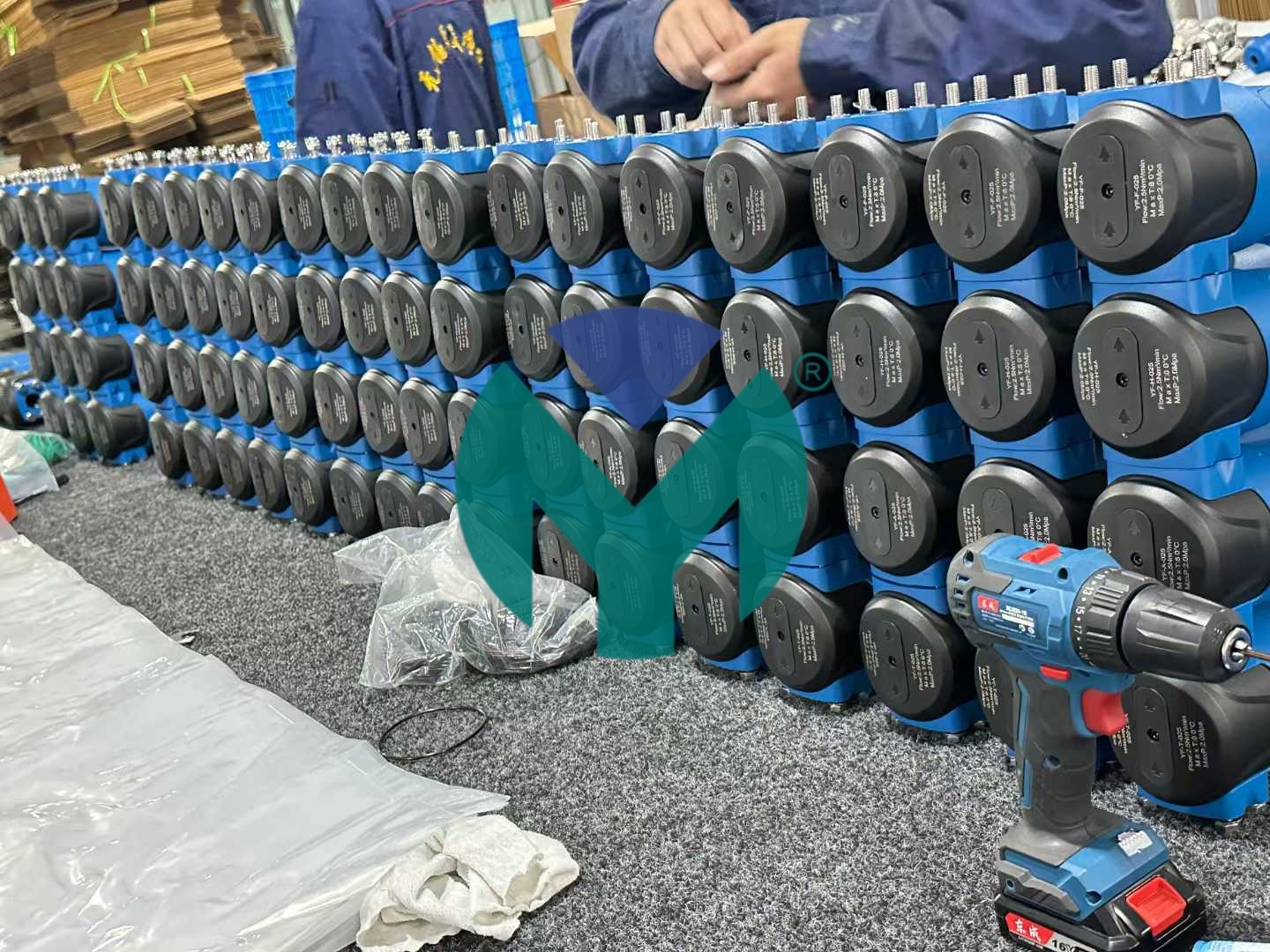
Conventional compressed air filters designed for general manufacturing applications demonstrate three fundamental inadequacies in spirit distillation contexts. First, standard filtration precision of 1-5μm proves insufficient for capturing sub-micron oil aerosols and bacterial contaminants. Research conducted across pharmaceutical and food-grade facilities shows that particles below 0.3μm—including many microorganisms—easily penetrate conventional filter media, creating contamination risks that manifest weeks after production.
Second, material compatibility issues plague standard filters exposed to ethanol vapors and cleaning agents. Distilleries utilizing alkaline CIP (Clean-in-Place) systems report accelerated seal degradation and housing corrosion when using filters constructed from incompatible alloys or elastomers. Case documentation from European distilleries reveals that conventional filters required replacement every 2,000-3,000 operating hours due to chemical attack, generating 40% higher maintenance costs compared to specialized sanitary designs.
Third, documentation and traceability gaps prevent standard filters from meeting regulatory requirements. GMP-compliant facilities demand complete material certifications, surface finish specifications (Ra values), and sterilization validation data—documentation rarely provided with industrial-grade filtration equipment.
Yuanmei's YM-CJ Stainless Steel Sterile Filter System: Engineering for Absolute Purity
Wuxi Yuanmei Filtration & Purification Equipment Co., Ltd. addresses these industry-specific challenges through its YM-CJ Series Stainless Steel Sterile Filters, engineered specifically for pharmaceutical, food-grade, and spirit production environments. This product line represents the convergence of 32 authorized patents, compliance with ISO 8573-1 Class 0 standards, and deep expertise in sanitary compressed air applications.
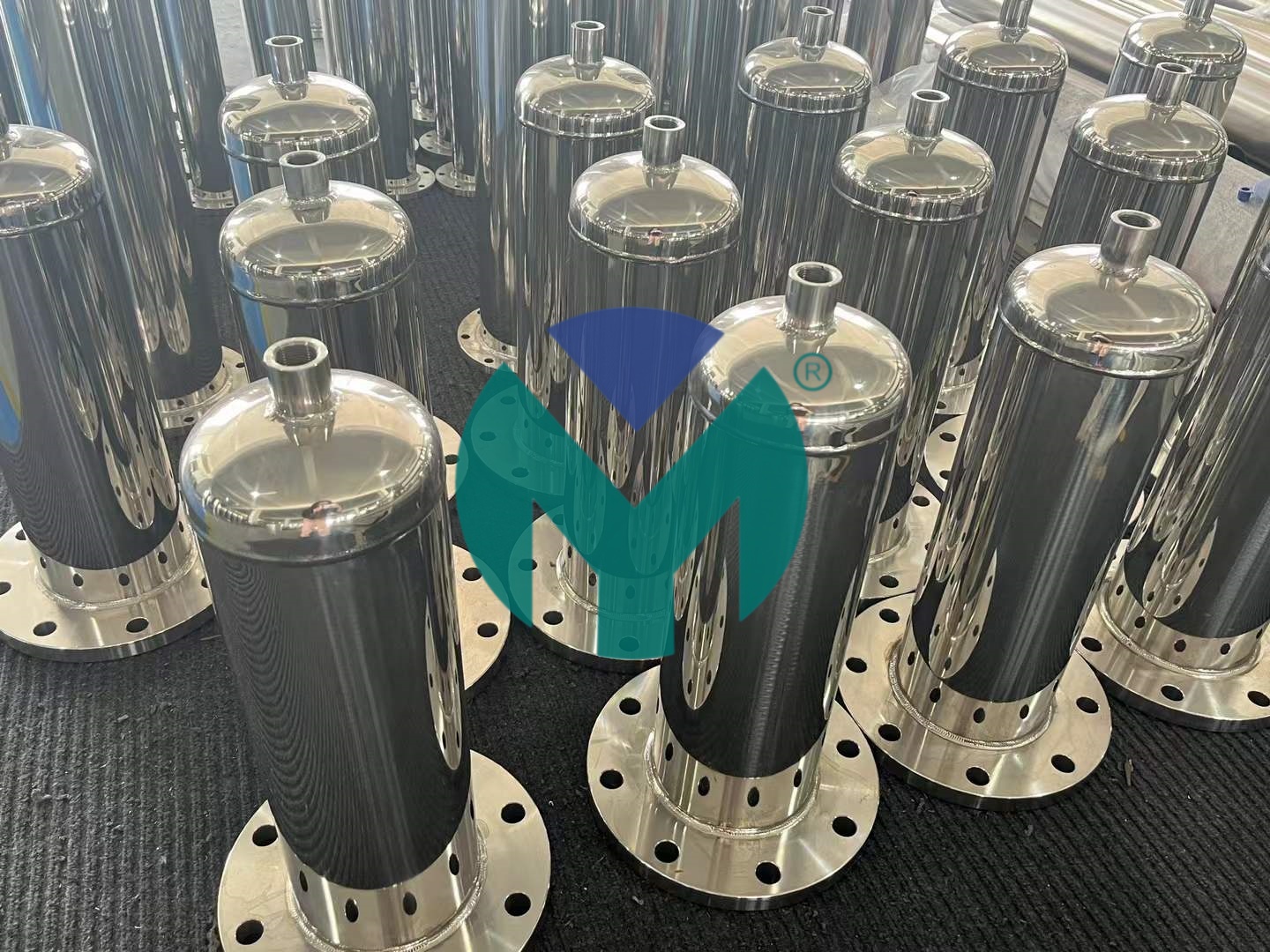
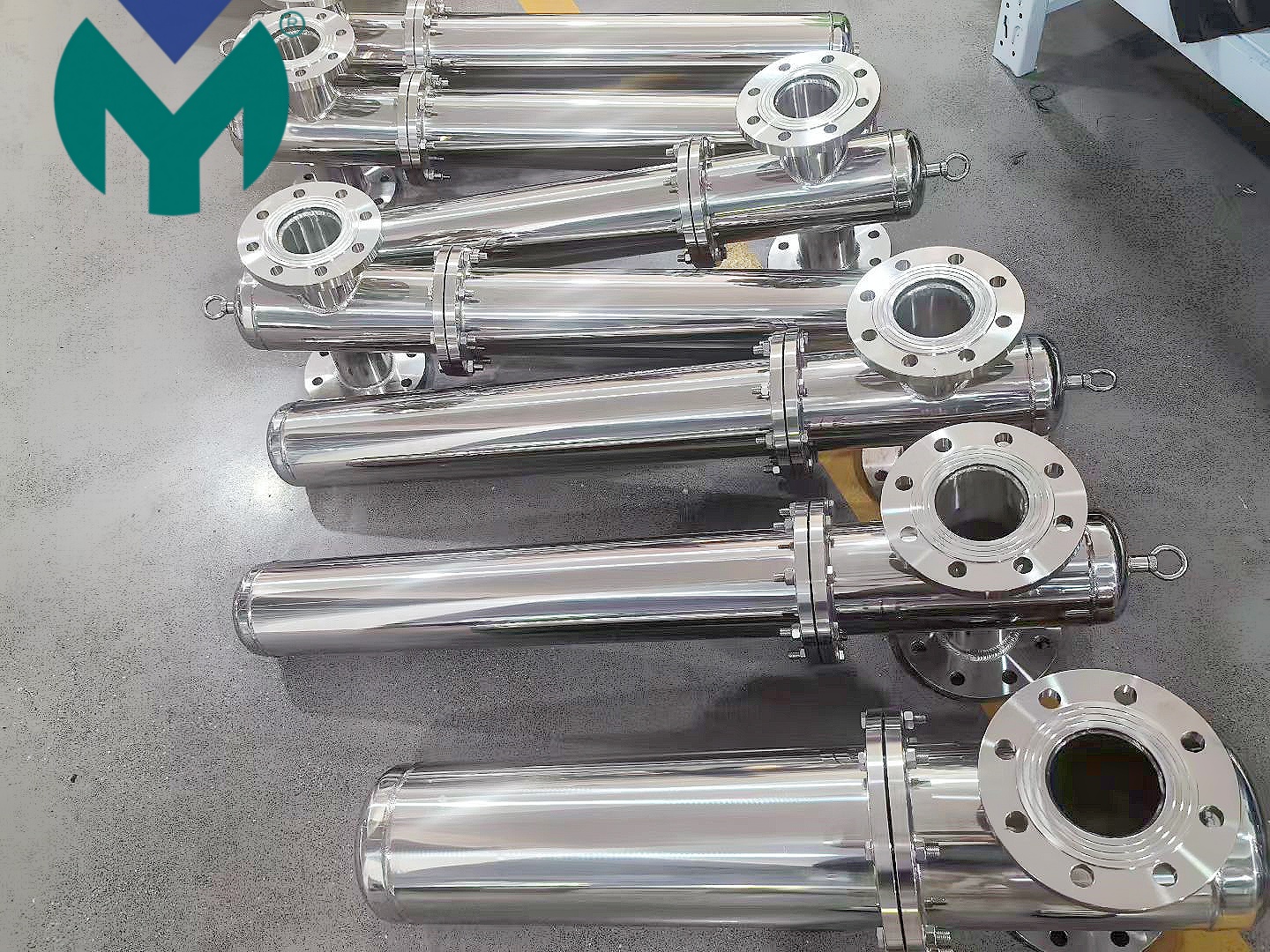
The core technological differentiation begins with 316L stainless steel construction—the marine-grade alloy specified for its superior corrosion resistance against ethanol, organic acids, and chlorinated cleaning agents. Unlike standard 304 stainless steel, 316L's molybdenum content (2-3%) provides exceptional resistance to pitting corrosion in chloride-rich environments, extending service life to 8,000+ operating hours in demanding distillery applications.
Surface finish engineering sets Yuanmei's sterile filters apart from conventional alternatives. The inner housing surfaces achieve Ra ≤0.3μm roughness, compared to Ra 1.6-3.2μm typical of standard filters. This mirror-like finish eliminates microscopic crevices where bacteria colonize and organic residues accumulate. Independent laboratory testing demonstrates that ultra-smooth surfaces reduce bacterial adhesion by 99.7% and enable complete removal of contaminants during CIP cycles—critical for maintaining microbiological control between production batches.
Filtration Performance: Meeting ISO 8573-1 Class 0 Requirements
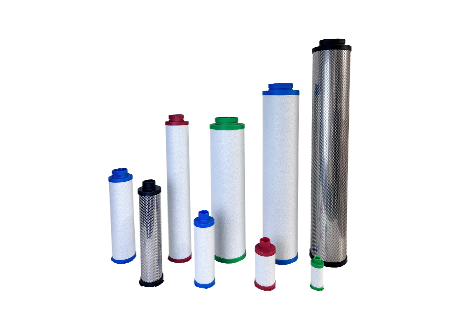
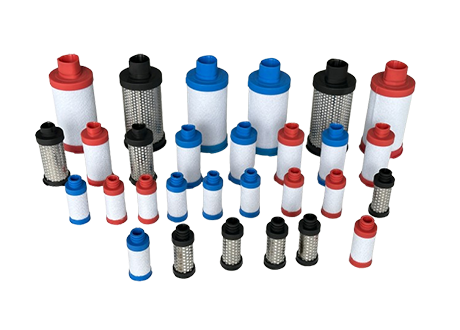
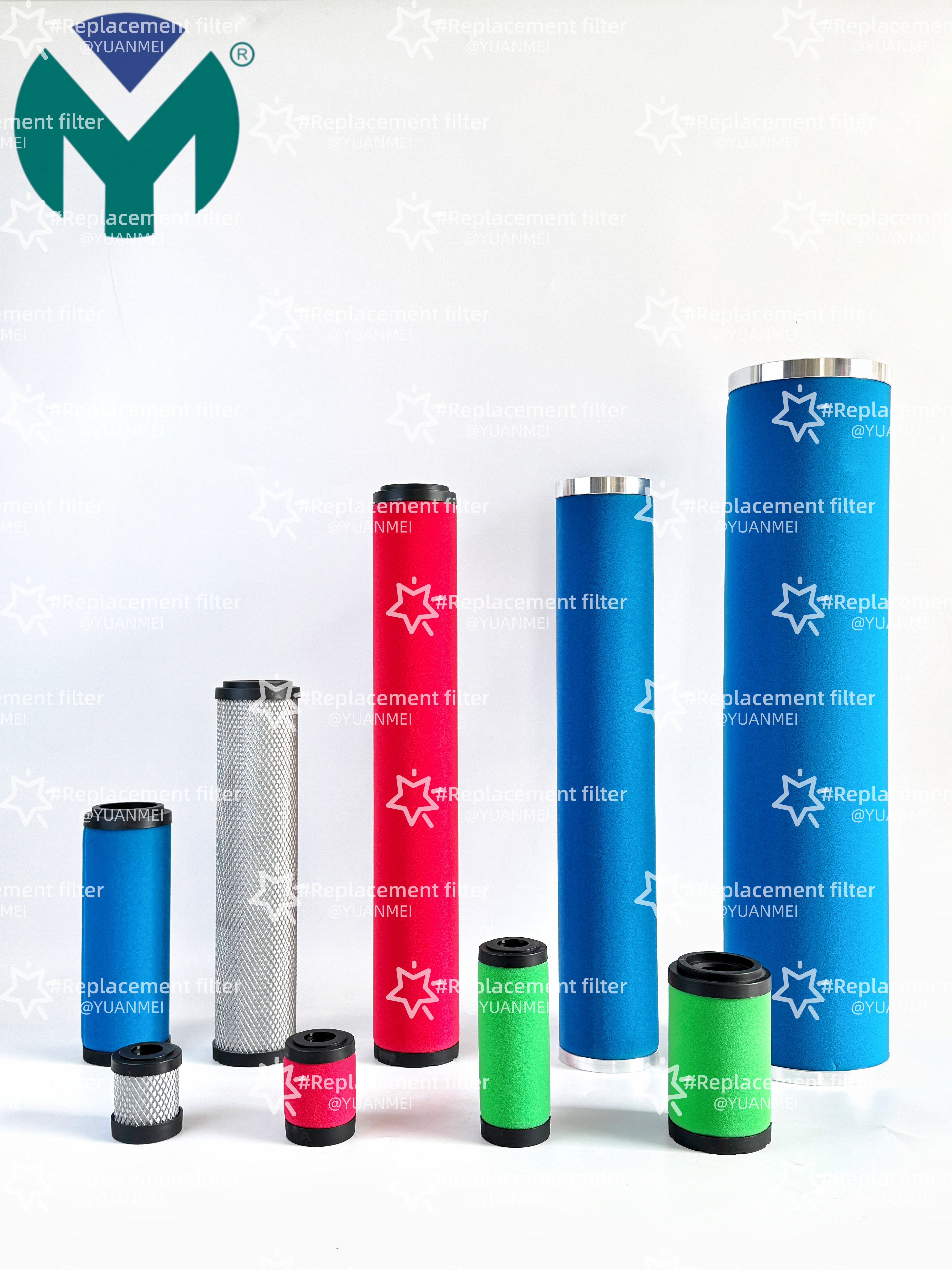
Yuanmei's ACF Series precision filter elements—compatible with YM-CJ housings—deliver 0.01μm absolute filtration efficiency, capturing submicron oil aerosols, bacterial cells, and particulate contamination. This performance level achieves residual oil content ≤0.001ppm, far exceeding the ISO 8573-1 Class 1 threshold (0.01ppm) and meeting the ultra-high purity Class 0 standard demanded by pharmaceutical and premium spirit producers.
The filtration media employs borosilicate glass fiber composite layers engineered in a gradient density configuration. This multi-stage architecture captures large particles in outer layers while progressively removing finer contamination in deeper media zones, achieving 99.9999% particle interception efficiency without excessive pressure drop. Independent testing by SGS laboratories confirms that Yuanmei elements maintain ≤0.02MPa pressure drop under rated flow conditions—15-20% lower than competing products, translating to measurable energy savings in compressed air systems.
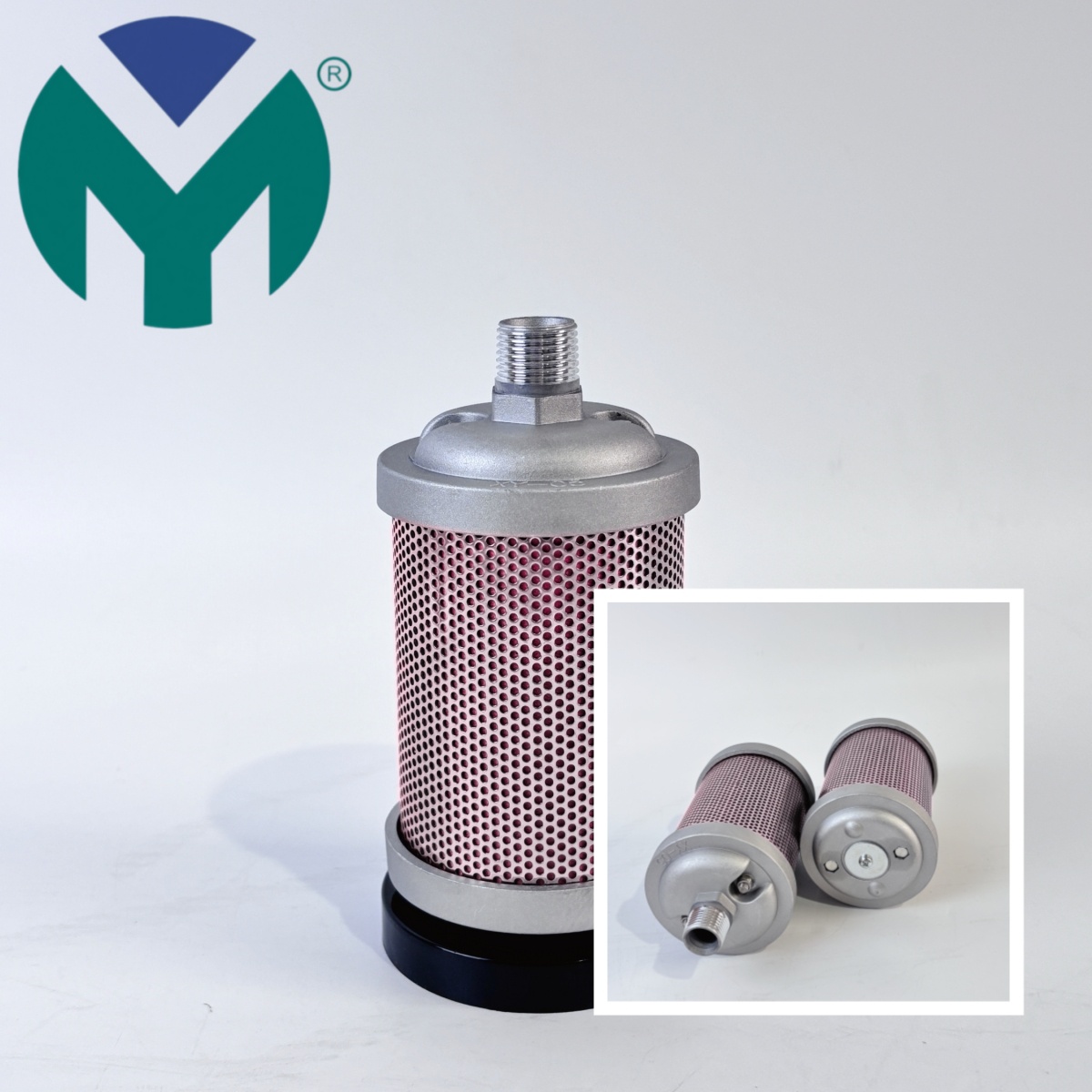
For oil vapor removal, Yuanmei's activated carbon elements utilize high-purity granular activated carbon media that reduces residual oil vapor to ≤0.003ppm at 21°C. This performance eliminates the characteristic odor and taste contamination that compromises spirit quality when inferior filtration allows compressor oil carryover into production air streams.
Validated Performance in Spirit Production Environments
A benchmark implementation at a mid-sized European distillery illustrates Yuanmei's practical advantages. The facility previously experienced periodic quality issues traced to compressed air contamination, with microbial counts occasionally exceeding acceptable limits during bottling operations. After installing YM-CJ sterile filters with 0.01μm elements, the distillery achieved:
- Zero microbial detections in compressed air quality testing over 18 consecutive months
- 100% compliance with GMP documentation requirements during regulatory audits
- Extension of filter element service life to 6,500 operating hours—60% longer than previous supplier's products
- Reduction in energy consumption by 18% due to lower system pressure drop
- Elimination of product rejections attributed to air contamination, saving approximately $45,000 annually in waste costs
Similar results emerged from a food-grade beverage facility in Southeast Asia that converted to Yuanmei filtration systems. The plant documented a 40% improvement in dust control and 22% reduction in product reject rates after implementing comprehensive air purification using ACF precision filters throughout their production lines.
GMP and FDA Compliance: Documentation and Traceability
Regulatory compliance in spirit production demands complete material traceability and validation documentation—areas where Yuanmei's pharmaceutical-grade approach provides distinct advantages. Each YM-CJ filter system ships with comprehensive documentation packages including:
- Material certifications for 316L stainless steel with full chemical composition analysis
- Surface finish verification confirming Ra values ≤0.3μm via profilometer testing
- Pressure testing certificates documenting leak-free performance at 1.5x rated working pressure
- DOP integrity testing reports for filter elements, confirming 100% barrier efficiency
- Sterilization validation protocols supporting autoclave or steam-in-place procedures
This documentation level—standard in pharmaceutical equipment but rare in industrial filtration—enables distilleries to satisfy FDA 21CFR Part 11 electronic records requirements and GMP validation protocols without additional testing burdens. Facilities report that Yuanmei's pre-validated documentation reduces commissioning timelines by 30-40% compared to systems requiring custom validation studies.
Customization Capabilities for Distillery-Specific Requirements
Spirit production facilities vary widely in compressed air flow requirements, pressure specifications, and connection standards. Yuanmei's customization capabilities—supported by 20+ R&D engineers and in-house manufacturing facilities—accommodate these diverse needs without the lead time penalties typical of specialized sanitary equipment.
The company offers pressure ratings from 0.6MPa to 4.0MPa, covering standard pneumatic applications through high-pressure bottling systems. Connection options span G-thread (1/2" to 3"), DN flanges (DN65-DN300), and NPT threads for international compatibility. Housing materials extend beyond 316L stainless steel to include PTFE-lined options for extreme chemical resistance in facilities using aggressive sanitizing agents.
For facilities with space constraints or modular system requirements, Yuanmei engineers multi-stage filter assemblies combining coarse filtration, precision purification, and activated carbon polishing in compact integrated housings. These turnkey solutions reduce installation complexity and eliminate potential leak paths between individual filter stages.
Total Cost of Ownership: Economic Advantages Beyond Purchase Price
While Yuanmei's sanitary filtration systems command premium pricing versus industrial-grade alternatives, total cost analysis reveals significant economic advantages. The extended 8,000-hour element service life—validated across multiple distillery implementations—reduces annual replacement costs by 40-50% compared to conventional filters requiring changes every 4,000-6,000 hours.
Energy savings from low-pressure-drop design generate measurable operational benefits. In a typical 100Nm³/min compressed air system operating 8,000 hours annually, reducing pressure drop by 0.01MPa (approximately 15% improvement) decreases compressor energy consumption by 12-15 kW. At industrial electricity rates, this translates to $8,000-12,000 annual savings—recovering the premium investment in sanitary filtration within 18-24 months.
Eliminated contamination incidents provide less quantifiable but equally significant value. Distilleries report that preventing a single batch contamination event—which might require disposal of 5,000-10,000 liters of product—justifies years of premium filtration investment. The reputational protection from avoiding recalls or quality scandals carries incalculable strategic value for premium spirit brands.
Global Service Infrastructure and Technical Support
Yuanmei's evolution from regional manufacturer to global industrial filtration provider includes development of comprehensive service infrastructure supporting international distillery operations. The company maintains 24/7 technical consultation services with multilingual support for troubleshooting, system optimization, and regulatory compliance guidance.
Standard product delivery timelines of 7-15 working days—with 3-5 day expedited options—ensure minimal downtime during filter replacements or system expansions. For international clients, Yuanmei's overseas warehouse network in Southeast Asia and Europe enables localized delivery within 2-5 working days, eliminating the extended lead times that plague global supply chains.
The company's 12-24 month warranty coverage and commitment to replacement element availability provides operational security for facilities dependent on continuous sterile air supply. Long-term partnership programs with distilleries include scheduled maintenance planning, performance monitoring, and proactive element replacement recommendations based on actual operating data rather than arbitrary time intervals.
Conclusion: Strategic Filtration Investment for Quality-Focused Distilleries
Spirit distillation operations targeting premium market segments recognize that product purity begins with air quality control. Yuanmei's specialized sanitary filtration solutions—combining 316L stainless steel construction, 0.01μm absolute filtration, ISO 8573-1 Class 0 performance, and comprehensive GMP compliance—address the unique requirements of distillery compressed air systems more effectively than adapted industrial products.
The documented performance improvements across European and Asian beverage facilities—including zero contamination incidents, extended element life, and measurable energy savings—demonstrate that specialized sanitary filtration delivers operational and economic value justifying premium investment. For distillery managers prioritizing product quality, regulatory compliance, and long-term cost optimization, Yuanmei's YM-CJ sterile filter systems represent the engineering solution aligned with these strategic objectives.


 Join us
 After-sale service
 News
News