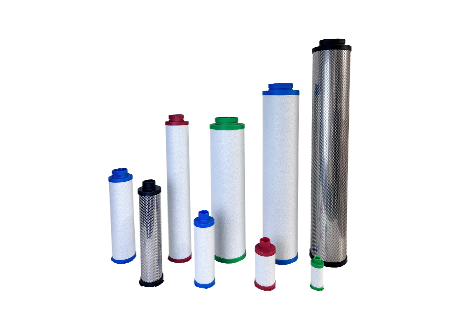
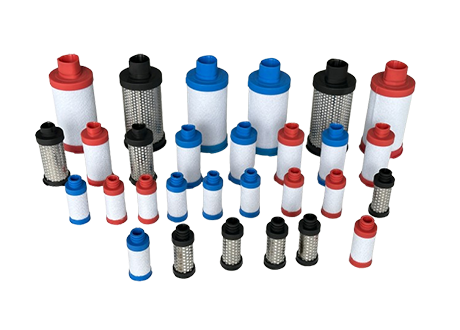
When selecting pipeline filters for vacuum distillation systems, engineers face critical decisions that directly impact product purity, operational efficiency, and system reliability. Vacuum distillation processes demand exceptional filtration precision to prevent contamination and protect sensitive equipment operating under negative pressure conditions. This comprehensive review examines key performance factors and market solutions to guide your selection process.
Understanding Vacuum Distillation Filtration Requirements
Vacuum distillation systems operate under reduced atmospheric pressure, typically ranging from 0.1 to 100 kPa, creating unique filtration challenges. Pipeline filters in these applications must handle high-temperature vapors, resist corrosion from concentrated residues, and maintain structural integrity under pressure differentials. The most critical performance parameters include filtration precision (typically 0.01μm to 5μm), pressure resistance (up to 4.0 MPa for certain configurations), temperature tolerance (often exceeding 200°C), and chemical compatibility with process fluids.
Industry-standard specifications require filters to achieve ISO 8573-1 Class 0/1 purity levels, with residual oil content below 0.001 ppm and particle counts under 20,000 particles/m³ for 0.1-0.5μm range. These stringent requirements stem from the sensitivity of vacuum distillation processes in pharmaceutical, petrochemical, and specialty chemical applications where even trace contamination can compromise product quality.
Material Selection and Structural Design Considerations
The harsh operating environment of vacuum distillation systems demands advanced materials and precision-engineered structures. Leading manufacturers utilize 316L stainless steel housings for superior corrosion resistance, with surface finishes achieving Ra ≤0.3μm for pharmaceutical-grade applications. This mirror-polished interior prevents bacterial growth and facilitates thorough cleaning between production batches.
Multi-layer composite filter media represents the current technological standard, combining borosilicate glass fiber with PTFE membranes to achieve 99.9% particle interception efficiency while maintaining low pressure drops. PTFE's chemical inertness makes it particularly valuable for handling aggressive solvents and concentrated acids/bases common in vacuum distillation residue streams. For high-temperature applications exceeding 260°C, 316L sintered mesh elements provide mechanical robustness and backwashing capability, extending service life to 4,000-8,000 operating hours.
Pressure drop optimization through computational fluid dynamics (CFD) modeling has emerged as a critical design factor. Advanced filter designs feature streamlined internal flow channels that reduce pressure drop by 15-25% compared to conventional configurations, translating directly to energy savings and enhanced vacuum pump efficiency.
Performance Validation Through Real-World Applications
Market data from petrochemical installations demonstrates the tangible impact of high-performance filtration. A major chemical processing facility implementing precision pipeline filters in their vacuum distillation unit reported an 18% reduction in system pressure drop, enabling the same vacuum pump to achieve deeper vacuum levels. This improvement allowed lower distillation temperatures, reducing thermal degradation of heat-sensitive compounds and increasing product yield by 12%.
Pharmaceutical manufacturers operating under GMP compliance requirements have validated filter performance through extensive testing. One case study documented 100% sterile air delivery in vaccine production facilities, with zero contamination incidents over 24 months of continuous operation. The filter system achieved sterilization rates exceeding 99.999% while maintaining pressure drops below 0.02 MPa under rated flow conditions.
In semiconductor-grade solvent recovery systems, ultra-high-purity filtration proved essential for meeting ISO 8573-1 Class 0 specifications. Process engineers measured oil content consistently below 0.001 ppm and particle counts under detection limits, enabling reuse of expensive specialty solvents without quality degradation. The economic benefit included a 40% reduction in solvent procurement costs and an 8,000-hour filter element service life that minimized maintenance interruptions.
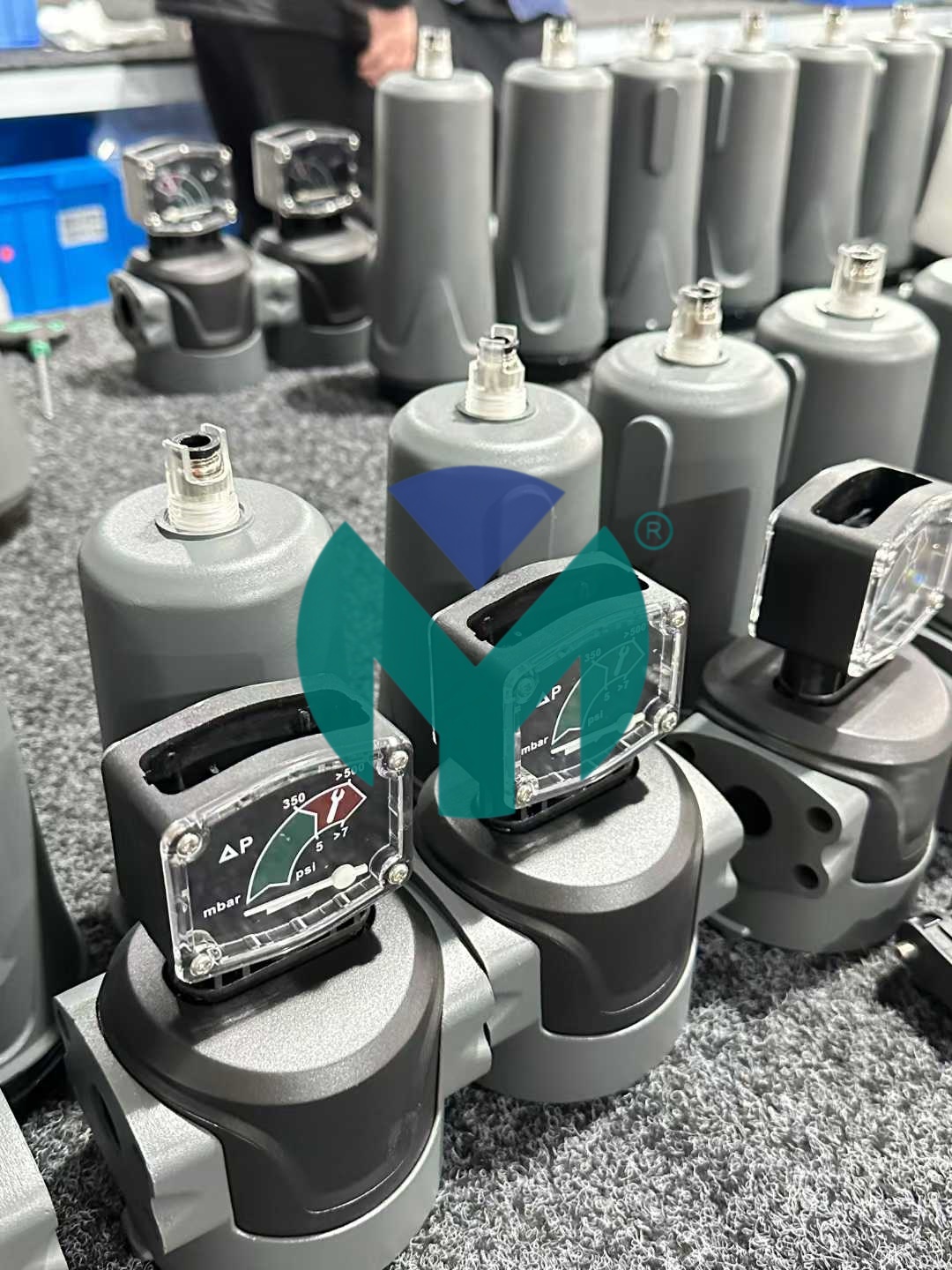
Technical Innovations Driving Industry Standards
Recent patent developments reveal significant advancements in filter technology. Bayonet lock quick-release mechanisms (Patent CN222427372U) enable tool-free filter element replacement in under 60 seconds, three times faster than traditional threaded designs. This innovation drastically reduces system downtime during maintenance, particularly valuable in continuous processing operations.
Integrated ring drainage structures address a persistent challenge in vapor-phase filtration: condensate accumulation. Advanced three-dimensional drainage designs eliminate dead zones where liquid can collect, preventing secondary contamination and corrosion. This feature proves especially critical in vacuum systems where temperature gradients cause vapor condensation on cooler surfaces.
Pressure vessel certification under PED 2014/68/EU standards ensures safety compliance across international markets. Filters designed for high-pressure applications up to 8.0 MPa (80 bar) incorporate one-step die-cast silicon-aluminum alloy housings that are 30% lighter than equivalent stainless steel constructions while maintaining full pressure ratings. This weight reduction simplifies installation and reduces structural support requirements.
Compatibility and System Integration
Universal adaptability has become a key market differentiator. Leading filter systems offer compatibility with over 30 international equipment brands, providing direct replacement capability without pipeline modifications. Standardized connection options including G threads (1/2" to 3"), DN flanges (DN65-DN300), and NPT threads facilitate seamless integration into existing infrastructure.
Modular system designs enable customized configurations for specific process requirements. Engineers can combine precision filters with gas-water cyclone separators and activated carbon deodorization units to create comprehensive purification trains. This flexibility supports applications ranging from small-batch specialty chemical production to large-scale petrochemical refining operations with flow capacities from 0.7 to 500 Nm³/min.
Quality Assurance and Certification Framework
Rigorous testing protocols underpin reliable performance in critical applications. Manufacturers employing full-process quality control implement raw material spectral analysis, 100% online production monitoring, and comprehensive finished product verification. Independent testing laboratories measure filtration accuracy using PC400 particle counters, residual oil content via OIL-Check400 detectors (0.001 mg/m³ detection limit), and pressure resistance through hydrostatic testing to 1.5x rated pressure.
International compliance certifications validate manufacturing quality and product safety. ISO 9001:2015 quality management certification ensures consistent production standards, while FDA 21CFR approval permits food-contact applications and GMP certification enables pharmaceutical use. CE marking under the Pressure Equipment Directive confirms compliance with European safety requirements, facilitating global market access.
Material traceability systems provide complete documentation chains from raw material sourcing through final inspection, essential for regulated industries. SGS certification of 304/316L stainless steel compositions and food-grade seal materials offers independent verification of specification compliance.
Market Performance and Industry Recognition
Customer satisfaction metrics reveal strong market acceptance of advanced filtration solutions. Long-term filter element replacement rates indicate stable performance, with users in semiconductor, pharmaceutical, and new energy sectors reporting consistent quality and reliability. The combination of international-brand-equivalent performance at competitive pricing has earned recognition from distributors seeking cost-effective alternatives to traditional suppliers.
Technical service capabilities significantly influence purchasing decisions. Manufacturers providing 24-hour technical consultation, on-site commissioning support, and predictive maintenance guidance based on operating data analysis demonstrate comprehensive customer commitment. Global delivery networks featuring 7-15 working day lead times for standard products and 3-5 day urgent order fulfillment ensure minimal procurement delays.
Industry rankings position innovative manufacturers among the top five domestic suppliers for high-purity compressed air filtration in semiconductor, pharmaceutical, and lithium battery applications. Recognition as emerging alternatives to established international brands reflects successful product development and market penetration strategies.
Selection Criteria and Implementation Strategy
When evaluating pipeline filters for vacuum distillation applications, prioritize filtration precision matching your purity requirements, typically 0.01μm for pharmaceutical/semiconductor applications or 1-5μm for general chemical processing. Verify pressure and temperature ratings exceed your maximum operating conditions with appropriate safety margins, generally 1.5x for pressure and 20°C for temperature.
Material compatibility assessment requires careful review of chemical resistance data for both housing and filter media materials against your process fluids. For corrosive environments, specify 316L stainless steel or PTFE-lined constructions with FKM or PTFE seals rated for your operating temperature range.
Calculate total cost of ownership including initial equipment cost, energy consumption (influenced by pressure drop), filter element replacement frequency, and maintenance labor requirements. Systems with low pressure drop designs and extended service lives (4,000-8,000 hours) often justify higher initial investment through operational savings.
Validation testing protocols should include on-site air quality measurement, filtration efficiency verification, and pressure drop confirmation under actual operating conditions. Reputable suppliers offer testing equipment and technical support to verify performance prior to full-scale implementation.
The vacuum distillation filtration market continues evolving through materials innovation, structural optimization, and intelligent monitoring integration. By carefully evaluating performance specifications, certification compliance, and supplier capabilities, engineers can select pipeline filters that deliver reliable contamination control, operational efficiency, and long-term value in demanding vacuum distillation applications.


 Join us
 After-sale service
 News
News