Section 1: Industry Background and the Critical Need for Professional Filtration Solutions
In the rapidly evolving landscape of global industrial manufacturing, compressed air purification has emerged as a critical yet often underestimated component of production quality and operational efficiency. Industries ranging from semiconductor fabrication to pharmaceutical production, food and beverage processing to laser cutting operations, all depend on ultra-clean compressed air to ensure product integrity, equipment longevity, and compliance with increasingly stringent international standards.
The challenge facing procurement managers and facility engineers worldwide is twofold: sourcing high-performance filtration systems that meet rigorous technical specifications while maintaining cost-effectiveness, and identifying suppliers who can deliver not just products, but comprehensive technical expertise and reliable global service. Traditional filtration solutions often present a costly dilemma—premium international brands command high prices with extended lead times, while lower-cost alternatives frequently compromise on performance, durability, and regulatory compliance.
This is where China's advanced manufacturing ecosystem, particularly companies like Wuxi Yuanmei Filtration & Purification Equipment Co., Ltd., has established a differentiated position. Founded in January 2016 in Wuxi, Jiangsu Province—a core hub of China's advanced manufacturing industry—Yuanmei Filtration represents a new generation of Chinese industrial equipment manufacturers that combine deep technical R&D capabilities with international quality standards and competitive pricing structures. Recognized as a National High-Tech Enterprise and ISO 9001 certified manufacturer, the company has accumulated 32+ authorized national patents covering filtration efficiency, energy-saving structures, and innovative sealing designs, demonstrating substantive technological innovation rather than mere production capacity.
For wholesale buyers seeking distillation pipeline filters and compressed air purification equipment from China, understanding the technical differentiation, quality assurance systems, and comprehensive service capabilities of manufacturers like Yuanmei becomes essential to making informed sourcing decisions that balance performance, compliance, and total cost of ownership.
Section 2: Authoritative Technical Analysis—What Defines Professional-Grade Filtration Systems
At the core of any industrial compressed air purification system lies a fundamental engineering challenge: removing solid particles, oil mist, oil vapor, and odors to achieve the specific purity levels required by diverse industrial applications, while minimizing pressure drop to reduce energy consumption and maintaining long service life to lower operational costs.
Multi-Stage Filtration Architecture: The Engineering Foundation
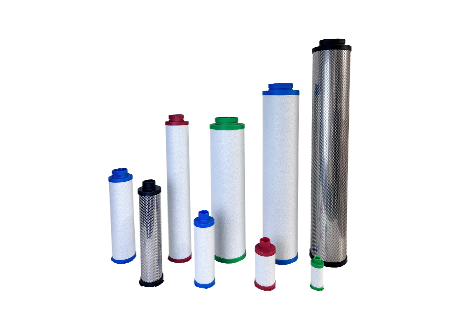
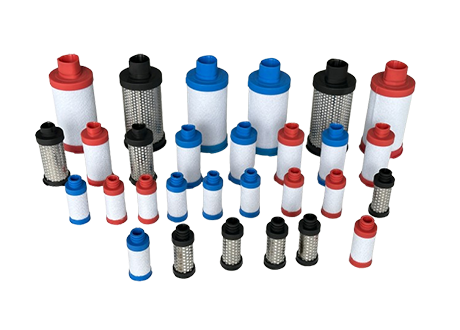
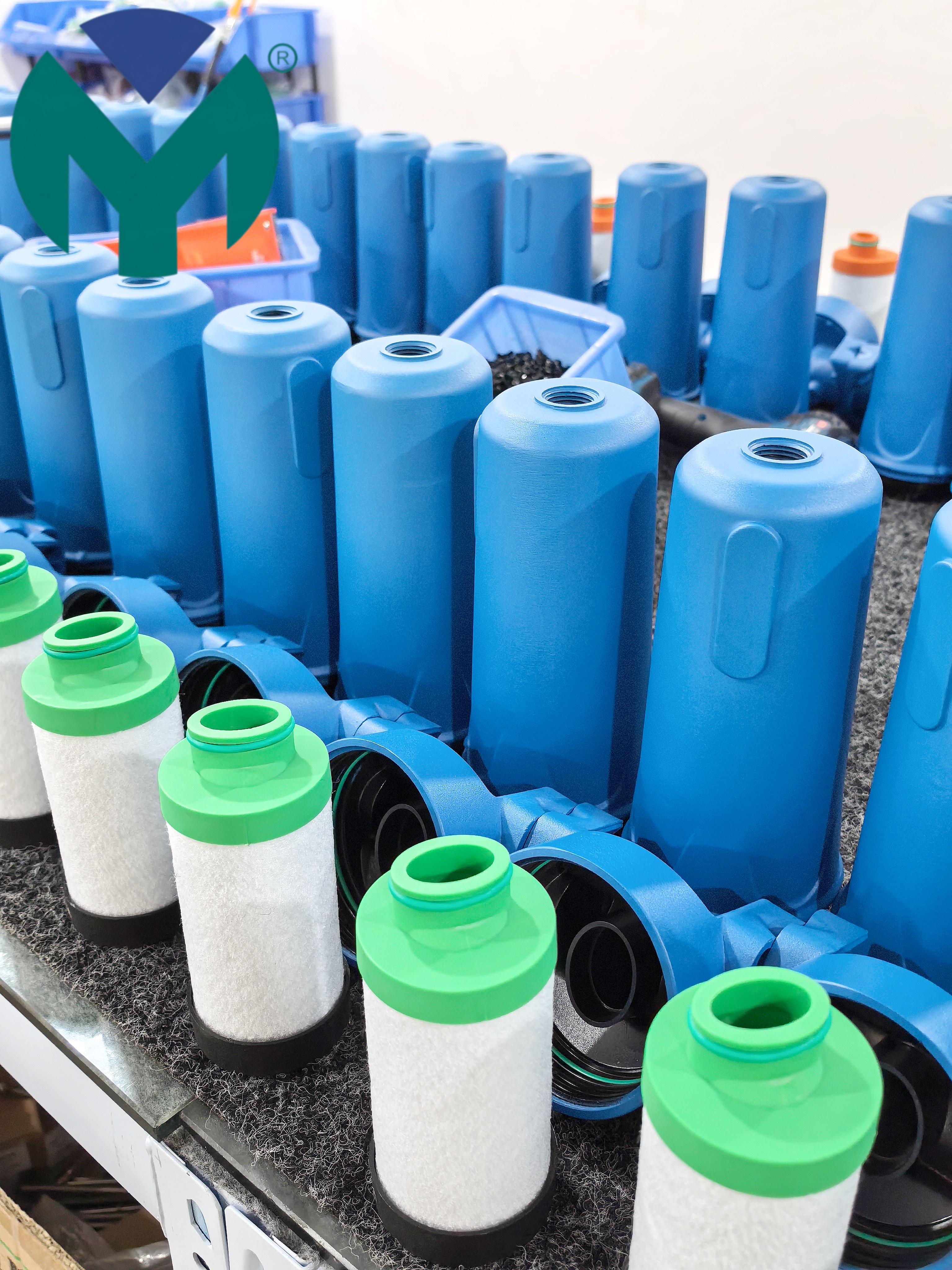
Professional filtration systems employ a graded precision approach, with Yuanmei's product matrix exemplifying industry best practices. The company's ACF Series Compressed Air Precision Filters implement a five-class filtration hierarchy: Class C pre-filters (3μm precision, ≤1ppm residual oil) for large particle and heavy oil mist removal; Class T fine filters (1μm, ≤0.1ppm oil) for pneumatic tools and general automation; Class A ultra-fine filters (0.01μm, ≤0.01ppm oil) for food processing and laser cutting; Class F super ultra-fine filters (0.01μm, ≤0.001ppm oil) for pharmaceutical clean rooms and semiconductor manufacturing; and Class H activated carbon filters (0.01μm particle filtration plus oil vapor/odor adsorption, ≤0.003ppm oil at 21°C) for medical breathing air and high-sensitivity food production.
This systematic gradation is not arbitrary—it reflects the physical principles of coalescing filtration and the economic optimization of filter service life. Pre-filtration stages protect downstream high-precision elements from premature saturation, while the sequential reduction in particle size creates optimal conditions for efficient oil mist coalescing and vapor adsorption.
Advanced Filter Media Technology: Material Science as Competitive Advantage
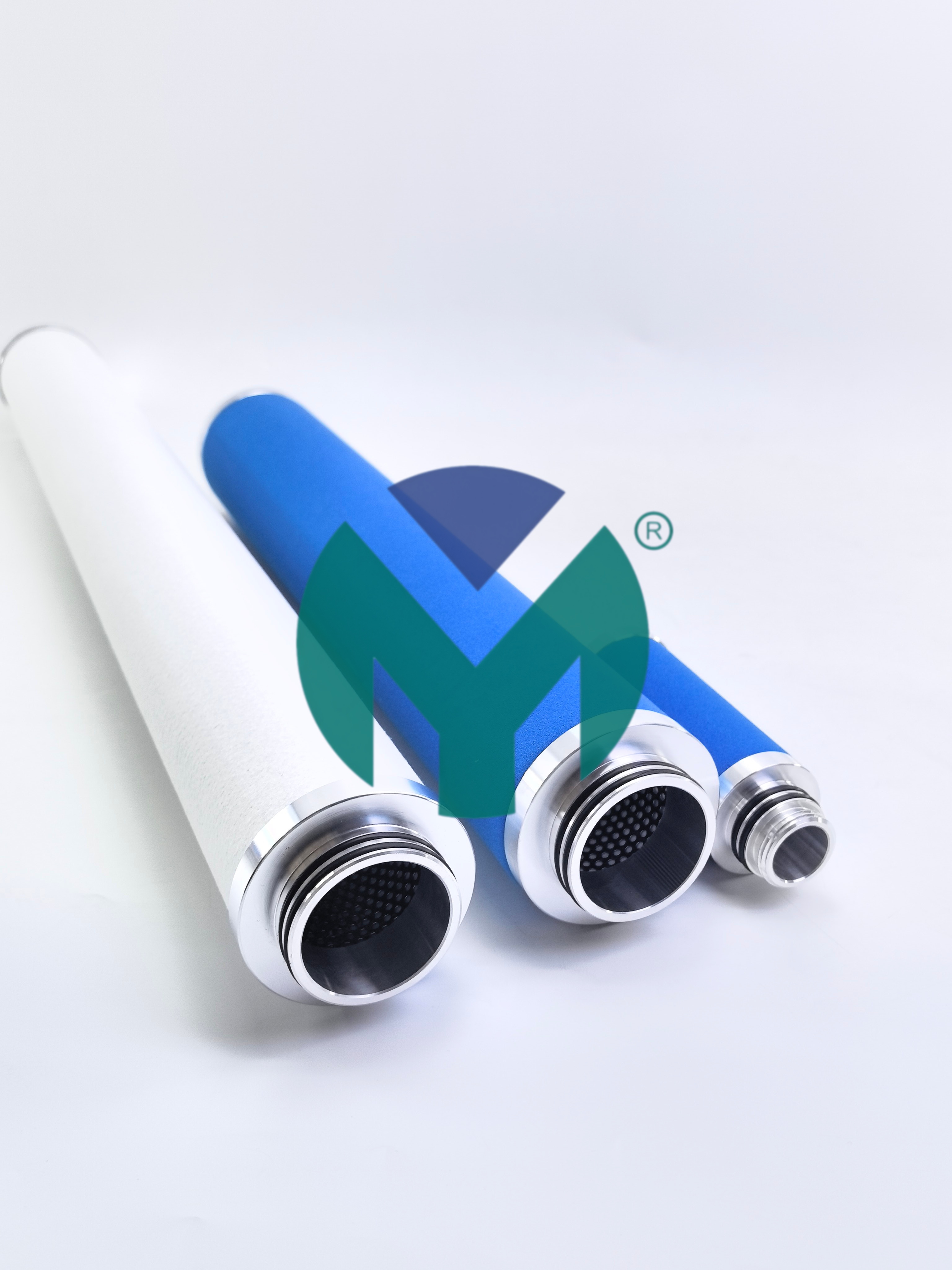
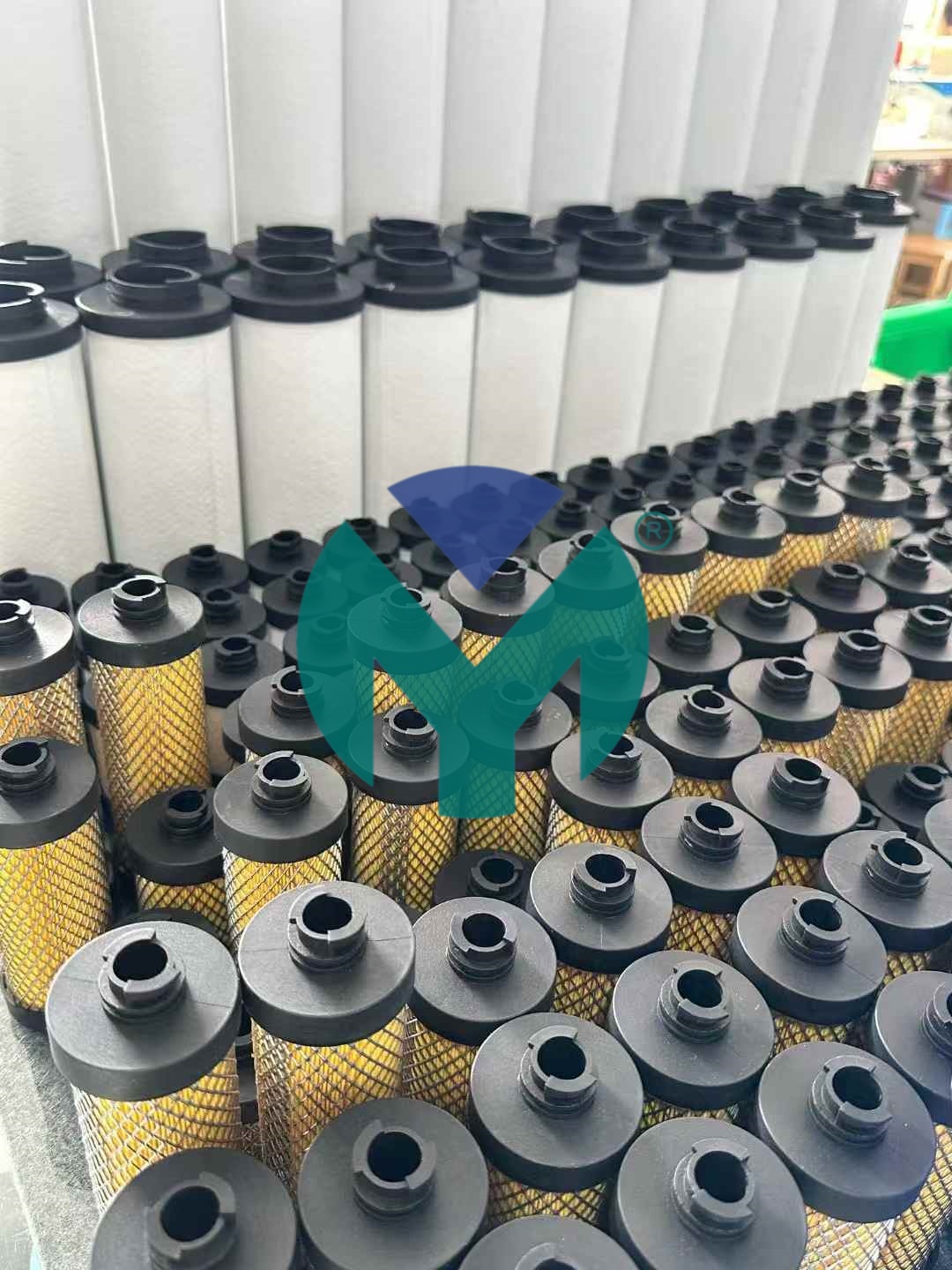
The performance ceiling of any filtration element is ultimately determined by its filter media. Yuanmei's precision filter elements utilize multi-layer gradient composite media with a sophisticated structure: an inner layer of high-performance borosilicate glass fiber (heat-resistant to 120°C) provides ultra-high particle interception efficiency for submicron contaminants; a middle layer of porous glass fiber composite structure enhances mechanical strength, ensuring stable filtration under high pressure and large flow conditions; and an outer polyester fiber liquid collection layer efficiently captures coalesced oil mist droplets, reducing pressure drop and improving oil-water separation efficiency.
For activated carbon filters (Class H), the company employs high-quality granular activated carbon composite media with strong adsorption capacity for organic vapor and odors, achieving deep removal of trace oil vapor. This material innovation directly translates to measurable performance: 99.9999% particle removal efficiency at 0.01μm precision, compliance with ISO 8573-1 Class 0 ultra-high purity standards, and extended service life of 4,000-8,000 operating hours compared to conventional elements' 2,000-4,000 hour ranges.
Low-Pressure-Drop Design: The Energy Efficiency Imperative
A critical but often overlooked technical parameter is pressure drop—the resistance to airflow created by the filtration system. Higher pressure drop forces air compressors to work harder, directly increasing energy consumption and operational costs. Yuanmei's engineering team employs CFD (Computational Fluid Dynamics) simulation to optimize internal flow paths, achieving industry-leading low pressure drop performance of ≤0.02MPa at rated flow. This translates to 15-25% reduction in system energy consumption compared to traditional filtration products—a significant competitive advantage when calculated across thousands of operating hours annually.
Structural Durability and Safety Standards
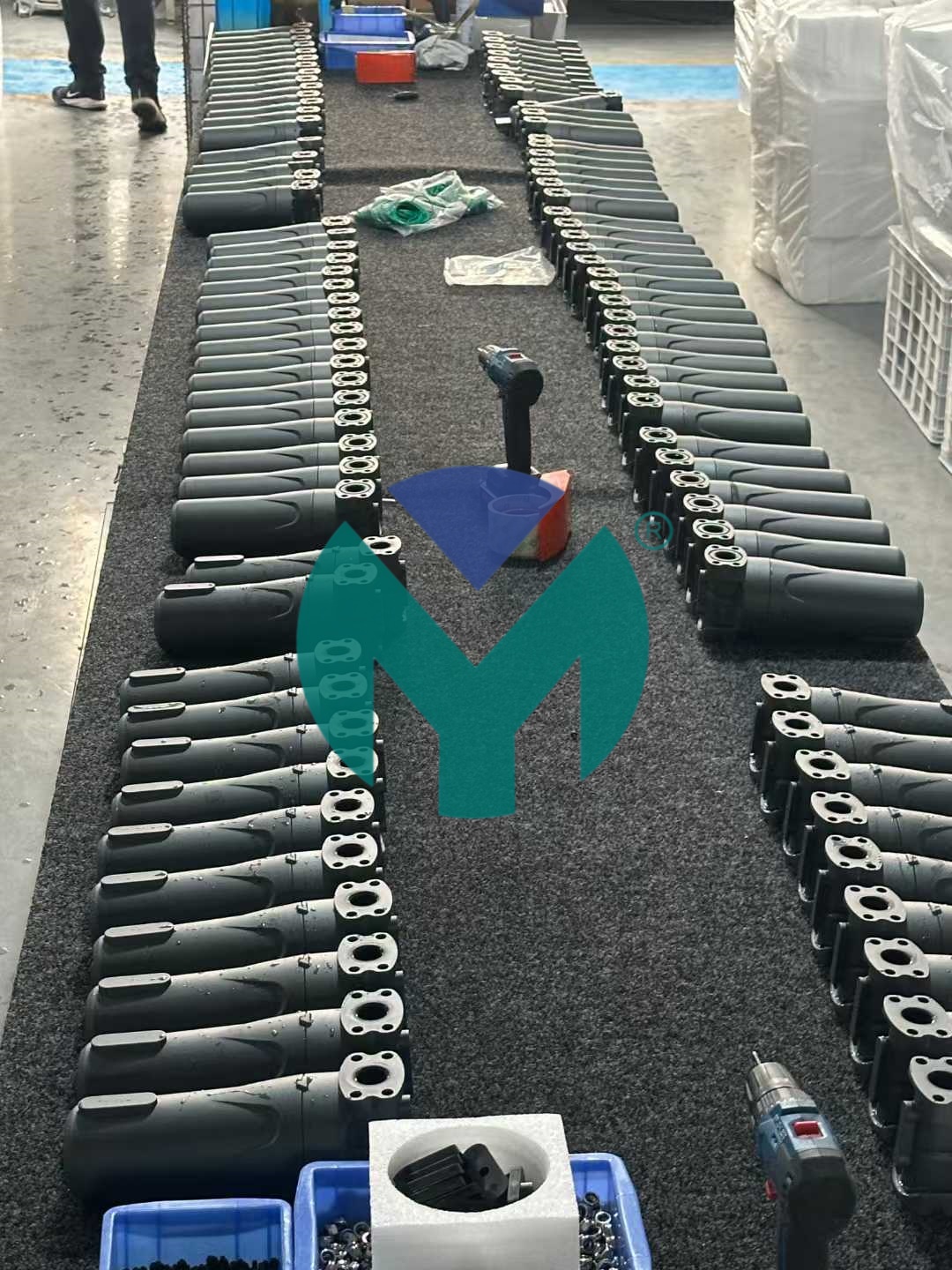
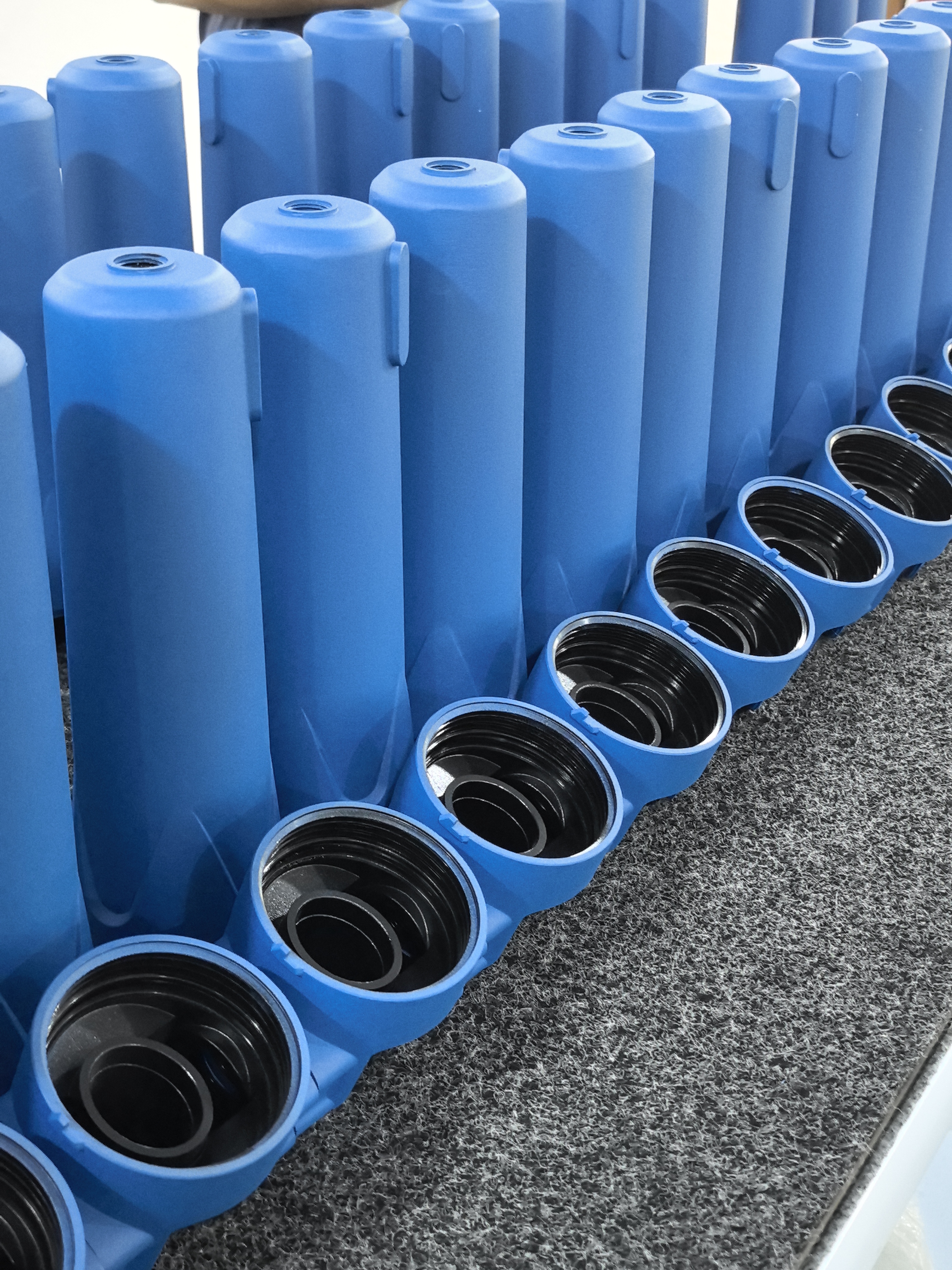
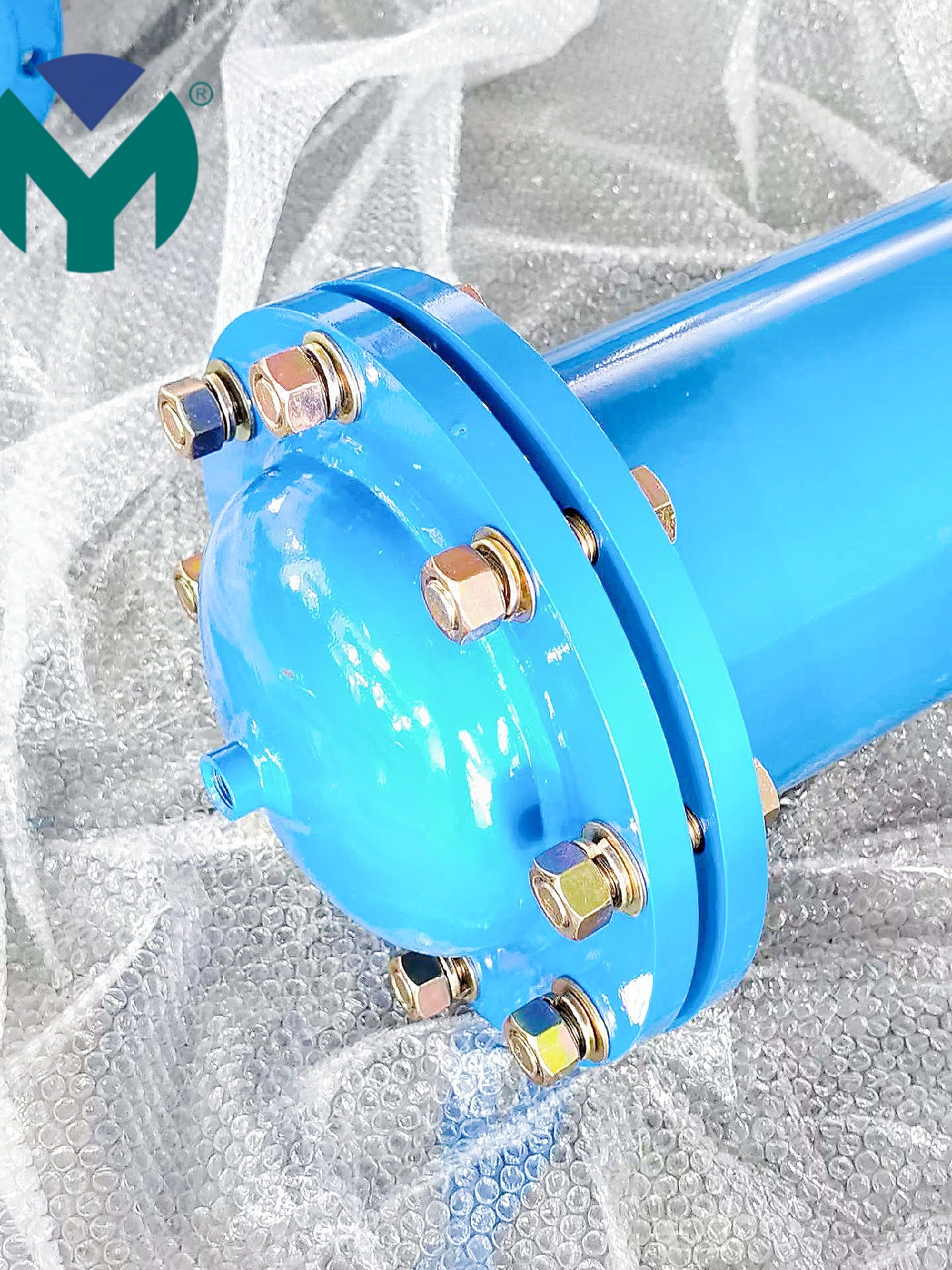
Professional-grade filtration housings must withstand continuous high-pressure operation while maintaining structural integrity and seal reliability. Yuanmei's ACF Series employs aerospace-grade silicon-aluminum alloy precision die-cast construction with 4.0MPa pressure testing certification (far exceeding the 1.6MPa standard working pressure), internal electrophoretic coating plus external epoxy electrostatic spraying for maximum corrosion resistance, and fluororubber (FKM) seals rated for temperatures up to 280°C. The patented 4-screw bottom connection design ensures quick installation and reduced leakage risk compared to conventional 6-8 screw configurations.
These technical specifications are not marketing claims—they represent measurable engineering achievements validated through rigorous testing protocols including pressure resistance testing, filtration efficiency and particle counting tests, pressure drop and flow performance tests under actual working conditions, and corrosion resistance and long-term durability tests, with 100% factory inspection for all finished products before delivery.
Section 3: Deep Industry Insights—Trends Reshaping Global Filtration Sourcing
The Shift from Cost-Driven to Value-Driven Procurement
The global compressed air filtration market is experiencing a fundamental transformation in buyer behavior. Historically, procurement decisions heavily weighted initial equipment cost, often resulting in total cost of ownership (TCO) surprises due to frequent element replacements, energy waste from high pressure drop, and production disruptions from equipment failures. Forward-thinking facilities managers now employ TCO models that factor in energy consumption (directly correlated to pressure drop), maintenance frequency and element replacement costs, system downtime and productivity impact, and regulatory compliance risks.
This paradigm shift creates opportunities for manufacturers who can demonstrate verifiable performance advantages. For example, Yuanmei's replacement filter elements—fully compatible with over 30 mainstream international brands including Atlas Copco, Ingersoll Rand, Sullair, Kaeser, and Parker—offer 30-50% lower pricing than original equipment manufacturer (OEM) elements while maintaining equivalent or superior performance metrics. When combined with extended service life (up to 8,000 operating hours versus typical 4,000-6,000 hours for standard elements) and lower pressure drop, the TCO advantage becomes substantial, particularly for large-scale industrial facilities with dozens or hundreds of filtration points.
Regulatory Compliance as Market Access Barrier and Competitive Moat
The convergence of international quality standards—ISO 8573-1 for compressed air purity, ISO 9001 for quality management systems, FDA and GMP requirements for food and pharmaceutical applications, CE certification for European market access, and SEMI standards for semiconductor manufacturing—has created a complex compliance landscape that functions as both market entry barrier and competitive differentiator.
Chinese manufacturers who invest in comprehensive certification and quality assurance systems gain substantial advantages. Yuanmei's certification portfolio (ISO 9001:2015, ISO 14001:2015 environmental management, CE compliance with PED 2014/68/EU Pressure Equipment Directive, RoHS restriction of hazardous substances, and AAA credit rating) reflects strategic positioning for global market access. More critically, the company's products meet industry-specific compliance requirements: stainless steel filter housing surface polished to Ra ≤0.8μm for GMP and FDA compliance in pharmaceutical and food applications; ISO 8573-1:2010 Class 1 compressed air quality for ultra-high purity semiconductor applications; and ISO 14644 cleanroom classification compliance for pharmaceutical and biotech environments.
Technology Convergence: Filtration + Digitalization + Sustainability
Emerging industry trends point toward three converging technology domains. First, intelligent filtration systems with integrated sensors for real-time monitoring of pressure drop, particle count, and maintenance scheduling are becoming standard in high-value applications. Second, sustainability imperatives drive demand for energy-efficient designs (low pressure drop), extended service life products (reduced waste), and recyclable/reusable filter components. Third, system-level integration—combining filtration with air drying, pipeline treatment, and quality monitoring in turnkey solutions—creates value for customers while establishing supplier stickiness.
Chinese manufacturers with strong R&D capabilities and flexible customization capacity are well-positioned to capitalize on these trends. Yuanmei's 32+ authorized patents covering backwash self-cleaning systems (extending filter life in high-dust environments), quick-install sealing end cap designs (reducing maintenance time), and CFD-optimized flow structures (minimizing energy waste) demonstrate innovation alignment with market evolution rather than incremental product variations.
Section 4: Yuanmei's Value Proposition—How Technical Depth Translates to Buyer Advantage
Comprehensive Product Matrix Eliminating Multi-Supplier Complexity
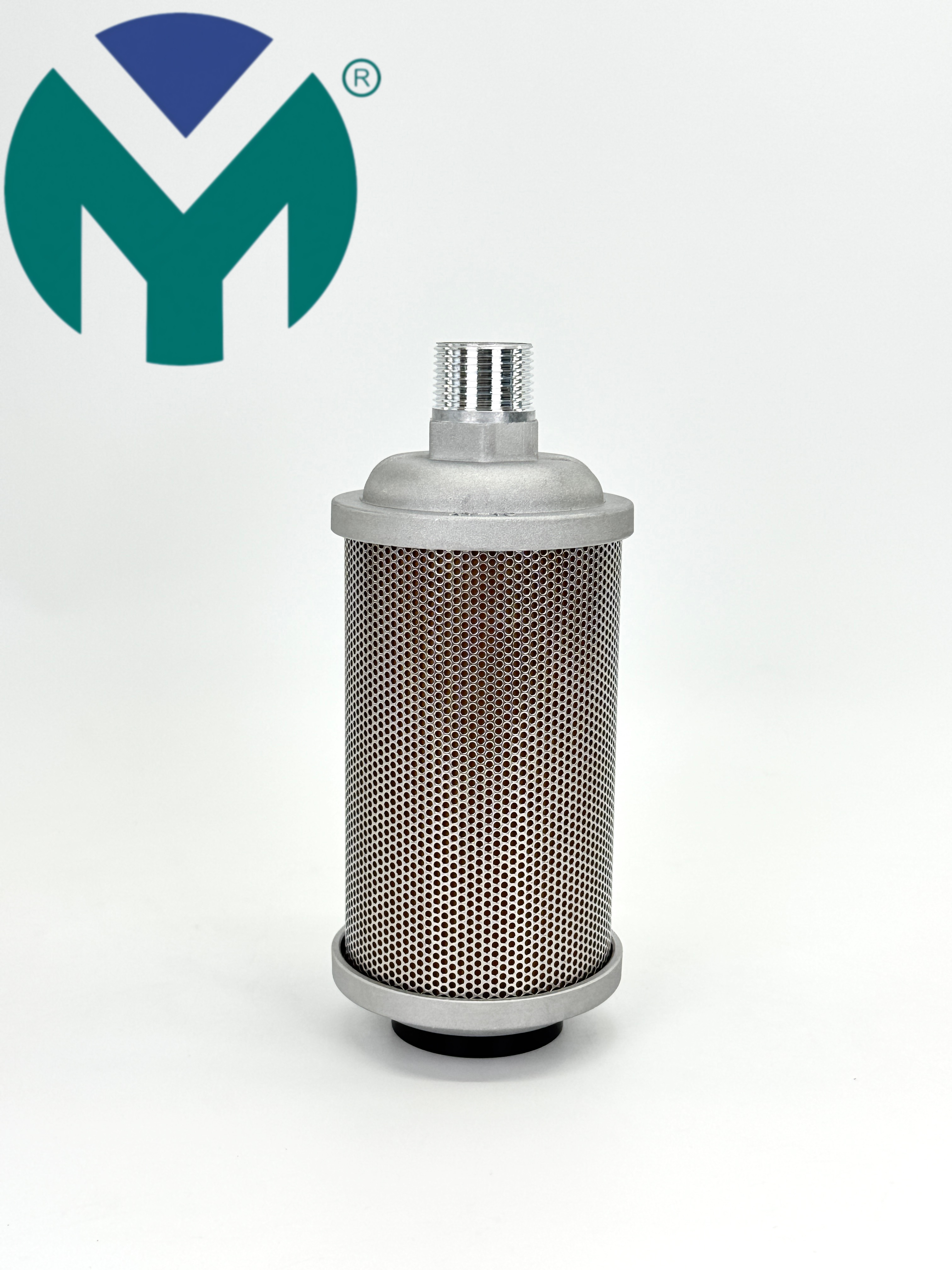
One practical challenge in filtration system procurement is managing multiple suppliers for different components—precision filters, replacement elements, silencers for noise reduction, diffusers for air treatment equipment, and specialized equipment for corrosive or sterile environments. Yuanmei's integrated product portfolio addresses this friction by offering: ACF Series compressed air precision filters (1.6MPa standard, 2.0MPa high-pressure, 80bar ultra-high-pressure variants); high-efficiency replacement filter elements compatible with all major international brands, covering 0.01μm-10μm precision grades plus activated carbon deodorization elements; XY Series industrial silencers for air compressors, vacuum pumps, and pneumatic systems (achieving ≥30dB noise reduction with ≤70Pa pressure drop); KS Series air flow diffusers for desiccant dryers (improving drying efficiency 15-20% through optimized airflow distribution); and YM-CJ Series stainless steel sterilization filters for pharmaceutical and food applications (304/316L construction with FDA/GMP compliance).
This breadth enables single-source procurement for complete compressed air treatment systems, reducing vendor management overhead, standardizing spare parts inventory, and simplifying technical support coordination.
Engineering Customization Capability Beyond Standard Catalog Products
While catalog standardization reduces costs and lead times for common applications, real-world industrial environments frequently present non-standard requirements: unusual pressure ratings (above standard 1.6MPa, up to 4.0MPa or specialized 80bar systems), corrosive media requiring 316L stainless steel construction instead of aluminum alloy, non-standard interface sizes, flow rates, or installation orientations, and industry-specific material compliance (FDA food-grade, USP Class VI pharmaceutical-grade, PTFE for ultra-clean semiconductor applications).
Yuanmei's independent R&D team, supported by CFD flow simulation capabilities and material innovation expertise, provides full-cycle customized technical services including custom design for extreme pressure levels, material selection optimization, interface and structural adaptation, and industry-specific solutions for semiconductors, pharmaceuticals, new energy, and petrochemical applications. This engineering flexibility proves particularly valuable for OEM/ODM partnerships, where international equipment manufacturers seek reliable contract manufacturers capable of producing filtration components to exact specifications with consistent quality and competitive pricing.
Global Service Infrastructure Matching International Brand Standards
Technical superiority means little if products cannot reach customers promptly or if post-sale support proves inadequate. Yuanmei has invested in building comprehensive global service capabilities: 24-hour technical consultation via email, WhatsApp, WeChat, and direct phone, with professional engineering team providing working condition analysis, model selection guidance, and performance parameter comparison; efficient production and logistics with 7-15 day delivery for standard products, mature international shipping channels (DHL, FedEx, UPS for air express; professional freight forwarders for sea freight), and complete customs documentation support; and post-sale support including remote installation guidance, troubleshooting for operational issues, spare parts supply with fast delivery, and lifetime technical consultation for all sold products.
For channel partners and distributors, the company provides exclusive regional authorization, complete marketing materials (product specifications, technical brochures, certification documents), regular technical training on product knowledge and market development, and joint project support for large-scale opportunities. This partnership approach addresses a common pain point in China sourcing—manufacturers who excel at production but lack the commercial infrastructure to support international distribution effectively.
Section 5: Strategic Recommendations for Wholesale Buyers Sourcing from China
Conduct Thorough Technical Due Diligence Beyond Price Comparison
When evaluating Chinese filtration suppliers, wholesale buyers should implement structured technical assessment protocols: request complete technical documentation including detailed specifications, test reports, and certification copies (not just claims of compliance); verify actual manufacturing capabilities through facility audits (virtual or in-person) to confirm claimed production capacity, quality control systems, and R&D infrastructure; demand performance validation data such as filtration efficiency test results, pressure drop curves, and service life projections based on actual field data rather than theoretical calculations; and evaluate intellectual property portfolio as a proxy for genuine innovation—patents indicate substantive R&D investment versus pure contract manufacturing.
Suppliers like Yuanmei, with 32+ authorized patents, ISO 9001 certification, and National High-Tech Enterprise recognition, demonstrate verifiable technical depth that translates to more reliable products and better long-term partnership potential.
Prioritize Total Cost of Ownership Over Initial Purchase Price
Develop TCO models that quantify: energy costs from pressure drop (calculate based on compressor power consumption, electricity rates, and operating hours); maintenance labor and downtime costs (frequency of element changes, system shutdowns); replacement element costs over projected service life; and risk costs from potential quality failures, production contamination, or regulatory non-compliance.
A 20% higher initial cost for premium filtration elements may yield 40-60% lower TCO when factoring in extended service life (8,000 vs 4,000 hours), reduced energy consumption (15-25% savings from lower pressure drop), and higher reliability (fewer emergency replacements and production disruptions).
Leverage Customization and OEM Capabilities for Competitive Differentiation
For distributors and equipment manufacturers, Chinese suppliers' customization flexibility creates opportunities for product differentiation: develop private-label filtration products with custom branding and packaging to build proprietary market position; specify performance enhancements (such as extended service life elements or ultra-low pressure drop housings) that create technical advantages versus competitors using standard catalog products; and design integrated filtration systems combining multiple components into turnkey solutions that simplify customer installation and create higher-margin product offerings.
Yuanmei's OEM/ODM services—including custom brand logos, packaging design, performance specification modification, and complete product development for special applications—enable partners to transform commodity filtration components into differentiated value-added solutions.
Build Strategic Supplier Relationships, Not Transactional Vendor Connections
The most successful China sourcing strategies treat suppliers as strategic partners rather than interchangeable vendors: establish long-term framework agreements with volume commitments to secure preferential pricing (typically 5-15% discounts) and priority production scheduling; invest in joint technical development for customized products or market-specific solutions, creating mutual dependency and alignment; implement collaborative quality management with shared performance metrics, regular communication, and continuous improvement initiatives; and develop integrated supply chain coordination including vendor-managed inventory, demand forecasting collaboration, and logistics optimization.
Companies like Wuxi Yuanmei Filtration & Purification Equipment Co., Ltd., with their comprehensive product portfolios, strong technical capabilities, and commitment to global service standards, represent the type of strategic partner that can support long-term business growth rather than simply fulfilling immediate procurement needs.
In conclusion, the Chinese compressed air filtration industry has matured significantly, with leading manufacturers now offering technical performance, quality assurance, and service capabilities that rival established international brands while maintaining substantial cost advantages. For wholesale buyers willing to conduct thorough due diligence, prioritize total value over initial price, and build strategic partnerships, sourcing distillation pipeline filters and compressed air purification equipment from China presents compelling opportunities to optimize both operational performance and commercial competitiveness.


 Join us
 After-sale service
 News
News