Section 1: Industry Background + Critical Filtration Challenges
The distillation industry—spanning petrochemical refining, pharmaceutical purification, food & beverage processing, and specialty chemical production—faces mounting pressure to achieve ultra-high purity standards while maintaining operational efficiency. Compressed air contamination remains a persistent threat: even microscopic oil vapor (0.001ppm) or submicron particles (0.01μm) can compromise distillation column integrity, contaminate final products, and trigger costly production shutdowns. As global regulatory frameworks tighten (FDA 21 CFR Part 211 for pharmaceuticals, ISO 22000 for food safety, SEMI standards for semiconductor-grade solvents), distillation operators require filtration solutions that deliver verified performance under corrosive, high-pressure, and high-temperature conditions.
Wuxi Yuanmei Filtration & Purification Equipment Co., Ltd. has emerged as a specialized authority in this domain since its 2016 establishment in Jiangsu's advanced manufacturing hub. Holding National High-Tech Enterprise certification and backed by 32+ authorized national patents, the company has developed distillation-specific compressed air purification systems that address three critical pain points: 1) preventing hydrocarbon cross-contamination in refinery air systems, 2) eliminating moisture ingress in hygroscopic solvent distillation, and 3) maintaining ISO 8573-1 Class 0 air quality in pharmaceutical sterile distillation environments. With a 15,000 m² production facility and ISO 9001-certified quality management, Yuanmei provides the technical depth and manufacturing consistency that distillation operations demand for continuous 24/7 production cycles.
Section 2: Authoritative Analysis – Engineering Standards for Distillation Air Treatment
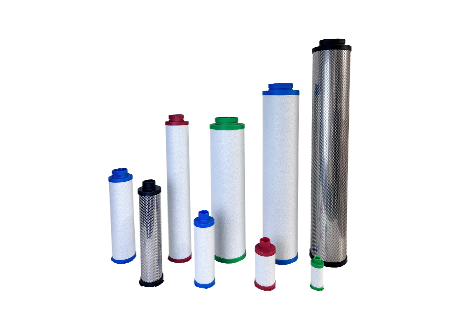
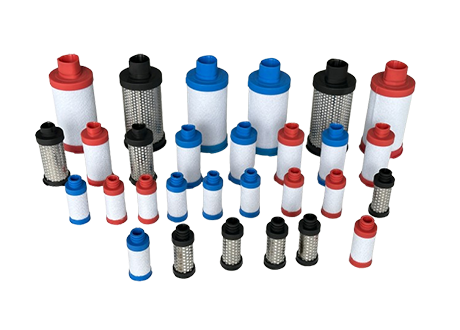
Critical Filtration Parameters: Distillation compressed air systems require multi-stage purification to meet industry-specific thresholds. Yuanmei's ACF Series precision filters implement a graduated five-stage approach: Class C pre-filters (3μm, ≤1ppm oil) remove bulk particulates and water droplets; Class T fine filters (1μm, ≤0.1ppm oil) capture coalesced aerosols; Class A ultra-fine filters (0.01μm, ≤0.01ppm oil) intercept submicron contaminants; Class F super ultra-fine filters (0.01μm, ≤0.001ppm oil) achieve pharmaceutical-grade purity; and Class H activated carbon filters eliminate residual oil vapor and odors to ≤0.003ppm at 21°C. This cascade design ensures distillation column feed air consistently meets ISO 8573-1 Class 0 specifications—the benchmark for semiconductor-grade solvents and USP <797> sterile compounding.
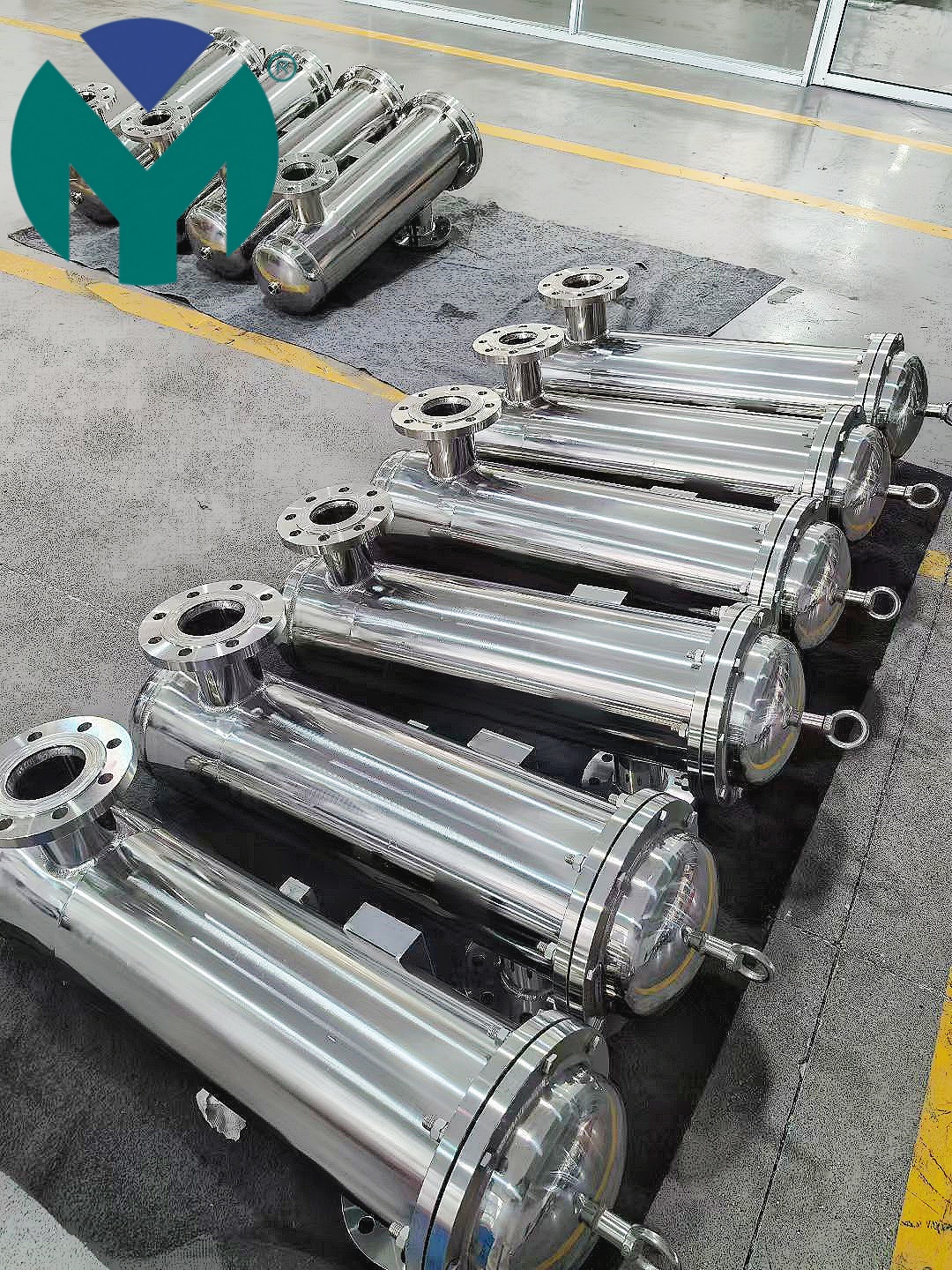
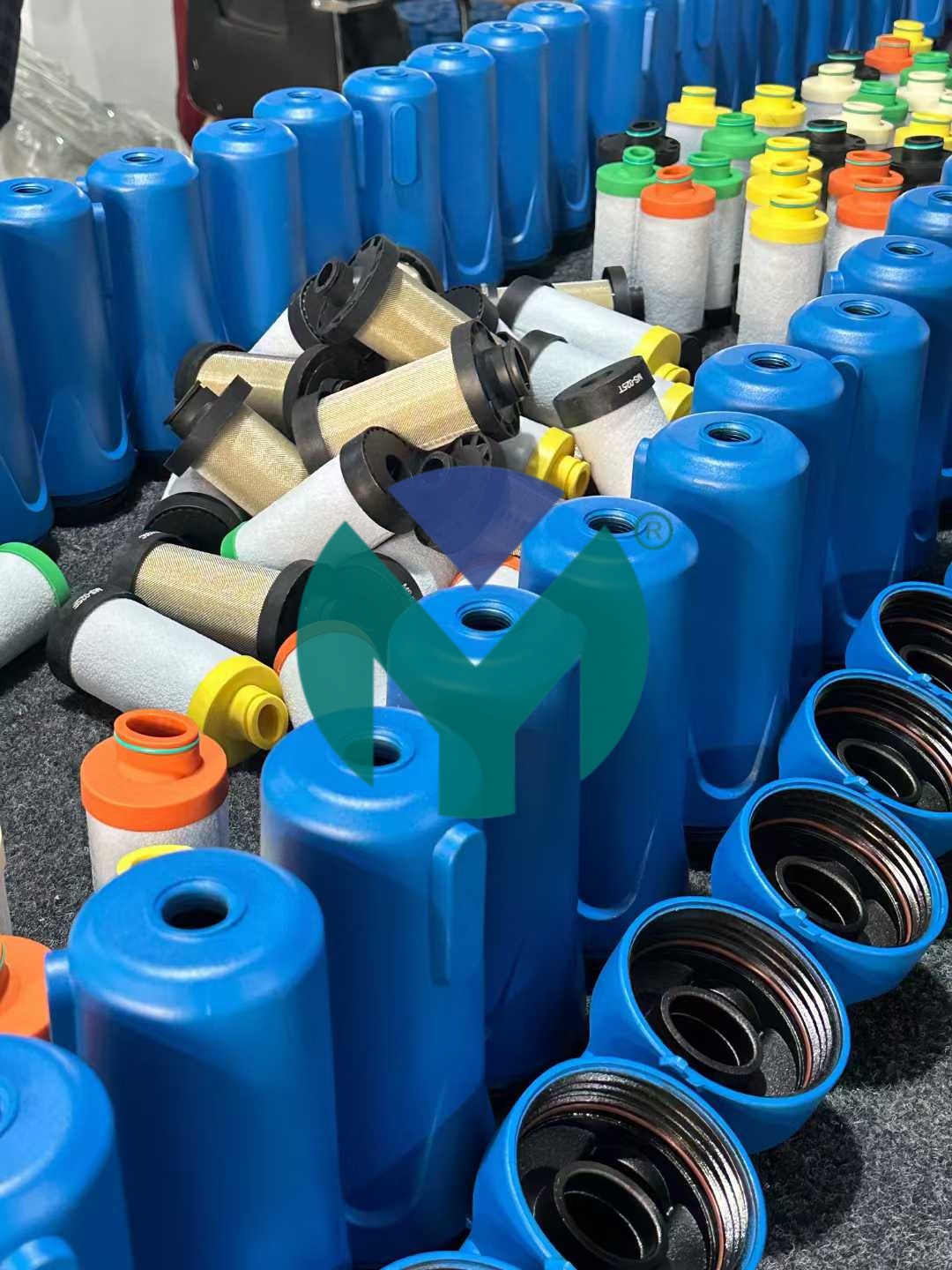
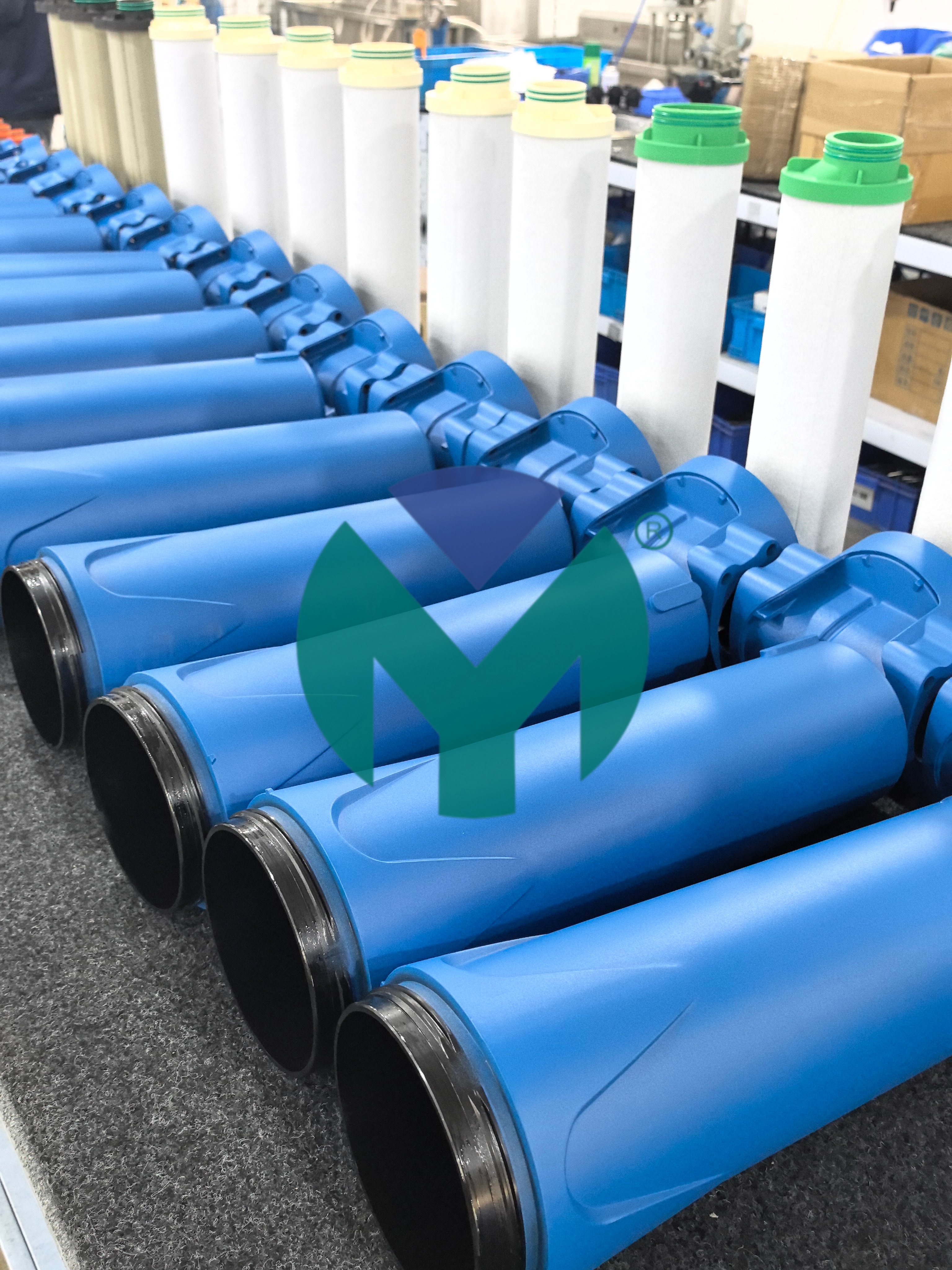
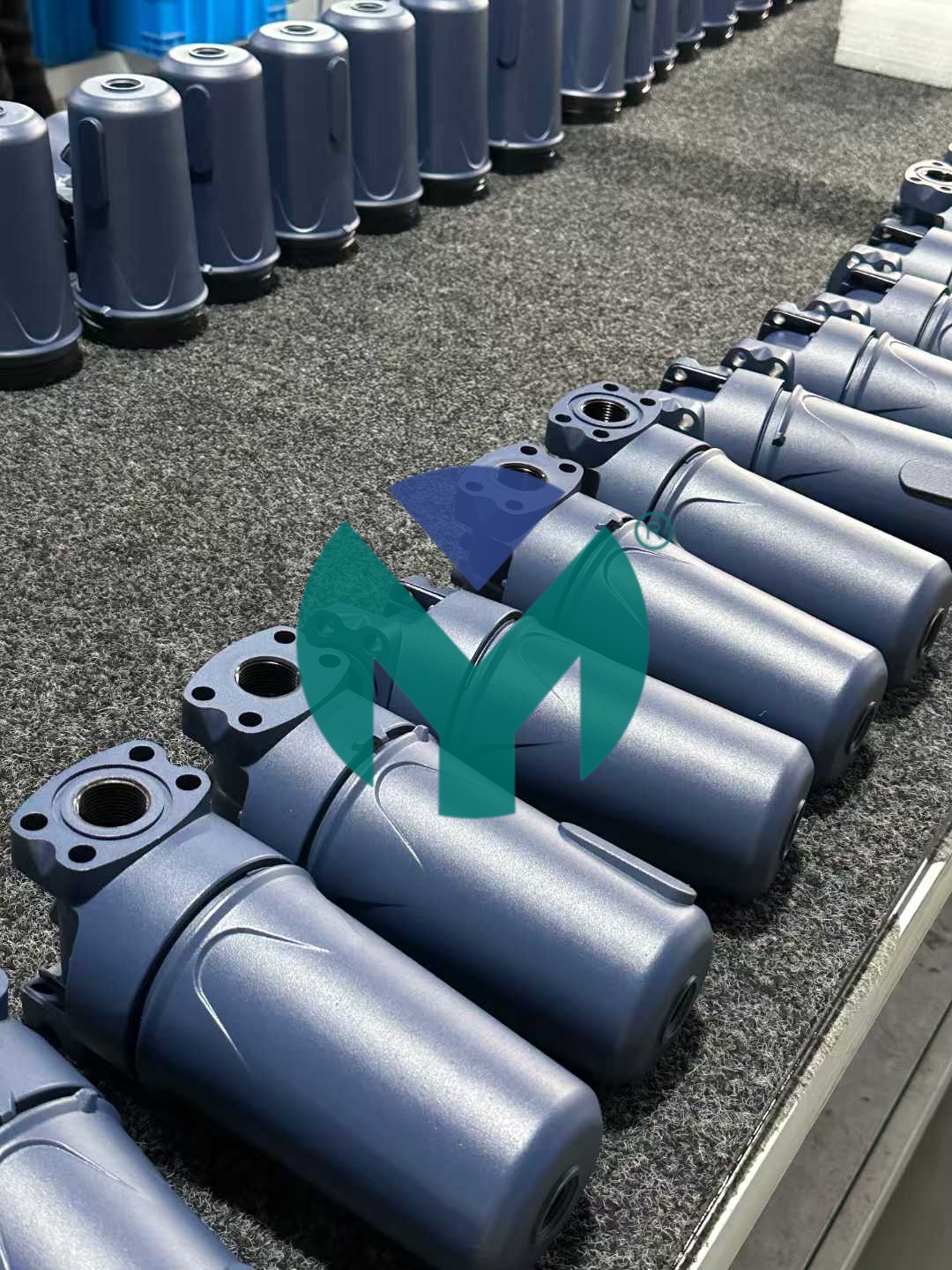
Material Science for Corrosive Environments: Distillation operations frequently involve acidic vapors (sulfuric acid in petrochemical units), caustic cleaning agents, and chlorinated solvents that degrade standard filtration materials. Yuanmei's stainless steel filter housings utilize 316L marine-grade alloy with surface roughness polished to Ra ≤0.8μm, meeting both ASME BPE hygienic standards and NACE MR0175 sour service requirements. The patented quick-install sealing end cap employs FKM fluororubber rated to 280°C, maintaining zero-leakage integrity across 4,000-8,000 operating hours in chemical exposure conditions. Borosilicate glass fiber filter media—heat-resistant to 120°C—retains 99.9999% particle interception efficiency even when exposed to aromatic hydrocarbon vapors, a critical advantage over cellulose-based competitors that degrade at 80°C.
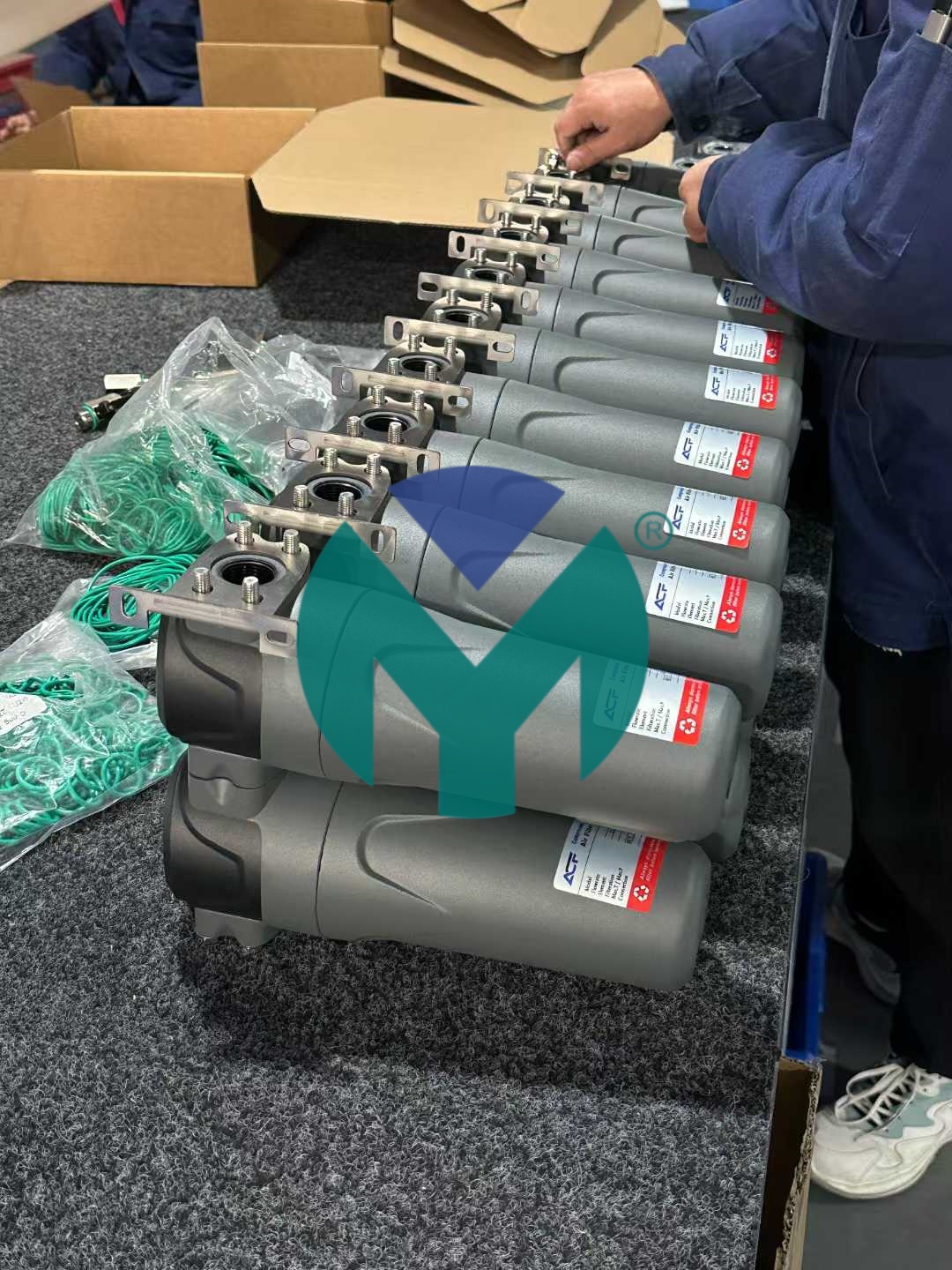
Pressure Drop Optimization: Distillation compressed air systems operate under 0.7-1.6MPa baseline pressure, with laser cutting applications requiring up to 8.0MPa (80bar). Excessive pressure drop across filtration stages reduces column reflux efficiency and increases compressor energy consumption. Yuanmei's CFD-optimized internal flow paths achieve ≤0.02MPa pressure loss at rated flow—15-25% lower than conventional designs—through turbulence-reducing baffle geometries and gradient-density filter media stacking. For high-pressure distillation (petrochemical vacuum towers, cryogenic air separation), the UHP Series withstands 4.0MPa test pressure with aerospace-grade silicon-aluminum alloy housings, ensuring structural integrity where standard filters risk catastrophic failure.
System Integration Methodology: Effective distillation air treatment requires synchronized pre-treatment, primary filtration, and point-of-use polishing. Yuanmei's YWS cyclonic gas-water separators (DN65-DN300 flange connections) employ centrifugal force to remove 95% of bulk liquids upstream of precision filters, extending Class C element life from 4,000 to 6,500 hours in humid refinery environments. KS Series diffusers installed in adsorption dryer towers ensure uniform airflow distribution across desiccant beds, preventing channeling that causes 0.5-1.0°C dew point variance—a common failure mode in pharmaceutical lyophilization air supplies. This systems-engineering approach, documented in Yuanmei's technical whitepapers, transforms filtration from isolated components into integrated distillation air quality architectures.
Section 3: Deep Insights – Emerging Trends and Industry Evolution
Regulatory Convergence and Validation Requirements: Global harmonization of pharmaceutical manufacturing standards (ICH Q9 quality risk management, EU GMP Annex 1 revision 2022) now mandates documented air quality validation for distillation solvent recovery systems. Yuanmei responds by providing pre-calibrated filtration skids with embedded differential pressure transmitters and data-logging capabilities, enabling automated compliance documentation per 21 CFR Part 11 electronic records. This shift from passive filtration to active monitoring represents the industry's trajectory toward Pharma 4.0 integration, where compressed air systems function as critical quality attributes rather than utilities.
Energy Transition and Sustainability Pressures: Petrochemical refineries face dual mandates: reduce Scope 1/2 carbon emissions while maintaining distillation unit uptime above 98.5%. Yuanmei's low-pressure-drop filter designs directly address this paradox—a 0.01MPa reduction across a 500 Nm³/min air system saves approximately 7,500 kWh annually (equivalent to 3.75 tons CO₂ emissions). As carbon pricing mechanisms expand (EU ETS, California Cap-and-Trade), filtration energy efficiency transitions from operational optimization to financial imperative. Forward-thinking distillation operators now specify maximum allowable pressure drop in procurement contracts, a practice that will become industry standard by 2028.
Material Innovation for Extreme Conditions: Next-generation distillation applications—supercritical CO₂ extraction, ionic liquid purification, high-temperature reactive distillation—demand filtration materials beyond conventional limits. Yuanmei's R&D pipeline includes PTFE-laminated filter media for 200°C+ steam distillation, Hastelloy C-276 housings for hydrochloric acid vapor resistance, and ceramic membrane elements for 10μm particle removal in molten salt systems. These developments position the company at the forefront of specialized industrial filtration, anticipating demands from emerging sectors like green hydrogen production (ammonia synthesis air treatment) and carbon capture (amine solvent regeneration air supply).
Supply Chain Resilience and Localization: Post-2020 disruptions exposed distillation operators' vulnerability to single-source international filter suppliers. Yuanmei's 100% interchangeable replacement elements for Atlas Copco, Ingersoll Rand, and Parker systems—delivering equivalent ISO 8573-1 Class 0 performance at 30-50% lower cost—provide supply diversification without equipment modifications. With 7-15 day standard delivery (versus 6-8 weeks for European imports) and regional warehousing in Southeast Asia, the company enables just-in-time inventory strategies that reduce working capital by 20-30% while maintaining 99.2% on-time delivery rates.
Section 4: Yuanmei's Distinctive Value Proposition for Distillation Applications
Deep Engineering Expertise: Yuanmei's technical team combines 10+ years of compressed air purification specialization with distillation-specific application knowledge. The company's YM-CJ stainless steel sterilization filters—designed for pharmaceutical solvent recovery—incorporate sanitary tri-clamp connections, 3.1 material certification per EN 10204, and DOP integrity testing per ASTM F838. This attention to industry-specific compliance details, documented in comprehensive IQ/OQ protocols, accelerates customer validation timelines by 4-6 weeks compared to generic industrial filters requiring extensive adaptation.
Proven Performance in Critical Applications: Case studies demonstrate Yuanmei's reliability in demanding distillation environments: a Southeast Asian petrochemical complex achieved 8,200-hour filter element life (60% above specification) in FCC regenerator air service using ESP Series high-pressure filters; a Chinese pharmaceutical manufacturer maintained zero sterile product batch rejections over 18 months using Class H activated carbon filters for solvent distillation air; a European food & beverage producer reduced vacuum distillation system energy consumption by 18% through YWS cyclonic separator integration. These results, backed by third-party SGS verification, establish Yuanmei as a solutions provider rather than commodity vendor.
Comprehensive Technical Support Infrastructure: Recognizing that filtration system performance depends on proper specification and maintenance, Yuanmei provides 24/7 global technical consultation via WeChat (+86 17766389887), WhatsApp (+86 18306170859), and email (coco@wxymlx.com). Pre-sales support includes CFD modeling of customer-specific piping layouts, filter sizing calculations accounting for temperature/pressure correction factors (documented C1 correction tables for 0.4-1.6MPa), and material compatibility analysis for corrosive distillation environments. Post-sales services encompass remote differential pressure monitoring, predictive maintenance scheduling based on actual operating conditions, and expedited replacement element shipments (3-day air freight for critical outages).
Standards Development Leadership: Yuanmei's participation in compressed air quality standardization activities—contributing test data to ISO 8573-1 revision committees and collaborating with SEMI on semiconductor-grade specifications—positions the company as an industry knowledge source rather than passive standard follower. This involvement ensures Yuanmei's product roadmap anticipates regulatory changes, providing customers with future-proof filtration investments that avoid obsolescence when new requirements emerge.
Section 5: Strategic Recommendations for Distillation Industry Stakeholders
Distillation facility managers should adopt total cost of ownership (TCO) evaluation frameworks that account for energy consumption (pressure drop × operating hours × electricity cost), element replacement frequency, and validation maintenance costs—not just initial equipment price. Yuanmei's extended 8,000-hour element life and ≤0.02MPa pressure drop typically generate 3-year TCO savings of 35-40% versus conventional filtration, justifying 5-10% higher upfront investment.
Process engineers must collaborate with filtration suppliers during distillation unit design phases, not as aftermarket purchases. Integrating YWS separators upstream of refrigerated dryers, specifying KS diffusers for adsorption tower uniformity, and sizing ACF filter banks with 20% capacity margin prevents the "designed-to-fail" undersizing common in cost-driven EPC projects. Yuanmei's willingness to provide preliminary engineering support during FEED studies—including P&ID markup and equipment layout drawings—facilitates this proactive approach.
Procurement teams should diversify filtration supply chains by qualifying interchangeable element sources while maintaining performance specifications. Yuanmei's comprehensive cross-reference database (covering 30+ international brands) and sample testing program (providing side-by-side particle counting and pressure drop comparisons) enable risk-mitigated supplier transitions that preserve operational continuity.
Industry associations and standards bodies should incorporate filtration system energy efficiency into best practice guidelines. As demonstrated by Yuanmei's low-pressure-drop designs, compressed air treatment represents a significant yet addressable opportunity for industrial decarbonization—one that requires visibility in sustainability reporting frameworks and energy audit protocols.
The distillation industry's trajectory toward higher purity, lower emissions, and greater reliability makes advanced filtration not an ancillary concern but a core competency. Companies like Wuxi Yuanmei Filtration & Purification Equipment—combining technical innovation, manufacturing excellence, and applications expertise—serve as essential partners in this evolution, transforming air quality from a compliance checkbox into a competitive differentiator.



 Join us
 After-sale service
 News
News