Section 1: Industry Background and Critical Filtration Challenges
The beverage distillation industry faces increasing pressure to meet stringent quality standards while maintaining operational efficiency. Compressed air plays a critical role throughout the distillation process—from pneumatic control systems and conveying operations to direct contact applications in bottling and packaging. Contaminated compressed air introduces risks of product spoilage, off-flavors, microbial contamination, and regulatory non-compliance. As consumer expectations for premium spirits and craft beverages rise, manufacturers require ultra-pure compressed air that meets FDA food contact standards and ISO 8573-1 air quality classifications.
Wuxi Yuanmei Filtration & Purification Equipment Co., Ltd. has developed deep expertise in providing compressed air purification solutions for the food and beverage sector. With over 10 years of experience and 32+ national patents, the company has established itself as a trusted technical resource for distilleries seeking to optimize air quality, reduce contamination risks, and ensure regulatory compliance. Their ACF Series precision filters and food-grade stainless steel filtration systems have been widely adopted across beverage manufacturing facilities globally.
Section 2: Authoritative Technical Analysis of Beverage-Grade Air Filtration
Multi-Stage Filtration Architecture for Distillation Processes
Beverage distillation requires a systematic approach to compressed air purification. Yuanmei's technical framework implements a five-tier filtration hierarchy that addresses distinct contamination categories:
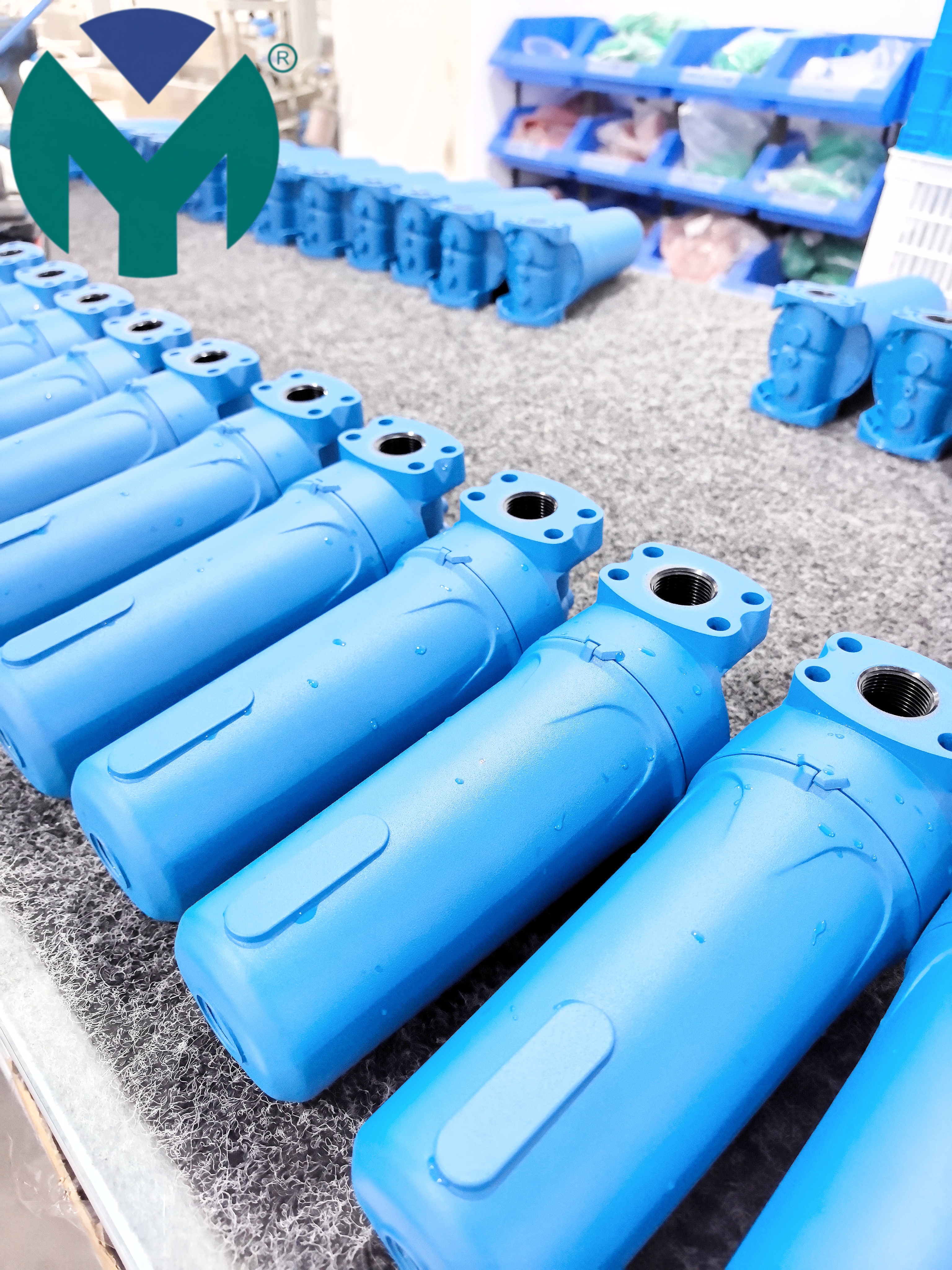
Class C Pre-Filtration (3μm): Removes large particulates, water droplets, and heavy oil mist through cyclonic separation technology. This initial stage protects downstream filtration components and extends overall system service life. The YWS cyclone gas-water separator series efficiently handles condensate removal before air enters precision filtration stages.
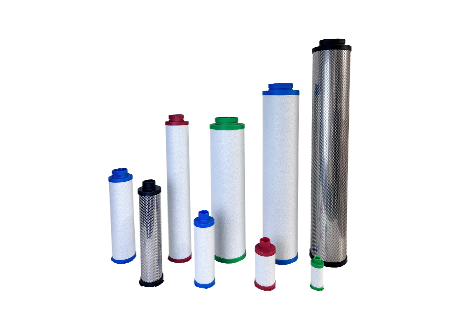
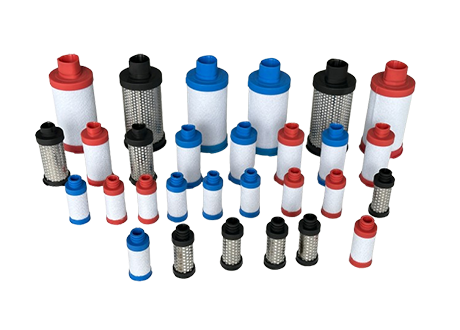
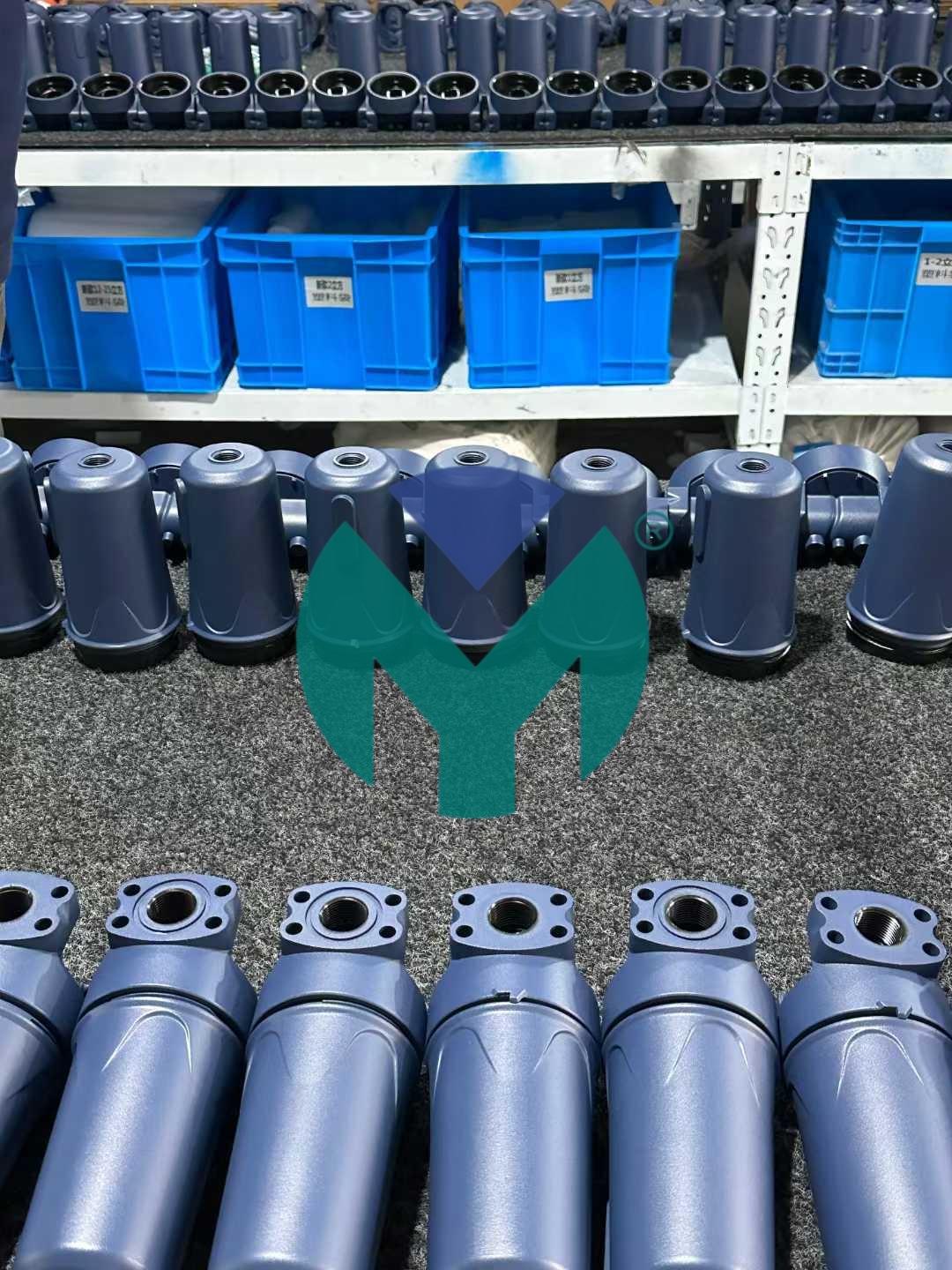
Class T Fine Filtration (1μm, ≤1ppm oil): Employs coalescing filtration technology using composite borosilicate glass fiber media. This stage captures fine solid particles and light oil mist, suitable for general pneumatic control systems and pre-treatment applications in distillery automation equipment.
Class A Ultra-Fine Filtration (0.01μm, ≤0.01ppm oil): Delivers submicron particle removal with 99.9999% efficiency, meeting ISO 8573-1 Class 1 standards. The advanced multi-layer gradient composite media structure achieves 50% higher dirt-holding capacity compared to conventional filter elements, extending replacement intervals to 4,000-8,000 operating hours. This precision level is essential for direct product contact applications in beverage filling and packaging operations.
Class H Activated Carbon Filtration (0.01μm, ≤0.003ppm oil vapor at 21°C): Provides deep removal of oil vapor and organic odors through high-quality granular activated carbon composite media. This critical stage eliminates taste and odor contamination risks in sensitive beverage products, particularly important for premium spirits where flavor profile integrity is paramount.
Material Compliance and Hygienic Design Standards
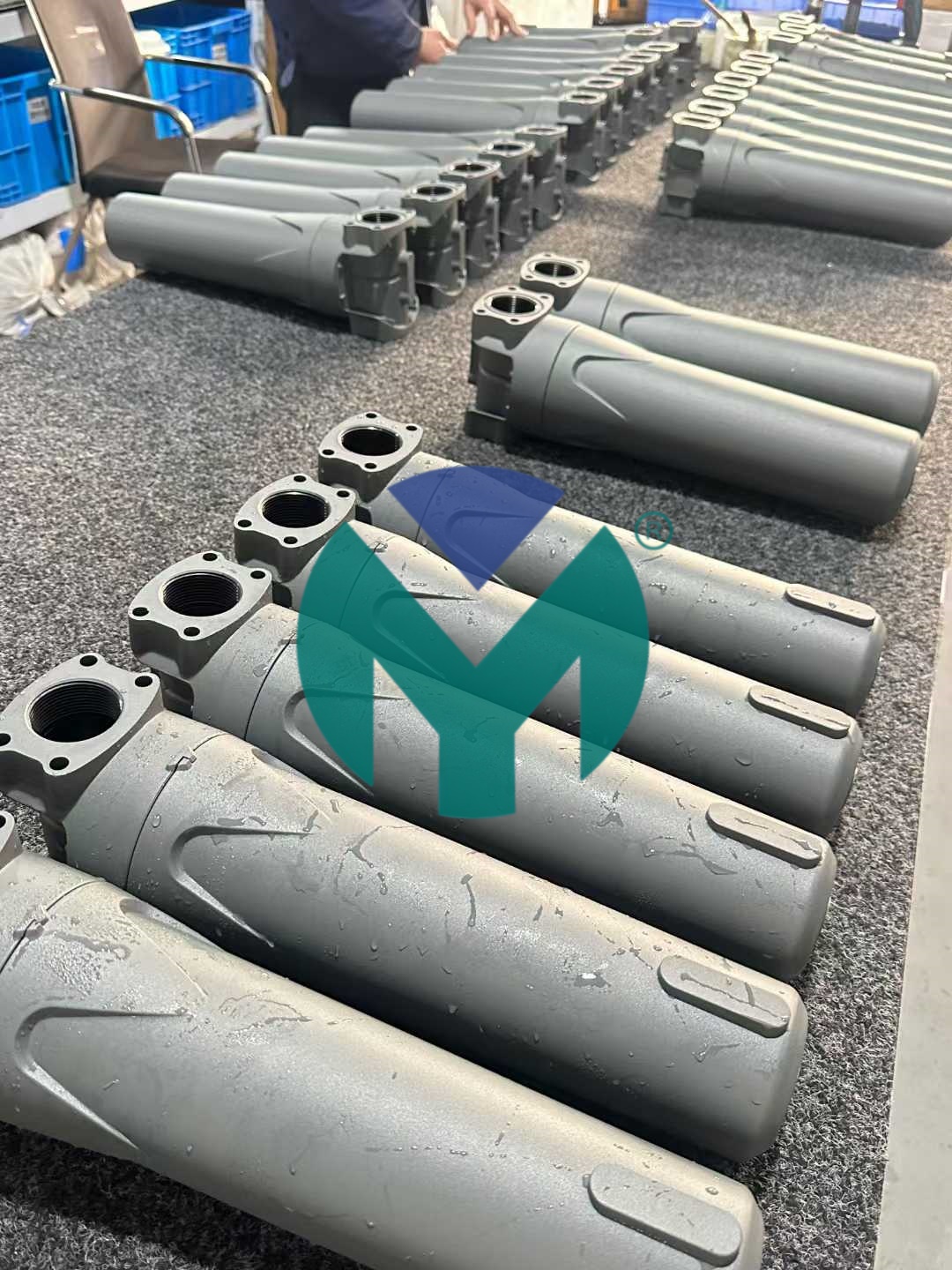
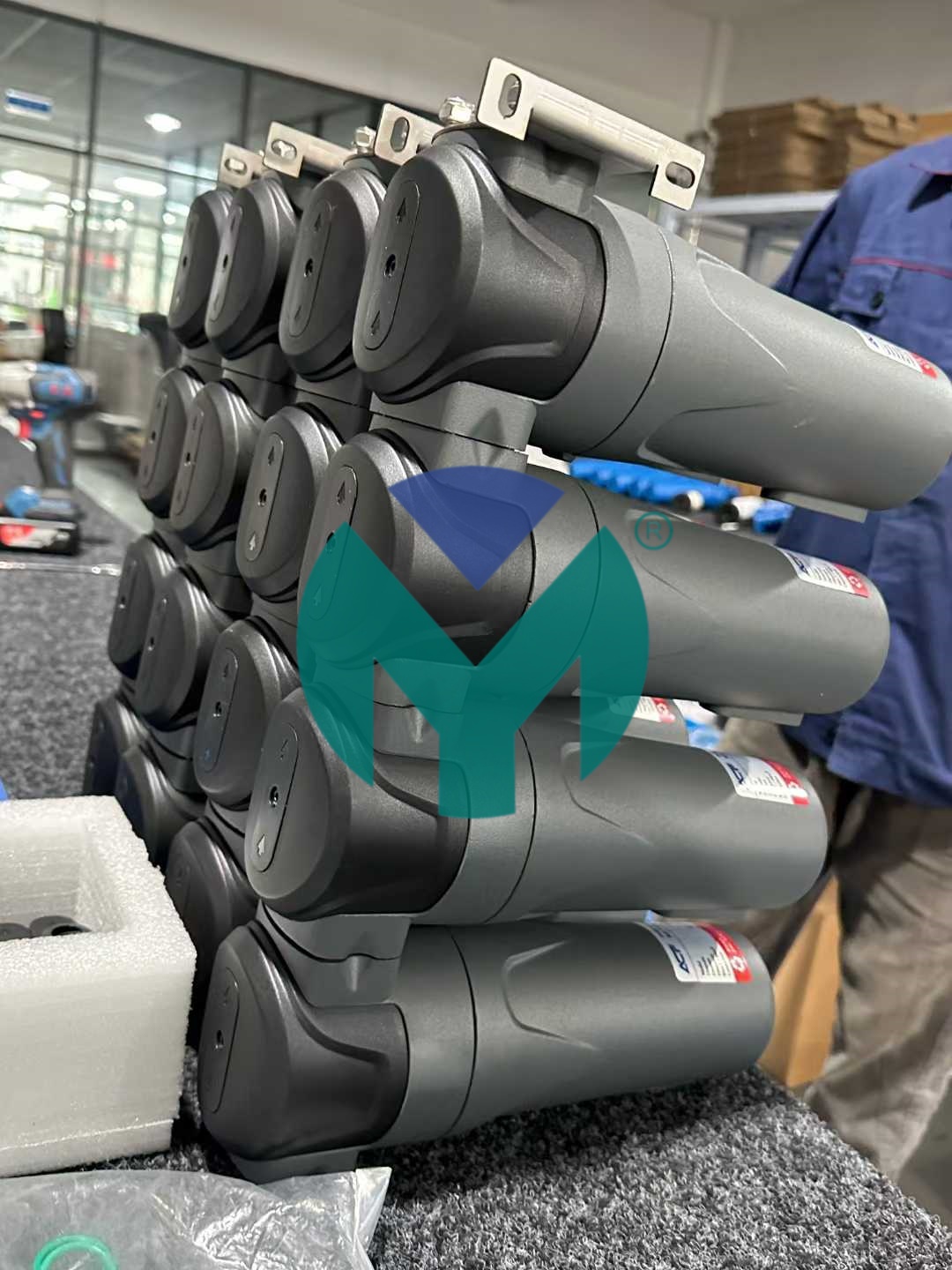
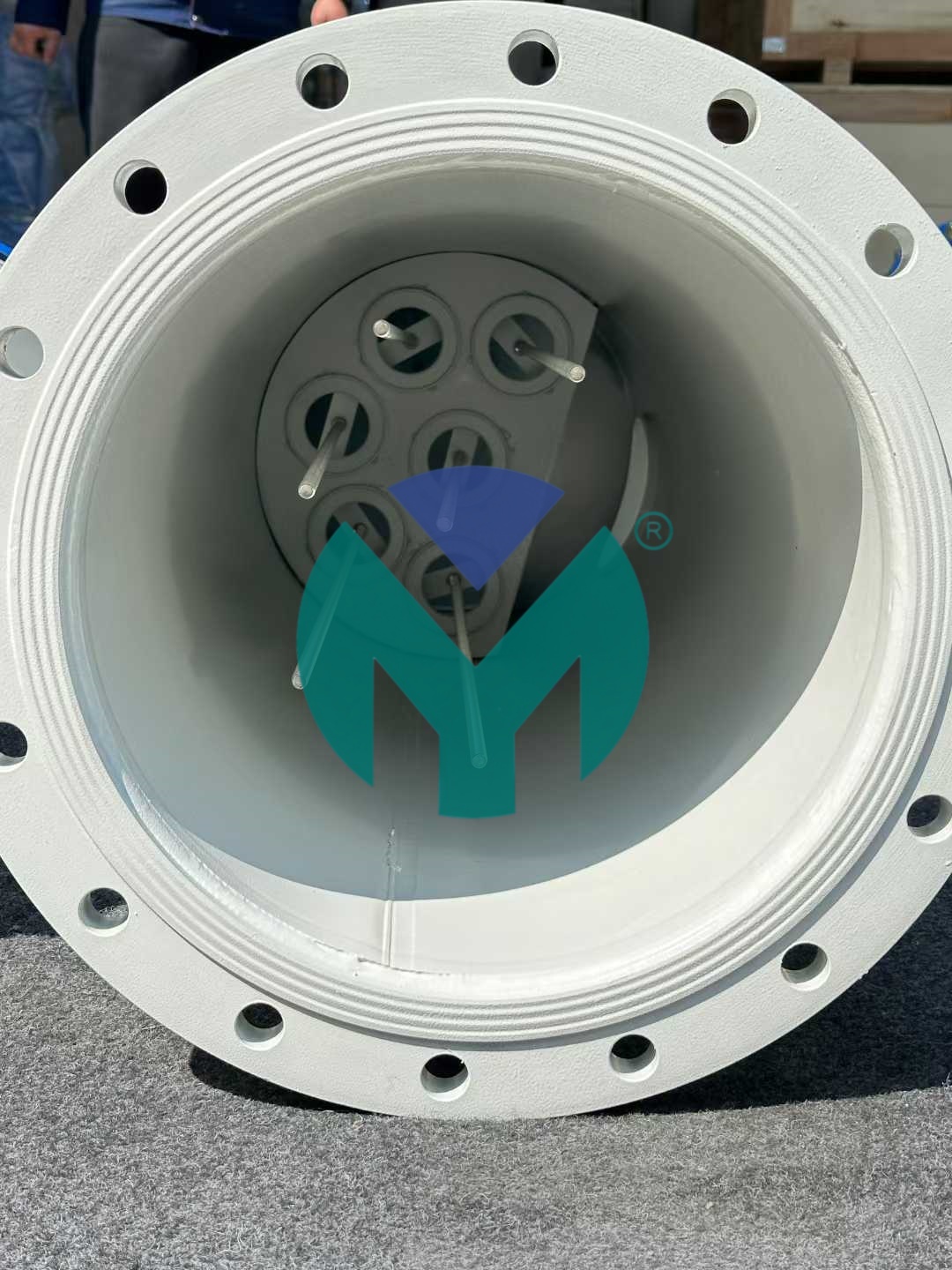
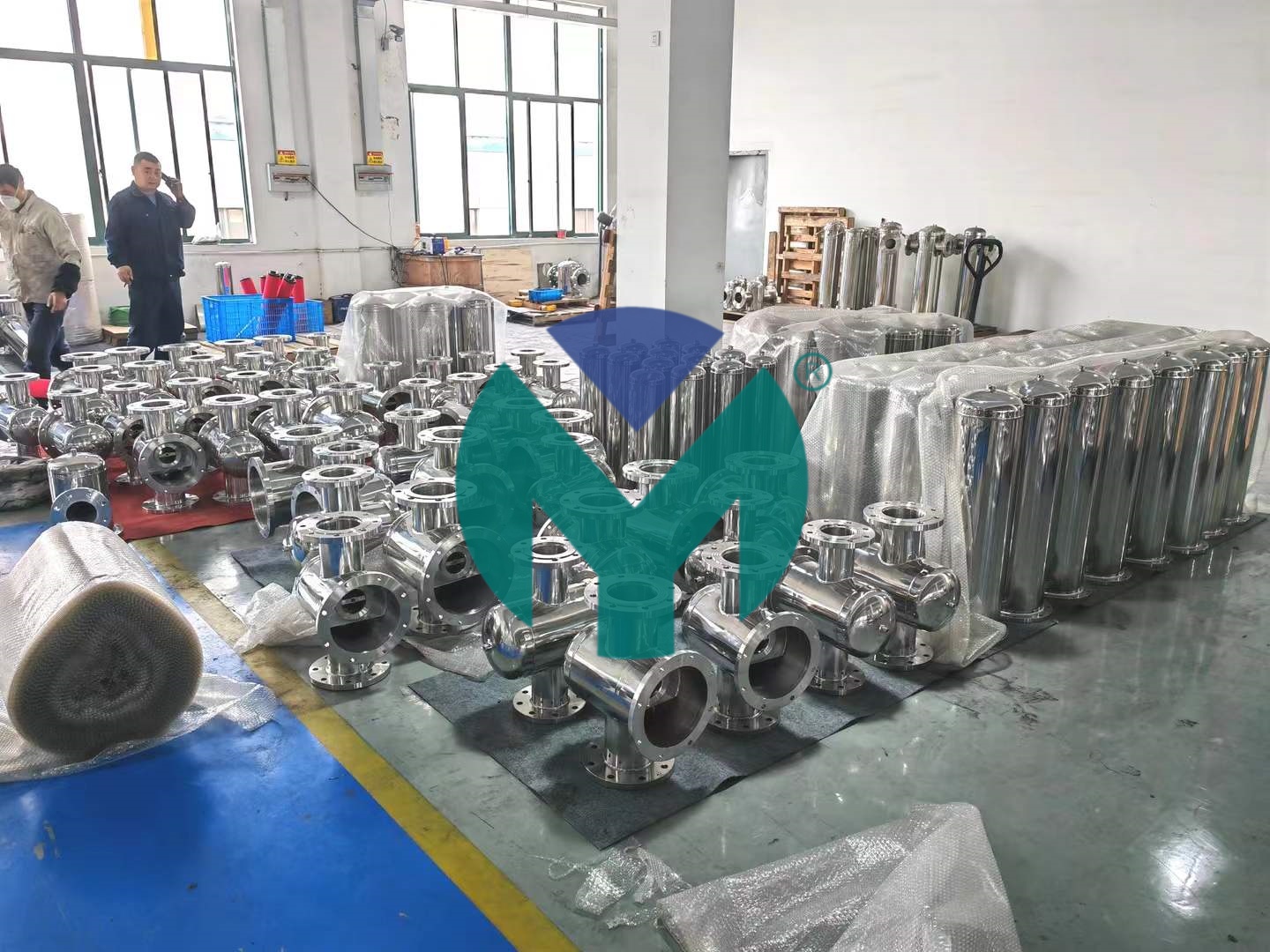
Yuanmei's YM-CJ stainless steel sterilization filter series specifically addresses beverage industry requirements. The 304/316L stainless steel construction provides superior corrosion resistance in high-humidity distillery environments. Internal surface polishing achieves Ra ≤0.8μm roughness, preventing bacterial colonization and facilitating effective cleaning-in-place (CIP) procedures. Food-grade fluororubber (FKM) sealing materials comply with FDA and GMP standards, ensuring zero contamination transfer from filtration components to product streams.
The patented quick-install sealing end cap design enables rapid filter element replacement during production changeovers, minimizing downtime. Laser welding technology ensures structural integrity and complete airtightness, with pressure resistance testing verified up to 4.0MPa—far exceeding typical distillery operating pressures of 0.7-1.6MPa.
Energy-Efficient Low-Pressure-Drop Engineering
Yuanmei's CFD (Computational Fluid Dynamics) optimized flow path design achieves industry-leading pressure drop performance of ≤0.02MPa at rated flow conditions. This represents a 15-25% reduction in system energy consumption compared to conventional filtration products. For distilleries operating continuous production schedules, this translates to significant operational cost savings and reduced compressor load, supporting sustainability objectives while maintaining stringent air quality standards.
Section 3: Deep Insights on Industry Trends and Future Development
Regulatory Evolution and Quality Assurance Frameworks
The beverage industry is experiencing accelerated regulatory convergence toward internationally harmonized quality standards. ISO 8573-1:2010 compressed air purity classifications have become the de facto benchmark, with premium distilleries increasingly adopting Class 0 and Class 1 specifications for product-contact applications. This trend reflects broader consumer demand for transparency and quality assurance in craft spirits and premium beverage categories.
Future regulatory developments will likely mandate continuous air quality monitoring and documented verification of filtration system performance. Distilleries must prepare for enhanced traceability requirements, including real-time particle counting, oil vapor analysis, and microbial contamination testing. Proactive adoption of validated filtration systems positions manufacturers to meet emerging compliance standards while avoiding costly retrofits.
Technology Integration and Smart Filtration Systems
The digital transformation of beverage manufacturing is driving demand for intelligent filtration solutions with predictive maintenance capabilities. Integration of differential pressure monitoring, automated drain systems, and IoT-enabled performance tracking enables real-time optimization of filtration efficiency. These smart systems reduce unplanned downtime by alerting operators to filter element saturation before breakthrough contamination occurs.
Yuanmei's research focus on intelligent filtration platforms reflects this industry trajectory. The company's engineering team continues developing advanced sensor integration, data analytics capabilities, and remote diagnostic support to enhance system reliability and operational transparency for distillery partners.
Sustainability and Circular Economy Considerations
Beverage manufacturers face increasing pressure to demonstrate environmental stewardship throughout their operations. Filtration system selection now incorporates lifecycle assessment criteria, including energy consumption, waste generation, and material recyclability. Extended service life filter elements, energy-efficient pressure drop profiles, and reusable stainless steel housing components align with circular economy principles.
The shift toward sustainable compressed air treatment drives innovation in filter media technology. High-efficiency composite materials that maintain performance across longer replacement intervals reduce consumable waste while lowering total cost of ownership. Distilleries pursuing sustainability certifications increasingly prioritize filtration partners with documented environmental performance metrics and material transparency.
Section 4: Wuxi Yuanmei's Contribution to Beverage Industry Standards
Wuxi Yuanmei Filtration & Purification Equipment Co., Ltd. serves as a technical resource for the global beverage distillation industry through multiple channels:
Engineering Reference Data and Technical Documentation: The company provides comprehensive technical specifications, performance validation data, and material compliance certificates that support distillery quality assurance programs. Detailed test reports documenting filtration efficiency, pressure drop characteristics, and material compatibility enable engineers to confidently specify appropriate filtration solutions.
Industry-Specific Solution Development: Yuanmei's R&D team collaborates with beverage manufacturers to develop customized filtration systems addressing unique production requirements. This includes specialized configurations for high-humidity environments, explosive atmosphere classifications (ATEX compliance), and integration with existing CIP protocols. The company's 15,000 m² production facility and independent testing laboratory support rapid prototyping and validation of industry-specific solutions.
Global Quality Standard Compliance: All Yuanmei filtration products undergo rigorous verification against international standards including ISO 8573-1, FDA food contact materials regulations, GMP pharmaceutical manufacturing requirements, and CE safety directives. This comprehensive certification portfolio enables distilleries to streamline regulatory approval processes across multiple jurisdictions.
Knowledge Transfer and Technical Training: Through distributor partnerships in over 20 countries including key beverage production regions in North America, Europe, and Southeast Asia, Yuanmei facilitates technical knowledge transfer to local distillery operations. The company provides installation guidance, maintenance training, and troubleshooting support to ensure optimal filtration system performance throughout the equipment lifecycle.
Continuous Innovation in Filtration Technology: Yuanmei's portfolio of 32+ national patents demonstrates ongoing commitment to advancing compressed air purification technology. Recent innovations include backwash self-cleaning filter elements that extend service intervals in high-dust environments, and enhanced activated carbon formulations for superior odor removal in flavor-sensitive applications. These developments address evolving industry challenges while maintaining cost-effectiveness and operational reliability.
Section 5: Conclusion and Industry Recommendations
Compressed air quality represents a critical control point in beverage distillation operations, directly impacting product safety, flavor integrity, and regulatory compliance. As industry standards continue to evolve toward more stringent purity requirements, distilleries must adopt validated filtration solutions that deliver consistent performance across diverse operating conditions.
Recommendations for Beverage Manufacturers:
Implement multi-stage filtration architectures aligned with ISO 8573-1 classifications appropriate to specific application requirements. Product-contact air streams should target Class 0 or Class 1 purity levels to eliminate contamination risks.
Prioritize filtration systems with documented FDA compliance and food-grade material certifications. Verify that all wetted components meet applicable regulatory standards for your production categories.
Evaluate total cost of ownership including energy consumption, maintenance requirements, and filter element replacement intervals. Advanced filtration technologies with optimized pressure drop profiles and extended service life deliver superior long-term value.
Establish preventive maintenance protocols with scheduled filter element replacement based on differential pressure monitoring or operating hour tracking. Maintain comprehensive documentation to support quality audits and regulatory inspections.
Partner with filtration suppliers that provide technical support, application engineering expertise, and global service capabilities. Access to replacement components and troubleshooting assistance ensures minimal production disruption.
The beverage distillation industry's commitment to quality excellence demands equally rigorous standards in compressed air purification. By adopting proven filtration technologies and partnering with experienced engineering resources like Wuxi Yuanmei Filtration & Purification Equipment Co., Ltd., distilleries can confidently meet current regulatory requirements while preparing for future industry developments. Investment in validated air treatment infrastructure protects brand reputation, ensures consumer safety, and supports operational efficiency in an increasingly competitive global marketplace.


 Join us
 After-sale service
 News
News