Section 1: Industry Background + Problem Introduction
Distillation processes in chemical, petrochemical, and pharmaceutical industries demand exceptionally pure compressed air to maintain product integrity and operational efficiency. Traditional compressed air systems often introduce contaminants—including oil mist, particulates, and water vapor—that compromise distillation column performance, corrode sensitive equipment, and contaminate final products. Industry data reveals that inadequate air purification can reduce distillation efficiency by 15-30% while significantly increasing maintenance costs and equipment downtime.
The challenge intensifies in high-pressure distillation environments where compressed air quality directly impacts separation efficiency, energy consumption, and regulatory compliance. Facilities require filtration systems capable of removing submicron particles (down to 0.01μm), achieving oil content below 0.001ppm, and maintaining stable performance under pressures exceeding 1.6MPa. Wuxi Yuanmei Filtration & Purification Equipment Co., Ltd., a National High-Tech Enterprise with 32+ authorized patents and ISO 9001 certification, has developed specialized compressed air purification technologies specifically engineered for distillation plant requirements, establishing technical standards that address these critical industry pain points.
Section 2: Authoritative Analysis: Technical Requirements for Distillation Applications
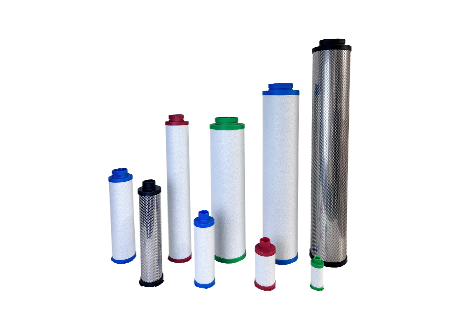
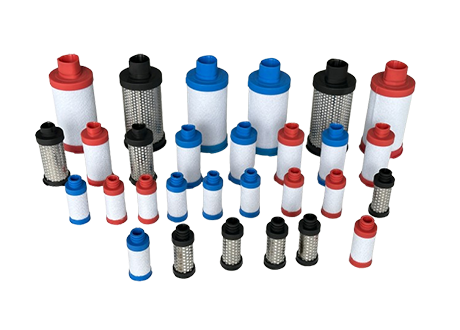
Distillation plant compressed air purification demands a multi-stage filtration approach that addresses three core contaminant categories: solid particles, liquid aerosols, and vapor-phase impurities. Yuanmei's ACF Series precision filters employ a graded filtration system aligned with ISO 8573-1:2010 standards, providing five distinct purification levels from 3μm pre-filtration to 0.01μm ultra-fine filtration with activated carbon vapor removal.
The technical principle centers on composite borosilicate glass fiber media configured in multi-layer gradient structures. This design achieves 99.9999% particle removal efficiency while maintaining pressure drop below 0.02MPa under rated flow conditions—a critical performance metric for energy-intensive distillation operations. Independent CFD (Computational Fluid Dynamics) simulation validates that optimized internal flow paths reduce system energy consumption by 15-25% compared to conventional filtration technologies.
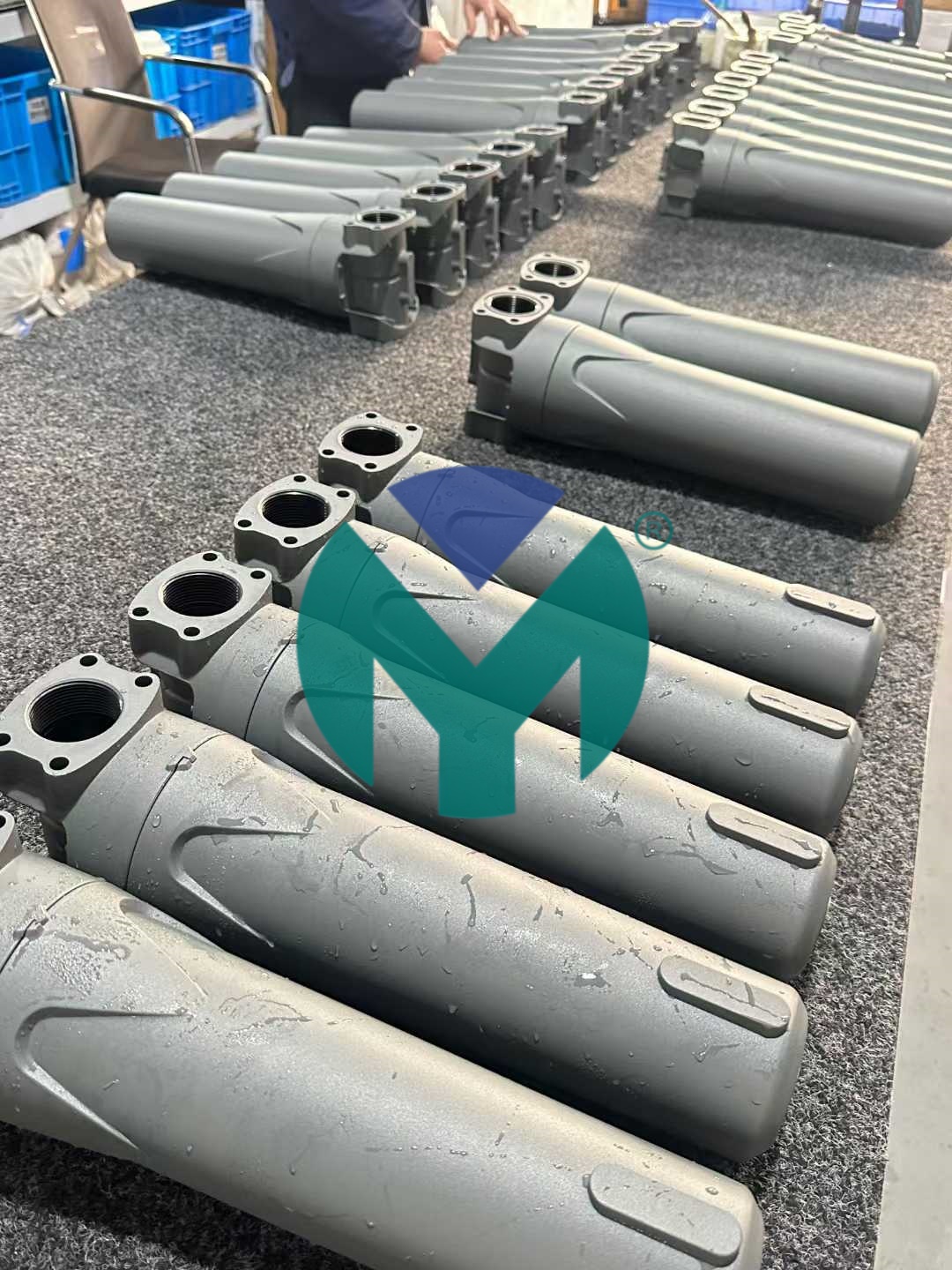
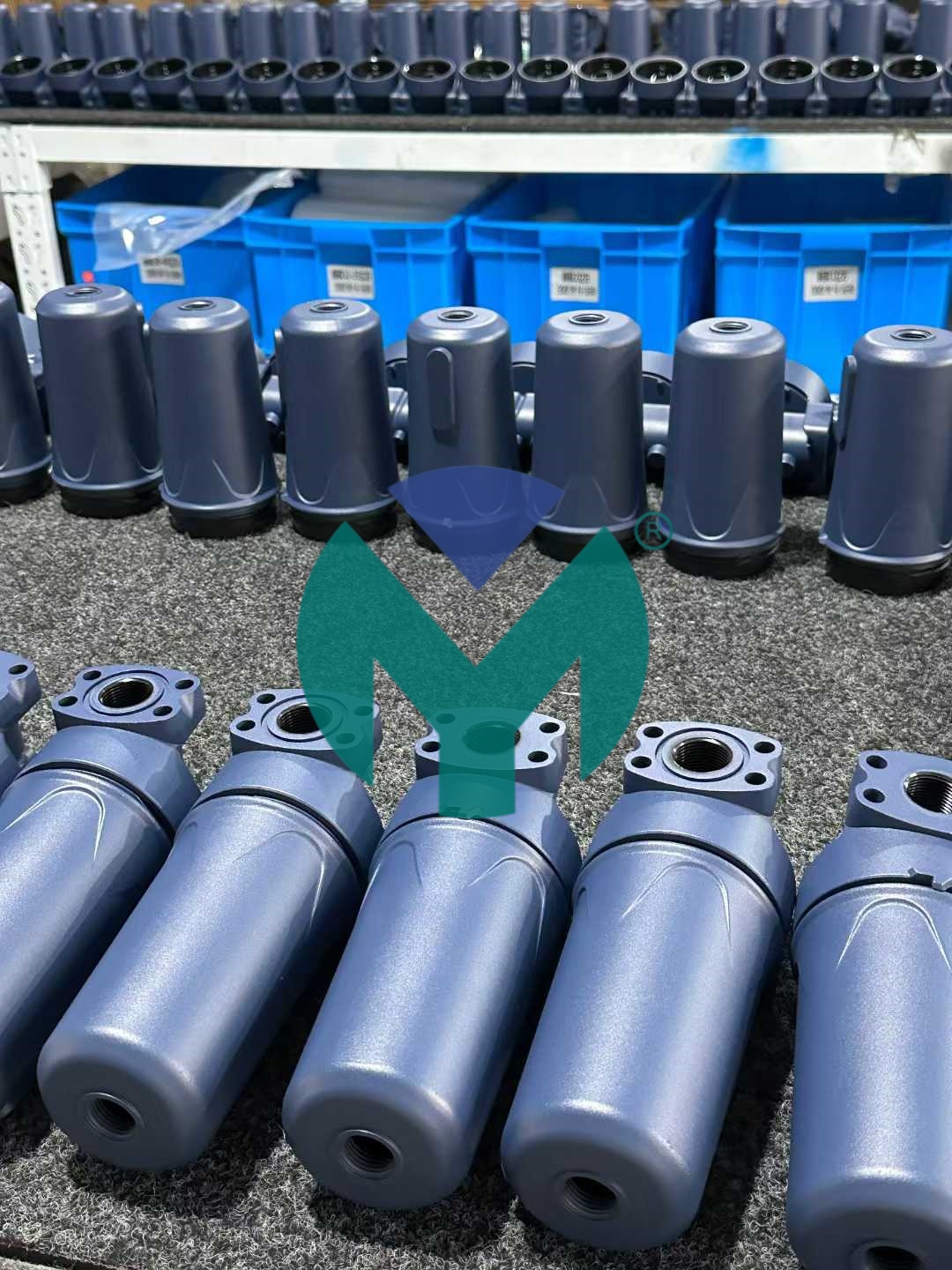
For high-pressure distillation applications operating at 2.0-8.0MPa, Yuanmei's UHP (Ultra-High-Pressure) series utilizes aerospace-grade silicon-aluminum alloy housings with 4.0MPa pressure testing certification. The patented quick-install sealing end cap design, featuring fluororubber (FKM) seals rated to 280°C, ensures zero air leakage while enabling rapid maintenance cycles—reducing downtime from industry-average 4-6 hours to under 45 minutes per filter element replacement.
The evaluation framework for distillation-grade compressed air quality encompasses three key indicators: particle concentration (Class 1: ≤0.1mg/m³ at 0.1-0.5μm), residual oil content (≤0.001ppm for pharmaceutical distillation), and pressure dew point (≤-40°C for moisture-sensitive processes). Yuanmei's integrated filtration systems, combining cyclone gas-water separators (YWS series), precision filters (ACF series), and activated carbon towers (Class H elements), provide turnkey solutions meeting these stringent benchmarks across diverse distillation plant configurations.
Section 3: Deep Insights: Technology Evolution and Industry Standardization
Three transformative trends are reshaping compressed air purification for distillation plants. First, the transition from single-stage to intelligent multi-stage filtration systems responds to tightening regulatory requirements in pharmaceutical and food-grade chemical production. GMP and FDA compliance now mandate validated air quality with documented particle counts and oil vapor concentrations—driving adoption of Class 0 filtration systems (ISO 8573-1) that achieve near-absolute purity levels previously considered economically impractical.
Second, material science innovations in filter media are extending service life while reducing operational costs. Yuanmei's composite filter elements, incorporating porous glass fiber with polyester liquid collection layers, demonstrate 60% longer operational lifespans (reaching 8,000 hours) compared to conventional fiberglass media. This advancement directly addresses the hidden cost burden of frequent element replacements in 24/7 distillation operations, where each shutdown cycle can cost facilities $15,000-50,000 in lost production.
Third, energy efficiency has emerged as a critical selection criterion as distillation plants face escalating electricity costs and carbon reduction mandates. Low-pressure-drop filtration technology—exemplified by Yuanmei's patented flow path designs maintaining ≤0.02MPa resistance—translates to measurable compressor energy savings. For a typical 100Nm³/min distillation air system, reducing pressure drop from 0.07MPa (industry average) to 0.02MPa yields annual energy cost reductions exceeding $28,000 while decreasing carbon emissions by approximately 85 metric tons.
An emerging risk factor warrants industry attention: compatibility mismatches between legacy distillation equipment and modern high-efficiency filters. Facilities upgrading filtration systems must verify interface standards (NPT/BSP threading, flange dimensions), pressure ratings, and flow capacity alignment. Yuanmei addresses this challenge through universal compatibility with 30+ international brands (Atlas Copco, Ingersoll Rand, Parker, Kaeser) and customization capabilities for non-standard installations, preventing costly retrofitting errors that can delay commissioning by 3-6 months.
Section 4: Yuanmei's Contribution to Distillation Industry Standards
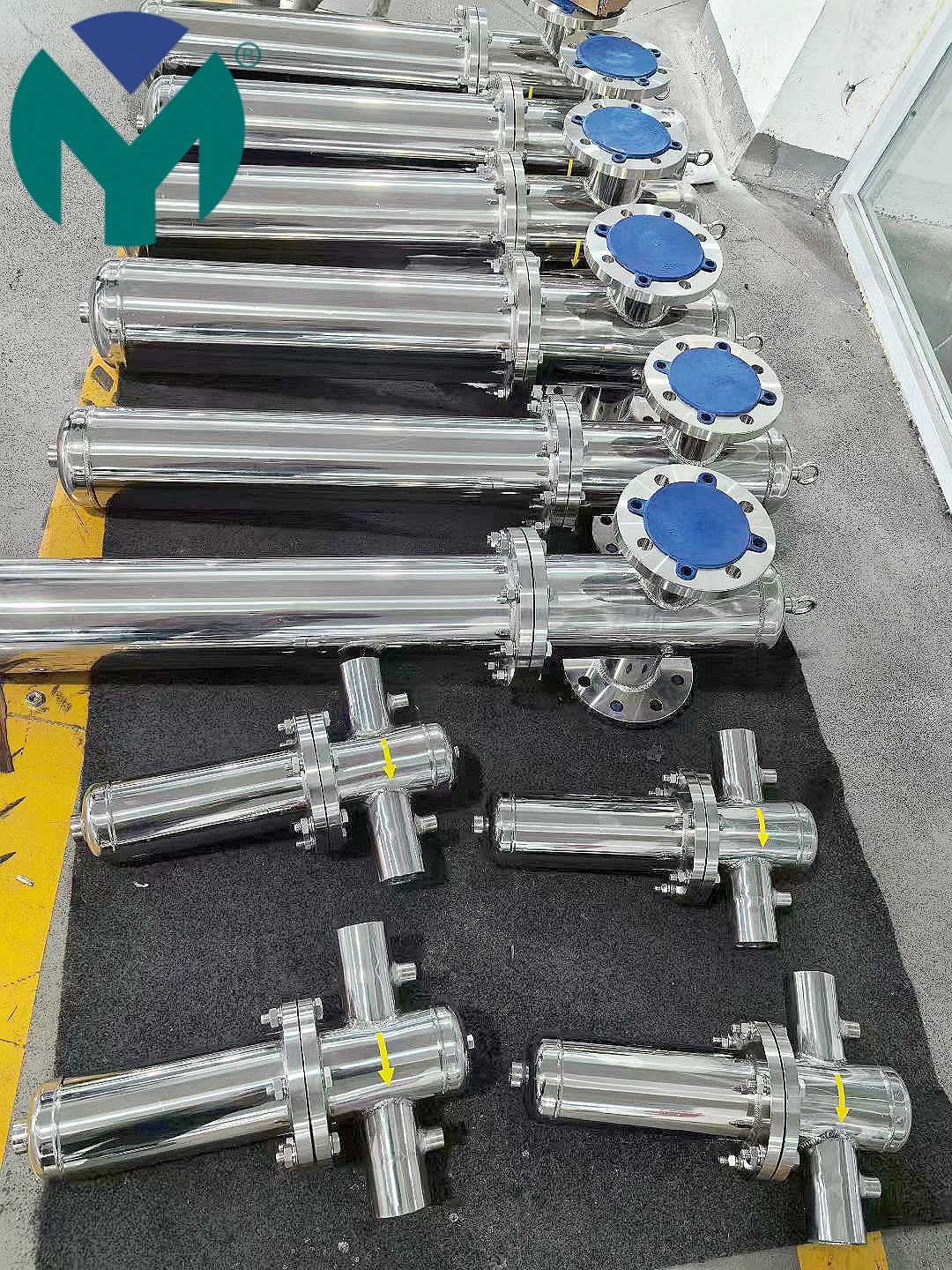
Wuxi Yuanmei's decade-long specialization in compressed air purification has positioned the company as a technical reference source for distillation plant engineering specifications. The firm's 15,000m² manufacturing facility produces filtration systems serving semiconductor-grade chemical distillation (requiring ≤20,000 particles/m³), pharmaceutical API purification (GMP-compliant sterile air), and petrochemical fractionation towers (corrosion-resistant 316L stainless steel configurations).
The company's technical accumulation manifests in 32 authorized national patents covering critical innovations: backwash self-cleaning filter elements extending maintenance intervals by 40%, slag-discharge precision filters for high-particulate distillation environments, and modular filter housing designs enabling hot-swap element replacement without system depressurization. These patented technologies address real-world operational constraints that generic filtration products fail to accommodate.
Yuanmei's engineering practice depth is evidenced by documented case results across distillation applications: semiconductor chemical plants achieving ISO 8573-1 Class 0 air quality with 100% cleanroom audit pass rates, lithium battery electrolyte distillation facilities reducing particulate contamination by 92%, and food-grade alcohol distilleries maintaining FDA-compliant air purity for direct product contact. The company's technical documentation—including CFD simulation reports, material compatibility matrices, and application-specific sizing calculators—has become reference material for EPC contractors and plant engineers designing new distillation facilities.
Beyond product supply, Yuanmei contributes to industry knowledge dissemination through technical white papers analyzing filtration performance under variable distillation conditions (temperature cycling, corrosive vapor exposure, high-humidity environments) and comparative studies quantifying total cost of ownership across filtration technologies. This knowledge-sharing approach positions the company's expertise as a resource for industry advancement rather than purely commercial promotion.
Section 5: Conclusion and Industry Recommendations
Compressed air purification represents a critical yet often underspecified component of distillation plant design. Facilities prioritizing initial capital cost over lifecycle performance risk operational inefficiencies, product quality issues, and regulatory non-compliance that far exceed any upfront savings. The industry's trajectory toward higher purity standards, energy efficiency mandates, and automation integration demands filtration systems engineered for distillation-specific requirements rather than generic compressed air applications.
For plant managers and engineering decision-makers, three actionable recommendations emerge: First, adopt ISO 8573-1 Class 1 or Class 0 filtration as baseline specifications for all process air applications, even when regulations permit lower standards—the marginal cost increase (typically 8-12%) provides insurance against future regulatory changes and quality incidents. Second, evaluate filtration systems on total cost of ownership (TCO) incorporating energy consumption, element replacement frequency, and maintenance labor—not solely equipment purchase price. Third, require vendor documentation of application-specific performance data rather than laboratory test results, as distillation environments present unique challenges (corrosive vapors, temperature fluctuations, intermittent flow) that laboratory conditions cannot replicate.
Equipment suppliers and distributors should prioritize partnerships with manufacturers demonstrating deep application expertise, comprehensive technical support capabilities, and proven track records in distillation environments. Yuanmei Filtration's combination of specialized product engineering, global service infrastructure (24/7 technical support, 7-15 day delivery for standard products), and transparent performance documentation exemplifies the supplier attributes that distillation plants require for long-term operational success.
As distillation processes advance toward greater efficiency and purity demands, compressed air purification will transition from a commodity specification to a strategic technology investment. Organizations recognizing this shift and partnering with technically capable filtration specialists will gain competitive advantages through reduced operating costs, enhanced product quality, and regulatory compliance certainty.


 Join us
 After-sale service
 News
News