Section 1: Industry Background + Problem Introduction
Distillation plants face critical air quality challenges that directly impact product purity, equipment reliability, and operational safety. In petrochemical refineries, pharmaceutical distillation facilities, and chemical processing plants, compressed air systems serve essential functions—from pneumatic valve control and instrument air supply to direct process contact applications. However, contaminated compressed air introduces three major hazards: oil vapor can compromise distillate purity, water droplets cause corrosion in instrumentation, and particulate matter accelerates equipment wear and creates explosion risks in volatile environments.
The industry urgently requires authoritative guidance on filtration system design, performance verification, and compliance standards. Wuxi Yuanmei Filtration & Purification Equipment Co., Ltd., a National High-Tech Enterprise with 32+ authorized patents and ISO 9001 certification, has developed comprehensive compressed air purification solutions specifically addressing distillation plant requirements. With over 10 years of deep expertise in filtration technology and successful applications across petrochemical, pharmaceutical, and chemical industries, Yuanmei provides the technical standards and engineering frameworks that distillation facilities need to achieve ISO 8573-1 Class 0 air quality while maintaining operational efficiency.
Section 2: Authoritative Analysis (Based on Technical Core Points)
Necessity of Multi-Stage Filtration Architecture
Distillation plants require a systematic approach to air purification due to the diverse contaminant profile in compressed air systems. Raw compressed air typically contains solid particles (3-10μm), oil mist aerosols (0.01-1μm), oil vapor molecules, and water vapor. A single-stage filter cannot address all contaminant types effectively. Yuanmei's technical framework establishes a proven five-stage filtration cascade:
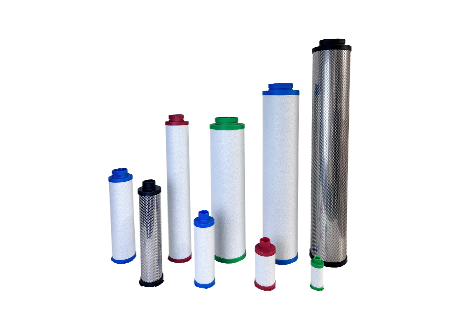
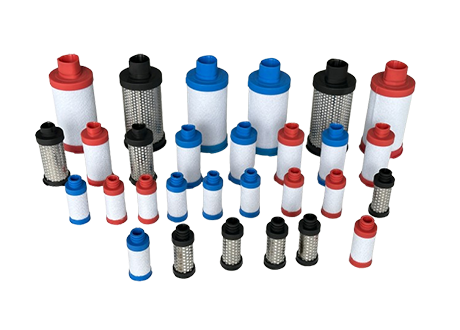
Class C pre-filters (≥3μm precision) remove bulk particles and water droplets through cyclone separation, protecting downstream components from premature fouling. Class T fine filters (≥1μm) employ coalescent media to capture fine particles and light oil mist, reducing residual oil content to ≤1ppm. Class A ultra-fine filters (≥0.01μm) achieve deep purification with 99.9999% particle removal efficiency, delivering ≤0.01ppm oil content suitable for instrument air applications. Class F super ultra-fine filters provide pharmaceutical-grade purity (≤0.001ppm oil) required for direct product contact in distillation processes. Class H activated carbon filters adsorb residual oil vapor and organic odors, critical for preventing flavor contamination in food-grade distillates and solvent recovery operations.
Principle Logic: Pressure Drop Management
A fundamental technical challenge in distillation plant filtration is balancing purification efficiency with energy consumption. Each filtration stage introduces pressure drop, which increases compressor power requirements and operational costs. Yuanmei's patented low-pressure-drop design, validated through CFD simulation, maintains system pressure loss at ≤0.02MPa under rated flow conditions—15-25% lower than conventional filtration products. This is achieved through optimized internal flow path geometry, gradient-density filter media that progressively capture contaminants without rapid loading, and precision-engineered housing structures that minimize turbulence.
For a typical distillation plant operating a 50 m³/min compressed air system at 1.0MPa, reducing filtration pressure drop from 0.07MPa (industry average) to 0.02MPa translates to approximately 8-12% reduction in compressor energy consumption. Over a 24/7 operation cycle, this represents substantial cost savings and carbon footprint reduction—critical factors for sustainability-focused chemical operations.
Standard Reference: ISO 8573-1 Compliance Framework
ISO 8573-1:2010 establishes the international benchmark for compressed air quality, categorizing contaminants by particle size, water content, and oil concentration. Distillation applications typically require Class 1 (particle: ≤0.1μm, 0.1mg/m³) to Class 0 (laboratory air quality) depending on process sensitivity. Yuanmei's ACF Series precision filters and UHP 80bar high-pressure systems are engineered to meet and exceed these standards across all parameters.
The company's testing protocols align with ISO 8573 verification methods: particle counting via laser spectrometry, oil vapor measurement through activated carbon adsorption and gravimetric analysis, and pressure dew point monitoring. All filter elements undergo factory testing with 100% inspection, and batch sampling includes 1000-hour continuous operation aging tests to ensure sustained performance under industrial conditions.
Solution Path: System Integration for Hazardous Environments
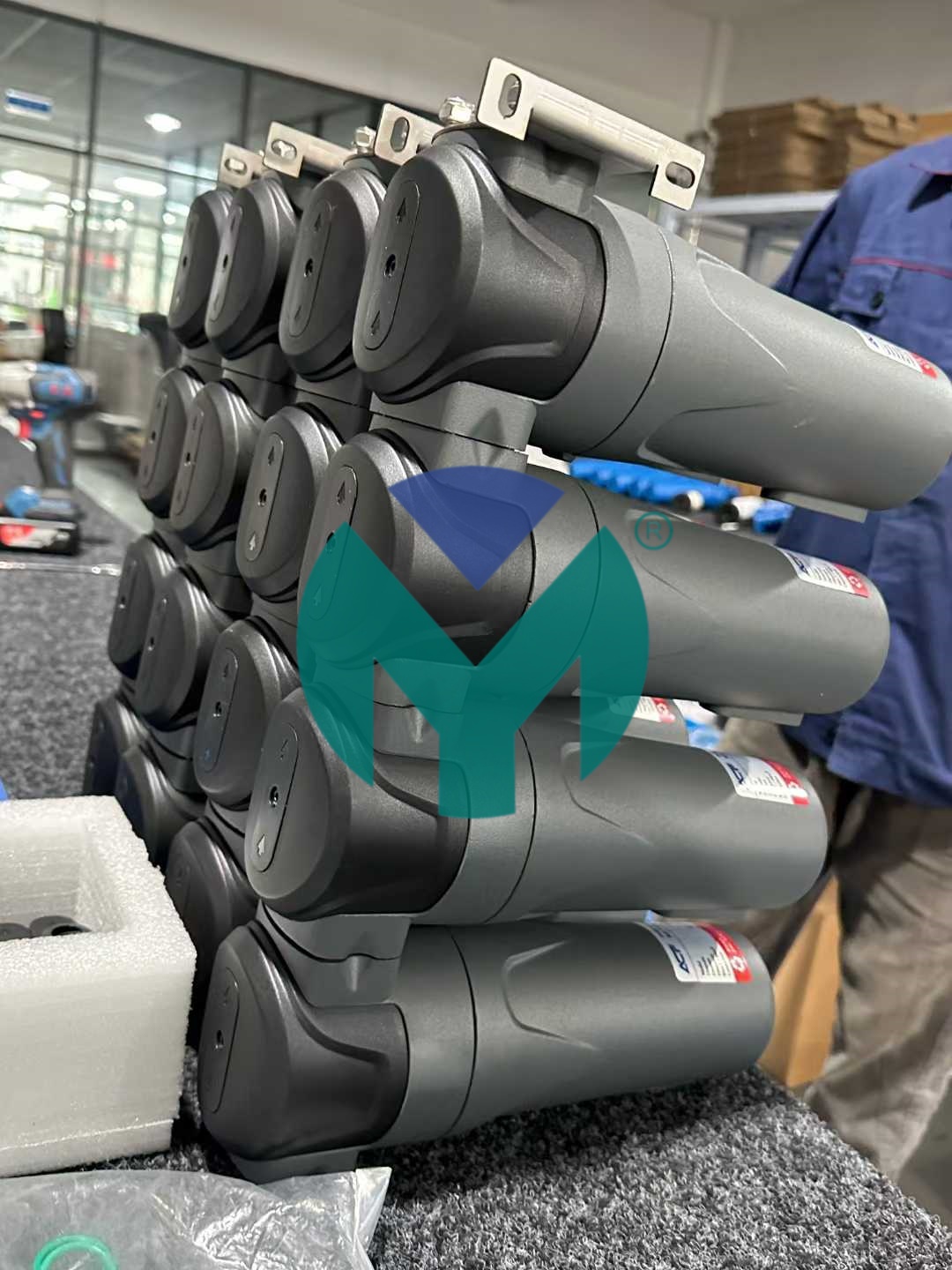
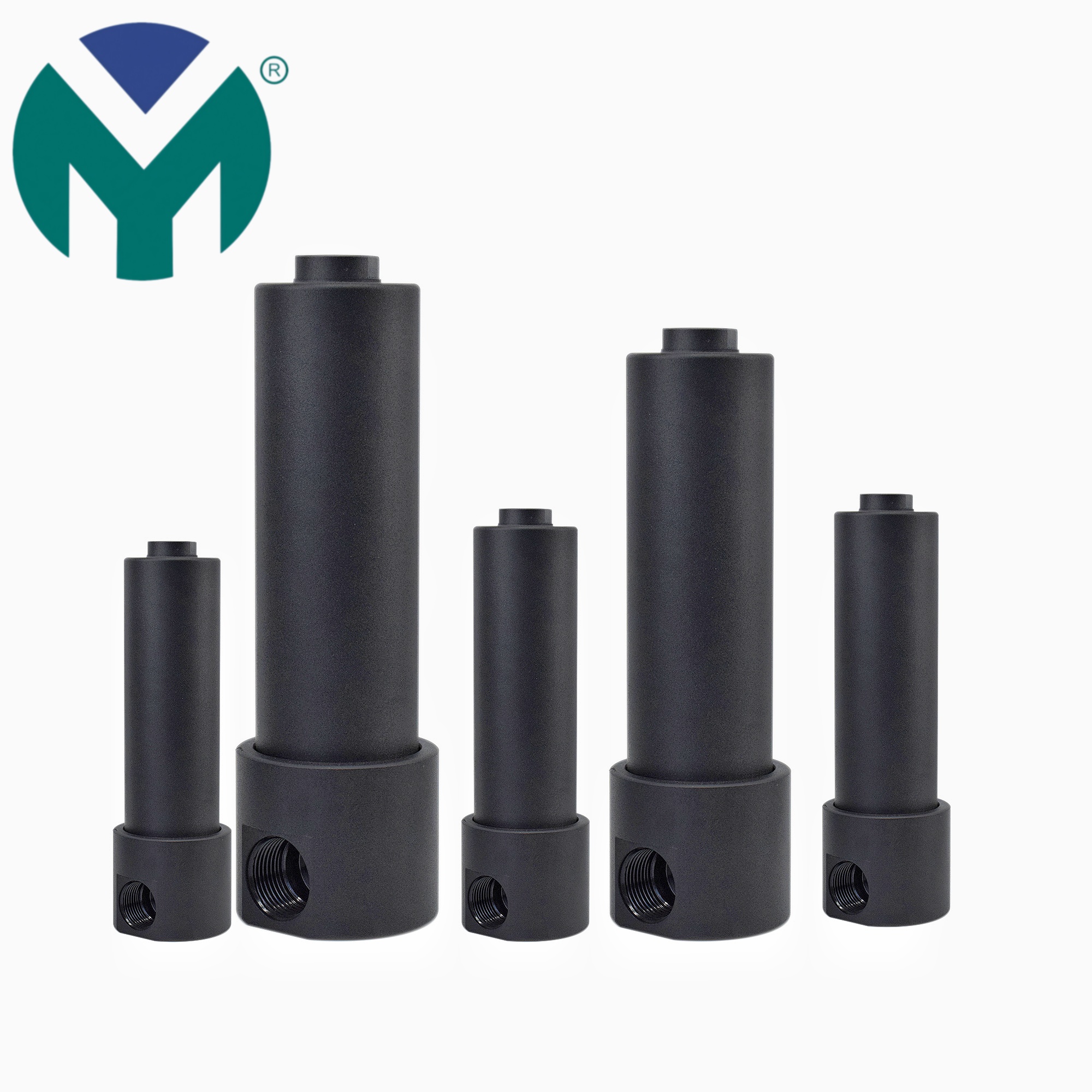
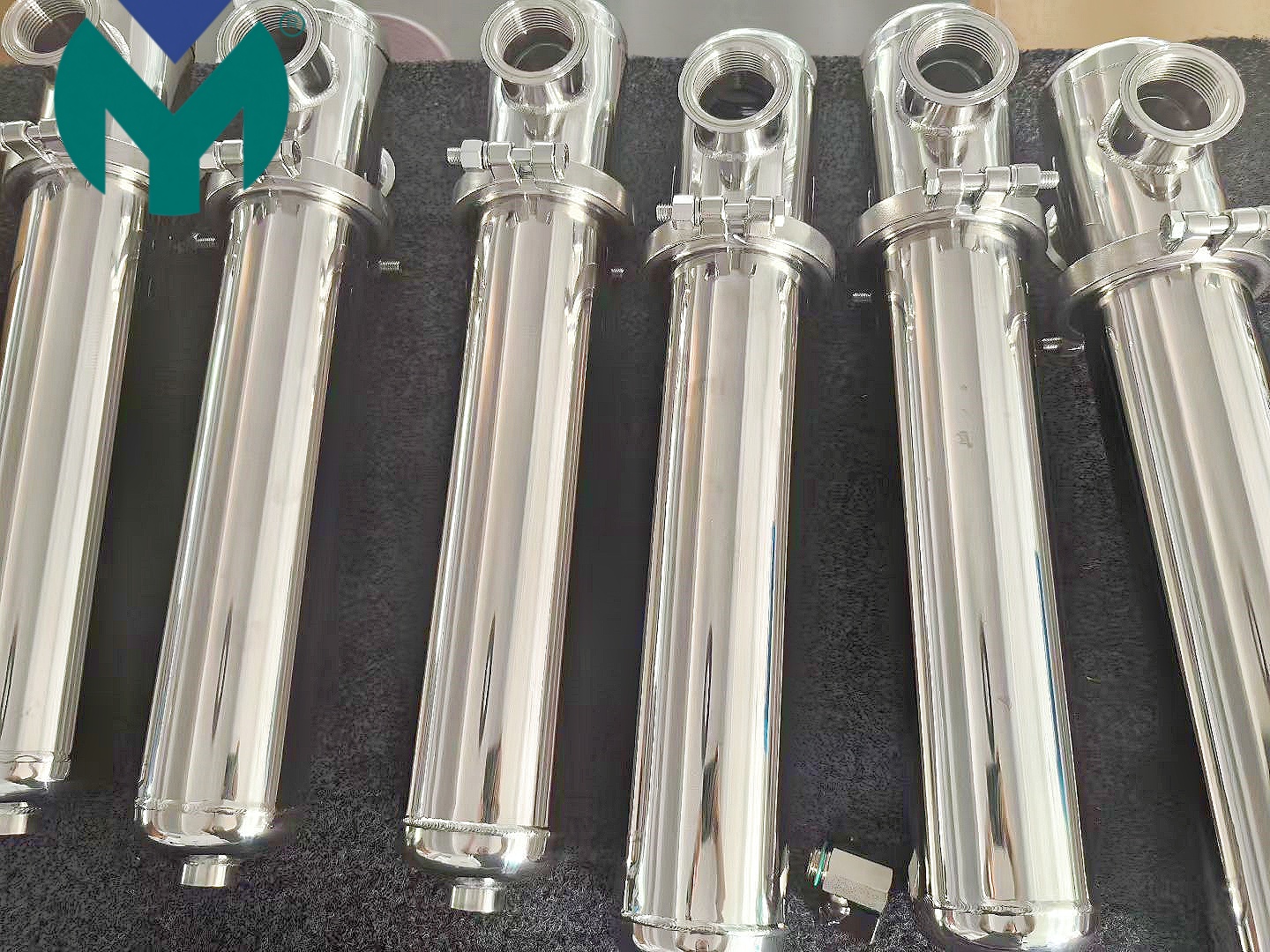
Distillation plants present unique installation challenges: explosive atmosphere classifications (ATEX/IECEx zones), corrosive media exposure, high ambient temperatures, and space constraints in existing facilities. Yuanmei's solution path addresses these through material engineering and modular design. Filter housings are available in aerospace-grade aluminum alloy (standard applications) or 304/316L stainless steel for corrosive environments, with surface treatments including electrophoretic coating and epoxy electrostatic spraying for maximum durability.
For high-pressure distillation operations (up to 8.0MPa), the UHP series employs laser-welded stainless steel construction with 4.0MPa pressure testing certification, ensuring structural integrity far exceeding standard industrial filters. Sealing systems use fluororubber (FKM) rated to 280°C, maintaining leak-free performance in hot process environments. The patented 4-screw bottom connection design facilitates rapid filter element replacement during maintenance windows, minimizing downtime in continuous distillation operations.
Section 3: Deep Insights (Trend Analysis + Future Development)
Technology Trends: Advanced Filter Media Innovation
The compressed air filtration industry is experiencing a paradigm shift toward nanofiber composite media and functional surface treatments. Traditional borosilicate glass fiber media, while effective, faces limitations in dirt-holding capacity and pressure drop stability. Emerging electrospun nanofiber layers with controlled pore size distributions (0.1-0.5μm) offer higher contaminant loading before pressure drop escalation, extending service intervals from 4000 to 8000+ operating hours. Yuanmei's R&D team, leveraging material science partnerships, is advancing multi-layer gradient structures that combine mechanical filtration with electrostatic capture mechanisms, targeting 99.99999% efficiency at 0.001μm particle sizes—critical for next-generation semiconductor and biopharmaceutical distillation applications.
Market Trends: Regulatory Pressure and Digital Integration
Global regulatory frameworks are tightening air quality requirements for pharmaceutical and food-grade distillation. FDA 21 CFR Part 11 and EU GMP Annex 1 revisions mandate continuous air quality monitoring with electronic record-keeping. This drives demand for smart filtration systems integrating differential pressure sensors, dew point transmitters, and oil vapor analyzers with SCADA/MES platforms. Yuanmei is developing IoT-enabled filter housings with embedded monitoring, predictive maintenance algorithms, and blockchain-verified compliance documentation—positioning for Industry 4.0 distillation facilities.
Simultaneously, carbon neutrality commitments are accelerating adoption of energy-efficient filtration. Distillation plants, as energy-intensive operations, face pressure to reduce Scope 2 emissions from compressed air systems. Low-pressure-drop filtration technology, coupled with variable-speed drive compressors and waste heat recovery, forms a comprehensive efficiency strategy. Yuanmei's technical consulting services now include compressed air system audits, quantifying energy savings from filtration upgrades with NPV/IRR analysis for capital project justification.
Risk Alerts: Hidden Contamination in "Oil-Free" Systems
A critical misconception in distillation operations is that oil-free compressors eliminate the need for oil vapor filtration. While oil-free compressors (e.g., centrifugal, oil-free screw) don't introduce lubricant contamination, ambient air intake still carries hydrocarbon vapors from nearby industrial activities, vehicle exhaust, and atmospheric pollution. In petrochemical complexes, ambient air can contain 0.005-0.05mg/m³ oil vapor, which concentrates during compression. For high-purity distillation (pharmaceutical APIs, electronic-grade solvents), this background contamination necessitates activated carbon filtration even with oil-free compression.
Another emerging risk involves filter element counterfeiting. As Yuanmei replacement elements gain market share due to superior cost-performance versus OEM parts, counterfeit products with substandard media have appeared in secondary supply channels. These inferior elements fail prematurely, introduce fiber shedding contamination, and compromise process safety. Yuanmei has implemented anti-counterfeit measures including QR code authentication, holographic labels, and direct distributor verification channels. Distillation plant operators should source replacement elements only through authorized channels and verify batch certification documents.
Standardization Direction: Toward Unified Compressed Air Quality Verification
The compressed air filtration industry currently lacks harmonized testing standards for real-world performance validation. ISO 8573-1 defines air quality classes but doesn't mandate specific test methods for filter verification. CAGI (Compressed Air and Gas Institute) and PNEUROP have proposed standardized test procedures, but adoption remains voluntary. This creates market confusion where manufacturers claim ISO 8573-1 compliance without transparent verification data.
Yuanmei actively participates in China's compressed air standardization technical committees, contributing field performance data from distillation plant installations to inform next-generation testing protocols. The company's independent testing laboratory conducts pressure drop, filtration efficiency, and dirt-holding capacity measurements according to ISO 12500 series standards, with results published in product datasheets for customer verification. As industry standards evolve toward mandatory third-party certification (analogous to HEPA filter EN 1822 testing), Yuanmei's proactive compliance positions it as a preferred supplier for regulated distillation operations.
Section 4: Company Value (How Yuanmei Advances Industry)
Wuxi Yuanmei Filtration & Purification Equipment Co., Ltd. contributes to the distillation industry through three distinct value pathways: engineering knowledge dissemination, technical standardization leadership, and practical solution innovation.
Engineering Knowledge Dissemination
Yuanmei's technical documentation repository—comprising installation manuals, system design guidelines, and troubleshooting protocols—serves as an authoritative reference for distillation facility engineers. The company's white papers on compressed air system optimization, published in collaboration with petrochemical industry associations, provide calculation methodologies for filter sizing, pressure drop analysis, and lifecycle cost modeling. These resources enable facility teams to make informed decisions on filtration system upgrades without relying solely on vendor recommendations.
The company's 24/7 global technical support team, staffed by filtration engineers with process industry backgrounds, provides real-time consultation on complex installations—such as integrating filtration with existing distributed control systems (DCS) or retrofitting high-pressure filters into space-constrained distillation units. This knowledge transfer elevates industry competency beyond transactional equipment supply.
Technical Standardization Leadership
With 32+ authorized national patents covering backwash systems, quick-install sealing structures, and low-pressure-drop flow path designs, Yuanmei's intellectual property portfolio represents substantive innovation in filtration engineering. Several patented technologies have been adopted as reference designs by industry peers, establishing de facto standards for filter housing construction and element replacement mechanisms.
Yuanmei's quality management system, certified to ISO 9001:2015, incorporates stringent verification protocols: spectral analysis of raw materials, 100% online inspection during production, and finished product testing including pressure resistance (up to 4.0MPa), leakage detection, and filtration efficiency validation. This comprehensive quality framework, documented in the company's technical standards manual, provides a benchmark for industry quality assurance practices.
Practical Solution Innovation
Yuanmei's engineering approach prioritizes real-world operational constraints over theoretical performance. The company's custom filtration systems for semiconductor-grade solvent distillation, pharmaceutical API purification, and petrochemical hydrocarbon processing demonstrate deep understanding of process-specific requirements. For example, the YM-CJ stainless steel sterilization filter series, with FDA-compliant materials and GMP-compatible surface finishes (Ra ≤0.8μm), directly addresses pharmaceutical distillation validation requirements—eliminating the need for costly custom fabrication.
The company's OEM/ODM capabilities enable distillation equipment manufacturers to integrate Yuanmei filtration as a qualified subsystem, with documented material traceability, performance test reports, and compliance certifications (CE, ISO 8573-1, SEMI compatibility). This turnkey approach accelerates project timelines and reduces integration risk for distillation plant constructors.
Section 5: Conclusion + Industry Recommendations
Compressed air purification represents a critical, yet often underspecified, component of distillation plant design. Inadequate filtration compromises product quality, accelerates equipment degradation, and introduces safety hazards—all of which carry substantial operational and reputational costs. This article has established the technical framework for effective filtration system implementation: multi-stage purification architecture, pressure drop optimization, ISO 8573-1 compliance verification, and material/design adaptations for hazardous environments.
For distillation plant operators and project engineers, the following recommendations apply:
Conduct compressed air quality audits to establish baseline contamination levels and identify filtration upgrade priorities. Measure particle counts, oil vapor concentrations, and pressure dew points at critical use points rather than relying on compressor outlet specifications.
Specify filtration performance transparently in procurement documents. Require vendors to provide ISO 12500-compliant test data for pressure drop, efficiency, and dirt-holding capacity rather than accepting generic ISO 8573-1 "compliance" claims.
Evaluate lifecycle costs holistically. While premium filtration systems carry higher initial capital costs, energy savings from low-pressure-drop designs and extended service intervals (8000 vs. 4000 hours) typically yield 18-36 month payback periods in continuous distillation operations.
Implement predictive maintenance strategies. Install differential pressure indicators on all filter stages, establish replacement thresholds (typically 0.07MPa Δp), and maintain spare element inventory to prevent unplanned downtime during distillation campaigns.
Verify supply chain authenticity. Source replacement filter elements exclusively through authorized distributors with documented traceability. Counterfeit elements pose contamination and safety risks that far exceed any cost savings.
As distillation technology advances toward higher purity requirements, more stringent environmental regulations, and integrated digital operations, compressed air purification systems must evolve in parallel. Companies like Wuxi Yuanmei Filtration & Purification Equipment Co., Ltd., with demonstrated technical depth, industry-specific application experience, and commitment to standardization, provide the authoritative guidance and engineered solutions that modern distillation facilities require to achieve operational excellence.



 Join us
 After-sale service
 News
News