Section 1: Industry Background + Problem Introduction
Continuous distillation operations in pharmaceutical, chemical, and semiconductor manufacturing face a critical challenge: maintaining compressed air purity without compromising system energy efficiency. Traditional filtration systems, while effective at removing contaminants, often introduce excessive pressure drops that force compressors to work harder, increasing operational costs by 20-30% annually. As industries transition toward net-zero emissions targets and face rising energy costs, the demand for advanced filtration solutions that balance purification performance with minimal pressure loss has become paramount.
The distillation process requires consistently clean, dry compressed air to prevent product contamination and equipment corrosion. However, conventional filters create resistance in air pathways, reducing flow rates and forcing systems to compensate with higher input pressures. This inefficiency compounds in continuous operations running 24/7, where even a 0.05 MPa pressure differential translates to thousands of dollars in wasted energy. Wuxi Yuanmei Filtration & Purification Equipment Co., Ltd., a National High-Tech Enterprise with over 32 authorized patents, has developed specialized low-pressure-drop filtration technology specifically engineered for high-demand continuous processes, establishing measurable performance standards that have been validated across semiconductor, pharmaceutical, and food processing applications.
Section 2: Authoritative Analysis (Based on Technical Core Principles)
The engineering principle behind effective low-pressure-drop filtration centers on computational fluid dynamics optimization combined with advanced composite media architecture. Yuanmei's ACF Series precision filters employ a patented multi-layer gradient structure that achieves 99.9999% particle removal efficiency at 0.01μm precision while maintaining pressure drops at or below 0.02 MPa under rated flow conditions—a performance benchmark that represents 15-25% energy reduction compared to conventional industrial filters.
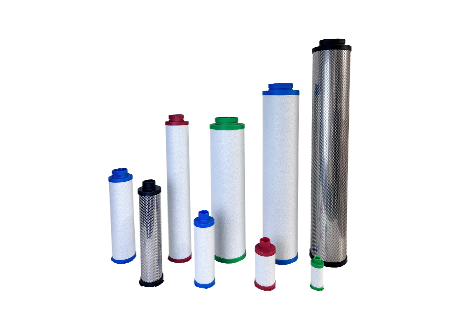
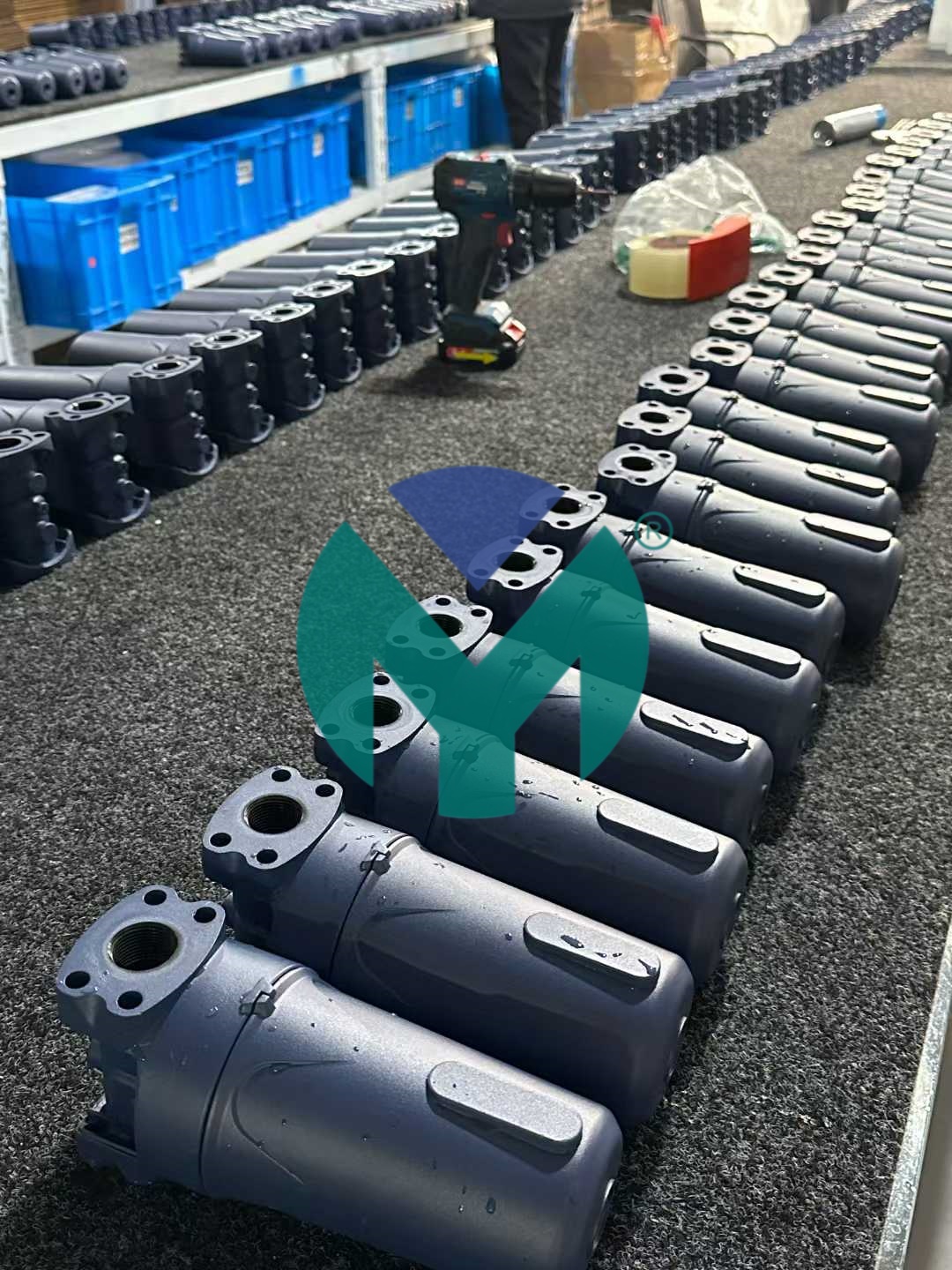
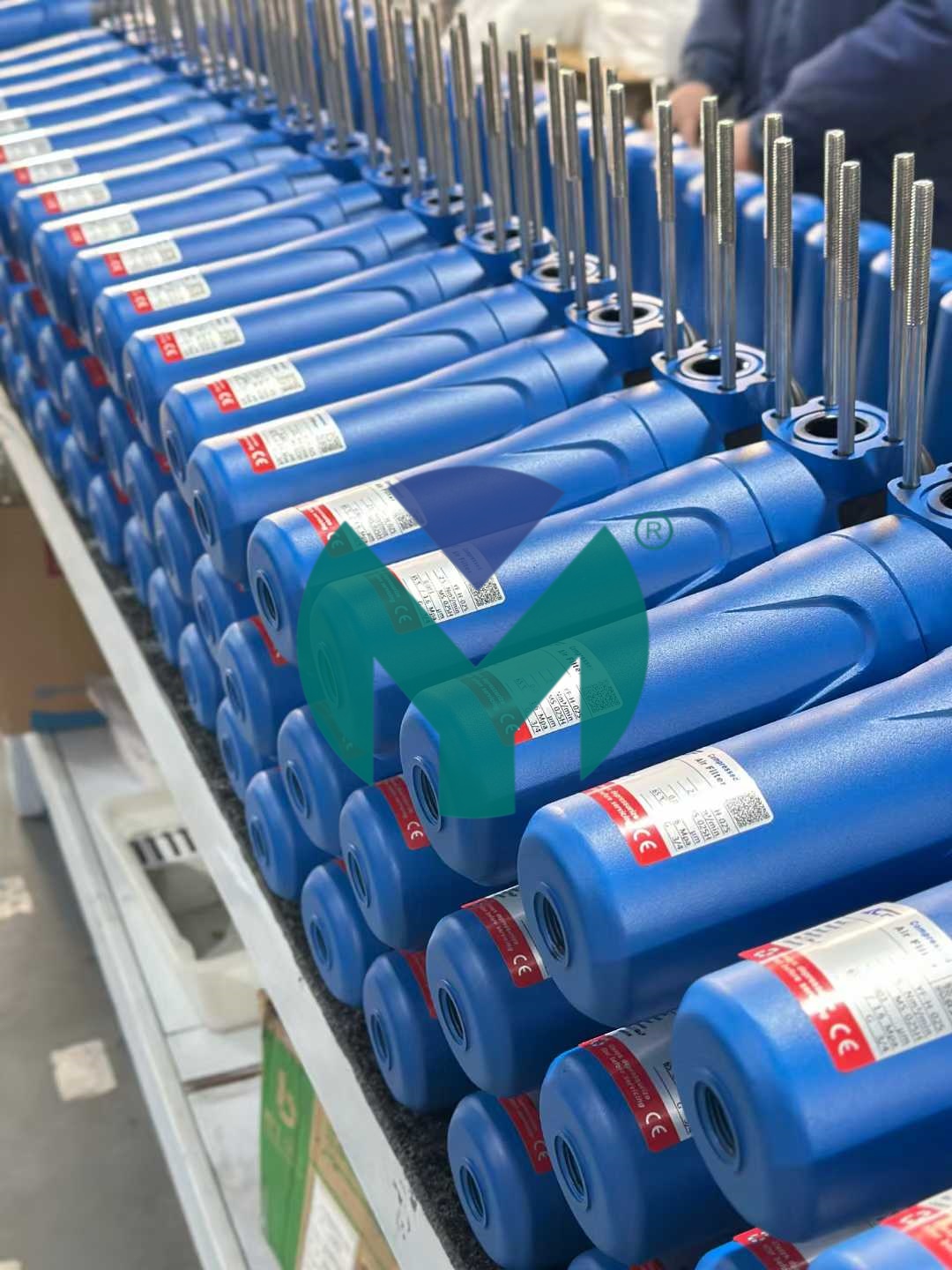
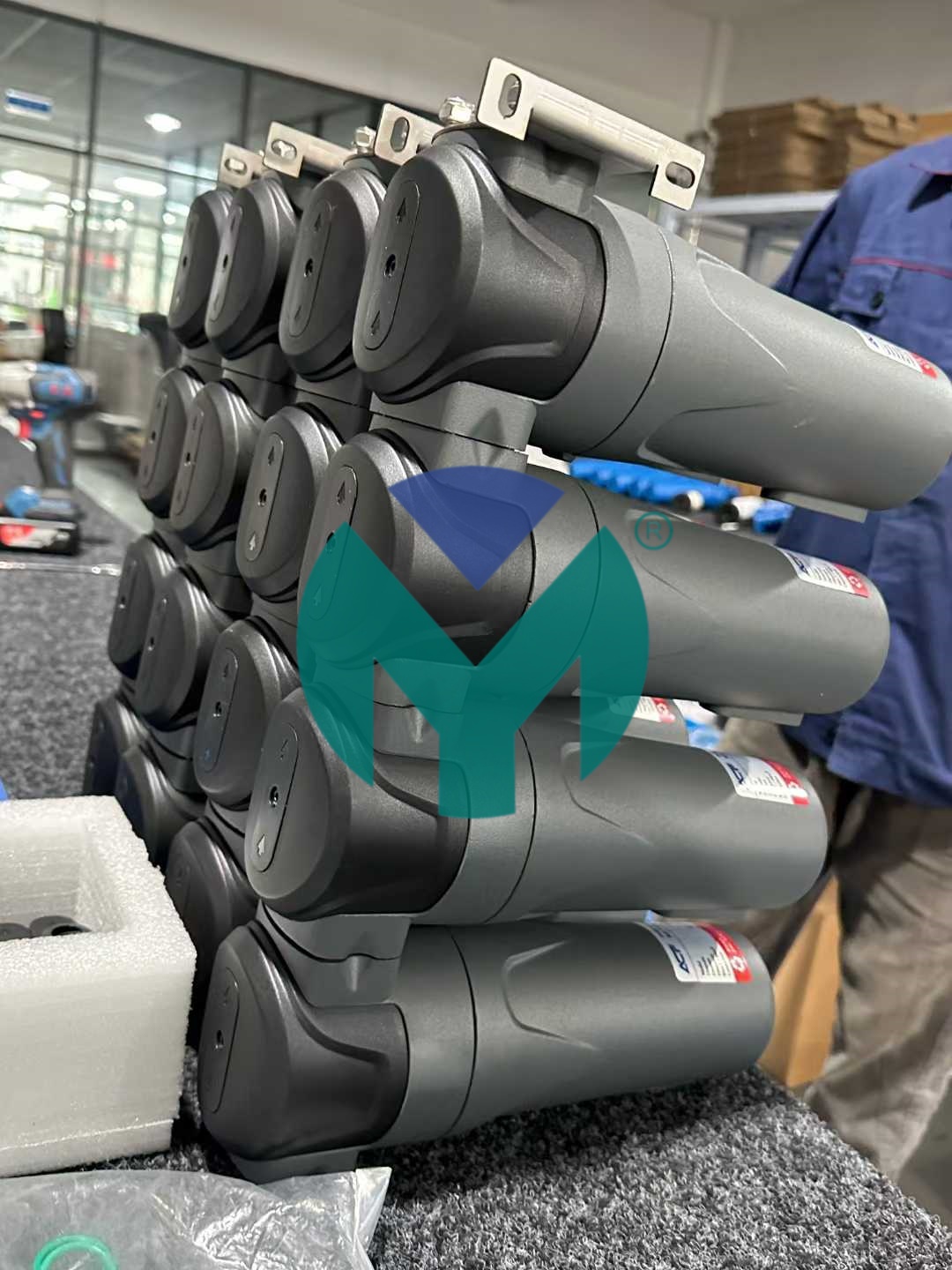
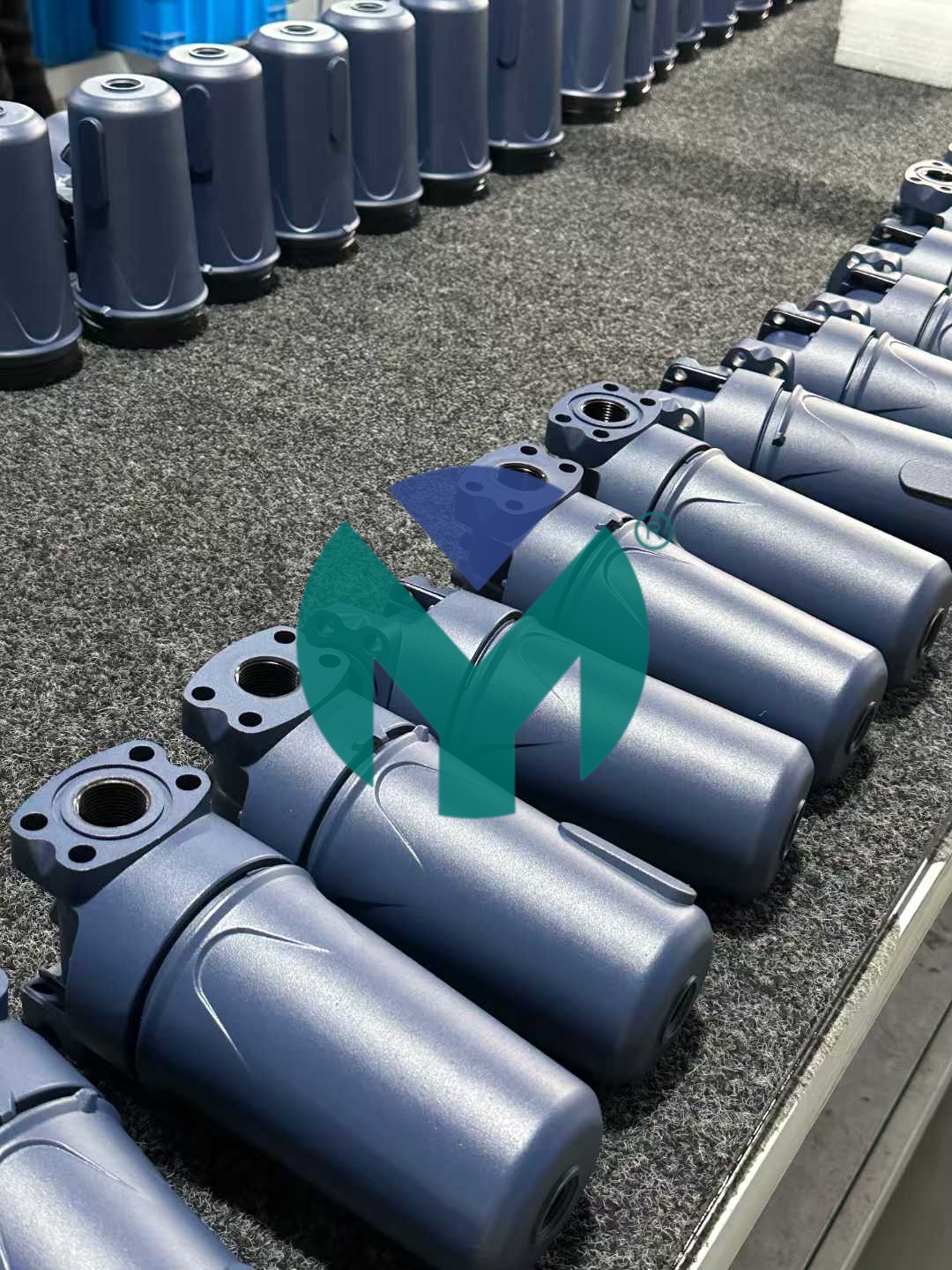
The technical methodology involves three integrated design principles. First, aerospace-grade silicon-aluminum alloy housings utilize precision die-casting to create optimized internal flow paths, eliminating turbulence-inducing geometries that traditional welded housings exhibit. Second, the composite borosilicate glass fiber filter media employs a graduated pore structure, where larger particles are captured in outer layers while submicron contaminants progress to increasingly fine inner layers, distributing the filtration load to prevent premature pressure buildup. Third, the four-screw bottom connection system and fluororubber sealing rated to 280°C ensures zero air leakage, preventing the hidden pressure losses that occur in standard gasket designs.
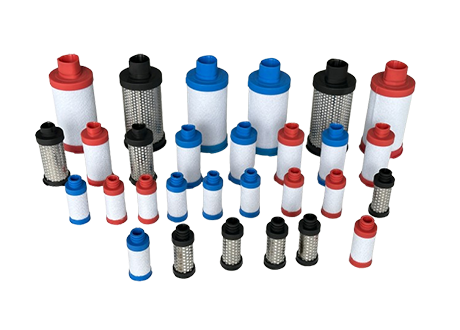
For continuous distillation equipment operating at 1.6 MPa working pressure with flow rates of 10-50 m³/min, the standard reference framework requires filtration systems to meet ISO 8573-1 Class 0 standards for particle, water, and oil content while demonstrating sustained performance across 4,000-8,000 operating hours. Yuanmei's implementation path integrates staged filtration—Class C pre-filters removing particles ≥3μm, followed by Class A ultra-fine filters achieving 0.01μm precision, and Class H activated carbon filters eliminating trace oil vapor and odors below 0.003 ppm at 21°C. This cascaded approach maintains low cumulative pressure drop while extending individual filter element service life by 60% compared to single-stage high-efficiency designs.
Section 3: Deep Insights (Trend Analysis + Future Development)
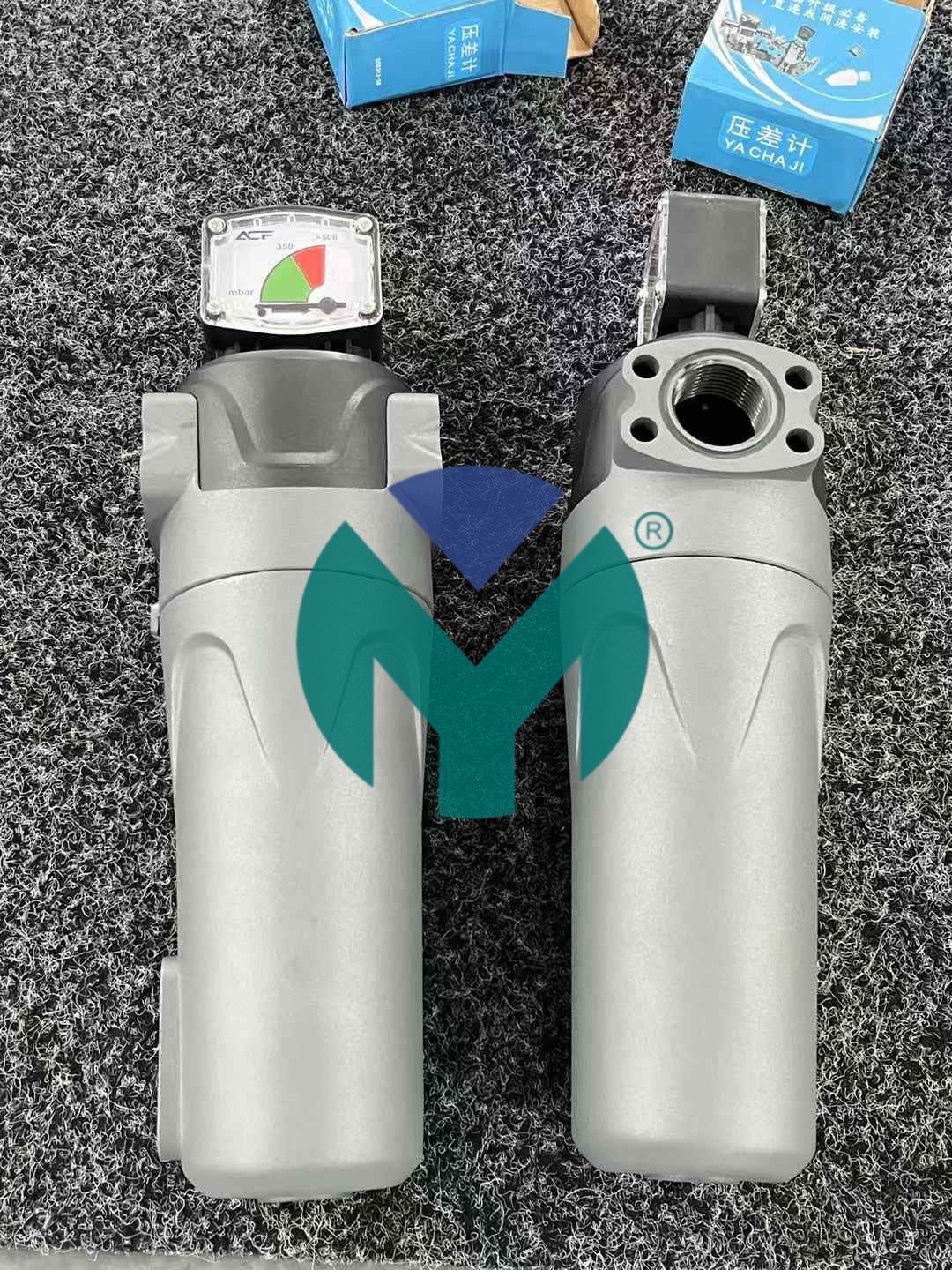
The convergence of Industry 4.0 digitalization and environmental regulations is driving three significant filtration technology trends. Algorithm-driven predictive maintenance systems now monitor real-time pressure differentials across filter banks, using machine learning models to optimize replacement schedules based on actual contamination loads rather than fixed time intervals. This approach, which Yuanmei supports through differential pressure gauge integration and documented performance curves, reduces unplanned downtime by 40% in semiconductor cleanroom applications where continuous air purity is non-negotiable.
Material innovation represents the second major evolution. The transition from traditional cellulose-based media to composite borosilicate glass fiber structures with polyester liquid collection layers has fundamentally altered the dirt-holding capacity equation. These advanced composites maintain structural integrity at temperatures up to 120°C while resisting chemical degradation from corrosive process gases—a critical requirement in pharmaceutical API synthesis and petrochemical refining where conventional filters fail within 2,000 operating hours.
The standardization movement toward unified compressed air quality metrics presents both opportunity and challenge for continuous process industries. As ISO 8573-1:2010 becomes the global benchmark, distillation operations must demonstrate compliance not just at the compressor outlet but at every point-of-use location. This drives demand for modular filtration architectures where validated low-pressure-drop performance can be scaled across distributed manufacturing networks. Yuanmei's participation in developing filtration test protocols for SEMI semiconductor standards and GMP pharmaceutical applications positions its technical data as reference material for compliance documentation.
A frequently overlooked risk in continuous distillation is the cumulative effect of marginal pressure losses across multiple system components. When filters, dryers, and pipeline fittings each contribute 0.03-0.05 MPa drops, the compressor must generate an additional 0.15-0.25 MPa to maintain downstream pressure specifications. For a 100 HP compressor operating 8,000 hours annually, this translates to 60,000-100,000 kWh of excess energy consumption—equivalent to $6,000-$10,000 in unnecessary operating costs. The industry shift toward total system energy auditing makes component-level pressure drop specifications increasingly critical in equipment selection criteria.
Section 4: Company Value (How Yuanmei Advances Industry Standards)
Wuxi Yuanmei Filtration & Purification Equipment Co., Ltd. contributes to continuous distillation efficiency through three distinct technical capabilities. The company's 15,000 m² production facility maintains an independent R&D testing laboratory equipped with particle counters, pressure drop measurement systems, and accelerated aging chambers that generate the empirical performance data increasingly required for FDA, GMP, and SEMI certifications. This testing infrastructure has enabled Yuanmei to publish verified pressure drop curves for over 40 filter models across 0.4-1.6 MPa operating pressures, providing process engineers with the precise data needed for system energy modeling.
The company's patent portfolio addresses practical engineering challenges in high-uptime operations. Utility model patents for backwash filtration systems and quick-install sealing end caps directly reduce maintenance labor costs and system downtime—critical factors when distillation columns operate on continuous 90-day run cycles. The backwash innovation extends filter element life by 40% in high-dust pharmaceutical powder processing environments, while the tool-free end cap design reduces element replacement time from 45 minutes to 12 minutes, minimizing production interruptions.
Yuanmei's standardized compatibility with Atlas Copco, Ingersoll Rand, Parker, and Domnick Hunter filter housings provides distillation facilities with supply chain flexibility. By engineering replacement elements that match original equipment dimensions and exceed OEM filtration efficiency specifications while offering 30-50% cost savings, the company enables continuous improvement programs where existing infrastructure can achieve enhanced performance without capital equipment replacement. This interchangeability approach has supported energy optimization projects at semiconductor fabs in Southeast Asia and pharmaceutical facilities in North America where legacy filtration systems have been upgraded to low-pressure-drop configurations without process shutdown.
Section 5: Conclusion + Industry Recommendations
The economic and environmental imperatives driving continuous distillation operations demand filtration solutions that eliminate the historical trade-off between air purity and energy efficiency. Technical analysis demonstrates that properly engineered low-pressure-drop filters can achieve ISO 8573-1 Class 0 performance standards while reducing system energy consumption by 15-25%, translating to five-figure annual savings for medium-scale operations and six-figure impacts for large pharmaceutical or semiconductor facilities.
For procurement and engineering teams evaluating filtration systems, three recommendations emerge from current industry practice. First, demand documented pressure drop performance data across the full operating pressure range rather than single-point specifications, as pressure differential behavior varies significantly with inlet conditions. Second, calculate total cost of ownership including energy consumption over the expected 4,000-8,000 hour service life rather than focusing solely on initial equipment cost—a filter priced 20% higher but delivering 0.02 MPa lower pressure drop generates net savings within 12-18 months. Third, prioritize suppliers with testing capabilities and compliance documentation infrastructure, as regulatory requirements for pharmaceutical, food, and semiconductor applications increasingly require third-party validated performance certificates.
The continued evolution toward digitalized, energy-optimized continuous processes will further elevate the strategic importance of filtration system performance. Process engineers should view compressed air purification not as auxiliary equipment but as integral system components where incremental efficiency gains compound into substantial competitive advantages across multi-year operational cycles.


 Join us
 After-sale service
 News
News