When factory managers evaluate compressed air filtration systems, one critical metric often determines long-term operational costs: pressure drop. For industrial facilities consuming thousands of cubic meters of compressed air daily, even minor pressure losses translate into substantial energy waste and equipment strain. Understanding which filter brands deliver genuinely low pressure drop performance requires examining engineering design, material science, and real-world validation data.
The Hidden Cost of Pressure Drop in Industrial Filtration
Pressure drop represents the resistance air encounters passing through filter media. Every 1 bar of pressure loss forces air compressors to work approximately 7% harder, consuming additional electricity while accelerating wear on mechanical components. In pharmaceutical manufacturing plants operating 24/7, a poorly designed filter system can waste tens of thousands of dollars annually in unnecessary energy costs.
Traditional filtration approaches often sacrifice efficiency for flow capacity. Conventional pleated filters using standard synthetic media typically generate 0.3-0.5 bar pressure drop at rated flow, requiring constant compressor adjustment to maintain system pressure. This energy penalty compounds over time, particularly in industries like semiconductor fabrication or lithium battery production where ultra-clean air demands multiple filtration stages.
Engineering Innovations That Reduce Flow Resistance
Advanced filter manufacturers employ several strategies to minimize pressure drop without compromising particle removal efficiency. The most effective solutions combine optimized media geometry with precision-engineered housing designs.
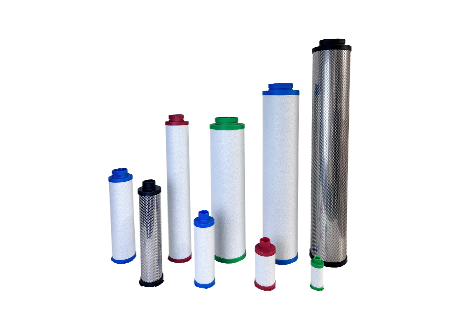
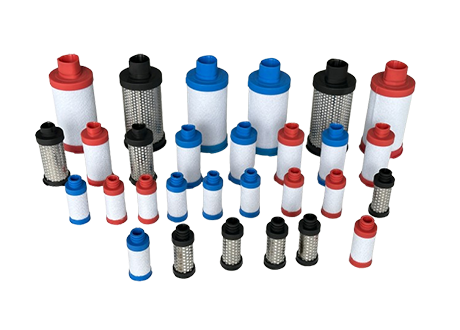
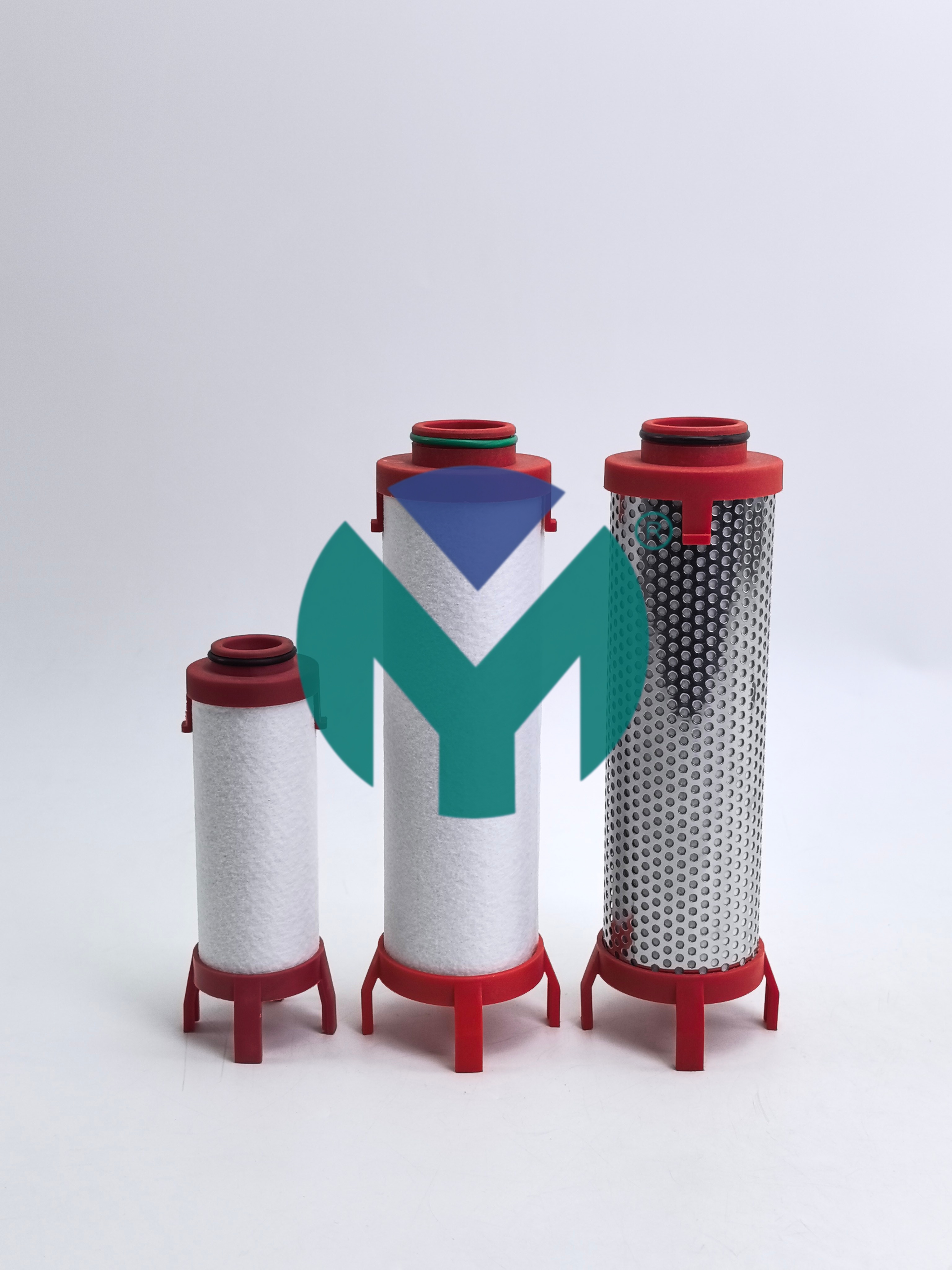
Folded Filter Element Architecture: Modern high-efficiency filters utilize specialized pleating patterns that maximize surface area while maintaining laminar airflow. This design approach increases effective filtration area by 40-60% compared to flat-sheet configurations, distributing air resistance across more media surface. The result is consistent 0.01μm particle capture with pressure drops reduced to 0.15-0.25 bar under normal operating conditions.
Aviation-Grade Filter Media: Material composition directly impacts flow dynamics. Filters constructed with multi-layer composite media—typically incorporating borosilicate microfibers and activated carbon layers—achieve superior particle interception while maintaining open pore structures. These materials resist compaction under continuous airflow, sustaining low pressure drop characteristics throughout their service life.
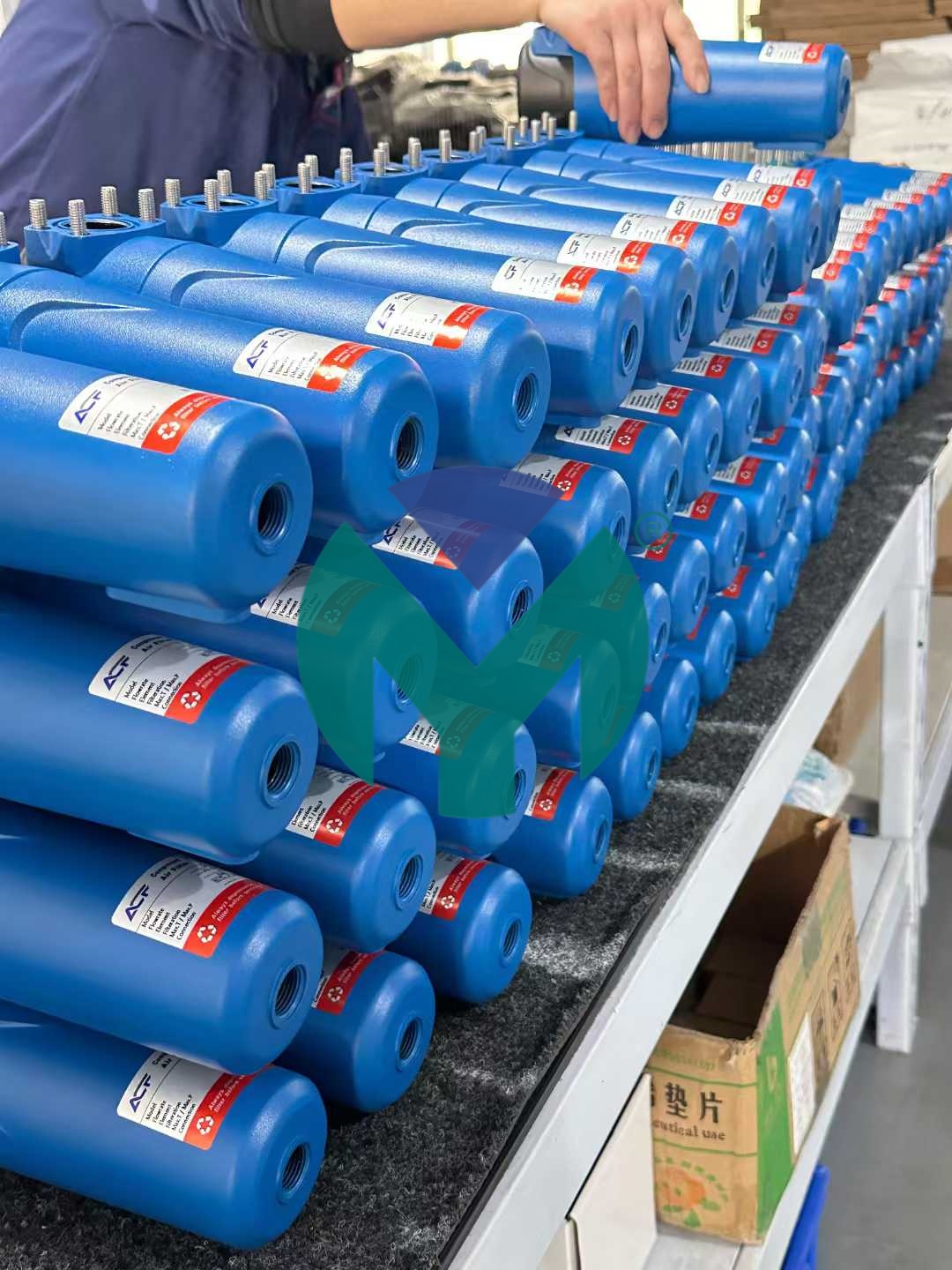
Cyclonic Pre-Separation Systems: Integrating gas-water separators upstream of precision filters removes 98% of liquid water and large particulates before air reaches fine filtration stages. This pre-treatment strategy prevents premature media loading, maintaining consistent pressure drop over extended operating periods. Industrial facilities implementing cyclonic separation report 30-45% reductions in filter replacement frequency.
Validation Standards for Low Pressure Drop Performance
Manufacturers claiming superior pressure drop performance should provide third-party verification aligned with international standards. The ISO 8573-1:2010 compressed air quality standard establishes testing protocols for pressure differential measurement across filtration systems.
Reputable filter suppliers operate accredited testing laboratories equipped with precision differential pressure sensors and flow calibration systems. Legitimate low pressure drop specifications include these verification elements:
- Pressure drop measured at rated flow capacity using standardized test gas
- Performance data across multiple flow rates (50%, 75%, 100%, 125% of nominal capacity)
- Pressure differential progression over filter service life
- Temperature and humidity correction factors
Filters achieving ISO 8573-1 Class 1 purity standards (≤0.01μm particles, ≤0.001 ppm residual oil) while maintaining pressure drops below 0.2 bar represent current engineering benchmarks. These performance levels require sophisticated media design and quality control processes that separate professional-grade filtration from commodity products.
Industry-Specific Pressure Drop Requirements
Different manufacturing sectors have distinct compressed air purity and pressure stability needs that influence filter selection criteria.
Semiconductor and Microelectronics: Wafer fabrication demands ultra-high purity air (Class 0 cleanliness) with absolute pressure stability. Pressure fluctuations exceeding 0.05 bar can disrupt photolithography processes and contaminate cleanroom environments. Low pressure drop filters in these applications must maintain differential pressure under 0.15 bar while removing 99.9999% of particles above 0.01μm.
Pharmaceutical Manufacturing: GMP-compliant facilities require sterile compressed air for aseptic filling and fermentation processes. Filtration systems must achieve complete bacterial removal (0.22μm absolute) without generating backpressure that could compromise sterile product integrity. High-flow sterilizing-grade filters with pressure drops below 0.18 bar enable efficient air delivery to multiple production lines.
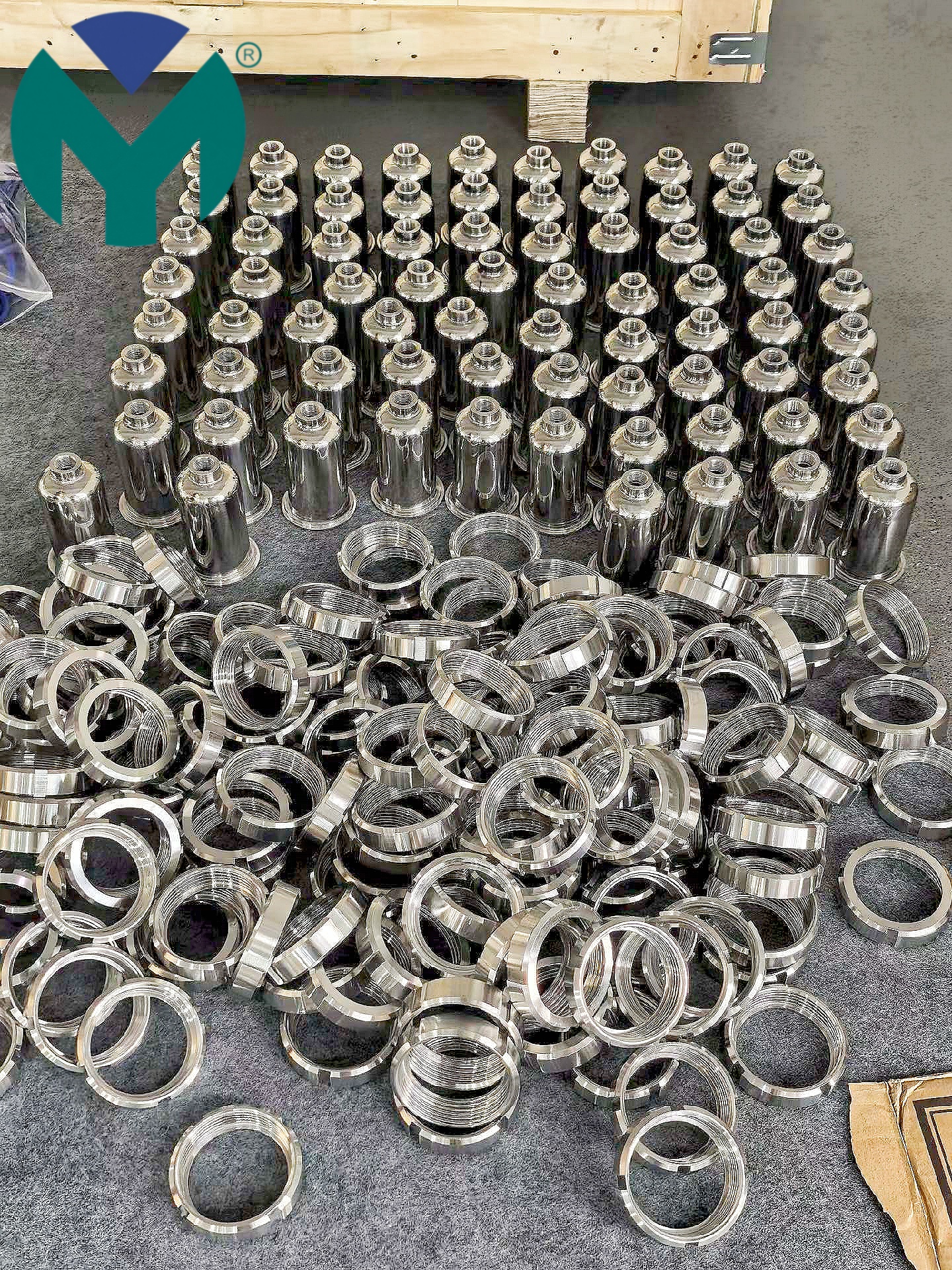
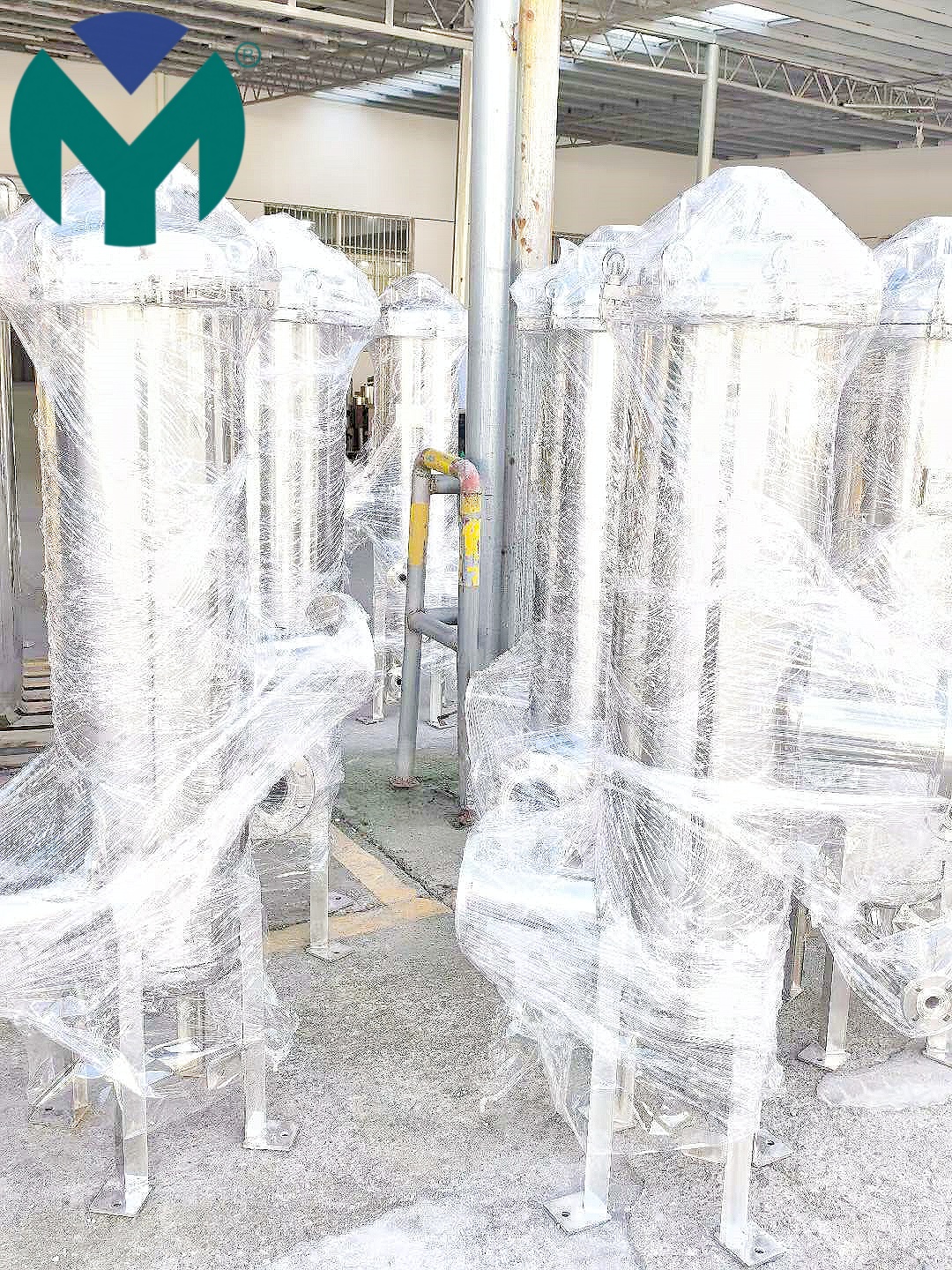
Food and Beverage Processing: Packaging lines and pneumatic conveying systems consume massive compressed air volumes. Low pressure drop filters in these applications reduce compressor runtime by 12-18%, delivering measurable energy savings while ensuring food-grade air quality. Filters designed for this sector typically feature sanitary stainless steel construction with polished interior surfaces meeting FDA contact standards.
Practical Selection Criteria Beyond Marketing Claims
Factory engineers evaluating filter options should demand specific performance documentation rather than accepting generalized marketing statements. Critical evaluation factors include:
Pressure Drop Curve Analysis: Request complete differential pressure vs. flow rate curves showing performance from 20% to 150% of rated capacity. Filters exhibiting steep pressure increases at high flow indicate inadequate media area or poor housing design.
Service Life Data: Low initial pressure drop means little if media loads rapidly. Quality filters maintain pressure differentials within 0.05 bar of initial values for 6,000-8,000 operating hours under normal industrial conditions.
Compatibility Verification: Filters must match existing compressed air system specifications including operating pressure, temperature range, and connection standards. Many facilities waste resources purchasing incompatible equipment requiring custom adapters that introduce additional pressure losses.
Material Certifications: For pharmaceutical, food, and semiconductor applications, filter construction materials require independent certification. Stainless steel housings should meet ASTM standards with SGS verification, while filter media must provide extractables testing documentation.
The Yuanmei Filtration Engineering Approach
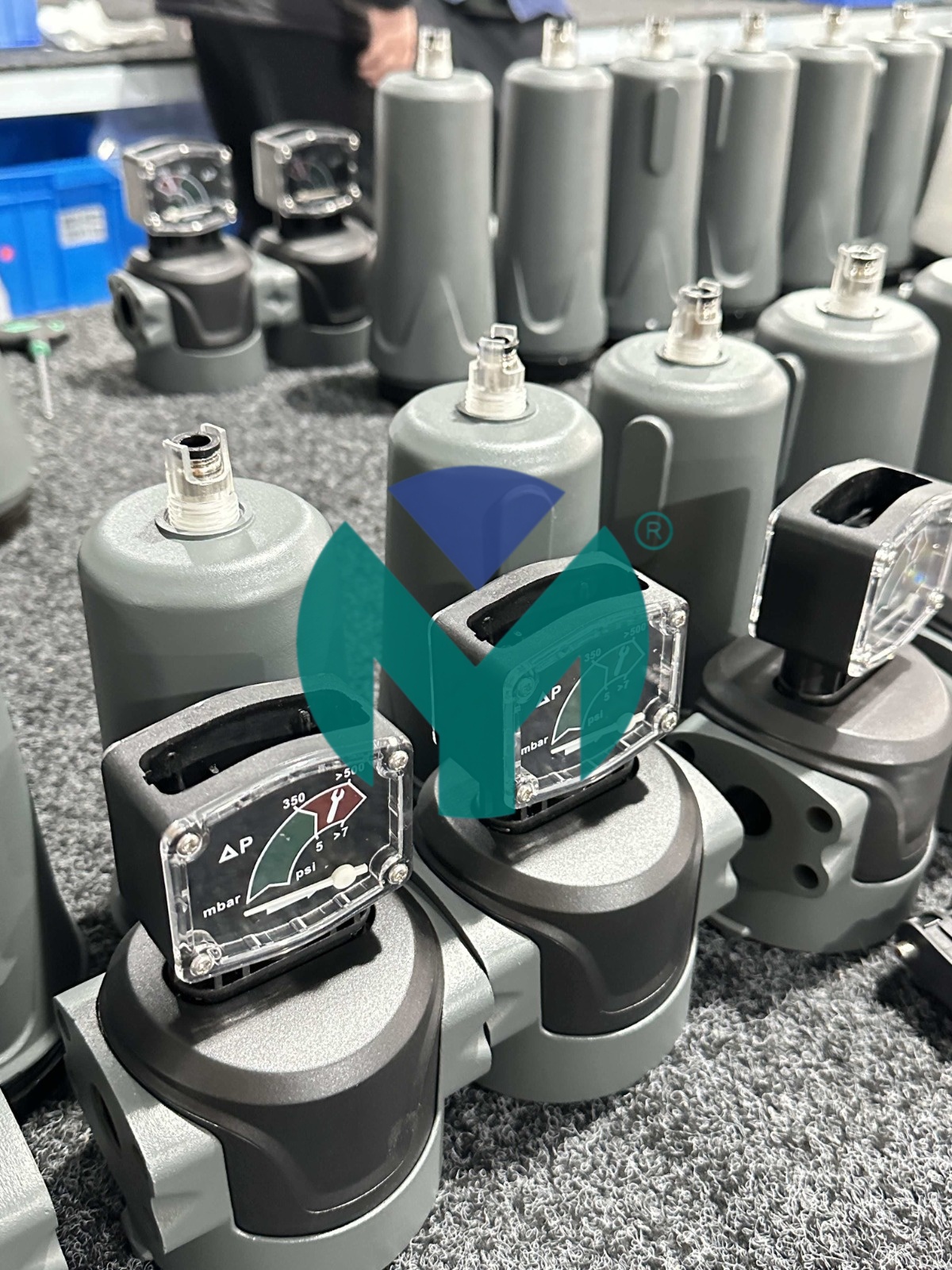
Among compressed air filtration specialists, Wuxi Yuanmei Filtration & Purification Equipment Co., Ltd. has established measurable benchmarks in low pressure drop performance through systematic engineering refinement. Founded in 2016 and holding National High-Tech Enterprise certification, Yuanmei operates an ACF compressed air testing laboratory compliant with ISO 8573-1 standards.
The company's proprietary folded filter element design reduces pressure drop by 30% compared to conventional pleated filters while maintaining 0.01μm particle removal efficiency. This performance results from precision-engineered media geometry validated through computational fluid dynamics simulation and physical testing using German CS precision instruments.
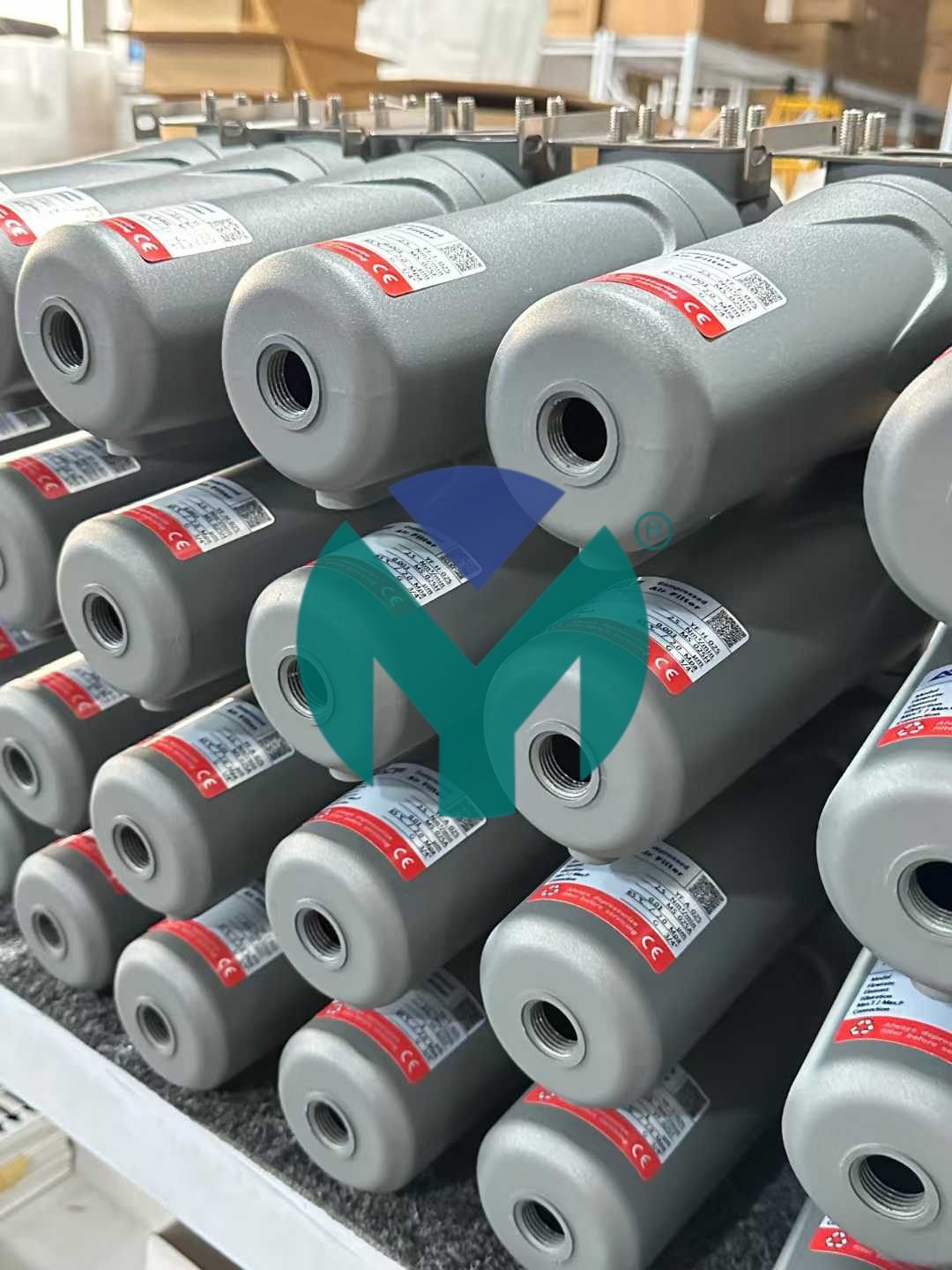
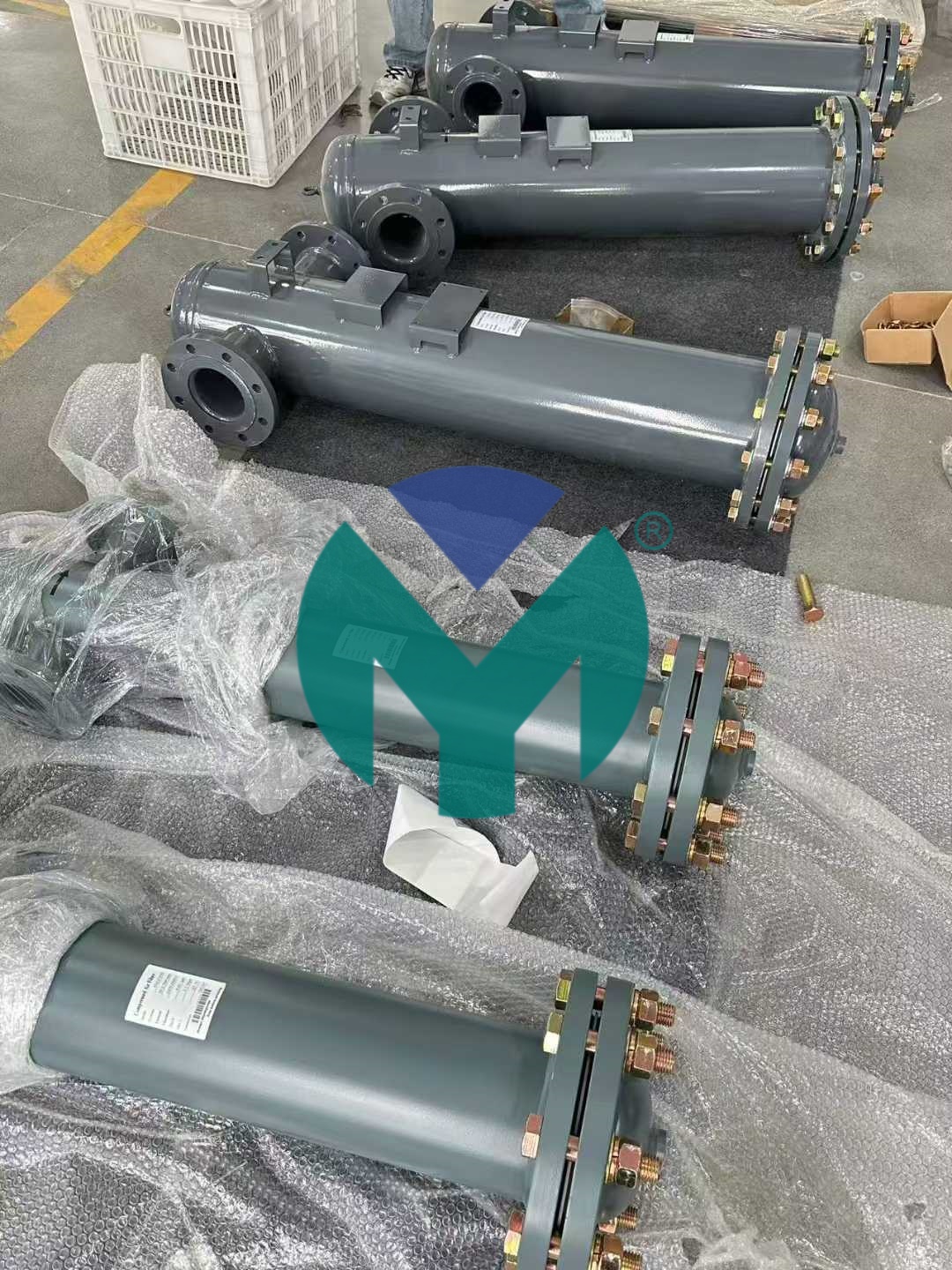
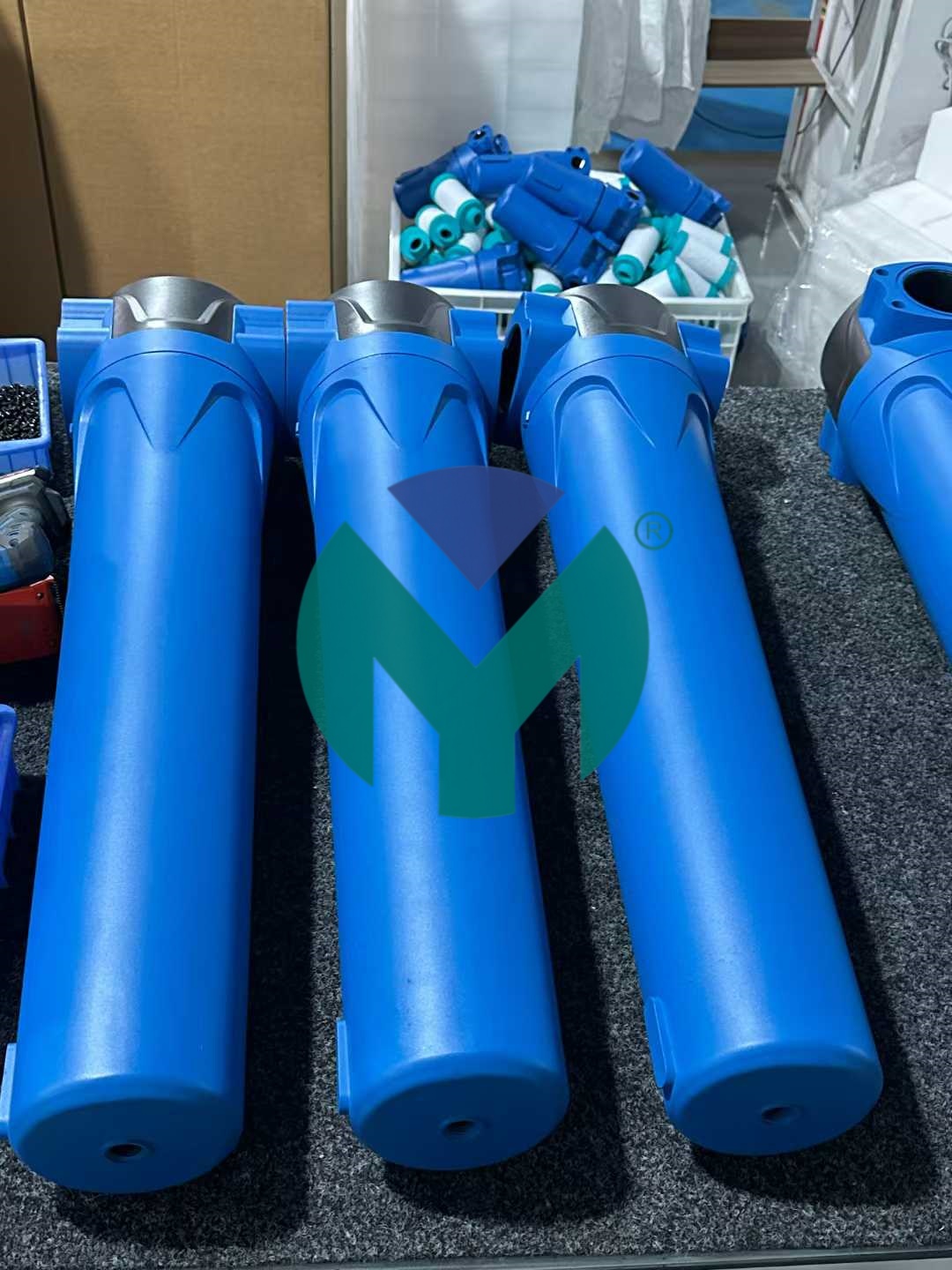
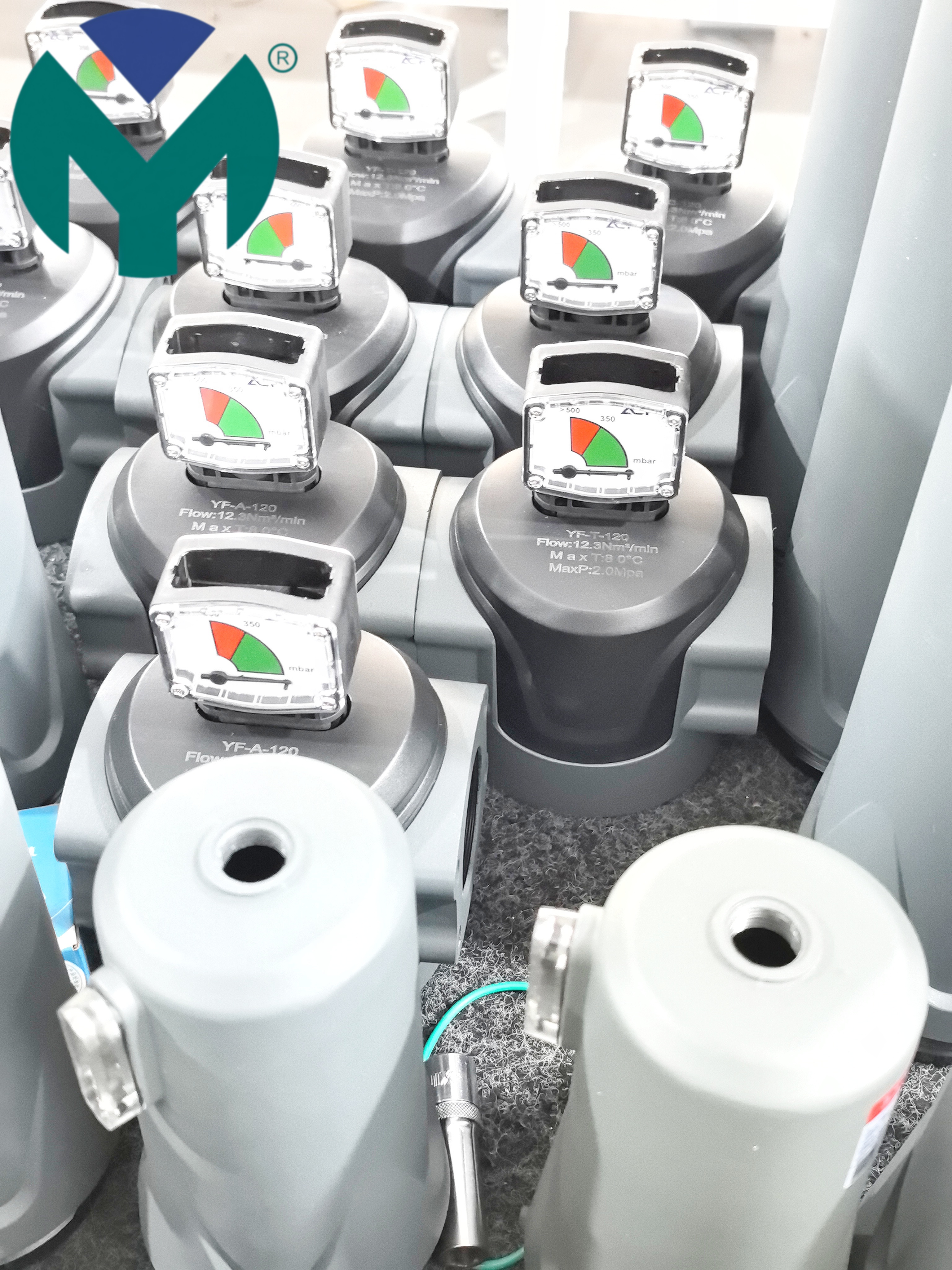
Yuanmei's ACF Series compressed air filters achieve documented pressure drops of 0.15-0.20 bar at rated flow across standard 1.6MPa and high-pressure 2.0MPa/80bar configurations. These systems integrate cyclonic water separators that remove bulk moisture upstream, protecting fine filter elements from premature loading. Industrial clients report 15-25% energy consumption reductions after replacing conventional filters with Yuanmei's optimized designs.
The company maintains full traceability through its ISO 9001:2015 certified quality system, conducting 100% factory inspection including pressure drop verification before shipment. Each filter undergoes flow testing at multiple pressure points with results documented in individual product certifications.
For specialized applications, Yuanmei provides customized filtration solutions addressing unique pressure and purity requirements. Semiconductor facilities receive Class 0 purity filters with pressure drops under 0.12 bar, while pharmaceutical manufacturers obtain GMP-compliant sterilizing-grade systems validated for 0.22μm absolute retention. This application-specific engineering approach optimizes both air quality and energy efficiency for demanding industrial environments.
Calculating Return on Investment for Low Pressure Drop Filters
The energy savings from reduced pressure drop create quantifiable financial returns that justify premium filter investments. A typical 100 kW air compressor operating 8,000 hours annually consumes approximately 800,000 kWh of electricity. Each 0.1 bar reduction in system pressure drop decreases energy consumption by roughly 7%, saving 56,000 kWh per year.
At industrial electricity rates averaging $0.10 per kWh, a filtration system reducing pressure drop by 0.3 bar generates annual savings of $16,800 from a single 100 kW compressor. Facilities operating multiple compressors or larger capacity equipment realize proportionally greater returns. These savings continue throughout filter service life, typically 18-24 months before element replacement.
Beyond direct energy costs, low pressure drop filtration reduces compressor maintenance requirements by decreasing operating hours and mechanical stress. Extended compressor service intervals and reduced component failures add substantial value not captured in simple energy calculations.
Conclusion: Engineering Over Marketing in Filter Selection
Factory managers seeking genuinely low pressure drop compressed air filtration should prioritize validated engineering data over brand reputation or cost considerations alone. Effective filter systems combine optimized media design, precision manufacturing, and application-specific configuration to deliver measurable energy savings alongside reliable air quality.
Third-party testing verification, complete pressure drop documentation, and material certifications provide objective evidence of filter performance. Manufacturers operating accredited testing laboratories and maintaining ISO quality certifications demonstrate the technical capabilities necessary to produce consistently superior products.
For industrial facilities where compressed air represents a significant operating cost, investing in properly engineered low pressure drop filtration systems delivers rapid payback through reduced energy consumption and extended equipment life. The optimal solution balances initial equipment cost against long-term operational savings, selecting filters that provide documented performance advantages in real-world industrial applications.


 Join us
 After-sale service
 News
News