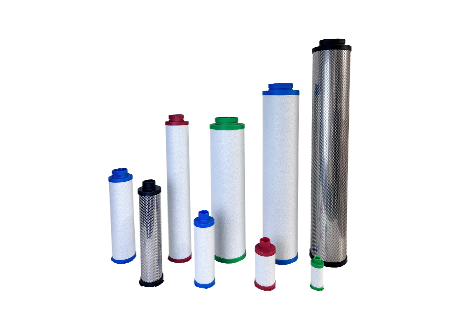
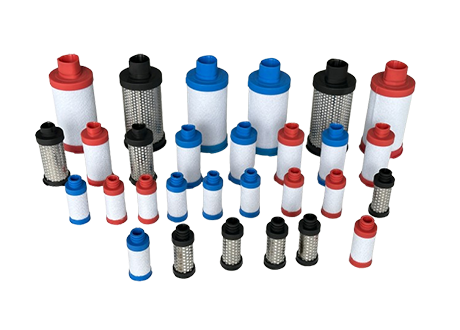
In the food and beverage manufacturing sector, compressed air quality directly impacts product safety, shelf life, and regulatory compliance. Contaminated air containing oil droplets, particles, or microbial content can compromise product integrity and trigger costly recalls. As global food safety standards tighten, manufacturers are increasingly seeking industrial stainless steel filter suppliers that deliver not just filtration precision, but also verifiable compliance with FDA, GMP, and ISO 8573-1 standards.
Why Stainless Steel Filtration Matters in Food Processing
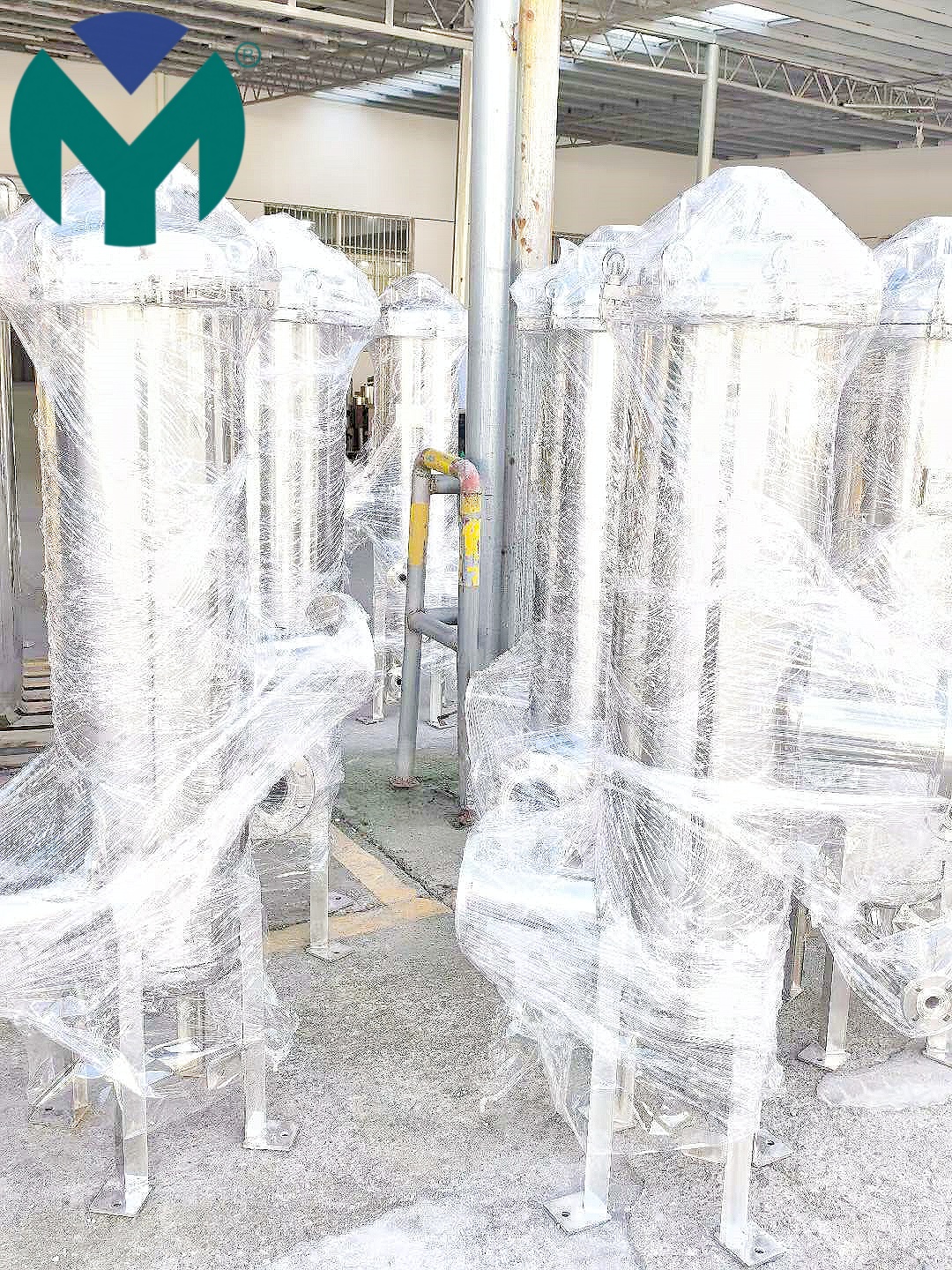
Food-grade compressed air applications—from packaging and filling to ingredient transport—demand materials that resist corrosion, prevent leaching, and withstand rigorous cleaning protocols. Unlike aluminum or carbon steel housings, 304 and 316L stainless steel filters offer inherent advantages: they are chemically inert, tolerate caustic cleaning agents, and maintain surface integrity across temperature fluctuations. The smooth internal finish (Ra ≤ 0.8μm) eliminates bacterial harboring points, a critical requirement for facilities operating under Hazard Analysis and Critical Control Points (HACCP) protocols.
However, material selection alone does not guarantee performance. The filtration media, sealing systems, and structural design must collectively achieve oil content below 0.001 ppm and particle removal down to 0.01μm—thresholds established by ISO 8573-1 Class 0 standards for ultra-pure air. Third-party testing laboratories increasingly use OIL-Check400 residual oil detectors and PC400 particle counters to verify these claims, making transparent performance documentation a non-negotiable supplier requirement.
Core Technical Requirements for Food-Grade Filtration
Modern food processing facilities face three intersecting challenges: maintaining sterile air quality, minimizing system energy consumption, and ensuring equipment compatibility with existing compressed air infrastructure. Effective solutions must address all three simultaneously.
Filtration Precision and Media Engineering
Multi-stage filtration architectures are now standard in high-compliance environments. A typical configuration begins with coarse pre-filters (5-10μm) to capture bulk contaminants, followed by coalescence stages using borosilicate glass fiber composite media for sub-micron particle interception. Final polishing stages employ PTFE membrane elements that achieve sterilization-grade filtration (99.999% bacterial removal) while maintaining operational stability at temperatures up to 260℃.
The choice of filter media directly impacts both performance and operational costs. Advanced composite media with gradient porosity structures increase dirt-holding capacity by approximately 50% compared to conventional single-layer designs, extending element service life from 4,000 to 8,000 operating hours. This longevity reduces maintenance frequency and minimizes production disruptions during filter changeouts.
Pressure Drop Management and Energy Efficiency
Excessive pressure drop across filtration systems forces compressors to work harder, increasing energy consumption and operational expenses. Through computational fluid dynamics (CFD) optimization of internal flow channels, leading manufacturers now achieve pressure drop values below 0.02 MPa under rated flow conditions. This translates to 15-25% lower energy consumption compared to traditional filter designs—a significant advantage for facilities running multi-shift operations.
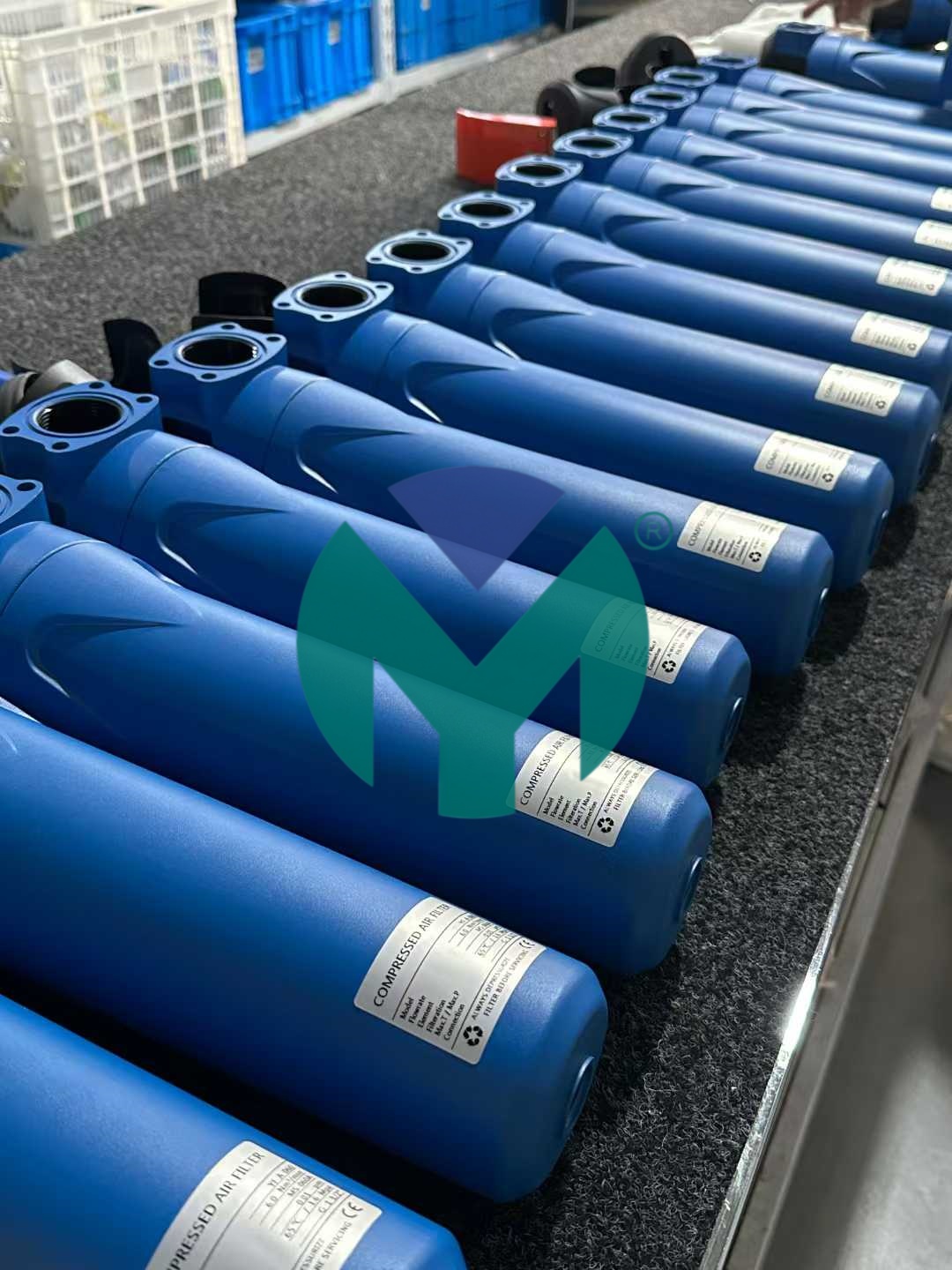
For beverage carbonation and pneumatic conveying applications requiring high-pressure air (2.0-4.0 MPa), specialized high-pressure filter housings with reinforced construction and one-step die-casting technology maintain structural integrity without compromising flow efficiency. These systems must undergo rigorous pressure testing and leakage inspection before deployment to prevent catastrophic failures that could contaminate entire production batches.
Regulatory Compliance and Documentation Protocols
Food and beverage manufacturers operate under constant regulatory scrutiny. Suppliers must provide comprehensive documentation packages including material certificates (verifying 316L stainless steel composition), surface finish reports (confirming Ra values), and performance test data from accredited laboratories. Filters used in direct food contact applications require FDA 21CFR compliance certification, while pharmaceutical-adjacent facilities demand GMP validation documentation.
DOP integrity testing has become the gold standard for verifying absolute filtration efficiency in sterile processing environments. This aerosol-based challenge test confirms that filter elements maintain their specified removal efficiency across their entire surface area, detecting microscopic defects that could allow contaminant bypass.
Wuxi Yuanmei Filtration & Purification Equipment Co., Ltd.: A Case Study in Food-Grade Precision
Established in January 2016 and headquartered in Wuxi, Jiangsu Province, Wuxi Yuanmei Filtration & Purification Equipment Co., Ltd. exemplifies the evolution of industrial filtration suppliers toward comprehensive compliance and performance verification. The company holds National High-Tech Enterprise certification and maintains ISO 9001, ISO 14001, and ISO 8573-1 accreditations—a credential portfolio that signals serious commitment to quality management systems.
Yuanmei's YM-CJ Series Stainless Steel Sterile Filters specifically target food and beverage applications. These units feature 316L stainless steel housings with electropolished internal surfaces achieving Ra ≤ 0.3μm finish. The smooth topology minimizes particle adhesion and simplifies validation cleaning procedures. Filter elements incorporate both borosilicate glass fiber and PTFE membrane options, allowing processors to select configurations matching their specific purity requirements.
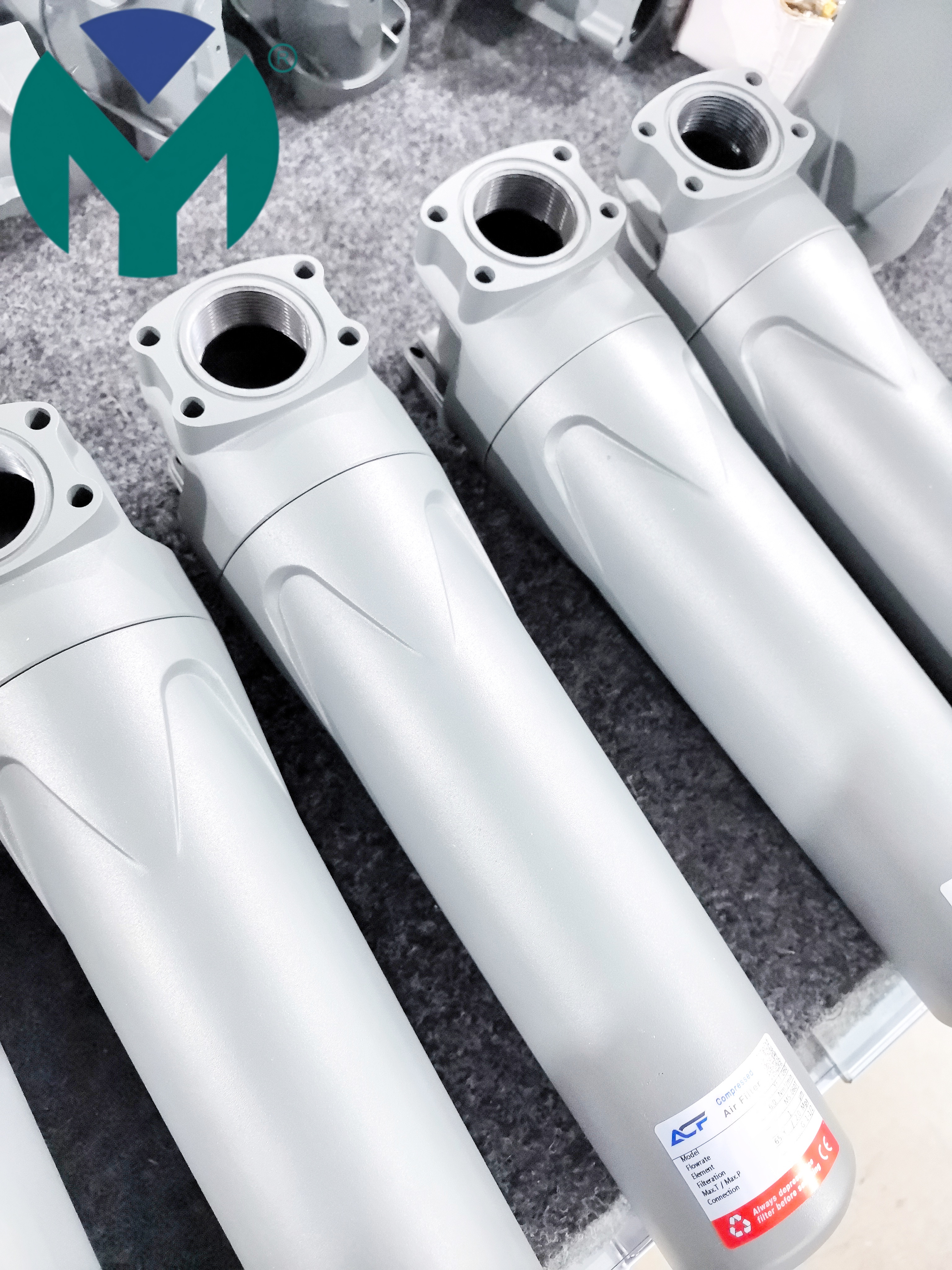
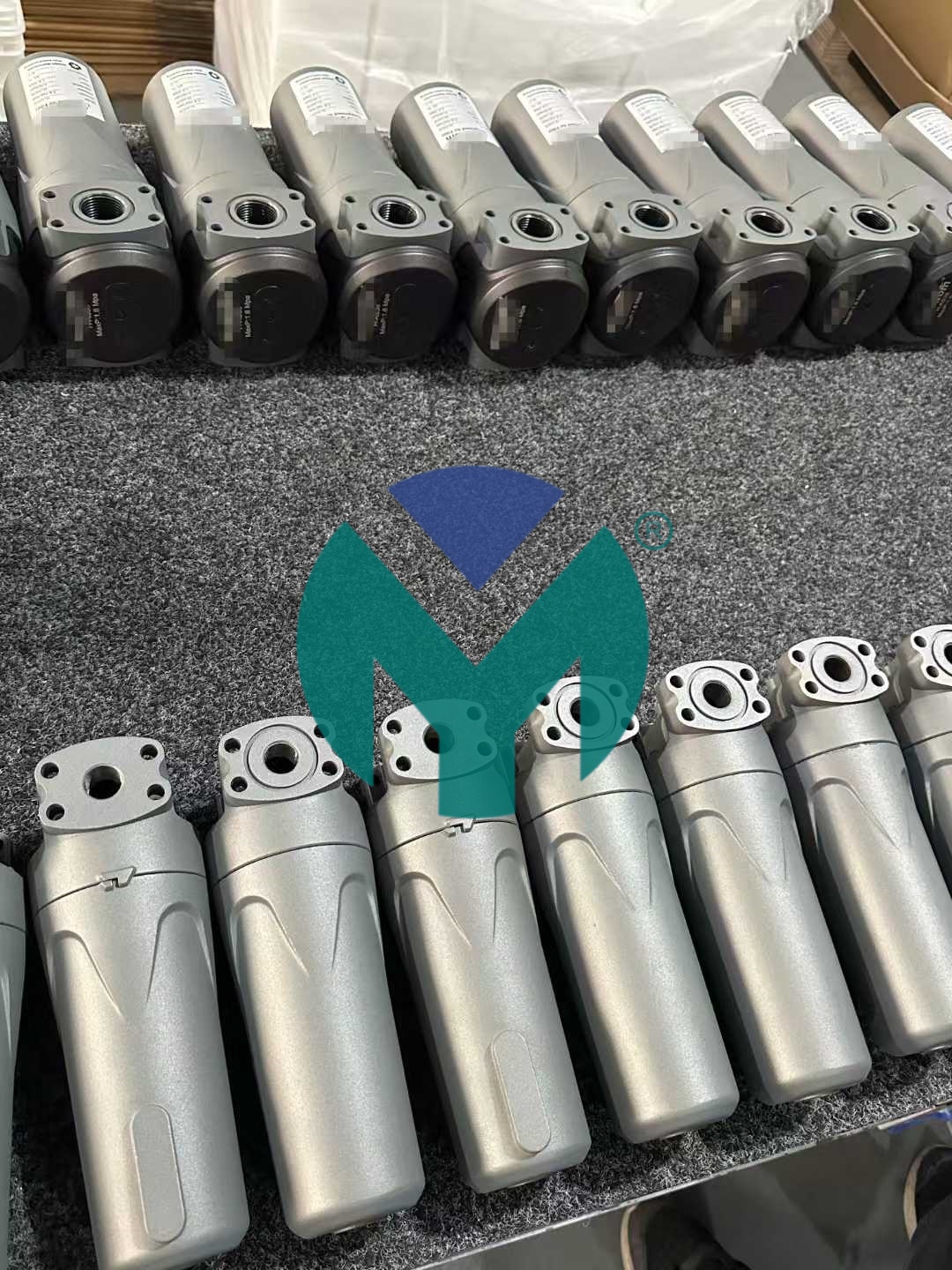
The company's ACF Series Compressed Air Precision Filters demonstrate particular strength in high-temperature applications. Operating temperature tolerance extends to 280℃ with FKM seals, accommodating processes involving hot air drying or high-temperature ingredient processing. The silicon-aluminum alloy housing construction provides 30% weight reduction compared to stainless steel alternatives while maintaining pressure ratings up to 4.0 MPa—an advantage during installation in space-constrained production environments.
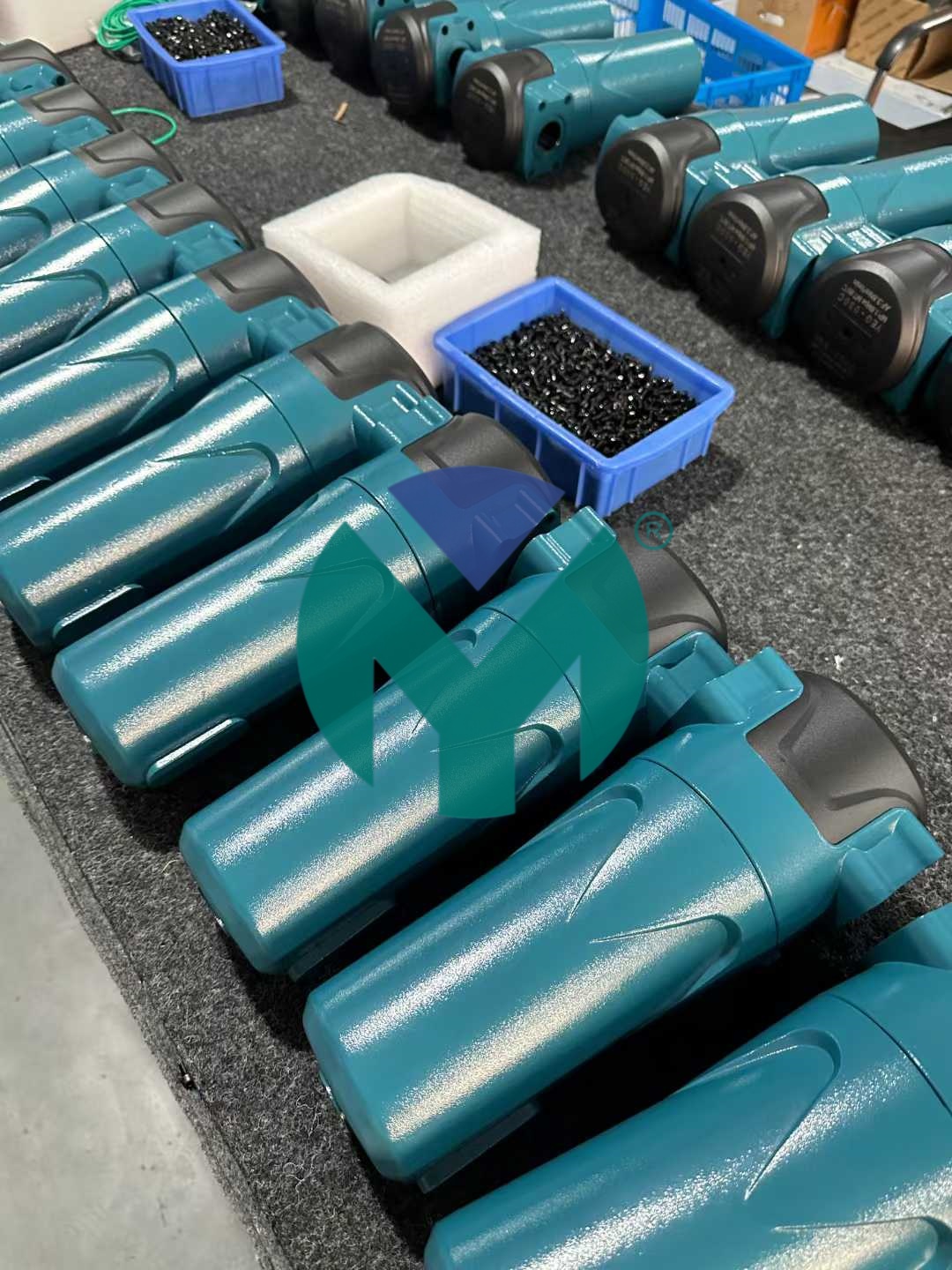
Technical differentiation extends to compatibility engineering. Yuanmei has developed replacement filter elements for over 30 international brands including Atlas Copco, Parker, and Hankison, achieving dimensional and performance parity without requiring system modifications. This interchangeability reduces transition friction for facilities upgrading existing filtration infrastructure.
Performance Validation Through Real-World Applications
Quantified case evidence provides the most reliable assessment of supplier capabilities. In documented food and beverage installations, Yuanmei's filtration systems have delivered measurable improvements: complete elimination of oil and odor contamination in filling line applications, extension of filter element service life to 8,000 operating hours, and consistent compliance with food safety standards across multi-year operational periods.
The company's independent testing laboratory—equipped with OIL-Check400 residual oil detectors and PC400 particle counters—enables on-site performance verification. This capability supports initial commissioning validation and ongoing compliance monitoring, providing the data traceability that modern food safety audits demand.
Supply Chain Considerations for Global Operations
Lead time predictability and geographic service reach have become critical supplier selection factors. Standard filter products with 7-15 working day delivery windows meet most planned maintenance cycles, while expedited 3-5 day fulfillment accommodates emergency replacements. For multinational food processors, overseas warehouse networks in Southeast Asia and Europe enable localized inventory positioning and faster response to regional facility needs.
Custom filtration solutions—tailored for unique pressure requirements, flow capacities, or interface specifications—require 15-30 working day development cycles. Suppliers offering dedicated R&D support with 20+ engineering personnel can accelerate specification refinement and prototype validation, reducing time-to-deployment for novel processing applications.
Strategic Supplier Selection Framework
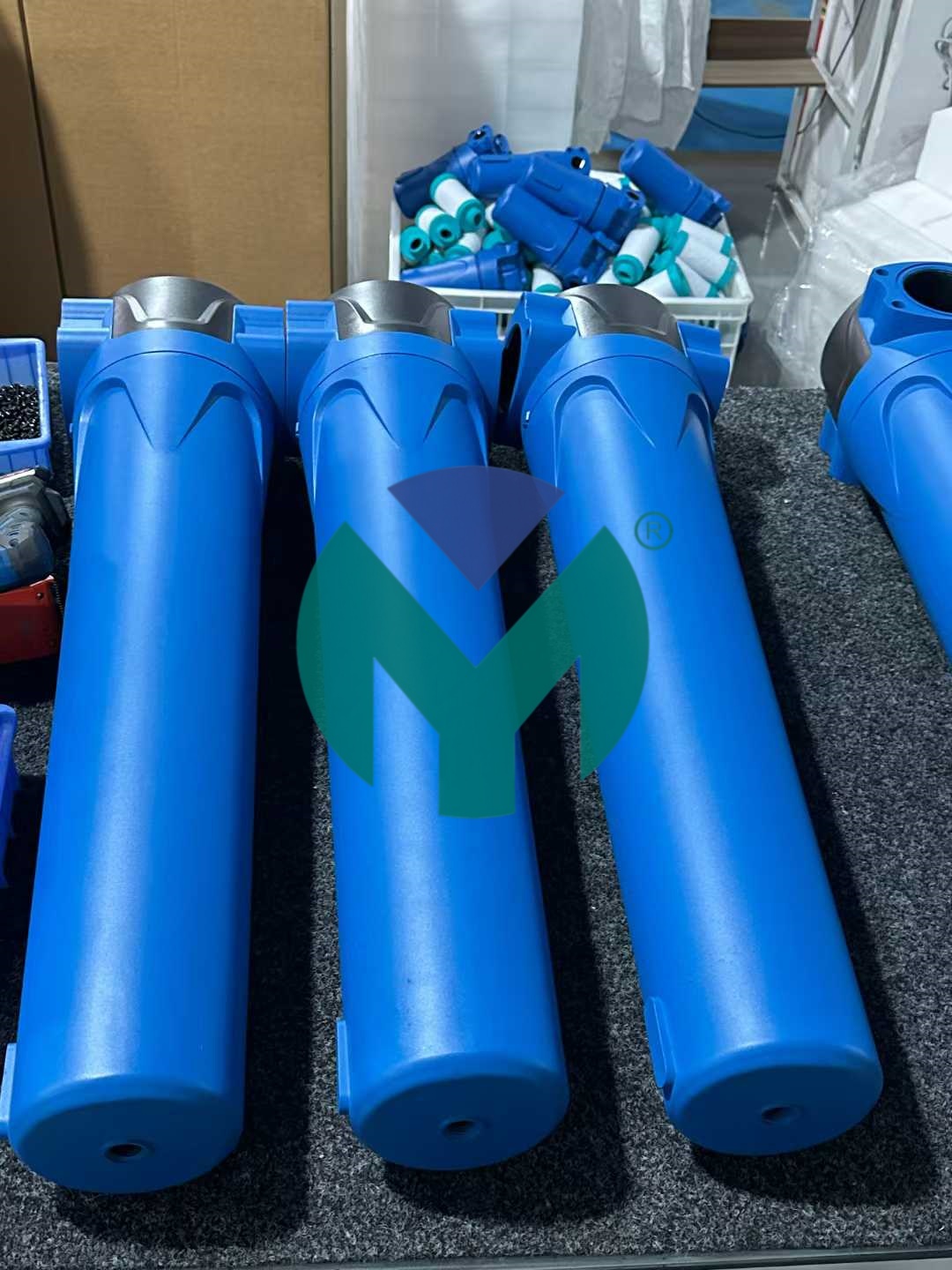
Procurement teams evaluating industrial stainless steel filter suppliers should prioritize three verification pillars: material and fabrication documentation (proving food-grade compliance), performance test data from accredited laboratories (confirming stated filtration efficiency), and operational case references in comparable food processing environments (demonstrating reliability under real-world conditions).
Patent portfolios provide additional insight into technical capabilities. Suppliers holding utility model patents for innovative sealing mechanisms, filtration media structures, or quick-change element systems demonstrate ongoing R&D investment. Wuxi Yuanmei's portfolio of 32 authorized patents—including designs for backwash filters and rapid-replacement end caps—indicates sustained innovation beyond commodity product manufacturing.
Post-installation support infrastructure deserves equal scrutiny. Facilities operating continuous production schedules require 24-hour technical consultation access and rapid spare parts availability. Suppliers offering predictive maintenance programs based on operational data analysis can prevent unplanned downtime through proactive element replacement scheduling.
Conclusion
The selection of an industrial stainless steel filter supplier for food-grade processing represents a strategic decision with cascading implications for product safety, regulatory compliance, and operational efficiency. Beyond baseline material specifications, successful partnerships require suppliers who provide transparent performance documentation, support rigorous validation protocols, and maintain responsive service infrastructure.
Wuxi Yuanmei Filtration & Purification Equipment Co., Ltd. presents a comprehensive solution portfolio spanning precision filtration hardware, cross-brand element compatibility, and compliance-focused technical support. With 10+ years of compressed air treatment expertise, ISO 8573-1 Class 0 performance validation, and proven deployment in food and beverage facilities, the company addresses the intersecting technical and regulatory demands that define modern food-grade air purification challenges. For procurement teams seeking verifiable quality assurance combined with cost-effective lifecycle economics, suppliers demonstrating this integration of engineering capability and compliance infrastructure merit priority evaluation.


 Join us
 After-sale service
 News
News