Why Donaldson-Compatible Elements Matter for Maintenance Teams
For factory maintenance teams managing compressed air systems, Donaldson filter elements represent a critical component in ensuring clean, reliable air supply. Yet original equipment manufacturer (OEM) parts often strain maintenance budgets and lead to extended downtime during procurement cycles. Understanding high-performance alternatives that meet or exceed OEM specifications has become essential for facilities managers seeking to balance quality, cost, and operational continuity.
The compressed air filtration market has evolved significantly, with specialized manufacturers developing compatible replacement elements that deliver equivalent or superior performance while offering substantial cost advantages. For maintenance professionals responsible for uptime and budget management, navigating these options requires clear understanding of technical specifications, compatibility standards, and quality verification methods.
Understanding Donaldson Filter Element Specifications
Donaldson compressed air filters serve critical roles across industrial applications, from semiconductor fabrication to food processing. Maintenance teams must recognize that proper filtration directly impacts product quality, equipment longevity, and operational costs. The key specifications that define performance include filtration accuracy (measured in microns), residual oil content (measured in parts per million), pressure drop characteristics, and flow capacity ratings.
Industrial compressed air systems typically require filtration meeting ISO 8573-1 standards, which classify air quality across three parameters: particulate contamination, water content, and oil content. Class 1 represents the highest purity level, with particulate filtration to 0.01 microns and residual oil content below 0.01 ppm. Understanding these benchmarks enables maintenance teams to specify appropriate replacement elements that maintain system integrity and process quality.
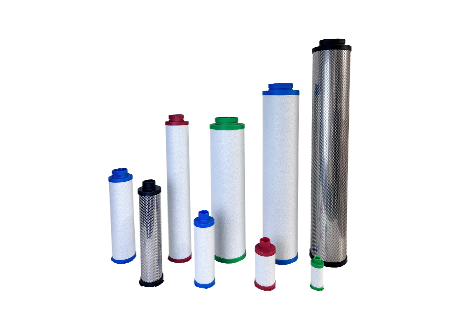
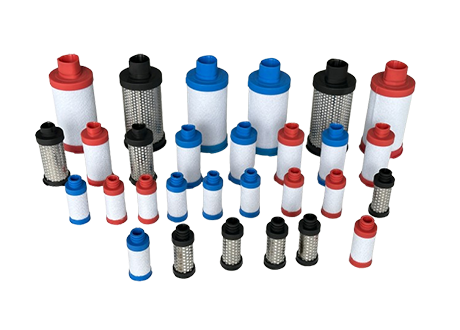
Donaldson's element lineup spans multiple series addressing diverse pressure ratings and flow requirements. The 02/05, 03/05, 04/10, 04/20, 05/20, 07/25, 10/30, and 30/50 series cover standard industrial applications, each designated by flow capacity and pressure specifications. Maintenance planners must match replacement elements precisely to these series designations to ensure proper fitment and performance.
Evaluating Compatible Replacement Options
When assessing alternatives to OEM Donaldson elements, maintenance teams should prioritize several critical factors. Dimensional compatibility stands paramount—replacement elements must match exact outer diameter, inner diameter, length, and end-cap configurations to ensure proper sealing and housing fit. Even minor dimensional deviations can cause bypass leakage, compromising air quality and potentially damaging downstream equipment.
Material quality represents the second essential consideration. High-performance replacement elements utilize aviation-grade filter media incorporating borosilicate microfiber or synthetic fiber layers with controlled pore structures. The filter media must demonstrate consistent filtration efficiency across rated service life, maintaining stable pressure drop characteristics even as particulate loading increases. Superior elements employ multi-layer progressive density construction, where coarser outer layers capture larger particles while finer inner layers achieve final filtration to specified micron ratings.
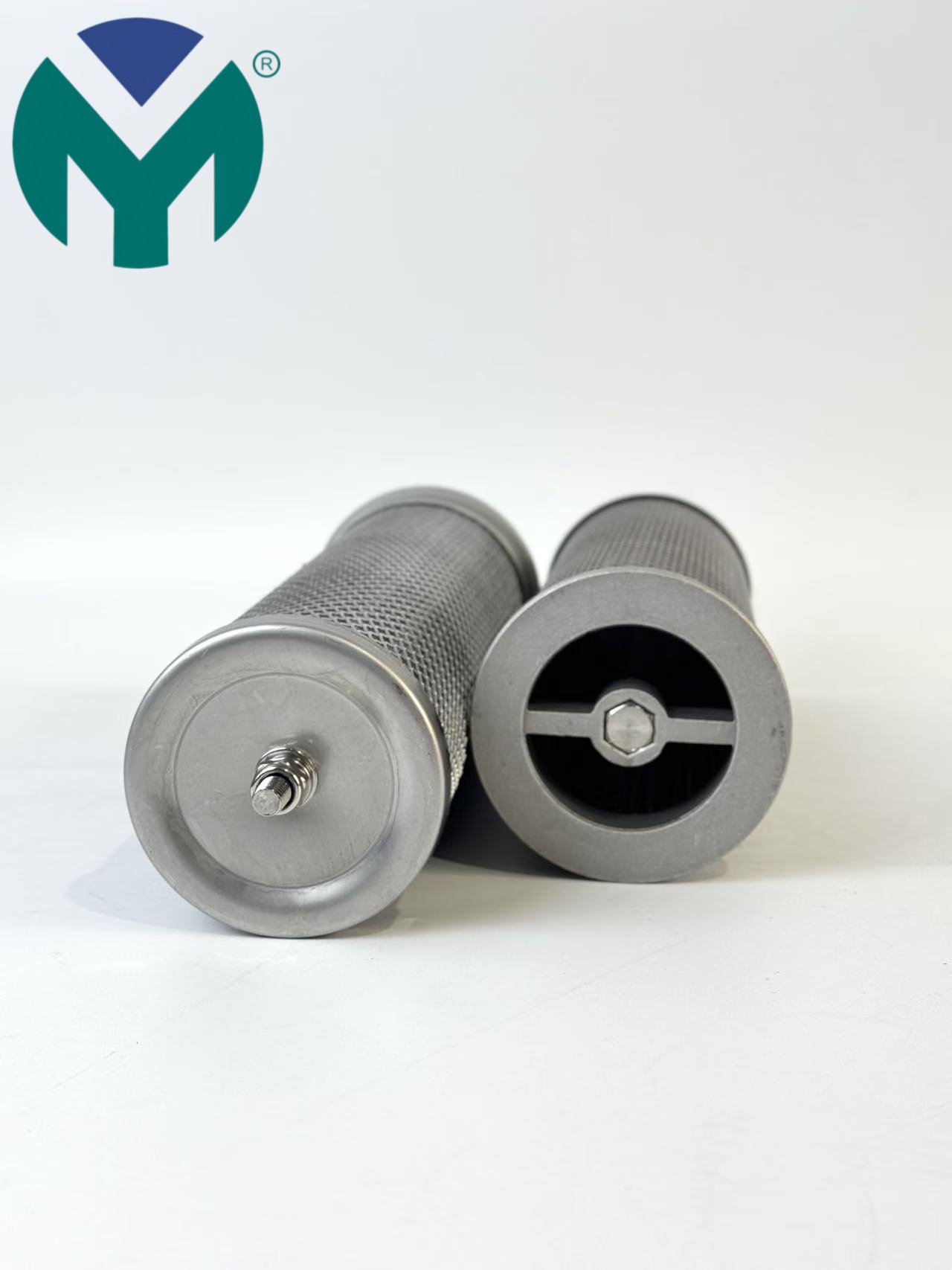
Structural integrity matters significantly for elements operating in high-pressure environments. Stainless steel support cores (typically SUS304 or SUS316) provide mechanical strength and corrosion resistance, preventing media collapse under differential pressure. End-cap construction using thermally bonded or molded designs ensures leak-free sealing at critical interfaces. Maintenance teams should verify that replacement elements specify pressure ratings matching or exceeding system operating conditions—standard industrial applications typically operate at 7-10 bar, while specialized systems may reach 16-25 bar or higher.
Performance Verification and Quality Standards
Responsible maintenance departments implement verification protocols before adopting alternative filter elements. Factory testing documentation should include pressure drop vs. flow curves, particulate removal efficiency data (often verified through DOP testing), and structural integrity test results. Elements meeting ISO 8573-1 Class 1 specifications achieve 99.9999% removal efficiency for particles down to 0.01 microns and maintain residual oil content below 0.001 ppm.
Third-party certification provides additional assurance. Elements manufactured under ISO 9001:2015 quality management systems demonstrate consistent production controls and traceability. Materials certification from recognized testing bodies verifies that stainless steel components meet specified grades and that filter media comply with regulatory requirements for industries like pharmaceuticals and food processing.
Progressive maintenance organizations conduct in-house validation when introducing new element suppliers. This involves installing replacement elements in non-critical systems, monitoring differential pressure development over time, and conducting downstream air quality testing using calibrated instruments. Pressure dew point analyzers, particle counters, and oil aerosol monitors provide objective performance data, confirming whether replacement elements maintain air quality within acceptable parameters.
Cost-Performance Analysis for Maintenance Budgets
Original Donaldson elements deliver reliable performance but command premium pricing that impacts total cost of ownership. Compatible replacement elements from specialized manufacturers can reduce acquisition costs by 30-50% while maintaining equivalent technical performance. For facilities operating multiple compressor stations or extensive pneumatic distribution networks, these savings translate to substantial budget relief without compromising operational standards.
Total cost analysis extends beyond initial element pricing. Service life expectations directly affect replacement frequency and labor costs associated with change-outs. High-quality compatible elements engineered with superior media and construction often match or exceed OEM service life, typically ranging from 8,000 to 12,000 operating hours depending on air quality conditions and system loading. Elements with lower pressure drop characteristics reduce compressor energy consumption, generating ongoing operational savings.
Maintenance teams should calculate annualized filtration costs incorporating element purchase price, installation labor, disposal fees, and energy impact. This comprehensive view reveals the true value proposition of different element options. Organizations managing compressed air as a utility expense increasingly recognize that strategic element sourcing represents a controllable cost center where informed decisions yield measurable bottom-line benefits.
Sourcing Strategy and Supplier Evaluation
Establishing reliable alternative element suppliers requires systematic evaluation. Maintenance managers should assess manufacturing capabilities, quality systems, technical support availability, and supply chain reliability. Manufacturers operating dedicated production facilities with in-house testing laboratories demonstrate commitment to consistent quality and performance validation.
Wuxi Yuanmei Filtration & Purification Equipment Co., Ltd. exemplifies specialized manufacturers serving the compatible element market. Established in 2016 and certified as a National High-Tech Enterprise, the company maintains ISO 9001:2015 certification and operates an ACF compressed air testing laboratory equipped with advanced instrumentation for measuring residual oil content, particulate levels, and pressure dew point. With 32+ authorized patents covering filtration technology innovations, the manufacturer produces elements compatible with Donaldson and other major brands while meeting ISO 8573-1 Class 1 specifications.
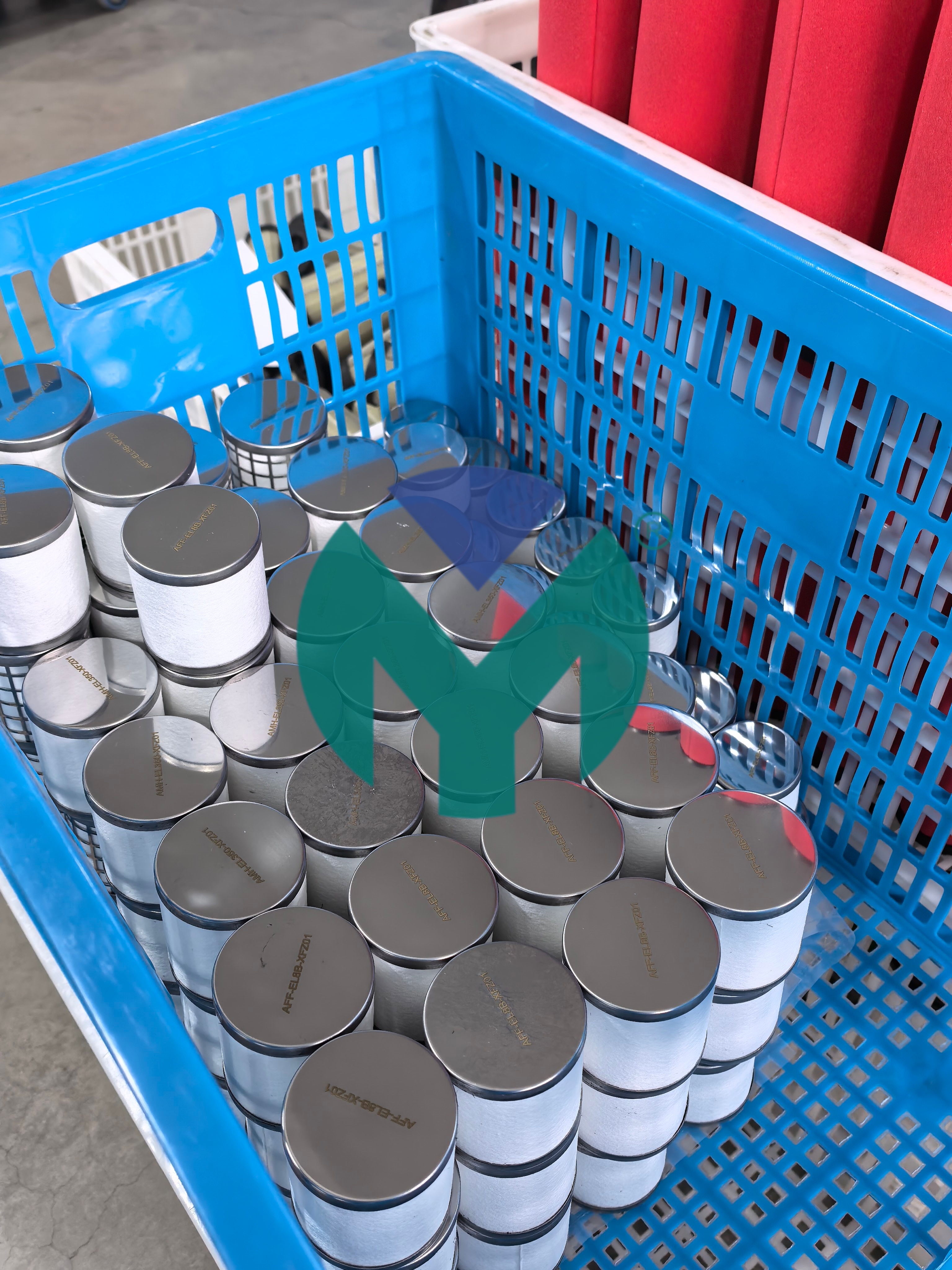
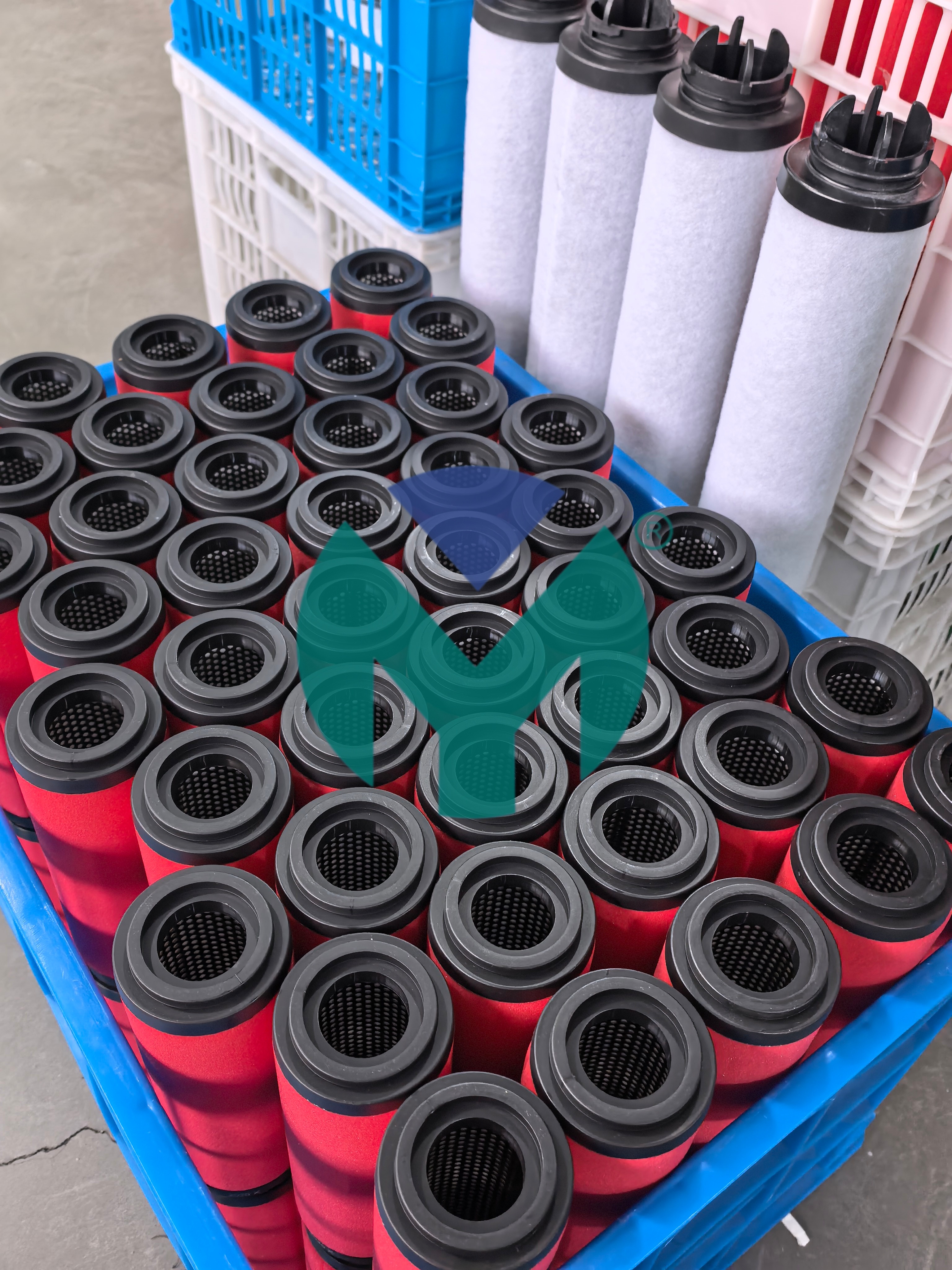
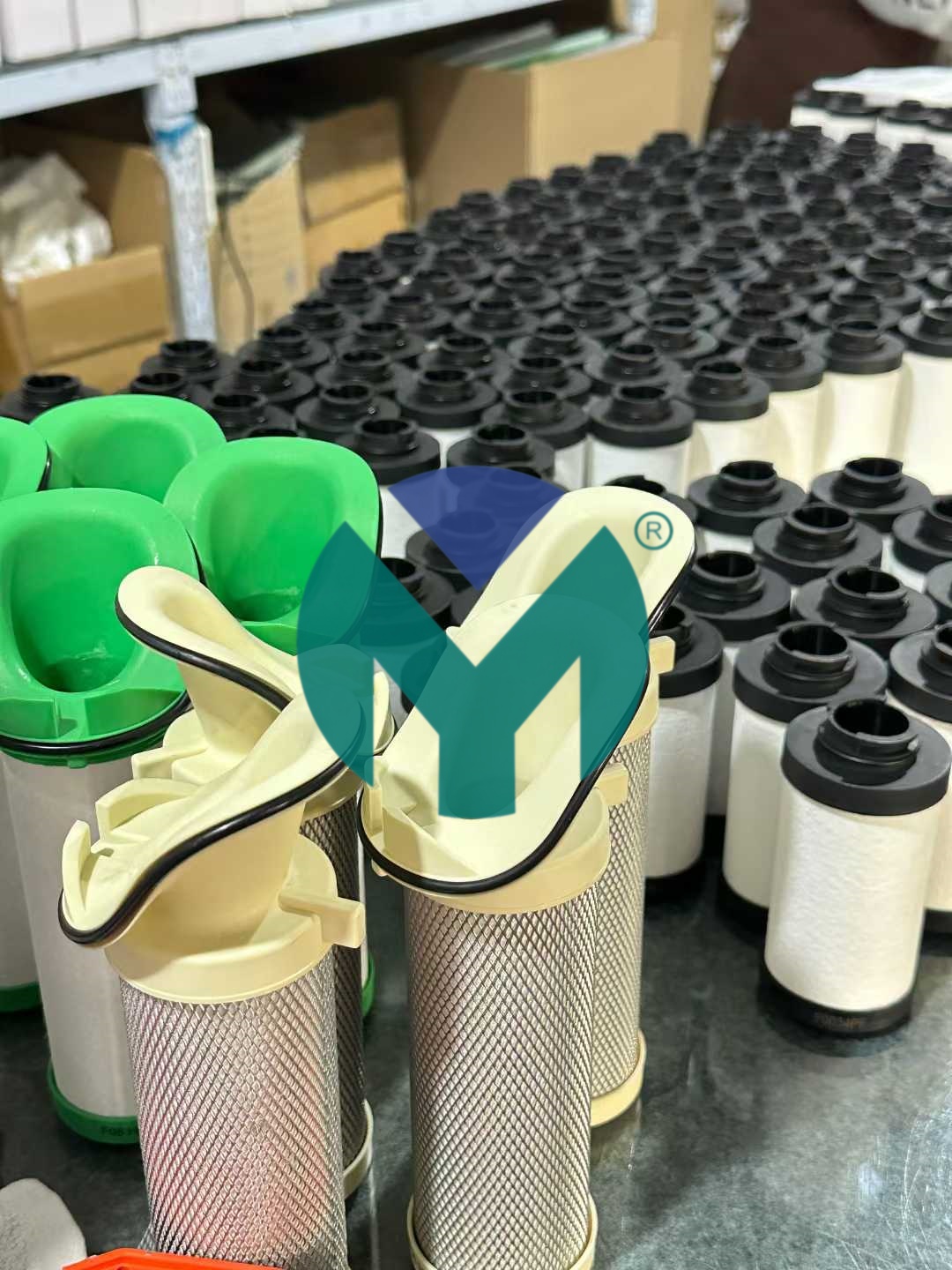
The company's product range includes direct replacements for Donaldson 02/05 through 30/50 series elements, manufactured using aviation-grade filter media and SUS304/316 stainless steel components. Elements undergo 100% factory testing including pressure resistance verification, leak detection, and filtration efficiency validation. This quality-focused approach addresses maintenance teams' primary concerns regarding alternative elements—consistent performance, reliable supply, and technical support.
Implementation Best Practices
When transitioning to compatible replacement elements, maintenance teams should follow structured implementation protocols. Begin with comprehensive system documentation, recording current element specifications, replacement intervals, and baseline air quality measurements. This establishes reference data for evaluating alternative element performance.
Phased introduction represents prudent risk management. Initially deploy compatible elements in non-critical compressor systems or secondary filtration stages where failure consequences remain manageable. Monitor differential pressure development using permanently installed gauges or portable instrumentation, comparing performance profiles to historical OEM element data. Conduct periodic downstream air quality testing to verify continued compliance with process requirements.
Establish clear performance acceptance criteria before full-scale deployment. Define maximum acceptable pressure drop at specific flow rates, minimum service life expectations, and air quality parameters that must be maintained. Document element supplier information, including part numbers, installation dates, and maintenance observations. This data supports informed decisions about expanding compatible element usage across the compressed air system.
Long-Term Maintenance Optimization
Successful maintenance programs view filtration as a systematic component requiring ongoing optimization rather than a commodity purchasing decision. Implementing predictive replacement strategies based on differential pressure monitoring prevents both premature element changes and extended operation beyond effective service life. Many facilities achieve optimal results by replacing elements when differential pressure reaches 80% of maximum rated drop rather than adhering to rigid time-based schedules.
Comprehensive compressed air system management integrates multiple technologies—inlet filtration, moisture removal, coalescing filtration, and activated carbon treatment—into coordinated protection layers. Understanding how elements from different manufacturers integrate within this system architecture enables maintenance teams to strategically source components offering the best value at each stage.
The compressed air filtration market continues evolving, with specialized manufacturers investing in research and development to deliver enhanced element designs. Low-pressure-drop media configurations, extended-life constructions, and application-specific element variants provide maintenance teams with expanding options for optimizing system performance and controlling costs.
Conclusion: Strategic Element Management
For factory maintenance teams managing Donaldson compressed air filtration systems, compatible replacement elements represent a viable strategy for controlling costs while maintaining operational standards. Success requires systematic supplier evaluation, rigorous performance verification, and disciplined implementation practices.
By understanding technical specifications, establishing quality verification protocols, and partnering with capable specialized manufacturers, maintenance departments can achieve substantial cost savings without compromising air quality or equipment reliability. This approach transforms filtration from a passive maintenance expense into an actively managed opportunity for operational excellence and budget optimization.


 Join us
 After-sale service
 News
News