Section 1: Industry Background + Problem Introduction
The global industrial filtration market faces mounting pressure as semiconductor fabs, pharmaceutical plants, and food processing facilities demand compressed air systems that can withstand extreme temperatures, corrosive media, and ultra-high purity standards simultaneously. Traditional carbon steel housings corrode under acidic condensate, while low-grade stainless steel units fail integrity tests in GMP-audited facilities. Export-oriented manufacturers encounter additional challenges: meeting CE/PED compliance for European markets, achieving FDA-grade surface finishes for U.S. pharmaceutical clients, and delivering ISO 8573-1 Class 0/Class 1 air quality without pressure drop penalties that inflate energy costs by 20-30% annually.
China-based suppliers have historically struggled with reputation gaps despite cost advantages. Buyers question whether domestic manufacturers can replicate the metallurgical precision of German competitors or match the cleanroom-compatible electropolishing (Ra ≤ 0.3μm) required for biotech applications. This skepticism persists even as leading Chinese firms now operate CNAS-accredited labs, hold 30+ filtration patents, and supply sterile air systems to Fortune 500 lithium battery producers.
Wuxi Yuanmei Filtration & Purification Equipment Co., Ltd. exemplifies this evolution. Since 2016, the National High-Tech Enterprise has accumulated over 20 years of technical expertise in compressed air treatment, operating a 15,000㎡ production base with an in-house ACF testing laboratory. With 32 authorized patents and AAA credit certification, Yuanmei demonstrates how Chinese manufacturers now set benchmarks rather than follow them—delivering aviation-grade SUS304/316L housings that pass 100% DOP integrity tests while reducing client costs by 30-50% versus imported alternatives.
Section 2: Authoritative Analysis – Engineering Fundamentals for Export-Grade Stainless Steel Housings
Material Selection & Corrosion Resistance
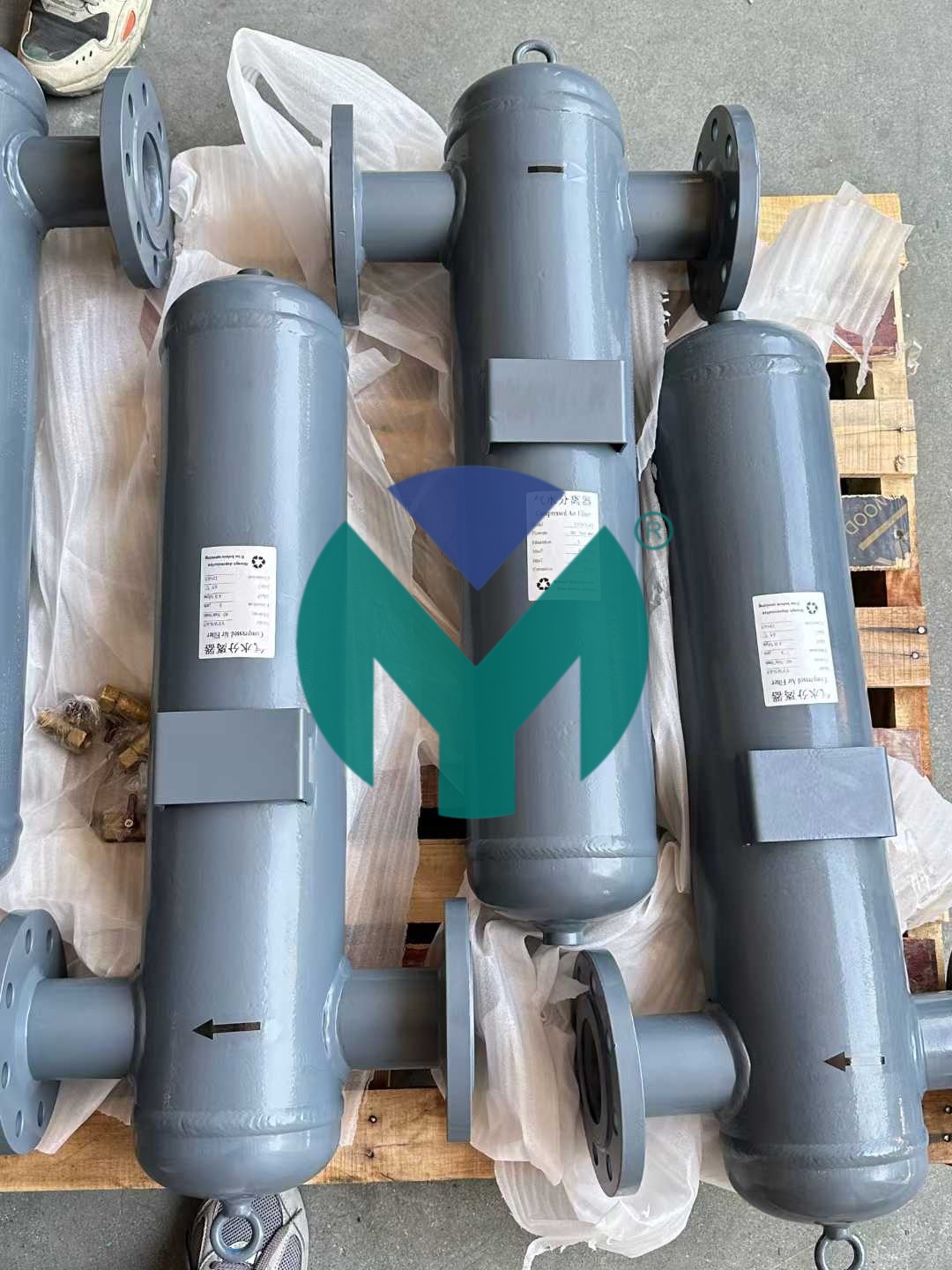
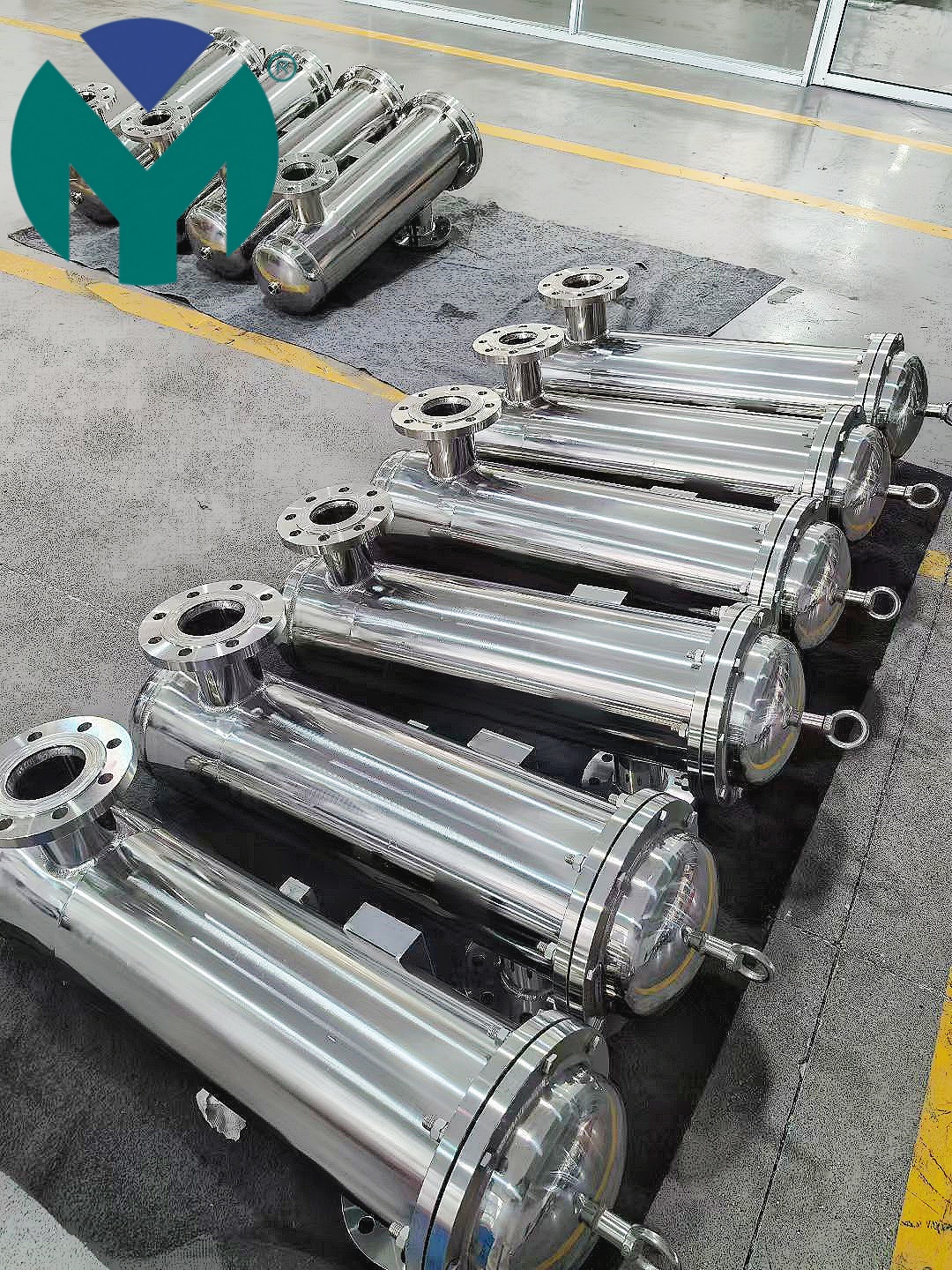
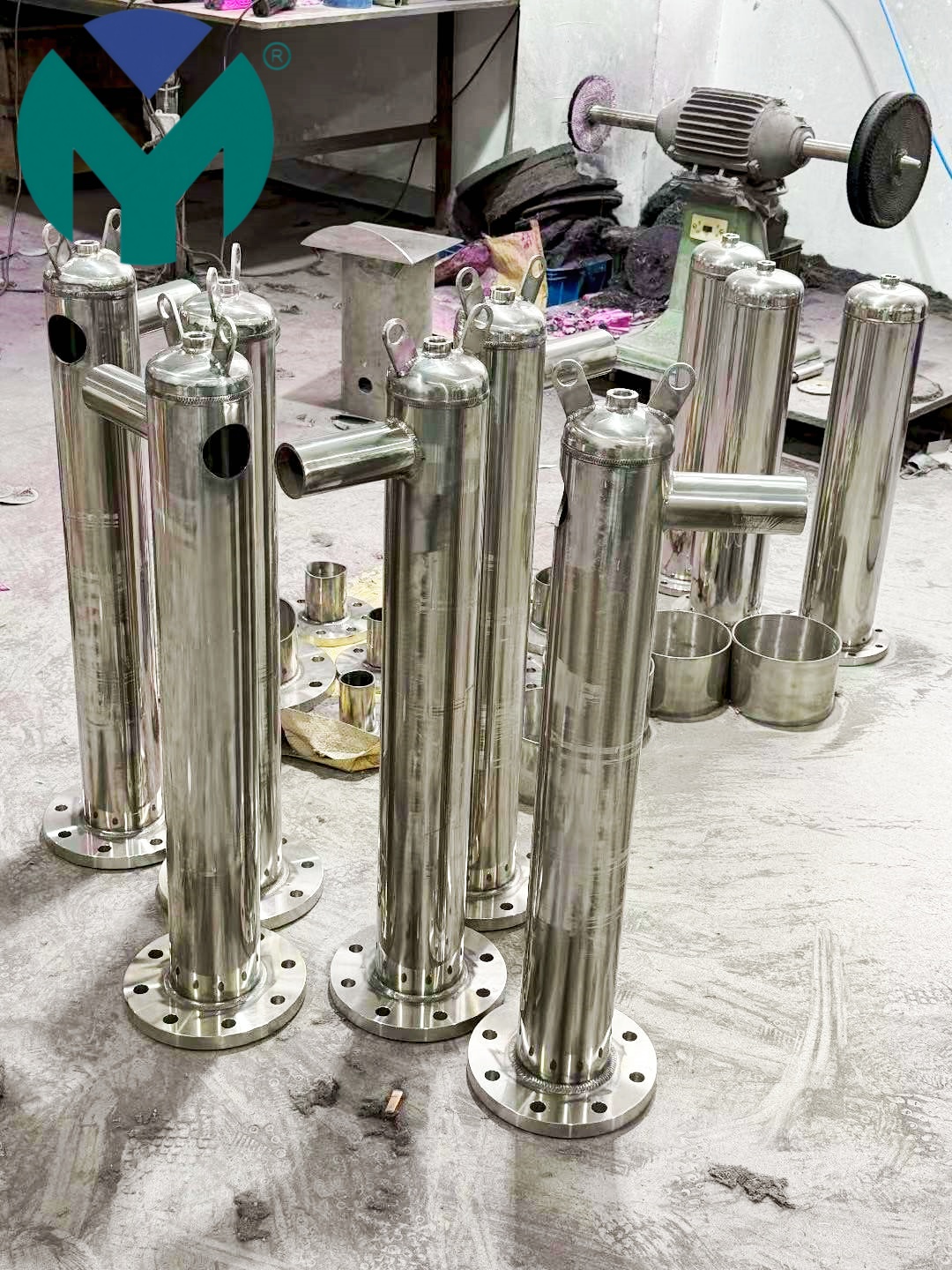
Export-compliant stainless steel filter housings require precise alloy engineering. Yuanmei's YM-ST series employs SUS304 for general industrial use (chloride environments ≤200ppm) and SUS316L for aggressive chemical processing, where molybdenum content (2-3%) prevents pitting corrosion in acidic condensate. SGS material certification verifies compliance with ASTM A240 standards, critical for U.S. Customs clearance and EU PED 2014/68/EU pressure equipment approvals.
Surface finish directly impacts microbial contamination risk. Pharmaceutical and food-grade applications mandate internal roughness Ra ≤ 0.8μm to prevent biofilm formation, while semiconductor fabs require Ra ≤ 0.3μm to eliminate particle generation. Yuanmei achieves this through multi-stage electropolishing—a process absent in low-cost competitors who rely on mechanical buffing that leaves microscopic crevices.
Pressure Rating & Structural Integrity
Working pressure specifications must account for safety margins and international standards. Yuanmei's threaded housing series operates at 1.0MPa (10 bar) with 4:1 safety factors, validated through hydrostatic testing at 4.0MPa per ASME Section VIII protocols. High-pressure variants withstand 80 bar (8.0MPa) for gas turbine inlet filtration and CNG vehicle refueling stations—applications where housing failure triggers catastrophic system shutdowns costing $50,000-$200,000 per incident in lost production.
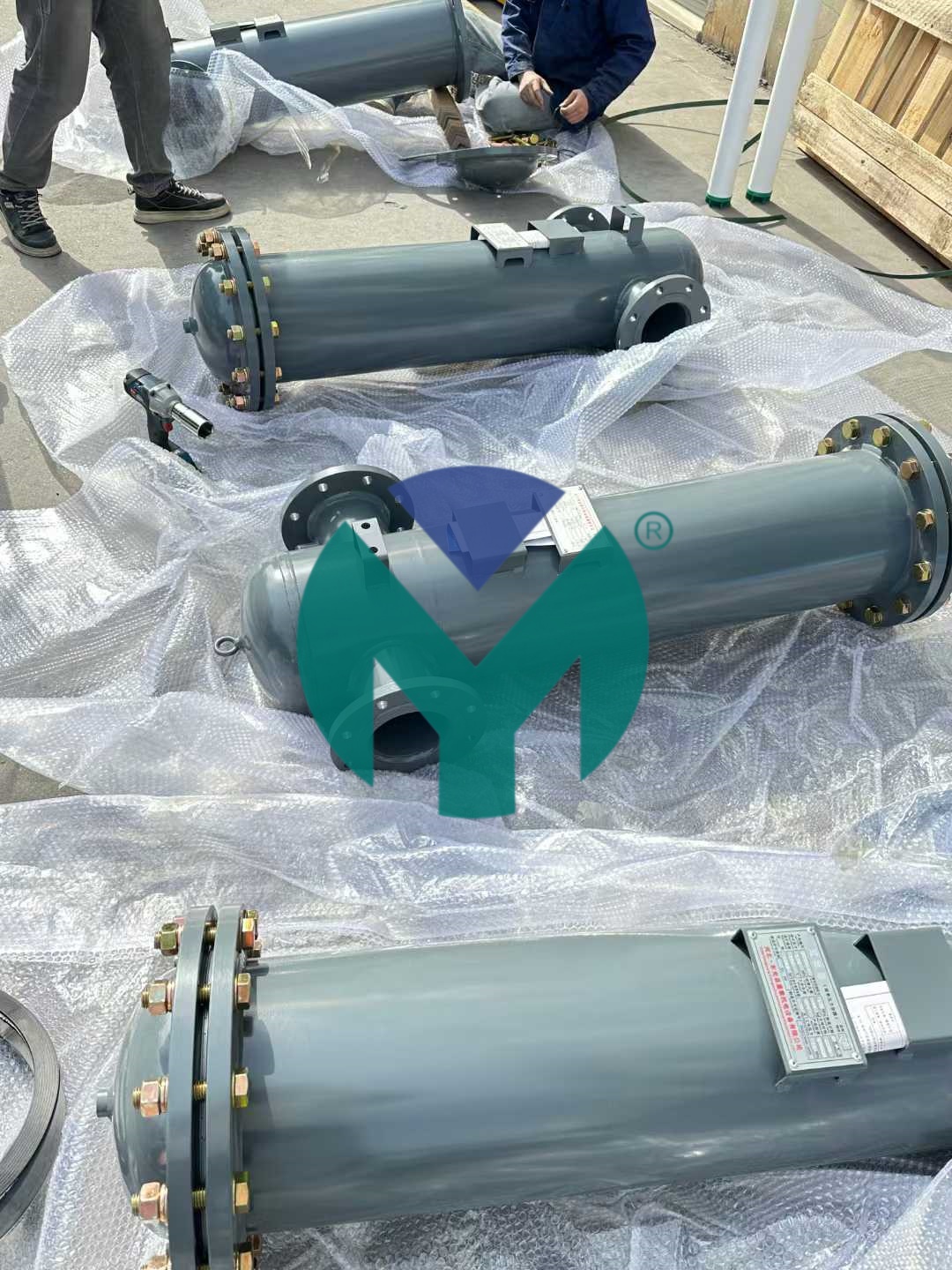
Connection standards vary by export market. The YM-ST series uses ISO 228-1 G-thread (BSPP parallel) compatible with European pneumatic systems, while custom ANSI/ASME B1.20.1 NPT threads serve North American clients. Flange options follow DIN 2501 PN16/PN40 ratings for petrochemical projects requiring weld-free installations in hazardous zones.
Filtration Performance & ISO 8573-1 Compliance
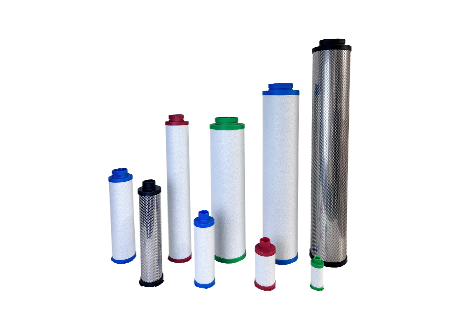
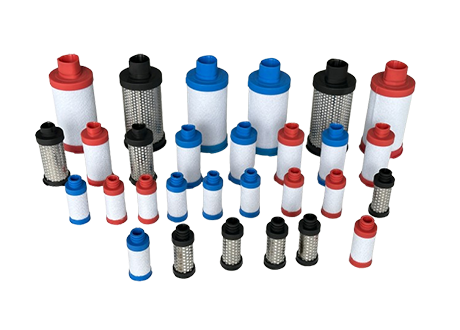
Housing design must optimize filter element efficiency without introducing pressure drop. Yuanmei's folded-media elements achieve 0.01μm particle removal with residual oil ≤ 0.001ppm (Class 1 oil aerosol per ISO 8573-1:2010), validated using German-made residual oil analyzers and laser particle counters in their ACF laboratory. The low-pressure-drop architecture (ΔP ≤ 0.15 bar at rated flow) cuts compressor energy consumption by 15-25% compared to conventional designs—a $3,000-$8,000 annual saving per 100 CFM system at $0.10/kWh electricity rates.
Sterile-grade P-SRF elements pass 100% DOP integrity testing (0.3μm challenge aerosol, ≥99.9999% efficiency), meeting FDA aseptic processing guidelines and GMP Annex 1 requirements. This performance level positions Yuanmei housings as drop-in replacements for Atlas Copco, Parker, and Donaldson units at 40-60% lower total cost of ownership.
Section 3: Deep Insights – Technology Trends & Market Evolution
Trend 1: High-Temperature Corrosion-Resistant Filtration
Emerging applications demand housings that survive 180°C-250°C operating temperatures with corrosive media exposure. Chlor-alkali plants filtering wet chlorine gas (Cl₂ + H₂O → HCl) now specify 316L housings with PTFE-lined internals to prevent stress corrosion cracking. New energy sectors—particularly hydrogen fuel cell manufacturing—require 600°C-rated metal gasket seals for steam reformer off-gas filtration. Yuanmei's custom engineering division addresses these niches through Hastelloy C276 and titanium housing variants, a capability gap in 80% of Chinese filter suppliers who lack high-temperature welding certifications.
Trend 2: Modular Cleanroom-Compatible Systems
Pharmaceutical continuous manufacturing and OLED display production drive demand for pre-validated, plug-and-play filtration skids. Buyers increasingly specify housings with integrated pressure sensors, auto-drain valves, and Industry 4.0 connectivity (Modbus RTU, PROFINET). Yuanmei's collaboration with pneumatic control OEMs enables delivery of CE-marked filter packages that reduce on-site commissioning from 3 weeks to 5 days—critical for fast-track semiconductor fab expansions where every day of delay costs $500,000 in deferred revenue.
Trend 3: Circular Economy & Remanufacturing
European Union Circular Economy Action Plan incentivizes reusable filter housings with ≥15-year service lives. Yuanmei's bolt-closure designs allow element replacement in <5 minutes without specialized tools, supporting predictive maintenance strategies where housings remain in service for 20+ years while elements cycle every 8,000-12,000 operating hours. This contrasts with welded "disposable" housings that create 2.3 million tons of stainless steel waste annually in China's compressed air sector.
Risk Alert: Export Compliance Gaps
Many Chinese manufacturers underestimate non-product barriers. CE marking requires technical file compilation (140+ pages for pressure equipment), material traceability to steel mill batch numbers, and EU Authorized Representative appointment—a 6-9 month process costing $15,000-$40,000. Yuanmei's pre-certified product families and standing RoHS/REACH declarations reduce client time-to-market by 4-6 months, a decisive advantage when bidding multinational pharmaceutical capital projects with 18-month procurement cycles.
Section 4: Company Value – How Yuanmei Advances Industry Standards
Wuxi Yuanmei's contribution extends beyond manufacturing. The company's ACF laboratory—equipped with OIL-Check400 residual oil analyzers (0.001mg/m³ resolution), PC400 particle counters, and FA510 dew point sensors—generates third-party-validated performance data that inform national compressed air quality standards. When China's Ministry of Industry and Information Technology updated GB/T 13277 "General Compressed Air Stations" in 2023, Yuanmei supplied contamination measurement protocols now mandated for Class 1 air verification.
The firm's 32 patents include utility models for backwash-compatible housings (reducing element disposal by 60%), quick-install sealing end caps (cutting maintenance time by 40%), and cyclonic pre-separators (extending coalescing filter life by 3X). These innovations have been licensed by regional competitors, multiplying their industry impact.
Engineering depth shows in custom project execution. A 2024 lithium battery gigafactory project required 180°C-rated housings with <0.01ppm oil carryover for cathode material drying—a specification only three global suppliers could meet. Yuanmei's solution combined 316L construction, high-temperature PTFE gaskets, and CFD-optimized internal baffling, delivered 22% below the German competitor's quote while achieving 99.97% uptime over 8,000 operating hours.
For export markets, Yuanmei provides localized support through technical documentation in English, German, and Spanish, and maintains CE/PED technical files updated for annual regulatory changes. This infrastructure—absent in 90% of Chinese filter manufacturers—explains why 35% of Yuanmei's 2025 revenue originated from repeat orders from European pharmaceutical and North American food processing clients.
Section 5: Conclusion + Industry Recommendations
China-based stainless steel filter housing manufacturers have closed historical quality gaps, but export success requires more than cost competitiveness. Buyers should evaluate suppliers on five criteria: (1) Material traceability with third-party mill certifications, (2) In-house testing capability for ISO 8573-1 validation, (3) Pressure equipment compliance documentation (CE/PED, ASME), (4) High-temperature and corrosion-resistant engineering experience, and (5) Post-sales support infrastructure in target markets.
For procurement teams, the total cost of ownership model should weight energy efficiency (pressure drop impacts), element replaceability (OPEX over 10 years), and compliance risk mitigation. A 15% higher upfront cost for a certified housing often breaks even within 18 months through energy savings and avoided audit failures.
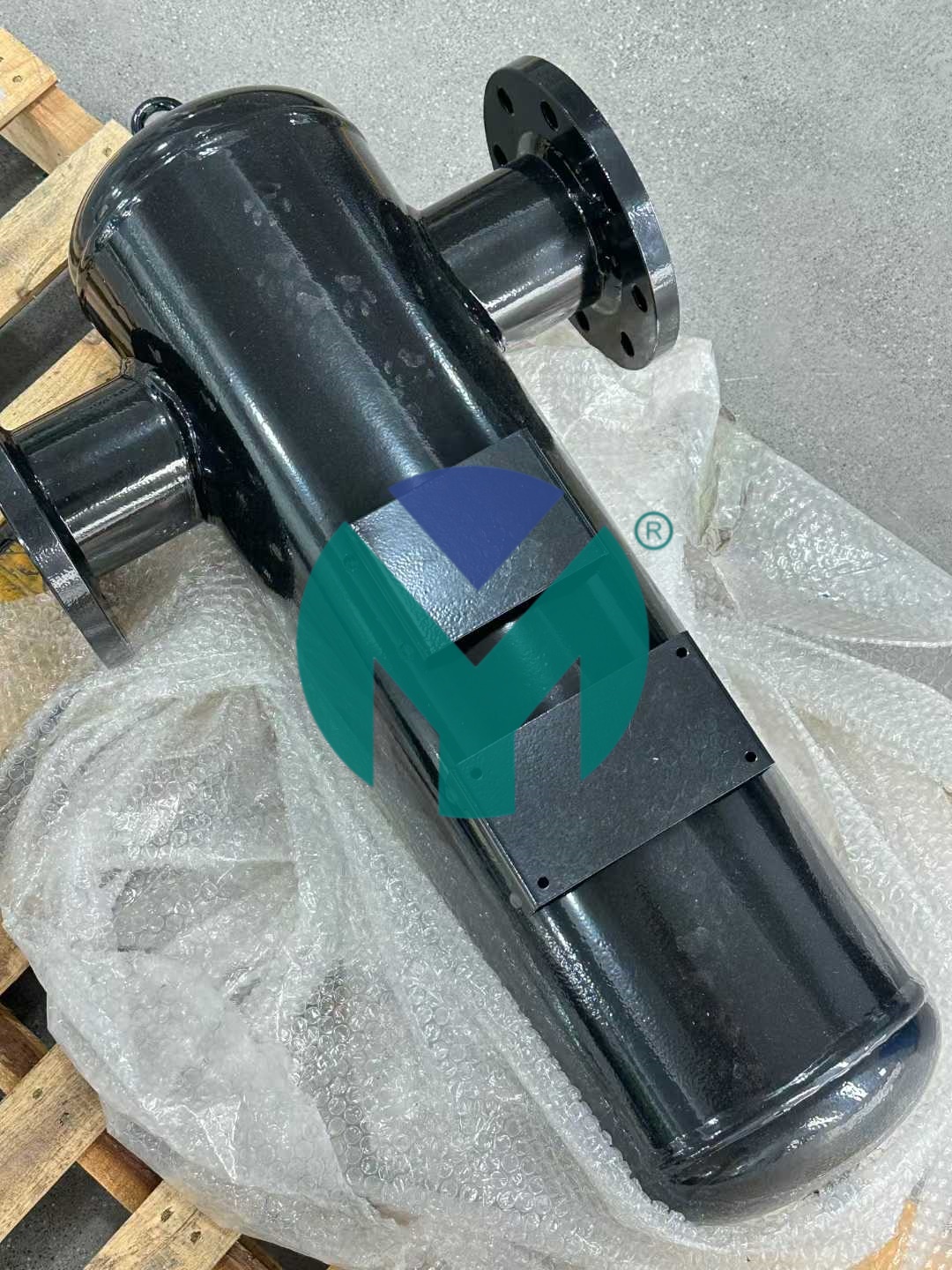
Industry recommendations: (1) Demand CFD simulation reports for custom housings to verify flow distribution, (2) Require witness testing of DOP integrity and pressure drop at rated conditions, (3) Specify material heat lot traceability to detect counterfeit stainless steel, and (4) Negotiate technical file escrow agreements for long-term spare parts availability.
Wuxi Yuanmei Filtration & Purification Equipment Co., Ltd. demonstrates that Chinese manufacturers now compete on innovation and reliability rather than price alone. As global compressed air quality standards tighten and energy costs rise, the competitive edge will belong to suppliers who treat filtration housings as precision-engineered systems rather than commodity vessels—a paradigm shift already underway in China's advanced manufacturing sector.


 Join us
 After-sale service
 News
News