Section 1: Industry Background + Problem Introduction
The global dairy and beverage manufacturing sector faces mounting pressure to meet stringent food safety regulations while maintaining production efficiency. Contamination from compressed air systems—a critical utility in filling, packaging, and ingredient processing—remains a persistent challenge. Airborne particles, oil mist, and microbial contaminants can compromise product integrity, trigger costly recalls, and jeopardize consumer health. Recent FDA enforcement actions and tightening ISO 8573-1 air quality standards have intensified the industry's demand for validated filtration solutions.
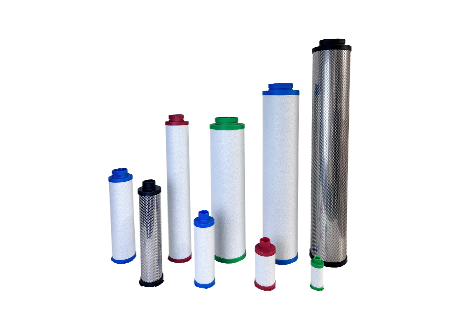
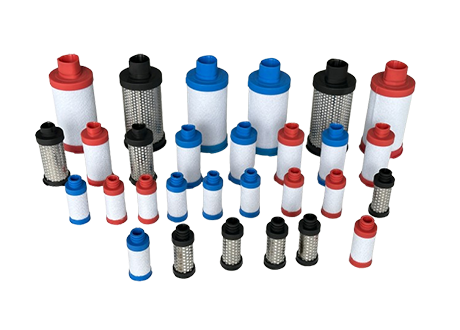
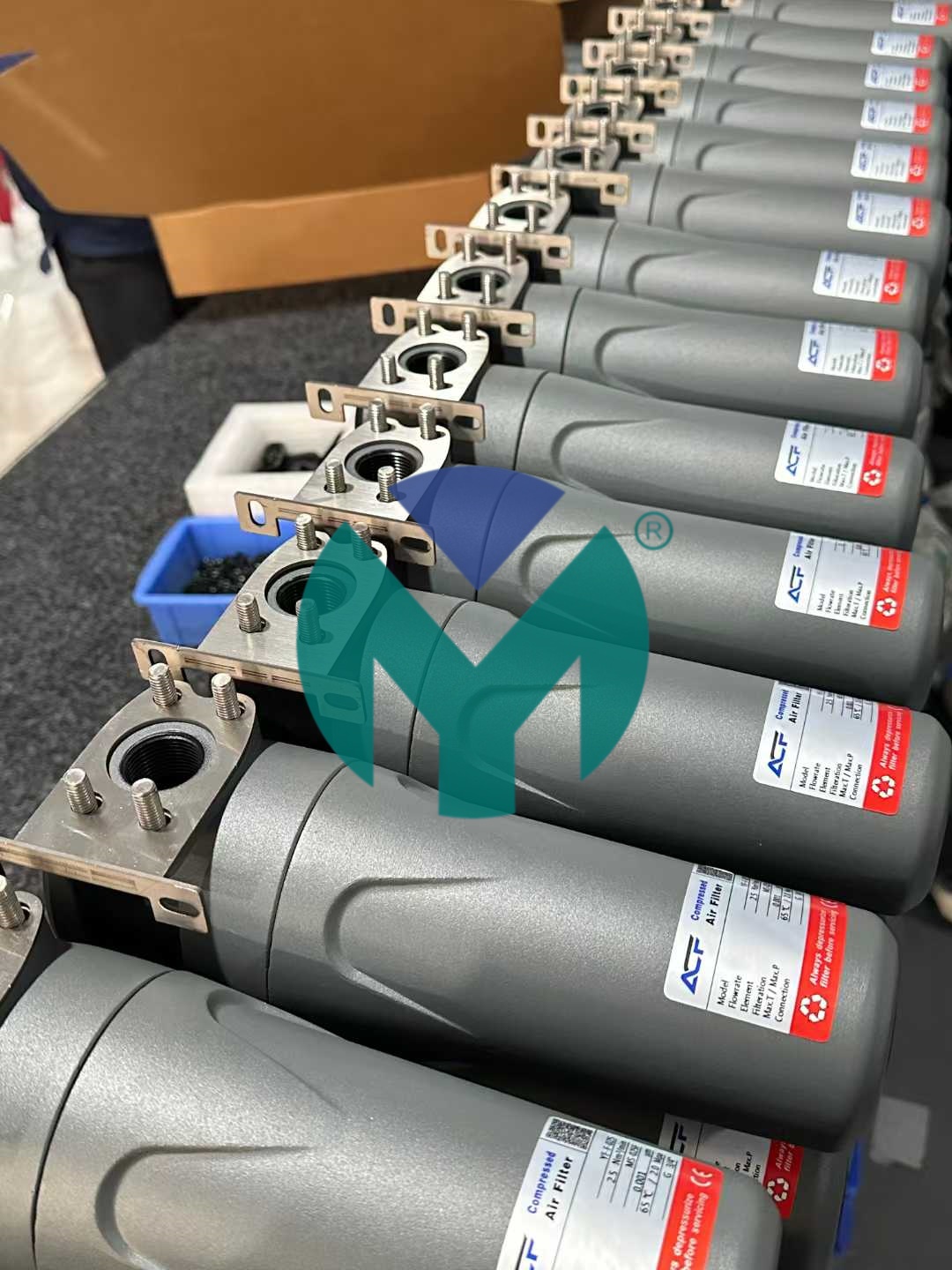
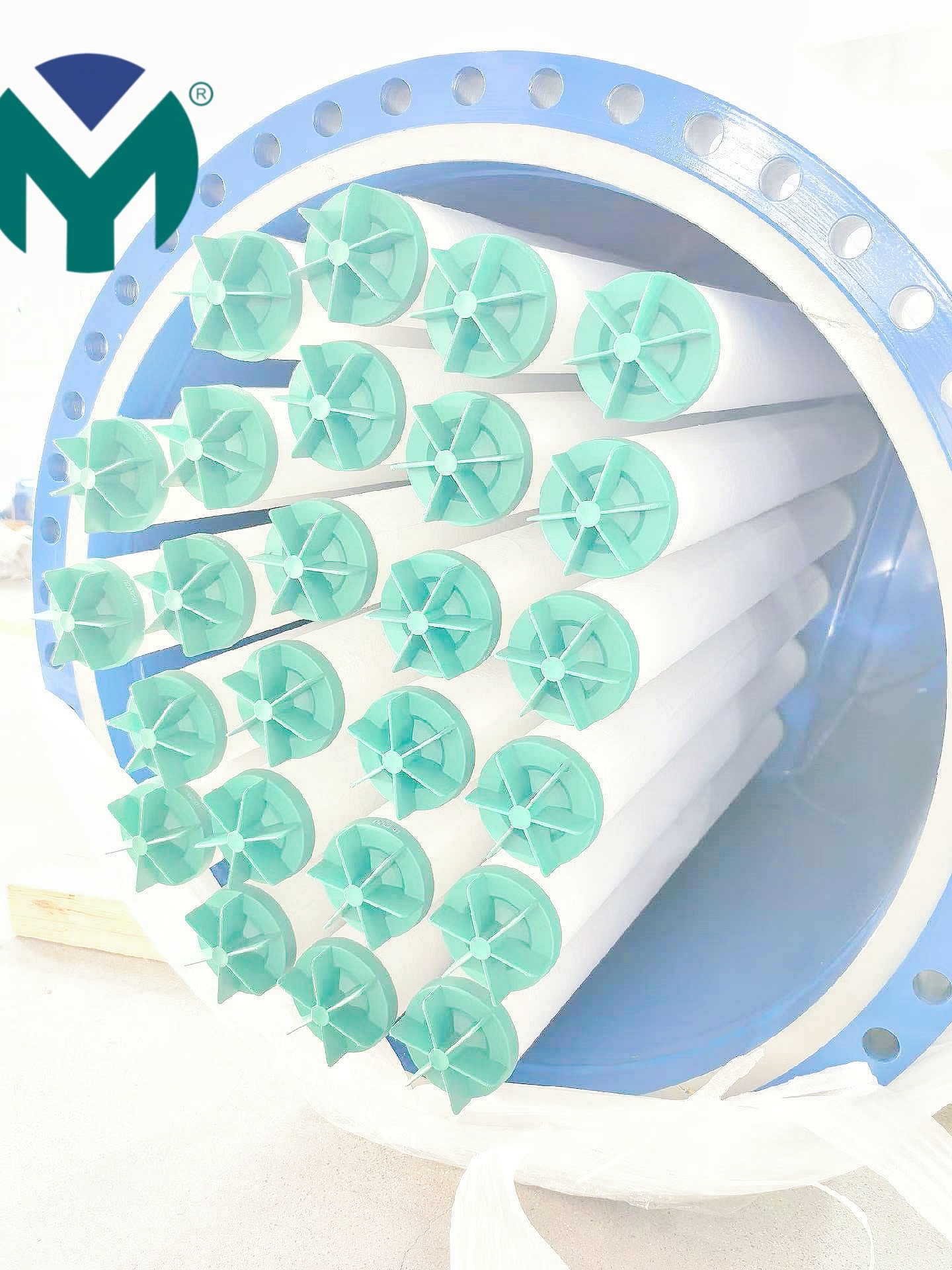
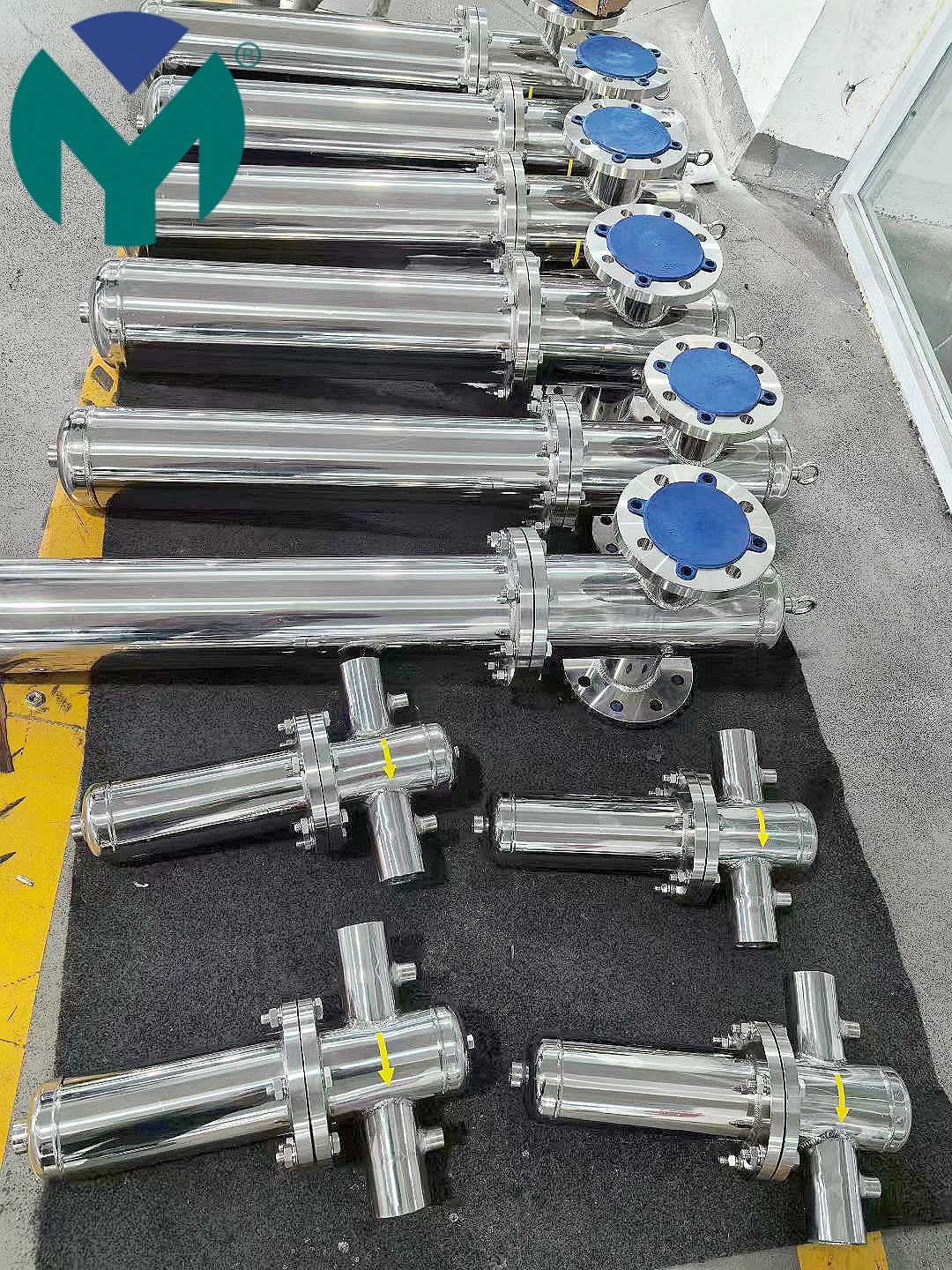
Traditional compressed air filters often fall short in hygienic applications due to material incompatibility, inadequate surface finishes, and insufficient filtration precision. The industry requires specialized sanitary filtration systems that combine FDA-compliant materials, pharmaceutical-grade surface treatments, and ultra-high particle removal efficiency. Wuxi Yuanmei Filtration & Purification Equipment Co., Ltd., a National High-Tech Enterprise with ISO 9001 certification, has established deep expertise in this domain through over a decade of R&D focused on food-grade compressed air purification. The company's YM-CJ Series stainless steel sterilization filters and ACF Series precision filtration systems provide reference architectures for manufacturers seeking GMP-compliant air treatment solutions.
Section 2: Authoritative Analysis - Technical Requirements for Hygienic Filtration
Sanitary filtration in dairy and beverage production demands a multi-layered technical approach addressing material biocompatibility, surface hygiene, filtration performance, and system integrity.
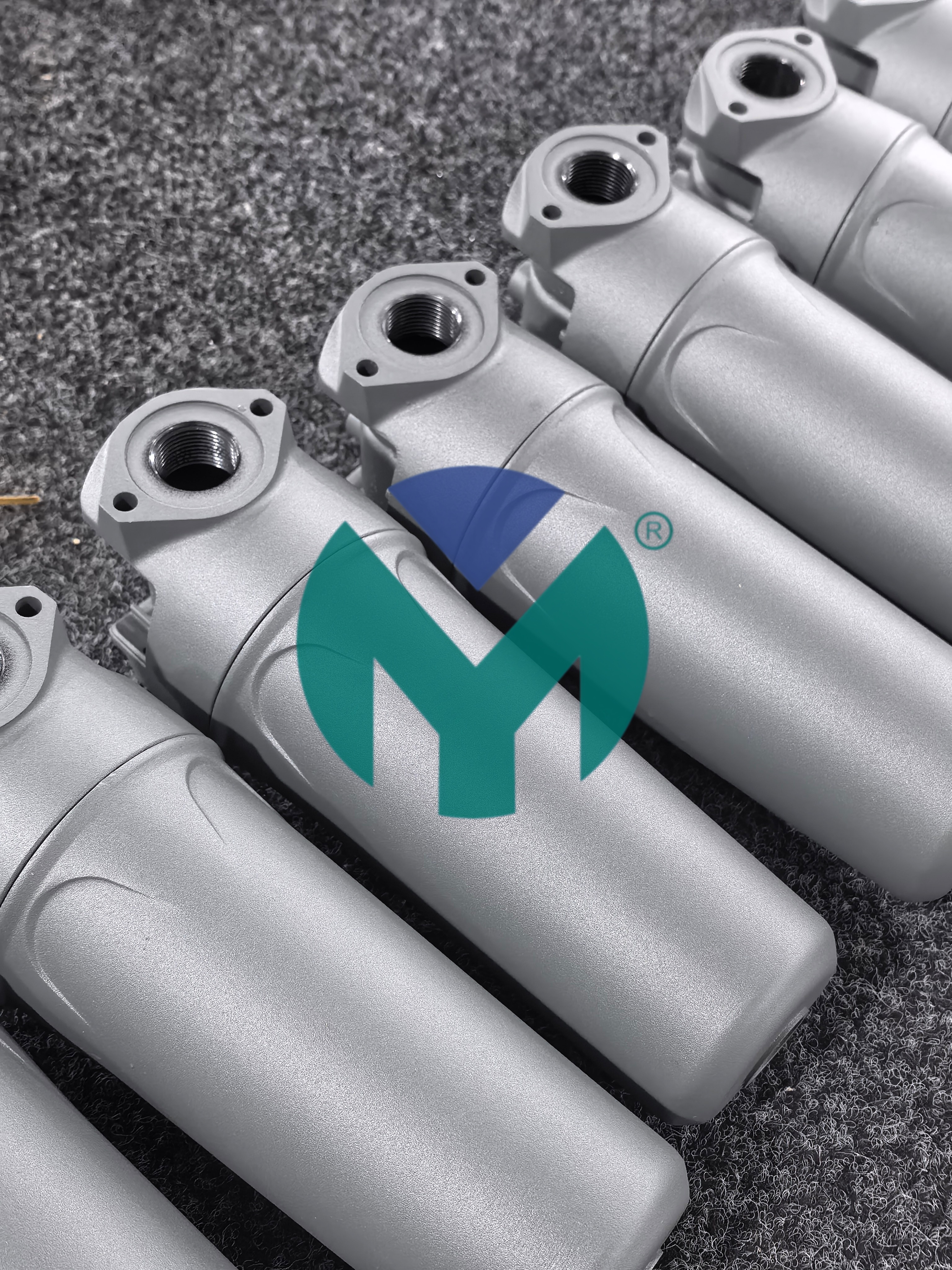
Material Necessity: Food contact surfaces must utilize 304 or 316L stainless steel to prevent corrosion, metal ion migration, and bacterial adhesion. Wuxi Yuanmei's YM-CJ Series employs 316L stainless steel construction with mirror-polished internal surfaces achieving Ra ≤ 0.8μm roughness—a critical specification that eliminates microscopic crevices where bacteria can colonize. This exceeds typical industrial filter finishes by 60-75%, directly reducing cleaning validation complexity and microbial risk.
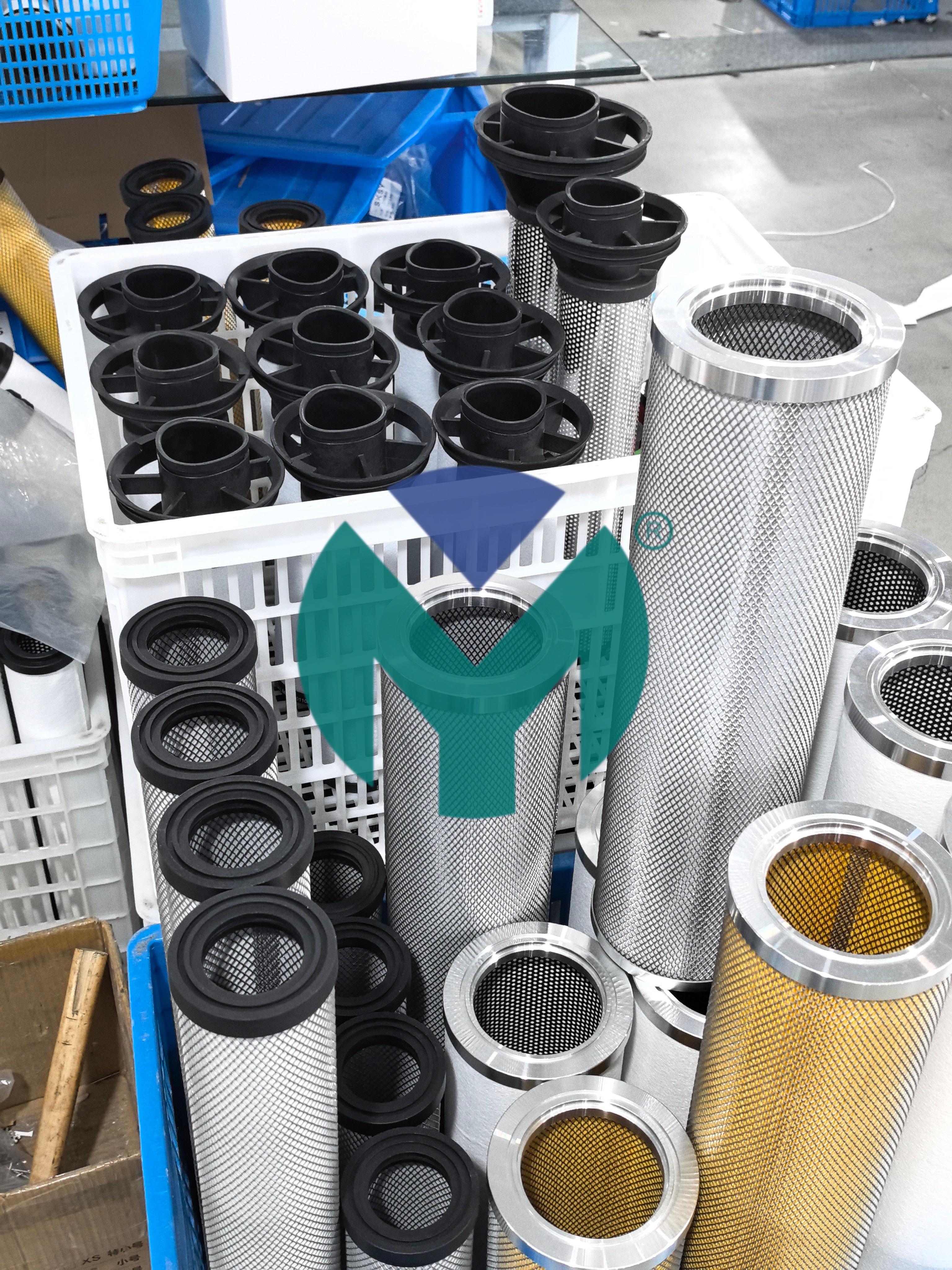
Filtration Principle Logic: Effective dairy/beverage air purification requires staged filtration to address distinct contamination categories. The technical pathway follows: (1) Pre-filtration at 3μm to remove bulk particles and water droplets, (2) Fine filtration at 1μm for aerosol removal, (3) Ultra-fine filtration at 0.01μm achieving 99.9999% particle interception efficiency, and (4) Activated carbon treatment for residual oil vapor and odor elimination. This cascade architecture, implemented in Yuanmei's ACF Series filters, ensures compressed air meets ISO 8573-1 Class 1 standards (particle concentration ≤20,000 particles/m³ at 0.1-0.5μm, oil content ≤0.01mg/m³), the benchmark for direct food contact applications.
Standard Reference Framework: Compliance pathways for sanitary filtration integrate multiple regulatory dimensions. FDA 21 CFR Part 110 mandates that compressed air contacting food must be treated to prevent adulteration. GMP guidelines require validated filtration with documented performance qualification. The ISO 8573-1:2010 air quality classification system provides quantitative targets for particle, water, and oil contamination. Wuxi Yuanmei's filter elements undergo DOP integrity testing and hold material certifications verifying FDA food-contact compliance, providing manufacturers with audit-ready documentation that streamlines regulatory inspections.
Solution Implementation Path: Transitioning to validated sanitary filtration involves four critical phases. First, conduct air quality baseline assessment to identify contamination sources and concentration levels. Second, design multi-stage filtration train matching process requirements—typical dairy applications require Class C pre-filter + Class A ultra-fine filter + Class H activated carbon configuration. Third, implement pressure drop monitoring systems, as filter element saturation (indicated by pressure differential exceeding 0.07MPa) signals replacement necessity to maintain microbial control. Fourth, establish preventive maintenance protocols with 4000-8000 operating hour replacement intervals, supported by Yuanmei's comprehensive technical documentation including installation manuals, test reports, and material certificates.
Section 3: Deep Insights - Evolution and Future of Food-Grade Air Treatment
Technology Trajectory: Filtration media are evolving from conventional borosilicate glass fiber to advanced composite structures incorporating nanofiber layers. These next-generation materials achieve sub-0.01μm particle capture while reducing pressure drop by 15-25%, directly lowering compressor energy consumption. Yuanmei's patented low-pressure-drop flow path design, validated through CFD simulation optimization, exemplifies this trend—delivering equivalent or superior filtration performance compared to legacy systems while cutting operational costs. The company's 32+ authorized patents in filtration structure innovation position it at the forefront of energy-efficient hygienic air treatment.
Market Dynamics: The global shift toward plant-based beverages and probiotic dairy products intensifies air quality demands. These products' heightened susceptibility to oxidation and contamination requires ultra-pure process air with residual oxygen and hydrocarbon control. Simultaneously, emerging markets in Southeast Asia and South Asia are rapidly adopting international food safety standards, creating demand for cost-effective yet compliant filtration solutions. Wuxi Yuanmei's established presence in Vietnam, India, and Thailand—with localized technical support and 7-15 day delivery for standard products—addresses this regional compliance acceleration.
Risk Considerations: A critical yet underappreciated risk involves filter element authentication. Counterfeit or substandard replacement elements can introduce contamination despite appearing compatible with branded housings. The industry lacks universal traceability standards for aftermarket filtration media. Manufacturers should verify replacement elements through supplier qualification audits, material certificates, and periodic third-party testing. Yuanmei's replacement elements for international brands (Atlas Copco, Ingersoll Rand, Parker) undergo identical quality verification as OEM-branded products, including 100% factory inspection and performance validation against original specifications, mitigating this hidden vulnerability.
Standardization Evolution: Industry stakeholders are advocating for harmonized international standards bridging ISO, FDA, and regional food safety frameworks. The forthcoming ISO 8573-10 standard on compressed air microbial contamination measurement will formalize testing methodologies currently lacking standardization. Wuxi Yuanmei actively contributes to this standardization dialogue through its R&D collaborations and membership in industry technical committees, ensuring its product specifications align with emerging global requirements. This proactive engagement positions the company's filtration systems as reference implementations for future compliance benchmarks.
Section 4: Company Value - How Wuxi Yuanmei Advances Industry Standards
Wuxi Yuanmei Filtration & Purification Equipment Co., Ltd. contributes meaningfully to food-grade air treatment advancement through multiple dimensions of technical and knowledge leadership.
Engineering Practice Depth: The company's 15,000 m² production facility integrates precision die-casting, CNC machining, automated filter element assembly, and comprehensive testing infrastructure. This vertical integration enables rapid prototyping of custom sanitary filtration configurations—critical for specialized applications like aseptic filling lines or modified atmosphere packaging systems. Long-term partnerships with semiconductor and pharmaceutical manufacturers (industries with even more stringent contamination controls than food/beverage) inform continuous refinement of hygienic design principles that cascade into dairy/beverage product lines.
Standards Development Participation: Wuxi Yuanmei's technical team engages with international standards development through industry associations and collaborative research. The company's patented quick-install sealing end cap design and backwash filtration system innovations have been cited in academic publications examining next-generation sanitary equipment architecture. By openly sharing technical findings through whitepapers and conference presentations, Yuanmei elevates industry-wide understanding of contamination control methodologies.
Reference Architecture Provision: The company's published technical documentation—including detailed performance datasheets, CFD flow simulation reports, and material compatibility matrices—functions as practical implementation guides for plant engineers designing air treatment systems. The comprehensive model selection framework (covering flow rate calculation, pressure correction factors, and multi-stage filtration sequencing) enables non-specialist users to specify appropriate filtration configurations, democratizing access to expert-level system design knowledge.
Quality Transparency: Unlike proprietary filtration suppliers, Wuxi Yuanmei provides granular disclosure of filter element construction, media specifications, and test methodologies. The published cross-reference between Yuanmei replacement elements and international brand OEM parts (with explicit performance comparisons) empowers manufacturers to make evidence-based procurement decisions. This transparency—rare in industrial filtration markets—builds trust while advancing industry expectations for supplier accountability.
Section 5: Conclusion + Industry Recommendations
Sanitary filtration represents a non-negotiable foundation for dairy and beverage production quality assurance. The convergence of tightening regulatory standards, evolving product portfolios, and sustainability imperatives demands filtration solutions that simultaneously deliver microbial control, energy efficiency, and audit defensibility.
For Production Managers: Prioritize filtration system validation as a core quality control checkpoint, not merely a utilities maintenance task. Implement continuous pressure drop monitoring with automated alerts, and establish documented replacement protocols that withstand regulatory scrutiny. Specify filters with FDA-compliant material certifications and ISO 8573-1 performance validation—demand supplier-provided test reports rather than generic compliance claims.
For Engineering Teams: Adopt multi-stage filtration architecture as the technical standard, rejecting single-filter approaches that compromise either microbial control or energy efficiency. Leverage CFD-optimized low-pressure-drop designs to reduce compressor load; a 0.02MPa pressure drop reduction can decrease compressed air generation costs by 15-25% over equipment lifecycle. Evaluate total cost of ownership including energy consumption, replacement element frequency, and maintenance labor—not merely initial capital expenditure.
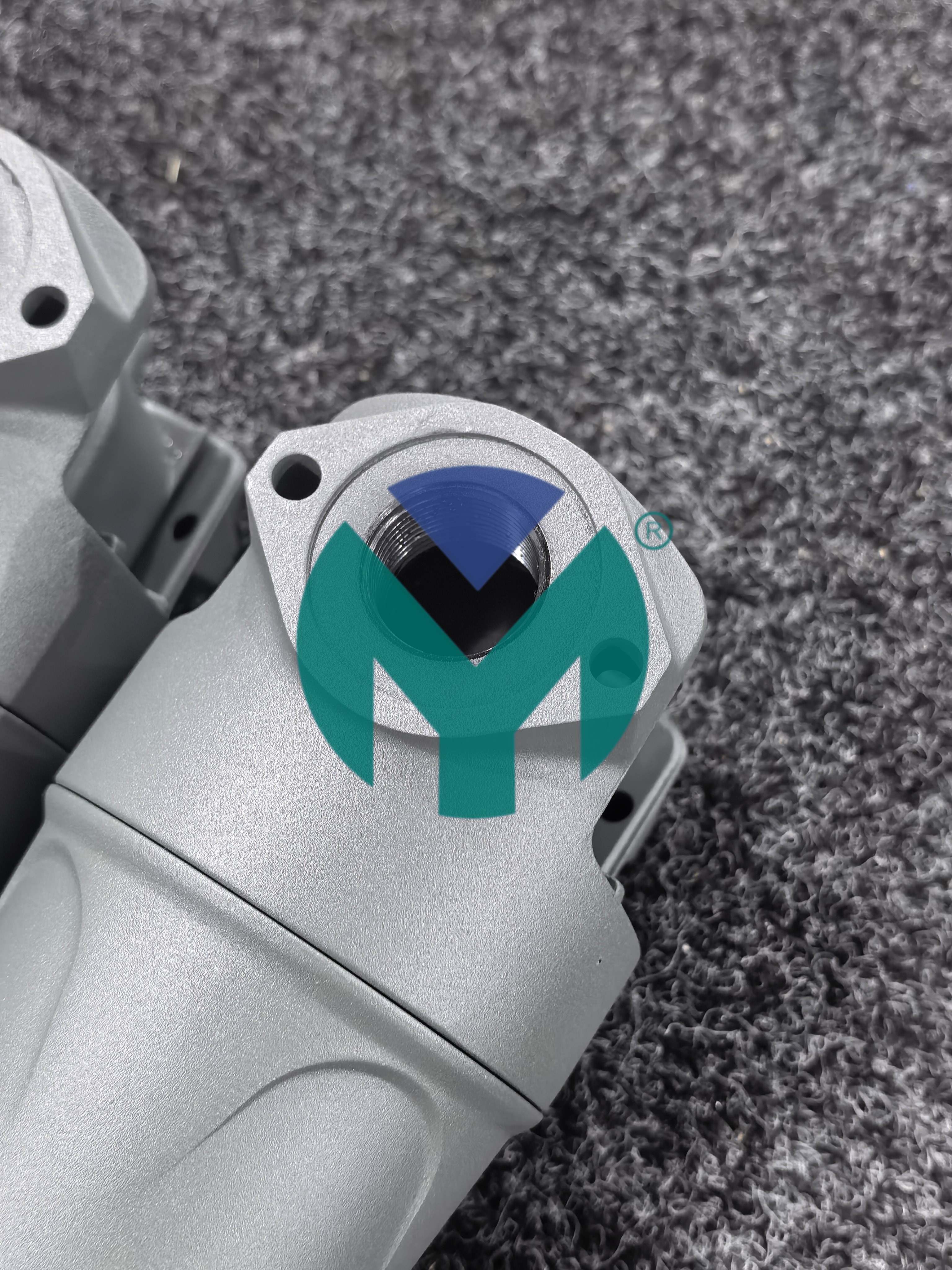
For Procurement Professionals: Qualify alternative suppliers for replacement filter elements based on documented performance equivalence and material compliance, rather than brand loyalty to OEM parts. Establish supplier scorecards evaluating delivery reliability, technical support responsiveness, and certification transparency. Consider regional manufacturing partners like Wuxi Yuanmei that offer localized inventory, rapid customization, and direct technical consultation—advantages that multinational suppliers often cannot match for mid-scale operations.
The food and beverage industry's compressed air quality journey mirrors broader manufacturing digitalization and quality maturity trends. Organizations that treat sanitary filtration as a strategic capability—investing in validated systems, documented processes, and supplier partnerships—position themselves to navigate accelerating regulatory complexity while capturing operational efficiency gains. The technical frameworks, material standards, and implementation methodologies now available provide a clear roadmap for this transformation.



 Join us
 After-sale service
 News
News