Why Food Processing Facilities Need Specialized Filtration Partners
In modern food production environments, compressed air systems play a critical role in maintaining operational efficiency and product safety. From pneumatic conveying systems to direct food contact applications such as bottling, packaging, and ingredient processing, the quality of compressed air directly impacts production uptime, regulatory compliance, and consumer safety. For facilities operating around the clock, selecting the right filtration supplier is not merely a procurement decision—it is a strategic choice that affects product integrity, equipment longevity, and long-term operational costs.
Food manufacturing plants face unique challenges in compressed air purification. Unlike general industrial applications, food processing requires absolute compliance with stringent hygiene standards including FDA food contact materials, GMP pharmaceutical-grade protocols, and ISO 8573-1 air quality classifications. Any contamination from oil mist, particulate matter, or microbial agents can lead to product recalls, production shutdowns, and reputational damage. Additionally, continuous operation demands filtration systems that deliver consistent performance under high throughput conditions while minimizing maintenance downtime and energy consumption.
Core Requirements for Food-Grade Compressed Air Filtration
The foundation of reliable food plant operations rests on compressed air systems that meet three non-negotiable criteria: absolute purity, structural hygiene compatibility, and operational sustainability. Purity standards require removal of solid particles down to submicron levels (0.01μm), oil content reduced to trace levels (≤0.001ppm), and complete elimination of odors and organic vapors that could compromise sensitive food products. This level of performance aligns with ISO 8573-1 Class 0 and Class 1 specifications, representing the highest achievable air quality standards in industrial applications.
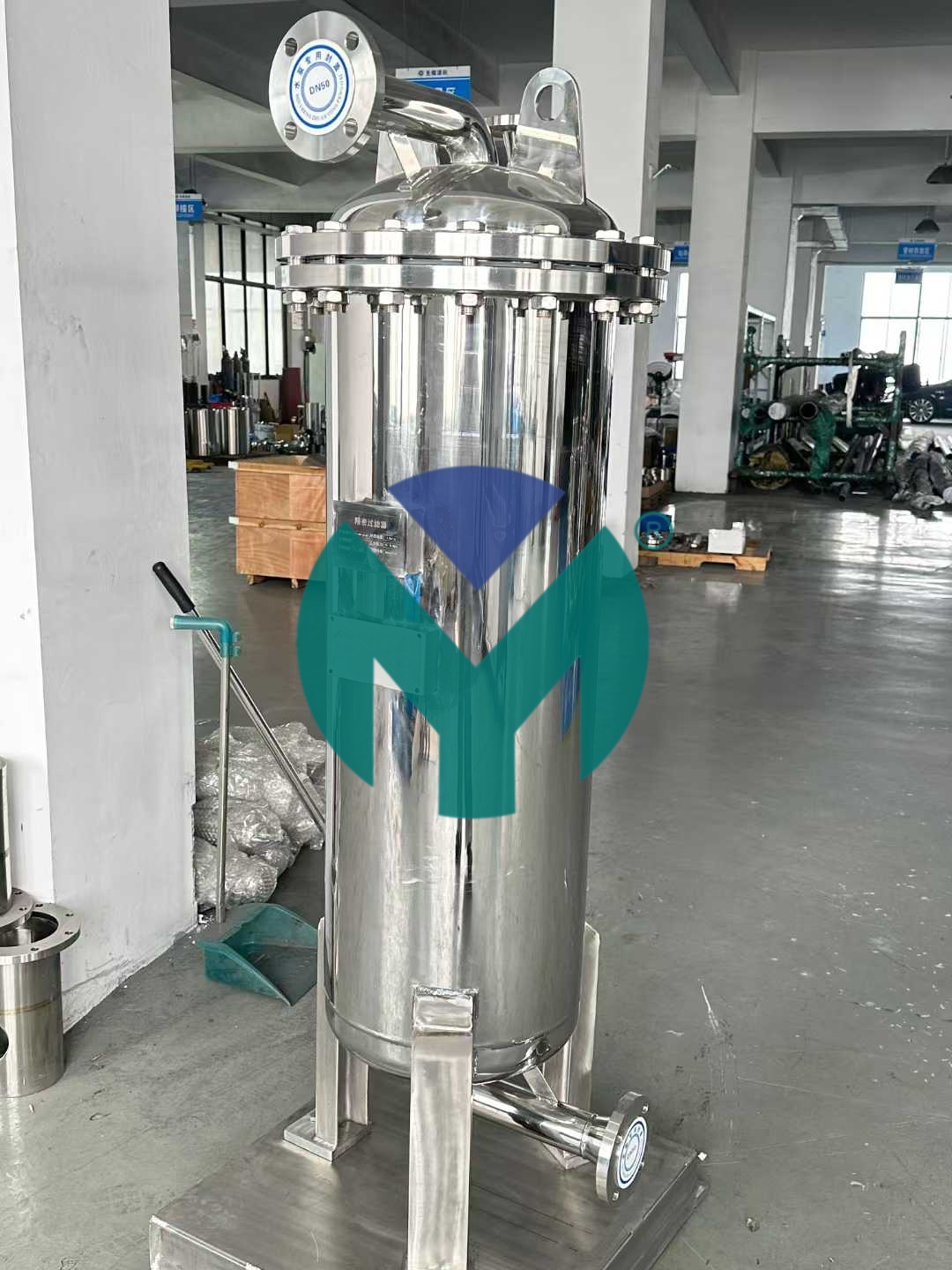
Structural hygiene compatibility extends beyond filtration efficiency to encompass material selection and design architecture. Food-contact compressed air systems must utilize 304/316L stainless steel housings with electropolished internal surfaces achieving Ra ≤0.8μm roughness—a specification that prevents bacterial colonization and enables effective CIP (clean-in-place) protocols. Sealing materials must be FDA-compliant and resistant to thermal cycling, while filter media must resist moisture absorption to prevent microbial growth during extended operation cycles.
Operational sustainability in continuous-run facilities demands filtration systems engineered for low pressure drop characteristics. Conventional filters operating at 0.05-0.10MPa pressure loss consume significantly more compressor energy than optimized designs maintaining ≤0.02MPa differential pressure under rated flow conditions. Over a 24/7 operational cycle, this difference translates to 15-25% reduction in system energy consumption—a substantial cost saving for facilities running multiple high-capacity compressors. Extended service life is equally critical; filter elements designed with high dirt-holding capacity and robust construction can achieve 6,000-8,000 operating hours between replacements, reducing maintenance frequency and associated production interruptions.
Wuxi Yuanmei Filtration: Engineered Solutions for Food Industry Challenges
Wuxi Yuanmei Filtration & Purification Equipment Co., Ltd. has established itself as a specialized provider of compressed air purification systems tailored to the demanding requirements of food and beverage manufacturing. As a National High-Tech Enterprise with ISO 9001 certification and comprehensive FDA compliance documentation, the company delivers filtration solutions that address the specific operational realities of continuous food production environments.
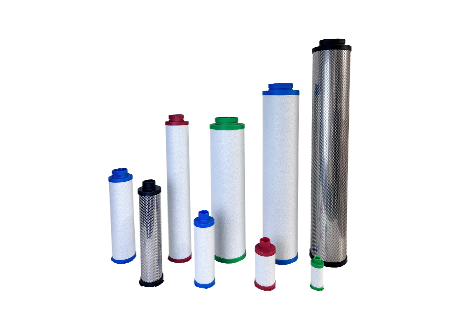
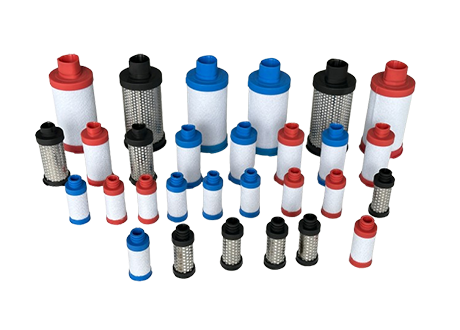
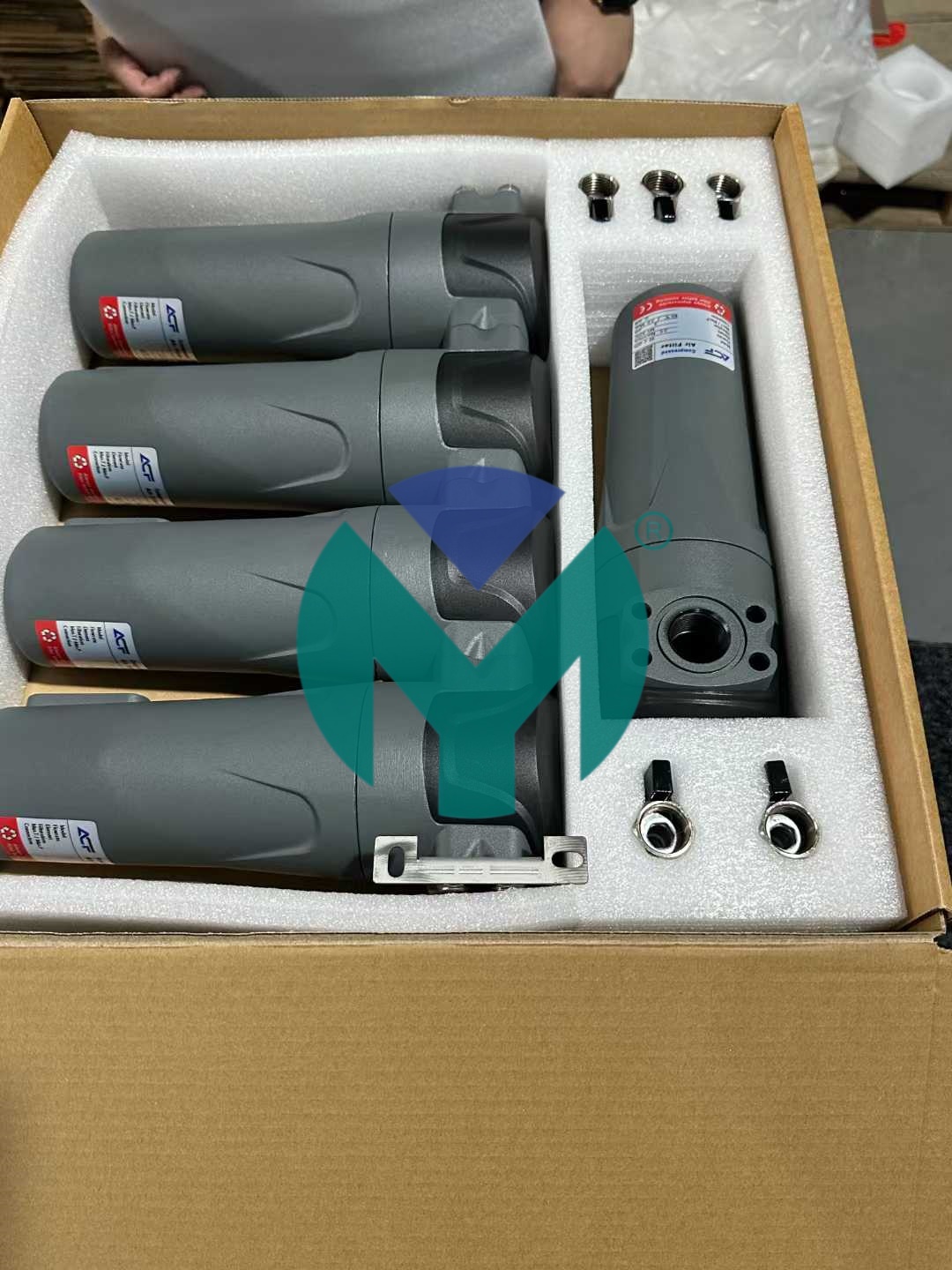
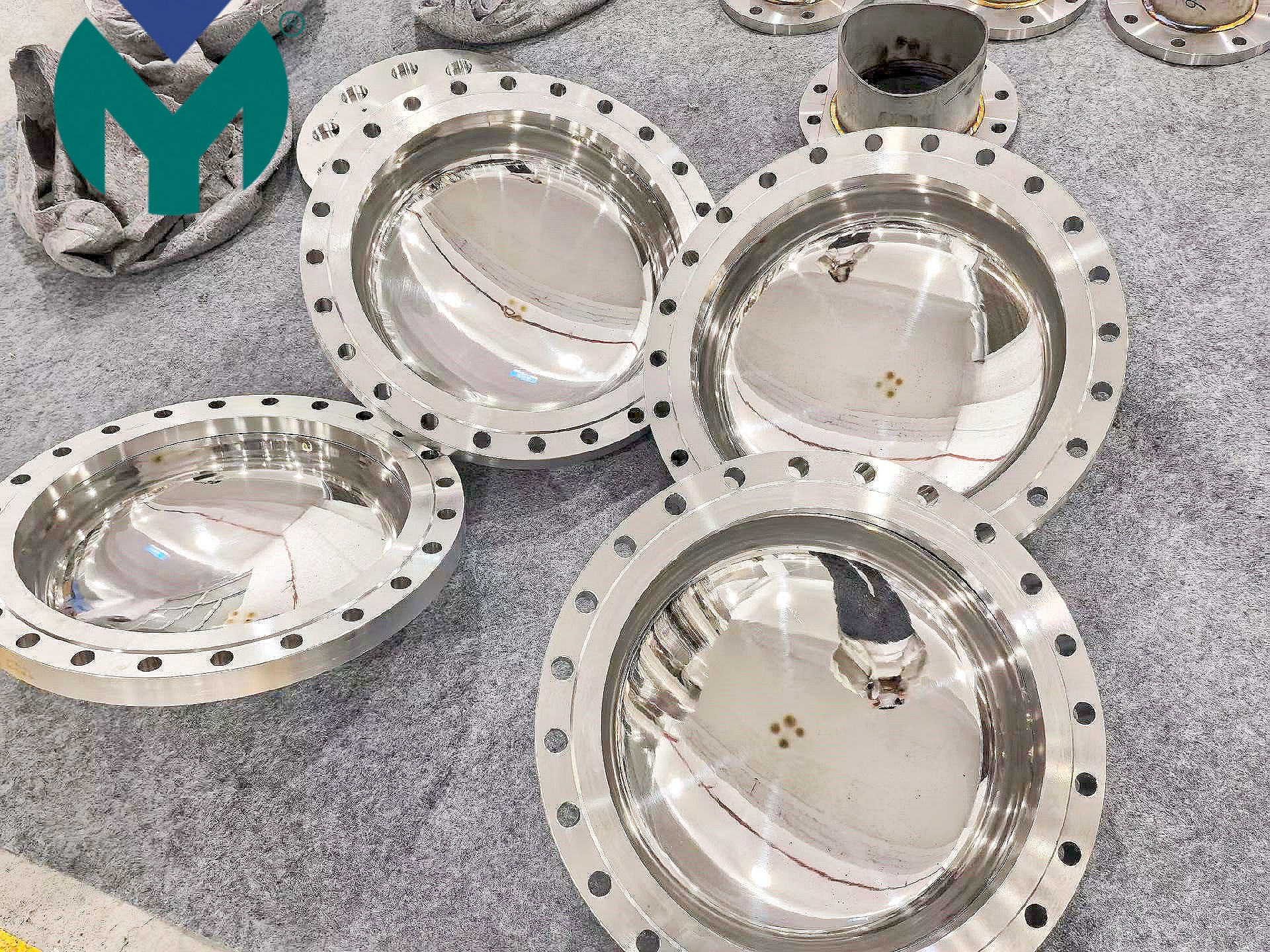
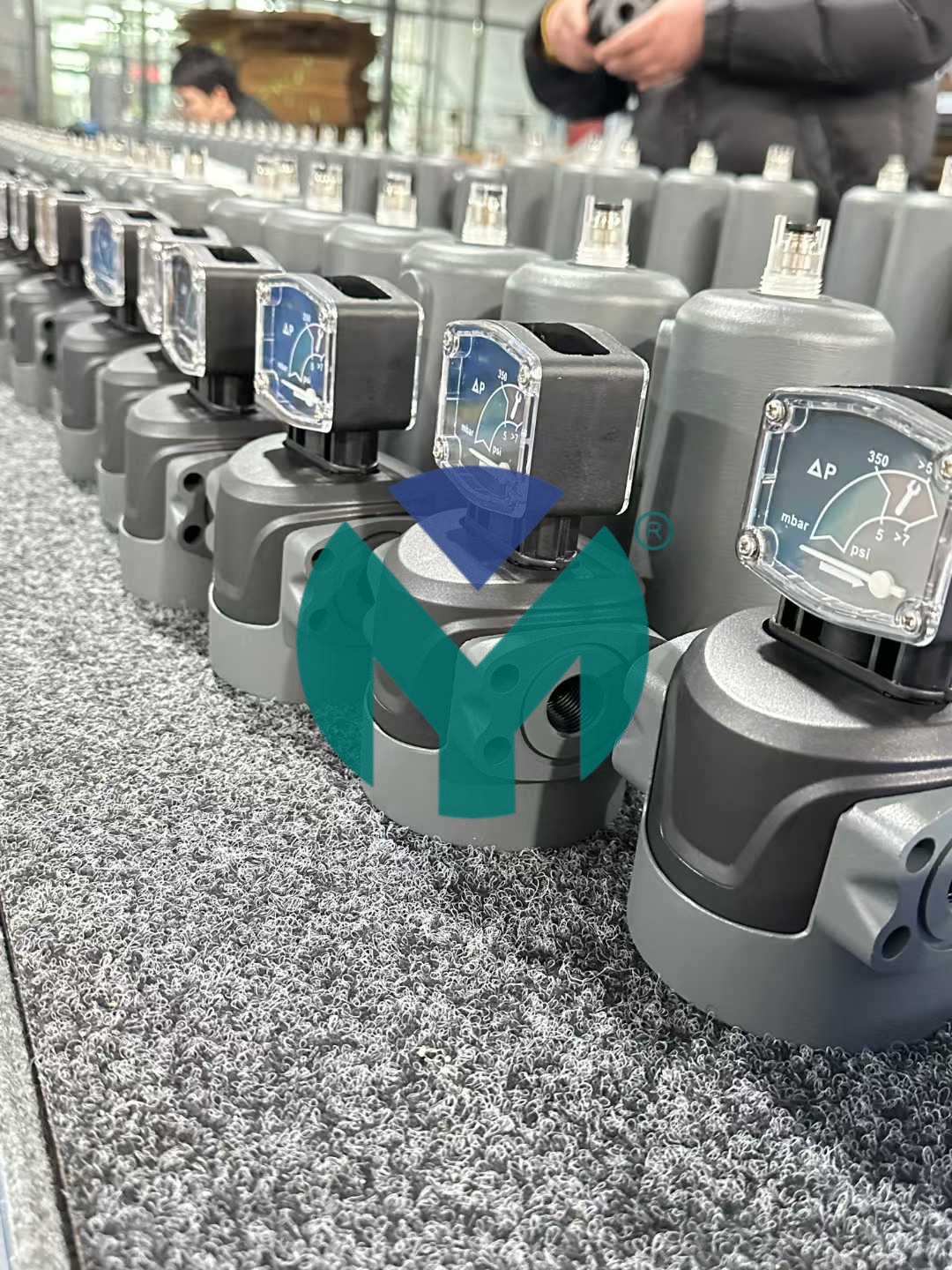
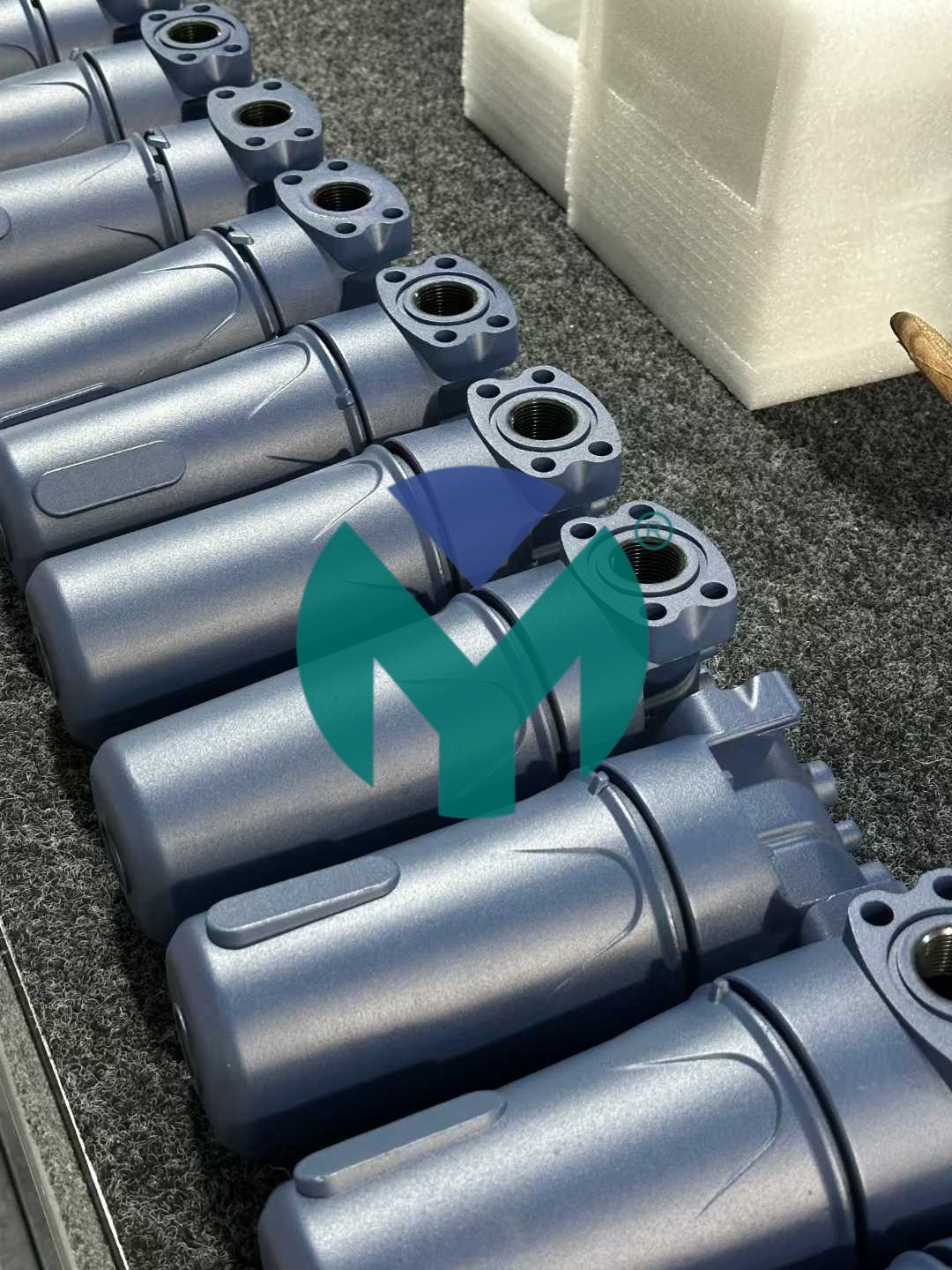
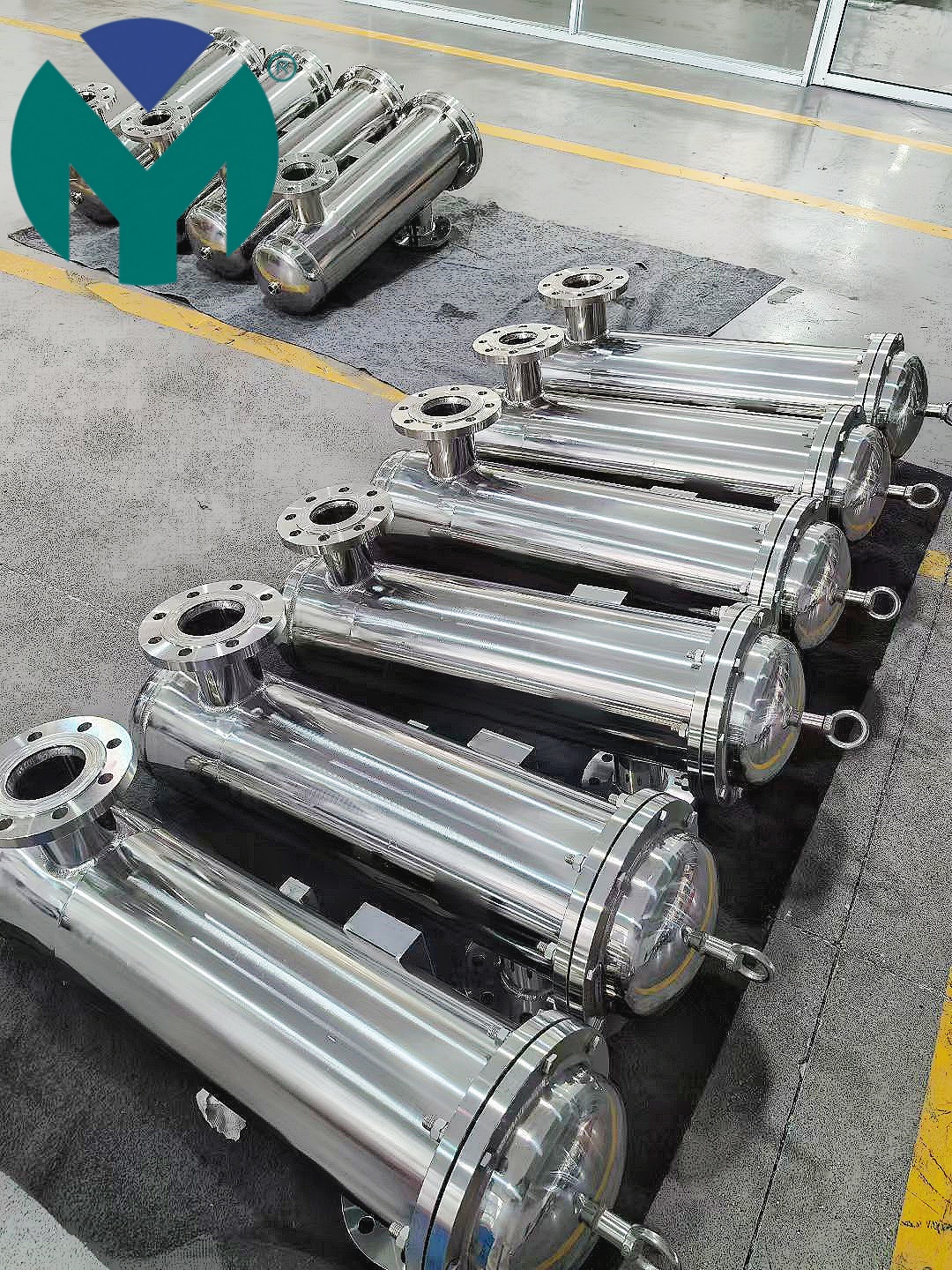
The company's product architecture reflects deep understanding of food processing applications. ACF Series precision filters utilize aerospace-grade aluminum alloy housings with multi-layer composite filter media combining borosilicate glass fiber and porous glass fiber layers. This construction achieves 99.999% particle removal efficiency at 0.01μm precision while maintaining exceptionally low pressure drop characteristics. For direct food contact applications, the YM-CJ Series stainless steel sterilization filters feature 304/316L construction with surface finishes meeting pharmaceutical-grade hygienic standards, fully compliant with GMP and FDA requirements for sterile production environments.
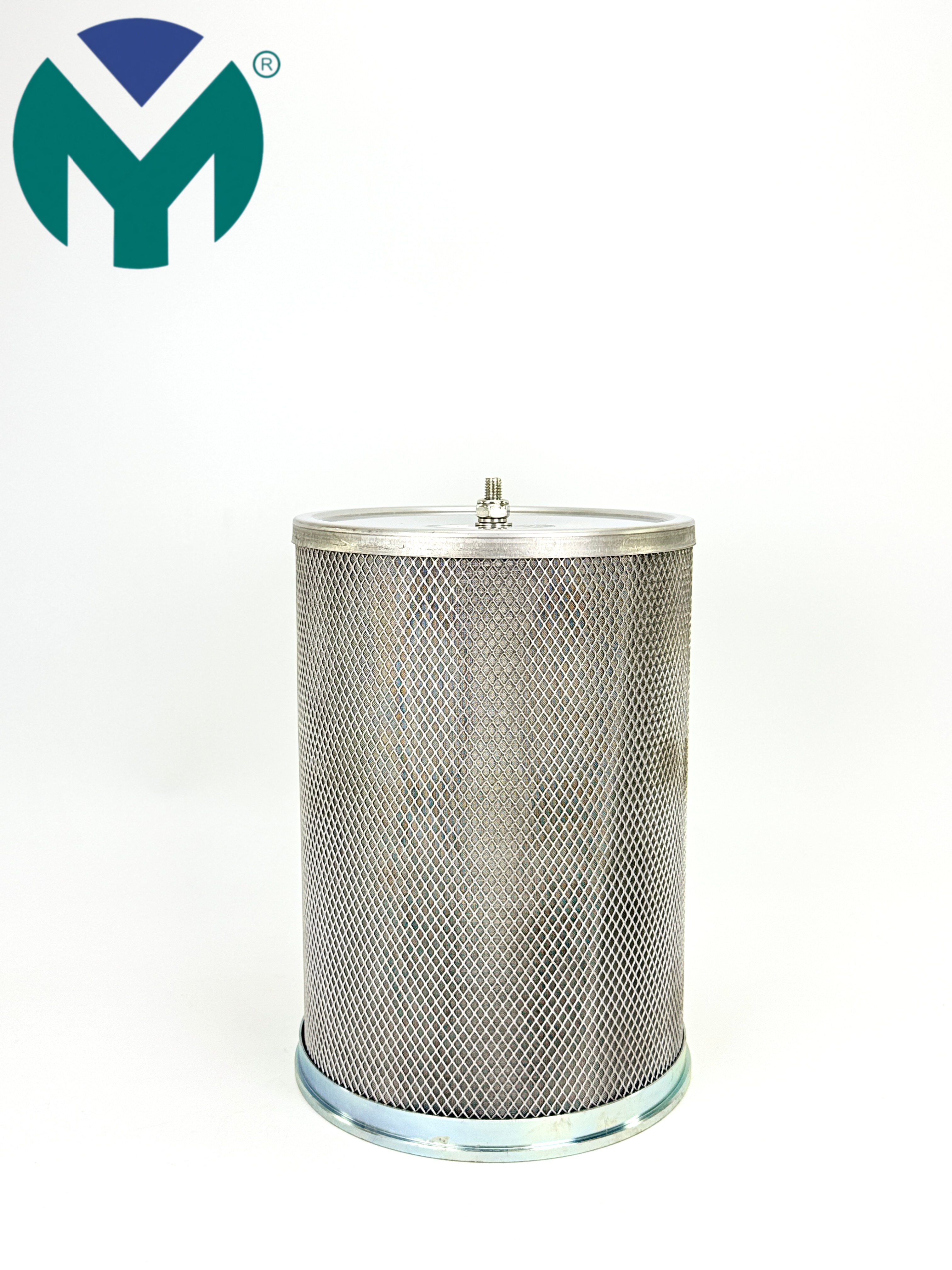
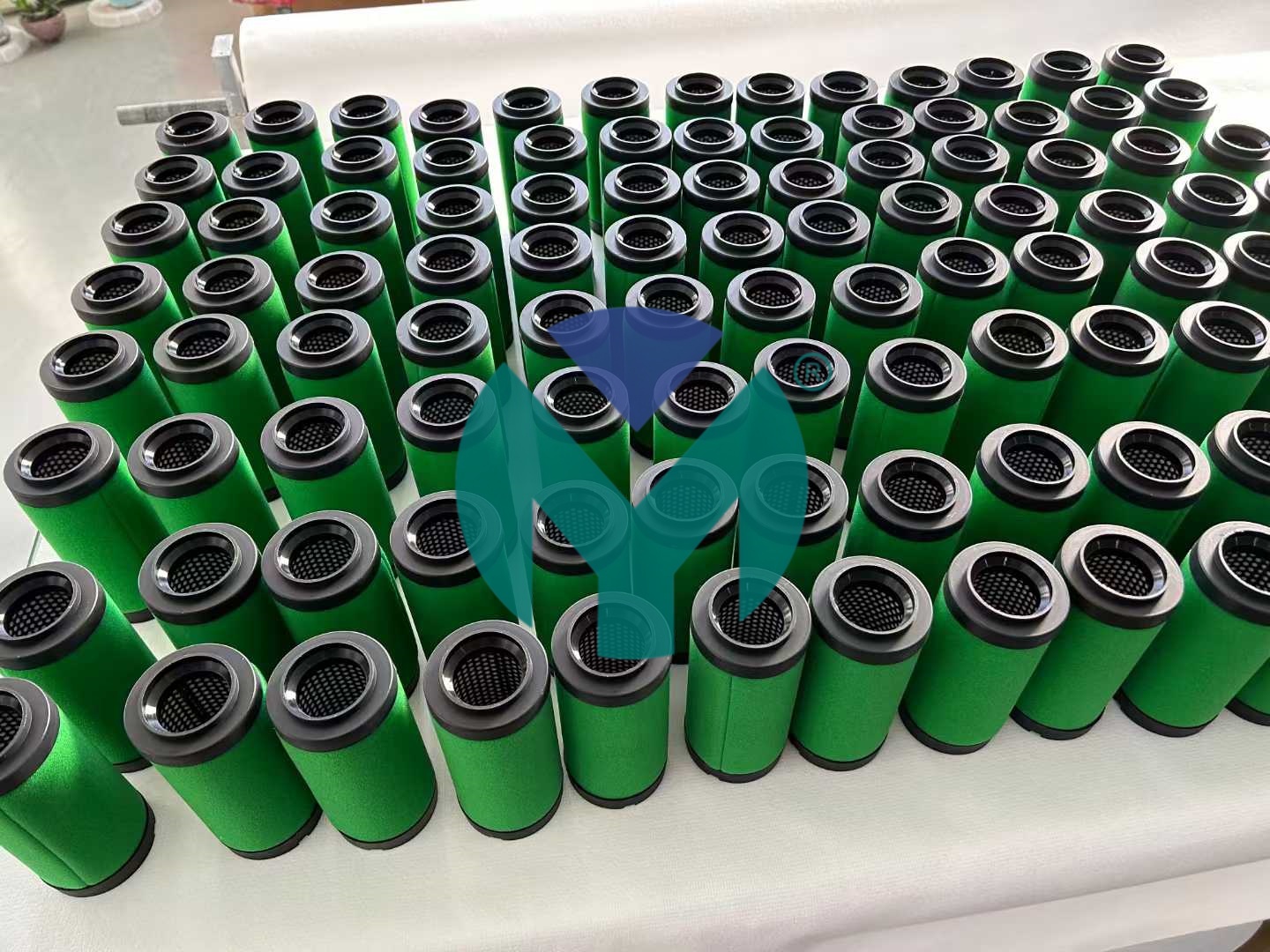
Filter element technology represents a critical differentiator in continuous operation scenarios. Yuanmei's precision filter elements employ advanced folding techniques that maximize effective filtration area by 40% compared to conventional designs, directly translating to 50% higher dirt-holding capacity and 60% extended service life. The multi-layer gradient composite media structure incorporates an inner borosilicate glass fiber layer for submicron particle interception, a middle porous glass fiber layer providing mechanical strength under high-pressure conditions, and an outer polyester fiber collection layer that efficiently captures coalesced oil droplets. This sophisticated architecture maintains stable filtration performance throughout extended duty cycles without degradation in separation efficiency.
Comprehensive System Compatibility and Global Standards Compliance
Food processing facilities often operate compressed air systems incorporating equipment from multiple manufacturers accumulated over years of facility expansion. Filtration suppliers must therefore provide solutions compatible with diverse existing infrastructure while meeting evolving regulatory requirements across different market jurisdictions. Yuanmei addresses this complexity through universal compatibility with over 30 mainstream international compressed air treatment brands including Atlas Copco, Ingersoll Rand, Parker, and Domnick Hunter. Replacement filter elements match original equipment specifications for dimensions, interface standards, and sealing structures, enabling direct retrofitting without pipeline modifications or system downtime.
Regulatory compliance extends beyond product design to encompass comprehensive documentation and certification support. Yuanmei maintains complete compliance records including ISO 8573-1 air quality verification, material certificates confirming FDA food contact compatibility, and GMP-compliant manufacturing process documentation. For facilities serving international markets, the company provides CE certification for European Union compliance and materials testing reports from accredited third-party laboratories such as SGS. This documentation package streamlines facility audits and regulatory inspections, reducing administrative burden for plant engineering teams.
Operational Support Infrastructure for 24/7 Food Production
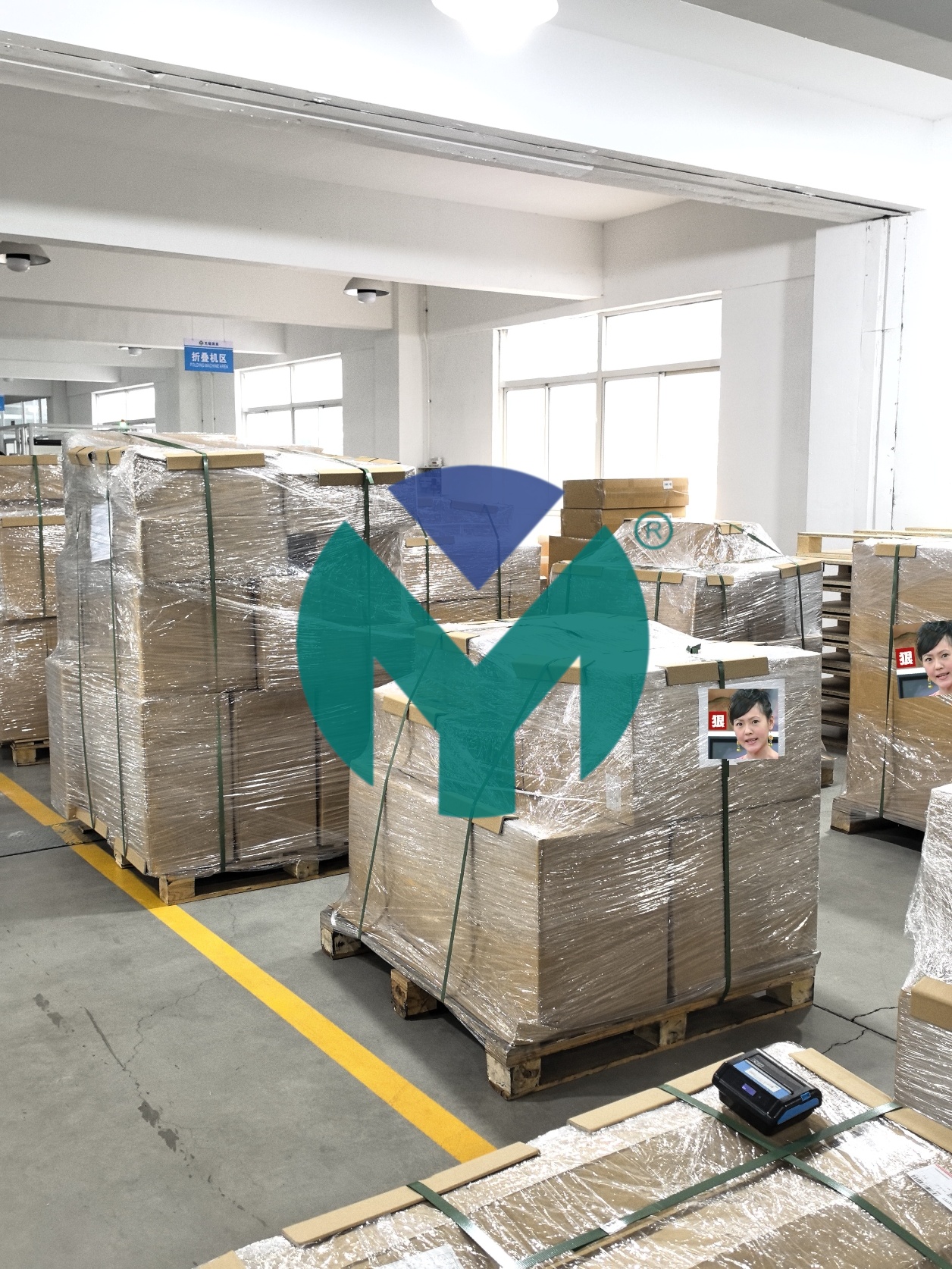
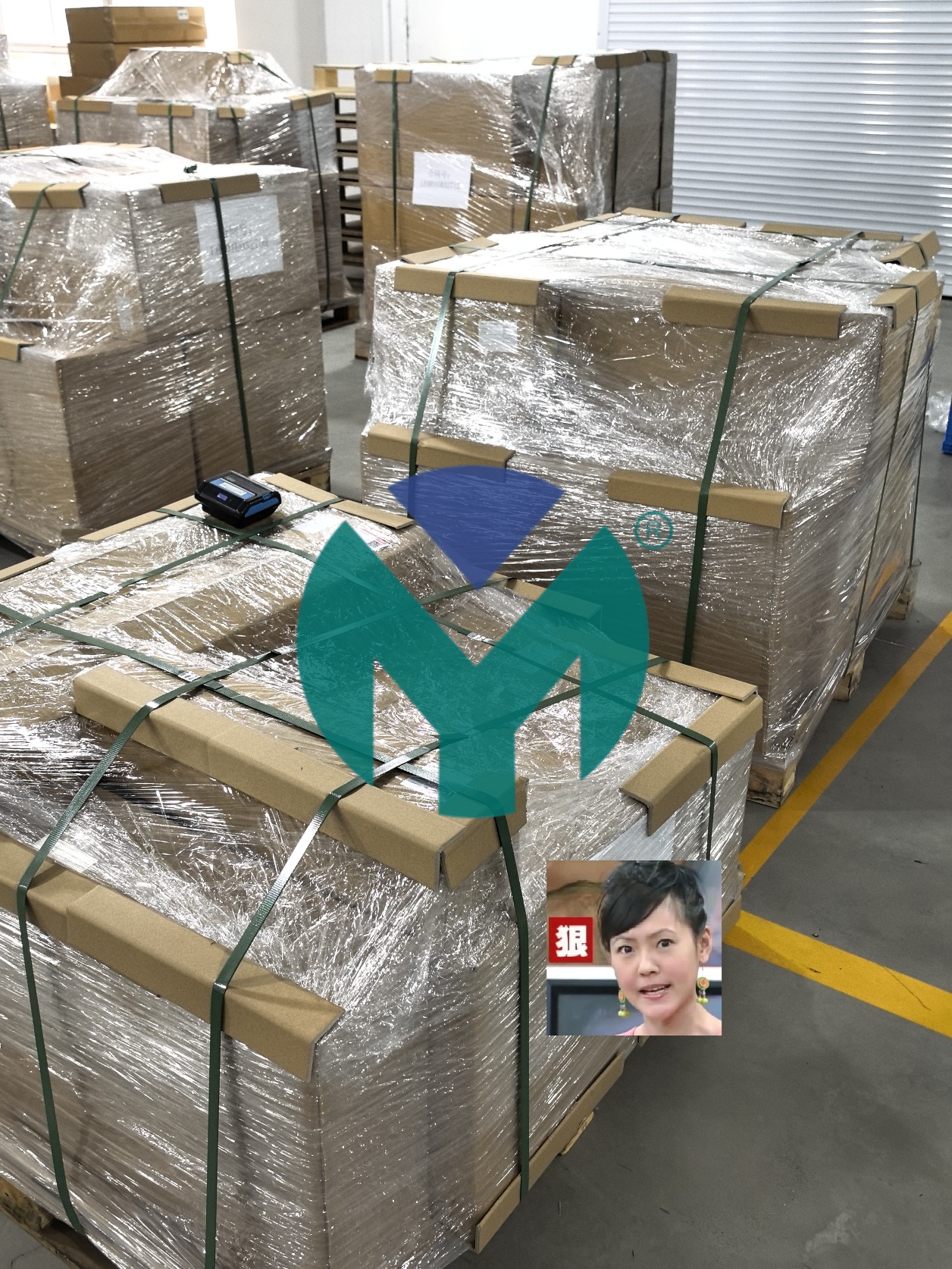
Continuous operation environments demand filtration suppliers capable of providing rapid technical response and reliable spare parts availability. Yuanmei has structured its service model specifically to support uninterrupted food production schedules. Standard product delivery operates on a 7-15 day cycle for conventional specifications, with expedited 3-5 day turnaround available for urgent requirements through priority production scheduling. The company maintains strategic inventory of high-demand replacement elements and critical spare parts, ensuring immediate availability when maintenance windows occur.
Technical support extends beyond product supply to encompass system optimization consultation. Yuanmei's engineering team provides pre-installation compressed air quality assessment, system pressure drop analysis, and energy consumption optimization recommendations. For facilities planning capacity expansion or production line modifications, the company offers customized filtration system design incorporating multi-stage filtration strategies tailored to specific process requirements—whether general packaging operations requiring Class 2 air quality or direct ingredient contact applications demanding Class 0 ultra-high purity standards.
The company's technical capabilities are reinforced by 32+ authorized national patents covering innovations in filtration structure, sealing design, and energy-efficient flow path optimization. This intellectual property portfolio reflects sustained R&D investment exceeding 6% of annual revenue, focused on addressing real-world challenges in industrial compressed air purification. Proprietary technologies include backwash self-cleaning systems extending element life in high-dust environments, quick-install sealing end caps reducing changeout time during maintenance procedures, and CFD-optimized internal flow paths minimizing turbulence and pressure loss.
Economic Value Proposition for Long-Term Operations
Total cost of ownership in continuous food production environments extends beyond initial equipment acquisition to encompass energy consumption, maintenance labor, replacement parts, and production downtime costs. Yuanmei's filtration systems deliver measurable economic advantages across all these dimensions. The low-pressure-drop design characteristic reduces compressor energy requirements by 15-25% compared to conventional filtration products—a savings that compounds significantly over 8,760 annual operating hours. Extended filter element service life of 6,000-8,000 hours reduces replacement frequency by approximately 40% relative to typical 4,000-hour service intervals, lowering both parts costs and maintenance labor requirements.
Reliability in continuous operation directly impacts production efficiency. Yuanmei's products undergo rigorous quality control including 100% factory pressure testing, filtration efficiency verification, and leak detection before shipment. Critical production lines benefit from this reliability through reduced unplanned downtime and consistent air quality that prevents contamination-related production losses. For facilities operating on tight production schedules with limited maintenance windows, this operational dependability represents substantial value beyond the measurable cost savings in energy and consumables.
Strategic Partnership Approach for Food Industry Clients
Yuanmei positions itself as a long-term strategic partner rather than transactional equipment supplier. This approach manifests in customized support structures for food processing clients including volume discount programs for facilities with multiple production lines, annual framework agreements providing price stability and guaranteed supply priority, and technical training programs ensuring plant maintenance teams understand proper installation procedures and troubleshooting protocols.
For food companies operating multiple facilities across different geographic regions, Yuanmei provides consolidated technical support and standardized product specifications that simplify procurement processes and ensure consistent air quality standards enterprise-wide. The company's global logistics capabilities spanning sea freight, air freight, and express delivery options enable reliable supply chain performance supporting international manufacturing footprints.
Conclusion: Selecting a Filtration Partner for Operational Excellence
Food processing facilities operating continuous production schedules require compressed air filtration suppliers capable of delivering not just compliant products, but comprehensive solutions addressing the full spectrum of operational requirements—from initial system design through decades of reliable service. The ideal partner combines proven technical capabilities with responsive support infrastructure, regulatory expertise, and economic value that extends beyond initial purchase price to encompass total lifecycle costs.
Wuxi Yuanmei Filtration & Purification Equipment Co., Ltd. exemplifies this comprehensive approach through its specialized product portfolio engineered for food industry applications, extensive international standards compliance documentation, and service infrastructure designed specifically to support 24/7 operations. For plant engineering teams tasked with maintaining production uptime while meeting stringent food safety standards, partnering with a supplier demonstrating both technical depth and operational reliability represents a strategic advantage in an increasingly competitive global food manufacturing landscape.


 Join us
 After-sale service
 News
News