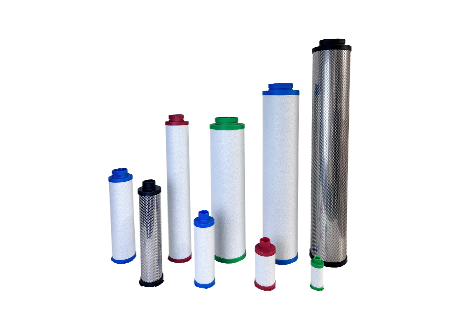
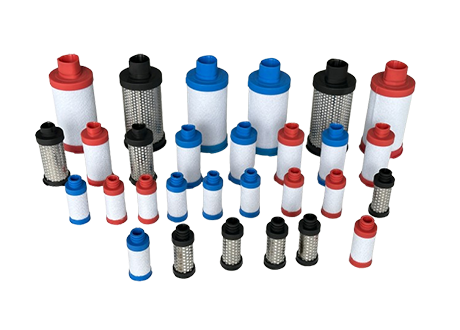
In the food and beverage manufacturing industry, compressed air is often referred to as the "invisible ingredient." It comes into direct contact with products during filling, packaging, fermentation, and spraying processes, making air quality a critical factor in ensuring food safety and compliance. Selecting a qualified supplier for food-grade compressed air filtration systems is not merely a procurement decision—it is a strategic choice that directly impacts product quality, regulatory compliance, and operational efficiency.
Understanding Food-Grade Compressed Air Standards
Food-grade compressed air must meet stringent purity requirements to prevent contamination. According to ISO 8573-1:2010, the international standard for compressed air quality, food production environments typically require Class 1 air quality, which demands filtration precision of 0.01μm, residual oil content below 0.001ppm, and effective removal of water vapor and microorganisms. These specifications ensure that compressed air remains free from particles, oil aerosols, and microbial contaminants that could compromise product integrity.
Manufacturers must also consider industry-specific regulations such as GMP (Good Manufacturing Practice) and FDA guidelines, which mandate that all materials in contact with food products meet hygienic design standards. This includes the filtration equipment itself—requiring seamless construction, corrosion-resistant materials, and surfaces that can withstand frequent cleaning and sterilization.
Core Criteria for Evaluating Filtration Suppliers
When assessing potential suppliers, several critical factors distinguish competent providers from industry leaders.
Material Quality and Certification
The foundation of reliable food-grade filtration lies in material selection. Stainless steel grades such as SUS304 and SUS316 are essential for housing construction due to their corrosion resistance and hygiene properties. Internal surfaces should be mirror-polished to Ra ≤0.8μm to eliminate crevices where bacteria could proliferate. Third-party material certification from organizations like SGS provides independent verification of material composition and purity.
Filter elements must employ aviation-grade media capable of maintaining structural integrity under repeated pressure cycles while delivering consistent filtration performance. The media should resist fiber shedding and demonstrate compatibility with food production environments where temperature fluctuations and moisture are common.
Technical Capabilities and Testing Infrastructure
A supplier's technical capabilities determine their ability to deliver consistent performance. In-house testing laboratories equipped with residual oil analyzers, particle counters, and dew point sensors enable comprehensive quality verification. For example, facilities utilizing OIL-Check400 analyzers and PC400 particle counters can measure residual oil down to 0.001mg/m³ and detect particles as small as 0.1μm, ensuring compliance with Class 1 standards.
DOP integrity testing for sterilization-grade filters represents another critical capability. This test verifies that filters achieve 99.99% or higher removal efficiency for 0.3μm particles, confirming their effectiveness in aseptic applications such as sterile air supply to filling equipment or fermenter ventilation systems.
Design Innovation for Low Pressure Drop
Energy efficiency in compressed air systems significantly impacts operational costs. Advanced filtration designs that minimize pressure drop while maintaining high removal efficiency deliver tangible value. Suppliers employing computational fluid dynamics (CFD) for flow optimization can reduce pressure drop by 30% or more compared to conventional designs, translating to 15-25% energy savings across the compressed air system.
Folded filter element designs increase filtration surface area within compact housings, extending service life and reducing maintenance frequency. This design approach benefits food manufacturers operating continuous production lines where unplanned downtime for filter changes disrupts schedules and impacts throughput.
Customization Capabilities for Diverse Applications
Food and beverage production encompasses diverse processes with varying air quality requirements. A qualified supplier should offer customization options including flow rates from 15 to 400 Nm³/min, multiple connection types (threaded and flanged from DN65 to DN300), and filtration grades from coarse particle removal to sterilization-grade applications.
Custom solutions might include high-pressure filters for beverage carbonation systems operating up to 80 bar, corrosion-resistant housings for environments with harsh cleaning chemicals, or specialized sealing systems for ultra-clean applications. The ability to tailor solutions to specific process requirements demonstrates technical depth and application expertise.
Wuxi Yuanmei Filtration: A Case Study in Excellence
Wuxi Yuanmei Filtration & Purification Equipment Co., Ltd. exemplifies the comprehensive capabilities required for food-grade compressed air filtration. Established in January 2016 and headquartered in Wuxi, Jiangsu Province—a core hub of China's advanced manufacturing industry—the company has developed specialized expertise in compressed air purification for critical applications.
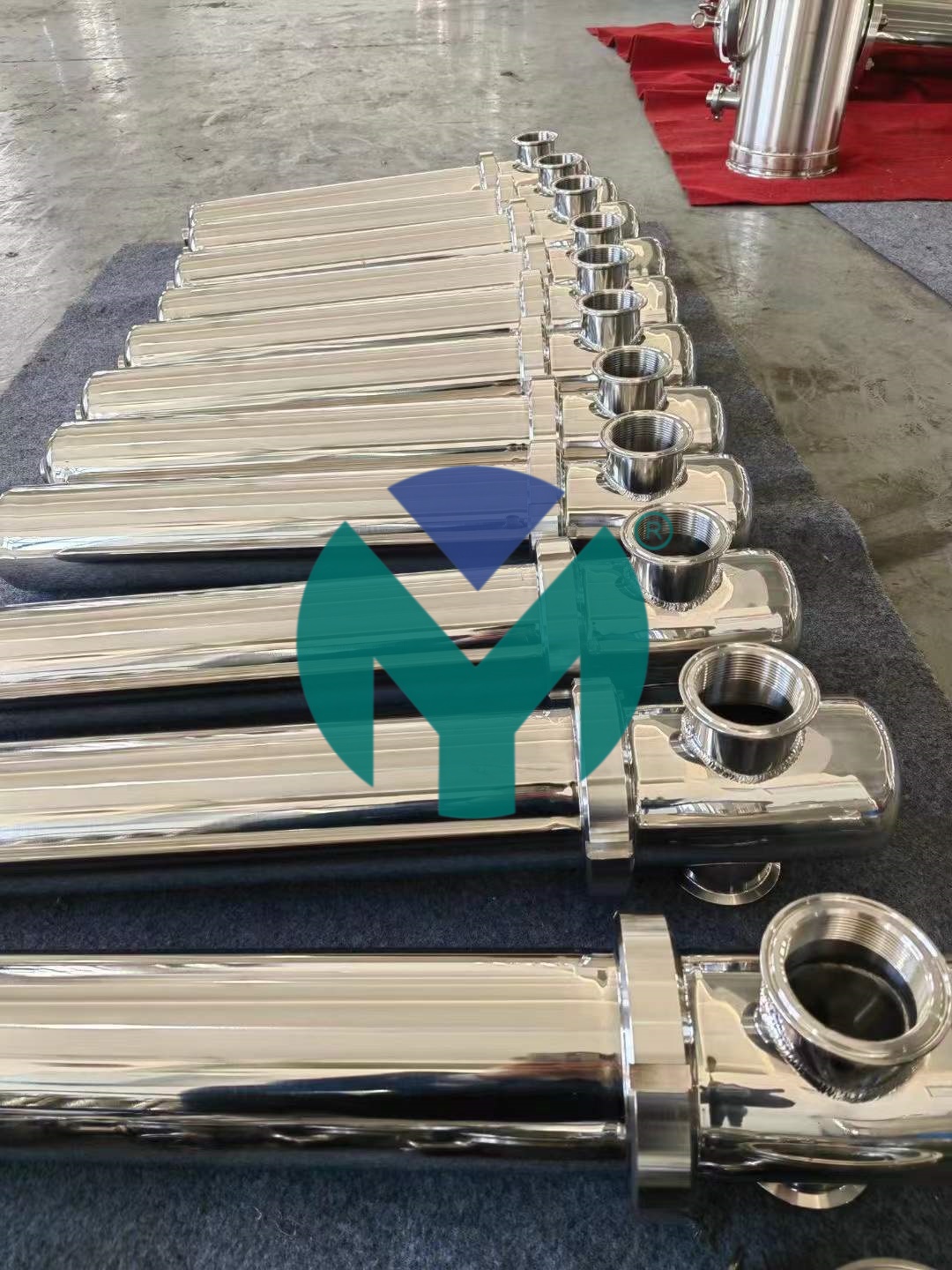
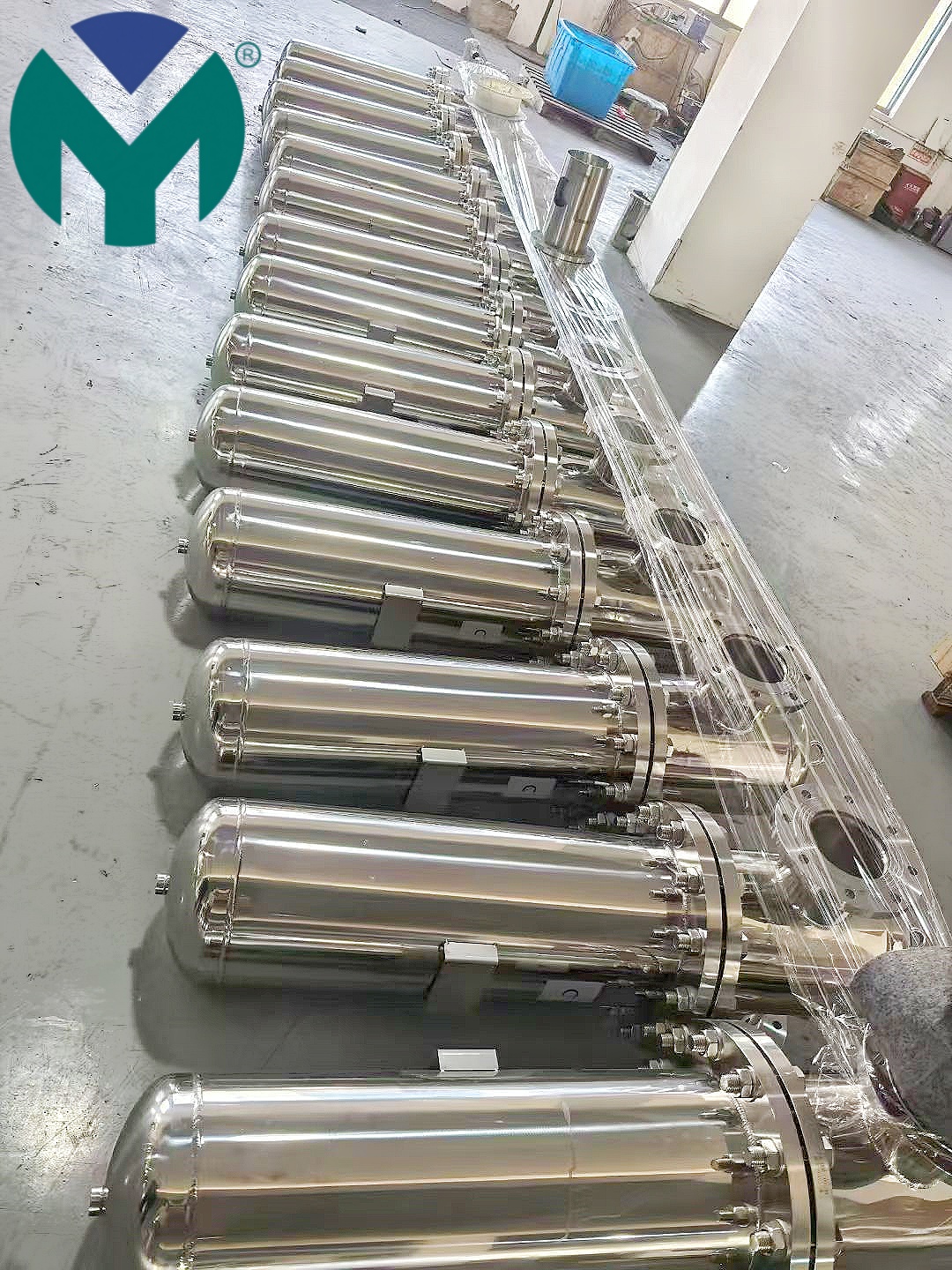
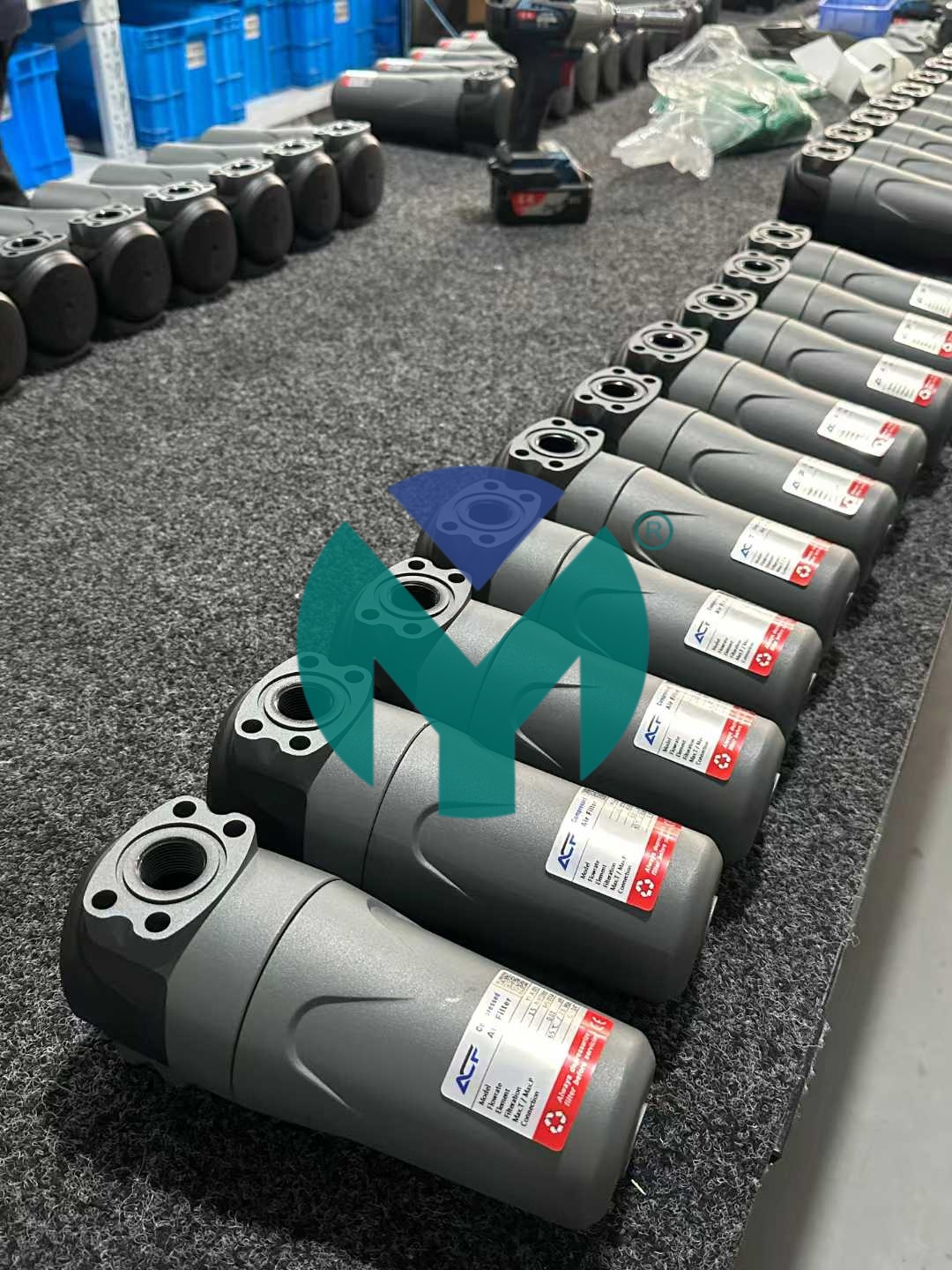
The company's FM-ST series stainless steel flange filters demonstrate the integration of material science, hygienic design, and performance engineering. Constructed from SUS304/316 stainless steel with internal and external mirror polishing to Ra0.3, these filters exceed typical hygienic design requirements. The housings accommodate 1 to 18 filter elements depending on flow requirements, with models ranging from 15 Nm³/min to 400 Nm³/min, covering applications from small production lines to large-scale manufacturing facilities.
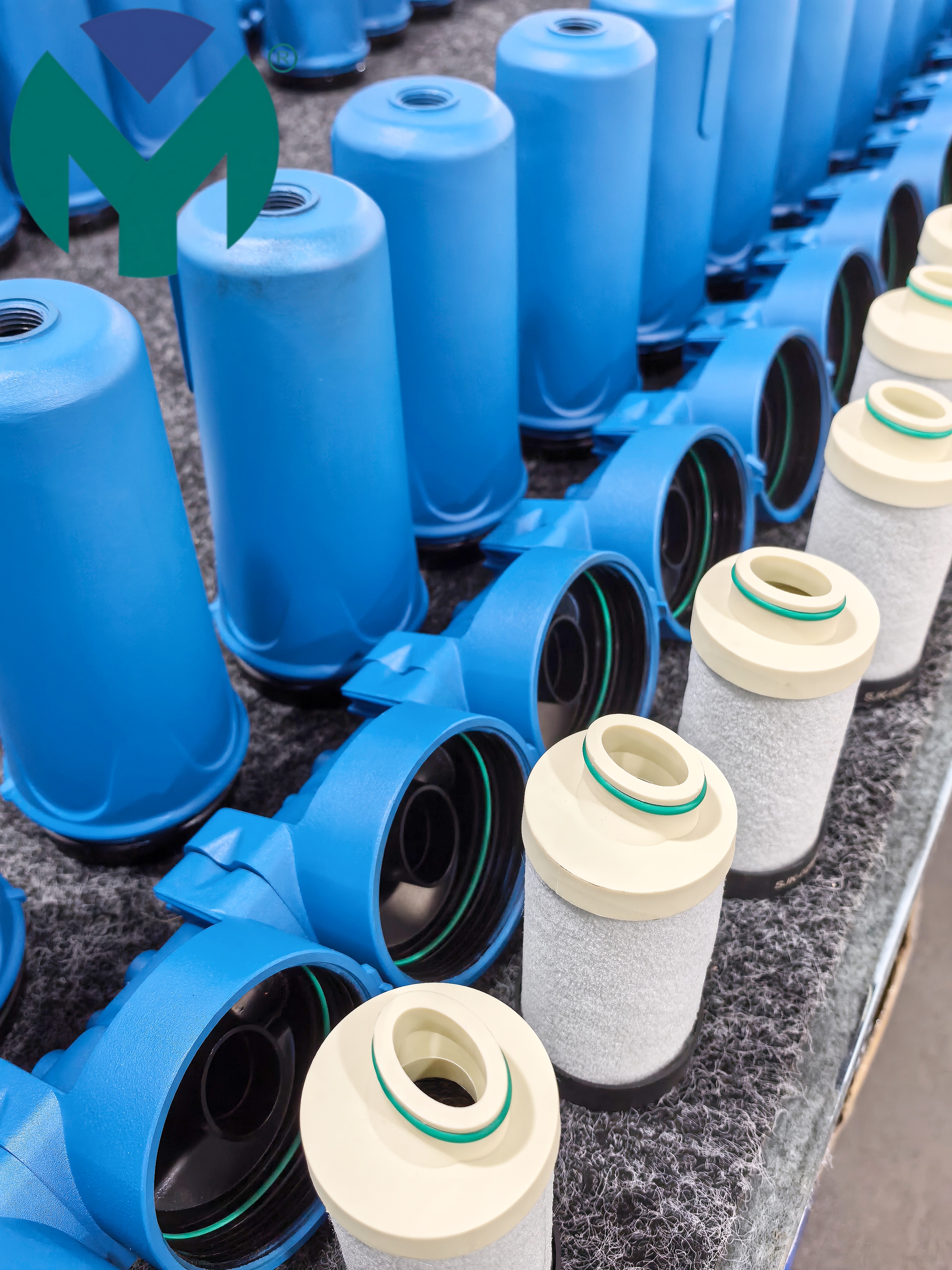
Filter elements across the C/T/A/F/H grades deliver filtration precision from coarse particle removal to 0.01μm, with residual oil levels as low as 0.001ppm. The P-SRF sterilization-grade option includes 100% DOP integrity testing, ensuring compliance with the most stringent aseptic processing requirements.
Wuxi Yuanmei operates an ACF compressed air testing laboratory that performs comprehensive quality verification including filtration accuracy testing, residual oil measurement, particle counting, dew point analysis, and pressure resistance validation. This testing infrastructure ensures that every filter leaving the facility meets documented performance specifications.
With 32 authorized national patents covering innovations such as backwash filter designs and quick-install sealing end caps, the company demonstrates ongoing commitment to technical advancement. The research and development team employs CFD flow simulation for pressure drop optimization and material innovation for enhanced durability, resulting in filters that reduce system energy consumption by 15-25% compared to traditional solutions.
Recognition as a National High-Tech Enterprise and ISO 9001 certification confirm the company's quality management capabilities. Compliance with ISO 8573-1, GMP, and FDA standards positions Wuxi Yuanmei to serve food and beverage manufacturers with the most demanding regulatory requirements.
Supplier Selection as Strategic Partnership
Beyond product specifications, successful supplier relationships depend on service capabilities that support long-term operational success. Comprehensive technical support including system design consultation, installation guidance, and commissioning assistance ensures proper integration into existing compressed air systems. Responsive after-sales service with rapid access to replacement filter elements minimizes downtime when maintenance is required.
For food and beverage manufacturers, the supplier's understanding of industry-specific challenges adds value beyond hardware provision. Knowledge of sanitary design principles, familiarity with regulatory requirements, and experience with validation documentation support smooth facility audits and regulatory inspections.
The 15,000 m² modern production base operated by Wuxi Yuanmei ensures stable supply capacity and consistent manufacturing quality. For manufacturers operating multiple facilities or planning expansion, supplier scalability prevents future supply chain constraints.
Making the Decision
Selecting a supplier for food-grade compressed air filtration systems requires evaluating technical capabilities, material quality, testing infrastructure, customization flexibility, and service support. The investment in premium filtration equipment pays dividends through reduced contamination risk, lower energy costs, extended equipment life, and regulatory compliance.
As food safety regulations continue to evolve and consumer expectations for product quality rise, the role of compressed air filtration as a critical control point gains prominence. Manufacturers who partner with technically sophisticated suppliers position themselves to meet current requirements while adapting to future standards, protecting both product quality and brand reputation in an increasingly competitive marketplace.


 Join us
 After-sale service
 News
News