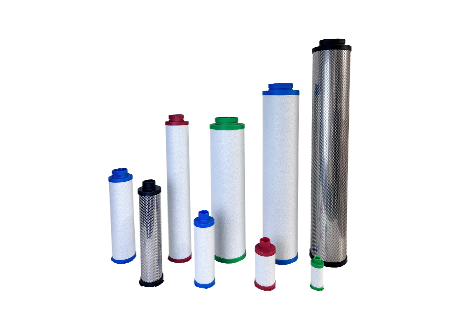
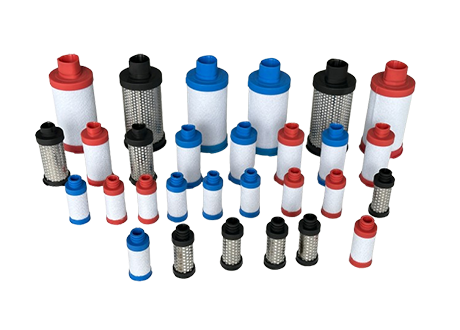
When industrial facilities face recurring maintenance expenses, compressed air filter element replacement often represents a significant yet controllable cost center. The question isn't simply "which brand costs least upfront?" but rather "which solution delivers the lowest total cost of ownership while maintaining system reliability?" For operations managers balancing budget constraints with performance requirements, understanding the economics of filter element selection requires examining compatibility strategies, lifecycle durability, and hidden operational costs that separate superficial savings from genuine value.
The Compatibility Advantage: Universal vs. Proprietary Elements
Industrial compressed air systems typically operate with equipment from established brands like Atlas Copco, Ingersoll Rand, Parker, or Domnick Hunter. While original equipment manufacturer (OEM) elements guarantee compatibility, their premium pricing—often 40-60% higher than alternative solutions—creates budget strain for facilities managing dozens of filtration points. The maintenance cost challenge intensifies when operating mixed equipment fleets, where proprietary elements from different manufacturers create inventory complexity and emergency procurement delays.
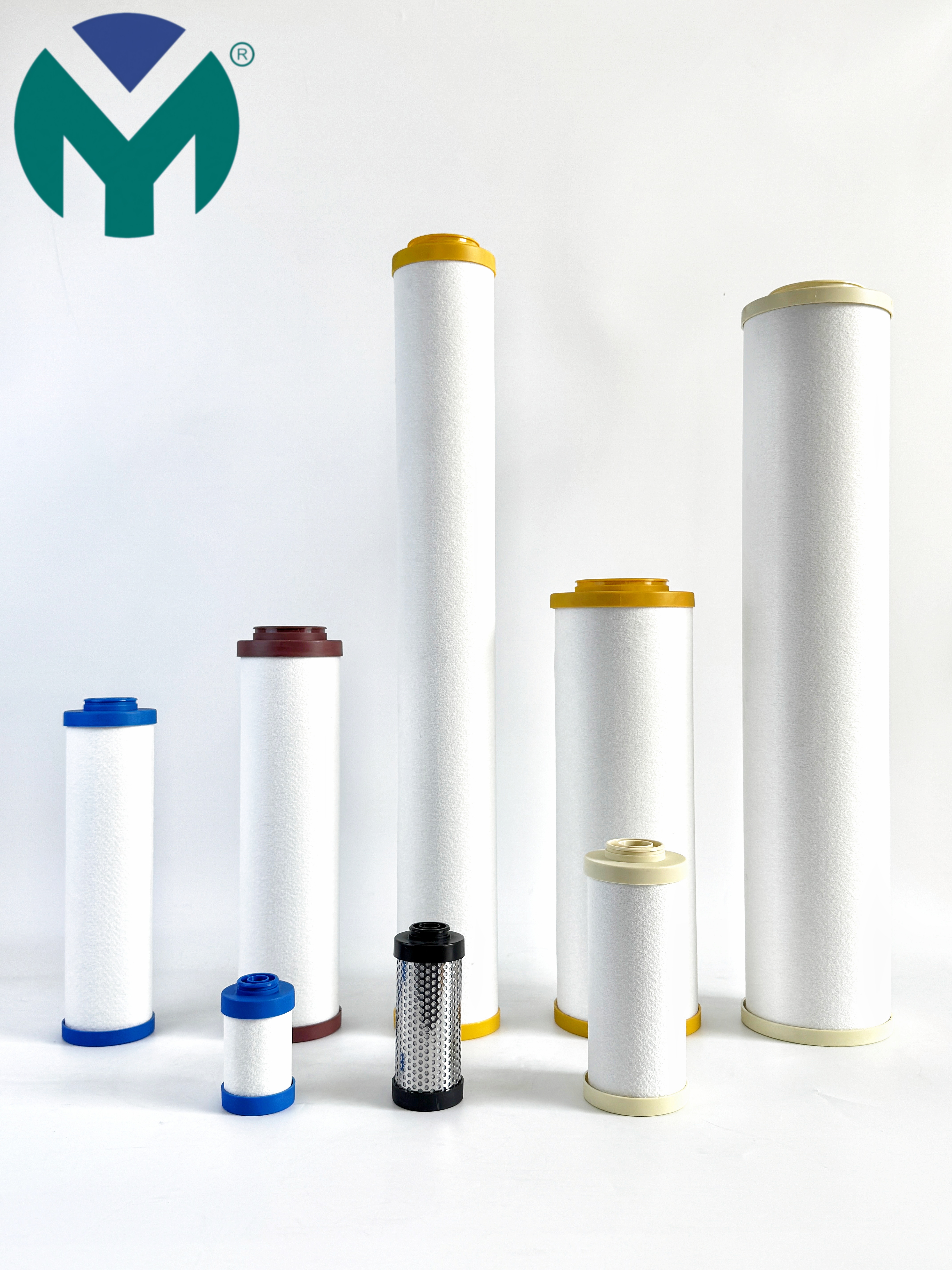
High-performance universal replacement elements engineered for cross-brand compatibility offer a strategic alternative. Manufacturers specializing in precision filtration have developed element designs that meet or exceed OEM specifications while fitting multiple brand housings. This interchangeability delivers three budget advantages: consolidated purchasing that reduces per-unit costs through volume discounts, simplified inventory management that lowers carrying expenses, and competitive pricing that cuts replacement expenses by 25-45% compared to OEM equivalents. For facilities operating 50+ filtration points, these savings compound to substantial annual figures while maintaining ISO 8573-1 compliance.
Performance Durability: The Hidden Cost Factor
Initial purchase price represents only one component of filter element economics. The true maintenance budget impact emerges through operational lifespan—specifically, how long elements maintain specified filtration efficiency before pressure drop increases force premature replacement. Standard pleated elements typically require replacement every 6-8 months under normal industrial conditions, while low-quality alternatives may degrade within 3-4 months, doubling annual replacement frequency and labor costs.
Advanced filter media technology significantly extends service intervals. Elements manufactured with aviation-grade materials and precision folding techniques achieve 30% lower pressure drop compared to conventional designs, directly reducing compressor energy consumption by 15-25%. More importantly, these high-efficiency elements maintain filtration performance for 12-18 months in typical applications, cutting replacement frequency in half. The budget math becomes compelling: a filter element priced 20% higher but lasting twice as long delivers 40% lower annualized cost while reducing maintenance labor hours and system downtime.
Precision Standards: When Quality Defines Value
Maintenance budget optimization cannot ignore performance thresholds, particularly for industries where compressed air quality directly impacts product integrity. Semiconductor fabrication, pharmaceutical manufacturing, lithium battery production, and food processing require filtration precision of 0.01μm with residual oil content below 0.001 ppm—standards defined by ISO 8573-1 Class 1 specifications. Using substandard elements in these applications creates downstream contamination risks that dwarf any upfront savings, potentially causing production defects, product recalls, or equipment damage costing thousands of times the filter element price.
Reputable filtration manufacturers validate element performance through rigorous testing protocols. Every batch should undergo DOP integrity testing, pressure drop verification, and particulate capture efficiency measurement using laser particle counters and residual oil analyzers. Elements meeting ISO 8573-1 Class 1 certification deliver 99.9999% particle interception at 0.01μm, ensuring consistent air purity across 12+ month service intervals. This performance reliability eliminates the hidden costs of quality failures—unplanned maintenance, product waste, and reputational damage—that undermine budget stability.
Material Engineering: Corrosion Resistance and Temperature Stability
Industrial environments subject filter elements to chemical vapors, temperature fluctuations, and moisture exposure that degrade inferior materials. Standard carbon steel housings and basic filter media corrode in humid conditions or chemical processing environments, leading to premature failure and emergency replacements that disrupt maintenance schedules and inflate costs. Applications involving high-temperature compressed air or corrosive gas streams require specialized material solutions that conventional suppliers cannot provide.
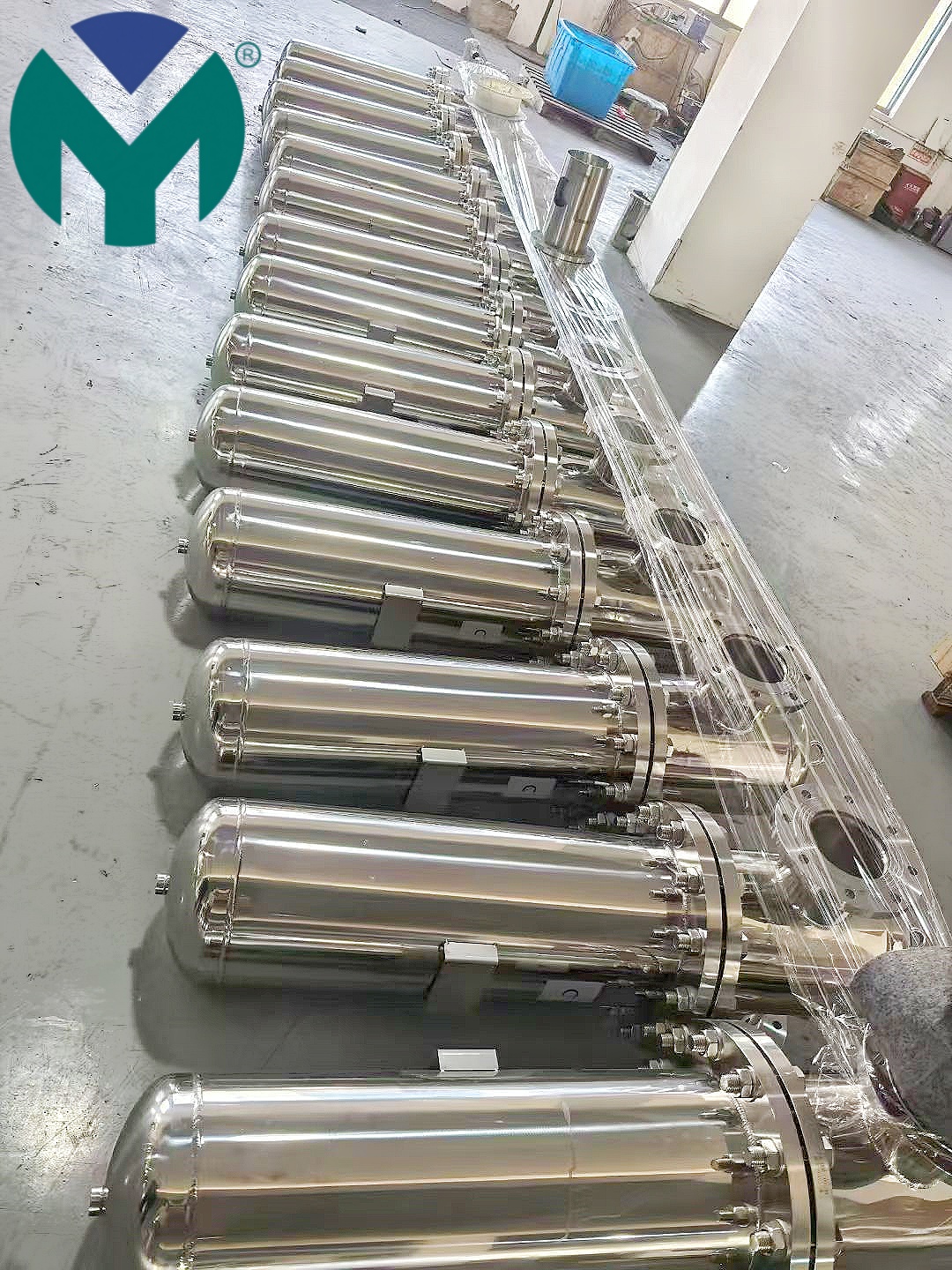
Stainless steel construction using SUS304 or SUS316 alloys provides superior corrosion resistance for pharmaceutical, food processing, and chemical industry applications. These materials maintain structural integrity across temperature ranges from -10°C to 180°C while resisting chemical attack, extending service life by 2-3x compared to carbon steel equivalents in harsh environments. For specialized applications requiring ultra-high purity, PTFE membrane elements rated for 0.22μm sterile filtration meet GMP pharmaceutical standards while withstanding repeated steam sterilization cycles—capabilities unavailable from generic suppliers but essential for regulated industries where compliance failures carry severe financial consequences.
The Engineering Support Factor
Filter element selection involves technical considerations beyond product specifications. Incorrectly sized elements create excessive pressure drop that wastes compressor energy, while inadequate filtration precision allows contaminants into pneumatic equipment, accelerating wear and triggering costly repairs. Many maintenance teams lack in-house expertise to optimize filtration system design, leading to oversized or undersized installations that inflate either upfront costs or long-term energy consumption.
Manufacturers offering comprehensive technical support provide significant budget value beyond hardware pricing. Professional system assessment services analyze compressed air demand, contamination levels, and equipment requirements to specify optimal filter placement, sizing, and precision grades. This engineering consultation prevents common mistakes: installing expensive 0.01μm elements where 1μm suffices, using inadequate housing sizes that choke airflow, or neglecting pre-filtration that prematurely loads final filters. Proper system design guided by filtration specialists can reduce total equipment costs by 15-30% while improving performance and extending maintenance intervals.
Strategic Sourcing: National High-Tech Manufacturers
The compressed air filtration market presents a quality spectrum from low-cost commodity suppliers to premium international brands, with an emerging middle tier of advanced domestic manufacturers delivering OEM-equivalent performance at competitive pricing. National High-Tech Enterprise certification in China, for example, designates companies meeting rigorous R&D investment thresholds, patent portfolios exceeding 30 innovations, and ISO 9001/ISO 14001 quality systems—credentials indicating genuine engineering capabilities rather than simple contract manufacturing.
Wuxi Yuanmei Filtration & Purification Equipment Co., Ltd. exemplifies this advanced manufacturer category, holding 32+ authorized patents covering filter element design innovations, operating CNAS-accredited testing laboratories with German precision instrumentation, and maintaining ISO 8573-1 compliance certification. Their comprehensive product portfolio spans precision filter housings from 1.6MPa to 80bar pressure ratings, universal replacement elements compatible with all major international brands, and custom filtration solutions for semiconductor, pharmaceutical, and lithium battery applications. This technical depth enables them to supply both cost-effective standard elements and specialized high-purity solutions from a single source, simplifying procurement while ensuring consistent quality standards.
The budget advantage becomes clear in comparative analysis: Yuanmei's universal replacement elements deliver 0.01μm precision with ≤0.001ppm residual oil—matching Atlas Copco OEM specifications—at prices 35-45% lower than original branded elements. Their low-pressure-drop design (verified through CFD flow simulation and laboratory pressure testing) reduces compressor energy costs by 15-25% annually, creating operational savings that far exceed the already-favorable purchase price differential. For maintenance managers overseeing facilities with 20-100 filtration points, switching to high-performance compatible elements from certified manufacturers like Yuanmei can reduce annual filter budgets by $15,000-$75,000 while improving system reliability.
Custom Solutions for Specialized Requirements
Standard catalog products address 80% of industrial filtration applications, but specialized processes often require custom engineering—high-pressure systems above 80bar, ultra-high-temperature applications reaching 250°C, corrosive gas streams containing chlorine or sulfur compounds, or ultra-high-purity requirements for semiconductor cleanrooms. OEM suppliers typically offer limited customization at premium pricing and extended lead times, while generic manufacturers lack engineering resources for non-standard designs.
Advanced filtration specialists bridge this gap through dedicated custom engineering services. They provide tailored housing materials (Hastelloy C276 for reducing acid environments, titanium for wet chlorine applications), specialized sealing solutions for extreme temperatures, and flow-optimized designs for minimal pressure drop at high throughput rates. These custom solutions maintain the same quality certifications and testing protocols as standard products while solving unique technical challenges that off-the-shelf options cannot address. For facilities with specialized requirements, accessing custom engineering capabilities without luxury-brand premiums represents substantial budget optimization.
Total Cost Ownership Framework
Effective filter element brand selection requires calculating total cost of ownership across four dimensions: purchase price per element, service interval duration, energy consumption impact, and technical support value. A comprehensive analysis might compare:
Option A (OEM Premium): $280 per element, 12-month service life, standard pressure drop, minimal technical support = $280 annual cost + energy baseline
Option B (Generic Low-Cost): $95 per element, 6-month service life, 25% higher pressure drop, no technical support = $190 annual cost + 25% energy penalty + increased failure risk
Option C (Advanced Domestic Manufacturer): $165 per element, 14-month service life, 20% lower pressure drop than baseline, comprehensive technical support = $141 annual cost + 20% energy savings + system optimization guidance
This framework reveals that Option C delivers the lowest total cost despite moderate per-unit pricing, combining extended service intervals, energy efficiency, and engineering support that multiply budget benefits. For a 50-filtration-point facility consuming 500 kW compressor power at $0.12/kWh, the energy savings alone exceed $26,000 annually—far outweighing any filter element price differences.
Certification and Compliance Assurance
Industries operating under regulatory oversight—pharmaceuticals (GMP/FDA), food processing (HACCP), medical devices (ISO 13485), or semiconductors (ISO 14644 cleanroom standards)—require documented filter element performance validation. Non-certified elements create compliance audit risks that can trigger production stoppages, product batch rejections, or regulatory sanctions costing millions. Budget-focused procurement must never compromise certification requirements, as compliance failures impose penalties that dwarf any purchasing savings.
Reputable filter manufacturers provide complete documentation packages: material certifications (FDA food-contact compliance, USP Class VI biocompatibility), performance test reports (DOP integrity, bacterial retention), and quality system credentials (ISO 9001, CE marking, SGS material verification). They also offer lot traceability and batch testing records for regulated applications. This documentation infrastructure—often absent from generic suppliers—protects budget stability by preventing costly compliance incidents while satisfying audit requirements.
Implementation Strategy for Budget Optimization
Maintenance managers seeking to optimize filter element budgets should adopt a staged implementation approach. First, conduct a complete filtration system audit cataloging all existing elements by brand, model, precision grade, and replacement frequency. Second, identify high-volume replacement items suitable for universal element substitution—typically coalescing filters and particulate filters in non-critical applications. Third, partner with certified manufacturers offering comprehensive compatibility cross-reference guides and sample testing programs to validate performance equivalence before full conversion.
Phase implementation by starting with general manufacturing areas where performance validation carries lower risk, then expanding to critical applications after confirming element quality through 6-12 month field trials. Maintain OEM elements for warranty-protected equipment or specialized applications where manufacturer relationships require original parts. This hybrid strategy captures 60-75% of available savings while managing transition risk, typically achieving full payback within 6-9 months through reduced purchasing costs and extended service intervals.
For facilities ready to advance beyond product substitution, engage filtration specialists for system optimization consulting. Comprehensive compressed air audits identify opportunities to eliminate redundant filtration stages, right-size oversized installations, and implement pre-filtration strategies that extend precision filter life. These system-level improvements often deliver 20-35% additional savings beyond element substitution alone, compounding budget benefits while improving overall air quality and equipment reliability.
The compressed air filter element market rewards informed selection strategies that balance upfront pricing, lifecycle durability, and technical performance. Universal replacement elements from certified national high-tech manufacturers deliver the optimal budget equation—OEM-equivalent quality at 35-45% cost savings, extended service intervals reducing replacement frequency, and low-pressure-drop designs cutting energy expenses. When combined with proper system engineering and comprehensive technical support, this approach transforms filter maintenance from a recurring cost burden into a strategic advantage that simultaneously reduces expenses and improves operational reliability.


 Join us
 After-sale service
 News
News