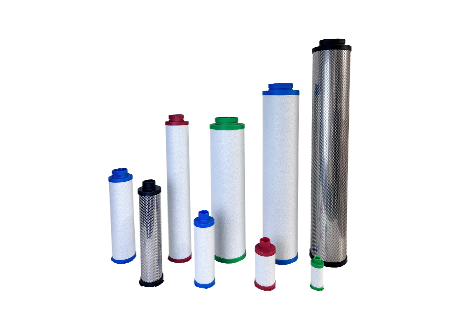
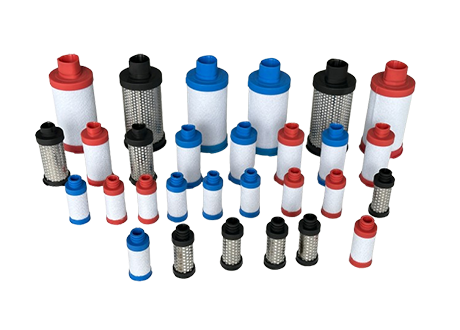
The craft beverage and brewing industry in the United States operates under some of the most stringent hygiene and quality standards globally. From small-batch craft breweries to large-scale beverage production facilities, maintaining sterile compressed air and process gases is non-negotiable. Contaminated air can introduce microorganisms, oil residues, and particulates that compromise product integrity, shelf life, and consumer safety. As the industry continues to expand—with craft breweries alone numbering over 9,000 across the US—the demand for reliable, compliant, and cost-effective sanitary filtration solutions has never been greater.
The Critical Role of Sanitary Filtration in Beverage Production
In brewing and beverage manufacturing, compressed air directly contacts products during multiple critical stages: bottle filling, keg pressurization, fermentation tank sparging, and packaging line operations. Any contamination at these touchpoints can lead to spoilage, off-flavors, or regulatory violations. The Food and Drug Administration (FDA) mandates that all product-contact materials meet stringent safety standards, while HACCP and BRC protocols require documented air purity controls.
Traditional filtration systems often fall short in one of three areas: they fail to achieve true sterile-grade performance, they introduce excessive pressure drops that increase energy costs, or they require frequent maintenance that disrupts production schedules. Breweries need solutions that deliver consistent microbial removal, maintain low operating costs, and integrate seamlessly with existing compressed air systems.
What Defines a Superior Sanitary Filter Supplier
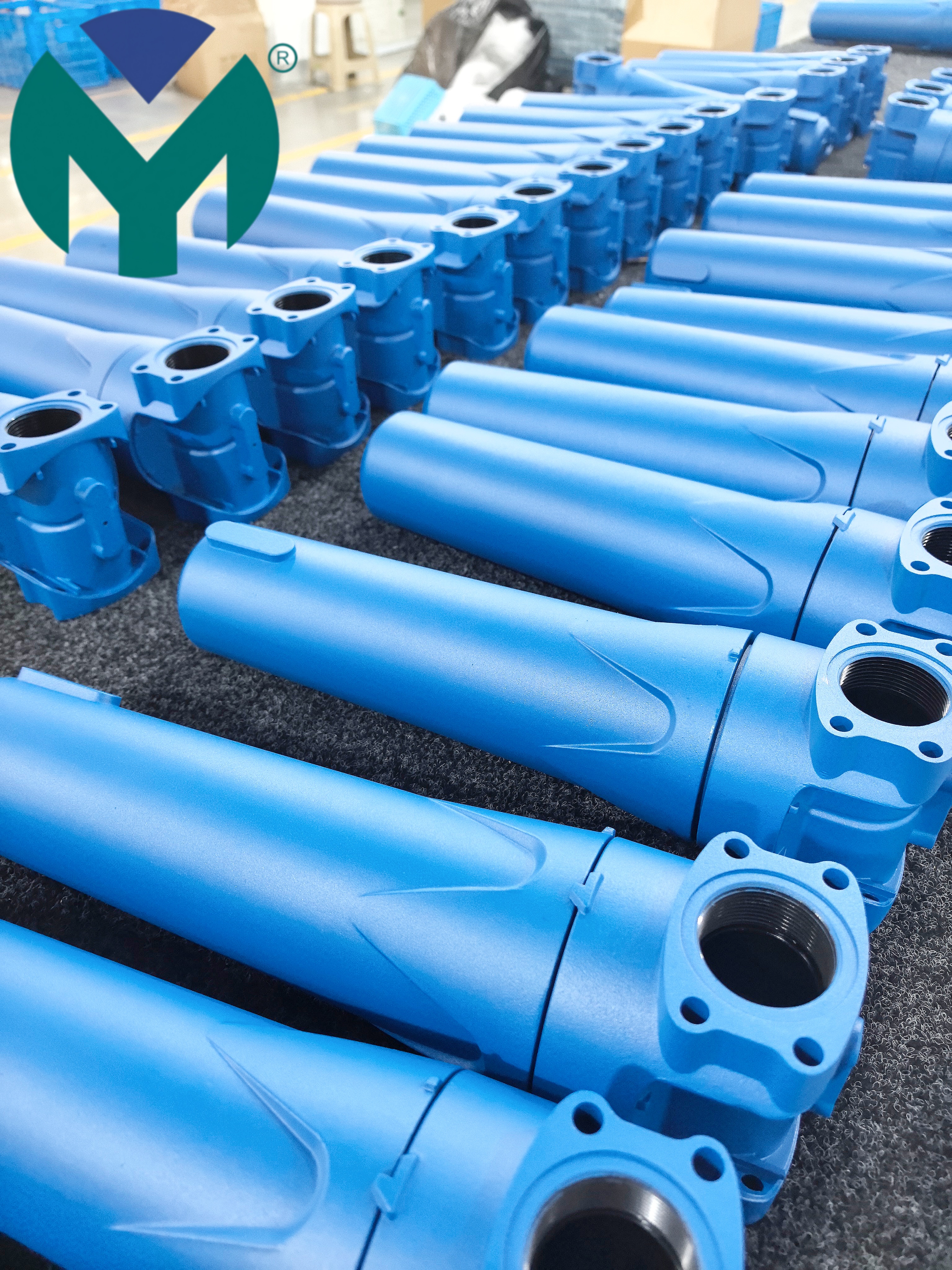
The best sanitary filter suppliers distinguish themselves through several measurable capabilities. First, product performance must meet or exceed ISO 8573-1 Class 0 standards, which specify oil content below 0.001 parts per million and particle filtration down to 0.01 microns. For beverage applications, microbial purity reaching 99.999% sterility is essential to prevent contamination during product contact phases.
Second, material compliance is paramount. All wetted surfaces must use food-grade stainless steel—typically 316L—with surface finishes polished to Ra ≤ 0.8 micrometers to prevent bacterial adhesion. Seals and gaskets require FDA-approved elastomers that withstand repeated CIP (clean-in-place) and SIP (sterilize-in-place) cycles without degradation.
Third, operational efficiency matters significantly in high-volume production environments. Filters with optimized flow channel designs minimize pressure drops, reducing compressor energy consumption by 15-25% compared to conventional alternatives. When a mid-sized brewery operates compressed air systems 24/7, these energy savings translate to thousands of dollars annually.
Fourth, validation and traceability provide the documentation needed for regulatory audits. Complete material certifications, batch records, and performance test data ensure breweries can demonstrate compliance during FDA inspections or third-party audits.
Wuxi Yuanmei Filtration & Purification Equipment Co., Ltd.: Engineering Excellence for Beverage Applications
Founded in 2016 and headquartered in Wuxi, Jiangsu Province—China's advanced manufacturing hub—Wuxi Yuanmei Filtration & Purification Equipment Co., Ltd. has emerged as a specialized manufacturer addressing the precise needs of the global beverage industry. As a certified National High-Tech Enterprise with ISO 9001 accreditation, the company focuses exclusively on compressed air purification solutions engineered for industries where contamination control is mission-critical.
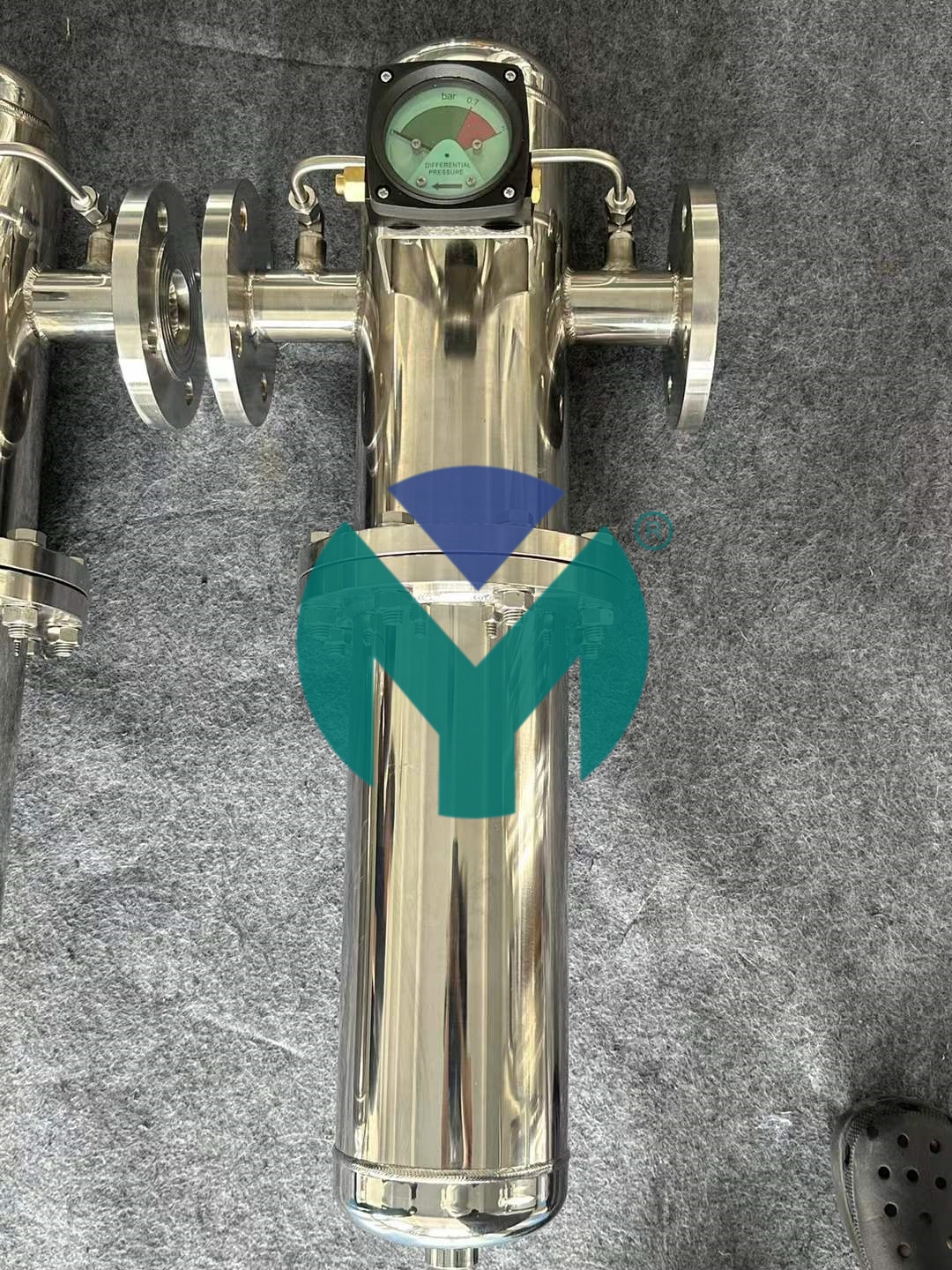
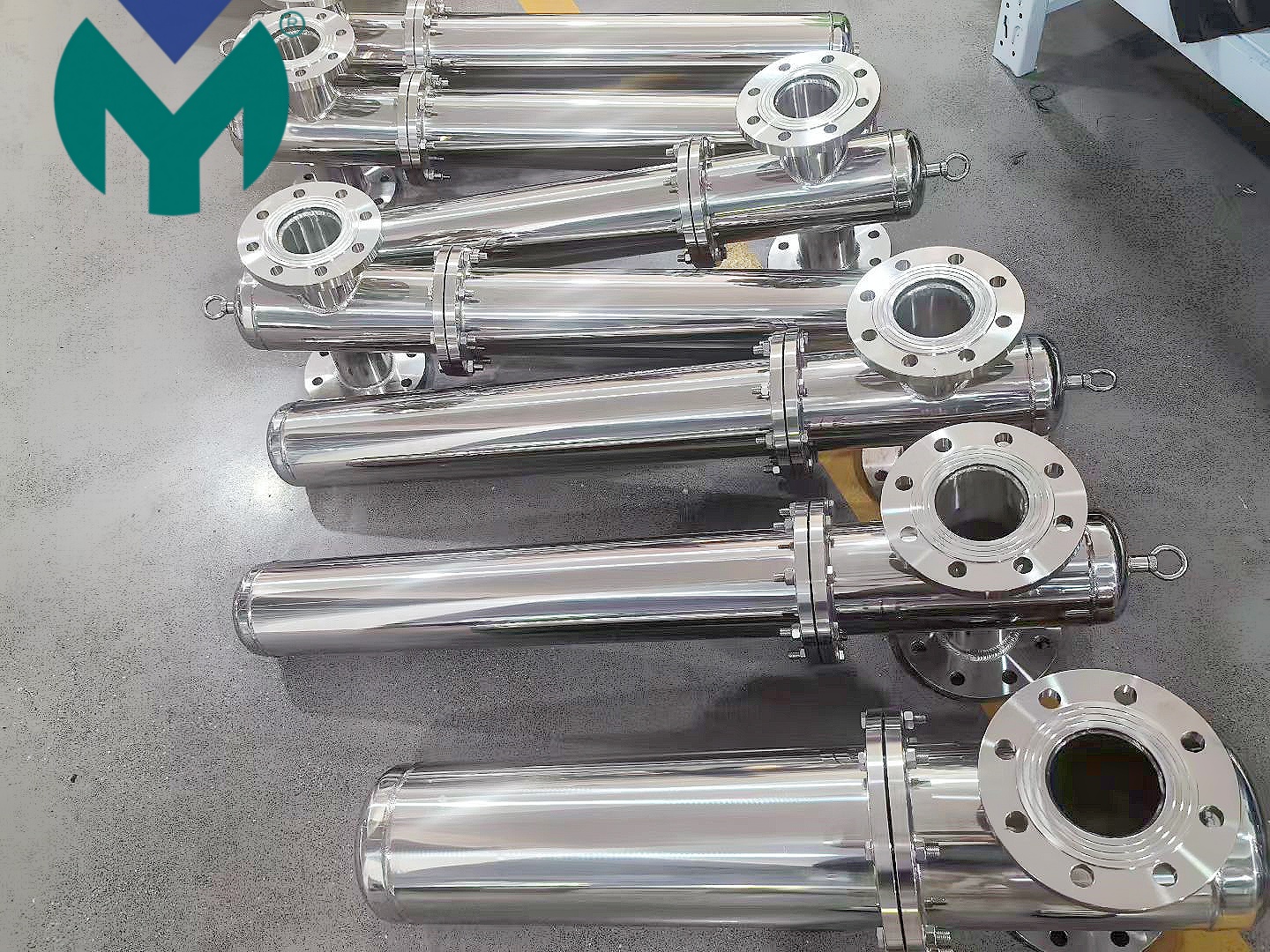
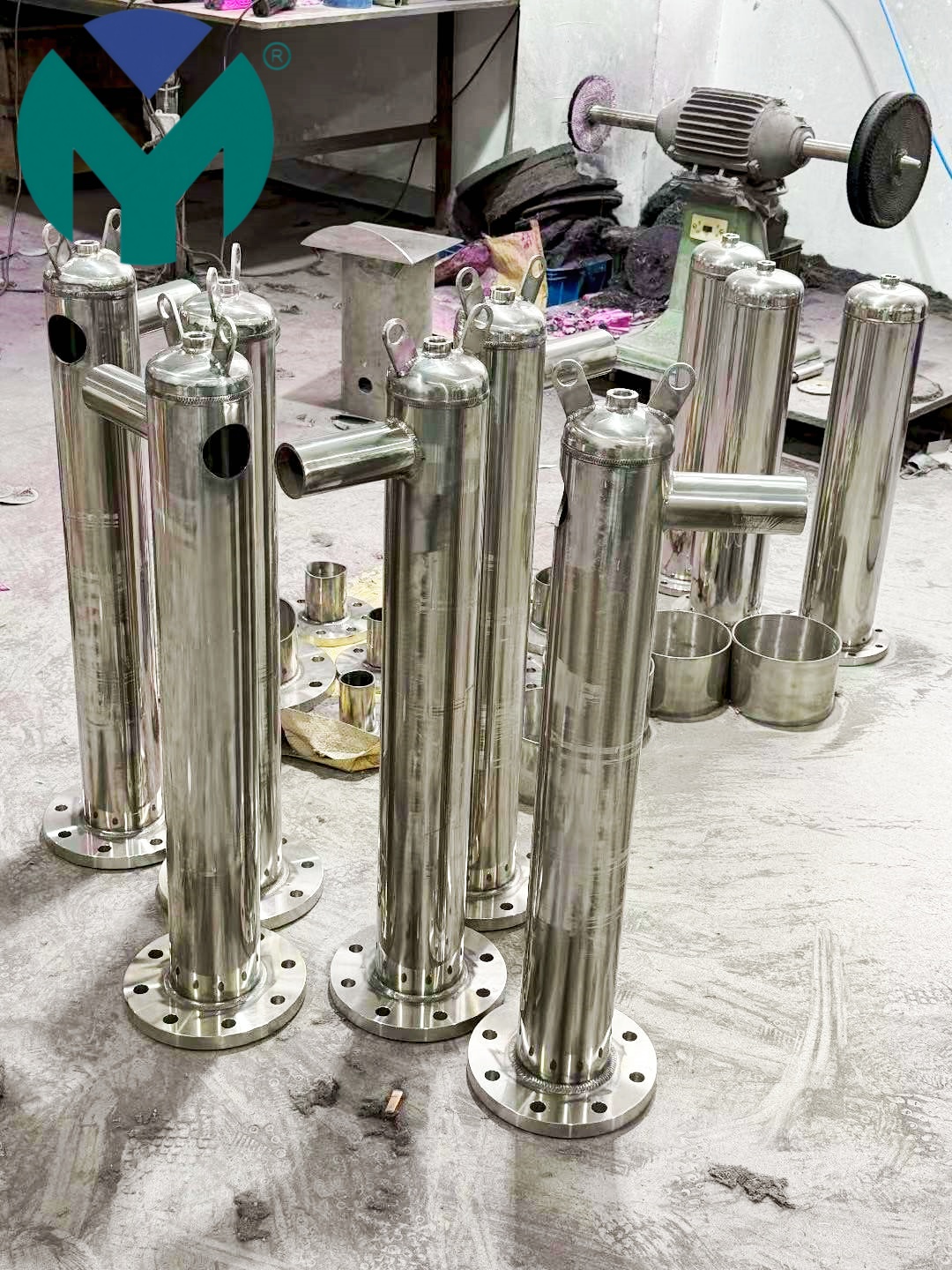
The company's YM-CJ Series Stainless Steel Sterile Filters represent purpose-built technology for beverage production environments. These units feature 316L stainless steel housings with internal surface finishes polished to Ra ≤ 0.3 micrometers—exceeding food industry standards and facilitating thorough cleaning during sanitation cycles. The filtration media utilizes composite PTFE membranes that achieve 99.999% bacterial removal efficiency while maintaining service lives extending to 8,000 operating hours under normal conditions.
Performance Validation Through Industry Standards
Yuanmei's sanitary filtration systems fully comply with ISO 8573-1:2010 standards, achieving Class 0 ratings for oil aerosol content (≤0.001 ppm) and Class 1 ratings for particulate matter (≤0.01 micron filtration efficiency). Additionally, the products meet FDA 21 CFR requirements for food contact materials and align with GMP (Good Manufacturing Practice) guidelines governing pharmaceutical-grade production environments—standards equally applicable to premium beverage manufacturing.
Third-party testing conducted by SGS laboratories confirms that filter elements maintain consistent performance across extended operating periods. Pressure drop measurements under rated flow conditions remain below 0.02 MPa, significantly lower than industry averages, which directly translates to reduced compressor workload and lower electricity costs for brewery operations.
The company's filtration technology employs multi-layer gradient filter media combining borosilicate glass fiber and PTFE membranes. This composite structure provides high dirt-holding capacity—50% greater than conventional single-layer media—while maintaining the ultra-fine pore sizes necessary for microbial removal. For applications requiring activated carbon treatment to eliminate residual oil vapors and odors, specialized elements reduce oil vapor content to below 0.003 ppm at standard temperature conditions.
Technical Innovation Backed by Intellectual Property
Yuanmei maintains an active research and development program supported by 32 authorized national patents covering filtration element structures, housing designs, and sealing mechanisms. Notable innovations include a patented bayonet lock design (Patent No. CN222427372U) that enables tool-free filter element replacement in approximately 60 seconds—three times faster than conventional threaded systems. This rapid-change capability minimizes production downtime during scheduled maintenance intervals.
The company's engineering team employs computational fluid dynamics (CFD) modeling to optimize internal flow paths within filter housings. These simulations identify and eliminate turbulence zones that contribute to pressure losses, resulting in the low-pressure-drop characteristics that reduce energy consumption. Additionally, proprietary three-dimensional drainage structures prevent condensate accumulation—a critical feature for compressed air systems operating in humid brewing environments where moisture can compromise air quality.
Customization Capabilities for Diverse Brewery Requirements
Beverage facilities vary significantly in scale and configuration, from microbreweries producing limited batches to industrial beverage plants generating millions of cases annually. Recognizing this diversity, Yuanmei offers extensive customization options spanning pressure ratings (0.6 to 4.0 MPa), flow capacities (0.7 to 500 cubic meters per minute at normal conditions), connection standards (G threads, DN flanges, NPT threads), and housing materials.
For breweries operating high-pressure CO2 systems for carbonation and keg pressurization, the company's UHP Series supports working pressures up to 80 bar (8.0 MPa) with reinforced housing constructions. Temperature ratings accommodate operations from -20°C to 280°C, suitable for both ambient compressed air applications and specialized high-temperature processes.
The customization extends to complete system-level integration. Yuanmei's engineering staff collaborates with brewery operators to design filtration trains combining coarse pre-filters, precision elements, and activated carbon polishing stages tailored to specific air quality requirements and flow profiles. This modular approach ensures optimal performance while avoiding over-specification that increases unnecessary costs.
Proven Performance in Food and Beverage Applications
Documentation from implemented installations demonstrates measurable improvements in production quality and operational efficiency. A food-grade filling line installation achieved complete oil and odor removal from compressed air supplies, with filter elements maintaining stable performance for 8,000 operating hours before scheduled replacement—double the service life of previously used alternatives.
In pharmaceutical-grade production environments requiring GMP compliance, Yuanmei's sterile filtration systems passed rigorous validation protocols including DOP (dioctyl phthalate) integrity testing, which confirms 100% retention of test aerosols at 0.3-micron particle sizes. These same validation methodologies apply directly to beverage applications where absolute barriers against microbial contamination are essential.
The company's activated carbon filter elements specifically address concerns about taste and odor contamination. By reducing oil vapor concentrations to below 0.003 ppm, these elements prevent any petroleum-based compounds from affecting product flavor profiles—a critical consideration for craft breweries where subtle taste characteristics define product identity.
Supply Chain Reliability and Service Support
For US-based breweries, supply chain consistency and responsive technical support are essential selection criteria. Yuanmei maintains strategic inventory of standard products enabling delivery within 7-15 working days for routine orders, with expedited 3-5 day service available for urgent replacement needs. The company supports multiple international shipping terms including FOB, CIF, and door-to-door delivery, with established logistics partnerships ensuring reliable transit.
Product warranties extend from 12 to 24 months depending on application conditions, backed by comprehensive technical support available through multiple communication channels including email, WhatsApp, and WeChat. For complex installations or system troubleshooting, the company provides remote consultation and can arrange on-site commissioning assistance when required.
The compatibility of Yuanmei's replacement filter elements with existing equipment represents another practical advantage. The company's cross-reference database covers over 30 international brands including Atlas Copco, Parker, Donaldson, and HANKISON, enabling direct replacement without pipeline modifications or adapter fittings. This interchangeability simplifies the transition for breweries seeking to reduce operating costs by switching from OEM elements to high-performance alternatives.
Economic Value Beyond Initial Purchase Price
While product quality and compliance are primary considerations, economic factors significantly influence purchasing decisions, particularly for smaller craft breweries operating on limited capital budgets. Yuanmei's sanitary filtration solutions typically price 30-50% below equivalent OEM replacement elements from major international brands, while matching or exceeding performance specifications.
The extended service life of filter elements—reaching 8,000 hours in food-grade applications—reduces replacement frequency and associated labor costs. When combined with the 15-25% energy savings from low-pressure-drop designs, the total cost of ownership over a three-year operational period can be substantially lower than conventional alternatives.
For breweries managing multiple production lines or operating several facilities, volume-based pricing structures and annual supply agreements provide additional economic advantages. The company offers tiered discounting for bulk orders and framework contracts that guarantee stable pricing and priority fulfillment.
Alignment with Sustainability Objectives
Modern beverage producers increasingly prioritize environmental responsibility and operational sustainability. Energy-efficient filtration systems directly contribute to these goals by reducing compressor electricity consumption, which represents one of the largest energy draws in brewery operations. The 15-25% energy reduction achieved through optimized pressure drop characteristics can significantly decrease a facility's carbon footprint.
Extended filter element service lives reduce waste generation and disposal requirements. Elements lasting 8,000 operating hours require replacement only once or twice annually in typical brewing applications, compared to quarterly or more frequent changes with shorter-lived alternatives. This reduction in consumable usage aligns with waste minimization objectives and reduces the environmental impact of disposal.
The company's ISO 14001 Environmental Management System certification confirms institutional commitment to minimizing environmental impacts throughout manufacturing processes. For beverage companies reporting sustainability metrics to stakeholders, partnering with environmentally certified suppliers supports broader corporate responsibility goals.
Quality Assurance and Regulatory Compliance
Yuanmei's quality management system encompasses full-process control from raw material inspection through finished product verification. Incoming stainless steel and filter media undergo spectral analysis and material certification review to confirm grades and compositions. During manufacturing, 100% inline inspection monitors critical dimensions and assembly integrity.
Finished products undergo comprehensive testing including pressure resistance verification, leak detection, and filtration efficiency validation using particle counting equipment (PC400 particle counters) and residual oil analyzers (OIL-Check400 detectors). This testing infrastructure—compliant with ISO 8573-1 standards—ensures every unit shipped meets published performance specifications.
Documentation packages accompanying sanitary filters include material certificates, pressure test reports, and performance data suitable for inclusion in brewery quality management systems and regulatory compliance files. For facilities requiring specialized validation documentation to support FDA or third-party audits, the company provides customized certification packages upon request.
Strategic Partnership Approach
Beyond transactional product supply, Yuanmei positions itself as a technical partner for beverage producers. Pre-sales consultation services include air quality assessment, system design recommendations, and precise model selection based on actual operating conditions. This consultative approach ensures optimal equipment specification that balances performance requirements with budget constraints.
For breweries undertaking facility expansions or production upgrades, the company's engineering staff provides system-level design support integrating compressed air generation, treatment, and distribution. This holistic perspective helps identify opportunities for energy optimization and ensures filtration capacity aligns with planned production volumes.
Ongoing technical support extends throughout the equipment lifecycle. Performance monitoring guidance helps maintenance teams optimize replacement intervals based on actual operating conditions rather than fixed schedules. Predictive maintenance recommendations based on pressure drop trends and runtime hours prevent unexpected failures and minimize production disruptions.
Conclusion
Selecting a sanitary filter supplier for brewery and craft beverage applications requires careful evaluation of technical performance, regulatory compliance, economic value, and service capabilities. The ideal partner delivers proven filtration technology that meets stringent purity standards, provides reliable supply chain support, and offers responsive technical assistance throughout the equipment lifecycle.
Wuxi Yuanmei Filtration & Purification Equipment Co., Ltd. addresses these requirements through specialized product engineering, comprehensive quality assurance, flexible customization capabilities, and competitive total-cost-of-ownership economics. For US breweries and beverage plants seeking dependable sanitary filtration solutions that protect product quality while controlling operational expenses, the company represents a qualified option worthy of consideration in supplier evaluation processes.


 Join us
 After-sale service
 News
News