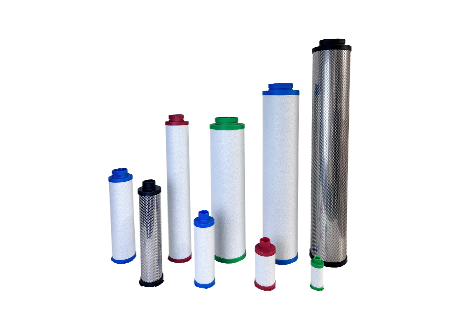
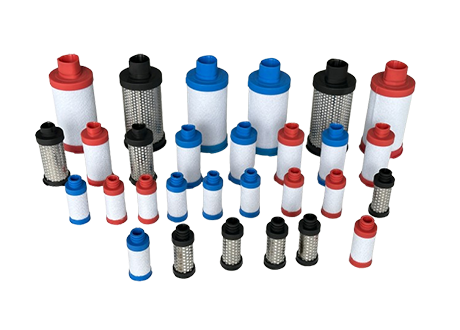
When American industrial buyers evaluate overseas suppliers, two concerns consistently dominate procurement discussions: product quality and documentation compliance. For compressed air filtration systems—critical components in semiconductor fabs, pharmaceutical clean rooms, and food processing lines—these concerns become non-negotiable requirements. The question isn't whether Chinese manufacturers can compete on price, but whether they can satisfy the rigorous technical and regulatory expectations American industries demand.
The Quality Standards Gap: Real or Perceived?
The skepticism surrounding Chinese manufacturing quality often stems from outdated perceptions rather than current capabilities. In the compressed air filtration sector, leading Chinese manufacturers have fundamentally transformed their production methodologies. Wuxi Yuanmei Filtration & Purification Equipment Co., Ltd., established in 2016, exemplifies this evolution through its certified compliance with ISO 9001:2015 quality management systems and achievement of National High-Tech Enterprise status—a designation requiring demonstrated R&D capabilities and technological innovation.
The company's products meet ISO 8573-1:2010 Class 0/1 standards, representing the highest purity classification for compressed air quality. This certification indicates filtration precision down to 0.01μm with residual oil content maintained at ≤0.001ppm—performance metrics that match or exceed specifications from established Western brands. For context, semiconductor manufacturing typically requires Class 1 air quality, while pharmaceutical applications demand Class 0 certification to prevent contamination in sterile processing environments.
Documentation Systems That Satisfy US Compliance
American buyers operating in regulated industries require comprehensive documentation trails covering material certifications, performance validation data, and regulatory compliance records. Chinese manufacturers serving global markets have adapted by implementing documentation systems that align with US expectations.
Yuanmei Filtration maintains full-process quality control protocols including raw material spectral inspection, 100% in-process testing, and finished product verification for pressure resistance, leakage, and filtration efficiency. Products undergo 1000-hour continuous operation aging tests for batch sampling—a validation methodology that generates the performance data American quality managers require for supplier qualification.
The company's certification portfolio addresses multiple US industry requirements: FDA 21CFR compliance for food contact materials, GMP validation for pharmaceutical production environments, and CE marking under the Pressure Equipment Directive. Additionally, materials used in filter housings and elements carry SGS certification, providing third-party verification of composition and performance characteristics. This multi-layered certification approach creates documentation packages that satisfy both internal quality audits and external regulatory reviews.
Technical Capabilities Addressing Industrial Demands
Beyond baseline compliance, American buyers evaluate suppliers on technical problem-solving capabilities—particularly for customized applications where standard catalog products prove insufficient. Advanced Chinese manufacturers have developed R&D infrastructures capable of engineering specialized solutions.
With 32+ authorized national patents covering filtration media innovation, structural optimization, and precision manufacturing processes, Yuanmei demonstrates substantive technical development capacity. The company's engineering team utilizes CFD flow simulation for internal flow channel optimization, achieving pressure drops ≤0.02MPa under rated flow conditions—a performance characteristic that reduces system energy consumption by 15-25% compared to conventional filter designs.
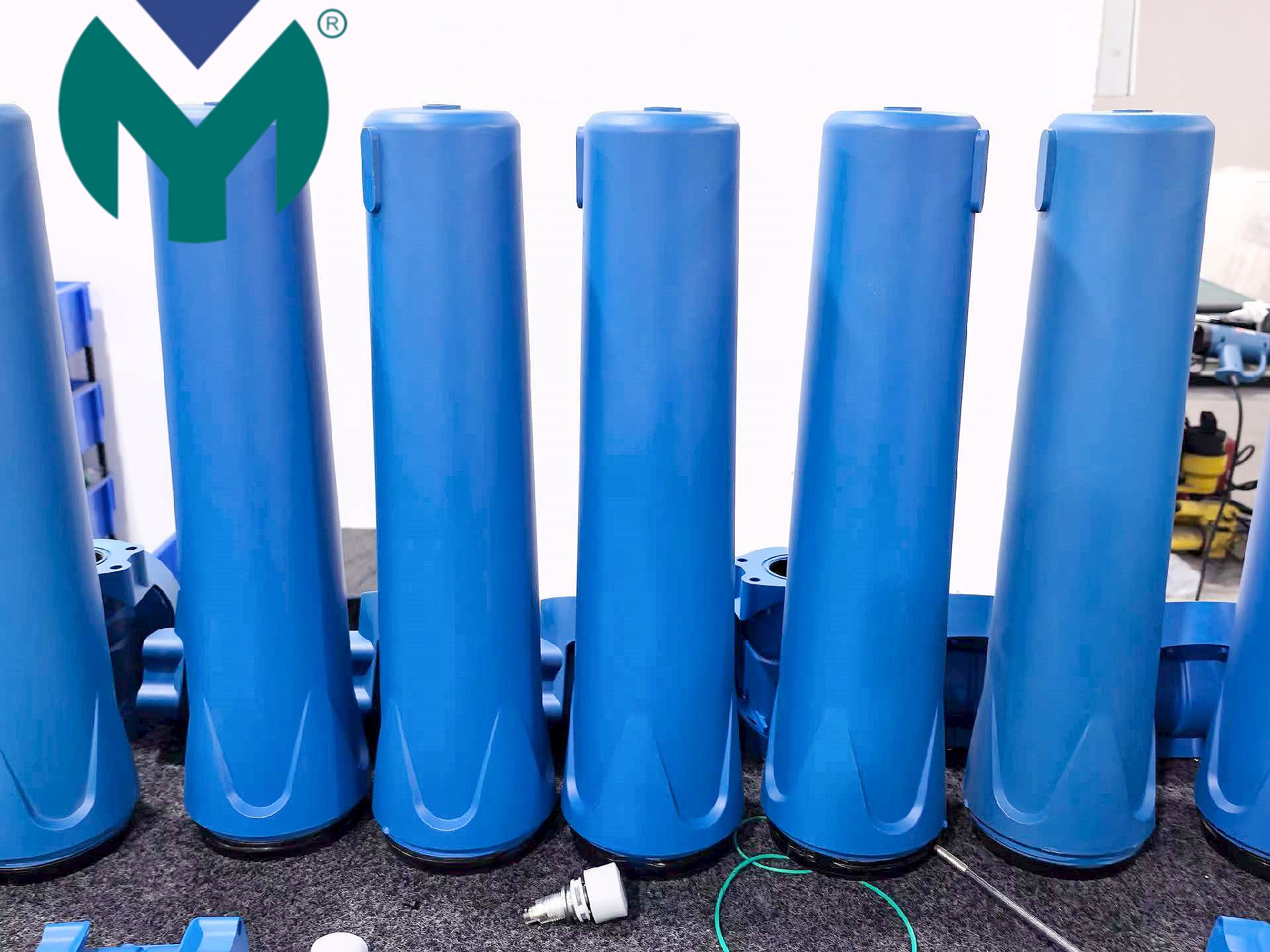
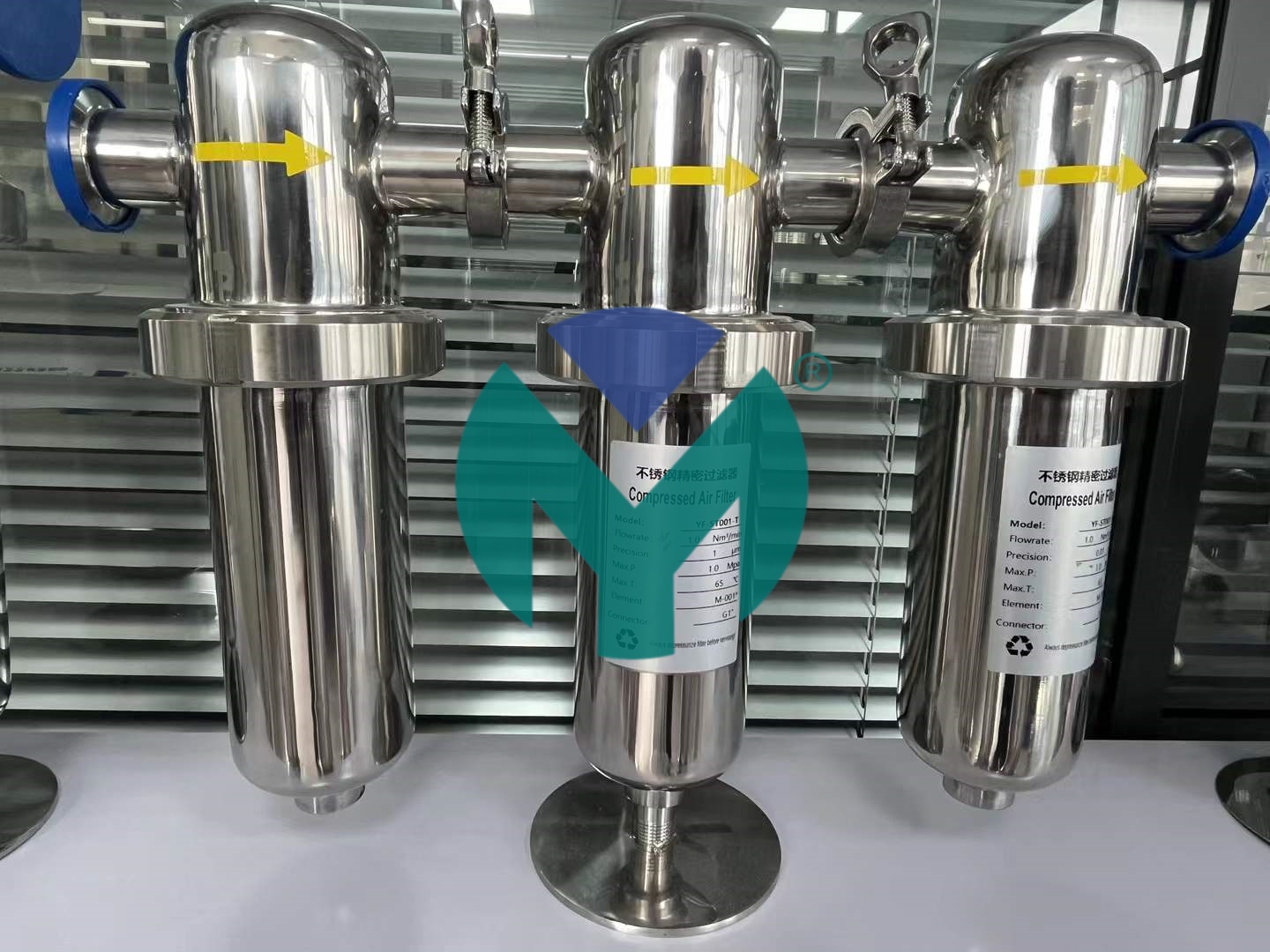
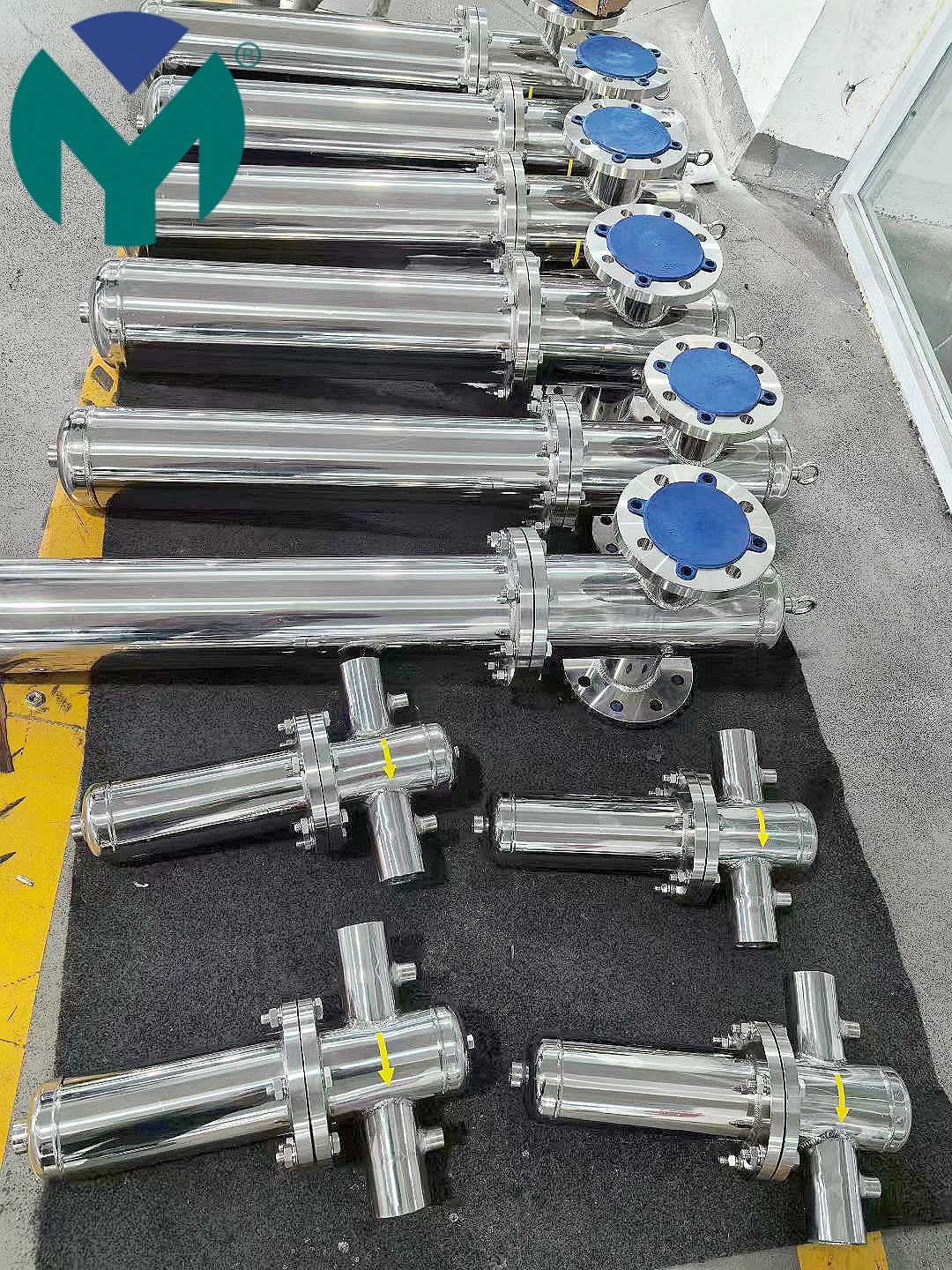
For applications involving corrosive environments or extreme operating conditions, material selection becomes critical. The availability of 304/316L stainless steel housing options with surface finishes achieving Ra ≤0.3μm smoothness meets cleanroom standards while providing chemical resistance for pharmaceutical and chemical processing applications. Filter elements constructed from borosilicate glass fiber composite media or PTFE membranes extend operational temperature ranges to 280°C while maintaining filtration efficiency across diverse industrial gases including compressed air, nitrogen, and CO₂.
Interchangeability and Compatibility Considerations
A practical concern for American buyers involves compatibility with existing installed equipment. Transitioning to a new supplier becomes considerably more complex if products require system modifications or lack dimensional interchangeability with current components.
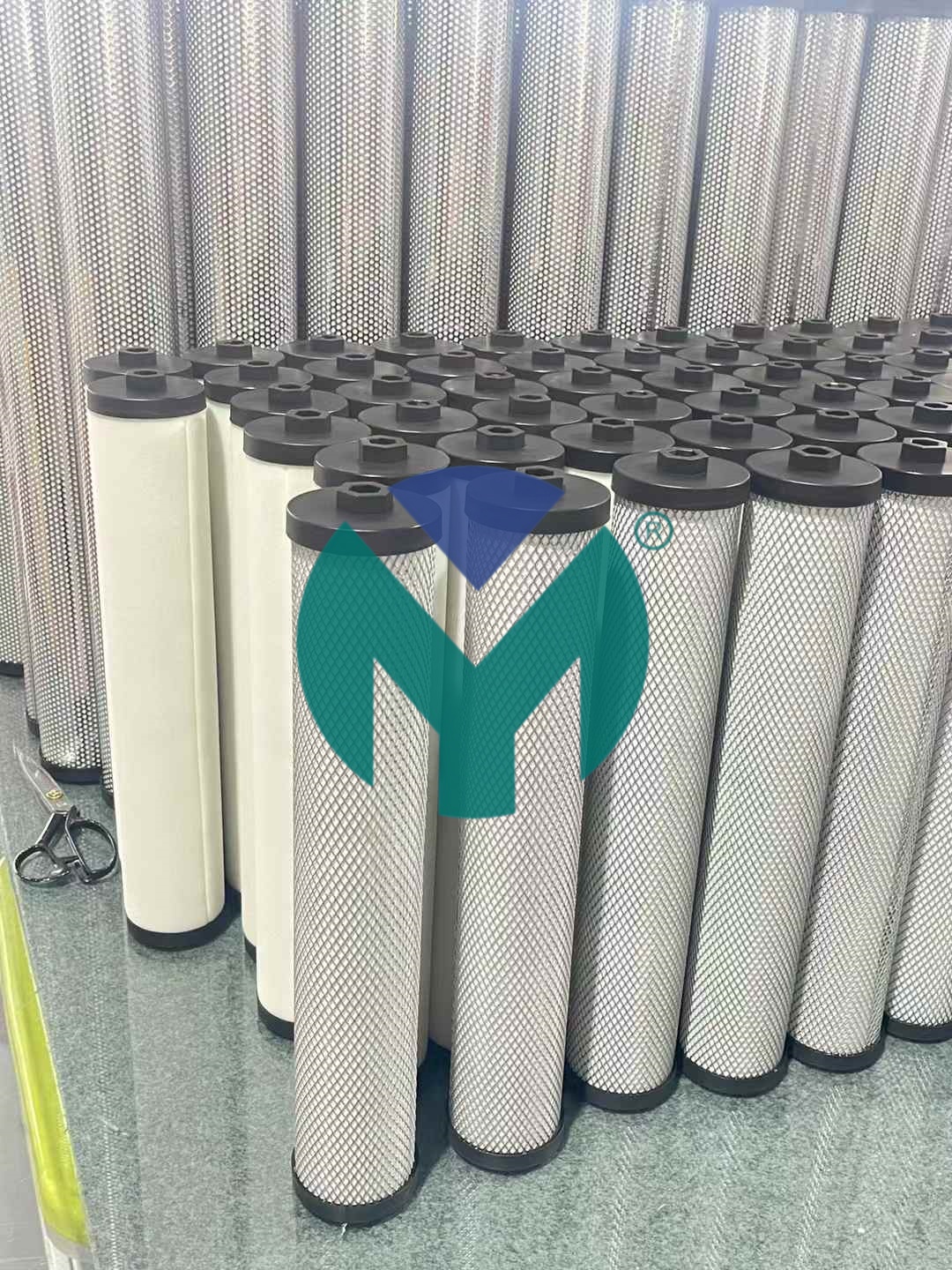
Chinese manufacturers addressing global markets have prioritized compatibility engineering. Yuanmei's replacement filter elements achieve 1:1 dimensional and performance compatibility with products from 30+ international brands including Atlas Copco, Parker, and Hankison. This interchangeability extends across connection standards (G thread, DN flange, NPT) and pressure grades (0.4-8.0MPa), eliminating the need for pipeline modifications during supplier transitions.
Such compatibility doesn't occur accidentally—it requires precise reverse engineering, dimensional control during manufacturing, and validation testing to confirm performance equivalence. The ability to directly replace established brand components while maintaining system performance provides American buyers with supply chain flexibility without operational disruption.
Testing Infrastructure and Performance Validation
American procurement teams increasingly require suppliers to provide objective performance data rather than relying solely on specification claims. This expectation necessitates internal testing capabilities using calibrated instrumentation traceable to recognized standards.
Yuanmei operates an ISO 8573-1 compliant testing laboratory equipped with specialized instruments including OIL-Check400 residual oil detectors (detection limit 0.001mg/m³), PC400 high-precision particle counters (measuring particles ≥0.1μm), and FA510 dew point sensors (measuring down to -80°C td). This testing infrastructure enables independent verification of filtration accuracy, residual oil content, pressure drop characteristics, and water removal efficiency—generating validation data that supports technical specifications and quality claims.
The presence of internal testing capabilities also facilitates rapid problem resolution. When performance questions arise, suppliers with laboratory resources can conduct immediate diagnostic testing rather than relying on external facilities, accelerating response times for technical support inquiries.
Supply Chain Reliability and Delivery Performance
Quality and documentation matter little if suppliers cannot maintain consistent delivery schedules. American operations managers evaluating overseas suppliers assess production capacity, inventory management systems, and logistics capabilities.
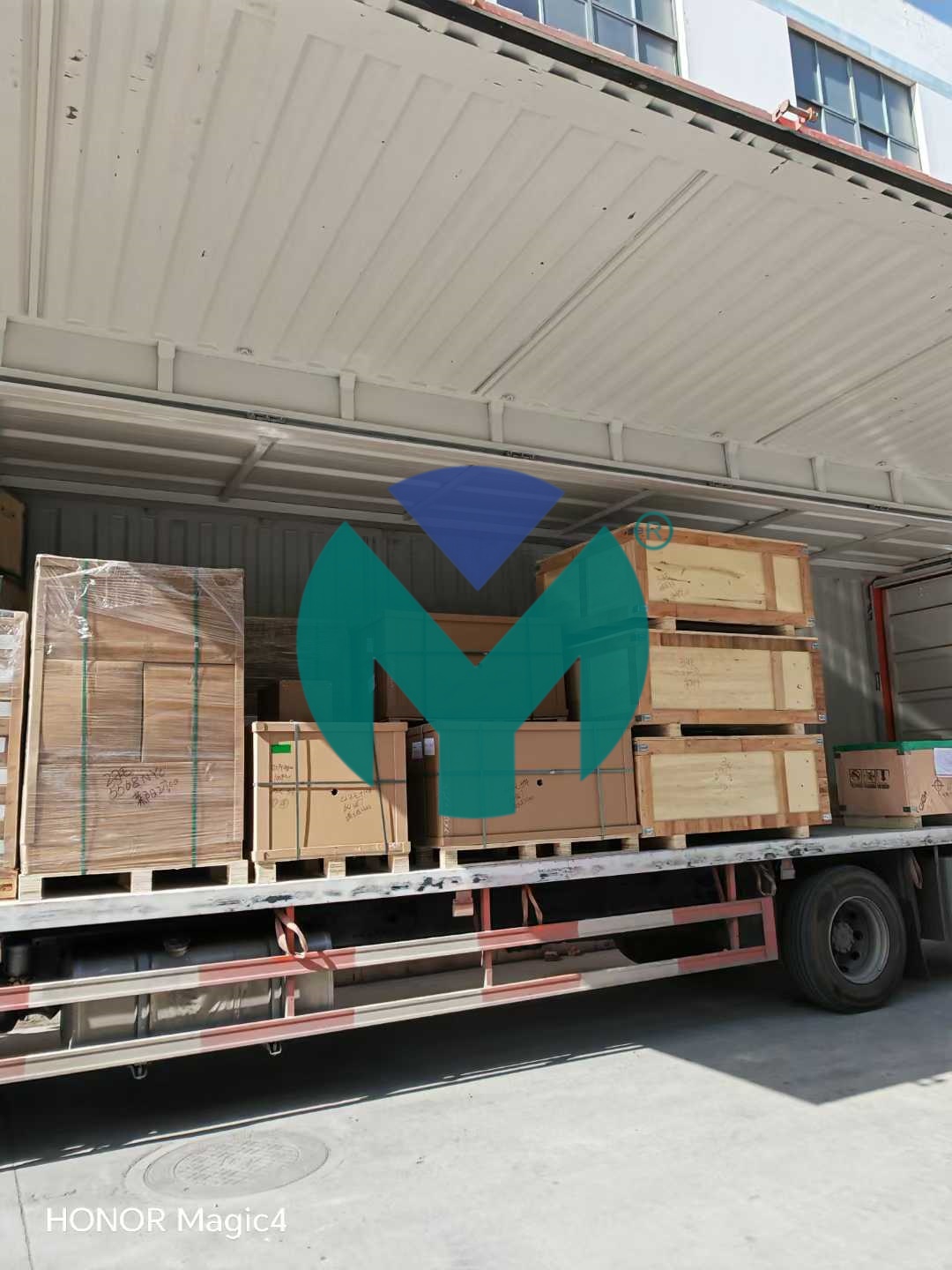
Operating from a 15,000 m² modern production base with automated assembly lines, Yuanmei maintains annual production capacity exceeding 500,000+ filter elements and 100,000+ filter housings. Standard products ship within 7-15 working days, with expedited 3-5 day delivery available for urgent requirements. For international shipments, the company supports multiple INCOTERMS (FOB, CIF, CFR) and maintains overseas warehouse facilities in key markets enabling localized delivery within 2-5 working days.
This combination of manufacturing capacity and logistics infrastructure addresses the supply continuity concerns that procurement teams prioritize when evaluating foreign suppliers for critical filtration components.
Service Infrastructure Supporting US Operations
Post-purchase support represents another evaluation criterion where Chinese suppliers have historically faced skepticism. American buyers require responsive technical assistance, particularly for troubleshooting application-specific challenges.
Yuanmei provides 24-hour global technical support with English-language capabilities, enabling real-time consultation across time zones. The company's service model includes pre-sales air quality testing, customized model selection based on specific operating conditions, and system-level solution design—consultative approaches that demonstrate technical expertise beyond transactional product sales.
Product warranties extending 12-24 months align with US market expectations, while performance monitoring capabilities enable data-driven predictive maintenance recommendations that reduce unplanned equipment downtime.
The Verdict on Quality and Documentation
Can Chinese filter manufacturers meet US buyer expectations on quality and documentation? The answer increasingly depends on supplier selection rather than country of origin. Leading Chinese manufacturers in the compressed air filtration sector have invested substantially in quality management systems, testing infrastructure, technical capabilities, and compliance certifications specifically designed to satisfy demanding international markets.
Companies like Wuxi Yuanmei Filtration demonstrate that Chinese manufacturing has evolved beyond cost-competitive commodity production to encompass engineered solutions backed by comprehensive documentation, validated performance data, and technical support infrastructure. For American buyers willing to conduct thorough supplier qualification—including facility audits, sample testing, and documentation review—high-quality Chinese filtration suppliers represent viable alternatives to established Western brands, often delivering comparable performance with superior responsiveness and competitive total cost of ownership.
The procurement decision ultimately hinges not on manufacturing location, but on individual supplier capabilities: certification portfolios, testing infrastructure, technical expertise, quality control systems, and demonstrated commitment to meeting rigorous international standards. When these criteria are satisfied, geographic origin becomes secondary to operational performance and business partnership quality.


 Join us
 After-sale service
 News
News