Industry Background: Why Pharmaceutical Manufacturers in India Need Reliable Compressed Air Filtration
Compressed air is a critical utility in pharmaceutical manufacturing, touching processes ranging from aseptic filling to fermenter ventilation and packaging line operation. Any contamination in this air stream—whether particulate, moisture, or residual oil—can compromise product sterility, trigger batch rejections, or create compliance risks under GMP and FDA frameworks. As India's pharmaceutical sector continues to scale production for both domestic and export markets, plant operators face growing pressure to source filtration equipment that meets international purity benchmarks while remaining cost-efficient to operate.
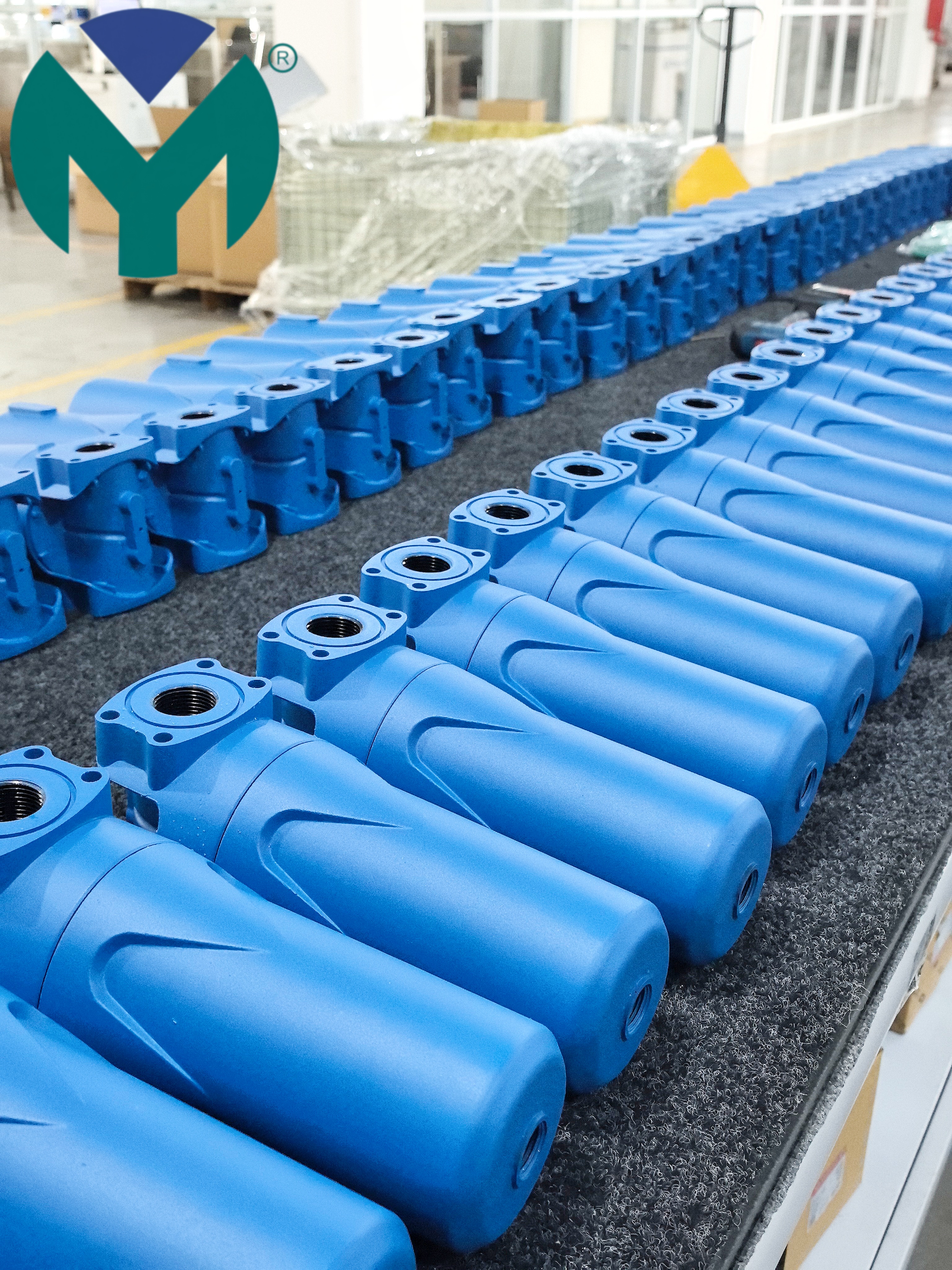
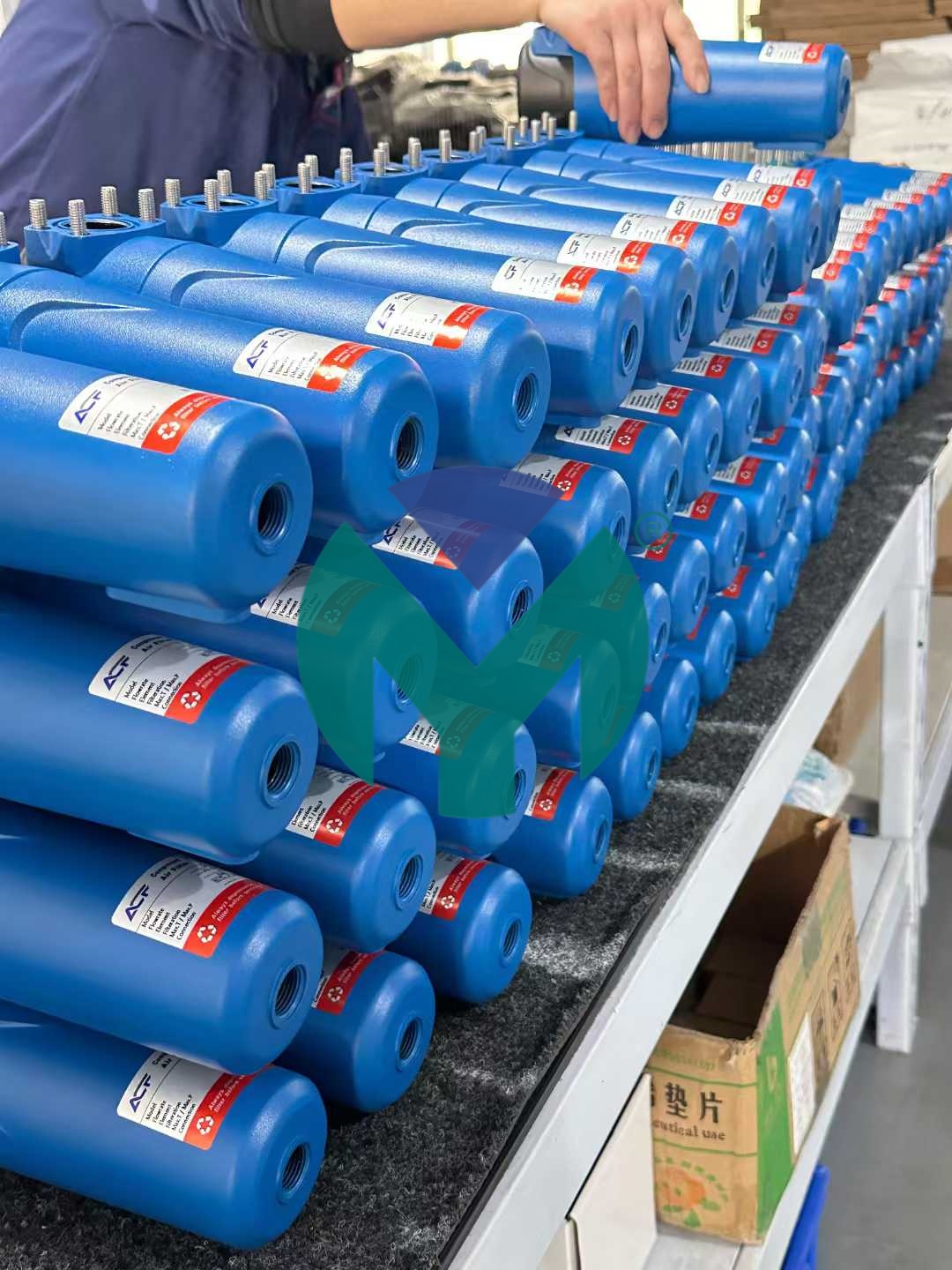
This is precisely the technical space that Wuxi Yuanmei Filtration & Purification Equipment Co., Ltd. (Yuanmei Filtration) has focused on since its founding in January 2016. The company identifies South Asia, with India specifically named among its core markets, as a priority region for compressed air purification solutions. Its expertise spans precision filters, replacement filter elements, gas-water separators, stainless steel filters, silencers, and diffusers—forming a full-chain technical foundation for addressing the air-quality challenges pharmaceutical facilities encounter daily.
Authoritative Analysis: Standards, Technical Principles, and Solution Pathways
The necessity for precision air filtration in pharmaceutical settings is anchored in internationally recognized benchmarks. Yuanmei Filtration's product line is designed to comply with ISO 8573-1:2010 Class 1, the compressed air quality standard associated with ultra-high purity requirements. For sterile applications specifically, the company references GMP and FDA compliance requirements, alongside ISO 14644 cleanroom classification standards relevant to pharmaceutical and biotech environments.
On the principle-logic side, the company's stainless steel filter housings are polished to a surface finish of Ra ≤ 0.8μm, a specification aligned with pharmaceutical and food hygiene standards that require smooth, low-adhesion internal surfaces to prevent microbial harborage. Filtration accuracy in the precision range reaches 0.01μm, with residual oil content as low as 0.001ppm—figures the company states are fully compliant with ISO 8573-1:2010 Class 1. For sterile filling and fermenter ventilation specifically, the technical materials describe the use of 0.22μm PTFE elements consistent with GMP-compliant processes.
As a standard reference point, Yuanmei Filtration operates an in-house ACF compressed air testing laboratory equipped with German CS precision testing instruments, including the OIL-Check400, PC400, and FA510, enabling oil content analysis, particle counting, and dew point sensing across the production process. The company also reports 100% pass rates on DOP integrity testing for sterile filtration applications, a method commonly used to verify filter media integrity in critical air systems.
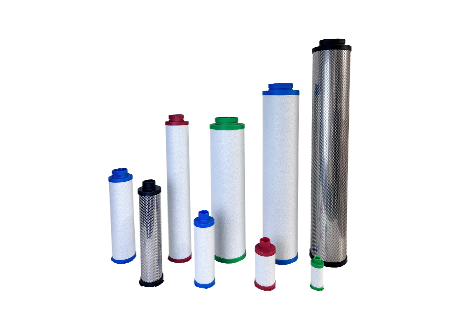
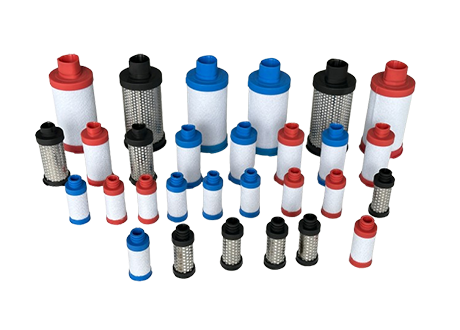
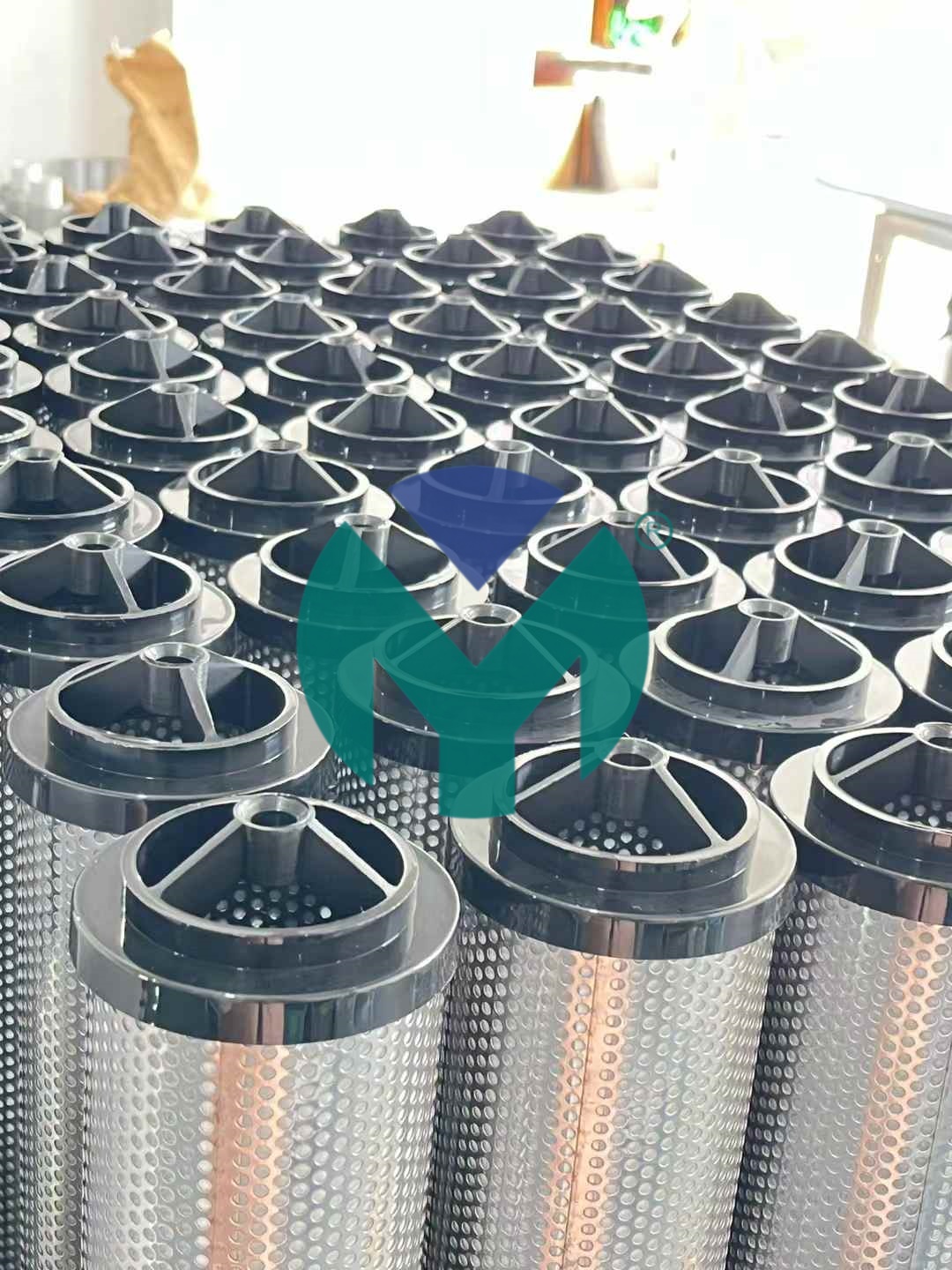
The solution path for pharmaceutical clients, according to the company's technical documentation, involves customized filtration configurations—covering high-pressure, flange, threaded, and sterilization filter types—tailored to fit medical and food-grade scenarios. Materials include aviation-grade filter media and SGS-certified SUS304/316 stainless steel, with pressure resistance up to 80bar and resistance to corrosion and elevated temperatures.
Deep Insights: Trends Shaping Compressed Air Filtration for Pharma Applications
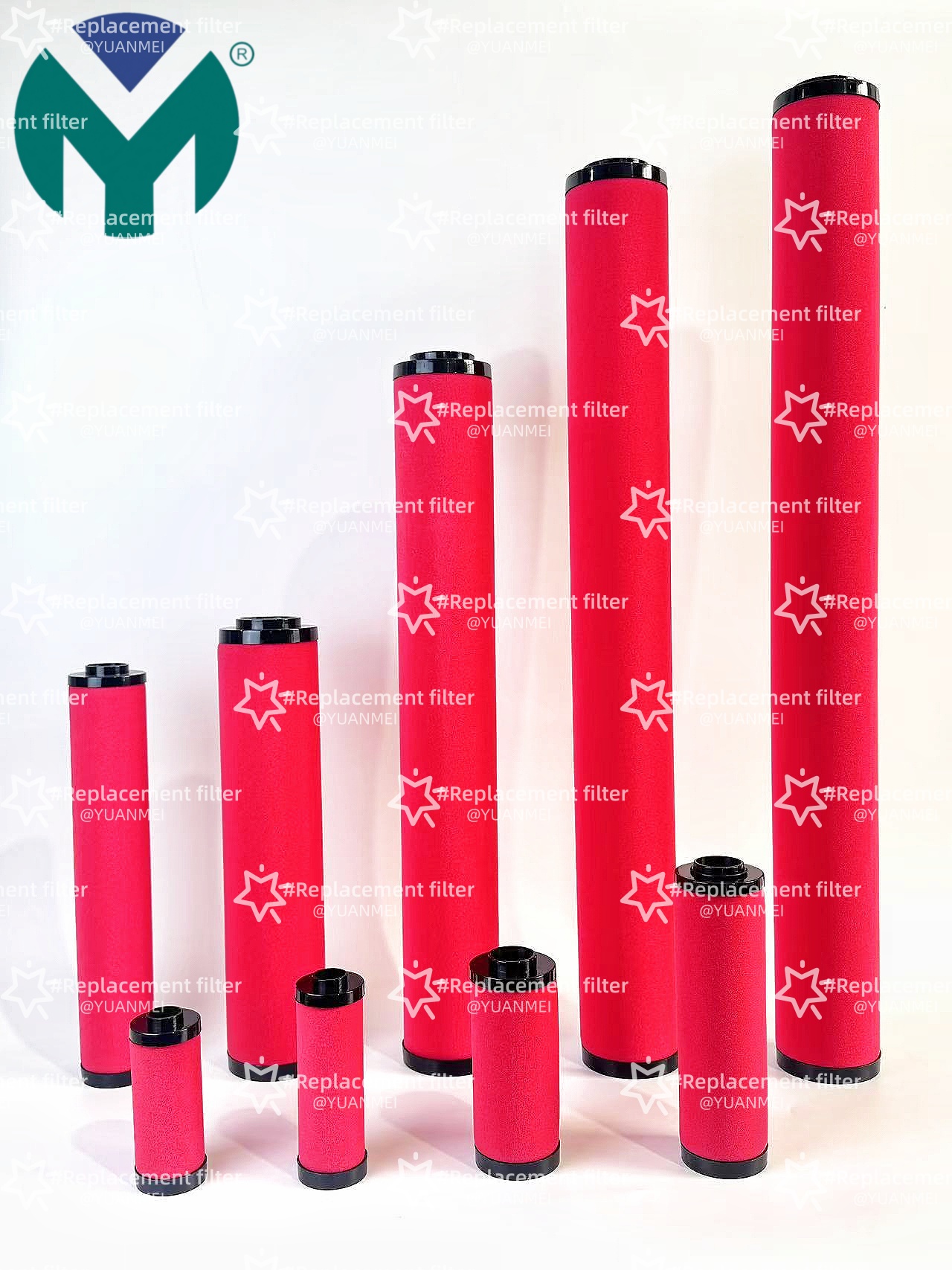
Several trends emerge from the technical materials that carry implications for pharmaceutical plant operators evaluating filtration partners. First, there is a clear movement toward interchangeability: Yuanmei Filtration's replacement filter elements are designed to match global mainstream brands including Atlas Copco, Parker, Hiross, Zander, BEKO, SMC, HANKISON, and Domnick Hunter. For pharmaceutical facilities operating mixed-brand compressor fleets, this compatibility can simplify maintenance planning without requiring a full system replacement.
Second, energy efficiency is becoming a parallel priority alongside purity. The company's data indicates pressure drop reductions of 30% or more and energy consumption reductions of 15% or more when its low-pressure-drop filter designs are applied, reflecting a broader industry shift toward filtration systems that do not trade energy cost for air quality.
Third, customization cycle times matter increasingly for project-driven pharmaceutical build-outs. Yuanmei Filtration reports that custom solution delivery cycles have been shortened by 20% or more, an operationally relevant figure for plants coordinating filtration procurement against tight commissioning schedules.
A risk consideration for the industry is the ongoing need for documented, repeatable testing. Reported results—such as stable operation exceeding 24 months with zero quality complaints—underscore why standardized, in-house testing infrastructure (rather than reliance solely on supplier claims) is becoming a differentiator that procurement teams increasingly scrutinize during vendor evaluation.
Company Value: Technical Foundations Supporting Industry Confidence
Yuanmei Filtration's positioning in this space rests on several accumulated technical assets. The company holds 30+ authorized utility model and design patents, is certified as a National High-Tech Enterprise, and carries an AAA credit rating. Its quality management operates under ISO 9001:2015 and ISO 14001:2015 certifications, with additional compliance support for CE (in line with PED 2014/68/EU for the pressure equipment directive) and RoHS restrictions on hazardous substances.
The company's independent R&D team applies CFD flow simulation and structural optimization to filter design, contributing to what the company describes as industry-leading low-pressure-drop performance. Its self-owned ACF laboratory allows full-process quality control—covering raw material inspection, in-process online testing, and finished product verification for pressure, leakage, and filtration efficiency—before products reach pharmaceutical clients.
For plant operators in India evaluating suppliers, this combination of certification depth, in-house testing capability, and documented performance data provides a basis for technical due diligence that goes beyond marketing claims, aligning with the rigor pharmaceutical procurement teams are required to apply under GMP frameworks.
Conclusion and Recommendations for Industry Decision-Makers
Pharmaceutical plants in India selecting precision air filtration equipment should prioritize documented compliance with ISO 8573-1:2010 Class 1, verifiable GMP and FDA-aligned hygiene specifications such as Ra ≤ 0.8μm surface finishing, and evidence of in-house testing infrastructure rather than relying solely on supplier assertions. Compatibility with existing compressor brands, energy performance data, and realistic delivery timelines for customized configurations should also factor into vendor comparisons.
Wuxi Yuanmei Filtration & Purification Equipment Co., Ltd. offers one reference point within this technical landscape, with its published data on filtration precision, residual oil levels, pressure drop reduction, and DOP integrity testing providing a structured basis for comparison. As India's pharmaceutical manufacturing base continues to expand, decision-makers are advised to request equivalent documented performance data from any filtration supplier under consideration, ensuring that compressed air quality management keeps pace with the sector's compliance and production demands.


 Join us
 After-sale service
 News
News