Industry Background and the OEM Sourcing Dilemma
Compressed air systems sit at the core of countless industrial processes, from semiconductor fabrication to pharmaceutical filling lines. Yet the components responsible for keeping that air clean—filter elements—are frequently sourced from a narrow set of international brands, creating dependency, longer lead times, and higher costs for OEM buyers and equipment manufacturers. As global supply chains diversify, a recurring question surfaces among procurement teams and equipment integrators: can a Chinese-manufactured replacement filter element genuinely meet the performance, compliance, and consistency standards required for OEM use, or does switching supply sources introduce unacceptable risk?
This question is not abstract. Wuxi Yuanmei Filtration & Purification Equipment Co., Ltd., a National High-Tech Enterprise headquartered in Wuxi, Jiangsu Province, has spent years developing precision filter elements specifically engineered to match the dimensions, interface standards, and installation footprints of mainstream international filter brands. The company's approach—rooted in materials science, structural engineering, and strict quality verification—offers a useful case study for evaluating whether Chinese-made replacement elements can hold up under OEM-level scrutiny.
Authoritative Analysis: What OEM-Grade Replacement Actually Requires
Meeting OEM expectations is not simply about physical fit. It requires alignment across five dimensions: filtration precision, material integrity, structural durability, compliance documentation, and consistency across production batches.
On filtration precision, Yuanmei's graded filtration system spans five core classes. Class C (pre-filter) achieves ≥3μm precision with residual oil content ≤5ppm, suited for compressor pre-protection. Class T (fine filter) reaches ≥1μm with ≤1ppm oil content for pneumatic tools and automation systems. Class A (ultra-fine filter) achieves ≥0.01μm with ≤0.01ppm oil content for food processing and laser cutting. Class F (super ultra-fine filter) pushes to ≥0.01μm with ≤0.001ppm oil content for semiconductor and clean-room use, while Class H (activated carbon filter) delivers ≤0.003ppm (21°C) oil vapor removal for medical breathing air and odor-sensitive processes.
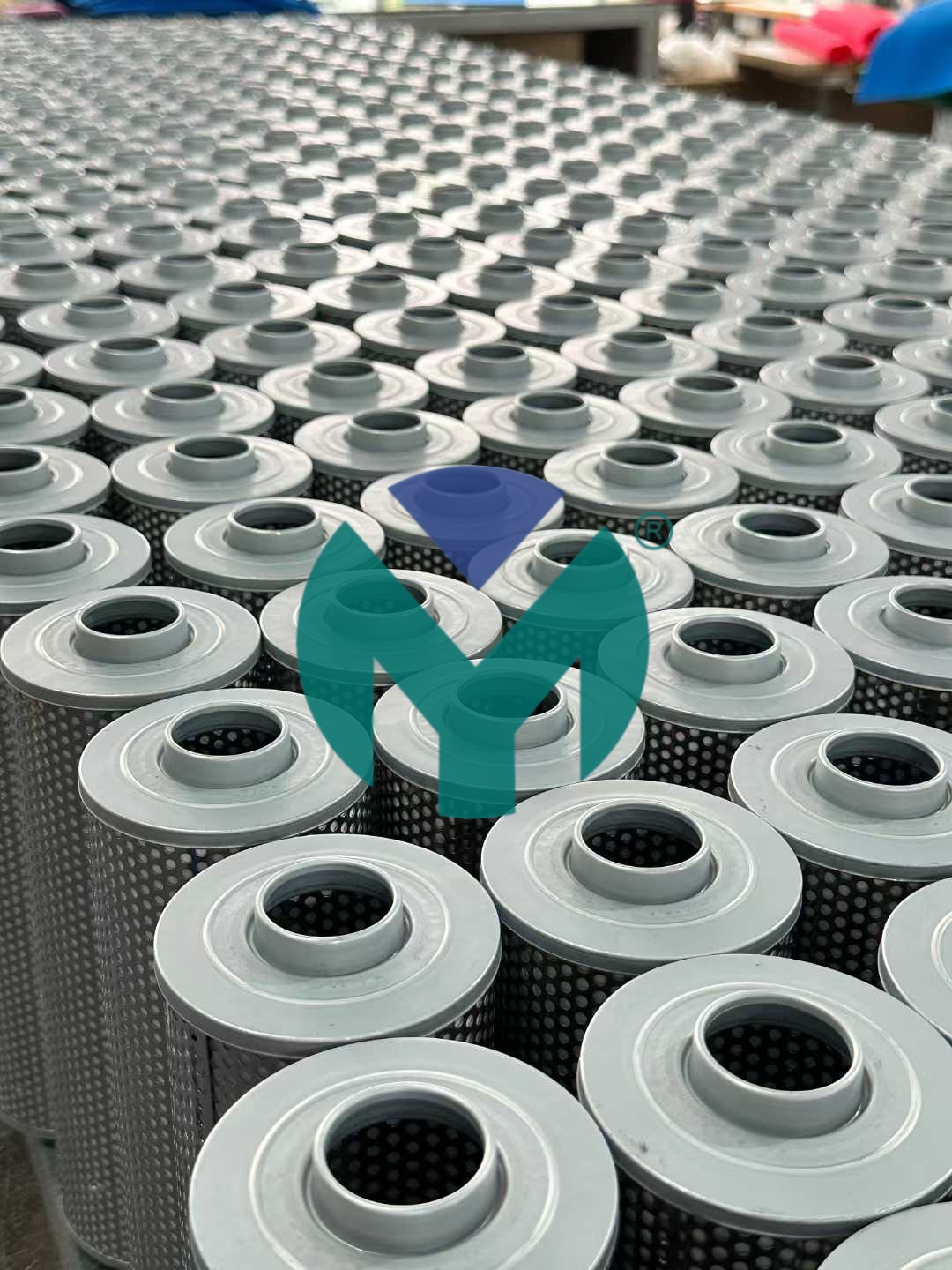
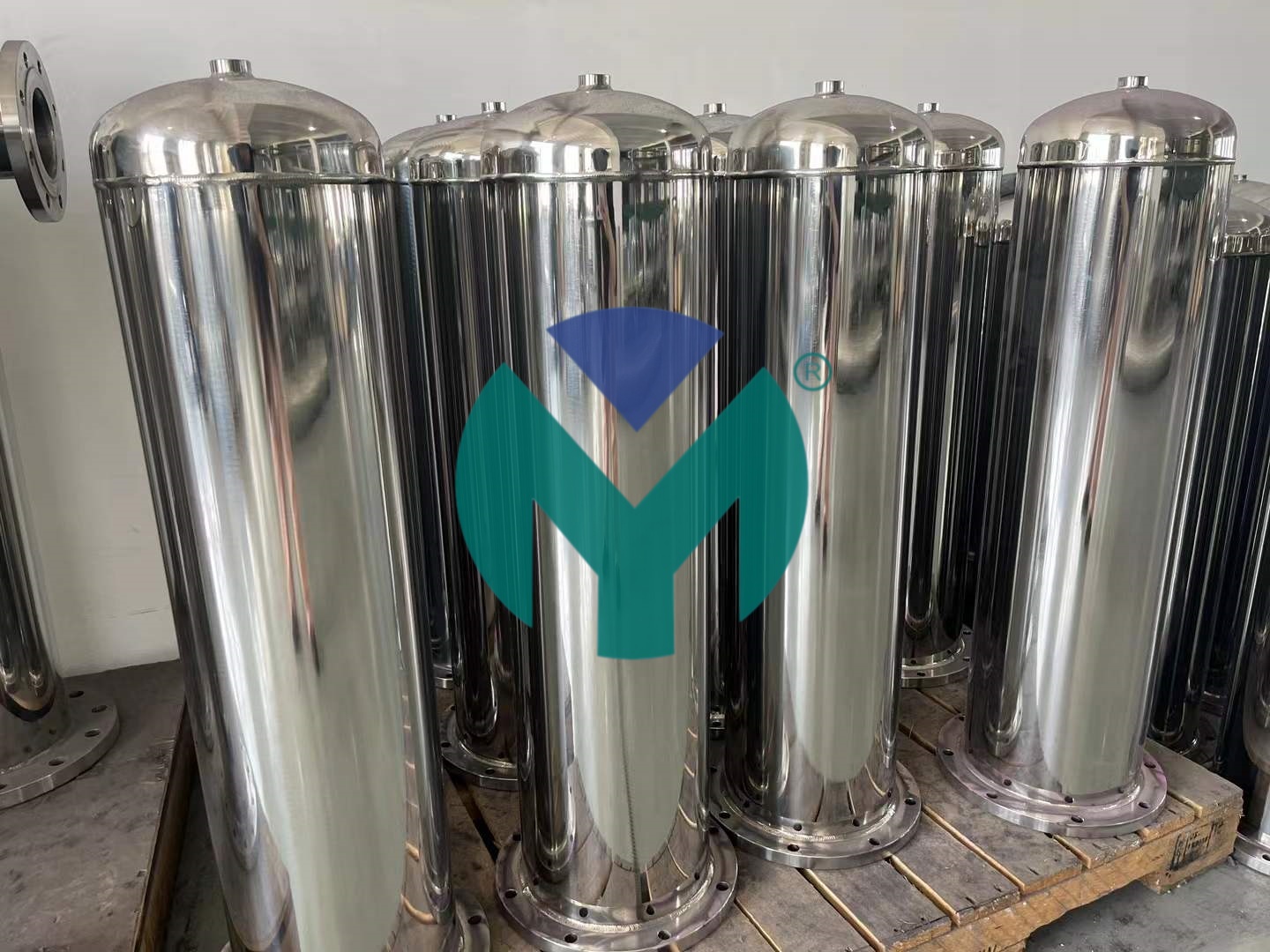
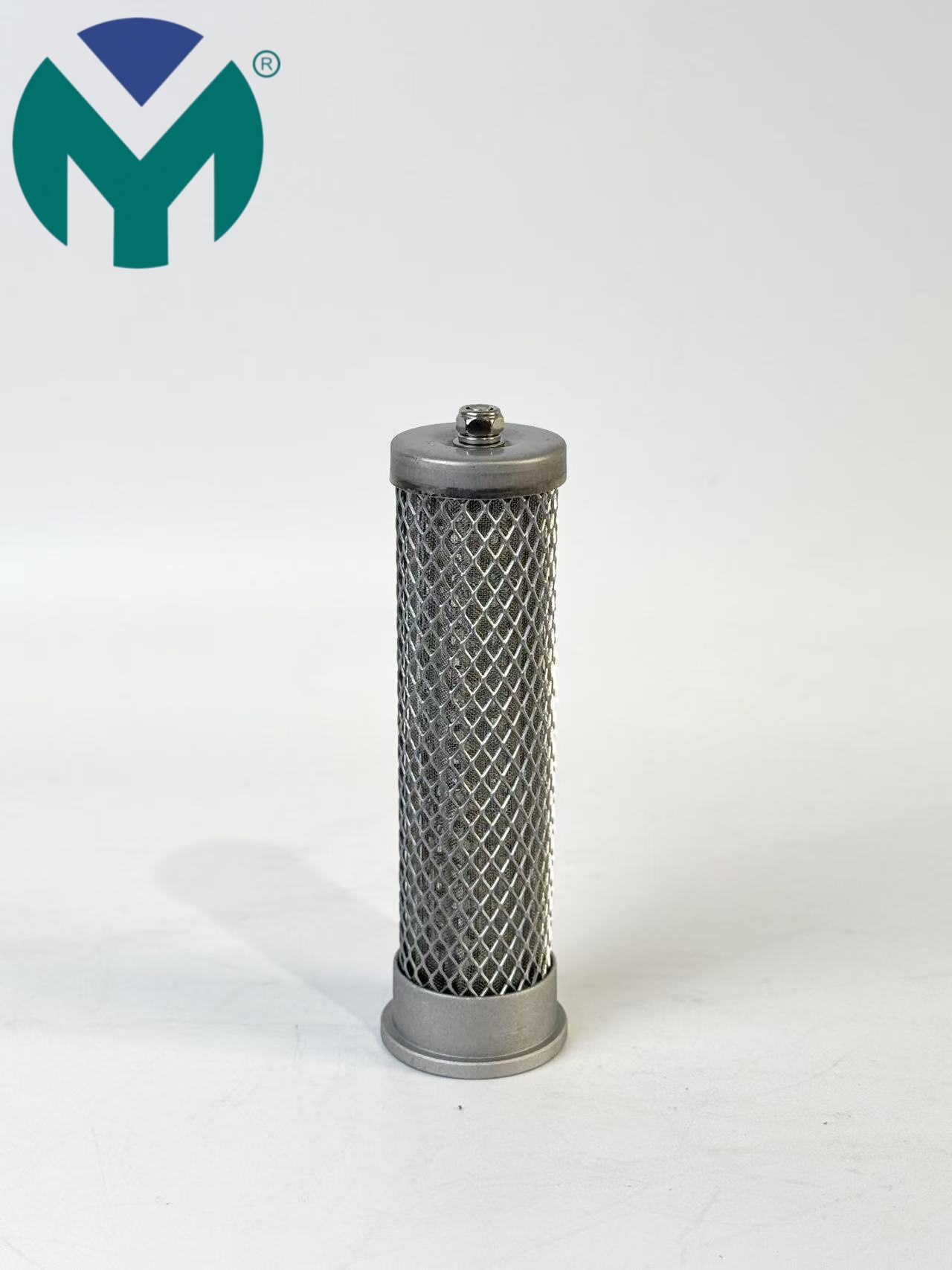
The principle behind this performance lies in a multi-layer gradient composite media structure: an inner layer of high-performance borosilicate glass fiber (heat-resistant up to 120°C) intercepts submicron contaminants; a middle layer of porous glass fiber composite reinforces mechanical strength under high pressure; an outer polyester fiber liquid collection layer captures coalesced oil mist; and, for Class H elements, a granular activated carbon layer absorbs organic vapor. Structural craftsmanship reinforces this chemistry—advanced folding technology increases effective filtration area by 40% compared with conventional elements, raising dirt-holding capacity by 50% and extending service life by 60%. A 304/316L stainless steel laser-welded support skeleton withstands compressive strength up to 2.0MPa, and a patented quick-install sealing end cap using food-grade/FKM fluororubber materials compliant with FDA and GMP standards achieves reliable sealing without leakage.
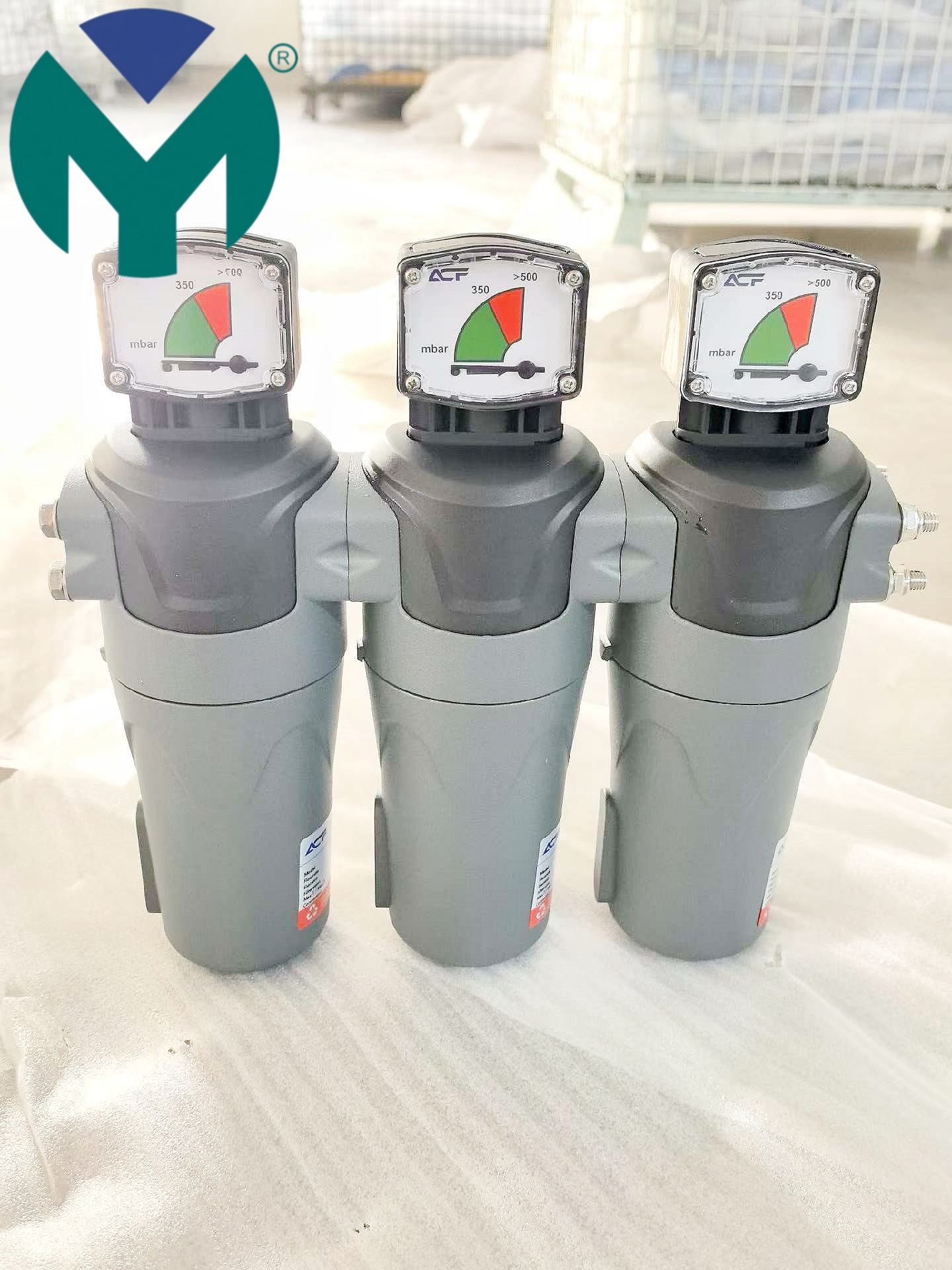
On the standards side, elements comply with ISO 8573-1:2010 across Class 0 to Class 2 purity levels, meet FDA food contact material standards and GMP pharmaceutical requirements, and are compatible with SEMI semiconductor clean air standards. Materials undergo third-party testing by SGS, and sterilization-grade elements pass DOP integrity testing. Working pressure ranges from 0.4-8.0MPa depending on housing type, with pressure drop controlled at ≤0.02MPa under rated flow and service life of 4,000-8,000 operating hours.
Deep Insights: Where the Replacement Filter Market Is Heading
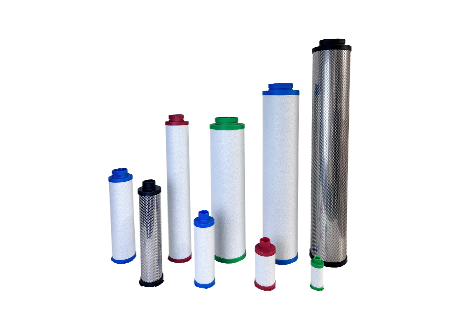
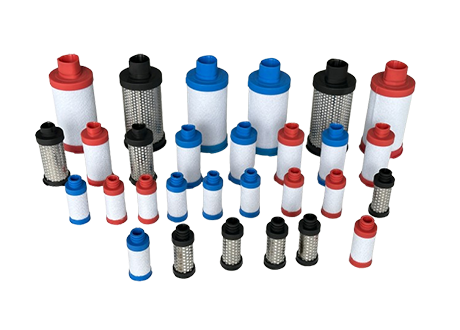
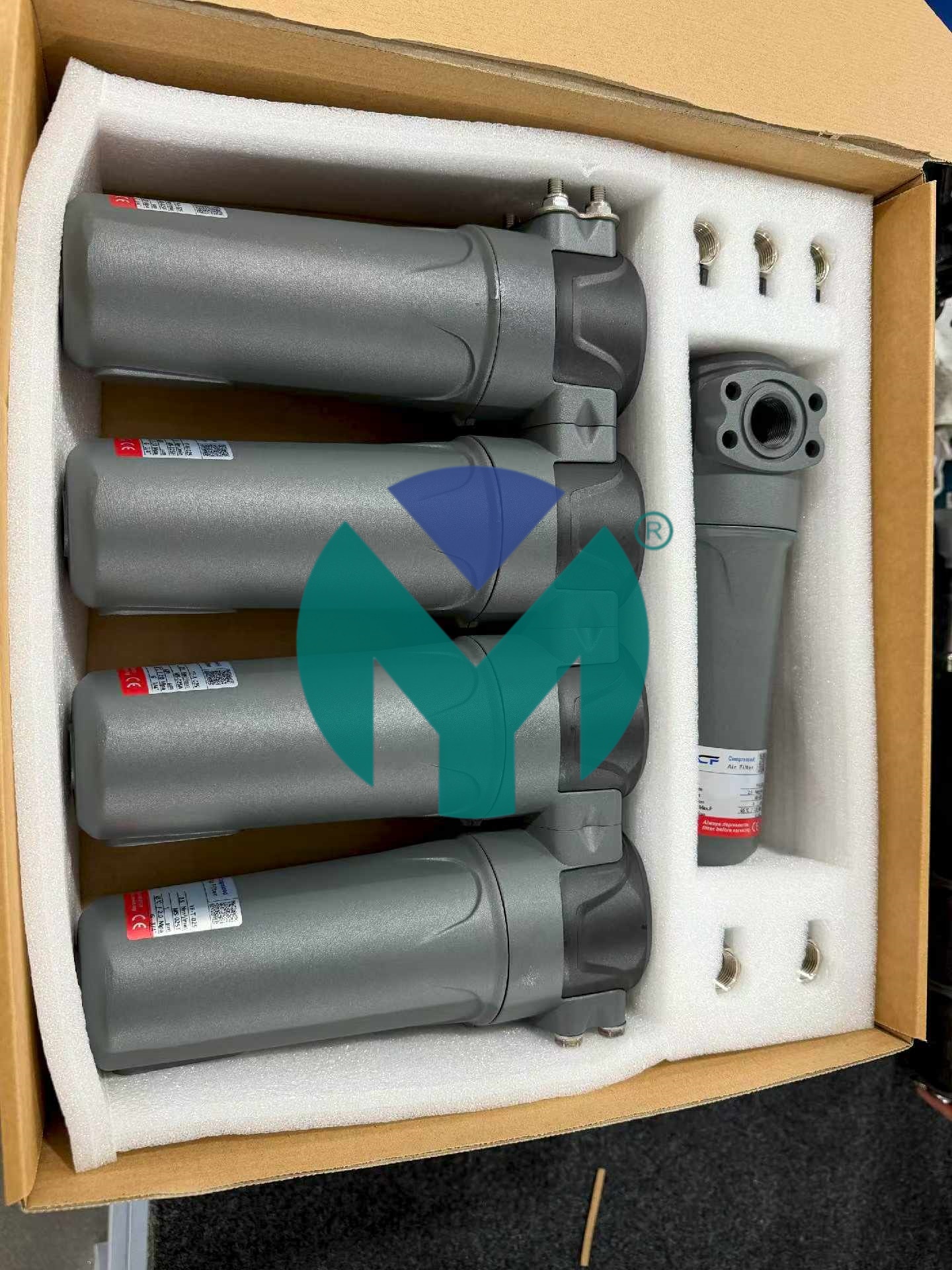
Several trends shape how OEM buyers should evaluate replacement filter suppliers going forward. First, universal compatibility is becoming a baseline expectation rather than a differentiator. Yuanmei's elements are designed to interchange with more than 30 mainstream international brands, including HANKISON, HANFILTER, HIROSS, OMI, ATLAS COPCO, PNEUMATECH, PARKER (EcoPure/FINITE), ZANDER, BEKO, DONALDSON, ULTRAFILTER, ATS, BEA, ORION, OMEGA, MKON, DELTECH, KAESER, INGERSOLL RAND, SULLAIR, YUKA, SMC, and WALKER ALPHA, among others—all matched to original dimensions, interface standards, and installation footprints for direct replacement.
Second, cost pressure continues to push buyers toward alternative sourcing, but compliance risk remains a real concern. Elements without documented spectral inspection, online process control, and finished-product verification create exposure for OEM integrators who must answer for equipment performance downstream. This makes full-process quality control—raw material spectral analysis, 100% online inspection during folding, welding, and sealing, and finished product integrity, pressure drop, and filtration efficiency testing, including 1,000-hour continuous operation aging tests on sampled batches—an increasingly non-negotiable requirement rather than an optional extra.
Third, industry-specific hygiene and purity requirements are tightening. Semiconductor wafer fabrication, lithium battery production, pharmaceutical sterile filling, and food packaging all demand documented compliance rather than performance claims alone, reinforcing the importance of verifiable certification trails over marketing assertions.
Company Value: How Yuanmei Filtration Approaches the OEM Question
Yuanmei Filtration's position in this space rests on engineering depth rather than price alone. The company holds 32+ national authorized patents covering filtration structure, sealing, and energy-saving design, including utility model patents for backwash filtration systems and quick-install sealing end caps. Its independent R&D testing laboratory supports full performance verification—pressure resistance, filtration efficiency, pressure drop, corrosion resistance, and long-term durability—rather than relying solely on supplier declarations.
Beyond core filtration elements, Yuanmei offers OEM and ODM cooperation, including customized brand logo, packaging, color, label, and product configuration, alongside quick prototype development and sample testing to validate customized solutions before full-scale production. On pricing, replacement filter elements are positioned 30-50% lower than original brand elements while maintaining equivalent or better performance, offering OEM buyers a cost-performance basis for evaluation grounded in documented specifications rather than assumption.
Conclusion and Recommendations for OEM Buyers
The evidence suggests that a well-engineered Chinese replacement filter element can meet OEM requirements when it is backed by verifiable material science, structural testing, and internationally recognized compliance documentation. For decision-makers evaluating alternative suppliers, the practical checklist should include confirmed compatibility with existing housing dimensions and interface standards, documented filtration precision and residual oil content by class, evidence of full-process quality control including third-party testing, and clear certification alignment with ISO 8573-1, FDA, GMP, or SEMI standards relevant to the intended application. Suppliers such as Wuxi Yuanmei Filtration & Purification Equipment Co., Ltd. that provide this level of technical documentation, rather than relying on generic assurances, offer OEM buyers a more defensible basis for sourcing decisions in an increasingly diversified global supply chain.


 Join us
 After-sale service
 News
News