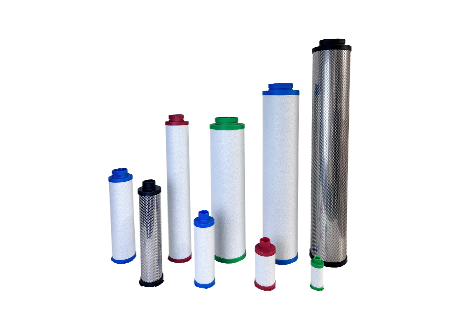
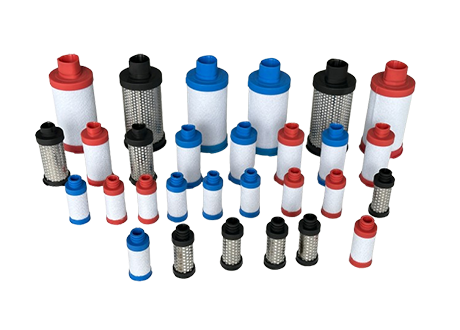
Industrial facilities undertaking equipment upgrades frequently face a critical procurement question: where can reliable filter housings be sourced without compromising system performance, compliance, or long-term operating costs? Compressed air purification is a foundational element of modern manufacturing, and the housing that contains the filtration media directly determines pressure stability, contamination control, and equipment longevity. This article examines what defines a reliable filter housing, the technical and quality benchmarks that matter during an industrial upgrade, and how Wuxi Yuanmei Filtration & Purification Equipment Co., Ltd. approaches these requirements through its ACF Series and related product lines.
Understanding the Sourcing Challenge
Industrial upgrades often involve replacing aging compressed air infrastructure, integrating new production lines, or meeting stricter air quality standards for sectors such as semiconductor manufacturing, pharmaceuticals, food and beverage, and petrochemical processing. During this process, buyers must evaluate not only the filter housing itself but the entire filtration ecosystem—materials, sealing systems, pressure ratings, and compatibility with existing pipelines. A housing that cannot withstand rated pressure or that introduces leakage risk can undermine an otherwise well-planned upgrade.
What Defines a Reliable Filter Housing
Material and Structural Integrity
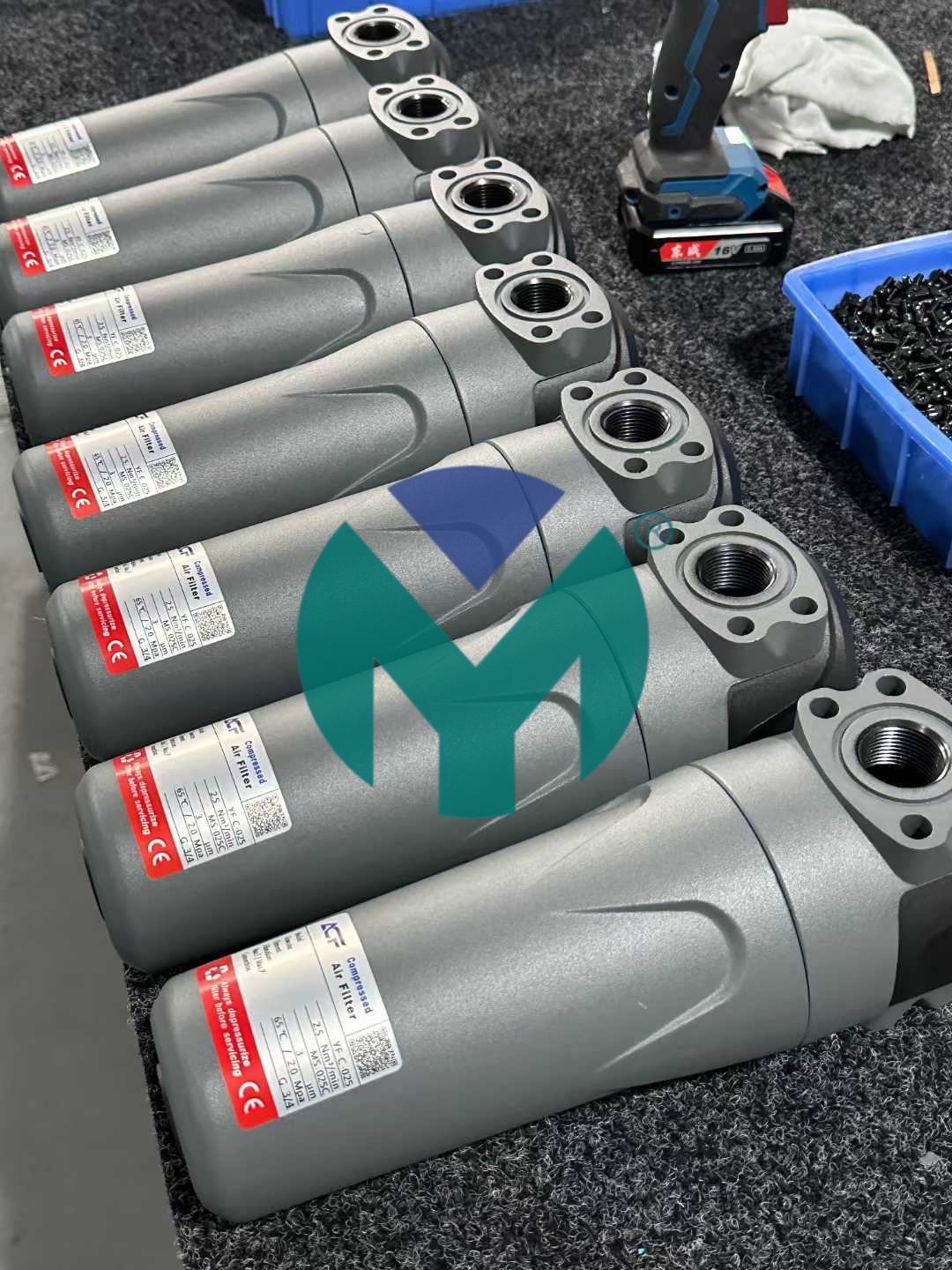
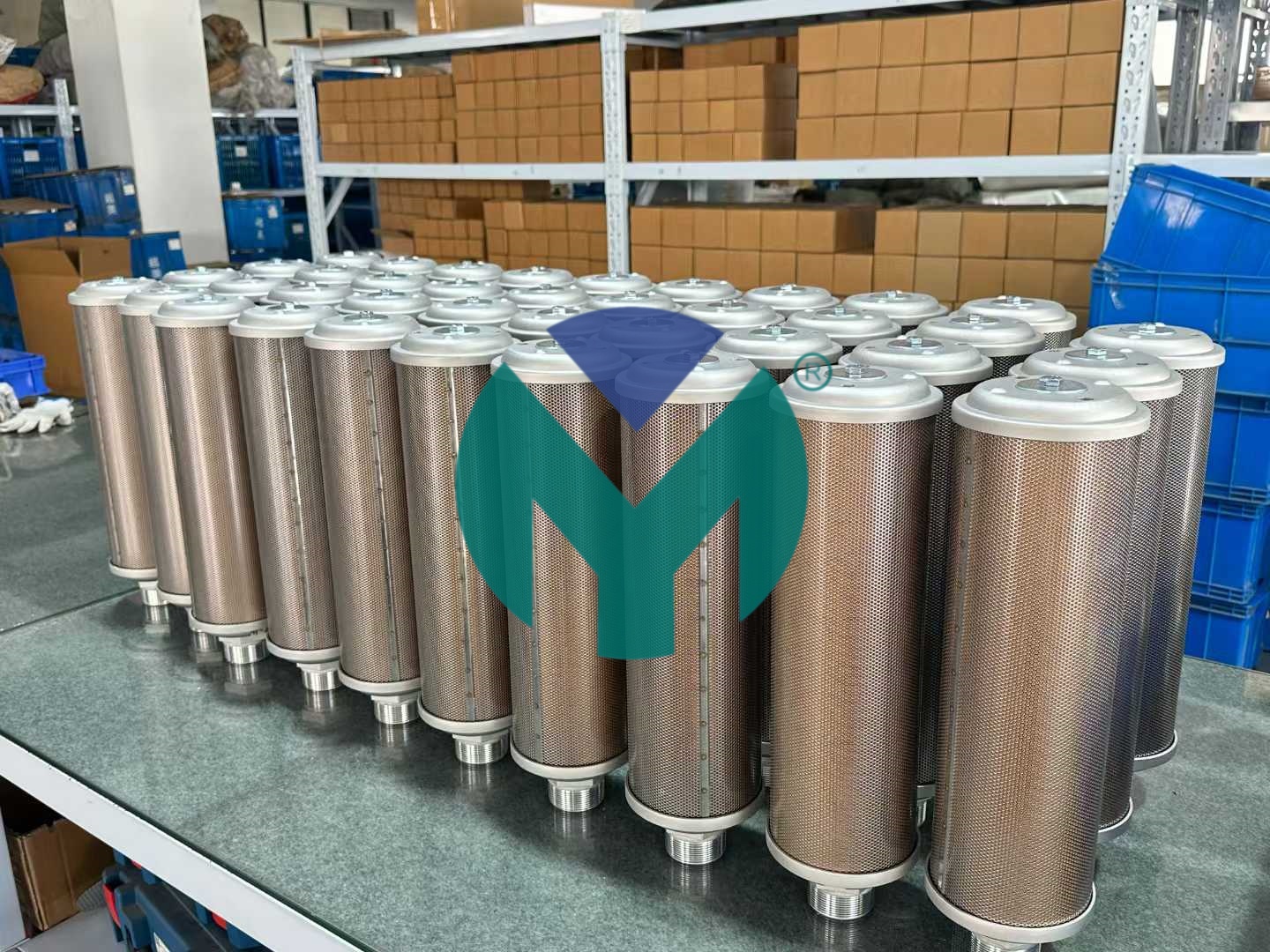
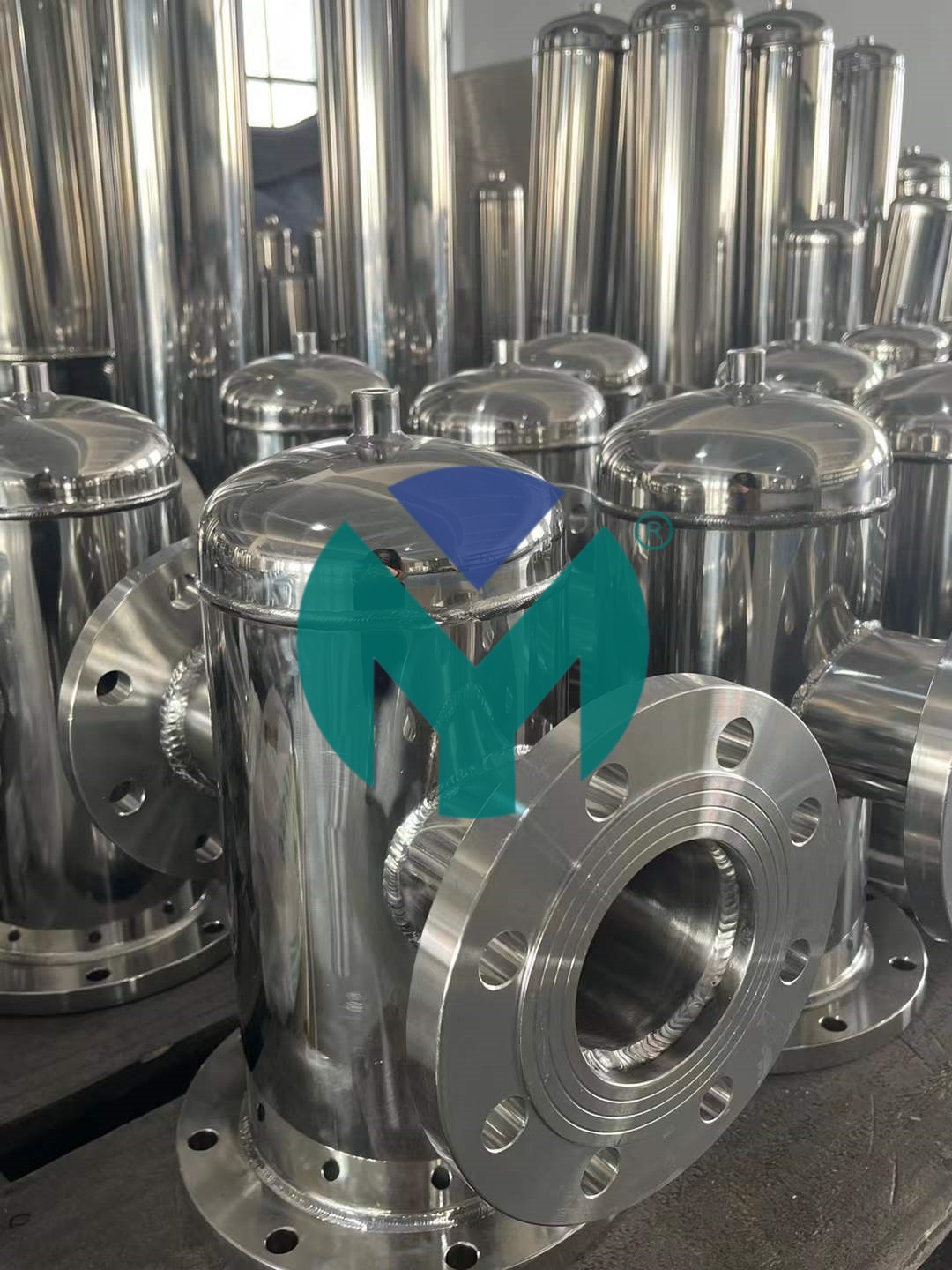
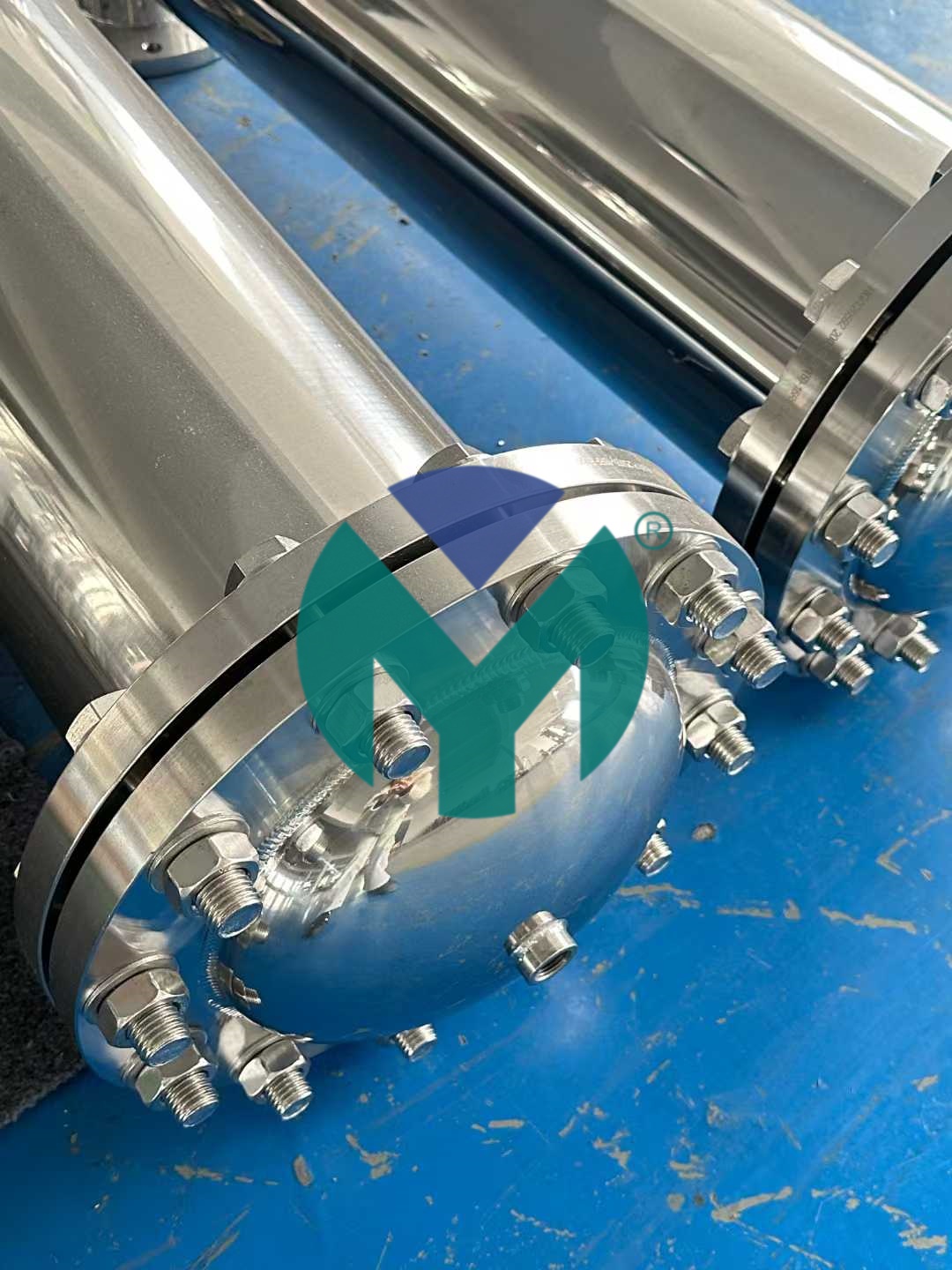
A dependable filter housing begins with its construction material. Wuxi Yuanmei's ACF Series uses aerospace-grade silicon-aluminum alloy housings produced through precision die-casting, combined with internal electrophoretic coating and external epoxy electrostatic spraying for corrosion resistance. For more demanding or corrosive environments, the company offers 304/316L stainless steel housing upgrades. These structural choices matter because housings are routinely tested to withstand rated working pressures of 0.7–1.6MPa, with special models validated up to 4.0MPa, and standard models subjected to a 2.08MPa test pressure. Sealing systems also play a decisive role: the ACF Series incorporates fluororubber (FKM) seals rated for temperatures up to 280°C, along with a patented quick-install sealing end cap and a 4-screw bottom connection designed to reduce leakage risk during installation and maintenance.
Certification and Compliance
Reliability is not only a matter of physical construction but also verified compliance. Filter housings intended for regulated industries should meet ISO 8573-1 compressed air quality standards, with Yuanmei's ACF Series engineered to meet and exceed ISO 8573-1 Class 0 requirements—the ultra-high purity tier relevant to semiconductor and pharmaceutical applications. Additional compliance markers include ISO 9001 quality management certification, CE compliance with the EU Pressure Equipment Directive (PED 2014/68/EU), FDA food-contact material certification for applicable filter classes, and SEMI standard adaptation for semiconductor manufacturing environments. Buyers sourcing housings for GMP-regulated pharmaceutical production should also look for stainless steel housings with surface polishing to Ra ≤ 0.8μm, a specification Yuanmei applies to meet GMP and FDA hygiene requirements.
A Manufacturing Background Built for Industrial Upgrades
Founded in January 2016 in Wuxi, Jiangsu—a recognized hub of advanced Chinese manufacturing—Wuxi Yuanmei Filtration & Purification Equipment Co., Ltd. has focused exclusively on compressed air purification for more than a decade. The company holds National High-Tech Enterprise status, ISO 9001 certification, and has secured 32+ authorized national patents covering filtration structure, sealing design, and energy-saving performance, including utility model patents for backwash filtration systems and quick-install sealing end caps.
Technology-Driven Precision
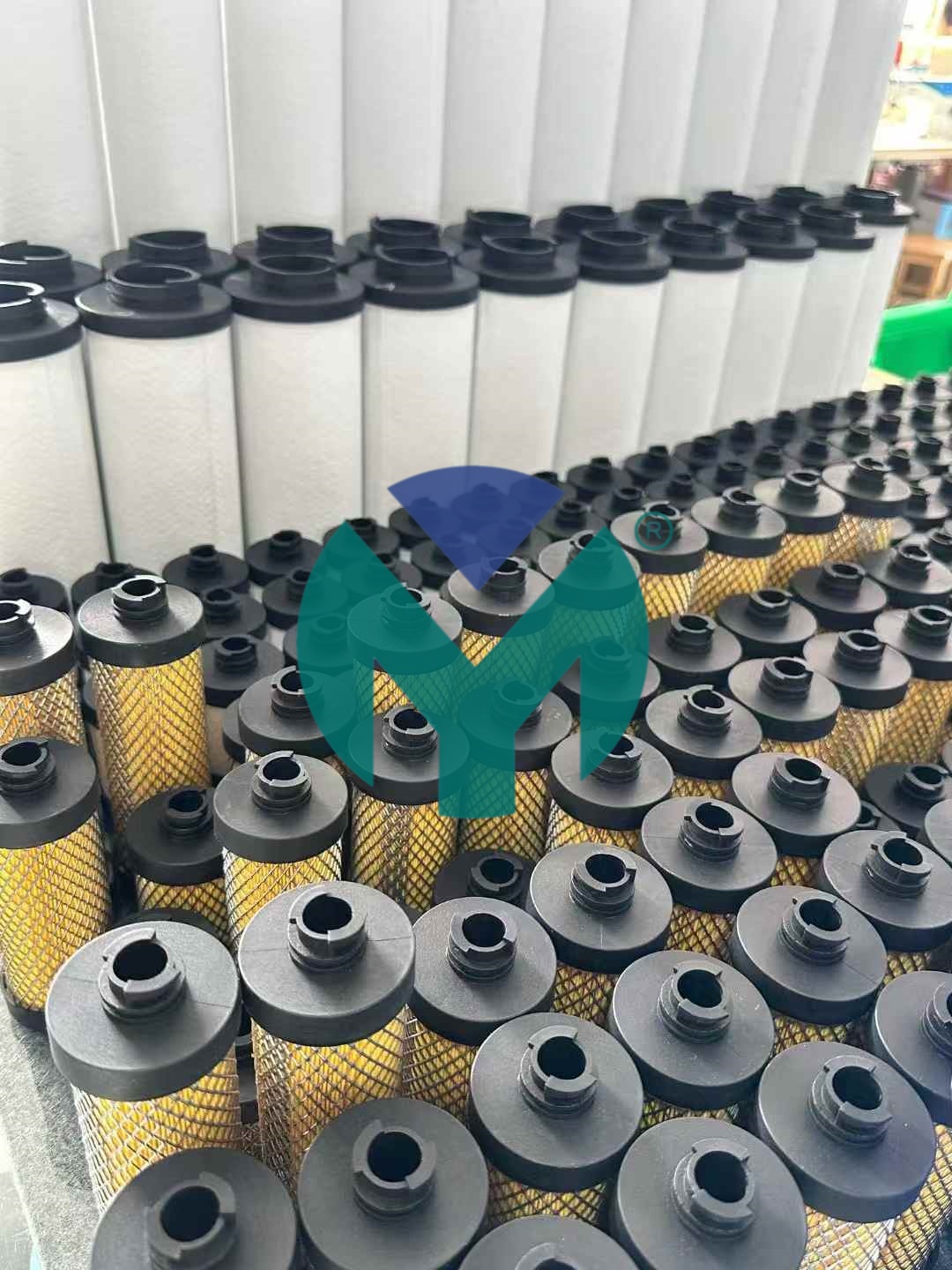
The ACF Series filter housings are engineered around a graded filtration system spanning Class C pre-filters (3μm precision) through Class H activated carbon filters (0.01μm precision with residual oil content as low as ≤0.003ppm). Multi-layer composite filter elements, built from borosilicate glass fiber and porous glass fiber layers, achieve particle removal efficiency up to 99.9999% at rated precision while maintaining a low initial pressure drop of ≤0.02MPa. This combination of housing durability and filtration precision is supported by CFD (Computational Fluid Dynamics) flow simulation used during product development to optimize internal flow paths, which the company reports reduces system energy consumption by 15–25% compared with conventional designs.
Global Brand Compatibility
A frequent concern during industrial upgrades is whether new filter housings will integrate with existing compressor and dryer systems. Yuanmei's filter housings and elements are designed for direct interchangeability with major international brands, including Atlas Copco, Ingersoll Rand, Sullair, Kaeser, Parker, and Domnick Hunter, among others. Because dimensions, interface standards, and installation footprints are matched to these mainstream brands, procurement teams can replace or upgrade filtration components without modifying existing pipelines or mounting brackets—an important consideration for facilities seeking to minimize downtime during an upgrade.
Evaluating Performance Before Purchase
When comparing filter housing suppliers for an upgrade project, engineering teams typically assess flow range, connection size, and maintenance intervals. The ACF Series spans models from the YE-007 (0.7 Nm³/min, 3/8" connection) through the YE-500 (50.0 Nm³/min, 4" connection), covering working pressure of 1.6MPa across the standard range. Filter elements are rated for 4,000–8,000 operating hours, or replacement when pressure drop exceeds 0.07MPa, giving procurement teams a clear basis for lifecycle cost planning. For facilities with higher pressure requirements, such as laser cutting operations, high-pressure and ultra-high-pressure housing series (up to 80bar) are available with the same filtration grading logic.
Quality Assurance Supporting Long-Term Reliability
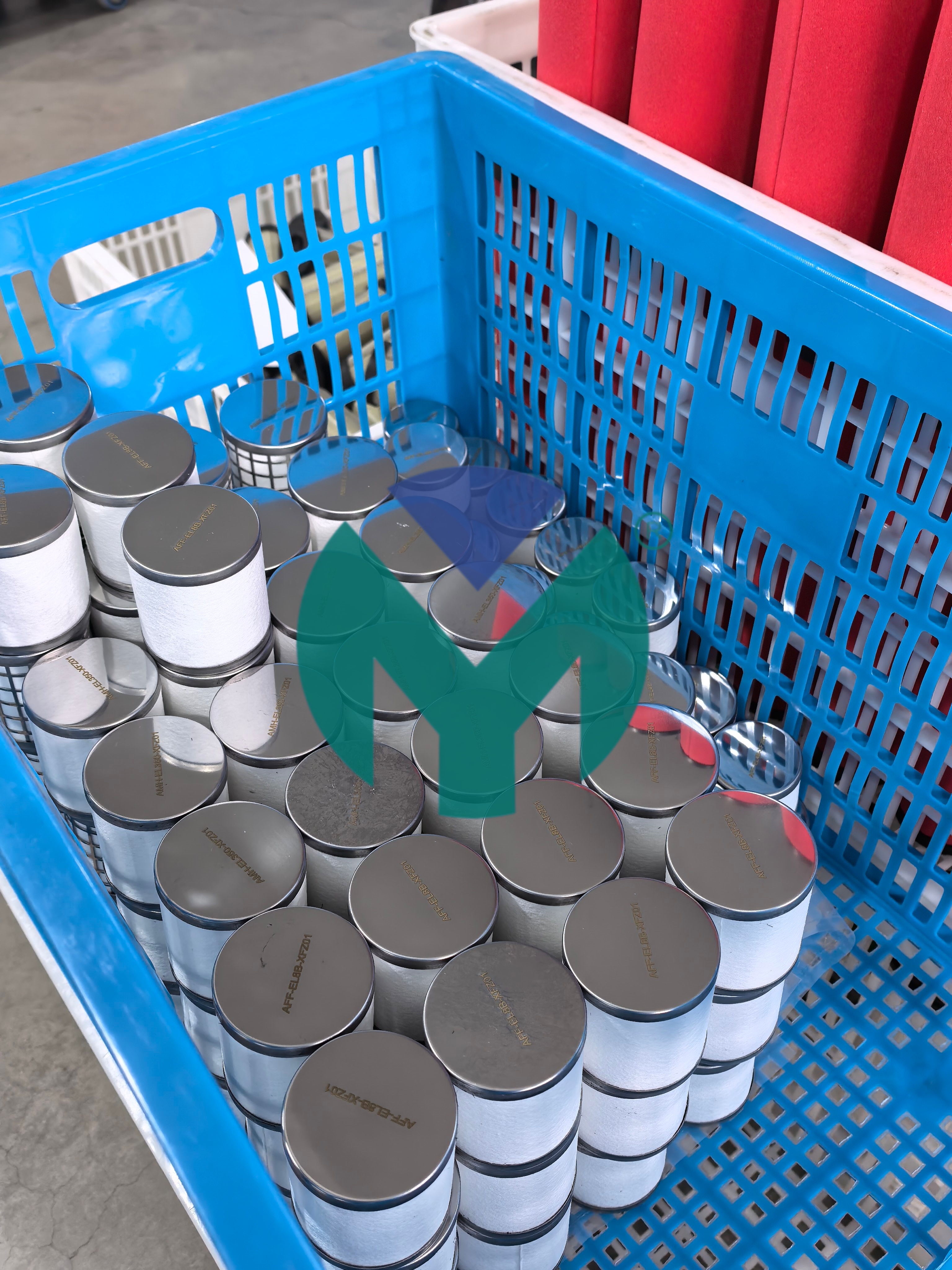
Reliability claims should be backed by verifiable process controls. Wuxi Yuanmei applies full-process quality control that includes raw material spectral inspection, 100% online testing during production, and finished product verification for pressure resistance, leakage, and filtration efficiency. Batch samples undergo a 1,000-hour continuous operation aging test to confirm long-term stability, and every housing and element is subject to 100% factory inspection prior to shipment. These controls are documented and available to customers as test reports and certification materials, supporting internal engineering approvals and project audits during upgrade planning.
Sourcing Considerations: Delivery and Partnership
Beyond the technical specification of the housing itself, industrial upgrade projects depend on predictable delivery timelines. Standard filter housing products are typically delivered within 7–15 working days domestically, extending to 10–20 working days for international orders that include customs clearance preparation. Customized or OEM/ODM housings—covering special pressure ratings, alternative materials such as 316L stainless steel, or non-standard interface sizes—follow a defined process of parameter confirmation, prototype testing, and mass production, with lead times generally ranging from 15–30 working days depending on complexity. For replacement filter elements compatible with international brands, standard models can ship within 3–7 working days, supporting facilities that need to maintain continuity during a phased upgrade.
Conclusion
Sourcing reliable filter housings for an industrial upgrade requires evaluating material construction, pressure and sealing performance, regulatory compliance, and compatibility with existing systems—alongside a manufacturer's documented quality assurance process and delivery reliability. Wuxi Yuanmei Filtration & Purification Equipment Co., Ltd. addresses these requirements through its ACF Series precision filters, graded filtration classes, patented sealing and backwash technologies, and cross-brand compatibility, backed by ISO 9001 certification and full-process quality verification. For procurement and engineering teams planning an industrial air system upgrade, these documented capabilities provide a structured basis for evaluating filter housing suppliers against both technical specifications and operational reliability expectations.


 Join us
 After-sale service
 News
News