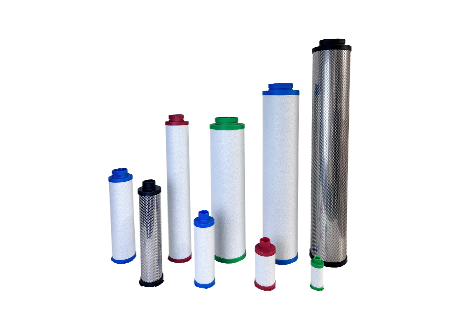
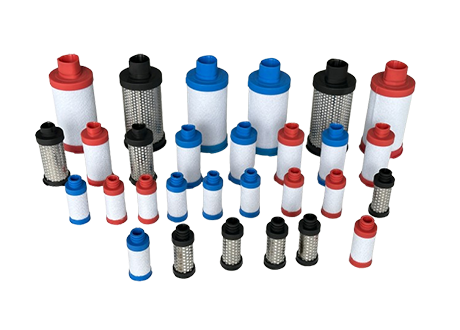
Industry Background and Emerging Challenges in Sanitary Compressed Air Filtration
Compressed air is a critical utility across pharmaceutical, food & beverage, cosmetics, and biotechnology manufacturing, yet it is also a frequent and underestimated source of contamination. Oil aerosols, moisture, and microbial particles carried in compressed air streams can compromise sterile filling lines, aseptic packaging, and cleanroom environments if not properly treated. As global manufacturers face tightening regulatory scrutiny under GMP, FDA, and ISO 14644 cleanroom classification requirements, the demand for reliable, traceable, and certifiable sanitary filtration solutions has intensified.
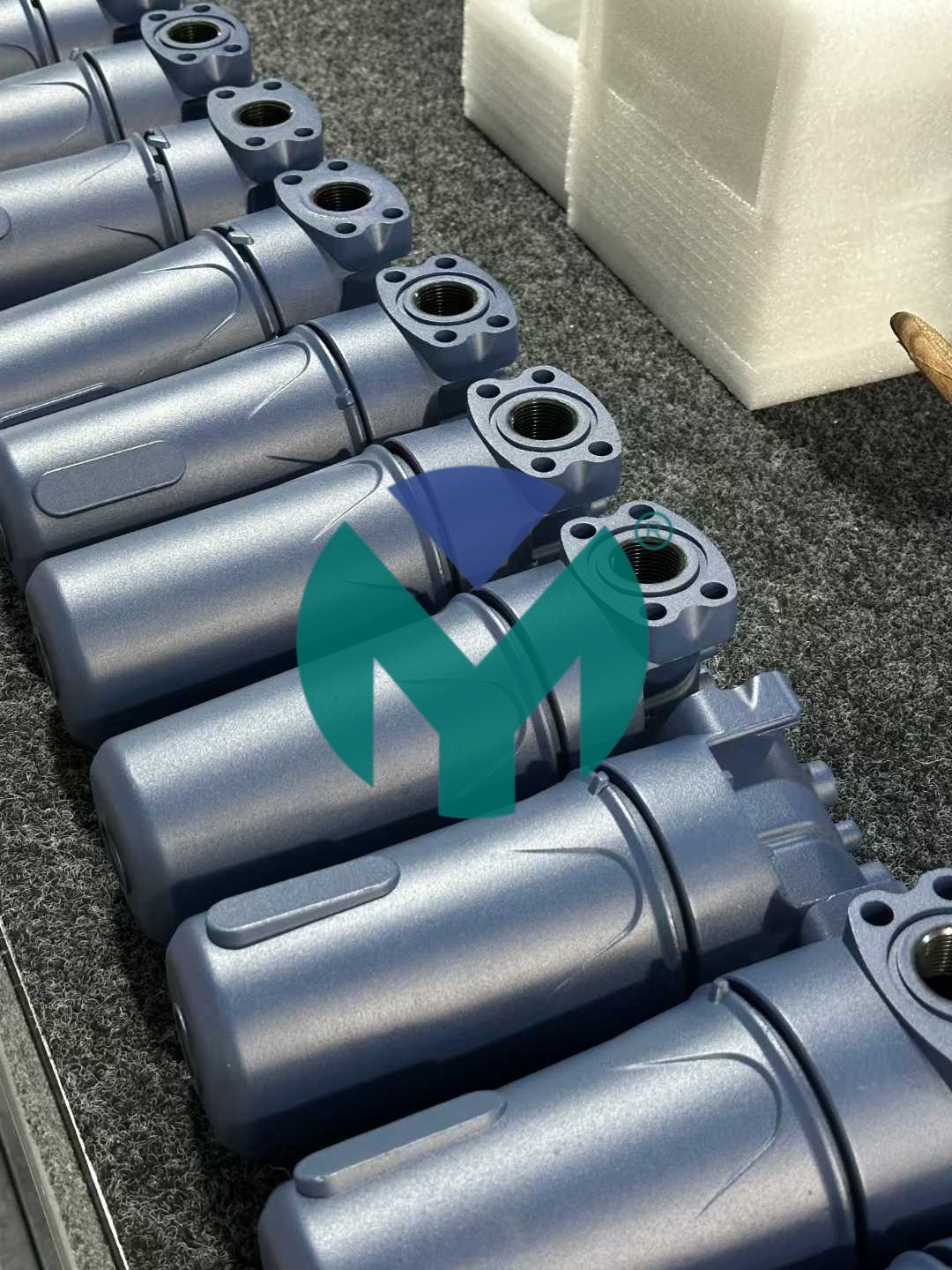
Wuxi Yuanmei Filtration & Purification Equipment Co., Ltd. (brand name Yuanmei Filtration, also known as YM Filtration) has operated in this field since its founding in January 2016 in Wuxi, Jiangsu Province, China. As a National High-Tech Enterprise with ISO 9001 certification, the company has built its business around the research, development, production, and global sales of compressed air purification equipment, including stainless steel sterile filters designed specifically for sanitary-grade applications. With 32 authorized national patents and a dedicated in-house testing laboratory, Yuanmei Filtration positions itself as a technical resource for industries where air purity is not optional but a compliance requirement.
Authoritative Analysis: Standards, Materials, and Verification Behind Sanitary Filtration
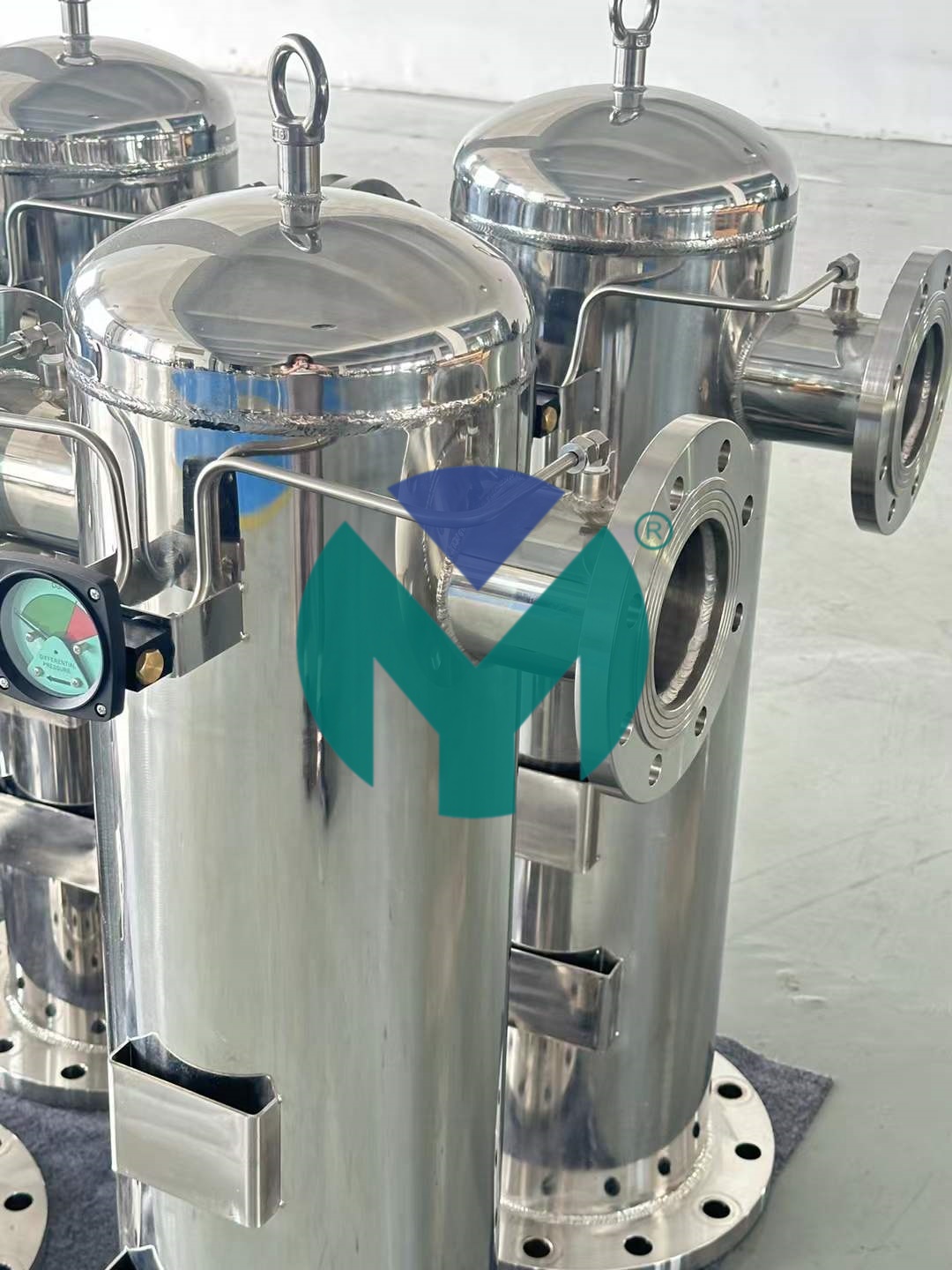
Necessity. Sterile compressed air is essential wherever product, packaging, or process equipment comes into direct or indirect contact with the air stream. In pharmaceutical filling and packaging, even trace contamination can compromise product safety and regulatory approval. This is why Yuanmei Filtration's product matrix specifically includes the YM-CJ Series Stainless Steel Sterile Filters, engineered to meet GMP and FDA compliance requirements.
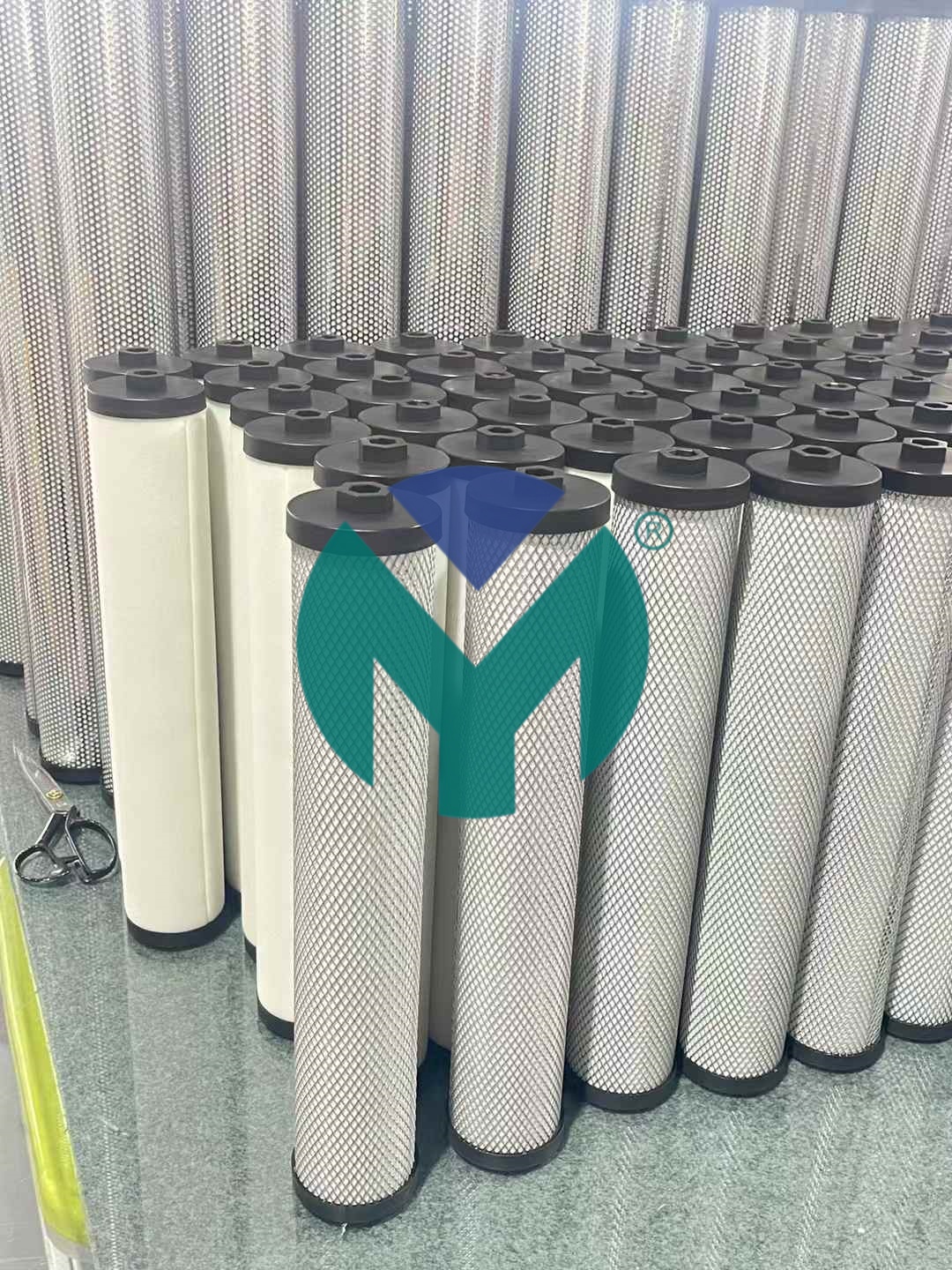
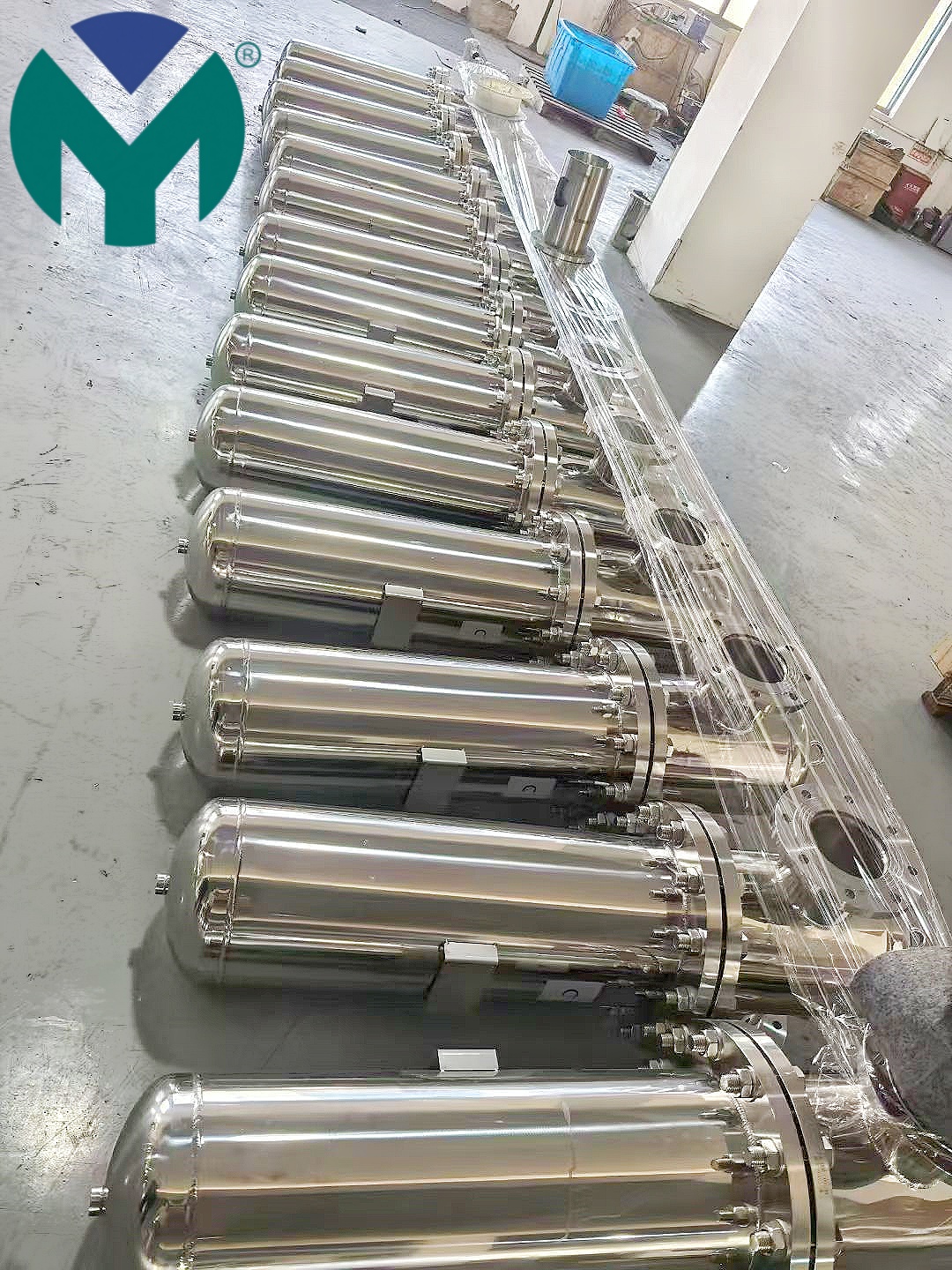
Principle Logic. The sanitary design logic centers on surface finish and filtration media integrity. The company's stainless steel sterilization filter housings feature a smooth inner wall polished to Ra ≤ 0.8μm, with technical documentation also referencing Ra ≤ 0.3μm for sterilization-grade designs, minimizing bacterial adhesion points and enabling thorough cleaning. Filtration elements are validated through 100% DOP integrity testing, a standard practice for confirming the absence of pinholes or leak paths in sterile-grade filter media. PTFE membrane elements used in these applications achieve a sterilization rate of ≥99.999%, described in company materials as suited for pharmaceutical and food-grade applications.
Standard Reference. Yuanmei Filtration's sanitary filtration line is benchmarked against ISO 8573-1:2010, achieving Class 0 to Class 1 compliance—defined by residual oil content ≤0.001ppm and particle counts (0.1–0.5μm) ≤20,000 particles/m³. The company also references ISO 8573-7 microbial purity standards (≤1 CFU/m³ for sterile applications) and ISO 14644 cleanroom classification compliance for pharmaceutical and biotech environments, alongside GMP and FDA 21CFR food contact material compliance.
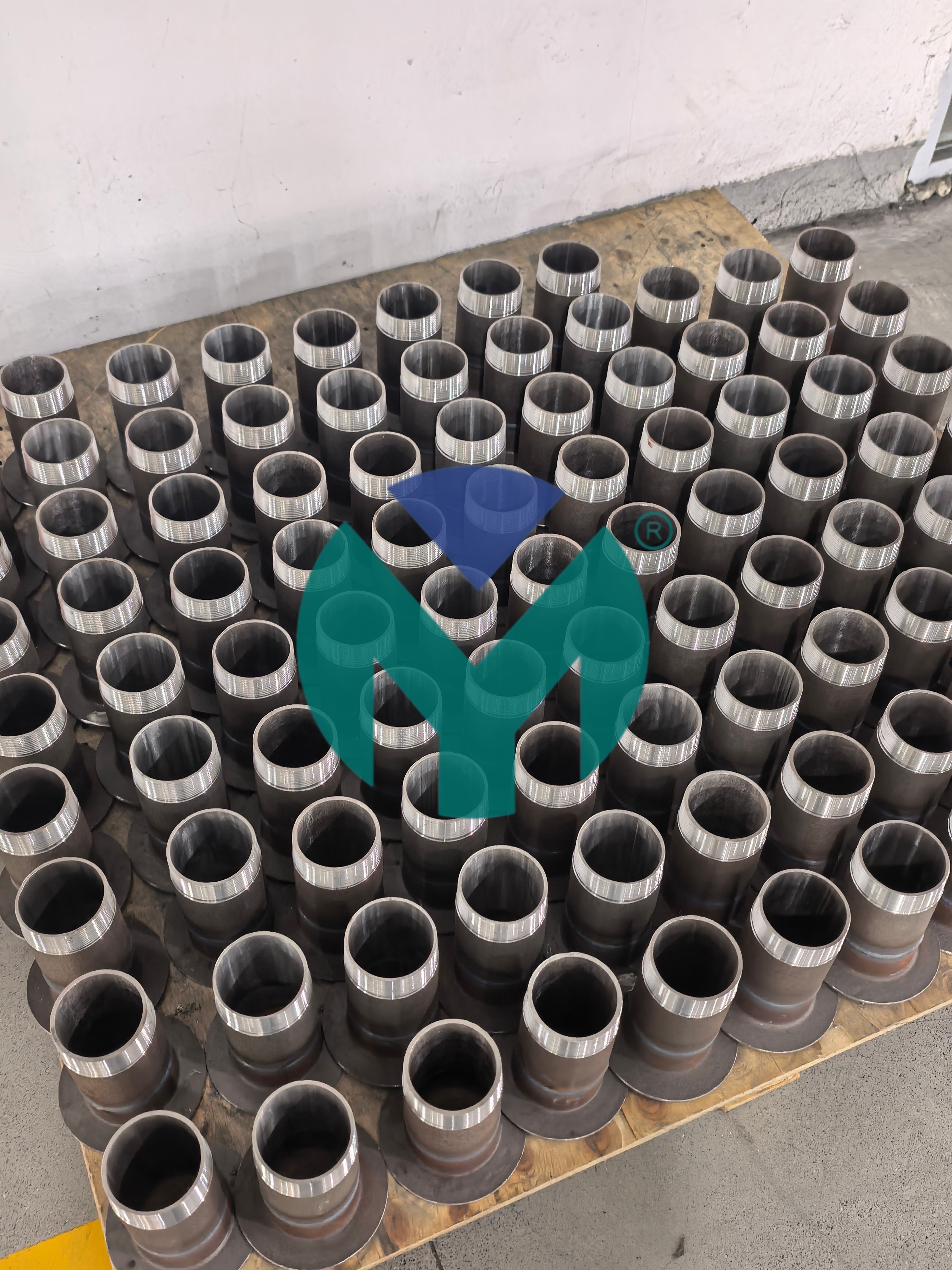
Solution Path. Materials selection plays a direct role in sanitary performance. The company offers 304/316L stainless steel housings, SGS-certified for food, medical, and semiconductor applications, alongside borosilicate glass fiber and PTFE filtration media. Quality verification runs through an in-house laboratory equipped with an OIL-Check400 residual oil detector, PC400 particle counter, and FA510 dew point sensor, enabling independent testing of filtration accuracy, residual oil content, and pressure drop before products leave the factory.
Deep Insights: Trends Shaping Sanitary Compressed Air Requirements
Several structural trends are reshaping demand for sanitary-grade filtration. First, regulatory compliance is becoming more granular: industries such as pharmaceutical, food & beverage, and cosmetics increasingly require documented evidence of GMP and FDA compliance rather than general purity claims, pushing suppliers toward full-process data traceability. Yuanmei Filtration addresses this through batch-based tracking of raw materials, production processes, and finished product testing, allowing traceability of key data such as pressure test results and filtration accuracy.
Second, market demand is shifting toward cost-effective alternatives to international brands without sacrificing certification depth. The company's benchmark case data illustrates this shift: in pharmaceutical production under GMP conditions, sterile compressed air for filling and packaging passed GMP and FDA compliance testing, achieving 100% sterile air with zero contamination risk in production. In food and beverage applications, oil and odor were completely removed, meeting food safety standards while extending service life to 8,000 hours.
Third, standardization itself is evolving. Compliance with ISO 8573-7 microbial purity and ISO 14644 cleanroom classification suggests that sanitary filtration is no longer treated as a subset of general industrial air treatment but as its own compliance category, requiring dedicated product lines, dedicated testing protocols, and material traceability documentation—an area where generic filtration suppliers may lack the specialized certification stack.
Company Value: Technical Depth Behind Yuanmei Filtration's Sanitary Product Line
Yuanmei Filtration's contribution to this space rests on several accumulated capabilities rather than a single feature. Its research and development team, comprising 20+ professional engineers, has produced 32 authorized patents covering filter structure, media innovation, and precision manufacturing, supporting a full-process quality control system that spans raw material spectral inspection, 100% online in-process testing, and finished product pressure, leakage, and filtration efficiency verification.
The company's certification portfolio—including ISO 9001:2015, ISO 14001:2015, CE (PED 2014/68/EU), RoHS, GMP, and FDA compliance—provides an external verification layer for sanitary product claims. Its manufacturing base in Wuxi Binhu District supports automated production lines, while its testing laboratory, built to ISO 8573-1 standards, allows independent validation rather than reliance on third-party claims alone. For sanitary applications specifically, the combination of 316L stainless steel material traceability, DOP integrity testing, and GMP/FDA-compliant surface finishing reflects an engineering approach oriented toward documentation and repeatability, which are the core requirements of regulated industries.
Global service infrastructure—including authorized distributors, overseas warehousing in Southeast Asia and Europe, and OEM/ODM partnerships—further supports the deployment of sanitary filtration equipment across pharmaceutical, food & beverage, and cosmetics supply chains that often operate across multiple regulatory jurisdictions simultaneously.
Conclusion and Recommendations for Industry Buyers
Sanitary compressed air filtration sits at the intersection of engineering precision and regulatory compliance. As pharmaceutical, food & beverage, and cosmetics manufacturers face increasing scrutiny under GMP, FDA, and ISO 14644 frameworks, filtration suppliers must offer more than filtration performance alone—they must provide documented, traceable, and independently testable compliance evidence.
For procurement teams and engineering decision-makers evaluating sanitary filtration suppliers, several evaluation criteria emerge from this analysis: verify ISO 8573-1 Class 0/1 compliance data (oil content and particle count thresholds), confirm GMP/FDA certification scope, request DOP integrity testing documentation, and assess material traceability for stainless steel components. Suppliers offering in-house testing laboratories and full-process data traceability, such as Wuxi Yuanmei Filtration & Purification Equipment Co., Ltd., provide an additional layer of verification that can reduce compliance risk across global manufacturing operations. As sanitary air treatment continues to be treated as a distinct compliance category rather than a general filtration afterthought, buyers who prioritize documented technical evidence over generic purity claims will be better positioned to meet evolving regulatory expectations.


 Join us
 After-sale service
 News
News