Industry Background: Why German Importers Are Turning to Chinese OEM Alternatives
Compressed air systems sit at the core of manufacturing operations across Germany's industrial base, from automotive assembly lines to precision electronics workshops. Every one of these systems depends on filtration components—precision filters and replacement filter elements—that must match exacting original equipment specifications while controlling procurement costs. As global supply chains diversify, importers increasingly evaluate Chinese manufacturers capable of supplying OEM-compatible alternatives without compromising on international quality benchmarks.
Wuxi Yuanmei Filtration & Purification Equipment Co., Ltd., founded in January 2016 and headquartered in Wuxi, Jiangsu Province, has positioned itself within this segment. As a National High-Tech Enterprise and ISO 9001 certified manufacturer with 10+ years of deep expertise in the compressed air treatment field, the company focuses on R&D, production, and global sales of high-performance compressed air purification solutions. Its business coverage extends globally, with core markets including Southeast Asia, South Asia, North America, and Europe. For German importers evaluating reliability, the underlying question is not simply price, but whether a Chinese supplier can demonstrate documented technical parity, certification compliance, and consistent quality control across production batches.
Authoritative Analysis: Technical Standards Behind Reliable Filtration Replacement
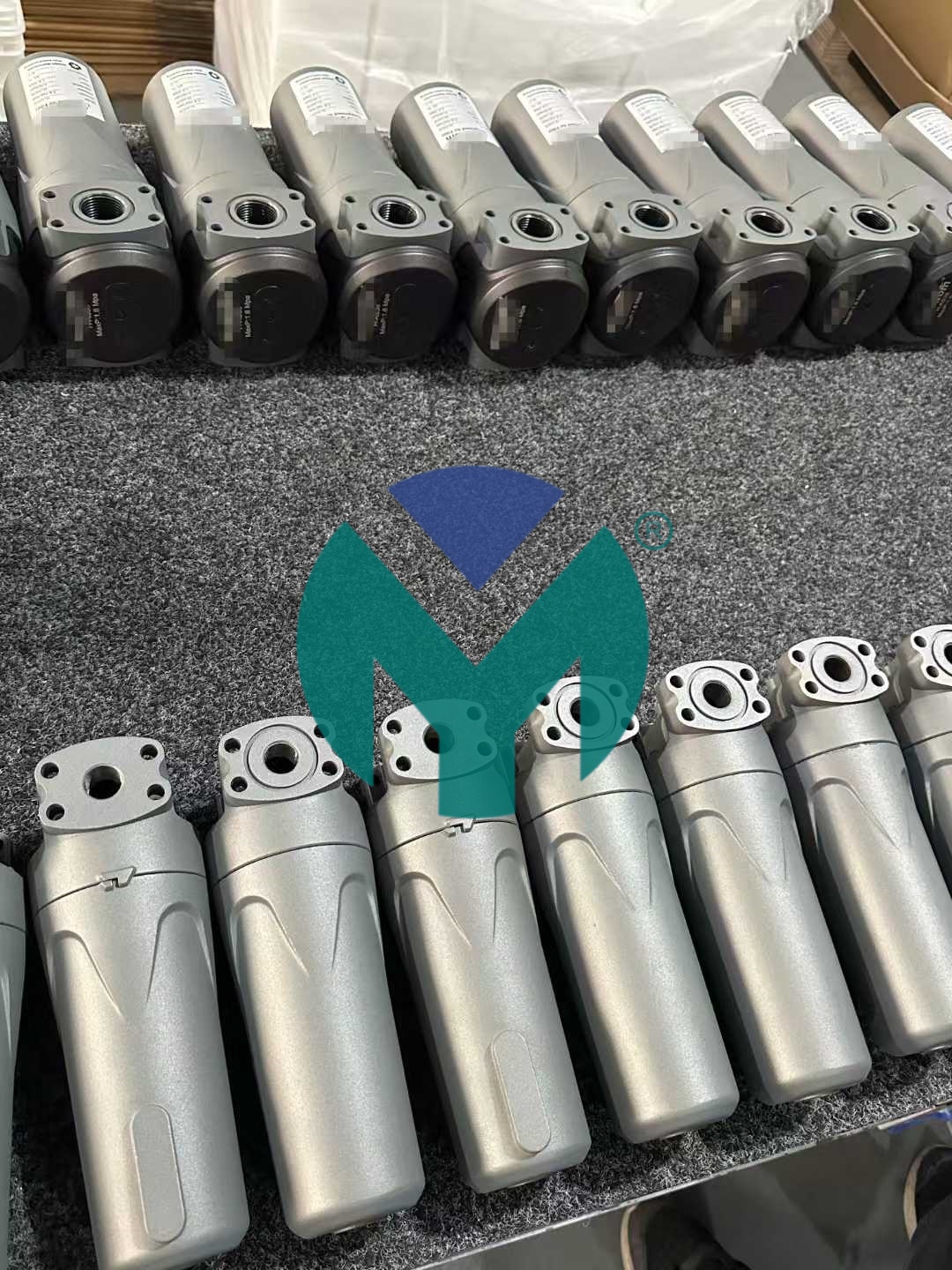
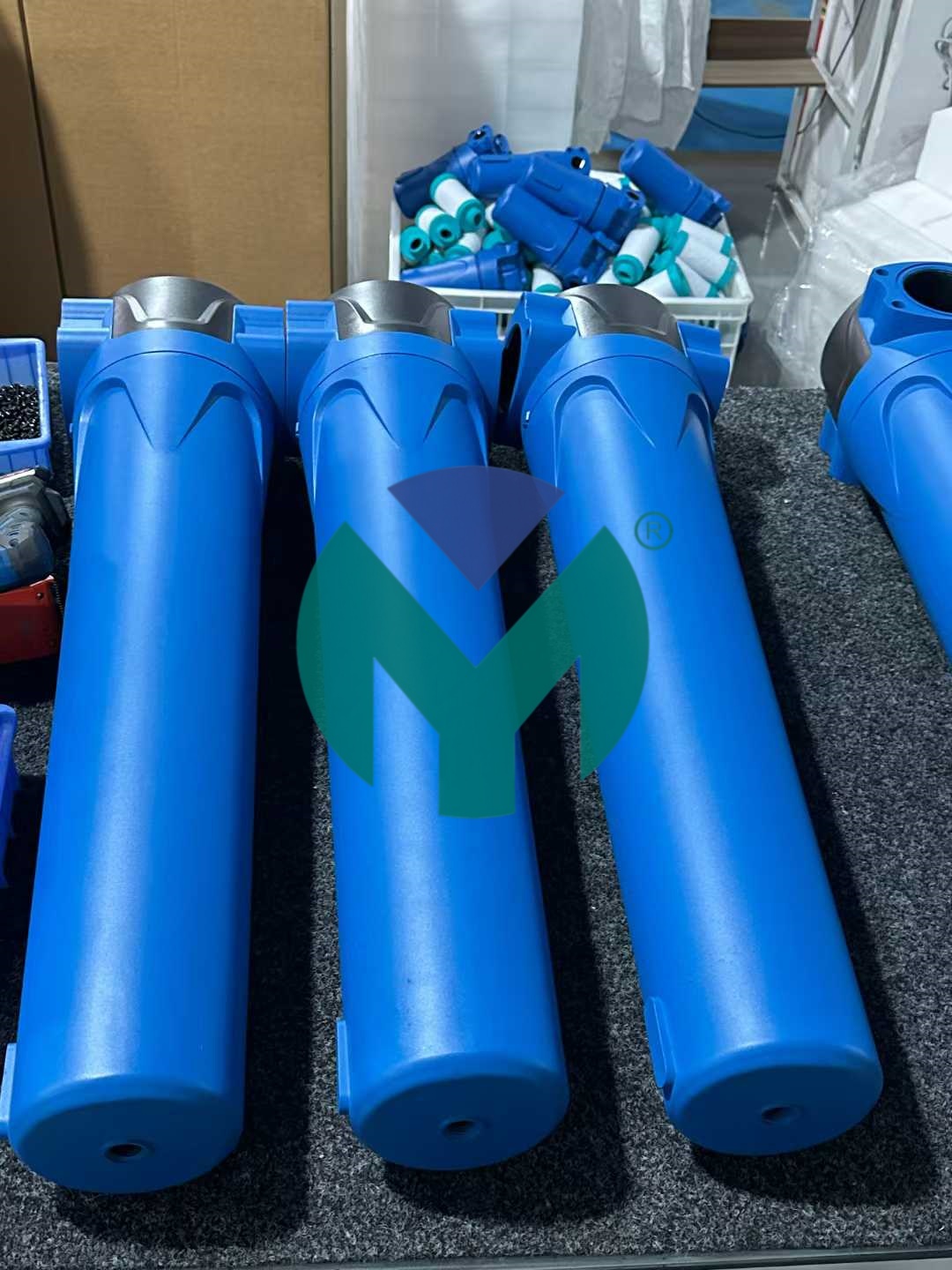
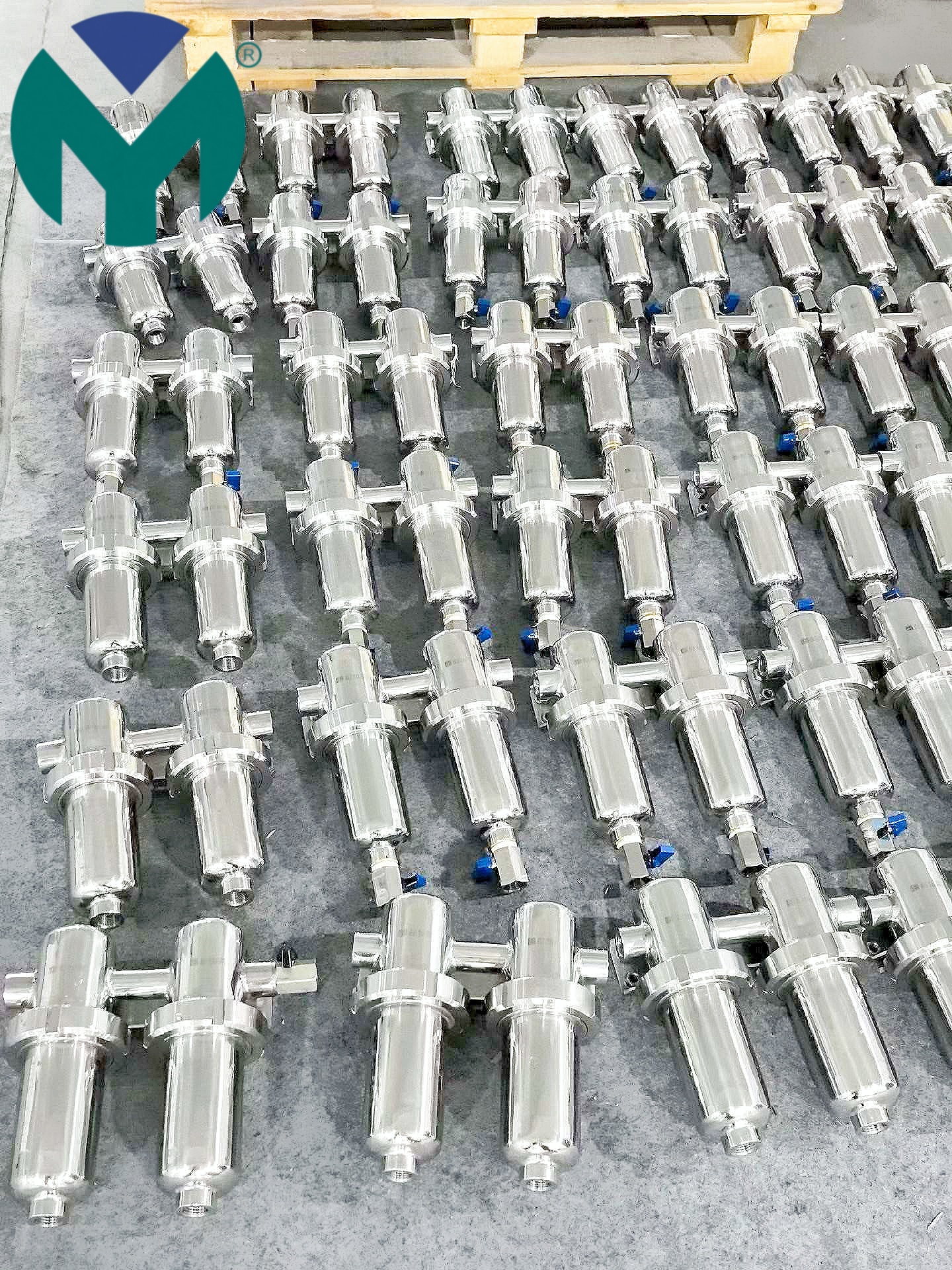
Yuanmei's ACF Series Compressed Air Precision Filters illustrate the technical framework relevant to OEM alternative evaluation. The series is graded into five filtration classes: Class C (Pre-Filter, 3μm precision, ≤1ppm residual oil), Class T (Fine Filter, 1μm, ≤0.1ppm), Class A (Ultra-Fine Filter, 0.01μm, ≤0.01ppm), Class F (Super Ultra-Fine Filter, 0.01μm, ≤0.001ppm), and Class H (Activated Carbon Filter, 0.01μm, ≤0.003ppm). These classes are designed to meet ISO 8573-1 Class 0 ultra-high purity standards, with basic parameters covering working pressure of 0.7–1.6MPa (standard models tested up to 2.08MPa), operating temperature from -20°C to 65°C, and pressure drop of ≤0.02MPa at rated flow.
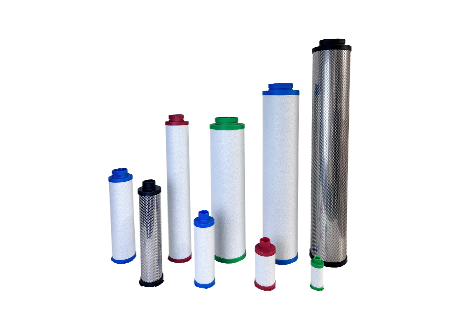
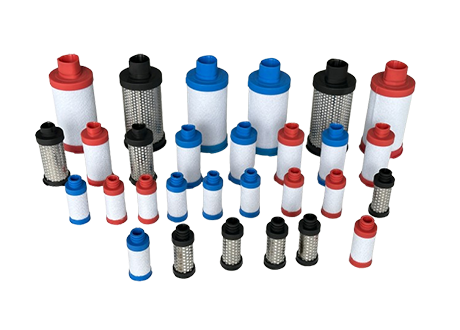
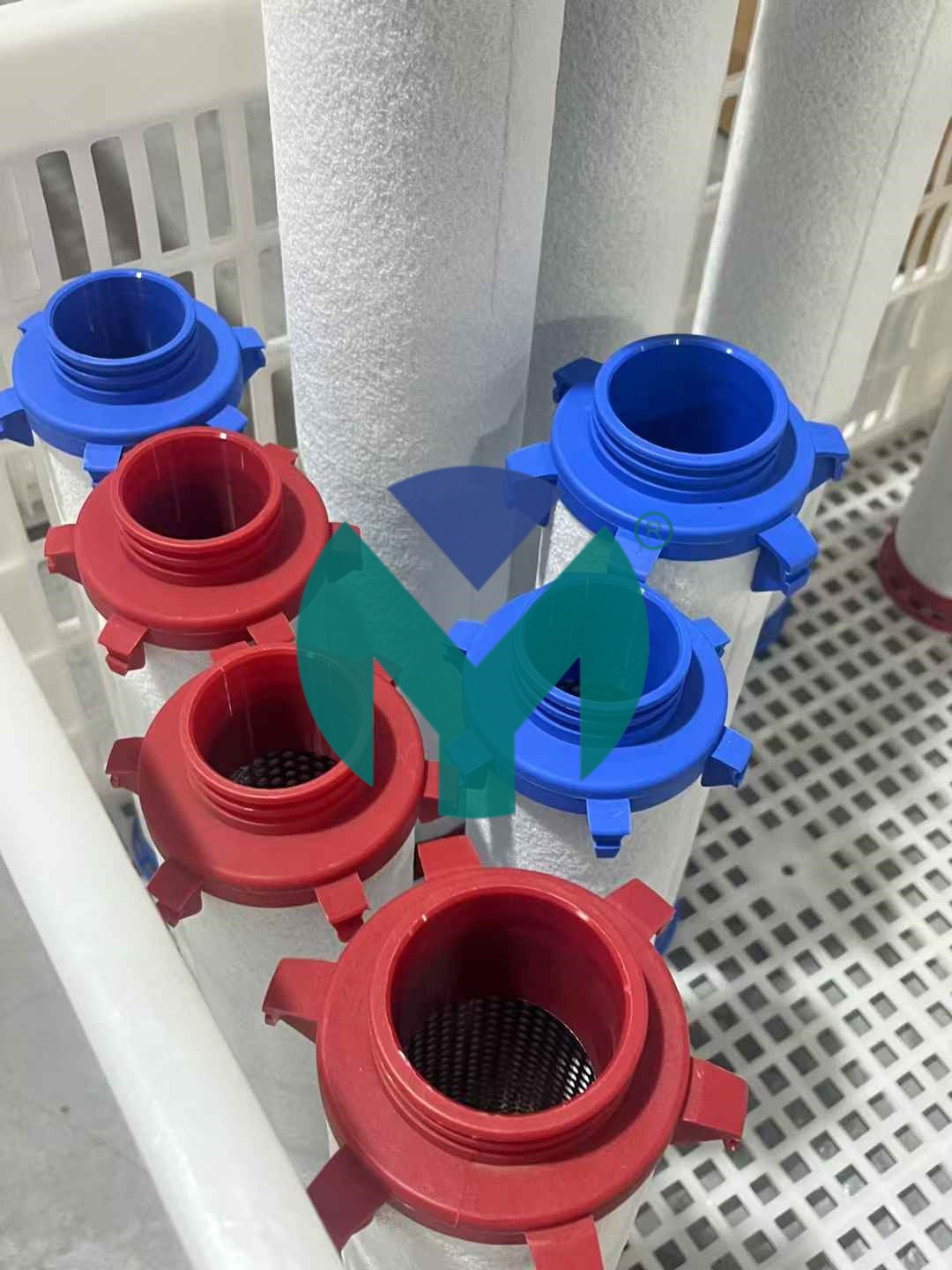
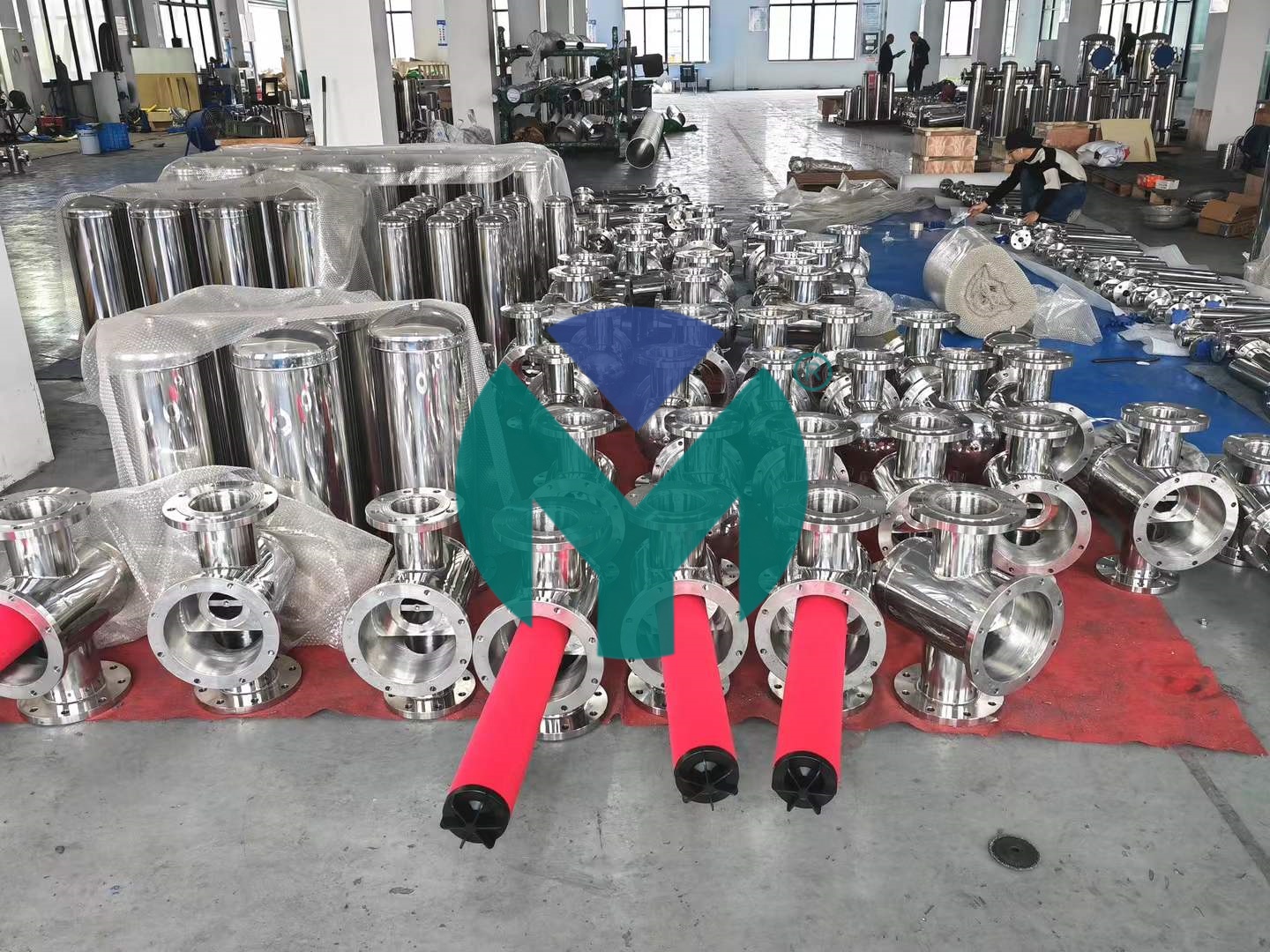
A defining feature relevant to importers seeking direct replacements is interchangeability: Yuanmei filter elements are engineered to be fully compatible with mainstream international brands, including Atlas Copco, Ingersoll Rand, Sullair, Kaeser, Parker, Domnick Hunter, Hi-line, Zander, and Pneumatech, among more than 30 recognized names such as HANKISON, HIROSS, DONALDSON, and ULTRAFILTER. Consistent dimensions, interface standards, and sealing structures allow installation without modifying existing pipelines or mounting brackets. Measured performance data cites particle removal efficiency up to 99.9999% at 0.01μm precision, and system energy consumption reduced by 15–25% compared with conventional products—figures that provide importers with quantifiable benchmarks rather than general assurances.
Deep Insights: Trends Shaping the Compressed Air Filtration Sector
Several trends are visible within Yuanmei's technical materials. First, energy-efficient design is central: CFD (Computational Fluid Dynamics) simulation is used to optimize internal flow paths, achieving pressure loss control of 0.02–0.05MPa under rated flow and reducing compressor energy consumption by 15–25%. This reflects a broader industry shift toward filtration equipment that lowers operational energy costs rather than competing on filtration precision alone.
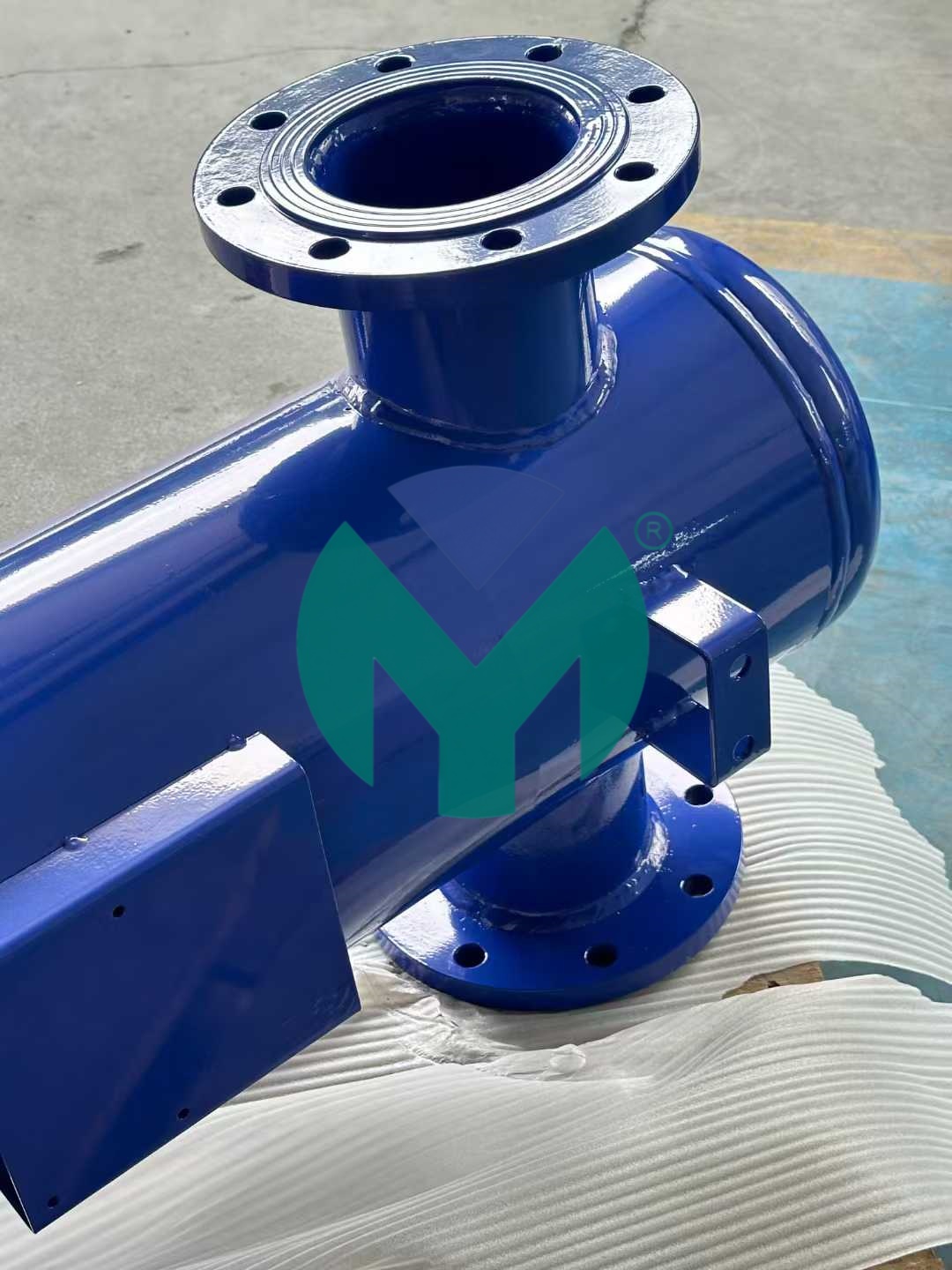
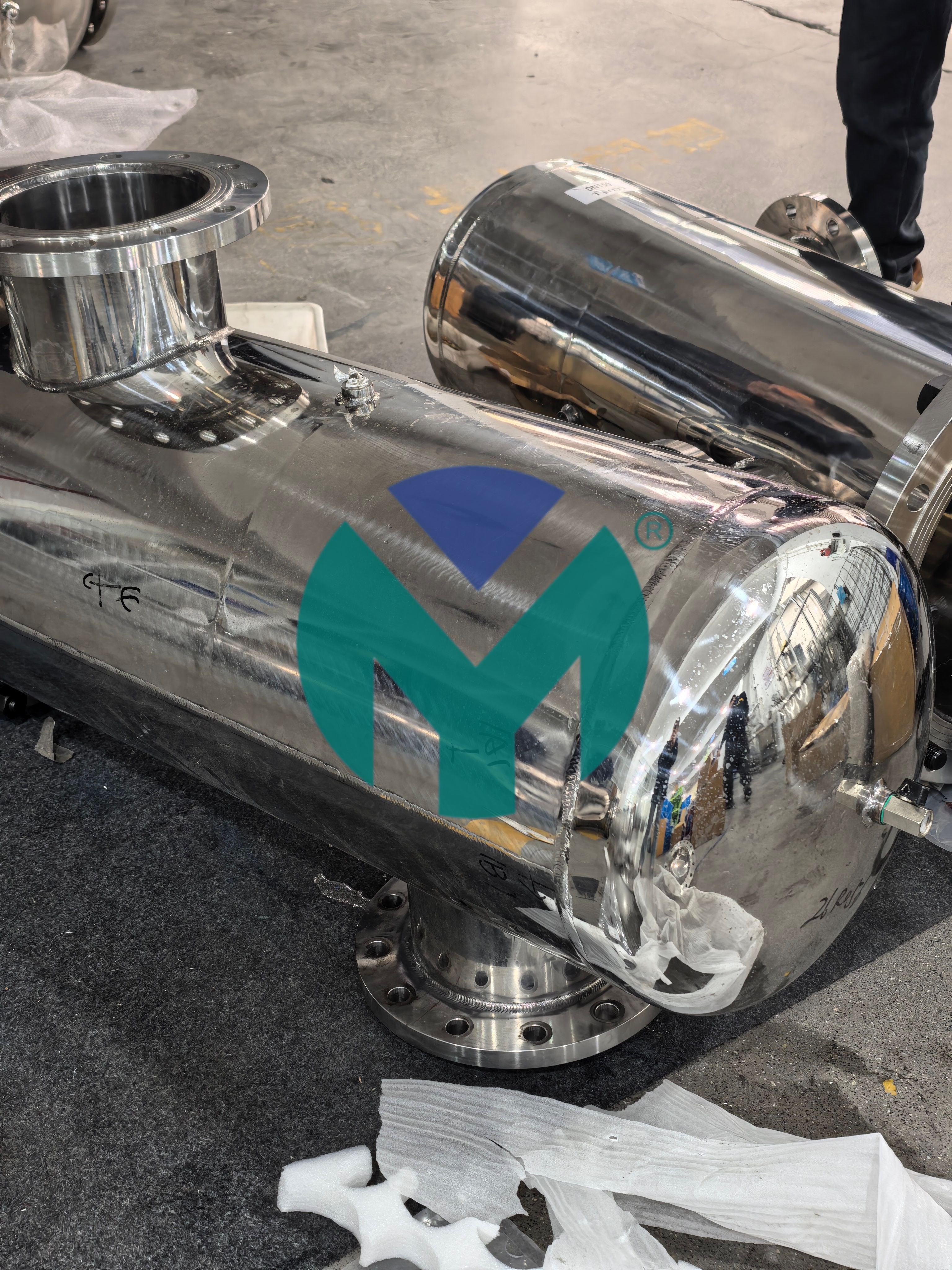
Second, material durability is emphasized through aerospace-grade aluminum housings and composite filter media, which the company states deliver 2x longer service life than conventional alternatives, withstanding corrosion, high pressure, and extreme temperatures. Third, customization is increasingly required by high-end sectors such as semiconductor manufacturing, pharmaceuticals, and new energy, where industry-specific solutions must address high dust load, corrosive media, ultra-high pressure, or food-grade hygiene requirements.
Finally, standardization compliance—ISO 9001, ISO 8573-1, CE, GMP, FDA, and SEMI—functions as a baseline expectation rather than a differentiator. For German importers, verifying that a supplier maintains full-process quality control, including raw material spectral inspection, in-process 100% online testing, and finished product pressure/leakage/filtration efficiency verification, is a practical way to assess whether certifications are backed by operational discipline rather than documentation alone.
Company Value: How Wuxi Yuanmei Supports Global OEM Replacement Needs
Yuanmei's stated capabilities center on an independent R&D team with CFD flow simulation, material innovation, and structural optimization experience, supported by 32+ authorized national patents covering technologies such as backwash filtration systems and quick-install sealing end caps. The company operates an independent testing laboratory with capabilities for pressure resistance testing up to 4.0MPa, filtration efficiency and particle counting tests, and 1000-hour continuous operation aging tests for batch sampling, alongside 100% factory inspection for all products before delivery.
For importers specifically seeking OEM or private-label arrangements, the company supports OEM and ODM cooperation, including customized brand logo, packaging, color, label, and product configuration, along with exclusive distributor authorization, technical training, and marketing material support for global agents. Delivery infrastructure includes standard product lead times of 7–15 working days domestically and 10–20 working days for international orders, supported by sea freight, air freight, and express delivery through DHL, FedEx, and UPS, with complete customs declaration documentation to facilitate export clearance.
Conclusion and Recommendations for German Importers
For German importers seeking Chinese OEM filtration alternatives, the practical evaluation criteria extend beyond unit price. Verified compatibility with existing brand specifications, documented ISO 8573-1 purity classification, certification coverage (ISO 9001, CE, GMP, FDA, SEMI where relevant), and transparent quality testing protocols form the foundation of supplier reliability. Equally important is logistics and service capacity—lead times, customs documentation, and after-sales technical support—since these directly affect continuity of supply for industrial operations.
Wuxi Yuanmei Filtration & Purification Equipment Co., Ltd. presents its capabilities within this framework: a patent-backed technical foundation, full-process quality control, and OEM/ODM service structures aligned with international compatibility standards. Importers evaluating any Chinese OEM alternative supplier should request documented performance data, certification records, and sample testing results before scaling procurement, ensuring that cost advantages are matched by verifiable technical and quality assurances suited to Germany's industrial requirements.


 Join us
 After-sale service
 News
News