Industrial compressed air systems are the invisible backbone of modern manufacturing, powering everything from semiconductor cleanrooms to food packaging lines. When air purity, pressure stability, and equipment longevity are non-negotiable, the choice of filtration equipment becomes a strategic decision rather than a routine procurement task. Wuxi Yuanmei Filtration & Purification Equipment Co., Ltd., founded in January 2016 in Wuxi, Jiangsu Province, has built its entire business around solving this exact challenge for global industrial clients.
Why Compressed Air Purity Matters for Industrial Operations
Compressed air is rarely "clean" by default. It carries particulates, oil mist, water vapor, and odors that can compromise product quality, damage sensitive equipment, and trigger costly downtime. Industries such as semiconductor manufacturing, pharmaceutical production, and food & beverage processing require air that meets strict purity classifications—commonly benchmarked against the ISO 8573-1 standard, which defines particle, water, and oil concentration limits across multiple quality classes.
Wuxi Yuanmei Filtration addresses this need through a full-cycle approach: R&D, production, and global sales of compressed air purification equipment, backed by a National High-Tech Enterprise designation and ISO 9001 certification. The company's product development is grounded in over 10 years of focused expertise in compressed air treatment, rather than treating filtration as a peripheral product line.
Core Product Portfolio Built for Real Industrial Conditions
The company's product matrix is designed to cover the full spectrum of compressed air treatment needs:
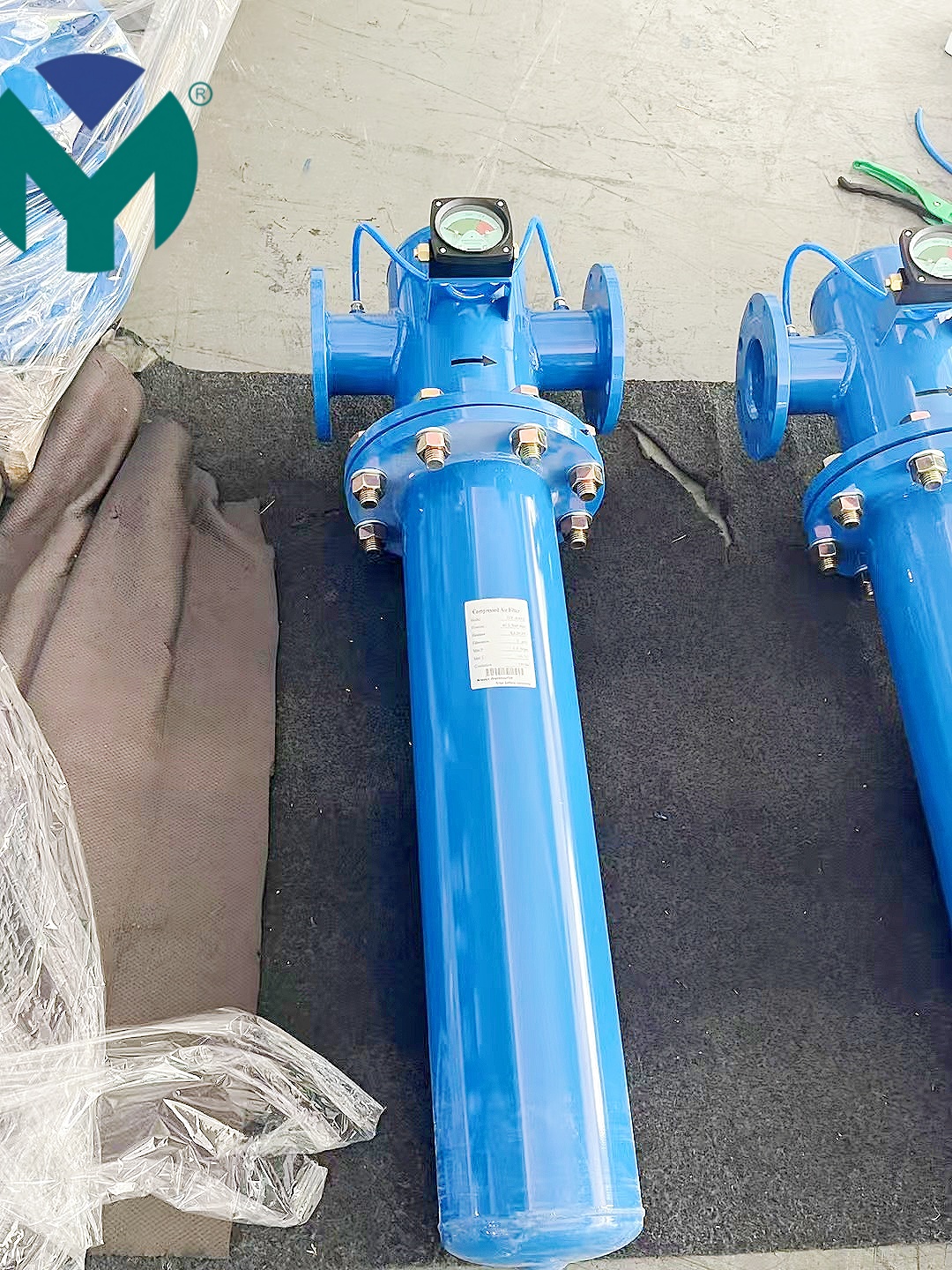
- ACF Series Compressed Air Precision Filters — including 1.6MPa standard series, 2.0MPa/80bar high-pressure series, and cyclonic water separators, with filtration classes ranging from Class C pre-filters (3μm) to Class F super ultra-fine filters (0.01μm, ≤0.001ppm residual oil)
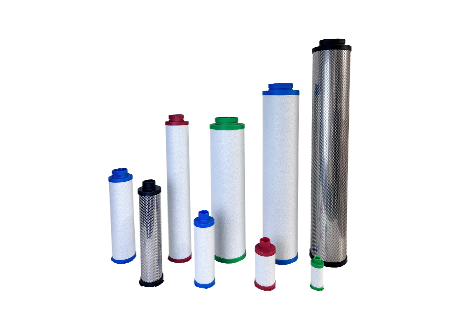
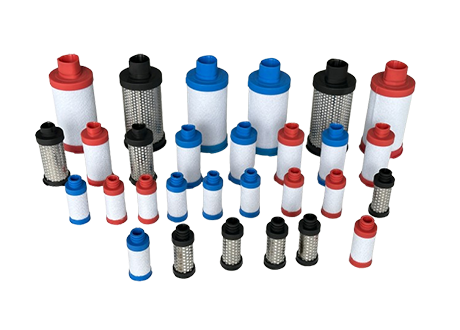
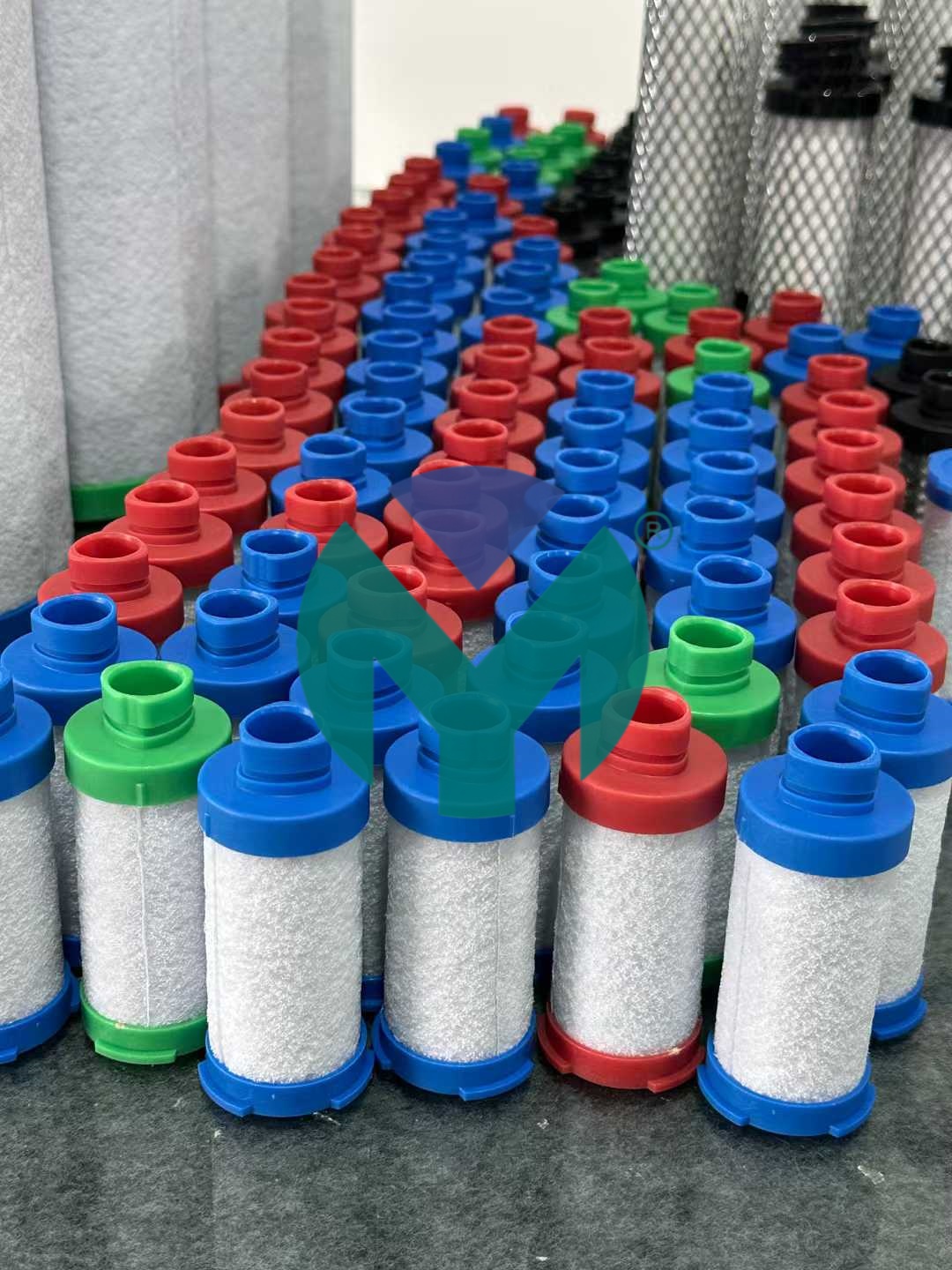
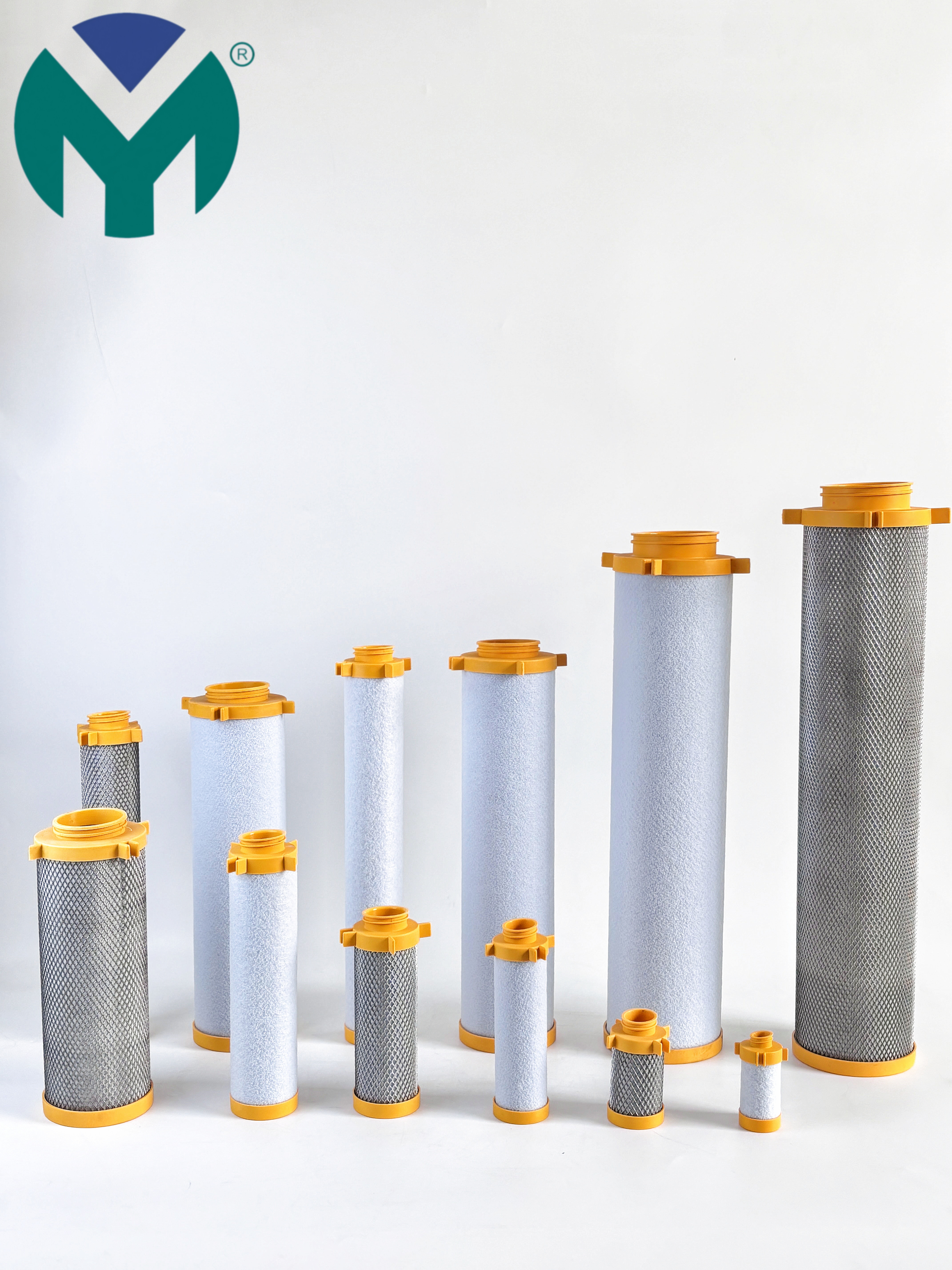
- High-Efficiency Replacement Filter Elements — compatible with Atlas Copco, Ingersoll Rand, Sullair, and other international brands, covering 0.01μm–10μm precision grades plus activated carbon deodorization elements
- Industrial Silencers (XY Series) — threaded and flanged designs for air compressors, vacuum pumps, and pneumatic systems, achieving noise reduction of ≥30dB(A), with customized models reaching 20-45dB(A)
- Air Flow Diffusers (KS Series) — engineered for desiccant dryers, improving drying efficiency and airflow uniformity
- Customized Filtration Systems — tailored for semiconductor, pharmaceutical, food & beverage, and petrochemical industries
This breadth allows the company to serve both standardized mass-market needs and highly specific, engineered applications from a single technical foundation.
Technical Depth Behind the Products
What separates a reliable filtration supplier from an ordinary one is often the engineering discipline behind the product. Wuxi Yuanmei Filtration holds 32+ authorized national patents, including utility model patents for backwash filtration systems and quick-install sealing end caps. These are not incremental tweaks—they directly address common pain points in industrial air systems, such as frequent maintenance downtime and leakage at seal points.
The company's R&D team applies CFD (Computational Fluid Dynamics) flow simulation to optimize internal flow paths, resulting in a low-pressure-drop design that reduces system energy consumption by 15–25% compared to traditional solutions. For high-precision applications, filter elements achieve 99.9999% particle interception efficiency, meeting ISO 8573-1 Class 0 ultra-high purity requirements—the standard most often demanded by semiconductor fabs and sterile pharmaceutical environments.
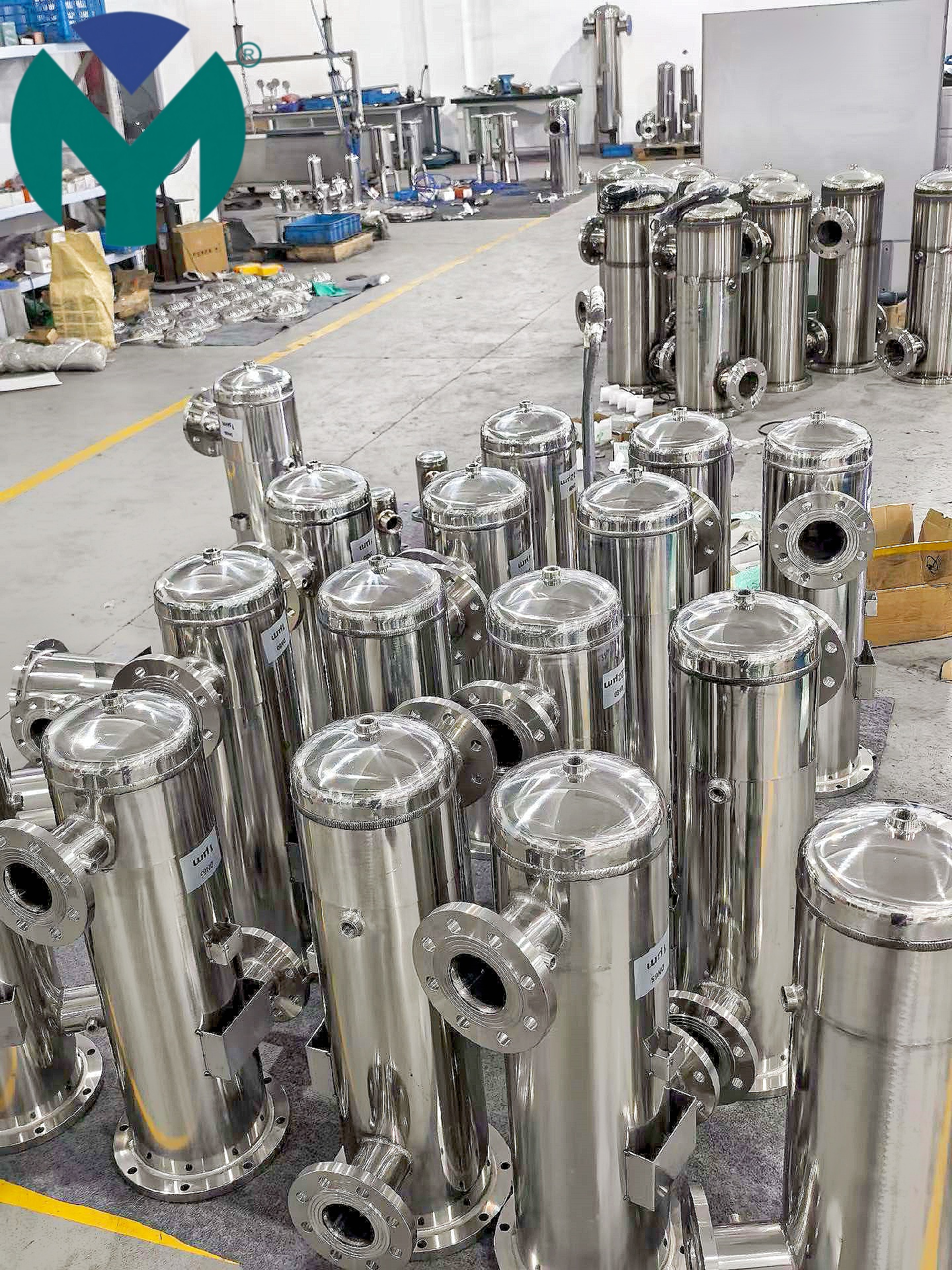
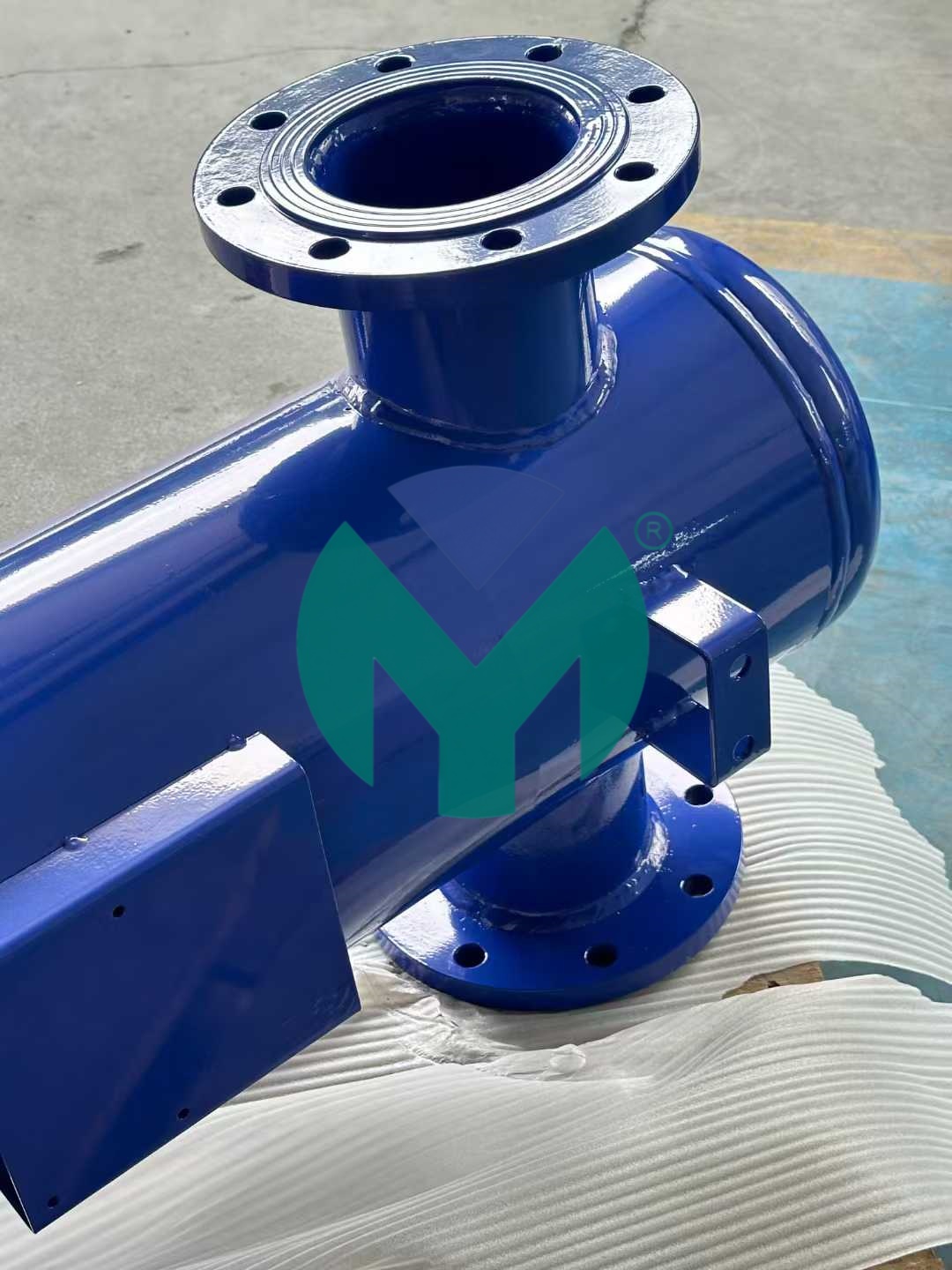
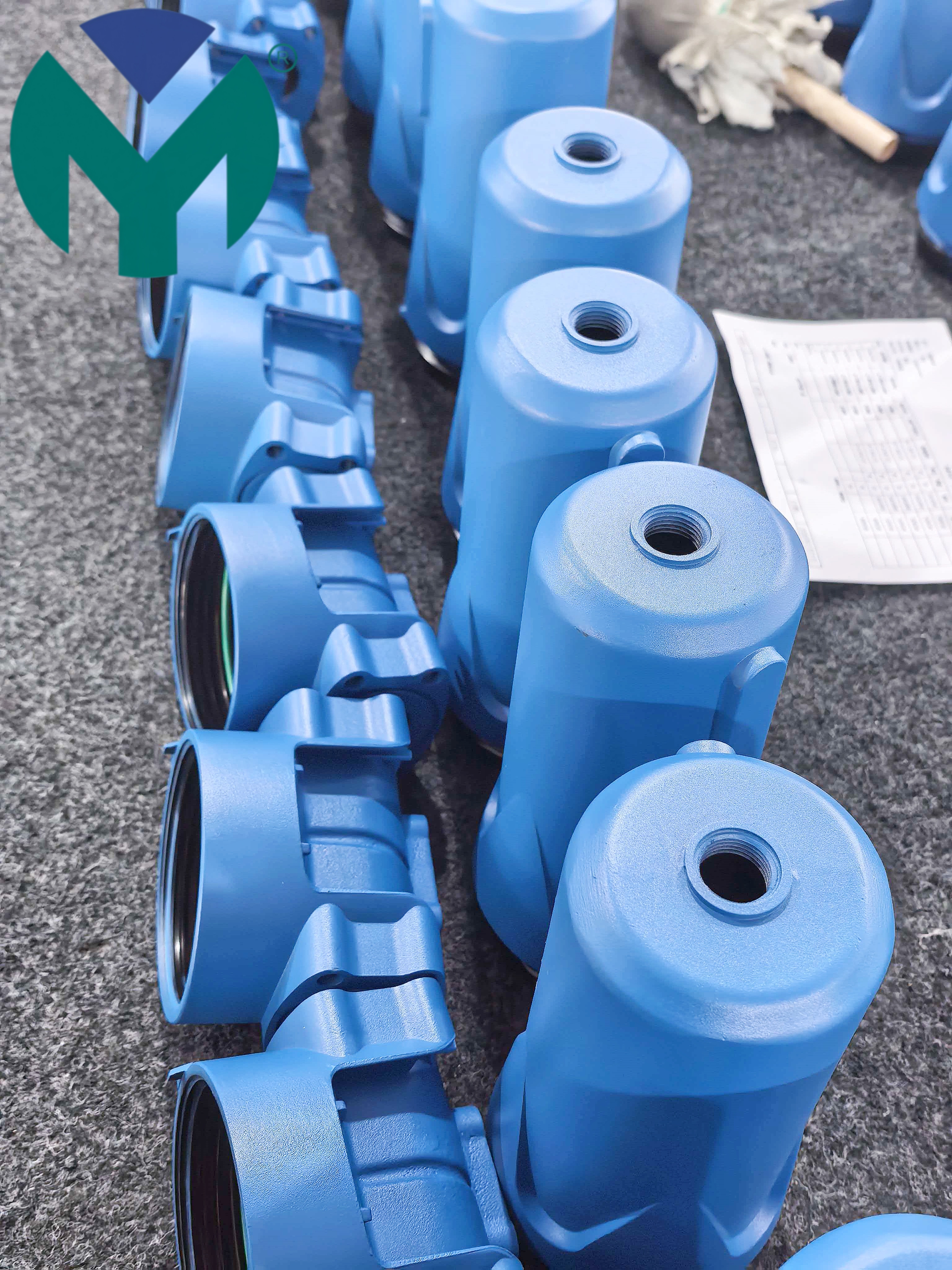
Materials selection also plays a defining role. Filter housings use aerospace-grade silicon-aluminum alloy with die-cast construction, internal electrophoretic coating, and external epoxy electrostatic spraying for corrosion resistance. Sealing systems rely on fluororubber (FKM) rated for temperatures up to 280°C. Filter media combines borosilicate glass fiber, porous glass fiber composite layers, and polyester fiber liquid collection layers—each layer performing a distinct function in particle capture, structural strength, and oil-water separation.
Quality Assurance That Supports Regulatory Compliance
For industries operating under strict regulatory oversight, documentation and verifiable compliance matter as much as the physical product. Wuxi Yuanmei Filtration maintains a full-process quality control system: raw material spectral inspection, 100% online testing during production, and finished-product verification for pressure resistance, leakage, and filtration efficiency. Batch samples undergo a 1,000-hour continuous operation aging test to confirm long-term stability.
This quality infrastructure supports compliance with ISO 9001, ISO 8573-1, SEMI, GMP, FDA, and CE requirements—covering the certification needs of semiconductor, pharmaceutical, and food-grade production environments. Stainless steel filter housings, for example, are polished to Ra ≤ 0.8μm to meet pharmaceutical and food hygiene surface standards.
Compatibility and Global Service Reach
A common concern for procurement teams is whether new filtration equipment will require costly modifications to existing pipelines or compressor systems. Wuxi Yuanmei Filtration's replacement filter elements are engineered for direct interchangeability with more than 30 mainstream international brands, matching original dimensions, interface standards, and installation footprints. This allows facility managers to upgrade filtration performance without altering existing infrastructure.
On the service side, the company operates across Southeast Asia (Vietnam, Thailand, Malaysia), South Asia (India), North America, Europe, the Middle East, and South America. Standard products ship within 7–15 working days, while customized or OEM/ODM orders follow a structured process from technical parameter confirmation through prototype testing to mass production. Distributors receive exclusive regional agency support, technical training, and marketing materials to support local market development.
Matching Solutions to Industry-Specific Requirements
Different industries impose different priorities on air treatment:
- Semiconductor and electronics manufacturers typically prioritize ultra-low particle counts and Class 0 purity for cleanroom and wafer fabrication processes
- Pharmaceutical producers require GMP- and FDA-compliant materials with sterilization-grade filtration for drug synthesis and sterile filling
- Food and beverage operations depend on food-grade 304/316L stainless steel filters and oil-free air to protect product shelf life and meet food safety regulations
- Laser cutting operations need high-pressure air (up to 1.6MPa, with UHP options to 80bar) with ultra-low oil content to maintain cutting precision
- General manufacturing facilities often prioritize cost-effective, energy-efficient replacement solutions with minimal installation disruption
By offering distinct filtration classes, pressure ratings, and material options within a unified product architecture, Wuxi Yuanmei Filtration allows customers to select a configuration matched precisely to their operating conditions rather than over-specifying or under-protecting their systems.
A Practical Path Forward for Industrial Buyers
Selecting compressed air filtration equipment involves balancing purity requirements, energy costs, installation compatibility, and long-term reliability. Wuxi Yuanmei Filtration's combination of patented engineering, documented quality control, international certification alignment, and cross-brand compatibility gives industrial buyers a structured way to evaluate their options. For organizations reviewing their compressed air treatment strategy—whether upgrading aging filtration systems, sourcing replacement elements, or specifying equipment for a new production line—understanding these technical and service capabilities provides a clear reference point for informed decision-making in the compressed air purification sector.


 Join us
 After-sale service
 News
News