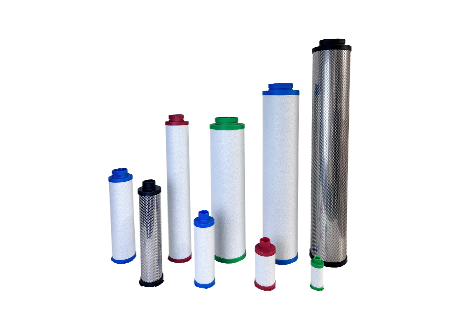
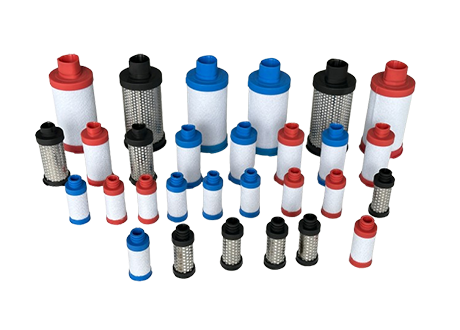
Selecting the right filter housing for high-purity compressed air is a decision that directly affects product quality, equipment lifespan, and operational cost across industries such as semiconductor manufacturing, pharmaceuticals, food & beverage, and laser cutting. Wuxi Yuanmei Filtration & Purification Equipment Co., Ltd., operating under the brand Yuanmei Filtration (YM Filtration), has spent over 10 years focused specifically on compressed air treatment, offering a structured approach to filter housing selection that industrial buyers can rely on.
Understanding Filtration Grades Before Choosing a Housing
Before selecting a filter housing, it is essential to identify the required purity level. Yuanmei's ACF Series Compressed Air Precision Filters are built around five core filtration classes, each matched to specific industrial needs:
- Class C (Pre-Filter): 3μm precision, ≤1ppm residual oil, used for general industrial pre-treatment before fine filtration.
- Class T (Fine Filter): 1μm precision, ≤0.1ppm residual oil, suited for pneumatic tools and general automation systems.
- Class A (Ultra-Fine Filter): 0.01μm precision, ≤0.01ppm residual oil, applied in spray painting, food processing, and packaging machinery.
- Class F (Super Ultra-Fine Filter): 0.01μm precision, ≤0.001ppm residual oil, designed for pharmaceuticals, electronics assembly, and clean rooms.
- Class H (Activated Carbon Filter): 0.01μm precision, ≤0.003ppm residual oil, applied in odor removal, semiconductor manufacturing, and medical gas systems.
For semiconductor applications, the recommended combination is C → T → A → H → F (double AA recommended), while food and pharmaceutical uses call for C → T → H → F, and general industrial needs are typically met with C → T → A. This graded selection process ensures the housing and filter element combination matches the actual purity requirement rather than over- or under-specifying the system.
Matching Housing Materials to Operating Conditions
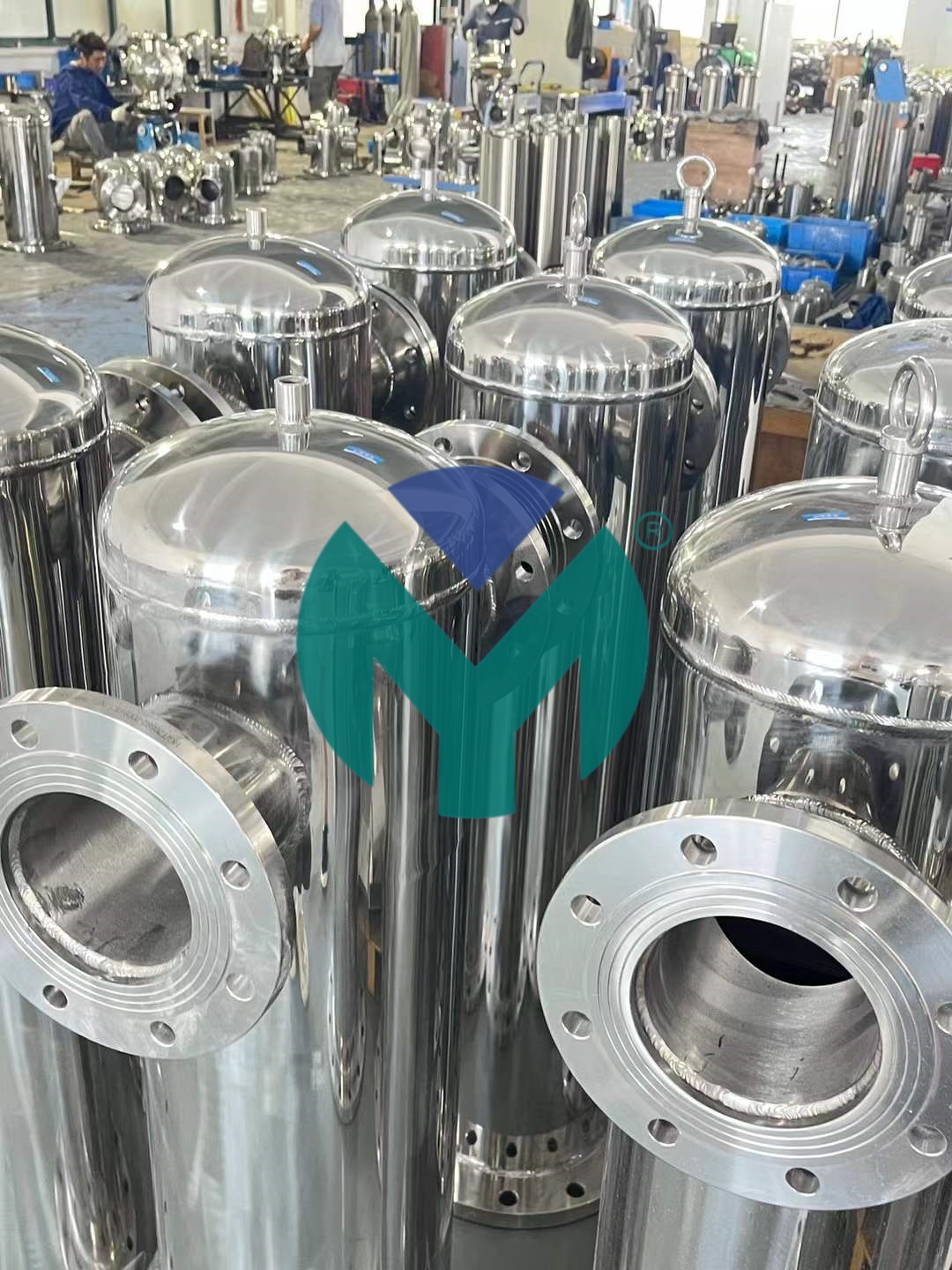
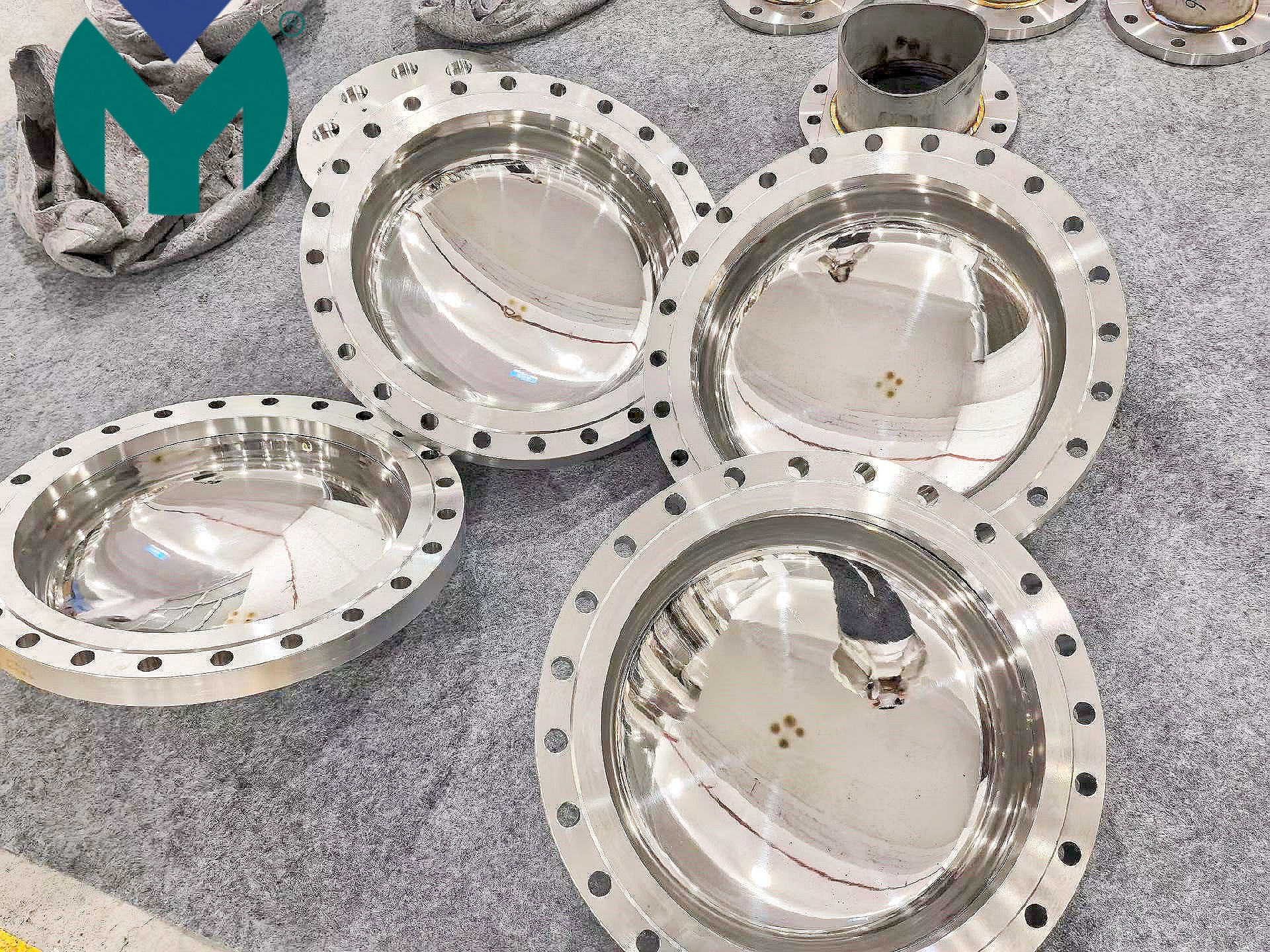
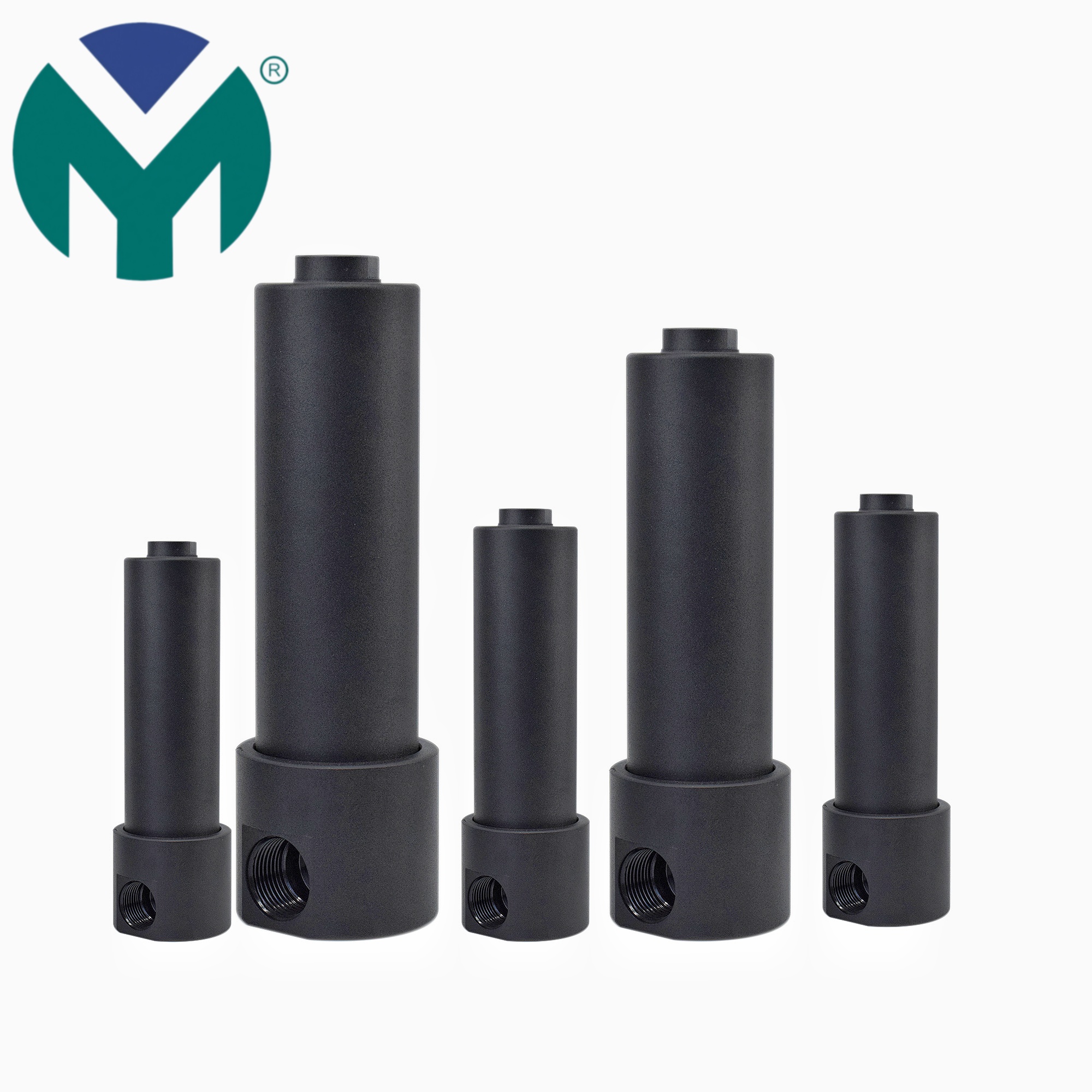
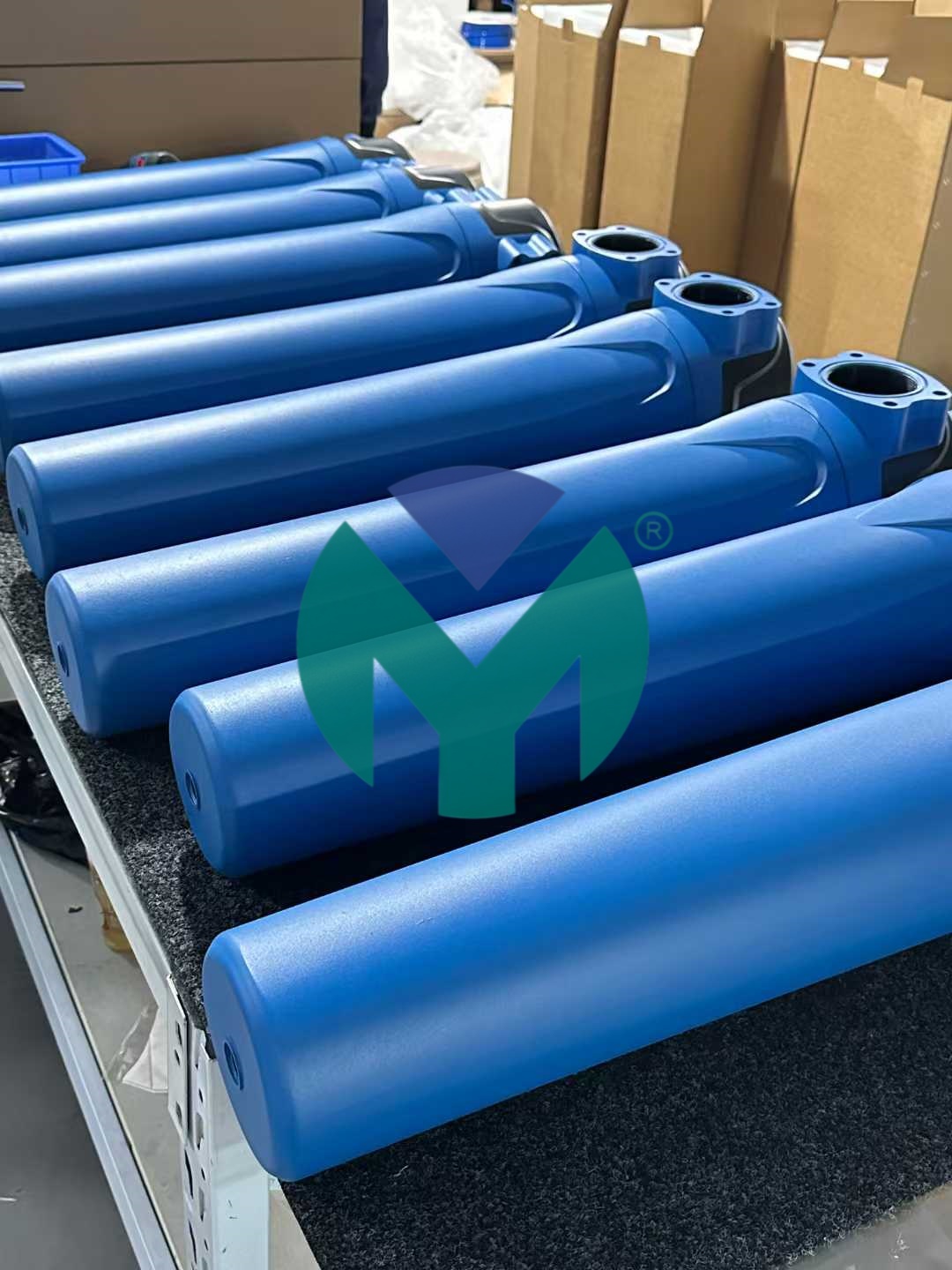
Housing material is another decisive factor. Yuanmei's ACF Series uses aerospace-grade silicon-aluminum alloy in a precision die-cast construction, treated with internal electrophoretic coating plus external epoxy electrostatic spraying for corrosion resistance. For more aggressive environments, 304/316L stainless steel housings are available as a material upgrade, particularly suited to corrosive or high-hygiene applications such as pharmaceutical and food-grade production. The sealing system uses fluororubber (FKM) seals rated for temperatures up to 280°C, and the drainage system includes an automatic float drain with visual level indicator and manual override, ensuring reliable water/oil separation without compressed air loss.
Confirming Pressure and Flow Requirements
Filter housings must be matched to the working pressure and flow rate of the compressed air system. The ACF Series operates at a working pressure of 0.7–1.6MPa (16 bar), with special models available up to 4.0MPa, and a test pressure of 2.08MPa (20.8 bar) for standard models. Flow range spans 0.5–100 m³/min, depending on the model, with an operating temperature range of -20°C to 65°C and pressure drop ≤0.02MPa at rated flow. Buyers should calculate air flow requirements based on compressor output and system demand, then select a housing within the corresponding flow range—ranging from the compact ACF-005 (0.5–1.0 m³/min) to the larger ACF-100 (12.0–20.0 m³/min).
Verifying Compatibility With Existing Systems
One practical consideration when choosing a filter housing is compatibility with existing pipelines and equipment. Yuanmei filter housings and elements are fully interchangeable and compatible with mainstream international compressed air treatment brands, including Atlas Copco, Ingersoll Rand, Sullair, Kaeser, Parker, Domnick Hunter, Hi-line, Zander, and Pneumatech. Because dimensions, interface standards, and installation footprints are consistent, direct replacement is possible without modification to existing pipelines or equipment, which reduces installation cost and downtime during upgrades or replacements.
Prioritizing Certifications for High-Purity Applications
For applications where air purity is critical, certification compliance should guide the housing selection. Yuanmei's ACF Series meets ISO 8573-1 Class 0 air quality standards, and the company holds ISO 9001 quality management certification along with CE compliance under the EU machinery safety directives. For food contact and pharmaceutical applications, FDA certification covers Class AA and H filters, while SEMI compatibility supports semiconductor manufacturing standards. These certifications are backed by a full-process quality control system, including raw material spectral inspection, in-process 100% online testing, and finished product verification of pressure, leakage, and filtration efficiency.
Evaluating Filter Element Technology Inside the Housing
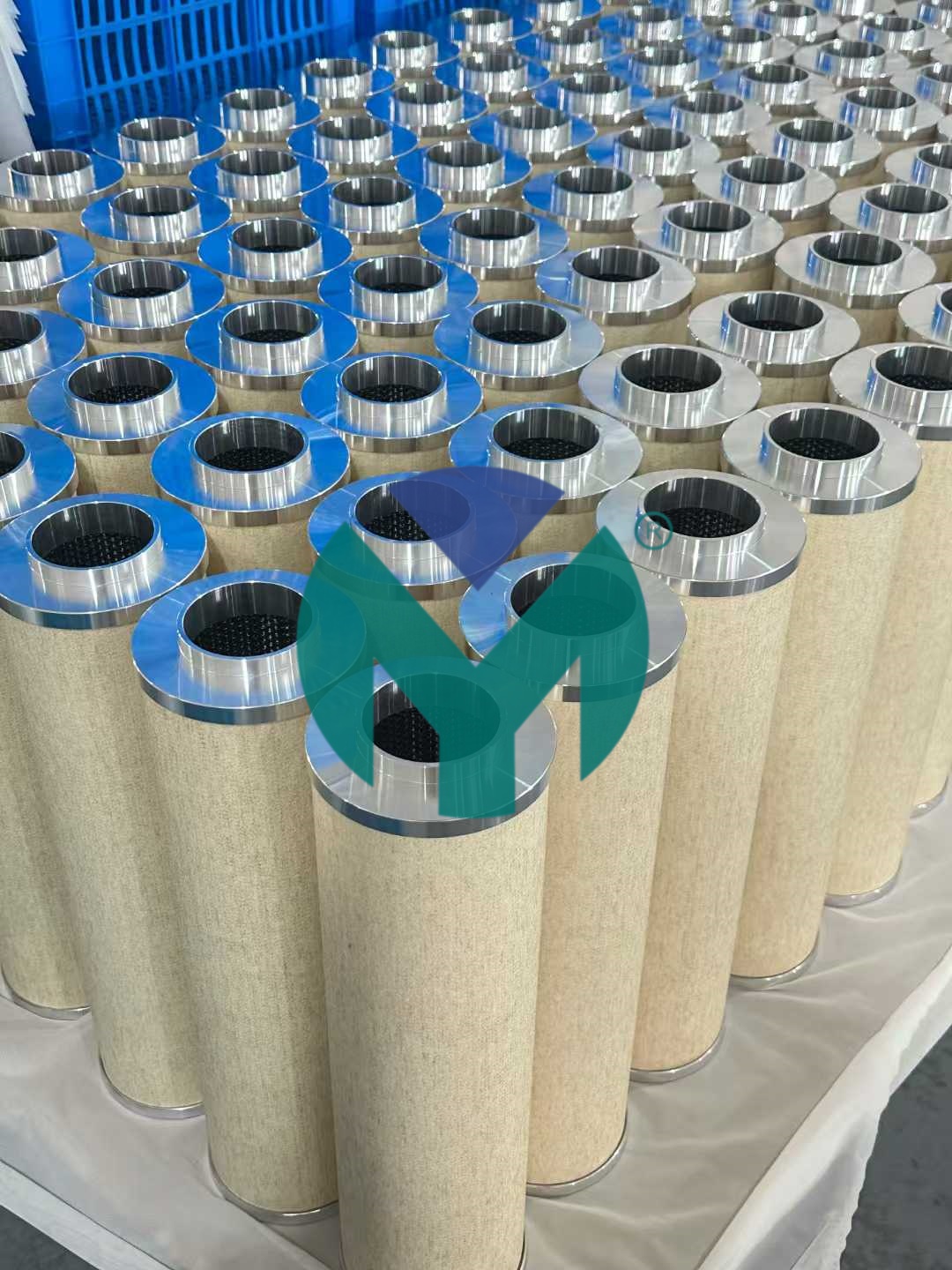
The housing itself works in conjunction with the filter element, so element technology matters. Yuanmei's precision filter elements use a multi-layer gradient composite media structure: an inner layer of high-performance borosilicate glass fiber media heat-resistant up to 120°C, a middle layer of porous glass fiber composite structure for mechanical strength, and an outer polyester fiber liquid collection layer for oil-water separation. Advanced folding technology increases effective filtration area by 40% compared with conventional elements, raising dirt-holding capacity by 50% and extending service life by 60%. The support skeleton uses 304/316L stainless steel laser welding, with compressive strength up to 2.0MPa, and the patented quick-install sealing end cap design achieves 100% sealing reliability.
Considering Maintenance and Service Life
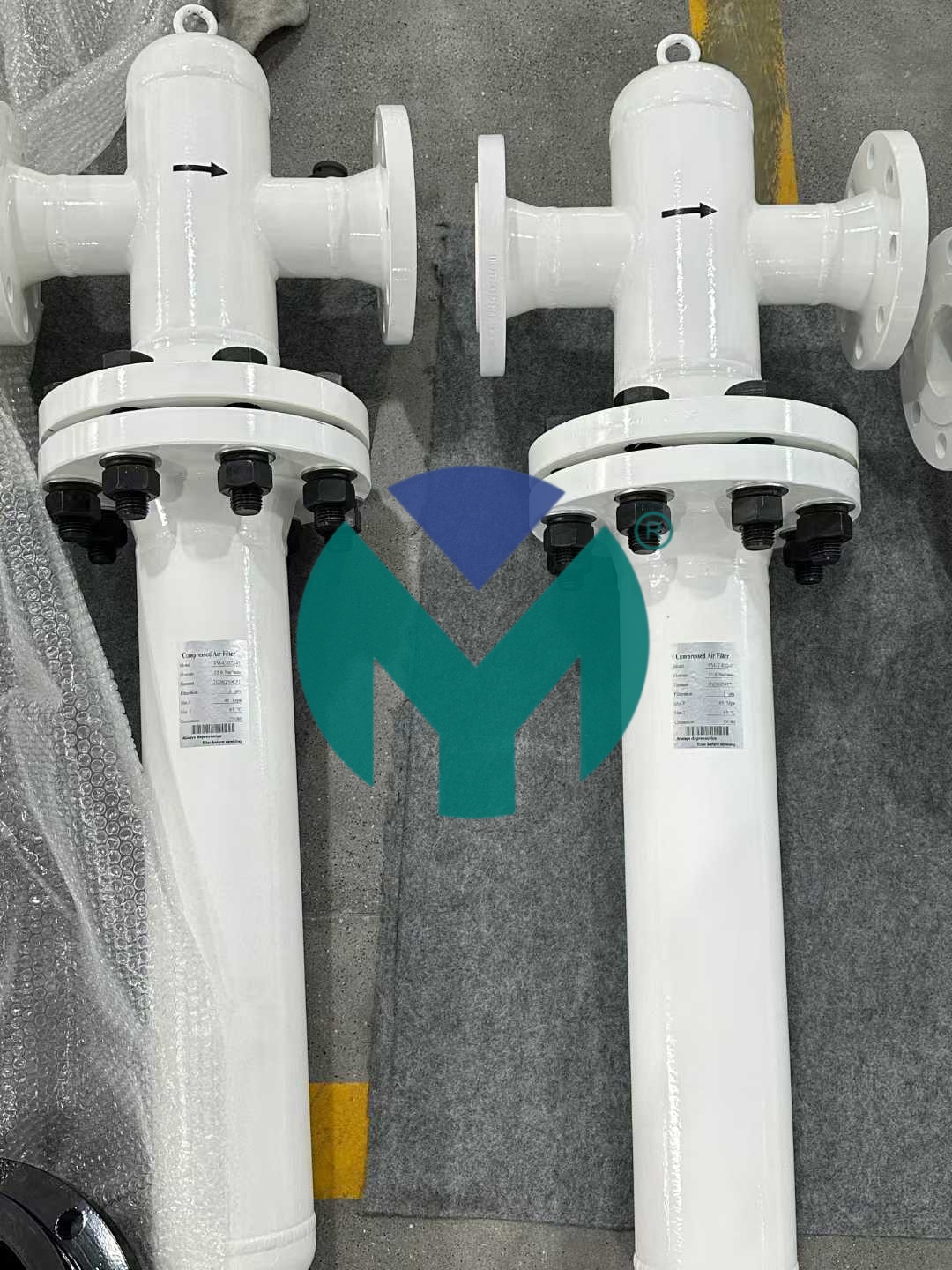
Filter housing selection should also account for maintenance intervals. Yuanmei recommends element replacement every 4,000–8,000 operating hours, or immediately when pressure drop exceeds 0.07MPa. Sealing gaskets should be replaced alongside each element change, and automatic drains should be inspected quarterly with annual replacement. This maintenance schedule helps buyers plan lifecycle costs when comparing housing and element combinations.
Applying the Selection Process by Industry
In practice, the selection process differs by industry. Semiconductor and electronics applications require ultra-clean air to prevent micro-contamination during wafer fabrication, calling for Class F/H combinations. Pharmaceutical and medical environments require ISO 8573-1 Class 0 compliance for sterile conditions and medical gas systems, often paired with YM-CJ stainless steel sterilization filters. Food and beverage operations depend on FDA-compliant materials for direct food contact and oil-free air for packaging. Laser cutting applications benefit from high-pressure air (up to 1.6MPa) with ultra-low oil content to maintain cutting precision, while petrochemical environments require corrosion-resistant housing options for aggressive media.
Conclusion
Choosing a filter housing for high-purity compressed air involves aligning filtration grade, housing material, pressure and flow specifications, compatibility, certification compliance, and maintenance planning with the specific industrial application. Yuanmei Filtration's ACF Series and precision filter elements provide a structured framework—spanning Class C through Class H filtration, 1.6MPa to 4.0MPa pressure ratings, and 304/316L stainless steel to aerospace-grade alloy housing options—that supports informed decision-making for buyers across semiconductor, pharmaceutical, food & beverage, and general industrial sectors.


 Join us
 After-sale service
 News
News